Goshi
Our verdict
Goshi occupies a quietly considered position on Pine Street in downtown Paso Robles, a wine country town more accustomed to Californian and French-inflected dining than the Japanese culinary tradition. In a local scene defined by estate restaurants and farm-to-table bistros, Goshi represents a different kind of ambition — one rooted in the precision and cultural discipline that Japanese cuisine demands at its more serious registers.

Pearl is the En Primeur Club membership app — saves, bookings, and concierge access live there. Same editors, same standards.
- Address
- 722 Pine St, Paso Robles, CA 93446
- Phone
- (805) 227-4860
- Hours
- Mon ClosedTue–Thu 11:30 AM–1:30 PM, 5–8 PMFri–Sat 11:30 AM–1:30 PM, 5–8:30 PMSun Closed
- Website
- goshipasorobles.com
- Directions
- Get directions
- Booking
- Book on the venue's website
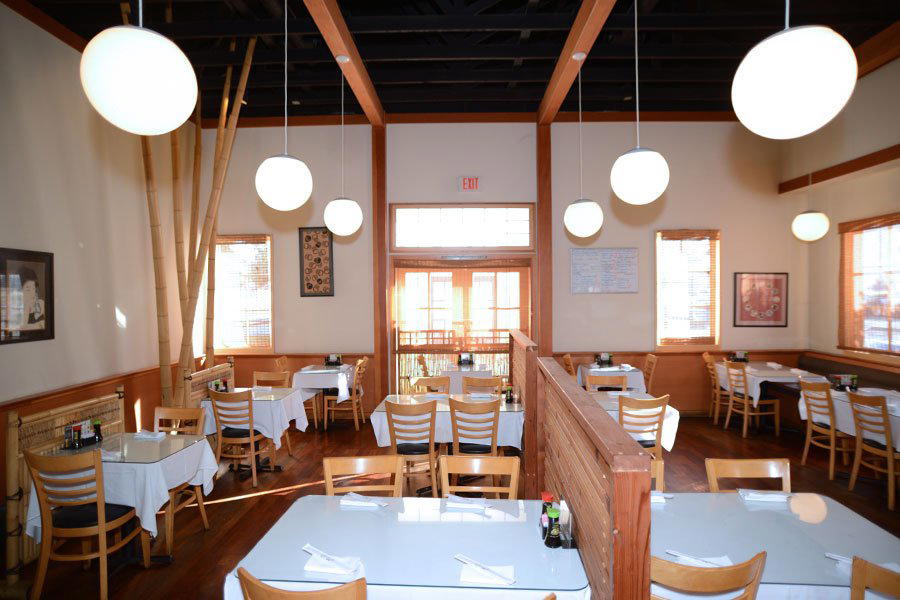
Japanese Discipline in California Wine Country
Paso Robles has spent the better part of two decades building its identity around Rhône varieties, Zinfandel, and a dining culture that mirrors its vineyards: Californian in spirit, occasionally French in technique, and rarely looking east for inspiration. The town's restaurant scene clusters around that template — see The Restaurant at JUSTIN for estate-driven Californian cooking or BL Brasserie for French Californian sensibility — which makes an address like Goshi worth examining on different terms. Japanese dining in a mid-sized Central Coast wine town is not a category that arrives by accident. It carries its own set of cultural expectations, and how a kitchen meets or departs from those expectations tells you more than any menu description.
The address, 722 Pine Street, in the heart of downtown Paso Robles, places Goshi within walking distance of the town's core restaurants and tasting rooms. Downtown Paso Robles operates on a compact, walkable grid, which means the practical case for dining here is easy: you are already in the neighbourhood. The more interesting question is what kind of Japanese cooking has taken root here, and what that signals about where the local dining conversation is heading.
The Cultural Weight of Japanese Cooking Outside Its Centres
Japanese cuisine carries one of the most codified culinary traditions in the world. At its most rigorous, the kaiseki progression of Kyoto, the counter disciplines of Edomae sushi, the long-fermented broths of tonkotsu ramen, it demands years of repetition, sourcing networks built on trust, and a kitchen culture that prizes restraint over showmanship. When that tradition travels to smaller American markets, it tends to either dilute into a sushi-roll casualness or hold its discipline precisely because the chef has something to prove outside a major metropolitan centre.
This dynamic plays out across American dining. The Japanese-inflected counter at Atomix in New York City operates at the most conceptually ambitious end of the Korean-Japanese spectrum in the United States. Further down the coast, Providence in Los Angeles has long demonstrated how Japanese precision applied to seafood sourcing can anchor a California fine dining program. In Northern California, Single Thread Farm in Healdsburg, the closest comparable wine-country context to Paso Robles, grounds its kaiseki-influenced tasting menu in local agricultural relationships. These examples share a common thread: Japanese technique as a system of thought, not just a cuisine category.
What Paso Robles offers that most major markets cannot is proximity to serious agricultural product, Central Coast seafood, local ranching, and a wine community that already thinks in terms of terroir. A kitchen working with Japanese discipline in this setting has access to ingredients that many Tokyo importers would pay significantly to source. That alignment between Japanese culinary values and Central Coast produce quality is the most compelling editorial argument for a venue like Goshi existing where it does.
Where Goshi Sits in the Local Competitive Set
Paso Robles dining spans a wide register. At the more casual end of the downtown scene, you find operations like Berry Hill Bistro and Basil Thai Restaurant, which serve the everyday local market. Further up in ambition and price, Six Test Kitchen occupies the contemporary fine dining tier, the kind of address that draws visitors willing to treat Paso Robles as a dining destination in its own right, not just a wine itinerary with meals attached.
Goshi operates in a different category from all of them. Japanese cooking, even at its more accessible registers, imports a set of cultural references and dining conventions that French Californian or contemporary American menus do not carry. The pacing is different. The sourcing logic is different. The relationship between the kitchen and the diner, particularly in counter-format Japanese dining, is built on a degree of trust and restraint that casual or bistro formats do not require. Whether Goshi operates closer to the counter-omakase discipline or a broader Japanese menu format, the cultural framework it enters is one with genuine depth.
For comparison, consider the scale of investment required to run Japanese cuisine credibly at the level of The French Laundry in Napa or Addison in San Diego. Those properties operate with kitchen teams, sourcing infrastructure, and service cultures built over decades. A smaller market like Paso Robles demands something different: a tighter, more focused execution where the culinary argument is made in fewer moves. That compression, when it works, produces some of the more interesting dining in American wine country.
Japanese Cuisine and Wine Country: A Productive Tension
One of the structural tensions in Japanese dining is its relationship to wine. Traditional Japanese cuisine was built around sake, shochu, and tea, not the Cabernet Sauvignon and Grenache that define Paso Robles's vinous identity. Yet the pairing between delicate Japanese preparations and the lighter expressions coming out of Central Coast producers has become a genuine conversation in California food circles. The umami density in fermented Japanese condiments, the clean acidity in raw preparations, and the fat content in quality fish all find counterparts in the right Paso Robles bottles.
This is precisely the kind of productive local tension that makes wine-country dining more interesting than a simple match of cuisine to region. Venues in Healdsburg have learned to work this seam, Single Thread's wine program is a reference point for how kaiseki-adjacent menus can anchor to local vineyards without losing either the culinary or the viticultural argument. Paso Robles, with its own serious wine community and growing restaurant ambition, is working through the same question.
The broader national context is also relevant: venues like Blue Hill at Stone Barns in Tarrytown and Lazy Bear in San Francisco have demonstrated that hyper-local sourcing, disciplined pacing, and a strong point of culinary view are not exclusive to major urban centres. A Pine Street address in Paso Robles can carry real ambition.
Planning Your Visit
Goshi is located at 722 Pine Street in downtown Paso Robles, within the walkable core of the city's restaurant district. Visitors planning a Central Coast dining trip should cross-reference Paso Robles's broader restaurant scene, our full Paso Robles restaurants guide maps the full range of options, from estate dining to neighbourhood standbys. Paso Robles dining overall tends toward moderate booking pressure on weekends, when wine country visitors combine tastings with dinner, so earlier planning is advisable for Friday and Saturday evenings.
Frequently asked questions
What's the address for Goshi?
Goshi is located at 722 Pine St, Paso Robles, CA 93446, Paso Robles.
Is Goshi in Paso Robles a good option for wine country visitors combining dining with local tastings?
Goshi's location at 722 Pine Street puts it within the walkable downtown Paso Robles restaurant district, making it a practical dinner stop after afternoon tasting room visits in the area. Japanese cuisine and Central Coast wine — particularly the region's Rhône-style whites and lighter Grenaches — share a structural affinity around acidity and umami that the pairing can reward.
What's the best thing to order at Goshi?
Goshi's menu details are not published online, which makes a visit to 722 Pine Street the most reliable way to assess what's on offer on a given night. Japanese restaurants in this format typically anchor their menus around seasonal preparation, so asking staff what's driving the kitchen that week is the practical approach. A conversation at the counter or table usually yields better guidance than any static list.
Do I need a reservation for Goshi?
No booking contact or online reservation system is currently listed for Goshi at 722 Pine St, Paso Robles. Given that downtown Paso Robles sees significant weekend traffic from wine country visitors, arriving early or calling ahead during business hours is the sensible approach. Japanese restaurants operating at a focused scale in similar markets tend to fill quickly on Friday and Saturday evenings.
What's the standout thing about Goshi?
The proposition itself is distinctive: Japanese culinary discipline applied within a Central Coast dining scene built almost entirely around Rhône varieties and Californian casualness. Paso Robles has a concentrated restaurant district around Pine Street, and Goshi's address at 722 Pine places it inside that walkable core. The structural contrast between the precision of Japanese cooking traditions and a wine-country audience accustomed to European-leaning fare is the real point of interest.
Cost Snapshot
Comparable venues nearby, for context on price, style, and recognition.
| Venue | Cuisine | Price | Awards | Notes |
|---|---|---|---|---|
| GoshiThis venue — the venue you are viewing | Traditional Japanese Sushi | Not listed | Not listed | Not listed |
| Odyssey World Cafe | Eclectic World Cafe | $20–30 | Not listed | downtown, Eclectic World Cafe |
| Il Cortile Ristorante | Rustic Italian Fine Dining | $50–100 | Wine Spectator Award of Excellence | Downtown, Rustic Italian Fine Dining |
| Paso Terra | French Bistro with Seafood Specialization | $50–100 | Not listed | Downtown Paso Robles, French Bistro with Seafood Specialization |
| Thomas Hill Organics | Not listed | Not listed | Not listed | Downtown Paso Robles, Farm-to-Table California Bistro |
| Basil Thai Restaurant | Traditional Thai | $20–30 | Not listed | Downtown Paso Robles, Traditional Thai |
Goshi
Featured Guides

Continue exploring
More in Paso Robles
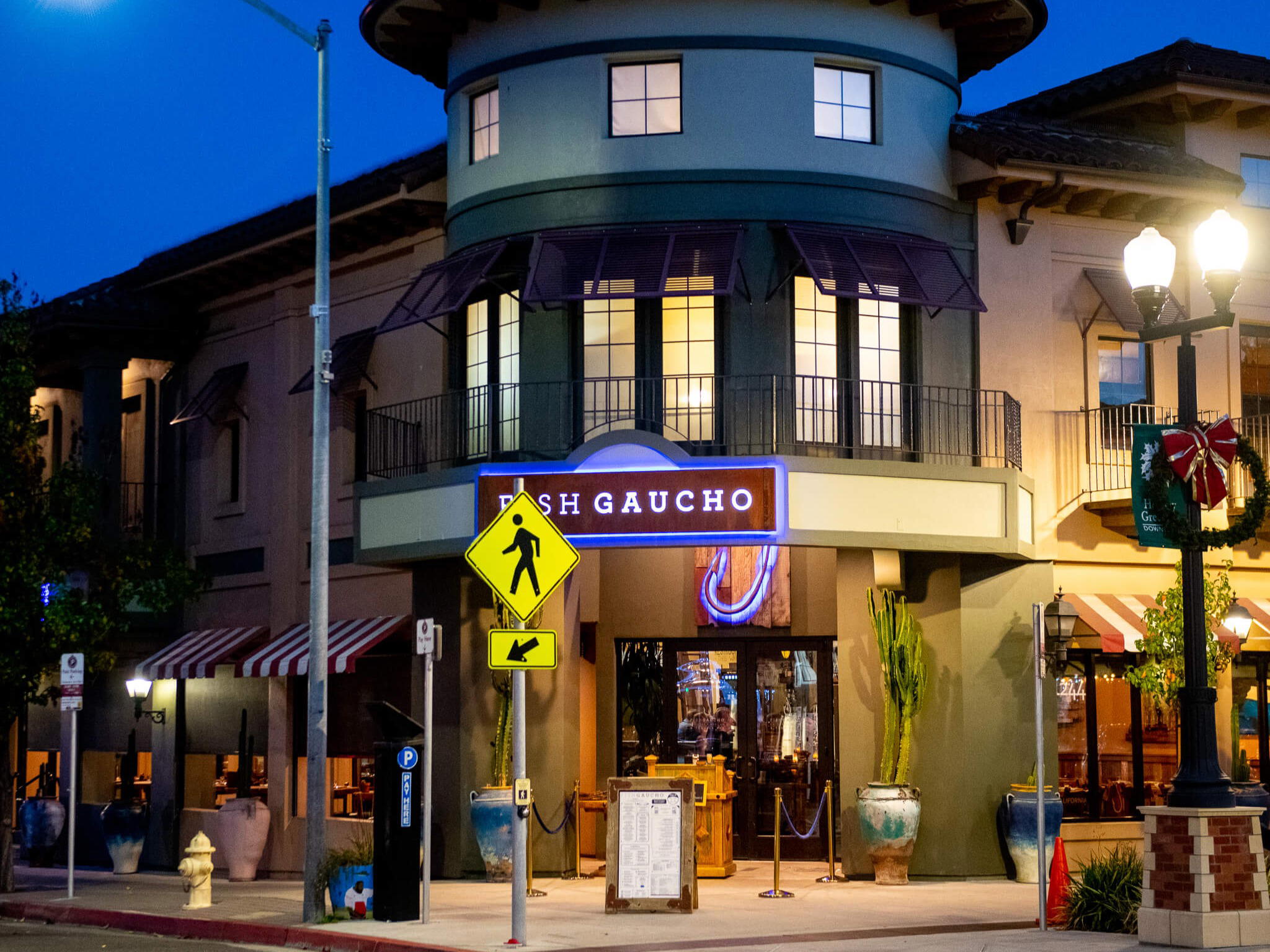
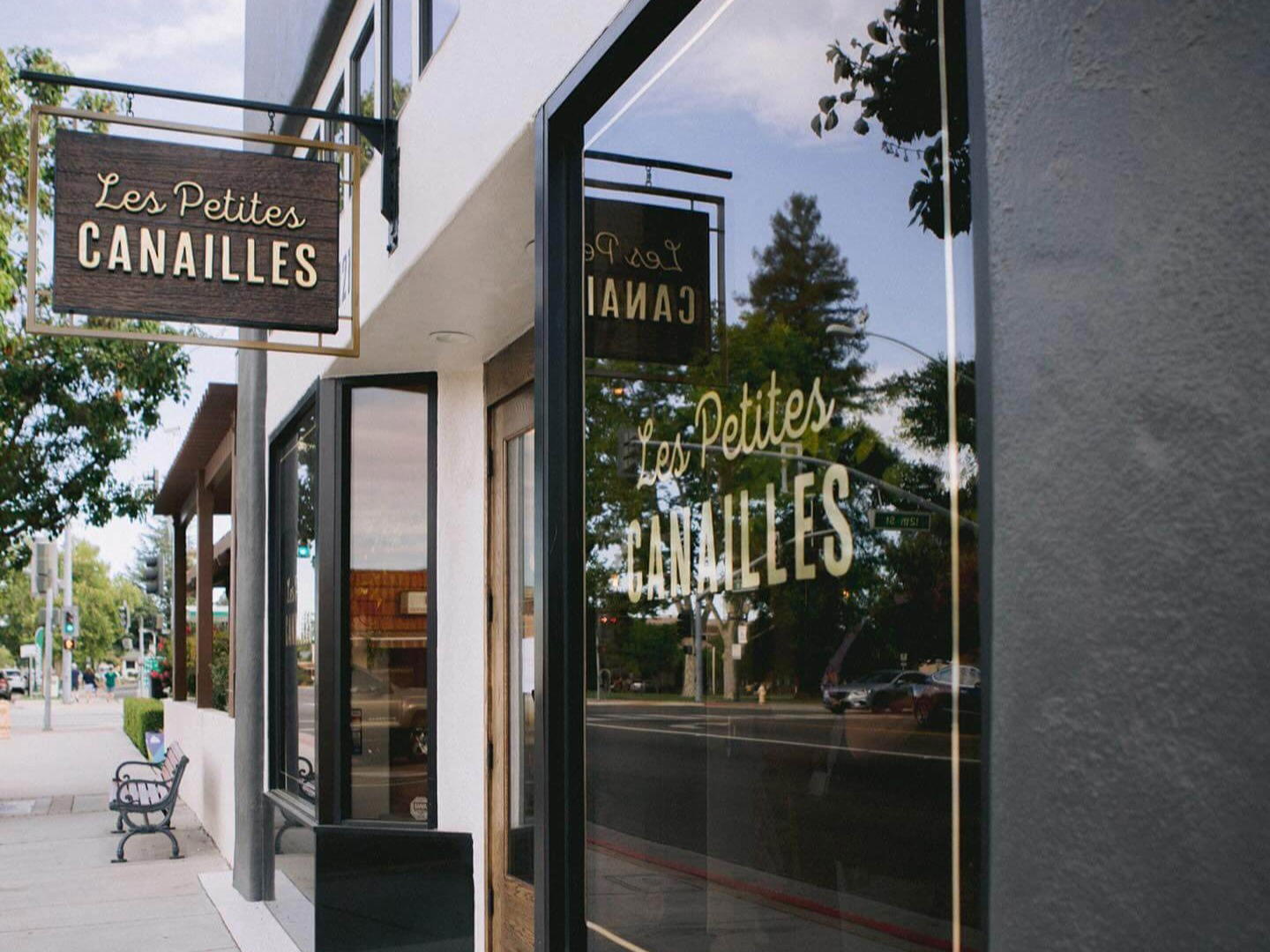
Restaurants in Paso Robles
Browse all →
Bars in Paso Robles
Browse all →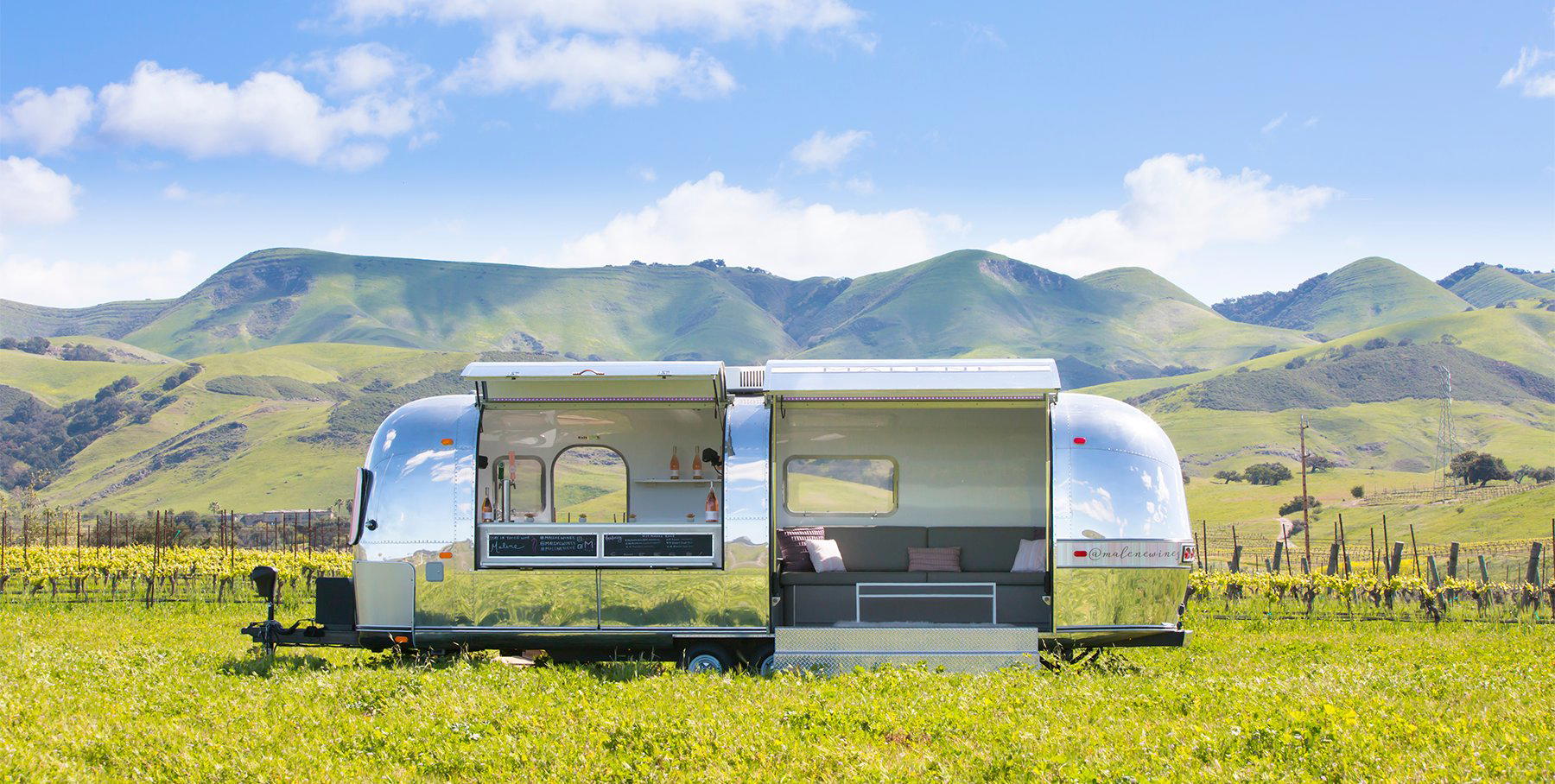
Hotels in Paso Robles
Browse all →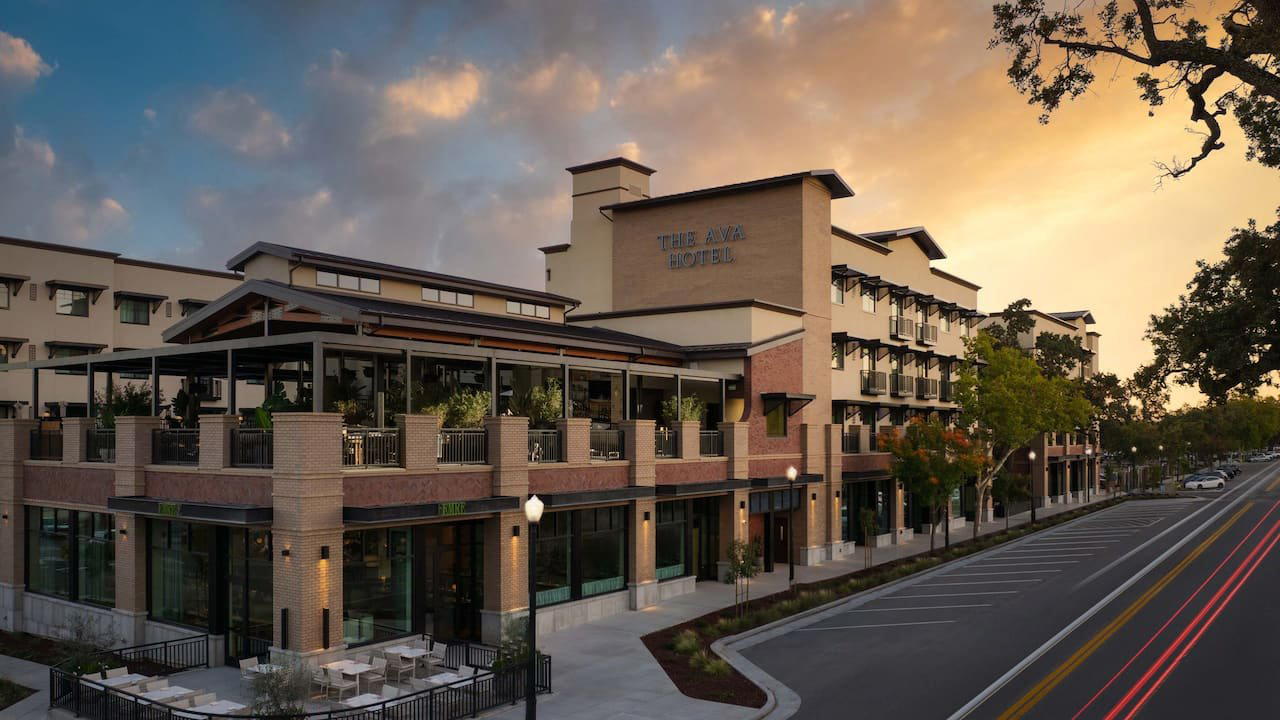
Details
- Classic
- Cozy
- Date Night
- Family
- Sake Program
- A La Carte
- Sake
- Vegetarian Friendly
- Vegan Options
Current opening hours
- Monday
- Closed
- Tuesday
- 11:30 AM–1:30 PM, 5–8 PM
- Wednesday
- 11:30 AM–1:30 PM, 5–8 PM
- Thursday
- 11:30 AM–1:30 PM, 5–8 PM
- Friday
- 11:30 AM–1:30 PM, 5–8:30 PM
- Saturday
- 11:30 AM–1:30 PM, 5–8:30 PM
- Sunday
- Closed
Hours can change for holidays and private events. Last verified .
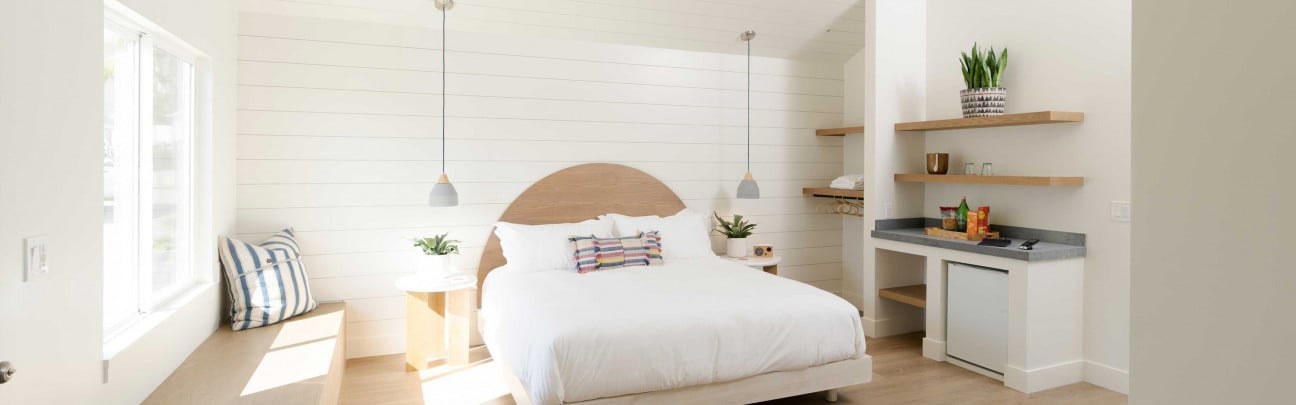
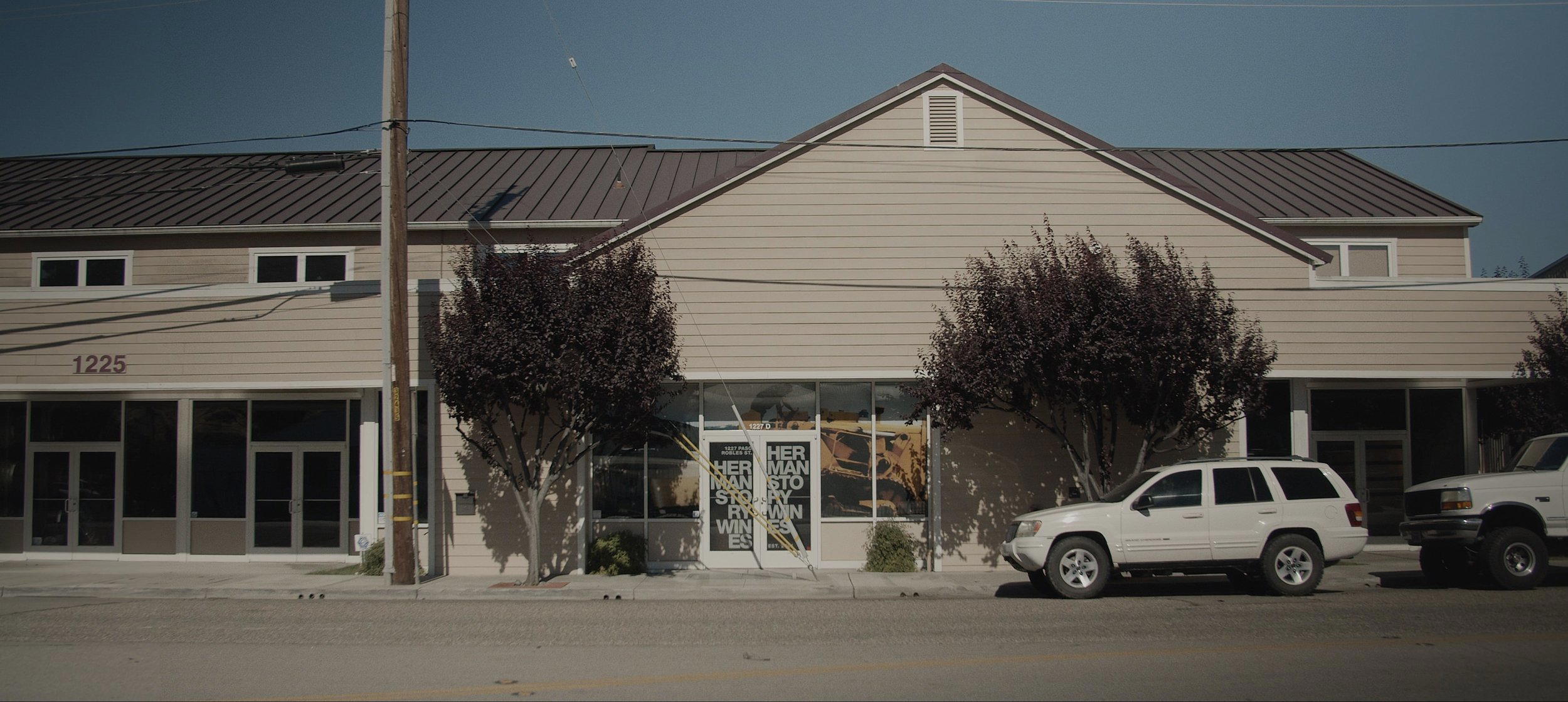
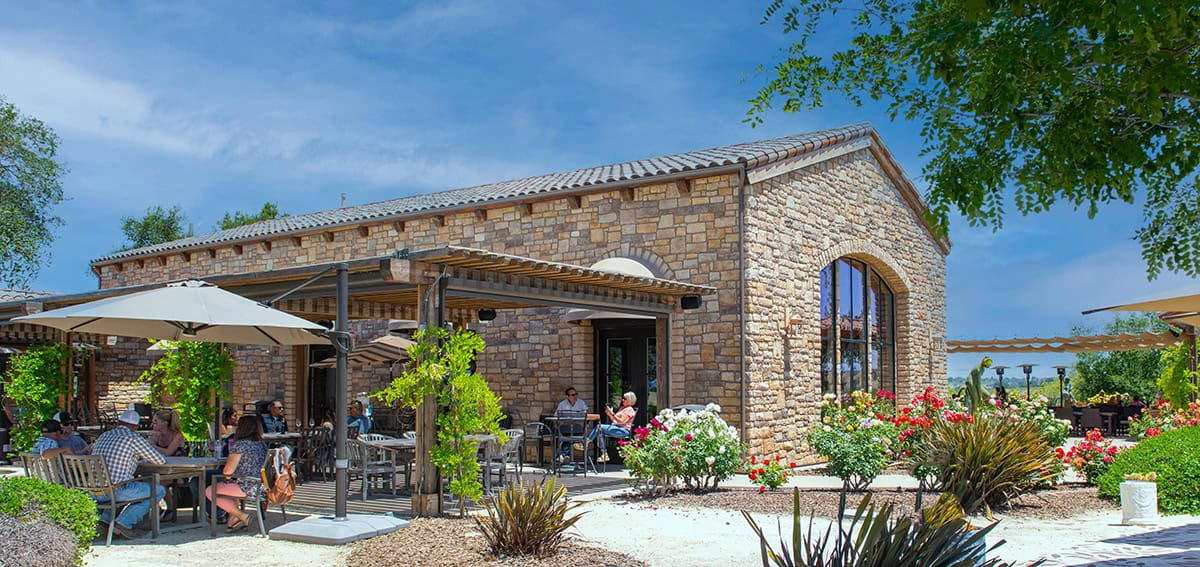
Clean contemporary space with high ceilings, pleasant decor, well-lit, and comfortable casual atmosphere.