Ginza
Ginza occupies a strip-mall address on Tucson's northeast corridor, a stretch where suburban practicality and serious dining ambitions coexist more often than outsiders expect. The name signals Japanese intent in a city whose restaurant identity leans heavily on Sonoran tradition, placing it in a small but growing cohort of specialty cuisine operators working outside the downtown core. Details on format and pricing remain sparse, but the address and positioning suggest a neighbourhood-focused operation rather than a destination dining statement.
Pearl is the En Primeur Club membership app — saves, bookings, and concierge access live there. Same editors, same standards.
- Address
- 5425 N Kolb Rd #115, Tucson, AZ 85750
- Phone
- +15205298877
- Website
- ginzatucson.com
- Directions
- Get directions
 Saves & bookings on Pearl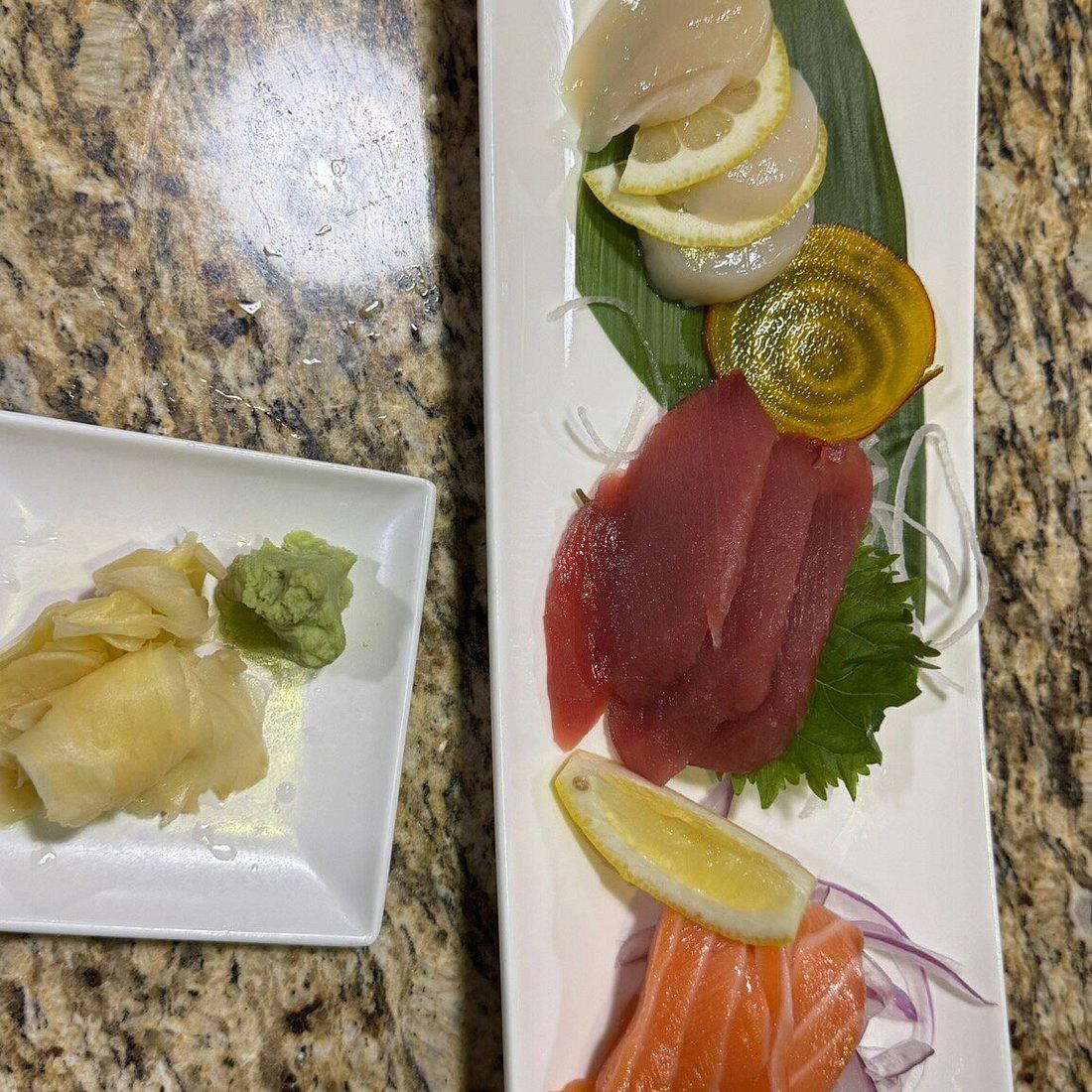
Northeast Tucson and the Strip-Mall Dining Paradox
North Kolb Road does not announce itself as a dining destination. The stretch running through Tucson's northeast quadrant is retail-corridor Arizona at its most functional: wide lanes, parking lots engineered for volume, and storefronts arranged in the kind of low-slung plazas that chain opticians and nail salons have colonised across the American Southwest. And yet this is exactly where a certain kind of serious local restaurant has always found room to operate, away from the rent pressures and tourist foot traffic that shape the downtown and Fourth Avenue dining scenes. Ginza, at 5425 North Kolb Road, sits inside that pattern, a Japanese-named operation in a city whose culinary identity is anchored firmly in Sonoran Mexican tradition, occupying real estate that makes no promises about what's inside.
That gap between exterior and interior is, in many American cities, where particularly neighbourhood-committed restaurants live. Think of the sushi counters in Los Angeles strip malls that outperform their Westside counterparts, or the ramen shops tucked into Houston's suburban retail centres that draw regulars from across the metropolitan area. Tucson has its own version of this phenomenon: venues like 5 Points Market & Restaurant and Cafe Desta demonstrate that the city's most committed cooking often happens in spaces that make no architectural argument for attention.
Japanese Dining in a Sonoran City
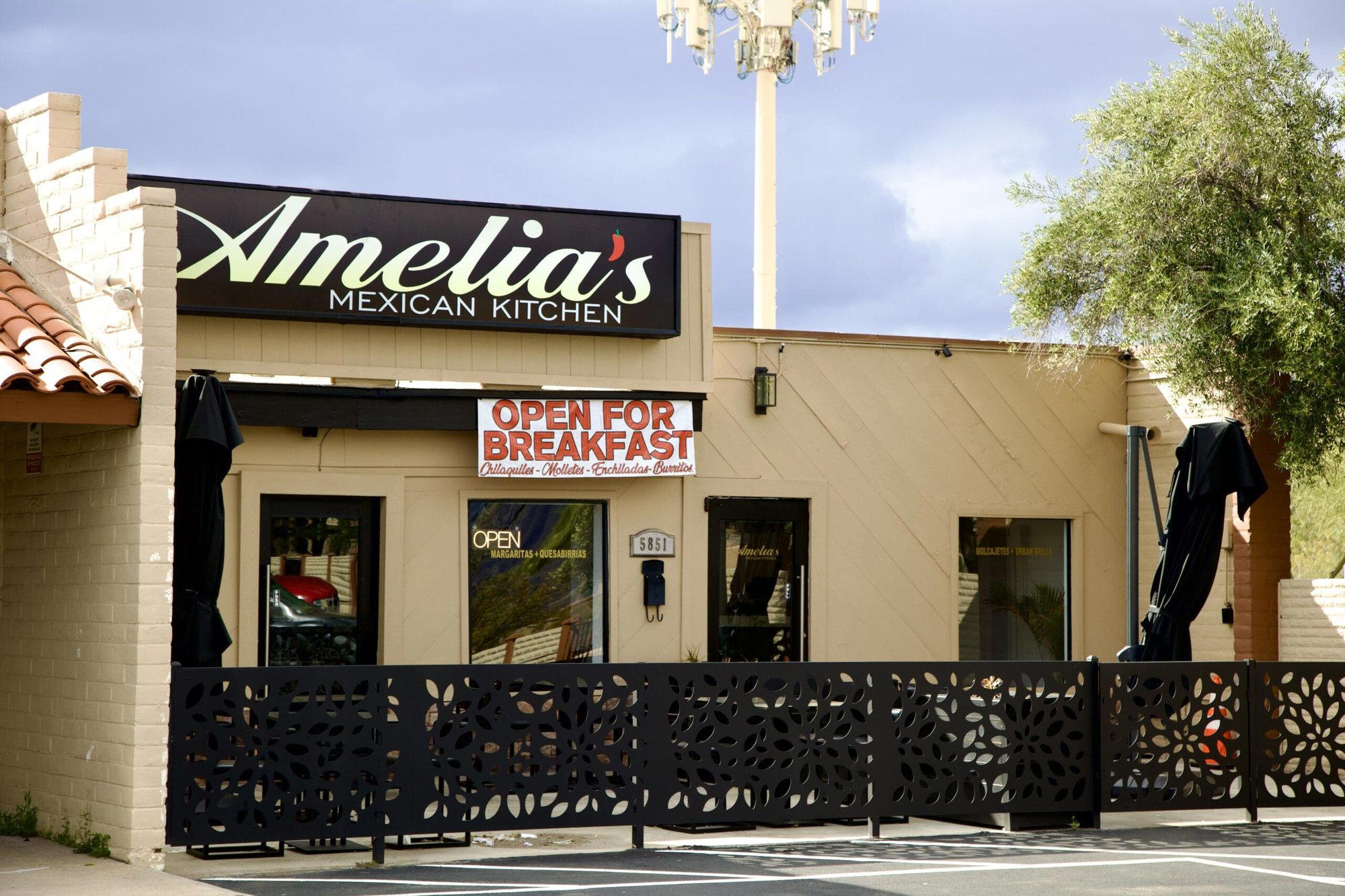
Tucson's restaurant identity is built, rightly, around its proximity to the Sonoran Desert and the culinary traditions that grew from it. The city holds UNESCO Creative City of Gastronomy designation, and that recognition rests on the depth of its Mexican-American food culture, on the kind of cooking represented by places like AMELIA'S MEXICAN KITCHEN and BOCA by Chef Maria Mazon, where Sonoran tradition is treated as serious culinary material rather than background comfort food.
Against that backdrop, a Japanese-named venue occupies a smaller and more specific position. Tucson is not a city with a large Japanese dining scene in the way that Los Angeles or San Francisco sustains multi-tier omakase counters and regional ramen specialists. What the city does have is a pattern of individual operators making a case for cuisines that sit outside the dominant local tradition. Ginza's name places it in that cohort, restaurants working at the margins of Tucson's food identity, serving communities whose tastes extend beyond the Sonoran corridor.
What the Address Implies About the Experience
A suite number, 115, in a multi-tenant building on North Kolb suggests a neighbourhood operation sized for regulars rather than first-time visitors drawn by a destination reputation. This is not the format of a high-investment dining room built to compete with Tucson's more prominent addresses, nor does the location suggest the kind of visibility that drives spontaneous walk-in traffic. In the American suburban restaurant model, that combination typically points toward a business built on repeat custom: a place where the surrounding residential density provides a stable base, and where word-of-mouth functions more effectively than a prominent street presence.
That model has its advantages. Venues operating outside the high-visibility downtown tier tend to calibrate more directly to the preferences of their immediate community rather than to the expectations of an out-of-town dining public. The contrast with destination-tier operators, think The French Laundry in Napa or Le Bernardin in New York City, restaurants whose reputations function as the primary draw, is deliberate. Ginza's northeast Tucson location places it in a different tier entirely, one where local utility and neighbourhood consistency matter more than national profile.
For comparison within Tucson's own range, the city's more prominent dining addresses, the kind covered in our full Tucson restaurants guide, tend to cluster downtown or in the University District. North Kolb operates on different terms, serving a residential population that is larger and more spread across the metropolitan area than the downtown dining public.
Tucson's Broader Specialty Cuisine Pattern
The presence of a Japanese-named restaurant in this part of the city reflects a wider pattern in mid-sized American metros: as cities develop culinary diversity beyond a single dominant tradition, specialty cuisine operators tend to appear first in suburban or edge locations, where lower rents make the economics viable before the format has established enough local demand to support downtown rent structures. Tucson has followed this pattern across multiple cuisine types. Ethiopian, Vietnamese, and various East Asian formats all have representatives operating in the city's outer corridors before, in some cases, establishing more central presences.
Restaurants like Barista del Barrio show how neighbourhood-rooted operations can develop distinct identities precisely because they are not competing on the same terms as downtown venues. The specialty dining scene in cities like Tucson is rarely documented at the level of detail applied to comparable scenes in Los Angeles, Chicago (see Smyth), or New York (see Atomix), but that absence of documentation does not reflect an absence of seriousness.
Internationally, the pattern of serious cooking in unpretentious or suburban settings is well established, from the farm-integrated formats of places like Blue Hill at Stone Barns in Tarrytown to the regional-focused precision of Atelier Moessmer Norbert Niederkofler in Brunico. The location tells you something about the operator's relationship to their community, but it rarely tells you the whole story about the food.
Planning a Visit
Ginza sits at 5425 North Kolb Road, Suite 115, in Tucson's northeast residential corridor. Reaching it requires a car or rideshare; the address is not walkable from any of Tucson's central neighbourhoods. Ginza is recommended for reservations and follows a casual dress code. It is open Tuesday through Saturday from 4:30 to 8:30 PM and closed Monday and Sunday. Strip-mall operations in this part of the city often keep hours that reflect local residential patterns, mid-week closures and earlier evening cutoffs are common in this format, and verifying current service before making the trip is worth the effort.
For visitors already exploring Tucson's broader dining scene, the northeast corridor offers a practical local option for Japanese izakaya and sushi. The concentration of neighbourhood restaurants in this zone, operating without the visibility of downtown addresses, is where Tucson's day-to-day food culture is most legible.
Cuisine Lens
Comparable venues nearby, for context on price, style, and recognition.
| Venue | Cuisine | Price | Notes |
|---|---|---|---|
| GinzaThis venue — the venue you are viewing | Japanese Izakaya & Sushi | $$ | Not listed |
| Tito and Pep | Mesquite-Fired Southwestern | $$ | midtown |
| Prep & Pastry | Modern American Brunch | $$ | Campbell |
| HUB Restaurant & Ice Creamery | American Comfort Food | $$ | Downtown Tucson |
| Moby's | Classic American Diner | $$ | Casino Del Sol |
| Piazza Gavi | Authentic Sicilian Italian Trattoria | $$ | North Kolb |
At a Glance
- Lively
- Cozy
- Date Night
- Group Dining
- Casual Hangout
- Open Kitchen
- Sake Program
Current opening hours
- Monday
- Closed
- Tuesday
- 4:30–8:30 PM
- Wednesday
- 4:30–8:30 PM
- Thursday
- 4:30–8:30 PM
- Friday
- 4:30–8:30 PM
- Saturday
- 4:30–8:30 PM
- Sunday
- Closed
Hours can change for holidays and private events. Last verified .
Lively izakaya atmosphere well-suited for sharing dishes with friends and family over sake and beer.