Ginger Indian Street Food
On Ocean Road in South Shields, Ginger Indian Street Food brings the register of Indian casual dining to a stretch of coastline better known for fish suppers than subcontinent spice. The format draws on street food traditions from across the Indian subcontinent, positioning it as a distinct entry point in South Shields' restaurant scene, informal in price and posture, specific in culinary reference.
Pearl is the En Primeur Club membership app — saves, bookings, and concierge access live there. Same editors, same standards.
- Address
- 104-106 Ocean Rd, South Shields NE33 2JF, United Kingdom
- Phone
- +441914548882
- Directions
- Get directions
 Saves & bookings on Pearl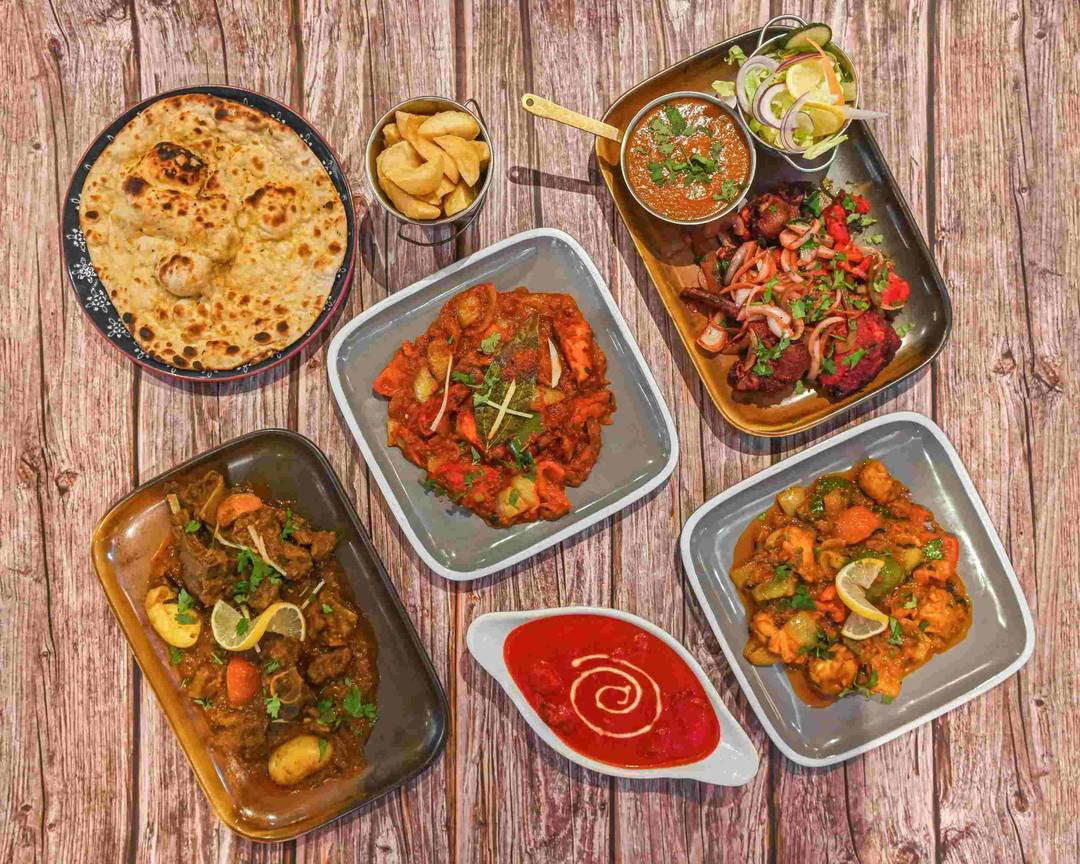
Ocean Road and the Indian Street Food Format
Ocean Road in South Shields is one of those high streets that rewards attention. Stretching toward the seafront, it carries the usual mix of chippies, takeaways, and sit-down restaurants that define British coastal eating, which makes Ginger Indian Street Food's presence at numbers 104-106 worth examining. Indian street food, as a restaurant category, occupies a distinct position in the UK dining market: it borrows from the subcontinent's most democratic food traditions, the chaat stalls of Delhi, the vada pav counters of Mumbai, the kati roll carts of Kolkata, and translates them into seated, licensed premises without the formality or price architecture of destination curry houses.
That translation matters. The street food format signals something specific about intent: shorter menus, bolder spicing, food designed for immediacy rather than ceremony. It is a category that has gathered momentum in British cities since the mid-2010s, partly driven by a generation of diners who encountered Indian food in contexts beyond the classic British-Indian restaurant template. In South Shields, where the dining scene has historically centred on seafood and pub kitchens, Ginger represents an alternative node, Indian in identity, informal in register.
What Indian Street Food Actually Means
The phrase 'Indian street food' carries more cultural specificity than it sometimes gets credit for in British restaurant contexts. India's street food traditions are regional, seasonal, and often hyper-local: the pani puri of Gujarat differs structurally and in spicing from its Maharashtrian equivalent; Lucknow's kakori kebab exists in a different culinary grammar than a Punjabi seekh. When British restaurants adopt the street food label, they are referencing a broad umbrella rather than a single regional tradition, but the leading versions use that umbrella to introduce dishes that the conventional British-Indian restaurant menu, shaped by decades of adaptation for local palates, largely left behind.
This is the context in which Ginger Indian Street Food at 104-106 Ocean Road should be read. The format positions it closer to the casual, flavour-forward end of the spectrum than to the white-tablecloth Indian dining that Michelin has recognised at places like Opheem in Birmingham. That is not a limitation, it is a deliberate register, one that trades ceremony for directness. For comparison, the kind of formal precision cooking that earns starred recognition in the UK (see CORE by Clare Smyth in London, L'Enclume in Cartmel, or Moor Hall in Aughton) operates at a completely different price tier and dining grammar, tasting menus, extended booking windows, dress codes. The street food format at Ginger is the structural opposite: accessible, walk-in-friendly, priced for frequency rather than occasion.
South Shields as a Dining Context
South Shields sits at the mouth of the Tyne, a town with a working-class maritime character that has shaped its food culture over generations. The seafront and Ocean Road together host a concentration of casual restaurants that serve a local population and a seasonal visitor trade drawn by the beach and the promenade. Within that context, Indian restaurants have established a consistent presence, Cafe India South Shields is among the longer-standing addresses on that scene. Ginger sits within this broader pattern, though its street food positioning distinguishes it from the conventional curry house format that has defined much of the UK's Indian restaurant category since the 1970s.
Ocean Road's dining concentration means that the competitive reference point for Ginger is local and immediate: the question a diner asks is not how it compares to starred restaurants like Restaurant Sat Bains in Nottingham or Le Manoir aux Quat' Saisons, but how it fits into an evening on the seafront. The answer is: as an informal, flavour-led option that offers something structurally different from the fish-and-chip default that dominates the road.
For anyone building a broader picture of what South Shields offers as a dining destination,
The Cultural Weight of the Street Food Category
It is worth noting that the street food format carries cultural weight beyond its price point. In India, street food is not budget eating by default, it is often the technically demanding and regionally specific food a city produces, refined over generations by specialists working a single dish. The leading chaat-wallahs in Varanasi, the paratha cooks of Chandni Chowk, the filter coffee specialists of Chennai, these are not cut-price operations but highly skilled, deeply traditional food producers. When that tradition is transposed to a British high street setting, something inevitably shifts in context, but the underlying culinary logic, bold seasoning, textural contrast, layered spicing, remains a meaningful reference point.
This matters for how to read a venue like Ginger. The street food framing is not merely a price signal; it is a statement about the kind of food experience being offered. The expectation should be immediacy and flavour intensity rather than refined plating or extended courses. That positions it correctly against the UK's broader Indian dining spectrum, which now runs from quick-service takeaways at one end to the tasting-menu precision of Michelin-recognised addresses at the other.
Planning a Visit
Ginger Indian Street Food is at 104-106 Ocean Road, South Shields NE33 2JF, within easy walking distance of the seafront and the town's main transport links. Given the casual format, advance booking is unlikely to be a requirement for most visits, though weekend evenings on Ocean Road can concentrate foot traffic. The street food positioning fits its accessible price point. For a stretch of Ocean Road oriented toward casual, crowd-friendly dining, the format works well for groups and families, and the informal register and approachable menu structure suit mixed-age visits. (at, say, Gidleigh Park in Chagford or Hand and Flowers in Marlow) can introduce for mixed-age groups.
The wider UK restaurant picture operates at price tiers and formality levels that bear no relation to what Ocean Road offers. Ginger sits in a different category entirely: neighbourhood casual, cuisine-specific, locally embedded. Internationally, the casual Indian format finds analogs in other cities, though such comparisons illuminate distance rather than similarity. The point is that Ginger operates in a specific, well-defined register, and that register is leading assessed on its own terms.
Cost and Credentials
Comparable venues nearby, for context on price, style, and recognition.
| Venue | Cuisine | Price | Notes |
|---|---|---|---|
| Ginger Indian Street FoodThis venue — the venue you are viewing | Ocean Road, Indian Street Food | $$ | Not listed |
| Cafe India South Shields | Not listed | $$ | Ocean Road, Traditional Indian & Bangladeshi Curry House |
| Shampan Restaurant | Whitley Bay, Modern Indian | $$ | Not listed |
| Social Dhaba | Not listed | $$ | Hatch End, Modern Indian (North Indian & Punjabi) |
| Monsoon Majestic Indian Dining | Not listed | $$ | Newcastle-under-Lyme, Majestic Indian Dining |
| Mother India Cafe | Old Town, Indian Tapas | $$ | Not listed |
Continue exploring
More in South Shields
Restaurants in South Shields
Browse all →
Bars in South Shields
Browse all →

At a Glance
- Lively
- Trendy
- Casual Hangout
- Group Dining
- Family
Current opening hours
- Monday
- 5–11 PM
- Tuesday
- 5–11 PM
- Wednesday
- 5–11 PM
- Thursday
- 5–11 PM
- Friday
- 5 PM–12 AM
- Saturday
- 5 PM–12 AM
- Sunday
- 5–11 PM
Hours can change for holidays and private events. Last verified .
Casual and welcoming atmosphere focused on flavorful street food dining.