On Aruba's high-traffic Palm Beach corridor, Giannis Restaurant sits along J.E. Irausquin Boulevard in Noord, where the island's dining scene balances tourist volume with genuine local cooking traditions. The address places it within walking distance of the main resort strip, making it a practical choice for visitors looking beyond the all-inclusive buffer. Giannis fits the mid-tier neighbourhood category that defines much of Noord's independent restaurant offering.
Pearl is the En Primeur Club membership app — saves, bookings, and concierge access live there. Same editors, same standards.
- Address
- J.E. Irausquin Blvd 348, Noord, Aruba
- Phone
- +2975867794
- Directions
- Get directions
 Saves & bookings on Pearl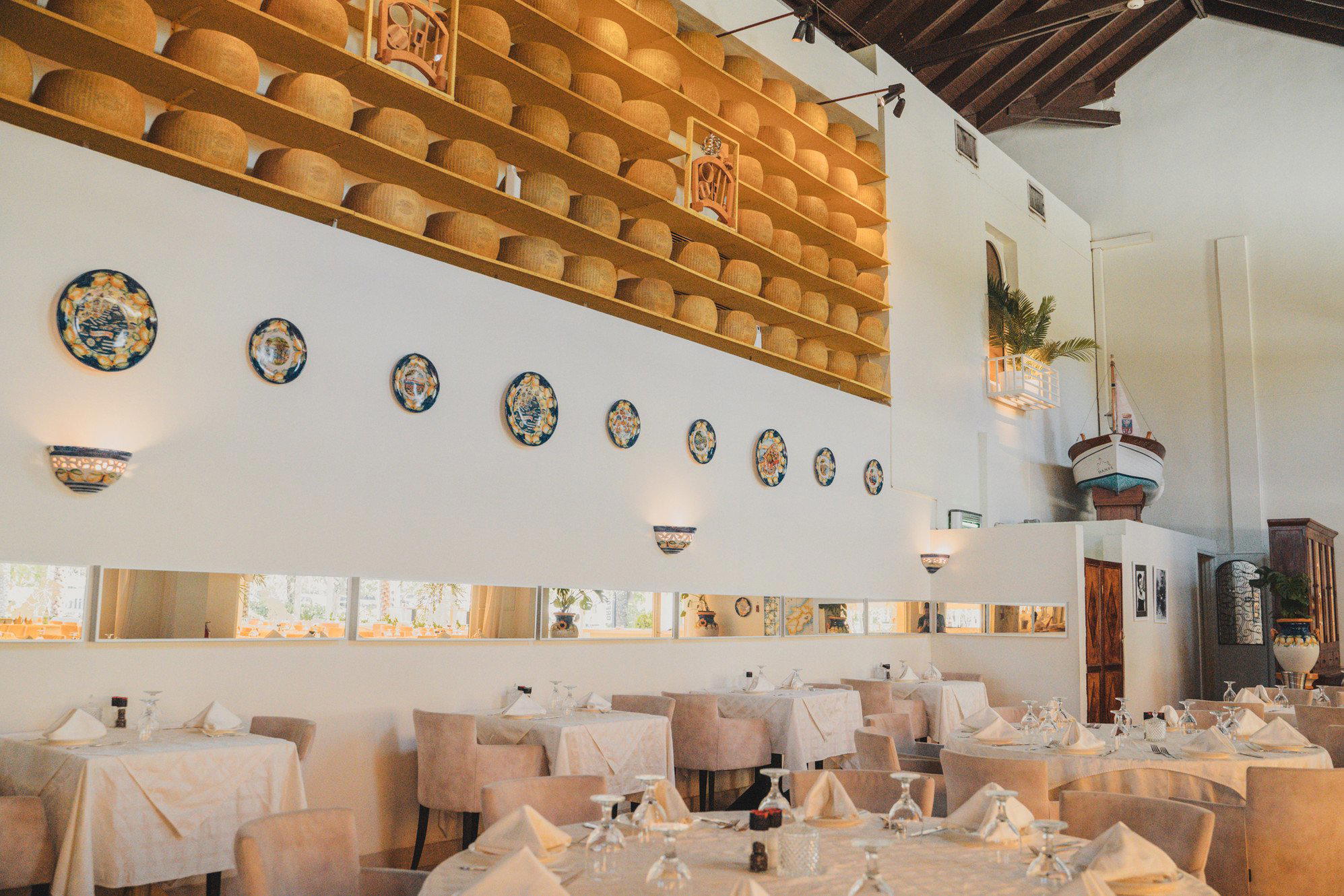
Palm Beach Dining and What the Boulevard Actually Offers
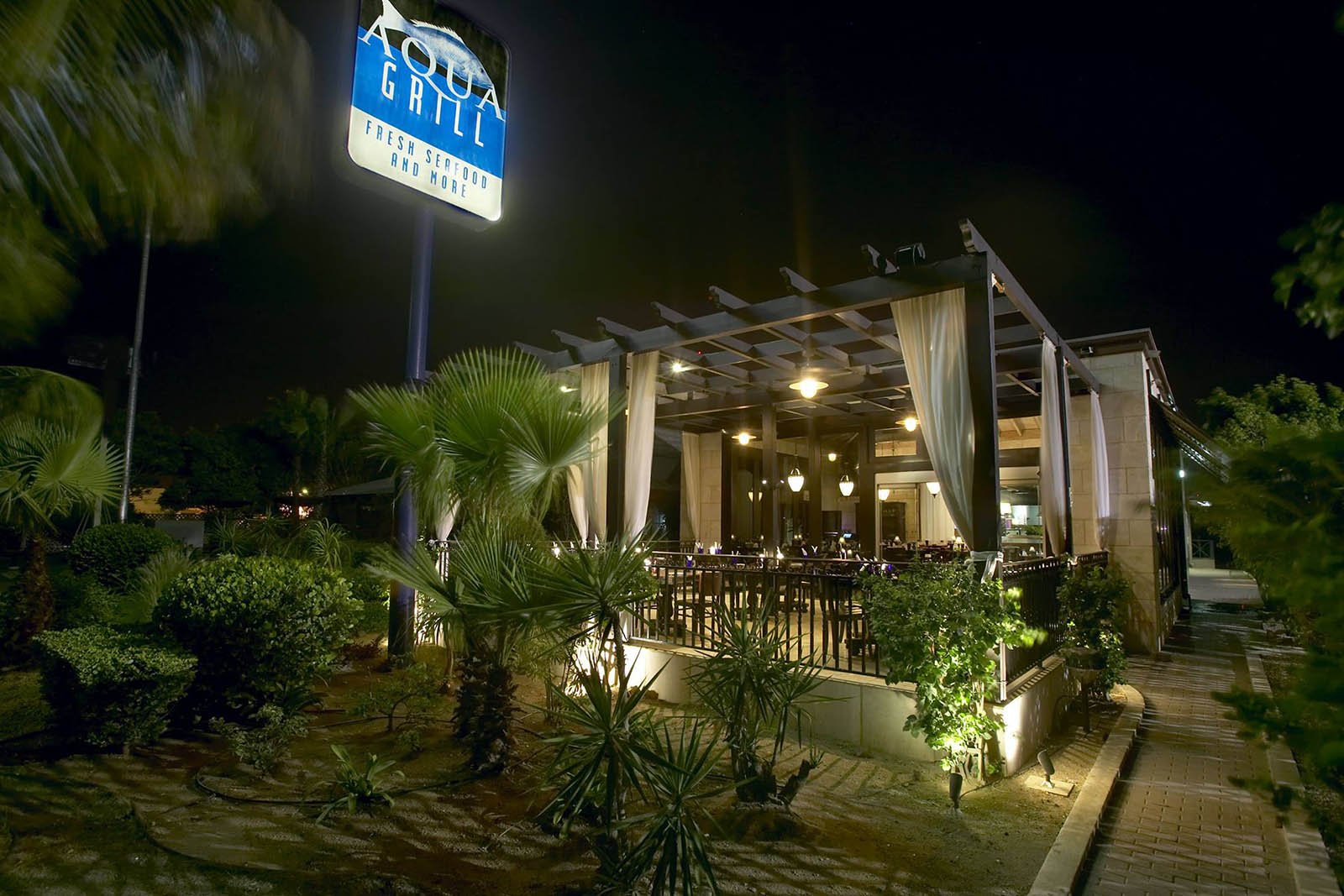
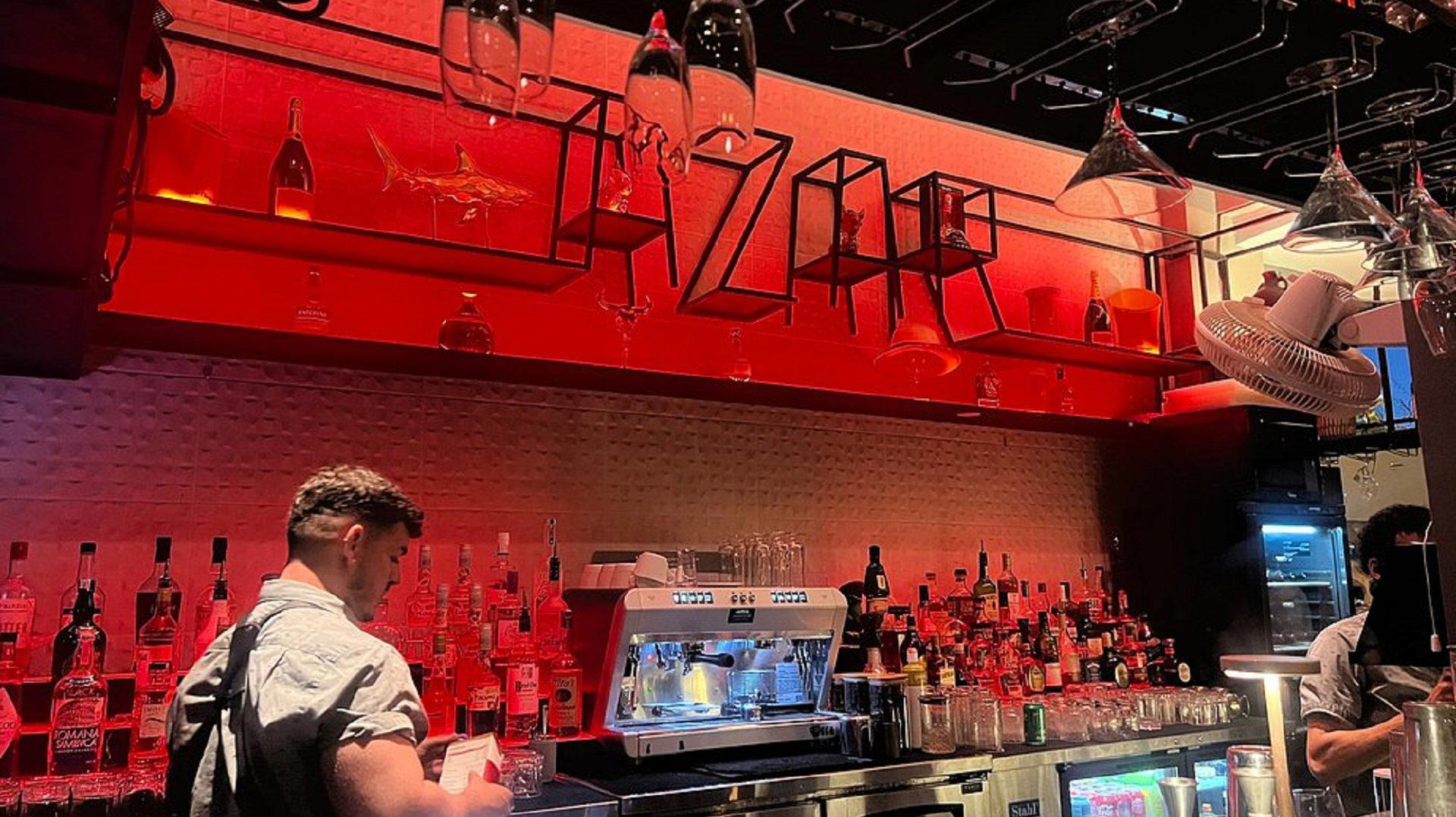
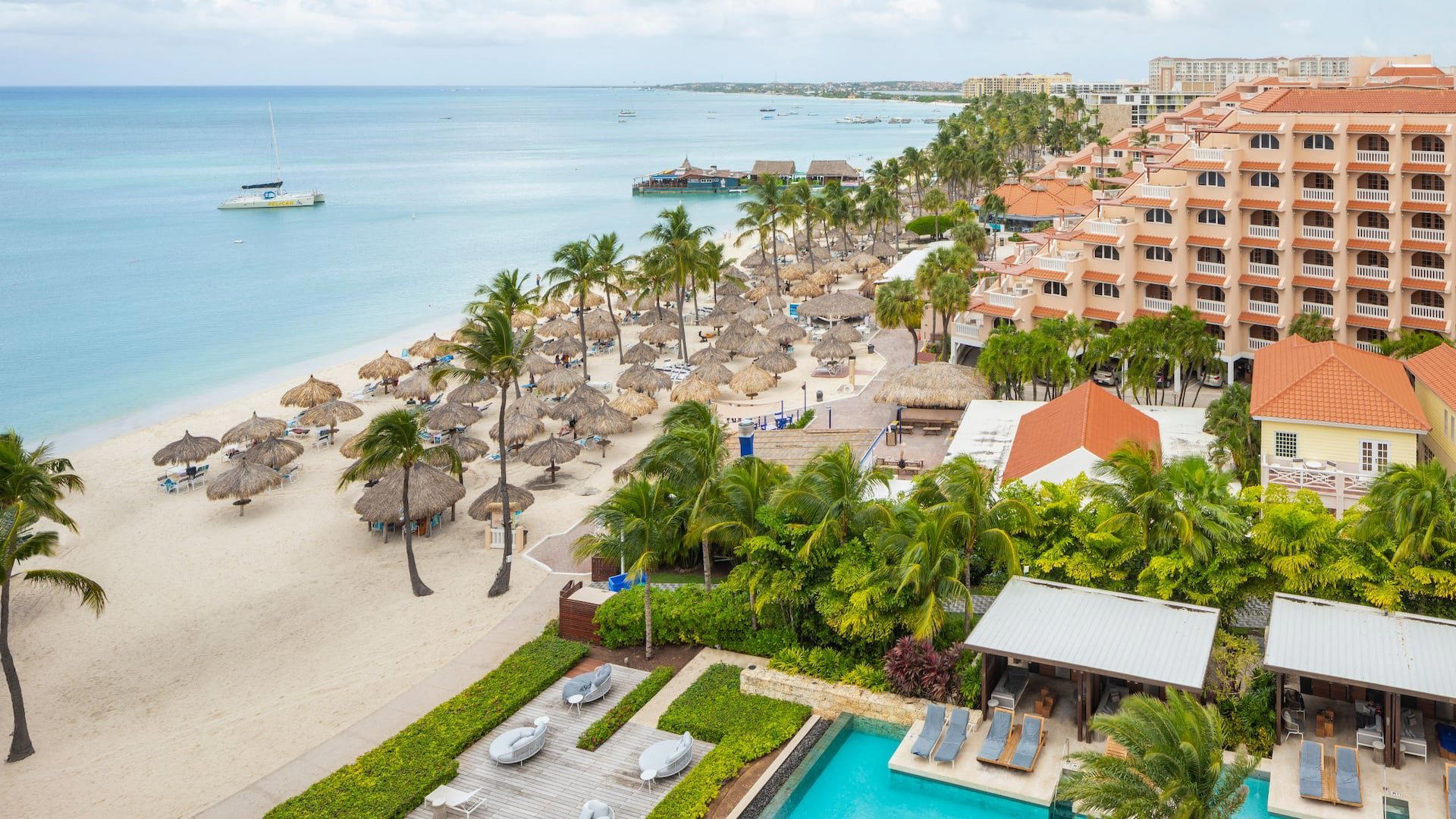
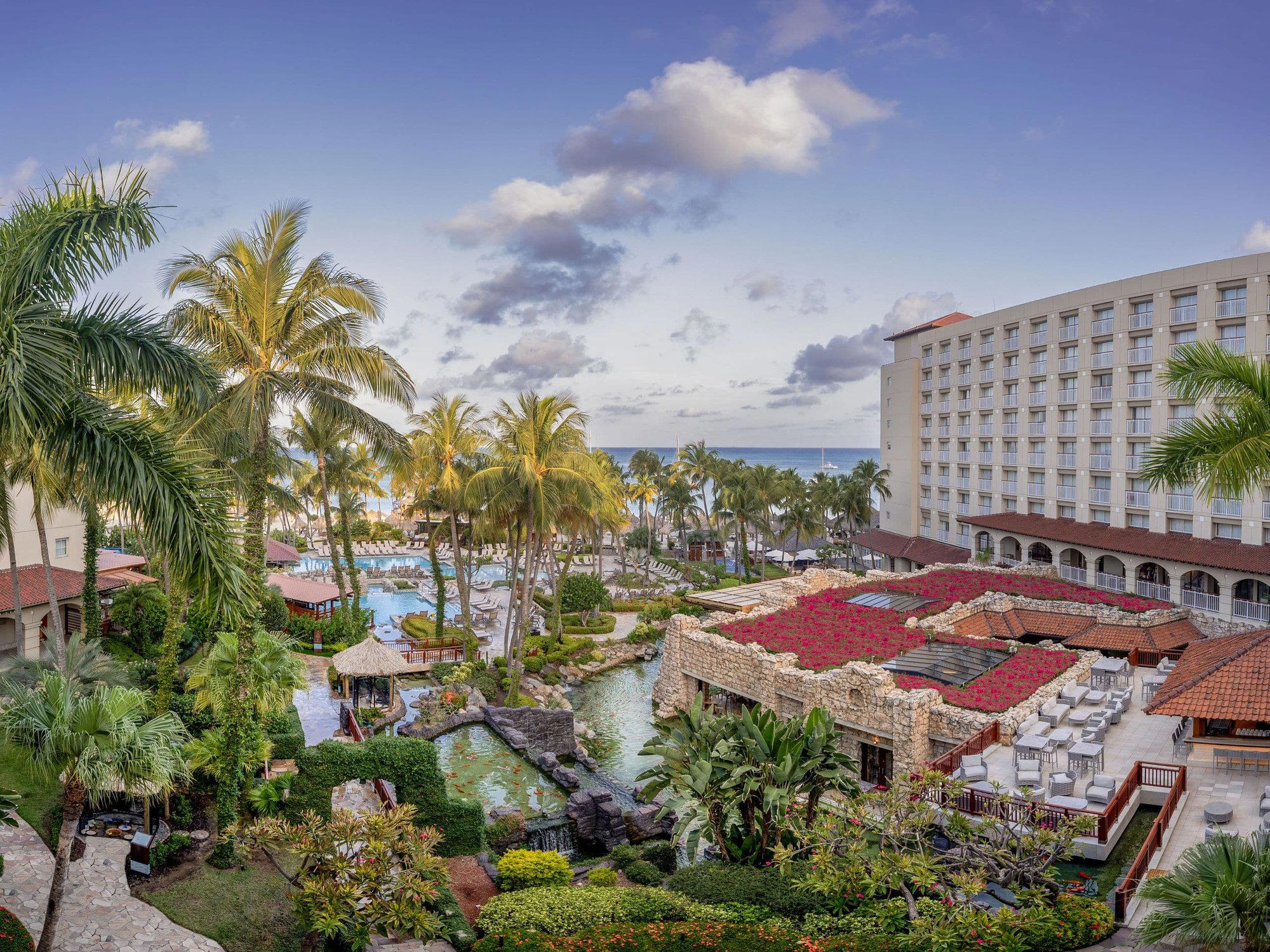
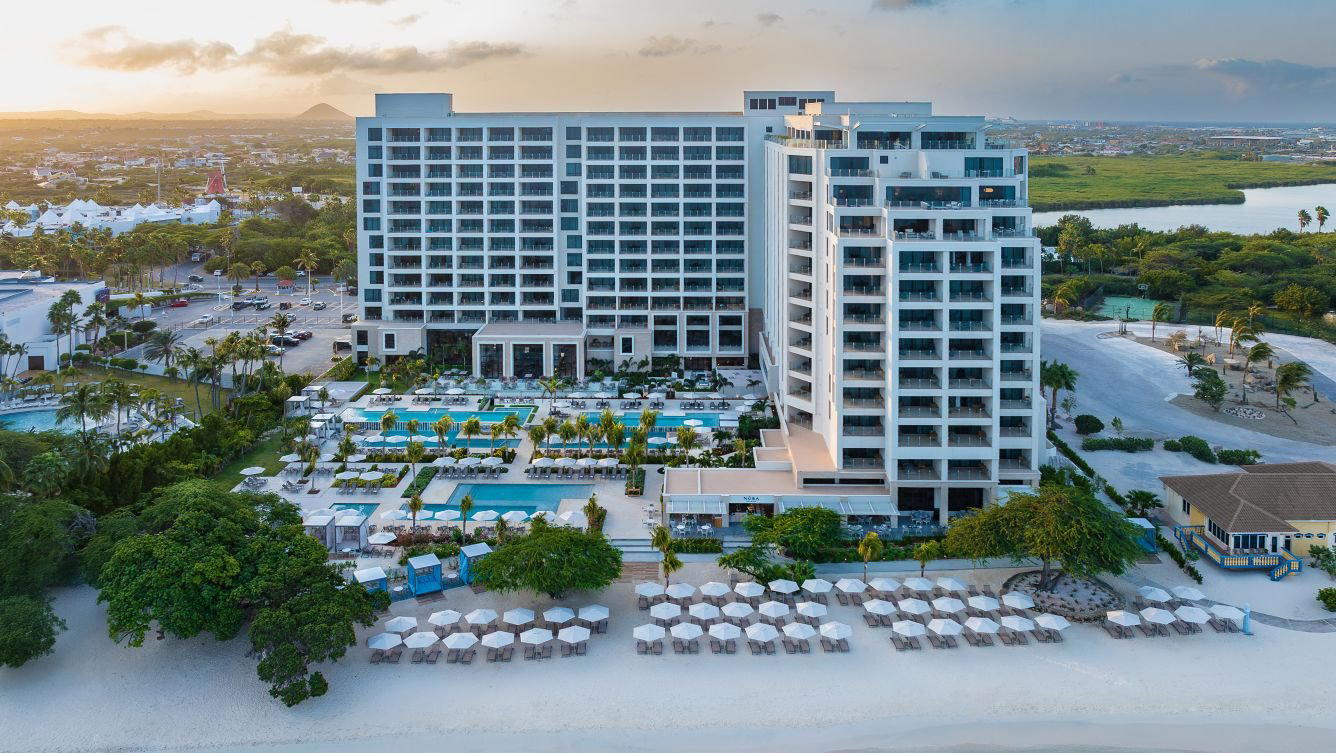
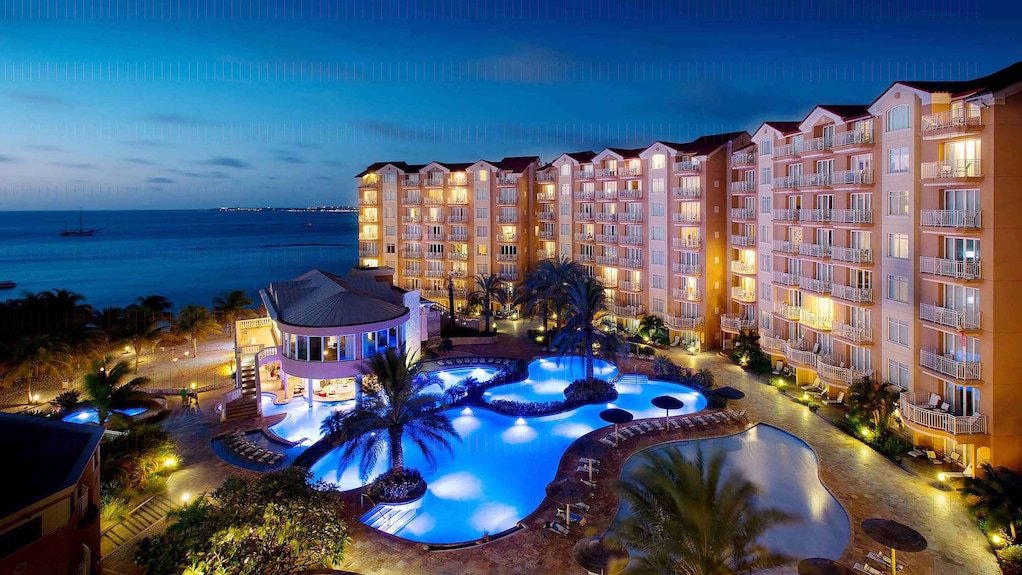
J.E. Irausquin Boulevard in Noord is Aruba's most commercially dense dining corridor. The stretch running north from the high-rise hotel zone through Palm Beach accommodates everything from open-air beach bars to sit-down dinner houses, and the competition for repeat visitors is sharper here than almost anywhere else on the island. Restaurants along this strip operate in a market where the guest base turns over weekly, which creates a particular kind of pressure: the kitchen either adapts to that churn with a lowest-common-denominator menu, or it holds a consistent culinary position and relies on word-of-mouth within a short tourist cycle. Giannis Restaurant Aruba, at address 348 on the boulevard, occupies this environment alongside several well-established Noord independents, including Aqua Grill, Azar Aruba, and Agave.
The Noord dining tier that Giannis sits within is notably different from the capital's more locally oriented spots like City Garden Bistro de Suikertuin in Oranjestad or the community-focused Kamini's Kitchen in San Nicolas. Noord's restaurants serve a predominantly international guest mix, and the culinary reference points tend to be broader: seafood-forward menus, grilled proteins, and dishes calibrated for guests who want recognisable quality without needing to decode a highly specialised format.
Sustainability as a Practical Concern on a Small Island
Aruba's geographic situation makes sustainability less of a branding choice and more of a logistical necessity. The island imports the vast majority of its food, which means supply chains are longer and more expensive than on larger landmasses, and the environmental cost of each ingredient arriving by freight is measurable. Restaurants along Palm Beach that source thoughtfully, reduce waste, and work with local fishermen where possible are operating not from ideology but from practical economics: shorter supply chains cost less, and local fish caught in Aruban waters arrives fresher than product that has been in transit for days.
The broader Caribbean conversation around sustainable restaurant practice has been accelerating since the early 2020s, partly driven by post-pandemic supply disruptions that forced operators to diversify sourcing, and partly by guest expectations shifting toward environmental transparency. This shift is visible at different price points and formats across the region. High-investment dining rooms like Atelier Moessmer Norbert Niederkofler in Brunico have built entire identity positions around hyper-local sourcing, and that sensibility filters down into how mid-range operators on islands like Aruba think about their menus. The question of what fish is in season, what produce is available locally, and what can be composted rather than landfilled is live across the Caribbean hospitality sector in a way that it was not a decade ago.
For a restaurant on J.E. Irausquin Boulevard, particularly immediate sustainable practices tend to be the least theatrical: working with local fishing boats when their catch is available, using proteins in full rather than cherry-picking cuts, and reducing single-use plastics at the table. These are not the kinds of commitments that generate award citations, but they are the ones that actually reduce a restaurant's environmental footprint in a measurable way. Venues along the Palm Beach corridor that have adopted these practices tend to find a secondary benefit in guest perception, particularly among European visitors who arrive with higher baseline expectations around environmental practice than some other source markets.
Where Giannis Sits in the Noord Competitive Set
Noord's independent restaurant scene has a relatively clear internal hierarchy. At the leading, venues with strong reputations and return visitor bases operate with some booking friction, meaning walk-ins are not always available and planning ahead matters. Below that sits a broader mid-tier of dinner houses that rely on the boulevard's foot traffic and hotel referral networks. Bugaloe anchors the casual beach-bar end of the spectrum, while 2 Fools And A Bull represents the more ambitious dinner-format offering. Giannis operates within this local ecosystem, on a boulevard where the diner's alternative set is immediately visible and walkable.
For context on how differently the same city-resort dynamic can play out at a global level, the contrast is instructive. The kind of sourcing rigour and format discipline that defines places like Le Bernardin in New York City or Lazy Bear in San Francisco operates within a completely different institutional framework, with dedicated supplier relationships and kitchen infrastructure that a resort-corridor restaurant cannot replicate. That comparison is not a criticism of Aruba's dining scene; it simply clarifies what the visitor should be calibrating their expectations against.
Across that comparable set, differentiation tends to come from consistency of execution, the warmth and attentiveness of service, and the kitchen's ability to handle a high-volume tourist market without losing quality on the plate.
Planning a Visit
J.E. Irausquin Boulevard 348 is accessible on foot from most of the Palm Beach hotel properties, and the boulevard itself is one of Aruba's most walkable dining streets after dark. Noord's dinner service generally runs into the late evening, with the peak seating window falling between 7 and 9 PM during high season, which runs from December through April when the island sees its highest visitor volume. Travelling outside that window, particularly in September and October, tends to mean shorter waits and more relaxed pacing at restaurants across the corridor. Reservations are recommended. For broader Aruba dining, Aquarius in Oranjestad West offers a different geographic and culinary reference point for comparison-minded visitors planning a multi-night itinerary across the island.
At a Glance
Comparable venues nearby, for context on price, style, and recognition.
| Venue | Cuisine | Price | Notes |
|---|---|---|---|
| Giannis Restaurant ArubaThis venue — the venue you are viewing | Noord, Authentic Italian | $$$ | Not listed |
| Da Vinci | Noord, Authentic Italian | $$$ | Not listed |
| The Vue Rooftop | Noord, Caribbean Fusion Rooftop | $$$ | Not listed |
| Diana's Pancakes Place | Noord, Dutch Pancakes | $$ | Not listed |
| Papillon Restaurant | Noord, French-Caribbean Fusion | $$$ | Not listed |
| Bugaloe | Not listed | $$ | Palm - Eagle Beach, Caribbean Beach Bar & Grill |
At a Glance
- Romantic
- Elegant
- Classic
- Lively
- Date Night
- Family
- Group Dining
- Celebration
- Open Kitchen
- Terrace
- Local Sourcing
- Street Scene
Current opening hours
- Monday
- 11 AM–12 AM
- Tuesday
- 11 AM–12 AM
- Wednesday
- 11 AM–12 AM
- Thursday
- 11 AM–12 AM
- Friday
- 11 AM–12 AM
- Saturday
- 11 AM–12 AM
- Sunday
- 11 AM–12 AM
Hours can change for holidays and private events. Last verified .
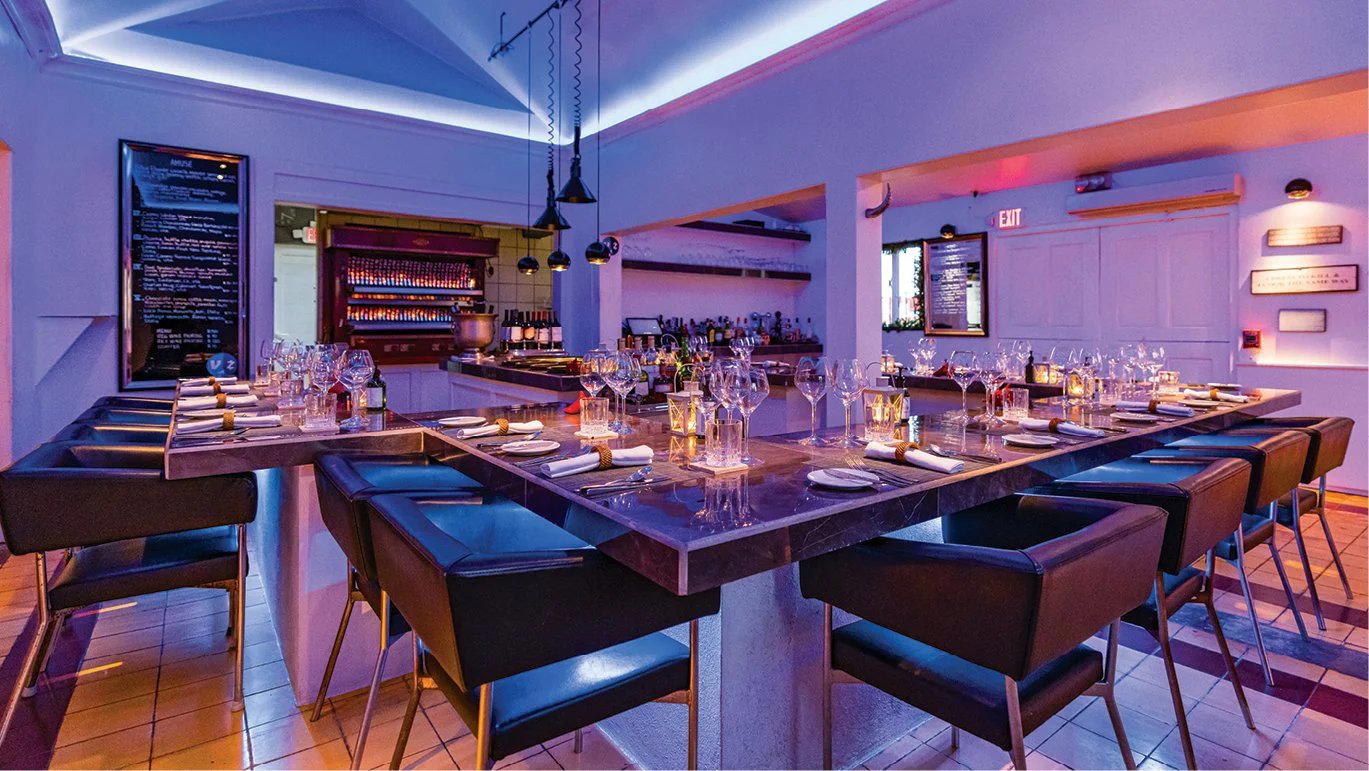
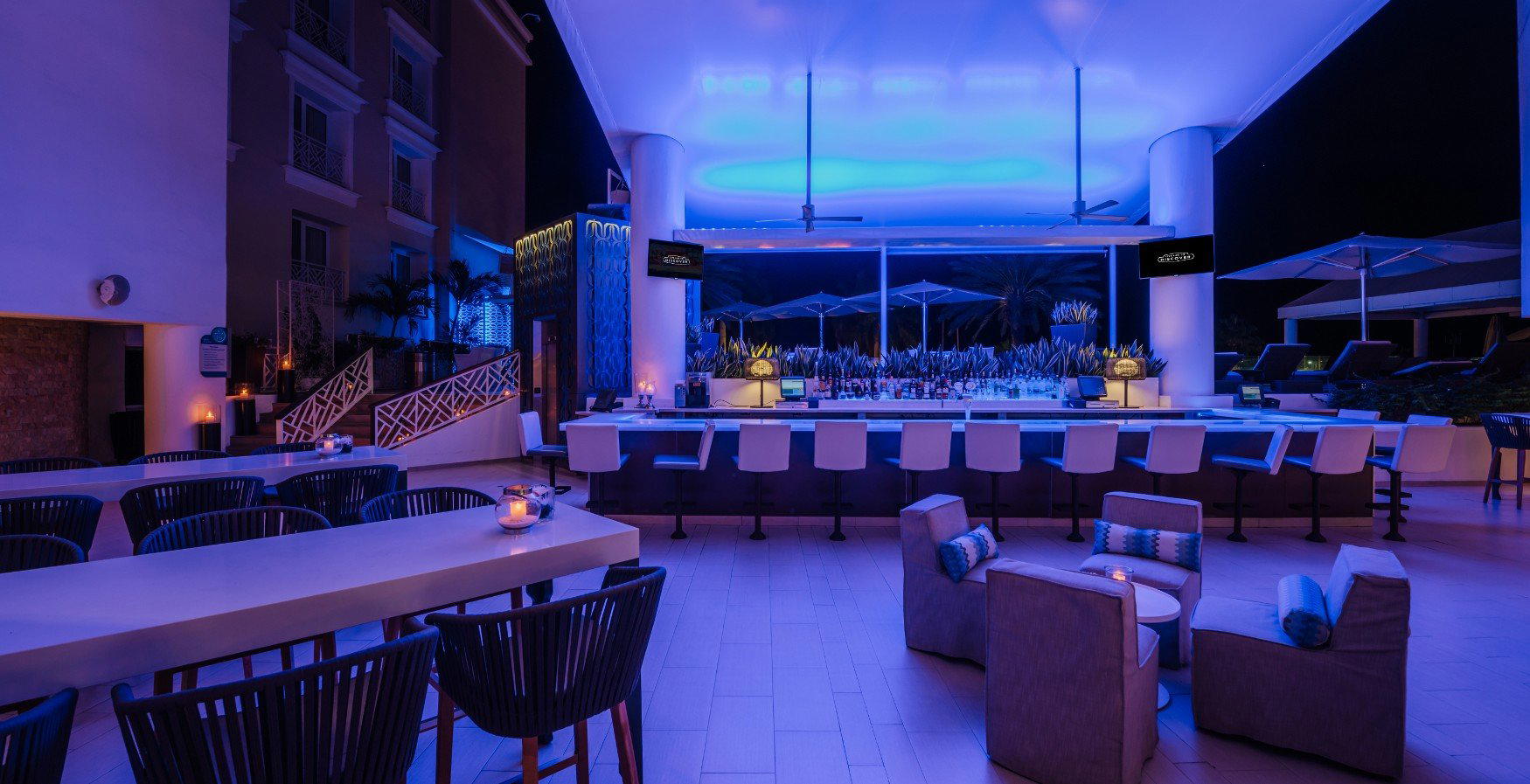
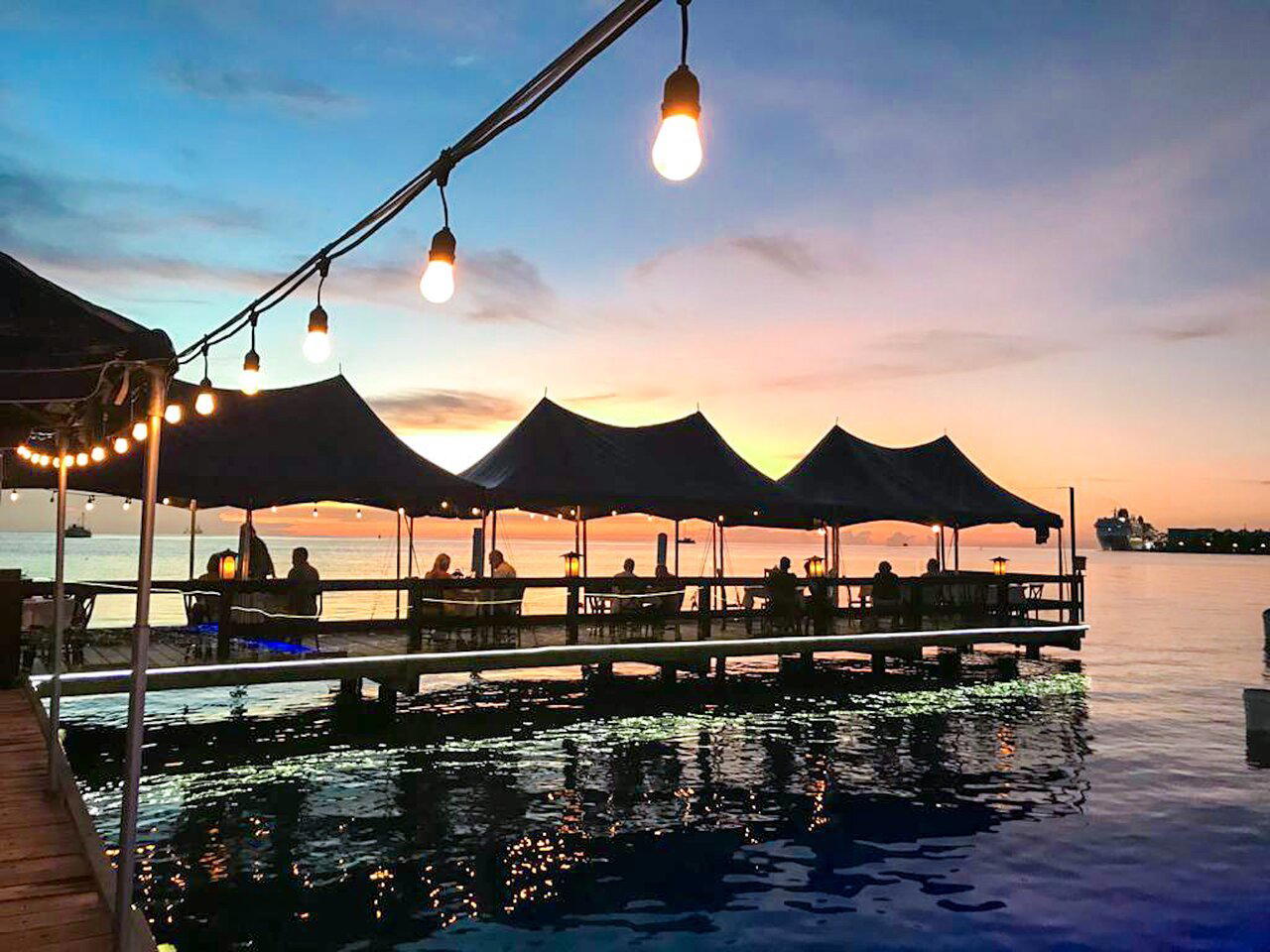
Classic Italian elegance blended with tropical warmth, featuring comfortable seating, open kitchen, and lively atmosphere under white canopies outdoors.