Our verdict
Gerbens occupies a address on Hauptstraße in Wickede (Ruhr), a small Westphalian town that sits well outside Germany's established fine-dining corridors. What draws attention here is not proximity to a culinary capital but rather the specific logic of a neighbourhood restaurant operating in a region where sourcing discipline and local identity tend to define reputation more than celebrity or awards noise.

Pearl is the En Primeur Club membership app — saves, bookings, and concierge access live there. Same editors, same standards.
Westphalia's Quieter Dining Register
Germany's serious restaurant culture has historically concentrated in a handful of cities and their immediate surrounds: Munich, Hamburg, Berlin, and the wine-country corridors of the Rhineland and Moselle. The Ruhr region occupies a different position in that picture. Built on industrial heritage rather than agricultural prestige, it rarely appears in the itineraries that take visitors to Schwarzwaldstube in Baiersbronn or Aqua in Wolfsburg. The editorial question is not whether they match the credentials of Vendôme in Bergisch Gladbach or JAN in Munich, but what a kitchen in this context is actually doing and for whom.
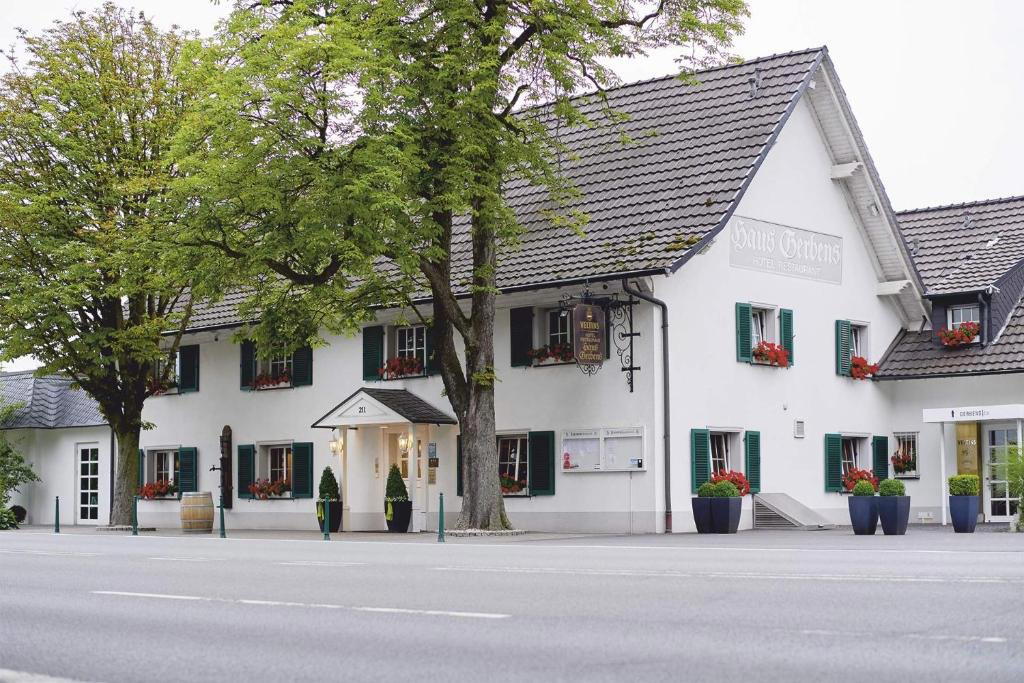
Wickede sits on the Ruhr river between Menden and Schwerte, a town of around 13,000 residents whose dining options reflect a community-anchored rather than destination-driven logic. Gerbens, addressed at Hauptstraße 211, is positioned on the main artery through that town, which places it physically and socially at the centre of local life rather than at the edge of it. In this part of Westphalia, that address is a statement of intent: this is a restaurant oriented toward the people who live nearby, not toward visitors arriving with restaurant-guide expectations.
The Sourcing Logic of Regional Kitchens
The ingredient sourcing habits of kitchens in smaller German towns tell you a great deal about how those kitchens think. In regions without an immediate fine-dining support infrastructure, a cook cannot simply call a specialist supplier and receive heritage breed pork or biodynamic produce by the next morning. The sourcing relationship has to be built over time, often directly with farmers, butchers, and market traders within a realistic delivery radius. That reality shapes menus in a way that urban restaurant culture rarely experiences: the calendar of what is available determines what gets cooked, not the other way around.
This model has a long precedent in German culinary tradition. Before the era of globalised produce chains, regional kitchens in Westphalia operated on exactly this kind of seasonal-local logic, drawing on the river valleys, forest margins, and agricultural land that surround the Ruhr corridor. Game from nearby forests, freshwater fish from the river system, root vegetables and brassicas from the surrounding farmland: these were the building blocks of a cuisine that never needed to import its identity from elsewhere. The question for any kitchen operating on Hauptstraße today is how much of that discipline it chooses to maintain against the convenience of centralised wholesale supply.
Across Germany's most respected regional kitchens, from Waldhotel Sonnora in Dreis to Schanz in Piesport, sourcing specificity has become a marker of seriousness, not just a marketing point. The restaurants that hold lasting local reputations tend to be the ones that can name their suppliers and explain why those relationships matter. The same principle applies at the community level in towns like Wickede, even if the dining room operates at a different register than those destination addresses.
What the Setting Signals
Approaching a restaurant on a town's main street in provincial Germany carries specific atmospheric expectations. These are not the quiet courtyard entrances of GästeHaus Klaus Erfort in Saarbrücken or the design-led interiors that characterise CODA Dessert Dining in Berlin. The Hauptstraße context in a Ruhr town means a dining room that reads as part of the neighbourhood rather than apart from it: windows that face the street, a room where regulars arrive without consulting a reservation platform, and a pace of service that reflects the rhythms of local life rather than the choreography of a tasting-menu format.
That kind of setting rewards a particular type of visit. The ambient noise is ordinary town life rather than the curated hush of a destination dining room. The reference points are regional rather than international. For a reader accustomed to the format discipline of places like Jante in Hanover or the technical ambition of ES:SENZ in Grassau, a Wickede address is a different proposition entirely. It belongs to a category of German restaurant that survives not on critical attention but on the sustained loyalty of a local community, which is its own form of quality signal.
Placing Gerbens in the Wider German Picture
Germany's restaurant culture spans an enormous range, from three-starred destinations that benchmark against Victor's Fine Dining by Christian Bau in Perl and draw international visitors, to neighbourhood addresses in provincial towns that have never sought or received critical recognition but fill their rooms every week through word of mouth and consistent cooking.
That positioning is not a criticism. Some of the most instructive restaurants in Germany operate in exactly this register. The cooking at places like Restaurant Haerlin in Hamburg or Bagatelle in Trier exists in a different competitive conversation, one shaped by international comparisons and formal awards cycles. Community restaurants in small Westphalian towns answer to different criteria: consistency, value relative to the local economy, and a menu that reflects what the region actually produces. When those criteria are met well, the result is something that destination dining rarely achieves, namely, a room full of people who simply want to eat there rather than people who feel they should.
For readers planning a wider German itinerary that might include L.A. Jordan in Deidesheim or Ösch Noir in Donaueschingen, Wickede is not a competing stop on that circuit. It is a different kind of place entirely, one that rewards the traveller prepared to step outside the established itinerary and read a local dining room on its own terms rather than against a national benchmark. Our full Wickede restaurants guide sets out the wider picture for anyone spending time in this part of the Ruhr valley.
The international comparison point is instructive here: destination-led community dining, where a kitchen earns its reputation through sustained local trust rather than external validation, appears in strong form at addresses like Lazy Bear in San Francisco and Le Bernardin in New York City, though the register and ambition differ sharply from a Westphalian town-centre address. The underlying dynamic, a kitchen accountable to a specific community rather than to a travelling audience, is recognisable across those very different contexts.
Planning a Visit
Wickede is accessible by regional rail from Dortmund and Arnsberg, with Wickede station within walking distance of Hauptstraße. As a town-centre address rather than a destination restaurant, Gerbens does not operate inside the advance-booking logic that governs reservation-heavy kitchens; arriving earlier in the evening on weekdays is generally the lower-friction approach for anyone without a confirmed table. Specific hours, current pricing, and booking arrangements are best confirmed directly with the venue, as this information falls outside what EP Club can verify from available data.
Frequently asked questions
Is Gerbens a family-friendly restaurant?
Gerbens sits on Hauptstraße in central Wickede, a town-centre address that tends to attract a cross-section of local diners rather than a strictly adult-only crowd. Provincial German restaurants at this type of address typically operate in a relaxed register where families are part of the regular clientele.
What is the atmosphere like at Gerbens?
A main-street address in a Westphalian town like Wickede sets a particular tone: expect a grounded, neighbourhood character rather than the choreographed formality of a destination dining room. Restaurants at Hauptstraße 211 in towns of this scale typically draw regulars on weekday evenings and a broader local crowd at weekends. The room is more likely to feel communal than theatrical.
Where exactly is Gerbens located in Wickede, and how do you get there?
Gerbens is at Hauptstraße 211, 58739 Wickede (Ruhr), on the town's main street. Wickede station, served by regional rail connections from Dortmund and Arnsberg, sits within walking distance of Hauptstraße, making the restaurant reachable without a car from either direction on the regional network.
What do regulars order at Gerbens?
What the Westphalian regional context does suggest is that kitchens in smaller Ruhr-area towns frequently anchor their menus around local and seasonal produce, often reflecting the hearty traditions of the region. Checking current offerings directly with the restaurant will give the clearest picture of what's on.
Where do I go for Gerbens?
Gerbens is located at Hauptstraße 211, 58739 Wickede (Ruhr), Germany, Wickede.
Do they take walk-ins at Gerbens?
No booking policy data is available for Gerbens at Hauptstraße 211 in Wickede. For a town-centre restaurant in a community of this size, walk-in capacity often depends heavily on the day and season. Arriving early in an evening service or during off-peak hours generally improves the odds, though calling ahead remains the more reliable approach.
What has Gerbens built its reputation on?
Gerbens operates in Wickede (Ruhr), a provincial Westphalian setting where restaurant reputations are built slowly through consistent local patronage rather than through award cycles or media attention.
Side-by-Side Snapshot
| Venue | Cuisine | Price | Awards | Notes |
|---|---|---|---|---|
| GerbensThis venue — the venue you are viewing | Sophisticated International | Not listed | Not listed | Not listed |
| Schwarzwaldstube | Modern French Fine Dining | $150–200 | 3 Michelin Stars · World's 50 Best #47 | French, Classic French |
| Aqua | Modern European Fine Dining | Not listed | 3 Michelin Stars · World's 50 Best #33 | Contemporary German, Italian/Japanese, Creative |
| Vendôme | Modern German Haute Cuisine | $200–300 | 2 Michelin Stars · World's 50 Best #47 | Modern European, Creative |
| CODA Dessert Dining | Dessert-Inspired Fine Dining | $200–300 | 2 Michelin Stars · World's 50 Best #79 | Creative |
| Tantris | Modern French Fine Dining | $300–500 | 2 Michelin Stars · World's 50 Best #73 | Modern French, French Contemporary |
Continue exploring
More in Wickede
Restaurants in Wickede
All restaurants in Wickede →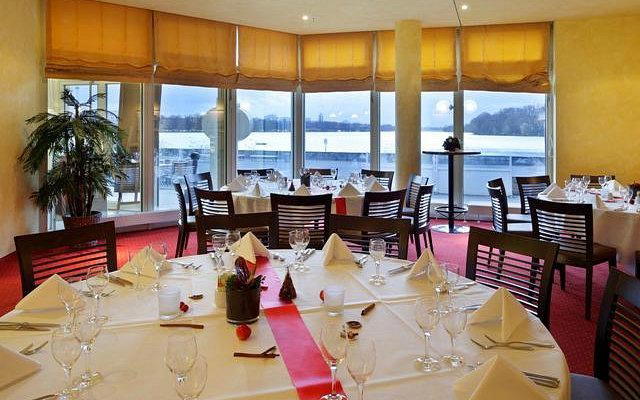
Bars in Wickede
Browse all →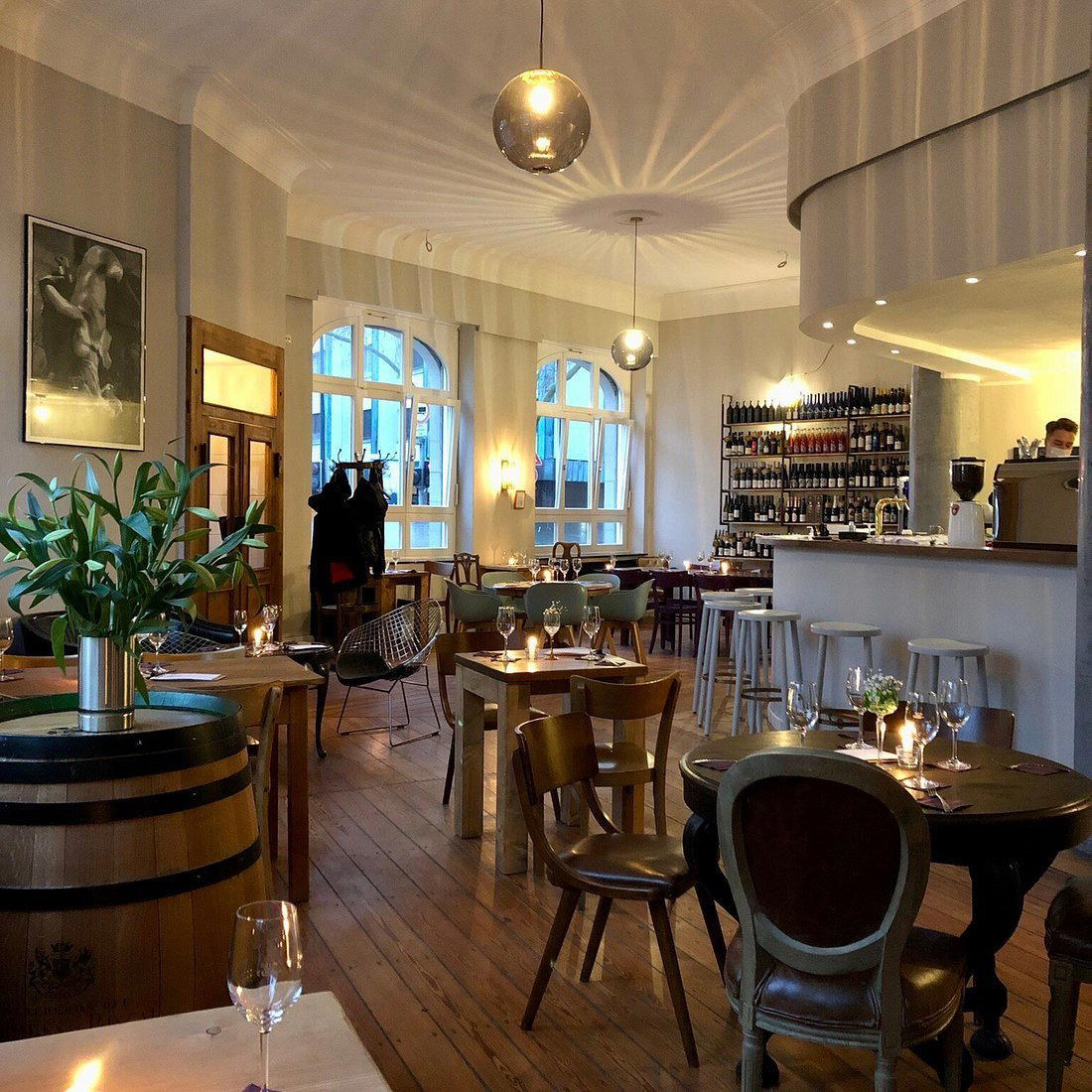
Details
- Elegant
- Sophisticated
- Cozy
- Date Night
- Family
- Business Dinner
- Private Dining
- Hotel Restaurant
- Beer Program
- A La Carte
- Wine
- Cocktails
- Vegetarian Friendly
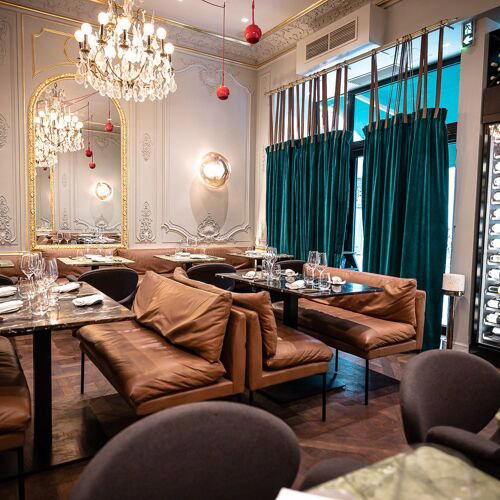
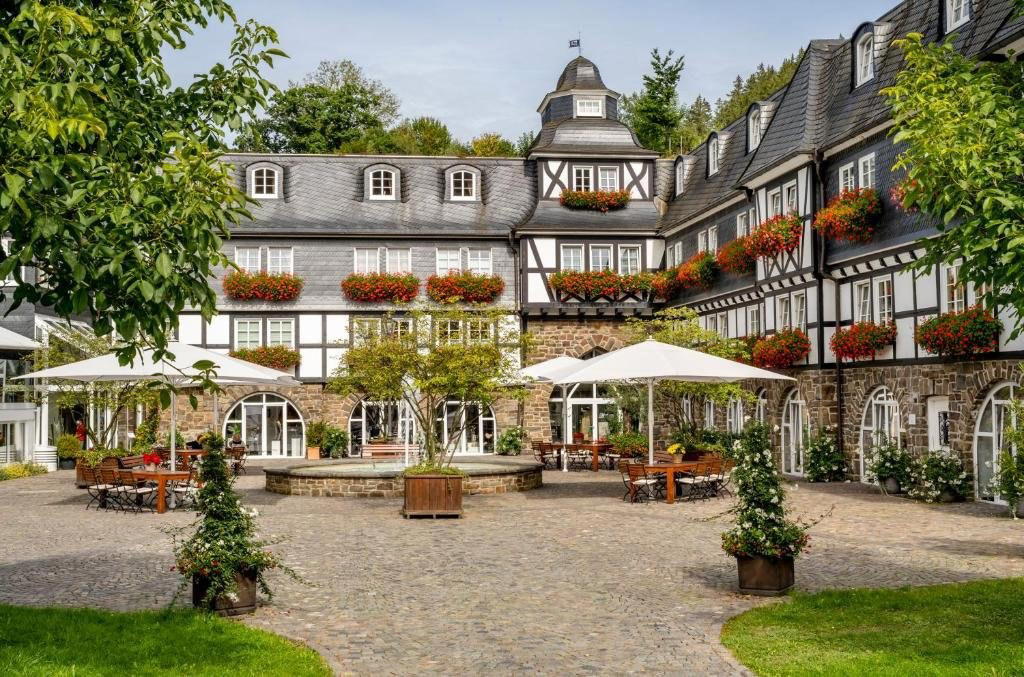
Warm and inviting atmosphere with cozy, sophisticated elegance noted in guest reviews.