
Michelin Plate
Our verdict
At a working farm address outside Arnsberg, Menge holds a Michelin Plate (2025) for cooking that moves between regional tradition and contemporary technique. Chef Maycoll Calderon draws on seasonal Sauerland produce, Galloway beef, local game, lamb, shaping menus that shift with the harvest. At €€€ pricing, it sits in a small tier of serious destination restaurants in western Germany's less-charted inland territory.

Pearl is the En Primeur Club membership app, where members save venues, book tables and use the concierge.
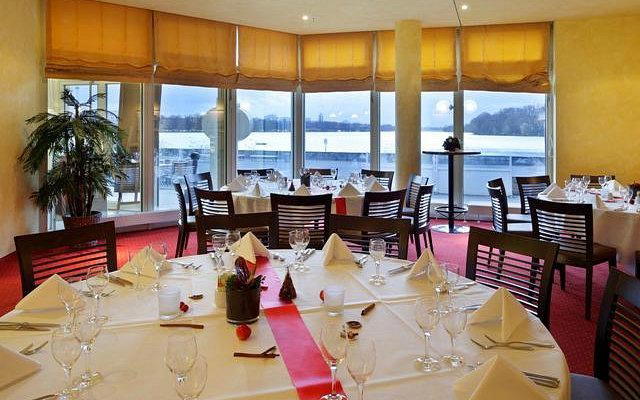
A Farm Address With Formal Ambitions
The road to Oelinghausen is the kind of approach that recalibrates expectations before you arrive. Rural Sauerland, a range of forested ridges and working agricultural land, is not a region that typically generates Michelin attention. That makes what happens at address number 8 all the more instructive. Farm-to-table as a category has accumulated a great deal of imprecision over the past decade, it covers everything from casual lunch canteens to multi-course destination formats.
In that context, Arnsberg deserves a brief orientation. The city sits in the Hochsauerland district of North Rhine-Westphalia, roughly equidistant between Dortmund and Paderborn. It does not carry the restaurant infrastructure of Cologne or Düsseldorf, which means that a kitchen earning Michelin recognition here is drawing destination diners rather than neighbourhood foot traffic. That dynamic shapes everything: the format, the expectation management, and the kind of cooking that earns repeat visits from people who made a deliberate trip. For a broader sense of what the city offers beyond this address, our full Arnsberg restaurants guide maps the wider scene.
The Cooking: Where Regional Produce Meets Technical Discipline
The Michelin Plate designation, awarded in 2025, signals cooking that the Guide's inspectors regard as representing good quality in its category, without reaching for star-level complexity. The language used by the Guide in its Menge entry is worth reading carefully: it describes Christoph Menge's food as "ambitious, flavoursome" and simultaneously "contemporary and classic." That pairing is not a contradiction, it describes a recognisable position in German regional cooking, where classical technique provides the structural grammar and contemporary sensibility edits the composition.
Chef Maycoll Calderon leads the kitchen, and the menu reflects exactly that tension between register and restraint. Sweet and sour schnitzel is a dish that plays with one of the most codified items in German cooking, the Wiener Schnitzel and its regional variants, by introducing acidity as a counterweight to the standard richness. Bavarian cream with a rhubarb duo is a dessert format that draws on classical French patisserie tradition (the bavarois as a set cream) while using a single seasonal ingredient across two preparations to demonstrate what the kitchen can do with restraint rather than accumulation. Neither dish is ostentatious. Both require precision.
The seasonal rotation is not a marketing gesture here, it is structural to what the menu can offer. Galloway beef, local game, and lamb appear depending on time of year, meaning the kitchen's output in autumn looks materially different from its spring version. Galloway cattle, a hardy Scottish breed that thrives in upland pasture, has developed a following among German farmers and chefs precisely because the animals produce well-marbled, flavourful beef without intensive grain finishing. Its presence on the menu is a provenance signal worth noting: the kitchen is sourcing deliberately, not generically.
For comparison within Germany's farm-to-table and regional cooking tier, BOK Restaurant Brust oder Keule in Münster and Clostermann's Le Gourmet in Niederkassel operate in comparable territory, working seasonal German produce through formal kitchen technique. The difference at Menge is the farm setting itself, which removes one degree of abstraction between source and plate.
Where Menge Sits in the German Fine Dining Conversation
Germany's recognised fine dining tier has become increasingly concentrated at the upper end of the Michelin scale. Restaurants like Schwarzwaldstube in Baiersbronn, Aqua in Wolfsburg, and Vendôme in Bergisch Gladbach occupy three-star positions and operate at price points and formality levels that represent a different proposition entirely. Below that, a substantial middle tier exists: kitchens earning one or two stars, or Plate recognition, that offer serious cooking at more accessible price points. JAN in Munich, Schanz in Piesport, and Restaurant Haerlin in Hamburg each hold positions in this mid-to-upper tier, as does Waldhotel Sonnora in Dreis, which has long anchored serious regional cooking in the Eifel. Menge's Michelin Plate at €€€ places it below these kitchens in formal recognition but within the same general disposition: technically grounded cooking that takes regional produce seriously.
That positioning matters for how to think about a visit. This is not a restaurant where the diner is primarily purchasing access to a famous chef's signature system. The draw is the setting, the seasonal specificity of the produce, and a cooking style that earns professional recognition without requiring the full apparatus of the starred format. For readers exploring what Germany's recognised dining scene looks like across different price tiers, Bagatelle in Trier, ES:SENZ in Grassau, and Victor's Fine Dining by Christian Bau in Perl each offer different points of reference. CODA Dessert Dining in Berlin represents a more experimental extreme within the Michelin-recognised German scene.
Planning a Visit
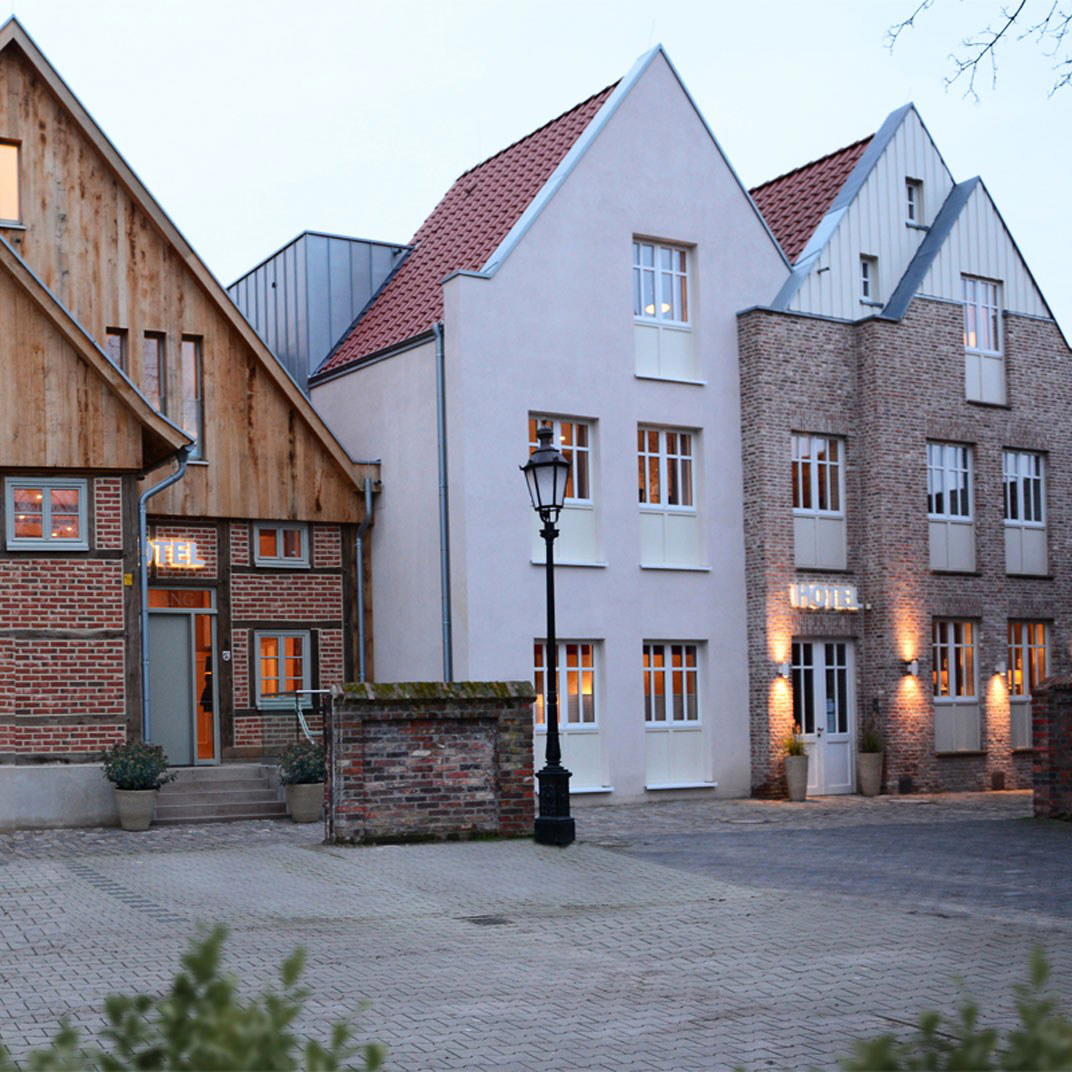
Menge sits at Oelinghausen 8, in the Arnsberg area of the Hochsauerland. The address is rural, which means arriving by car is the practical approach for most visitors. The price range of €€€ places it in a bracket where a full meal represents a considered spend, above casual dining, below the full starred-format investment. Booking directly in advance is advisable, particularly if you are aligning a visit with a specific seasonal ingredient: Galloway beef and game availability shifts with the calendar, and arriving without a reservation at a destination restaurant in a rural setting is not a viable strategy.
For visitors building a broader Arnsberg itinerary around the meal, our full Arnsberg hotels guide, bars guide, wineries guide, and experiences guide provide context for the surrounding area.
Frequently asked questions
What dish is Menge famous for?
The Michelin Guide highlights sweet and sour schnitzel and a Bavarian cream dessert with a rhubarb duo as representative dishes. Both reflect the kitchen's approach: classical formats reframed with contemporary technique. The menu shifts seasonally, with Galloway beef, game, and lamb appearing at different points in the year, so the strongest dishes at any given visit depend partly on timing.
What kind of setting is Menge?
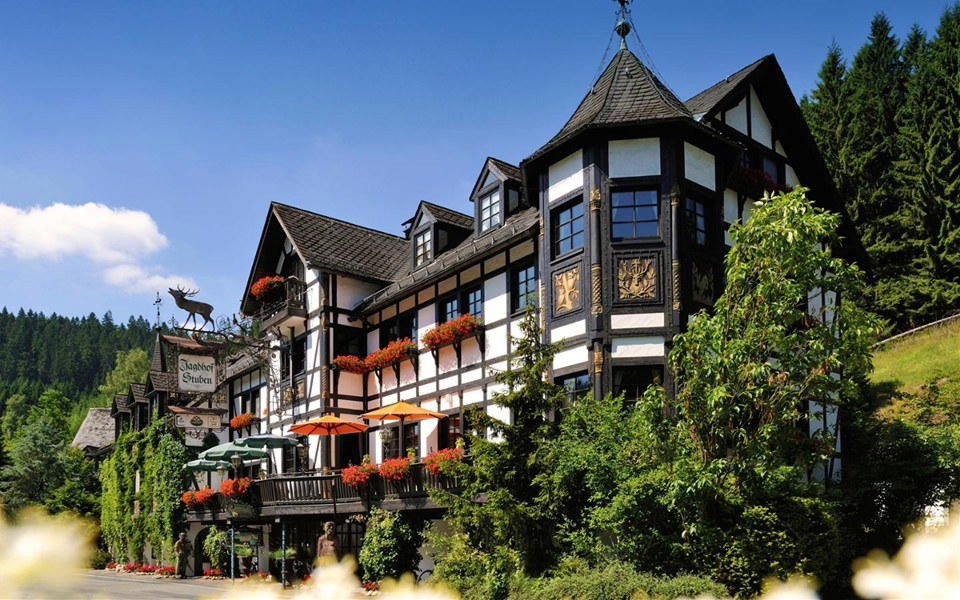
The restaurant operates at a rural farm address outside Arnsberg, in the Sauerland. For a Michelin Plate kitchen in a €€€ price bracket in a mid-sized German city, that setting is notable: this is a destination format rather than a neighbourhood restaurant, and the rural approach sets a tone before the meal begins. Visitors coming from outside the region typically treat it as an anchor for a day-trip or overnight stay rather than a quick dinner.
Would Menge be comfortable with kids?
That depends on what the visit is intended to be. At €€€ pricing in a Michelin-recognised kitchen, Menge is primarily a formal dining experience aimed at adults with an interest in serious seasonal cooking. Younger children who are comfortable in quiet, unhurried restaurant environments may be fine, but the format is not designed around family informality. If the goal is a relaxed meal with younger diners, Arnsberg's broader restaurant scene likely offers more suitable options, see our full Arnsberg restaurants guide for alternatives.
A Quick Peer Check
| Venue | Cuisine | Price | Awards | Notes |
|---|---|---|---|---|
| MengeThis venue (the venue you are viewing) | Contemporary French-European Fine Dining | $50–100 | Michelin Plate | Not listed |
| Schwarzwaldstube | Modern French Fine Dining | $150–200 | 3 Michelin Stars · World's 50 Best #47 | French, Classic French |
| Aqua | Contemporary German, Italian/Japanese, Creative | Not listed | Michelin 3 Star | Not listed |
| CODA Dessert Dining | Dessert-Inspired Fine Dining | $200–300 | 2 Michelin Stars · World's 50 Best #79 | Creative |
| Tantris | Modern French, French Contemporary | Not listed | Michelin 2 Star | Not listed |
| Vendôme | Modern German Haute Cuisine | $200–300 | 2 Michelin Stars · World's 50 Best #47 | Modern European, Creative |
Recognition history
Dated appearances from independent guides and award organizations, with the underlying list record or original source where available.
Michelin Plate
Michelin
Full recognition history (2 entries)
Michelin Plate
Michelin
Continue exploring
More in Arnsberg
Restaurants in Arnsberg
All restaurants in Arnsberg →
Bars in Arnsberg
Browse all →
Details
- Elegant
- Cozy
- Intimate
- Date Night
- Special Occasion
- Terrace
- Garden
- Extensive Wine List
- Garden
- A La Carte
- Vegetarian Friendly
Current opening hours
- Monday
- Closed
- Tuesday
- Closed
- Wednesday
- 12–2:30 PM, 5–10 PM
- Thursday
- 12–2:30 PM, 5–10 PM
- Friday
- 5–11 PM
- Saturday
- 5–11 PM
- Sunday
- 12–5 PM
Hours can change for holidays and private events. Hours as of .
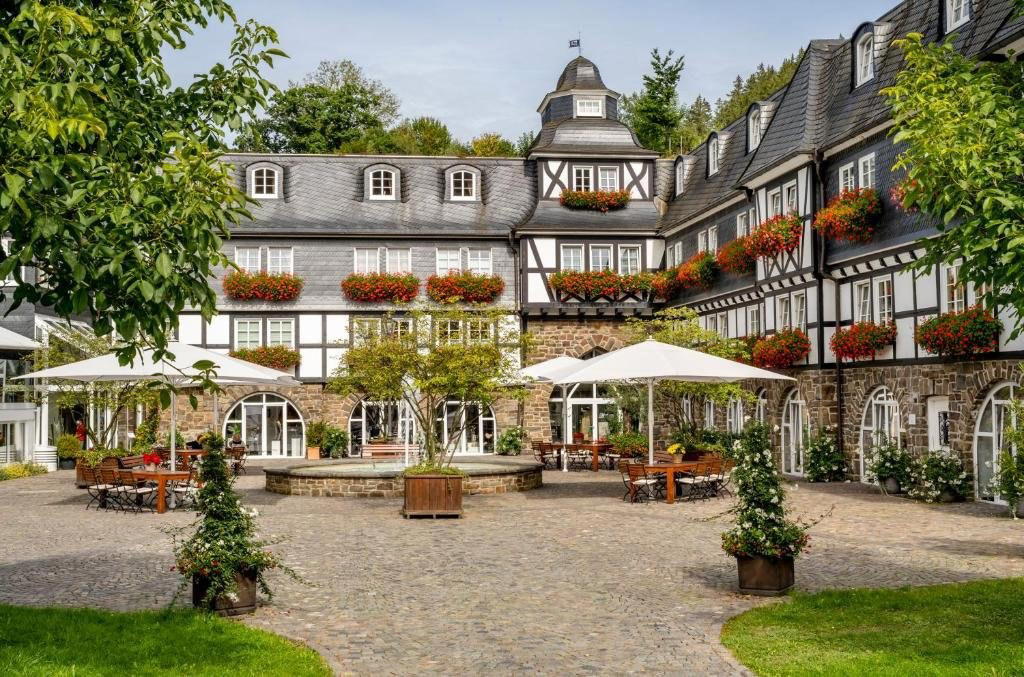
Attractively furnished with modern features, covered terrace overlooking the garden, and warm welcoming atmosphere.