Gengs Linde

The kitchen works within the conventions of regional German cooking, making it one of the more consistently praised addresses in a town that sits at the edge of the Black Forest and Lake Constance corridor.
Pearl is the En Primeur Club membership app — saves, bookings, and concierge access live there. Same editors, same standards.
- Address
- St.-Gallus-Straße 37, 79780 Stühlingen, Germany
- Phone
- +49 7744 1255
- Website
- gengslinde.de
- Directions
- Get directions
 Saves & bookings on Pearl
Where Southern German Cooking Holds Its Ground
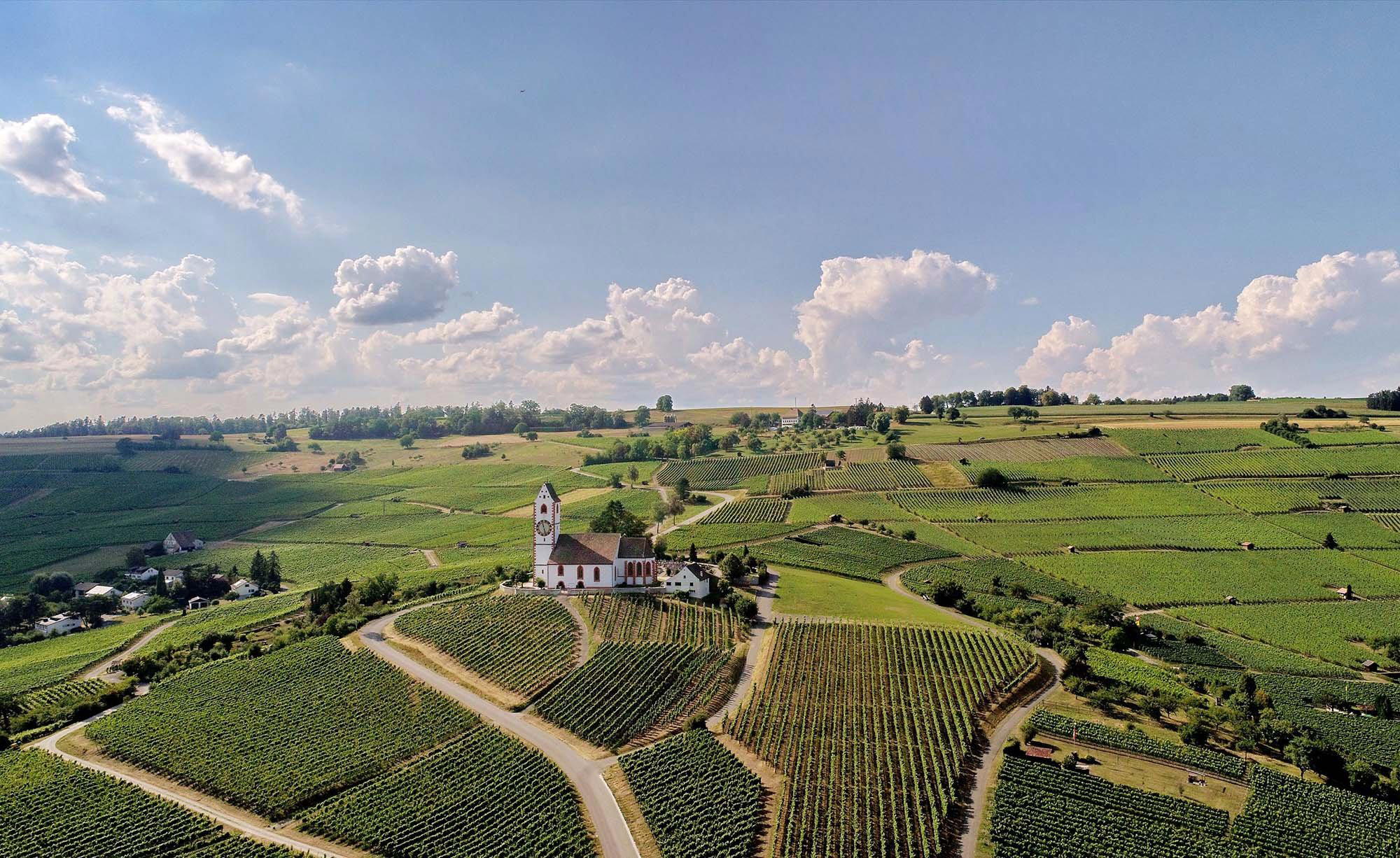
The Baden-Württemberg borderlands, where the Black Forest thins toward the Swiss Rhine and the Hegau plateau opens to the south, have never chased the tasting-menu circuit. The cooking here is rooted in something older: the Gasthof tradition, where proximity to the land dictates what arrives on the plate, and the measure of a kitchen is consistency over seasons rather than innovation per service. Stühlingen, a small market town in the Landkreis Waldshut, sits squarely within that tradition, and Gengs Linde at St.-Gallus-Straße 37 represents one of the clearer expressions of it in the area.
Gengs Linde occupies a specific position in the regional picture: recognised by the guide's inspectors as a kitchen producing food worth seeking out, and operating at an affordable €€ price point. That combination, credentialled but accessible, is increasingly rare as the Michelin Plate tier has contracted in some German regions while multi-course tasting formats have absorbed much of the critical attention.
The Cultural Architecture of Traditional Cuisine in Baden
To understand what traditional cuisine means in this part of Germany, it helps to trace the category back to its sources. Baden cooking draws from a geography that touches Alsace to the northwest, Switzerland to the south, and Swabia to the east. The result is a style that handles freshwater fish, game, and root vegetables with the same confidence it brings to pork preparations and spätzle, the egg-noodle staple that functions here the way pasta does in Lombardy: a canvas that separates the careful kitchen from the careless one.
The region's Gasthöfe and Landgasthöfe have historically served as the infrastructure of this cooking, feeding both locals and the agricultural calendar. Dishes follow the logic of what the surrounding landscape produces, which in Waldshut's case means forest-sourced game in autumn, river fish in spring, and a year-round reliance on dairy and cured meats that connect this table to its Alpine neighbours across the Swiss border. Gengs Linde operates within that framework, and the.
For comparison, the Michelin-starred end of Baden-Württemberg cooking, venues like Schwarzwaldstube in Baiersbronn, which holds three stars and operates at the €€€€ tier, applies French classical technique to regional ingredients at a different price and format point. The restaurant is not in that bracket and does not pretend to be. It serves a different function in the culinary ecosystem: preserving the vernacular rather than transforming it.
Traditional Cuisine as a Living Category
Across Germany, the Michelin Plate designation for traditional restaurants has become a useful marker for travelers who want to eat well without the ceremony of a multi-course tasting menu. The venues that hold it consistently, across consecutive years, tend to do so because they execute a narrow repertoire with precision, the kind of precision that comes from repetition and local knowledge rather than from culinary school technique or seasonal concept changes.
The restaurant's recognition places it in that consistent tier. Elsewhere on the German traditional map, similar signals appear in venues like Auberge Grand'Maison in Mûr-de-Bretagne and Auga in Gijón, both of which use Michelin recognition to anchor traditional formats in their respective regions. The pattern is consistent: traditional kitchens that hold guide attention over multiple years are typically doing something that local dining culture values and that the broader restaurant economy has not yet displaced.
That displacement pressure is real. The same economic forces that have consolidated fine dining around tasting formats and premium price points have also squeezed mid-range traditional restaurants in smaller German towns. The ones that survive with their identity intact tend to have a loyal local base, a manageable cost structure, and a chef or family capable of maintaining standards without chasing trends. At €€, the restaurant fits that profile.
The Stühlingen Context
Stühlingen is not a restaurant destination in the way Baiersbronn or Wolfsburg are. Visitors to the Waldshut district typically come for the Rhine valley, the proximity to Schaffhausen and its falls, or the cycling routes that connect Germany and Switzerland through the Hegau. A meal at the restaurant sits naturally within that kind of itinerary: it is the place you build into an afternoon in the area rather than the reason you book flights.
The town itself has a handful of dining options. Gasthaus Schwanen provides another point on the country cooking spectrum. But for Michelin-recognised traditional cooking at the €€ price tier, the restaurant is the address the guides have consistently identified. The 4.8 score on Google, drawn from 704 reviews, reinforces what the Plate designation implies: this is a kitchen with a clear, sustained standard.
For travelers building a wider German itinerary around dining, the broader Black Forest and southern Germany circuit offers dramatic range in style and price. JAN in Munich, ES:SENZ in Grassau, and the multi-Michelin-starred rooms like Aqua in Wolfsburg and Vendôme in Bergisch Gladbach anchor stronger examples from the German dining map. The restaurant occupies a different coordinate on that map entirely, one that requires no reservation months in advance and no dress code calculation, but offers the kind of regional cooking that makes the rest of southern German food culture legible.
Planning Your Visit
The restaurant is located at St.-Gallus-Straße 37, 79780 Stühlingen. The €€ price point means a full meal per person sits comfortably within a range accessible for both solo travelers and groups. Given the venue's consistent scores and Michelin Plate status, booking in advance, particularly for weekend lunches and dinners when the local clientele fills the room, is sensible, even if the lead time here is nothing like the months-ahead requirement of Germany's multi-starred rooms. The dress code is casual.
A Pricing-First Comparison
Comparable venues nearby, for context on price, style, and recognition.
| Venue | Cuisine | Price | Awards | Notes |
|---|---|---|---|---|
| Gengs LindeThis venue — the venue you are viewing | Traditional Cuisine | $$ | Michelin Plate | Not listed |
| Gasthaus Schwanen | Not listed | $$ | Bib Gourmand | Schwaningen, Regional Black Forest Country Cooking |
| Landgasthof Hirschen | Not listed | $$ | Michelin Plate | Hüfingen, Seasonal German Cuisine with Regional Products |
| Gasthaus Adler | Glottertal, Traditional Baden-German | $$ | Michelin Plate | Not listed |
| Bayerischer Hof | Not listed | $$ | Michelin Plate | Heiligenberg, Traditional German Gasthaus Cuisine |
| Brunnenstuben | Beinstein, Swabian German | $$ | Michelin Plate | Not listed |
Recognition history
Dated appearances from independent guides and award organizations, with the underlying list record or original source where available.
Michelin Plate
Michelin · 2026 Michelin Plate
Michelin Plate
Michelin
Michelin Plate
Michelin
Continue exploring
More in Stühlingen
Restaurants in Stühlingen
Browse all →
Bars in Stühlingen
Browse all →
Hotels in Stühlingen
Browse all →

At a Glance
- Cozy
- Rustic
- Quiet
- Scenic
- Family
- Celebration
- Group Dining
- Business Dinner
- Terrace
- Garden
- Hotel Restaurant
- Standalone
- Local Sourcing
- Farm To Table
- Garden
- Mountain
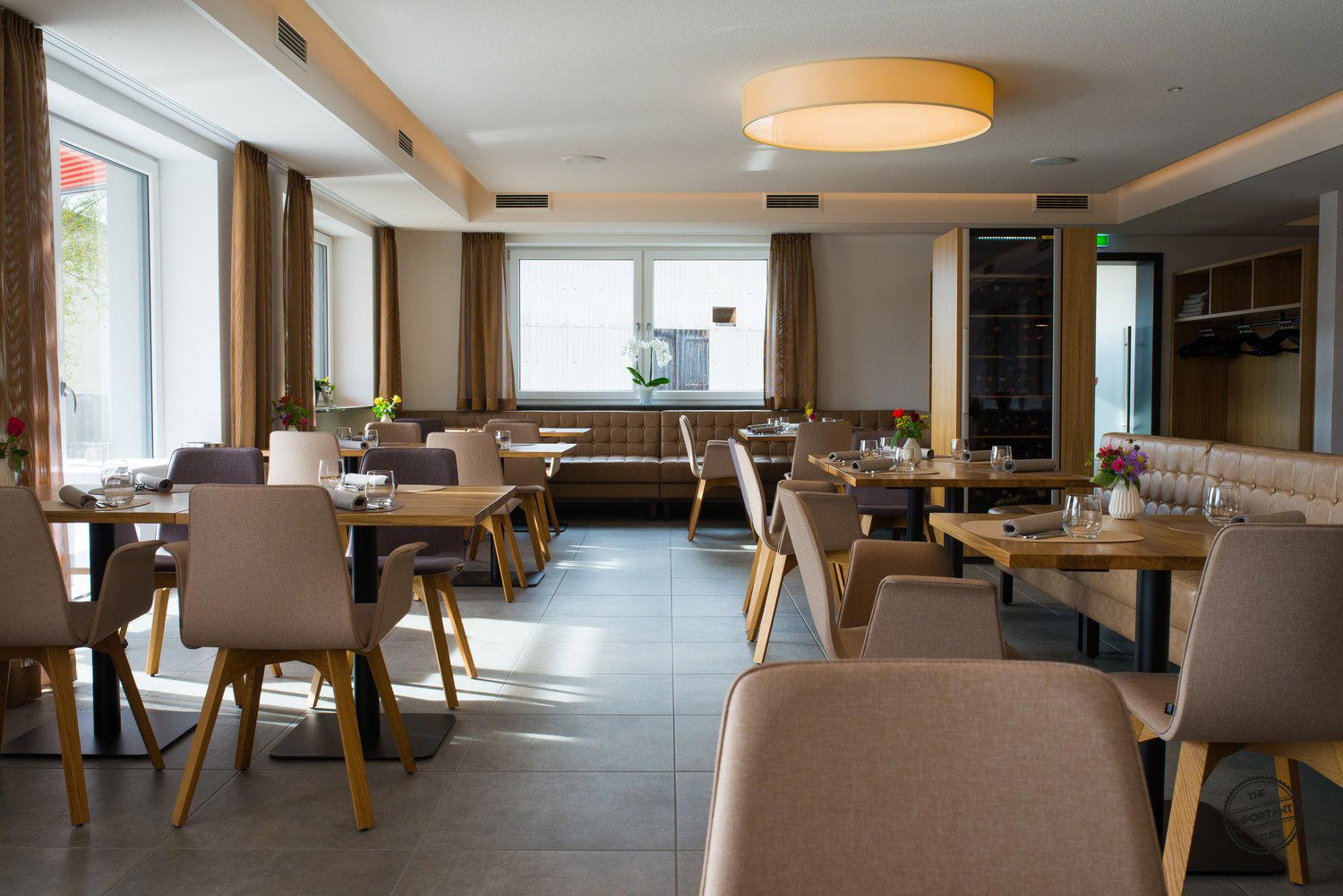
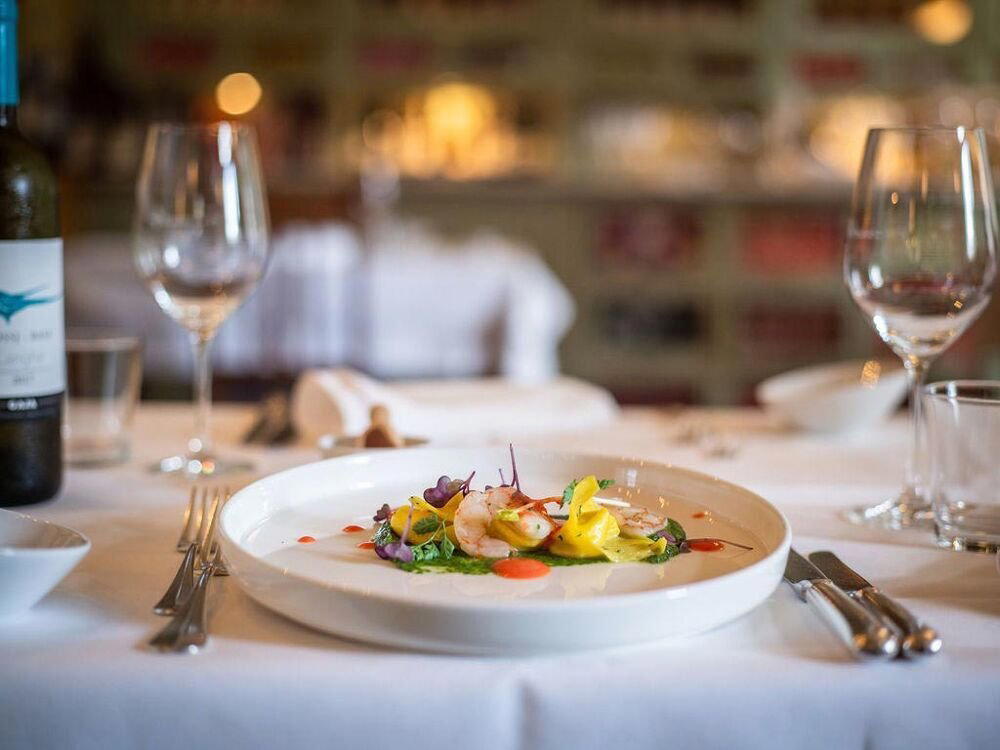
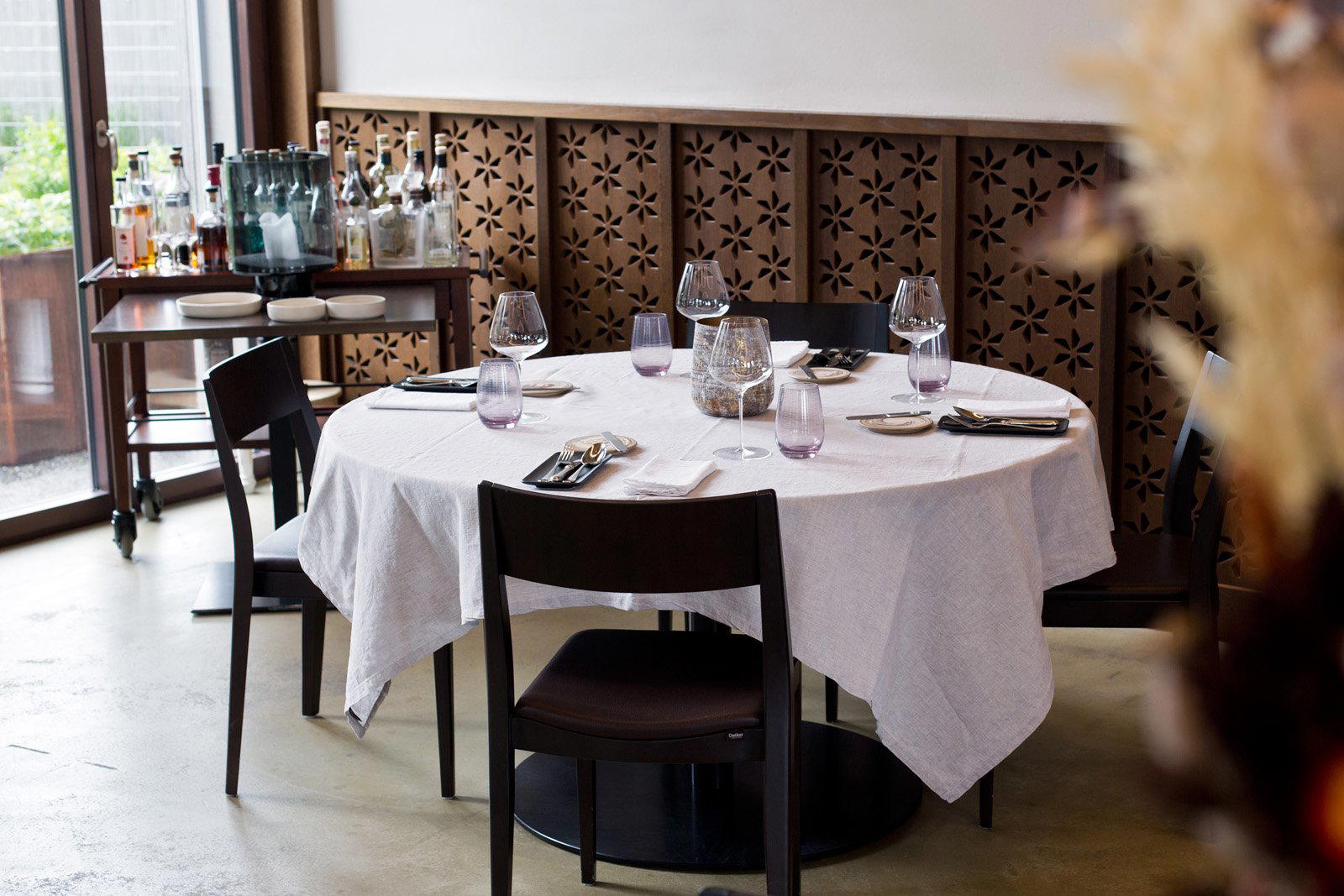
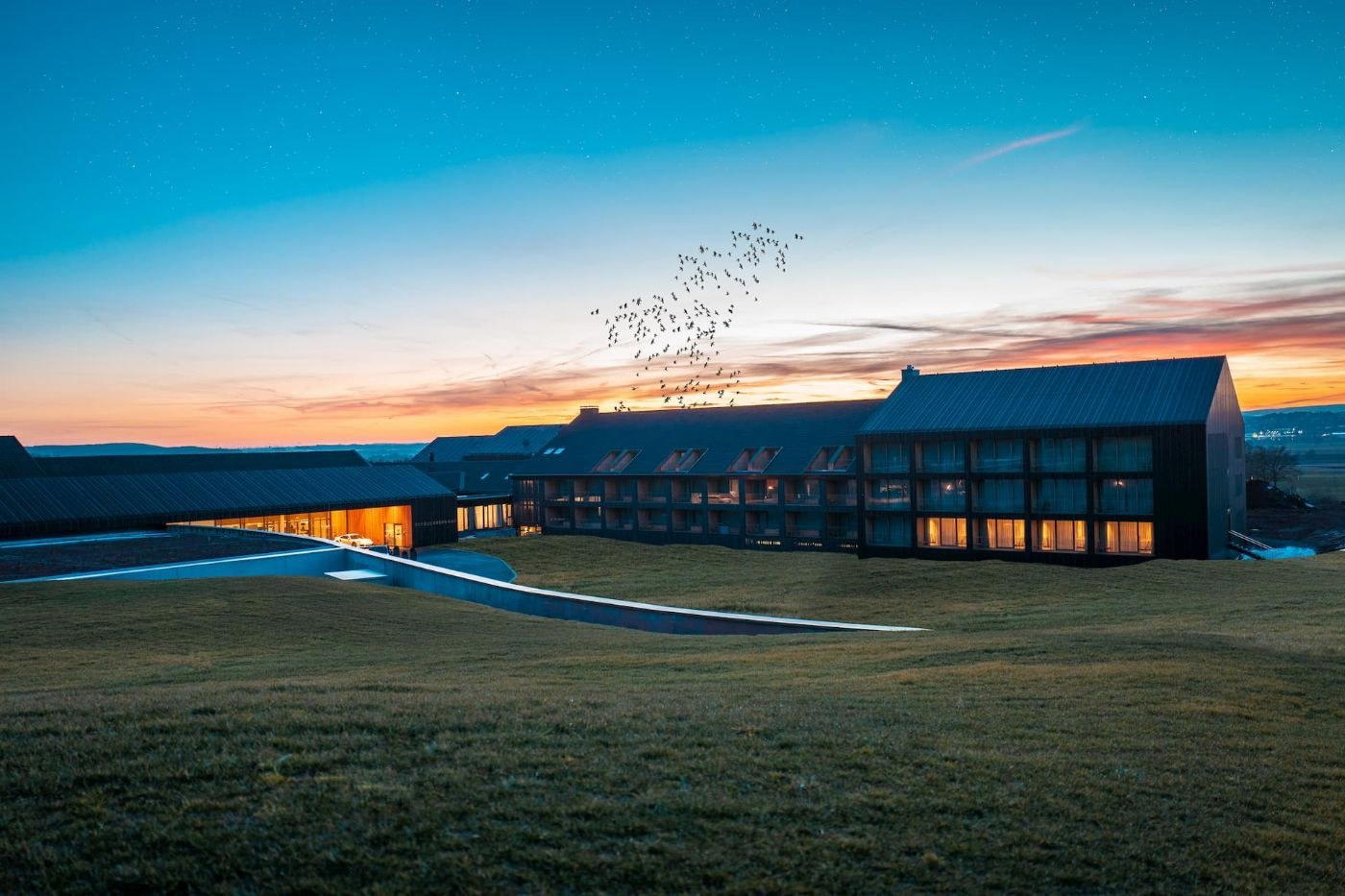
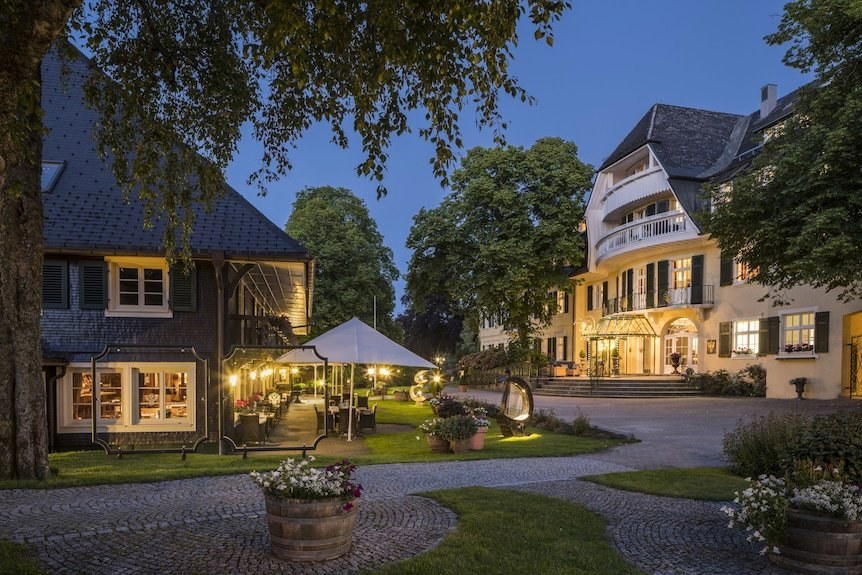
Modern, clean lines with warm wood accents and natural materials; peaceful forest setting with gentle sounds of nature; bright, welcoming dining areas with a sun terrace overlooking the countryside.