Gauchos Do Sul
Our verdict
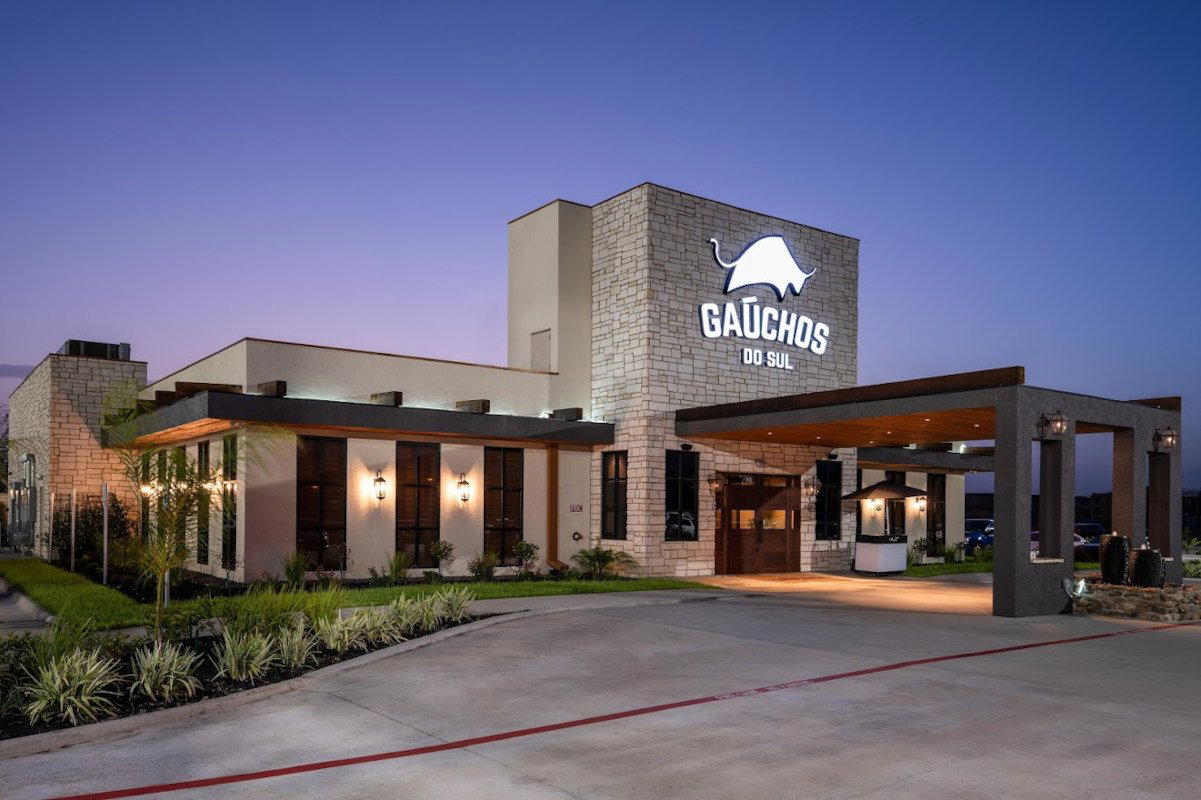
Gauchos Do Sul brings the churrasco tradition to Houston's Westheimer corridor, operating from the third floor of a building that positions it above the usual street-level steakhouse noise. The format centres on the Southern Brazilian approach to fire and beef — a tradition where the sourcing of the animal and the patience of the cook matter more than sauce or flourish. For Houston diners who want a serious engagement with Brazilian barbecue, this address merits attention.
- Address
- 3995 Westheimer Rd 3rd Floor, Houston, TX 77027
- Phone
- (832) 879-2926
- Website
- gauchosdosul.com
- Directions
- Get directions
The menu
What to order
- Picanha
- Fraldinha
- Lamb Chops
Fire, Provenance, and the Southern Brazilian Table
The third floor of a Westheimer Road building is an unusual perch for a steakhouse. Most of Houston's meat-focused dining plays at street level, where the visual theatre of an open grill can draw foot traffic. Gauchos Do Sul, at 3995 Westheimer Rd, sidesteps that convention entirely. The elevation creates a remove from the corridor's commercial bustle, and that remove sets a particular expectation before you have ordered anything: this is not a restaurant selling sizzle. It is selling the substance behind the sizzle — the tradition, the animal, the fire.
That tradition is specifically Southern Brazilian, rooted in the gaucho culture of Rio Grande do Sul, the southernmost state of Brazil and the heartland of South American cattle ranching. The gaucho approach to meat is different from the mass-market churrascaria format that most North American diners know from chain restaurants. Where the chain model emphasises volume and variety — a parade of skewers, a caipirinha, a sprawling salad bar, the Southern Brazilian original is slower, more deliberate, and more attentive to the animal itself. Cuts are selected for their relationship to fire. The cook manages temperature and distance rather than seasoning and sauce. The quality of the beef is the argument.
Where the Beef Comes From, and Why That Matters
Houston's fine-dining scene has spent the past decade building genuine sourcing depth. Restaurants like Smyth in Chicago and Single Thread Farm in Healdsburg have made provenance the structural centre of their menus, not as a marketing point but as a constraint that shapes every decision. The same logic applies, in a different register, to serious churrasco. The gaucho tradition does not produce great results from commodity beef. The marbling, the breed, the age of the animal, and the management of the pasture all affect what happens when the meat meets charcoal.
Southern Brazil's cattle country produces beef that sits in a different category from the feedlot product that supplies most of the steakhouse market in Texas. Breeds like Angus and Hereford crossed with Zebu strains have been developed over generations in the pampas, the flat, grass-rich plains of Rio Grande do Sul and neighbouring Uruguay and Argentina. The animals move. They graze on native grasses. The resulting muscle is leaner in places, more complex in fat distribution, and carries a different flavour profile than a grain-finished domestic steer. When a kitchen applies the gaucho method to this material, slow cooking over embers, minimal intervention, coarse salt as the primary seasoning, the provenance of the beef becomes directly legible on the plate.
This is the editorial context in which Gauchos Do Sul operates. The same sourcing logic that drives farm-to-table restaurants in the American Northeast drives serious South American barbecue, even if the aesthetic vocabularies are entirely different. Diners accustomed to the sourcing rigour of places like Blue Hill at Stone Barns in Tarrytown or Providence in Los Angeles will find the underlying principle familiar, even if the format is radically more carnivorous.
Houston's Steak Tier and Where Churrasco Fits
Houston has a substantial steakhouse culture, as any energy-industry city does. The upper tier runs from classic American chophouses to Argentine parrilla-influenced rooms. The Brazilian churrascaria format has its own footprint in the city, though it skews heavily toward the rodízio model, the all-you-can-eat, tableside service format. That model has its place, but it is a different proposition from a restaurant that treats the gaucho tradition as a culinary argument rather than a service format.
The comparison set for Gauchos Do Sul within Houston's wider dining market is not straightforwardly obvious. The restaurant sits geographically and tonally at some distance from the formal tasting-menu rooms that occupy the best of the city's critical attention, venues like March, with its Venetian framework, or Le Jardinier Houston, which operates in the French garden-cuisine register. It is also distinct from the masa-focused precision of Tatemó or the regional Indian depth of Musaafer. Gauchos Do Sul occupies a different cultural quadrant: South American, fire-centred, and built around beef as primary material rather than as protein among many. For Spanish-influenced cooking in a similarly assertive register, BCN Taste and Tradition offers a useful point of comparison in terms of how immigrant culinary traditions land in Houston's dining culture.
The Westheimer corridor itself has long been one of Houston's most restaurant-dense stretches, running through the Galleria area and into the Upper Kirby and River Oaks adjacencies. The density means competition is constant, and restaurants that survive on that strip typically do so by offering something that the surrounding market does not already cover. A gaucho-focused room with serious sourcing commitments is a defensible position in that environment.
What the Format Demands of the Diner
Gaucho churrasco format is not passive dining. The sequence of cuts, the pacing of the fire, and the decision about doneness all involve some level of diner engagement. This is different from the experience at an omakase counter, where the chef controls the entire sequence, or a tasting menu format like those at The French Laundry in Napa or Addison in San Diego, where the diner submits to the kitchen's logic. At a serious churrasco table, the conversation runs in both directions. The cook makes decisions about fire management and resting; the diner makes decisions about cut, temperature, and accompaniment. That interactivity is part of the tradition's appeal, and it places the format closer to the collaborative end of the dining spectrum.
For Houston diners who have covered the city's formal dining circuit and want something that engages a different tradition, one with its own rigour, its own sourcing politics, and its own relationship to fire as a cooking medium, Gauchos Do Sul represents a distinct option on the Westheimer stretch. See our full Houston restaurants guide for broader context on where this address sits within the city's dining map.
Planning Your Visit
Location: 3995 Westheimer Rd, 3rd Floor, Houston, TX 77027. Reservations: Dress: Smart casual is appropriate for the Westheimer corridor at this address level. Budget: Price range not confirmed; comparable South American fire-focused rooms in Houston's mid-to-upper tier typically run in the $$$–$$$$ bracket, plan accordingly. Timing: The Galleria-adjacent stretch of Westheimer peaks on Friday and Saturday evenings; midweek visits typically offer a more considered pace.
Frequently asked questions
Where is Gauchos Do Sul located?
Gauchos Do Sul is located at 3995 Westheimer Rd 3rd Floor, Houston, TX 77027, Houston.
How does Gauchos Do Sul's third-floor location on Westheimer Rd affect the dining experience?
Sitting a floor above Westheimer Road separates Gauchos Do Sul physically from the street-level steakhouse circuit that defines much of Houston's meat-focused dining. The elevation creates a room that reads as destination rather than drop-in, which suits the gaucho churrasco format: the paced, fire-driven service sequence works better when diners have already committed to the format before they arrive. It also places the restaurant inside the Galleria-adjacent corridor, one of Houston's denser concentrations of fine-dining traffic.
What do regulars order at Gauchos Do Sul?
The churrasco format at 3995 Westheimer Rd means the ordering logic is built into the service itself: cuts arrive sequentially from the fire, paced by the gaucho servers. Regulars tend to engage actively with that sequence rather than redirecting it, letting the kitchen's preferred progression of cuts drive the meal. That participation is part of what separates this format from a conventional Houston chophouse.
How hard is it to get a table at Gauchos Do Sul?
Specific reservation data for Gauchos Do Sul has not been confirmed at time of publication. The venue is located on the third floor of a Westheimer Road building, a format that limits walk-in volume compared to street-level Houston steakhouses. Contacting the venue directly for availability is the most reliable approach.
What It’s Closest To
| Venue | Cuisine | Price | Awards | Notes |
|---|---|---|---|---|
| Gauchos Do SulThis venue — the venue you are viewing | Brazilian Churrascaria | Not listed | Not listed | Not listed |
| Musaafer | Modern Indian Fine Dining | $100–150 | 1 Michelin Star | Indian |
| March | Modern Mediterranean Tasting | $200–300 | 1 Michelin Star · Star Wine List | Venetian |
| Nancy's Hustle | Modern American Bistro | $50–100 | Michelin Bib Gourmand | New American, Contemporary |
| Theodore Rex | Modern American Small Plates | $50–100 | Michelin Bib Gourmand · Resy Best of the Hit List | New American, Contemporary |
| Hidden Omakase | Modern Japanese Omakase | $150–200 | Michelin Plate | Sushi |