
Michelin Plate
Our verdict
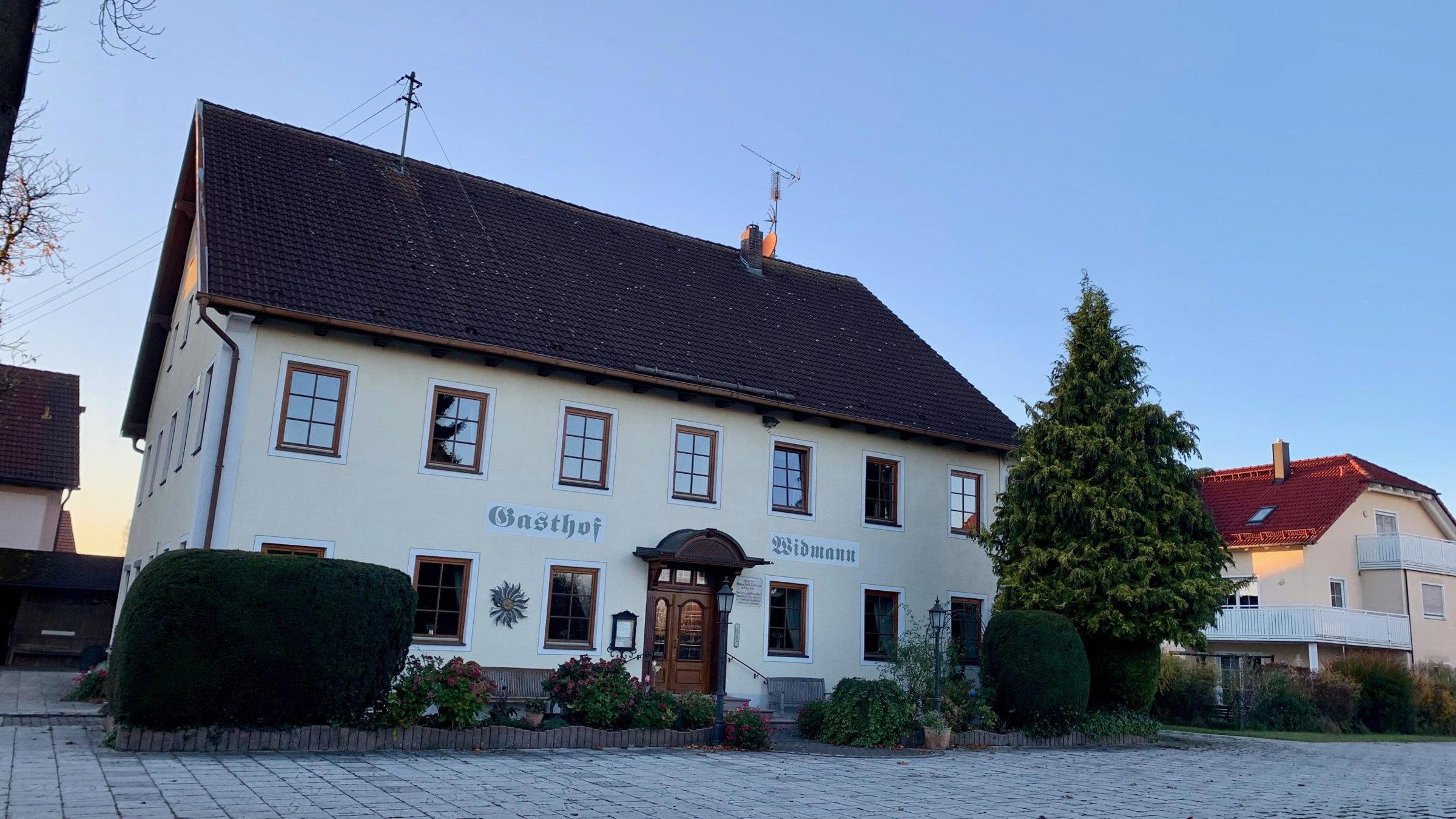
Gasthof Widmann holds consecutive Michelin Plate recognition for 2024 and 2025, placing it among a small tier of internationally-framed restaurants in the greater Munich commuter belt. For the price tier, the value proposition against Munich proper is hard to ignore.

Pearl is the En Primeur Club membership app, where members save venues, book tables and use the concierge.
What the Michelin Plate Means at This Address
Germany's Michelin Plate designation does not carry the headline weight of a star, but it is not a consolation prize either. The Guide awards the Plate to kitchens that produce cooking good enough to warrant attention, food prepared with care and consistency, even when the setting or scale doesn't support the full tasting-menu apparatus of starred peers. In 2024 and again in 2025, Gasthof Widmann earned that recognition, which places it in a meaningful bracket for the Munich suburban corridor, a stretch of the Bavarian hinterland where serious cooking tends to cluster in destination-resort contexts rather than small-town addresses. Maisach itself sits in the Fürstenfeldbruck district, west of Munich, a commuter-belt community that makes no particular culinary claims on the wider map, which is precisely why sustained Michelin attention here carries weight.
To understand where Gasthof Widmann sits in the regional hierarchy, it helps to look at what surrounds it. The southern German fine-dining tier runs from three-star institutions like Schwarzwaldstube in Baiersbronn through the technically ambitious work at ES:SENZ in Grassau, and on into Munich proper, where JAN has built a strong reputation in the city's modern-European tier. Against those reference points, the Plate is a clear marker of where this kitchen belongs: credentialed, supervised by the Guide's inspectors across two consecutive years, and operating at a level distinct from the surrounding pub-and-Gasthaus circuit.
The Gasthof Frame and What It Asks of the Kitchen
The word Gasthof carries specific baggage in Bavaria. It suggests a roadside inn: generous portions, regional staples, local regulars. That framing imposes a particular pressure on any kitchen trying to hold Michelin's attention, because the format's conventions, informality, accessibility, hearty rather than precise cooking, can pull against the discipline that recognition demands. The more interesting cases are where those two registers coexist: where the hospitality is genuinely warm and the room reads like a neighbourhood place, but the kitchen is operating to a tighter standard than the setting implies. Bergstraße 4 sits inside that tension, and the two consecutive Plates suggest the kitchen is managing it.
International cuisine as a category label is deliberately wide, and in a Gasthof context it often signals a kitchen that draws from German, French, and Mediterranean traditions rather than committing to a single-country repertoire. That flexibility can reflect sourcing logic as much as creative ambition: a kitchen willing to range across techniques and ingredient families is often one that follows the produce rather than the menu template. In regions like the Bavarian foothills and the broader Upper Bavarian plain, the sourcing calendar is genuinely varied, dairy, game, river fish, and vegetable production all cycle through strong seasonal windows, and a kitchen framed around international technique is well-positioned to respond to those shifts.
Sourcing Logic in the Munich Commuter Belt
Bavaria's agricultural identity is frequently reduced to its beer and its pork, but the supply chain available to a serious kitchen in this corridor is considerably more varied. The Ammersee and Starnberger See lakes, both within reasonable reach of Maisach, support freshwater fish production. The broader Fürstenfeldbruck district sits on productive mixed-farming land, and the proximity to Alpine supply chains means the seasonal ingredients available to a kitchen here differ meaningfully from what a city-centre restaurant in Munich can access with the same logistics budget.
The Michelin Plate framework doesn't award recognition for sourcing strategy in isolation, the food on the plate is the test, but ingredient provenance and supply-chain discipline are increasingly visible in how inspectors discuss kitchens at this tier. The fact that a Gasthof-format restaurant in a small commuter town has held the recognition across two years suggests that the kitchen is treating its ingredient relationships as a structural advantage rather than background noise. That's a different posture from the volume-driven Gasthaus model, where product consistency is purchased through national distributors rather than managed through local supplier networks.
For readers planning a broader day trip into the Fürstenfeldbruck area, the surrounding region has more depth than the commuter-town label suggests. Our full Maisach restaurants guide maps the options across price tiers, and if you're staying overnight, our Maisach hotels guide covers the accommodation picture. The bars guide, wineries guide, and experiences guide round out the full itinerary.
The Price Tier and What It Implies
At the €€€ price point, Gasthof Widmann sits between the accessible Bavarian pub circuit and the destination fine-dining bracket occupied by the four-symbol restaurants in Munich and the wider south German region. That tier, call it serious-but-not-ceremonial, is where the most interesting value decisions happen in German dining. A €€€€ tasting menu at Aqua in Wolfsburg or Vendôme in Bergisch Gladbach asks the diner to commit to a format as much as a meal. The €€€ Michelin Plate format asks less of the evening but still delivers kitchen credibility the broader Gasthaus circuit doesn't.
For reference, a comparable internationally-framed kitchen in Munich proper at this price point would absorb city-centre overheads that inevitably compress the kitchen's ingredient budget. Maisach's lower cost base theoretically allows the kitchen to spend more per plate without raising the cover price, which is a structural advantage that shows up in quality rather than in margin.
Planning Your Visit
Gasthof Widmann is at Bergstraße 4, 82216 Maisach, in the Fürstenfeldbruck district west of Munich. Maisach is served by the S-Bahn S3 line from Munich Hauptbahnhof, making it reachable without a car in roughly 30 to 40 minutes depending on connection. For a room in the area before or after dinner, the Maisach hotels guide covers the relevant options.
Readers with a broader appetite for serious German cooking at comparable or higher tiers may want to track Haubentaucher in Rottach-Egern and Loumi in Berlin as reference points for the internationally-framed approach across different German markets. For the full south German fine-dining landscape, Waldhotel Sonnora in Dreis, Schanz in Piesport, Victor's Fine Dining by Christian Bau in Perl, Restaurant Haerlin in Hamburg, CODA Dessert Dining in Berlin, and Bagatelle in Trier provide a wider frame for understanding where the Plate tier sits in the national picture.
Frequently asked questions
Is Gasthof Widmann good for families?
The Gasthof format is built around communal, neighbourhood-facing dining rather than formal ceremony, which makes it workable for families. At the €€€ price tier, you're below the tasting-menu bracket where children tend to feel out of place. The Michelin Plate recognition signals kitchen seriousness without the rigid choreography of a starred room.
What is the atmosphere like at Gasthof Widmann?
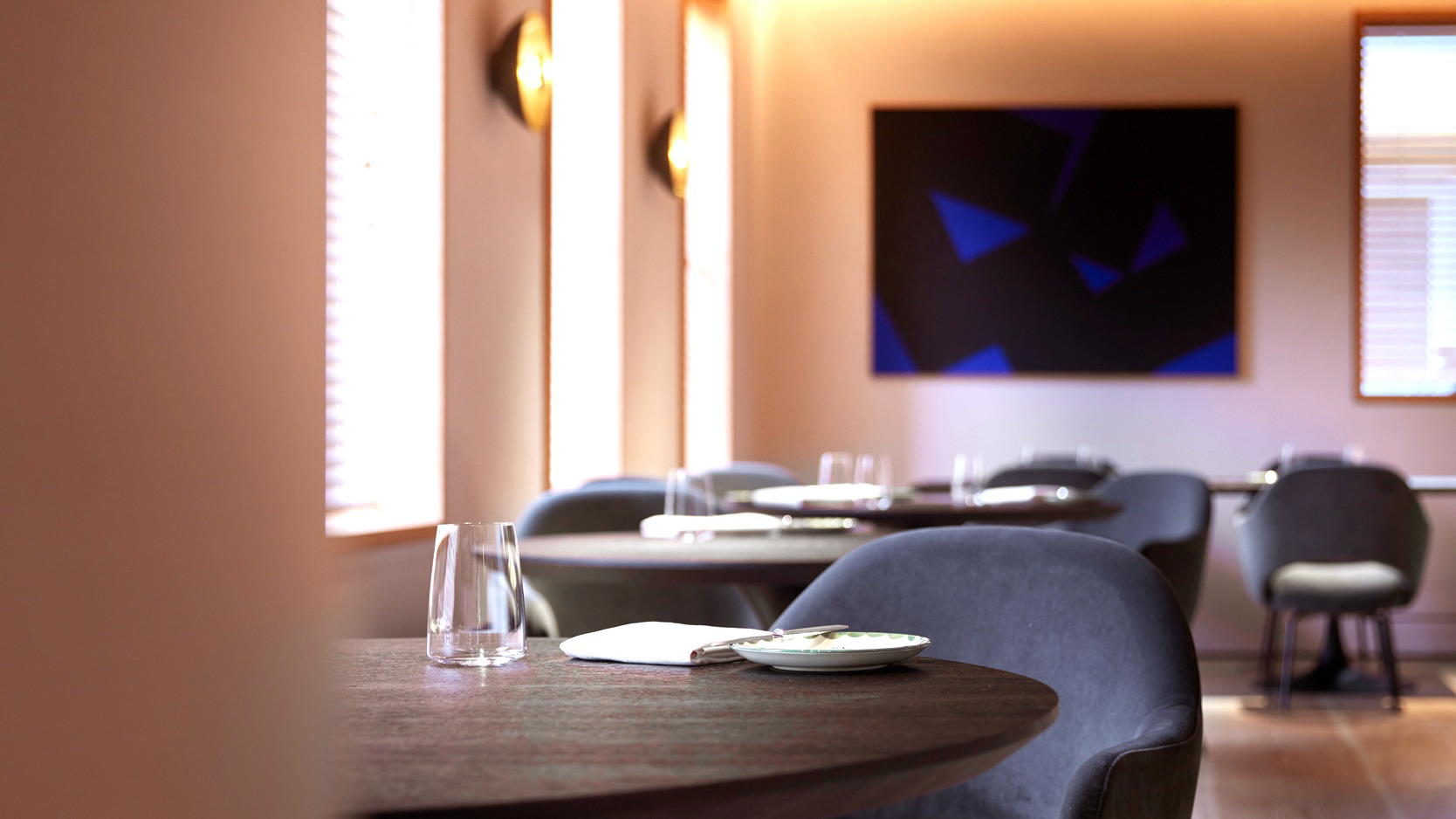
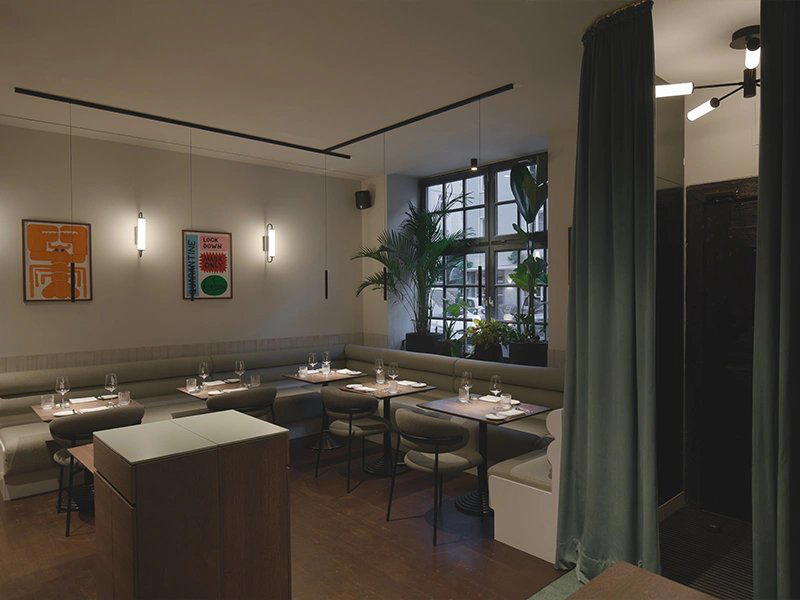
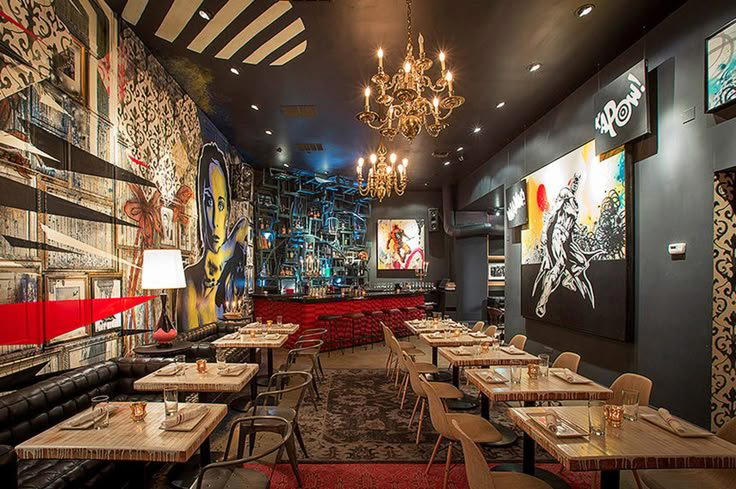
A Gasthof address on a Bergstraße in Bavaria signals a grounded, local-facing room rather than the designed minimalism of a city-centre destination restaurant. The €€€ pricing places it above the pub circuit while stopping short of formal fine dining, so expect a room that takes its food seriously without performing it. Two consecutive Michelin Plates (2024, 2025) confirm that the kitchen earns that middle register.
Has Gasthof Widmann won any awards?
Gasthof Widmann has received recognition including: Michelin Plate (2025); Michelin Plate (2024).
What should I order at Gasthof Widmann?
The cuisine is classified as International, which in a Michelin Plate kitchen typically points to a repertoire drawing across European techniques rather than a fixed regional menu. That classification, combined with the Gasthof format, suggests the kitchen works with seasonal Central European produce while ranging beyond Bavarian staples.
Comparison Snapshot
| Venue | Cuisine | Price | Awards | Notes |
|---|---|---|---|---|
| Gasthof WidmannThis venue (the venue you are viewing) | Seasonal German Set Menu | Not listed | Michelin Plate | Not listed |
| Schwarzwaldstube | Modern French Fine Dining | $150–200 | 3 Michelin Stars · World's 50 Best #47 | French, Classic French |
| Aqua | Contemporary German, Italian/Japanese, Creative | Not listed | Michelin 3 Star | Not listed |
| CODA Dessert Dining | Dessert-Inspired Fine Dining | $200–300 | 2 Michelin Stars · World's 50 Best #79 | Creative |
| Tantris | Modern French, French Contemporary | Not listed | Michelin 2 Star | Not listed |
| Vendôme | Modern German Haute Cuisine | $200–300 | 2 Michelin Stars · World's 50 Best #47 | Modern European, Creative |
Recognition history
Dated appearances from independent guides and award organizations, with the underlying list record or original source where available.
Michelin Plate
Michelin · 2026 Michelin Plate
Full recognition history (3 entries)
Michelin Plate
Michelin
Michelin Plate
Michelin
Continue exploring
More in Maisach
Restaurants in Maisach
All restaurants in Maisach →
Bars in Maisach
Browse all →
Details
- Cozy
- Rustic
- Intimate
- Special Occasion
- Business Dinner
- Historic Building
- Local Sourcing
- Set Menu
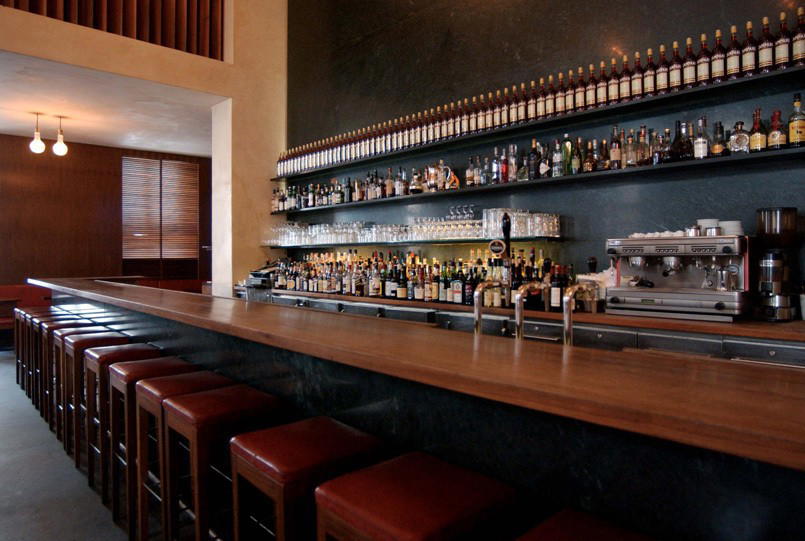
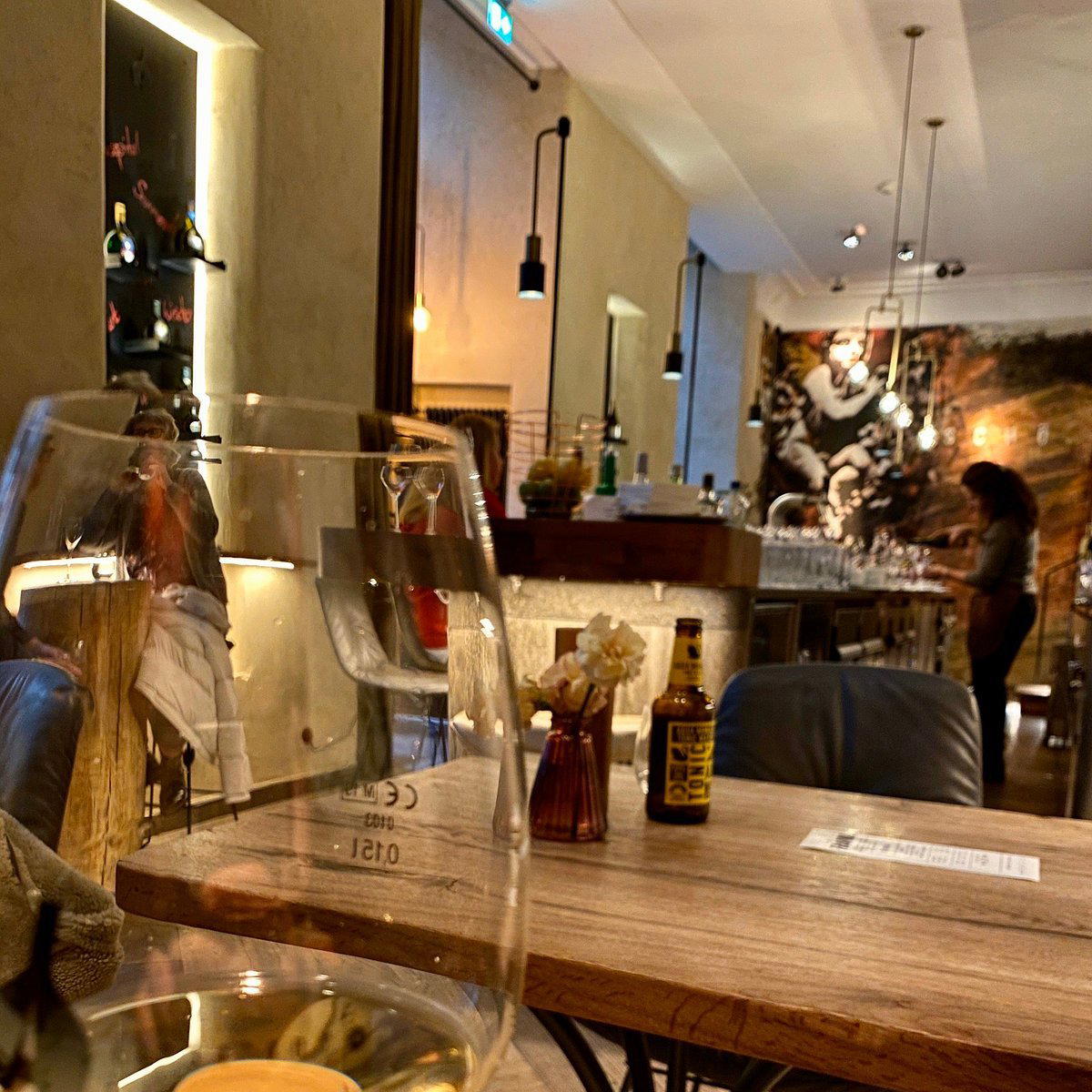
Two cosy dining rooms with homely atmosphere, though some note lack of tablecloths and simple decor.