Garum
Garum sits on Queensway in Bayswater, a stretch of London that has quietly accumulated serious dining options without the Mayfair price premium. The name references the ancient Roman fermented fish sauce, signalling an interest in the deep history of flavour-building that extends well beyond modern European cooking. For regulars, it is a place that rewards repeat visits more than first impressions.
Pearl is the En Primeur Club membership app — saves, bookings, and concierge access live there. Same editors, same standards.
- Address
- 68 Queensway, London W2 3RL, United Kingdom
- Phone
- +44 20 3149 8847
- Website
- garum.co.uk
- Directions
- Get directions
 Saves & bookings on Pearl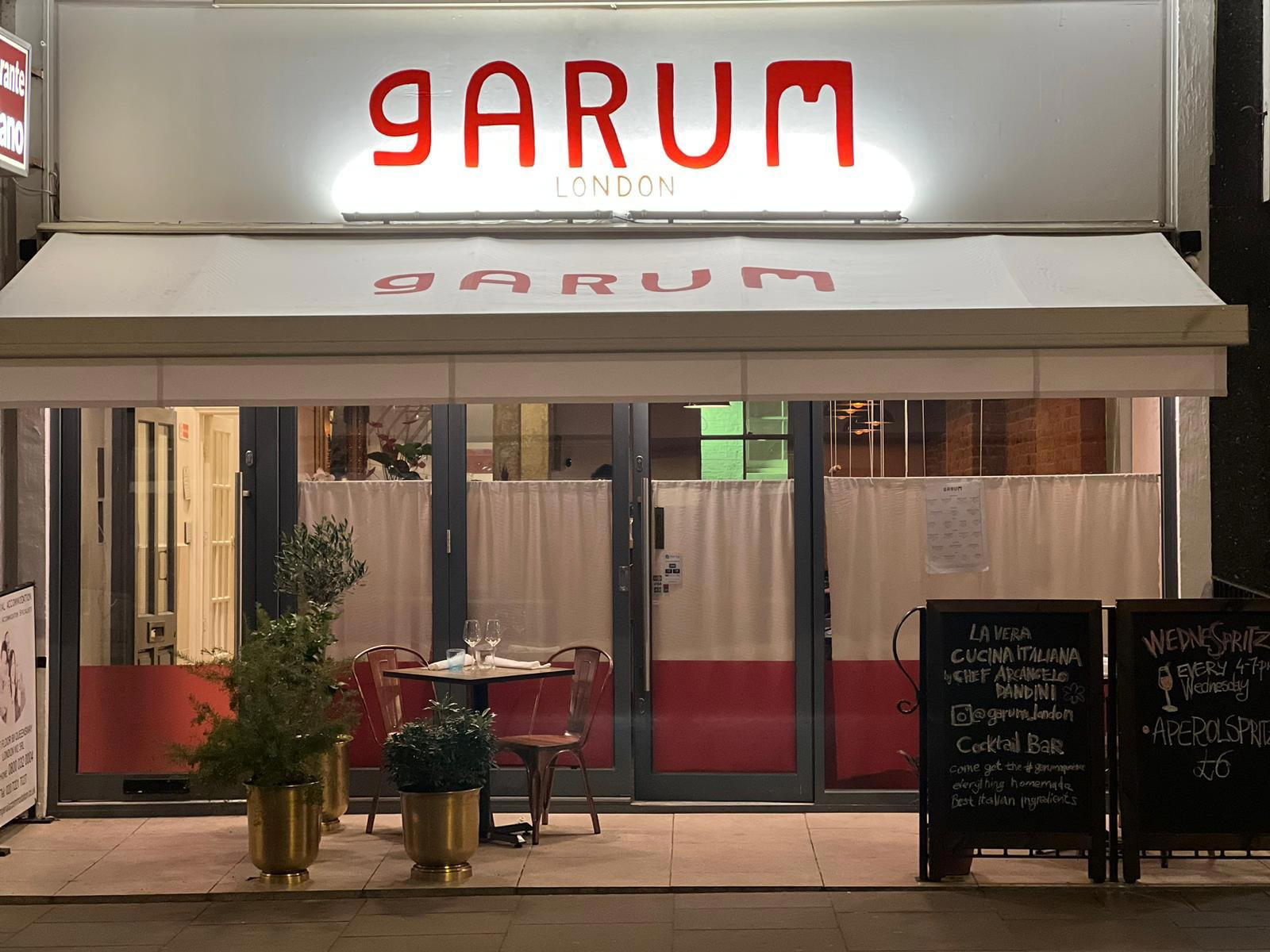
Queensway and the Case for Eating Outside the Obvious Postcodes
London's dining conversation defaults to a familiar geography: Mayfair, Marylebone, Chelsea, with the occasional Bermondsey outlier. Bayswater, by contrast, has long functioned as a neighbourhood that serious eaters know and rarely publicise. Queensway in particular runs a quiet counter-argument to the idea that premium dining requires a W1 address. Garum, at 68 Queensway, serves authentic Roman trattoria cooking that earns loyalty through consistency rather than column inches.
The name is a deliberate provocation. Garum was the fermented fish sauce that functioned as the backbone seasoning of Roman cuisine, the ancient equivalent of a pantry staple with a complexity that took months to develop. Naming a restaurant after it positions the kitchen in a specific conversation about depth, patience, and the archaeology of flavour, placing it closer in spirit to the fermentation-forward philosophy shared by places like L'Enclume in Cartmel than to the straightforwardly modern European rooms that dominate London's award-circuit.
What Keeps Regulars Returning
The regulars' perspective is one useful lens for reading a room like this. At London's three-Michelin-star tier, the guest is frequently a first-timer chasing a rating, which shapes everything from pacing to how front-of-house explains each course. CORE by Clare Smyth and The Ledbury are both excellent at servicing that first-visit expectation. Garum operates differently: the repeat visitor is the assumed default rather than the exception.
That shapes the atmosphere. Rooms built around regulars tend toward a lower-register hum rather than the theatre-ready tension of destination dining. There is less pressure to perform novelty. The kitchen earns trust through a version of what the Roman original represented: slow-built complexity, things that improve with familiarity. London has few rooms at this price point that feel genuinely worn-in rather than perpetually opening-night fresh. That is a meaningful distinction, and it is the reason the Queensway postcode does not deter the people who already know the address.
Compare this to the West London comparable set. Dinner by Heston Blumenthal at the Mandarin Oriental deploys historical British cooking as spectacle; the menu references medieval recipe sources and the room is designed for people who want the story explained to them. Garum's historical reference is in the name, not the performance. The regular diner does not need it spelled out again on visit five.
London's Fermentation and Depth-of-Flavour Moment
The broader culinary context matters here. London has been moving, for the better part of a decade, toward kitchens that treat fermentation, curing, and aged ingredients not as techniques but as foundational philosophy. This is the direction that connects Moor Hall in Aughton to certain ambitious London rooms, and it traces a line back through the Nordic influence that reshaped British fine dining after the mid-2000s. The Fat Duck in Bray did the historical-technique work as theatre; a newer generation of kitchens is doing it as infrastructure, invisible to the guest but present in every layer of a dish.
Garum's name plants the kitchen firmly in that second group. The reference is a marker of intent, communicated to those who recognise it and left undisplayed for those who do not. It is the kind of signal that a regular reads without needing a menu note. Internationally, this approach has analogues: Atomix in New York City uses its card-based menu system to communicate depth without over-explaining; Le Bernardin in New York City has sustained its identity for decades by letting technique speak without theatrical framing. The common thread is a kitchen that respects the returning guest's accumulated knowledge.
Bayswater as a Dining Neighbourhood
The neighbourhood context is worth holding. Queensway sits between Notting Hill, with its established gastropub and casual dining density, and Hyde Park, which functions as a geographic reset. The area has historically served a cosmopolitan residential population with strong Middle Eastern and East Asian communities, which has shaped the street's food culture toward range and depth rather than narrow fine-dining concentration. Sketch's Lecture Room and Library in Mayfair and Restaurant Gordon Ramsay in Chelsea operate in neighbourhoods where the surrounding real estate amplifies the restaurant's prestige. Queensway does not offer that ambient luxury signal, which means a room here earns its regulars on the food alone.
For visitors planning a wider London itinerary, this corner of W2 connects naturally to the independent bar and café culture of Notting Hill and the hotel density around Lancaster Gate.
For those willing to travel further for a comparable depth-of-flavour approach, Gidleigh Park in Chagford and hide and fox in Saltwood represent the regional end of a similar British fine-dining continuum. Hand and Flowers in Marlow is the closest analogue in terms of building a loyal local clientele rather than relying on destination traffic.
Know Before You Go
- Address: 68 Queensway, London W2 3RL
- Nearest Tube: Queensway (Central line) or Bayswater (District and Circle lines), both within easy walking distance
- Booking: Reservation recommended
- Price tier: £££
- Hours: Mon to Wed 5-11:30pm; Thu to Sat 12-11:30pm; Sun 12-10:30pm
- Dress code: Smart casual
Quick Comparison
Comparable venues nearby, for context on price, style, and recognition.
| Venue | Cuisine | Price | Notes |
|---|---|---|---|
| GarumThis venue — the venue you are viewing | Authentic Roman Trattoria | $$$ | Not listed |
| Il Pampero | Authentic Italian Trattoria | $$$ | Belgravia |
| Caffè Concerto Northumberland Avenue | Traditional Italian with French Influences | $$$ | Covent Garden |
| Il Portico | Traditional Emilia Romagna Italian | $$$ | South Kensington |
| Jacuzzi | Italian Trattoria | $$$ | Kensington Palace Gardens |
| Quadrato | Modern Italian | $$$ | Limehouse |
Continue exploring
More in London
Restaurants in London
Browse all →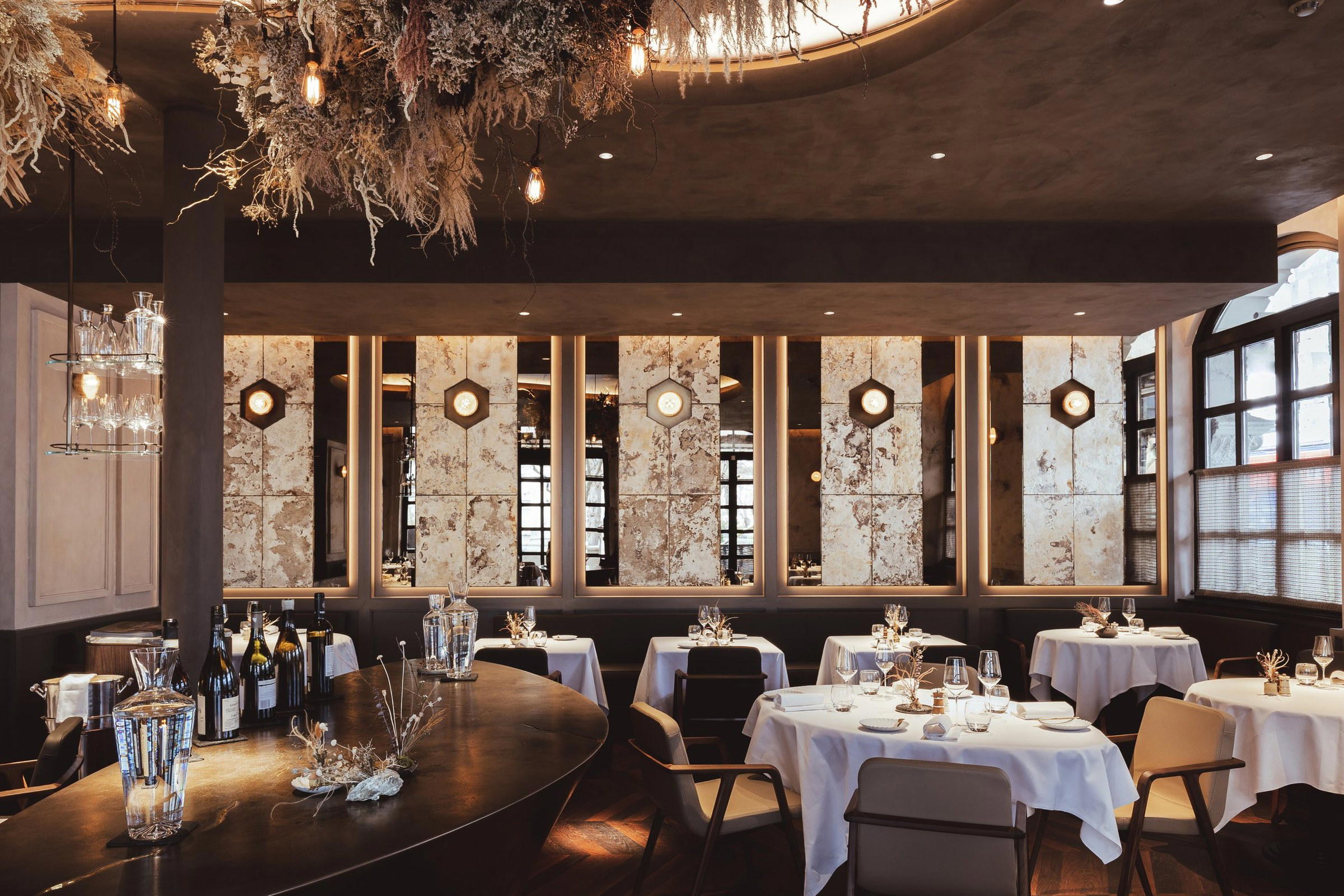
Bars in London
Browse all →
Hotels in London
Browse all →

At a Glance
- Cozy
- Intimate
- Elegant
- Date Night
- Special Occasion
- Open Kitchen
- Natural Wine
Current opening hours
- Monday
- 5–11:30 PM
- Tuesday
- 5–11:30 PM
- Wednesday
- 5–11:30 PM
- Thursday
- 12–11:30 PM
- Friday
- 12–11:30 PM
- Saturday
- 12–11:30 PM
- Sunday
- 12–10:30 PM
Hours can change for holidays and private events. Last verified .
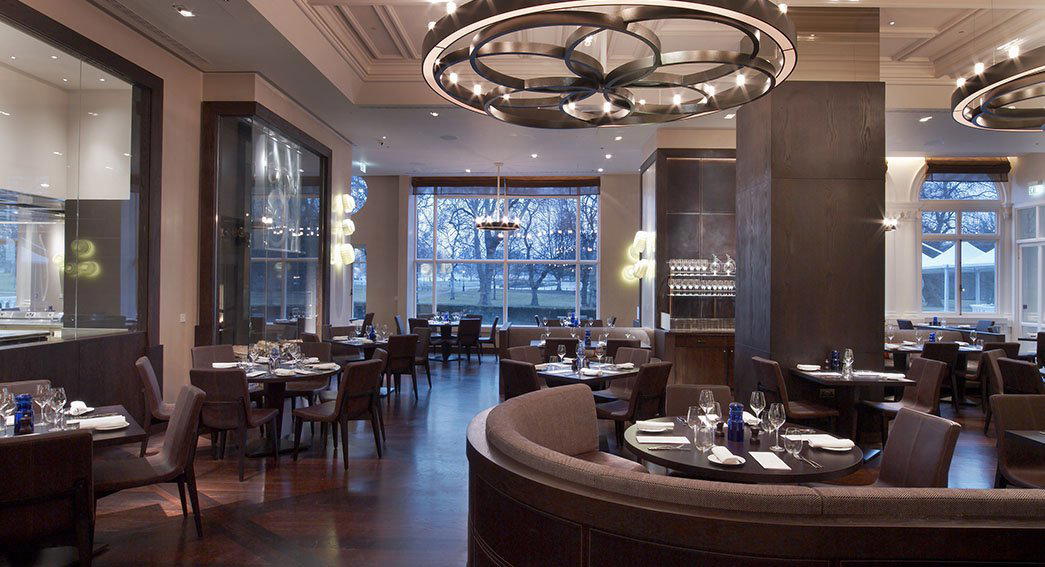
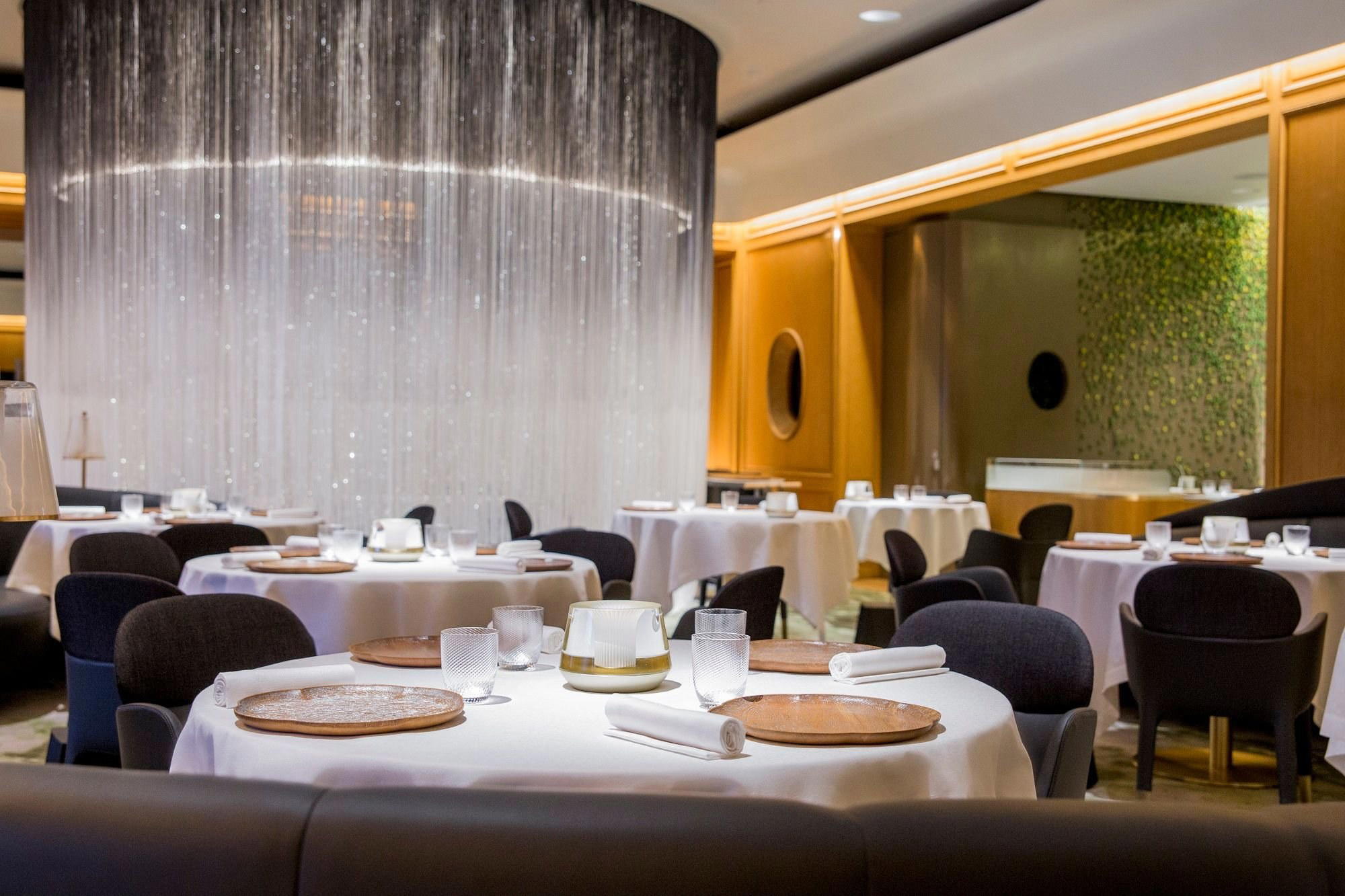
Cozy and inviting with exposed brickwork, distinctive artwork, graffiti walls, and a warm, character-filled atmosphere.