


Star Wine List · White Guide Sweden Restaurants - Fine Level · Falstaff Wine Bar - Listed
Our verdict
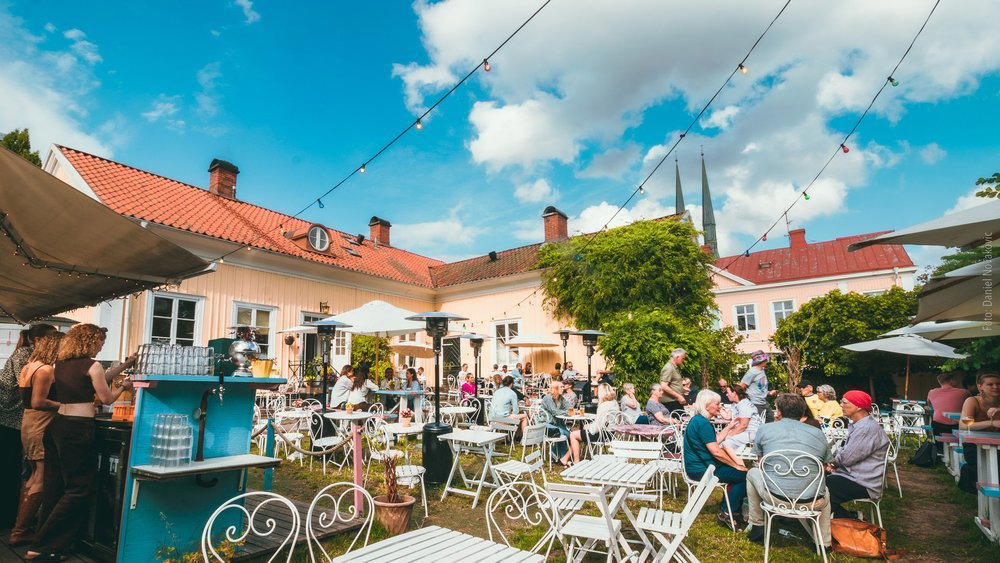
Set inside a 19th-century vicar's building on Kronobergsgatan, Villa & Trädgård de luxe is Växjö's most awarded wine destination, earning consecutive Star Wine List top rankings from 2020 through 2025. A sibling to Kafé de luxe, the venue pairs its historic setting with a wine cellar dedicated to natural wines, where France leads the selection. For serious wine drinkers in southern Sweden, it occupies a category of its own.

Pearl is the En Primeur Club membership app — saves, bookings, and concierge access live there. Same editors, same standards.
- Address
- Kronobergsgatan, Sandgärdsgatan 3, 352 33 Växjö, Sweden
- Phone
- +46 79 339 63 44
- Hours
- Mon ClosedTue–Thu 5–10 PMFri 4 PM–12 AMSat 5 PM–12 AMSun Closed
- Website
- villadeluxe.se
- Directions
- Get directions
- Booking
- Book on the venue's website
A 19th-Century Building and What It Signals About Natural Wine in Sweden
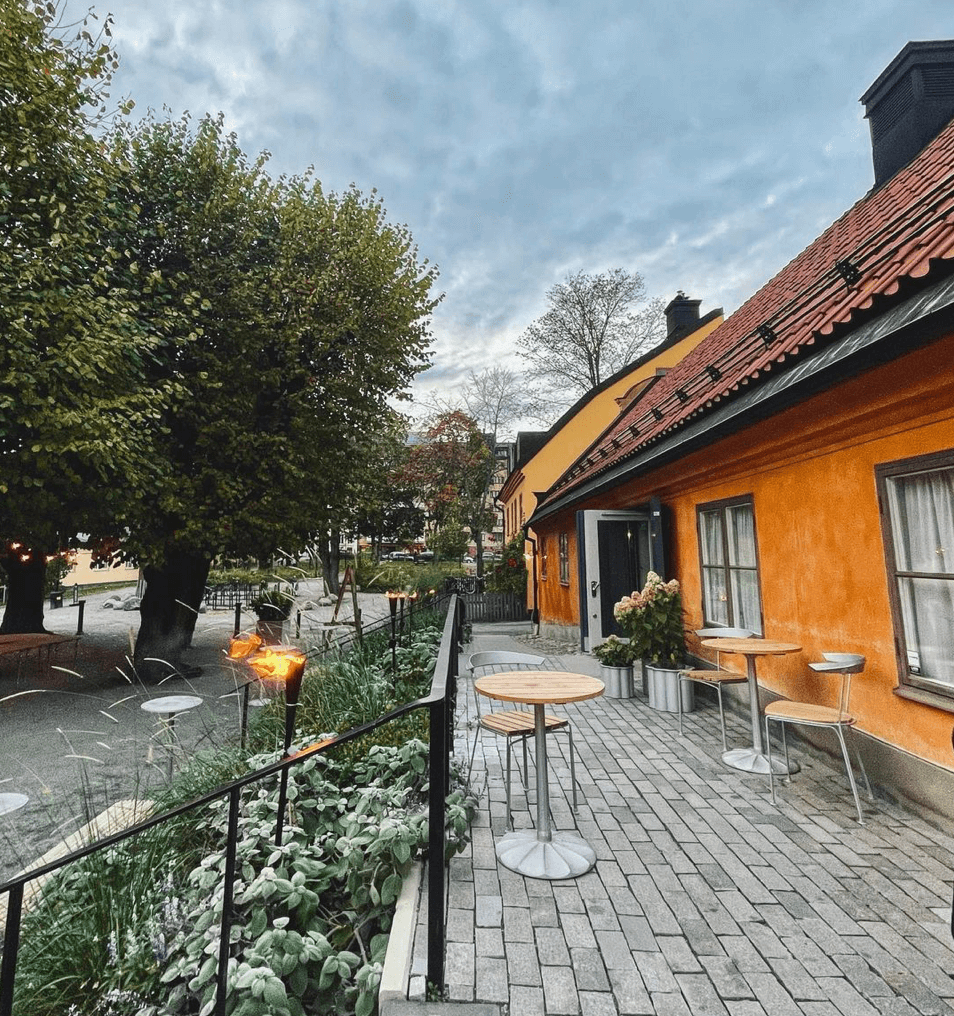
There is a particular logic to housing a natural wine program inside a former vicar's residence. The buildings that survive from the 1800s in Swedish provincial towns like Växjö were built for permanence, with thick walls, high ceilings, and a sense of institutional gravity. Villa & Trädgård de luxe, at Kronobergsgatan, Sandgärdsgatan 3, occupies exactly that kind of structure. The physical setting does something the décor alone could never achieve: it grounds the wine program in a context that feels earned rather than designed. Natural wine culture, at its more serious end, tends to resist novelty for its own sake, and a 19th-century vicar's building is about as far from novelty as Småland gets.
That tension between old architecture and a very contemporary wine philosophy is part of what makes the venue worth understanding. Across Sweden's wine scene, the most discussed programs are concentrated in Stockholm and Malmö — Frantzén in Stockholm or Vollmers in Malmö attract the headlines. A dedicated natural wine cellar operating at award level in Växjö, a city of around 100,000 in the forested heart of Kronoberg County, positions this venue differently within the national picture.
The Natural Wine Argument, and Why France Dominates the Cellar
Natural wine as a category has spent the last decade moving from fringe to fixture across European dining. In Sweden specifically, where state retail monopoly Systembolaget shapes much of the public's access to wine, independent venues with serious cellars play an outsized role in introducing drinkers to producers and regions that sit outside the mainstream distribution channels. A cellar weighted toward France and natural production is, in this context, a genuine editorial position — not a style gesture.
France's dominance in natural wine makes both historical and practical sense. The Loire Valley, Beaujolais, Burgundy, and Alsace all produced the foundational figures of the natural wine movement: growers like Marcel Lapierre, Pierre Overnoy, and Jo Pithon, whose influence on subsequent generations of producers remains traceable in the glass. A program that places France at its center is acknowledging that lineage. It is also curating toward depth over breadth, which is a different commitment than a cellar that samples every region equally. For a venue in Växjö, that kind of specificity is a signal of seriousness.
The sibling relationship to Kafé de luxe suggests a shared ownership philosophy across both venues, with the Villa format representing the more formal, wine-focused iteration of the same sensibility. This kind of tiered sibling structure, a casual daytime venue alongside a more ambitious evening or wine-led space, appears across Scandinavian hospitality, where operators often build audiences through accessible entry points before developing specialist programs that require more commitment from the guest.
Star Wine List Recognition: What Six Awards in Three Cycles Mean
The Star Wine List awards are the most relevant external benchmark for wine programs across Scandinavia and Europe. Villa & Trädgård de luxe has earned both the number-one and number-two positions in 2020, 2024, and 2025, with additional recognition in 2020. Six placements across three award cycles, consistently occupying the leading two positions, is not a matter of an isolated good year. It indicates a wine program with sustained curation discipline and a team that has maintained standards over a multi-year period.
To place that in context within Sweden's competitive restaurant geography: venues such as ÄNG in Tvååker, VYN in Simrishamn, and Knystaforsen in Rydöbruk represent the dispersal of serious culinary and beverage ambition beyond Sweden's three major cities. Villa & Trädgård de luxe fits within that pattern: a specialist program operating in a secondary city, earning recognition that places it alongside, or ahead of, programs in far larger urban centers. For anyone traveling through Småland with a serious interest in wine, Växjö's restaurant scene warrants more attention than its size might suggest.
How Villa de luxe Sits in the Växjö Dining Context
Växjö is not a city that appears frequently in international food media, but its dining scene has developed quietly along lines consistent with the broader New Nordic movement's influence on Swedish provincial towns. PM & Vänner, the city's Nordic creative restaurant, anchors the fine dining end of the market. Villa & Trädgård de luxe operates at a different register: its focus is the wine program, and the experience it offers is structured around the cellar rather than around a tasting menu format.
That distinction matters for how you plan a visit. Guests arriving with the same expectations they would bring to Signum in Mölnlycke or Fyr in Halmstad, tightly choreographed tasting menus with wine pairings, may find this venue operates differently. The setting, the natural wine focus, and the France-weighted cellar suggest a format that rewards curiosity and a willingness to engage with what is being poured rather than expecting a predetermined pairing sequence.
For visitors building a broader itinerary, the Växjö hotels guide, bars guide, and experiences guide offer the wider context needed to make the city a destination rather than a detour. The wineries guide is also worth consulting for regional producers who operate in a similar natural and minimal-intervention register.
Planning a Visit
The venue is located at Kronobergsgatan, Sandgärdsgatan 3, in central Växjö, walkable from the city's main train station, which connects directly to Malmö, Gothenburg, and Stockholm via regional rail. Given the venue's consistent award presence and the relative scarcity of serious natural wine programs outside Sweden's major cities, the expectation should be that popular evenings fill ahead of time. Going with a specific region or style in mind, and being prepared to be guided by whoever is managing the floor, tends to produce the strongest results at cellars of this kind.
Frequently asked questions
Is Villa & Trädgård de luxe a family-friendly restaurant?
The venue's focus is a specialist natural wine cellar inside a preserved 19th-century vicar's building, which positions it firmly at the adult, considered end of the Växjö dining spectrum. It is not structured around children's menus or informal family dining. Adults with an interest in natural wine will find it well-suited to an unhurried evening.
What's the overall feel of Villa & Trädgård de luxe?
The setting is a 19th-century former vicar's residence in central Växjö, and the architecture shapes the atmosphere directly: old stonework and preserved interiors rather than designed-for-purpose hospitality spaces. The wine program, which has earned Star Wine List's top ranking three separate times across 2020, 2024, and 2025, gives the whole place a collector's-cellar seriousness.
What distinctions does Villa & Trädgård de luxe have?
Villa & Trädgård de luxe has received recognition including: Villa de luxe is housed in an old vicar's building from the 19th century, and as the name implies, it's a sibling to Kafe de luxe. The wine cellar is dedicated to natural wines and France is king. To...; Star Wine List #2 (2025); Star Wine ….
What's the best thing to order at Villa & Trädgård de luxe?
The cellar is the main event. France dominates the natural wine selection, and the program has ranked first on Star Wine List in 2020, 2024, and 2025, making it the most externally validated wine list in its category in the region. Start with the French natural wine section and ask the team for current producer highlights, as the list shifts with availability.
Where exactly is Villa & Trädgård de luxe?
Villa & Trädgård de luxe is located at Kronobergsgatan, Sandgärdsgatan 3, 352 33 Växjö, Sweden, Växjö.
A Pricing-First Comparison
| Venue | Cuisine | Price | Awards | Notes |
|---|---|---|---|---|
| Villa & Trädgård de luxeThis venue — the venue you are viewing | Swedish Seasonal Bistro | Not listed | Star Wine List · White Guide Sweden Restaurants - Fine Level | Not listed |
| Operakällaren | Swedish, Modern Cuisine | Not listed | Michelin 1 Star | Not listed |
| AIRA | Modern European, Modern Cuisine | Not listed | Michelin 2 Star | Not listed |
| Vollmers | New Nordic, Contemporary | Not listed | Michelin 2 Star | Not listed |
| VYN | New Nordic, Creative | Not listed | Michelin 2 Star | Not listed |
| PM & Vänner | Modern Småland Regional Cuisine | $150–200 | 1 Michelin Star · La Liste Top Restaurants | Nordic, Creative |
Recognition history
Dated appearances from independent guides and award organizations, with the underlying list record or original source where available.
Star Wine List
Star Wine List
Falstaff Wine Bar - Listed
Falstaff
White Guide Sweden Restaurants - Fine Level
White Guide
Full recognition history (6 entries)
Star Wine List
Star Wine List
Star Wine List
Star Wine List
Star Wine List
Star Wine List
Continue exploring
More in Växjö
Restaurants in Växjö
Browse all →
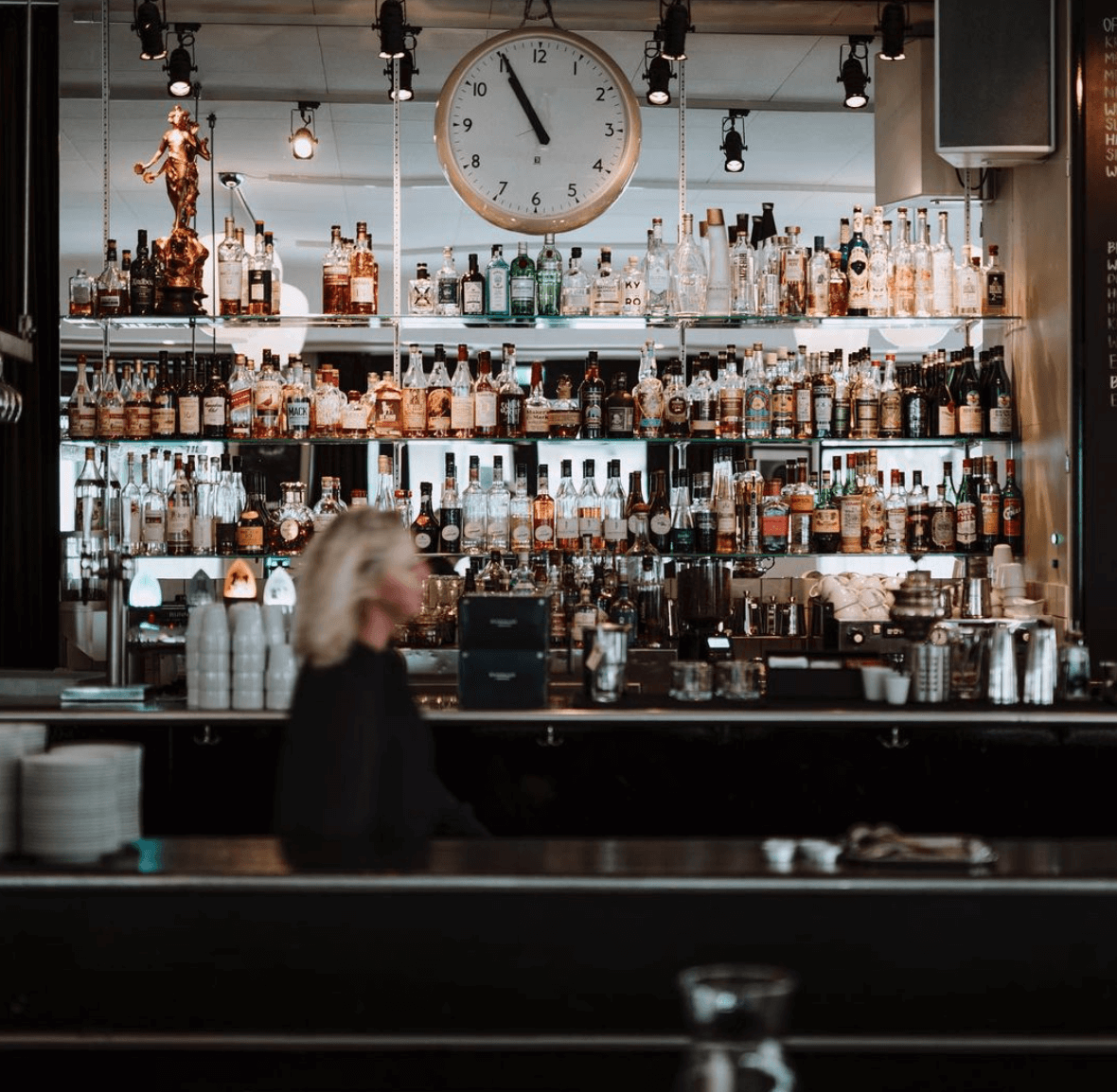
Bars in Växjö
Browse all →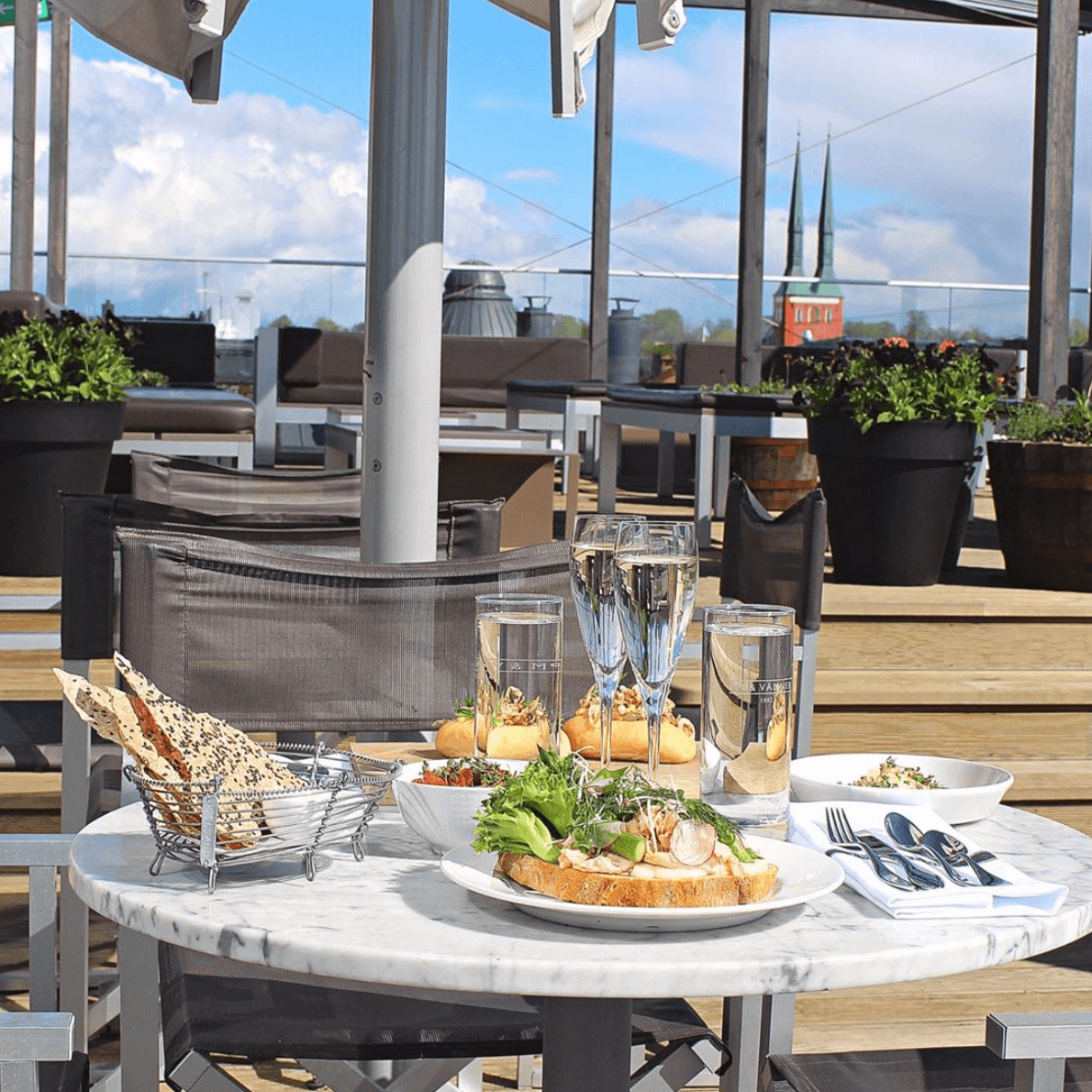
Hotels in Växjö
Browse all →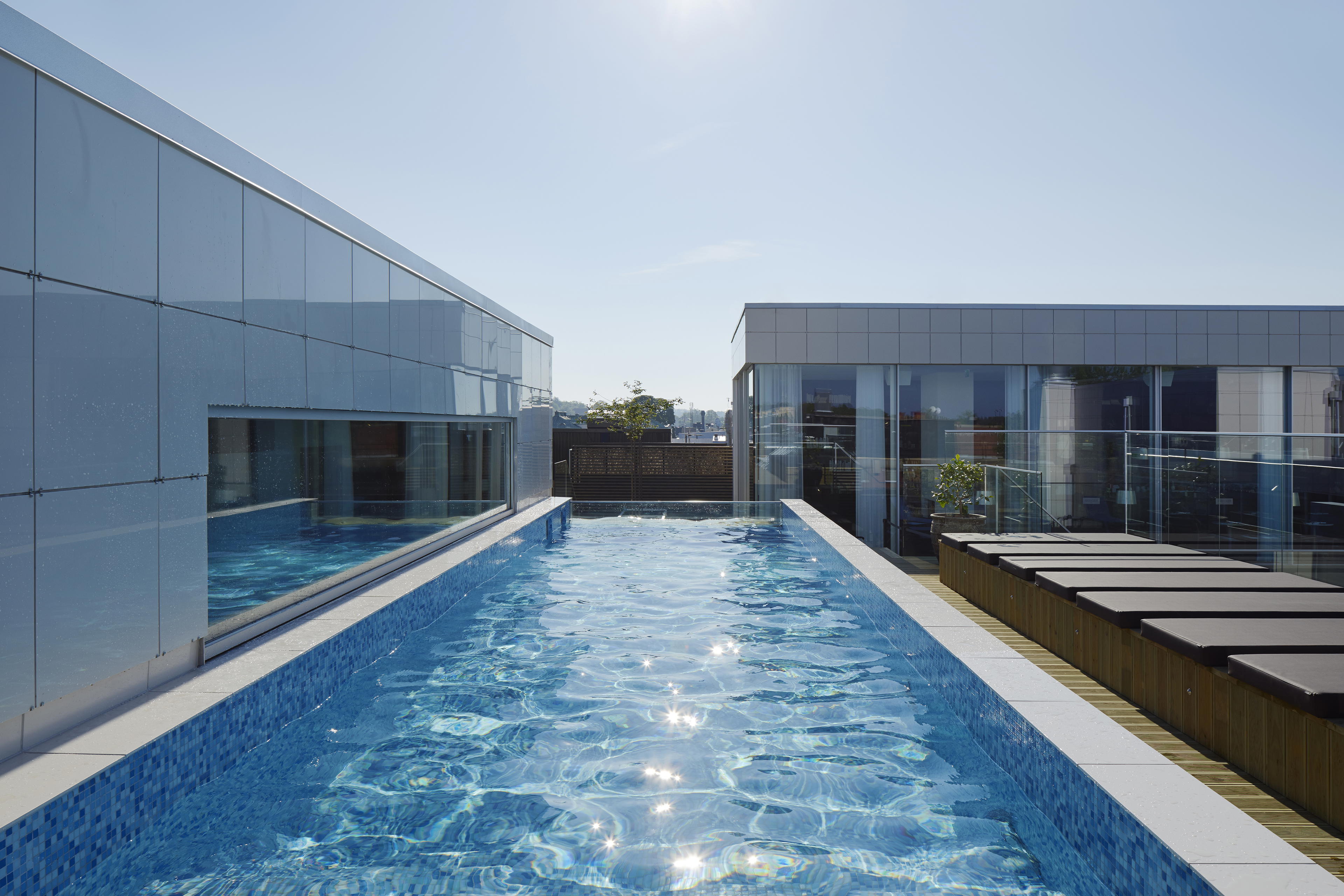
Details
- Cozy
- Intimate
- Elegant
- Date Night
- Special Occasion
- Garden
- Natural Wine
- Local Sourcing
- Organic
- Garden
- Small Plates
- A La Carte
- Natural Wine
- Vegetarian Friendly
Current opening hours
- Monday
- Closed
- Tuesday
- 5–10 PM
- Wednesday
- 5–10 PM
- Thursday
- 5–10 PM
- Friday
- 4 PM–12 AM
- Saturday
- 5 PM–12 AM
- Sunday
- Closed
Hours can change for holidays and private events. Last verified .
Warm, inviting atmosphere with cosy furnishings, older furniture, personal style, and retro feeling.