Our verdict
Getting to Fäviken Magasinet required genuine commitment: Järpen sits in the Jämtland region of northern Sweden, far enough from any major city that the journey itself functioned as a kind of threshold. That remoteness was not incidental to the restaurant's identity — it was the premise. Magnus Nilsson built a kitchen around what the surrounding estate, nearby forests, and local waters could actually provide across the seasons, which in northern Sweden means long winters, aggressive preservation, and a larder shaped by necessity as much as philosophy. The cooking operated on what Nilsson described as rektún principles: real food, local food, food that had been foraged, fermented, cured, dried, or pickled into something the kitchen could use when the landscape offered nothing fresh. A scallop briefly cooked in its closed shell over juniper branches and birch charcoal became one of the restaurant's most documented dishes — a preparation that required almost no technique in the conventional sense, and was more persuasive for it. Tasting menu courses built around local fish, game, grains, and berries followed the same logic: the ingredient's provenance and handling carried the argument. The dining room itself held few covers, set inside a barn-like structure on the Fäviken estate. That intimacy, combined with the two Michelin stars the restaurant earned and its appearances in the World's 50 Best Restaurants rankings, made reservations difficult to secure during its operating years. The set menu ran at SEK 3,000 at one documented point, with wine pairing available separately at SEK 1,795 — pricing that placed it squarely in the fine-dining tier while remaining tied to a context where luxury meant access to notable local produce rather than imported ingredients or metropolitan polish. Fäviken Magasinet closed in December 2019. Its influence on how Nordic and northern-European kitchens think about preservation, seasonality, and radical locality continued well beyond that date, documented in Nilsson's writing and in the broader conversation about what destination dining in remote landscapes can mean when the setting is the point rather than the backdrop.
- Address
- Fäviken 216, 837 94 Järpen
- Directions
- Get directions
The menu
What to order
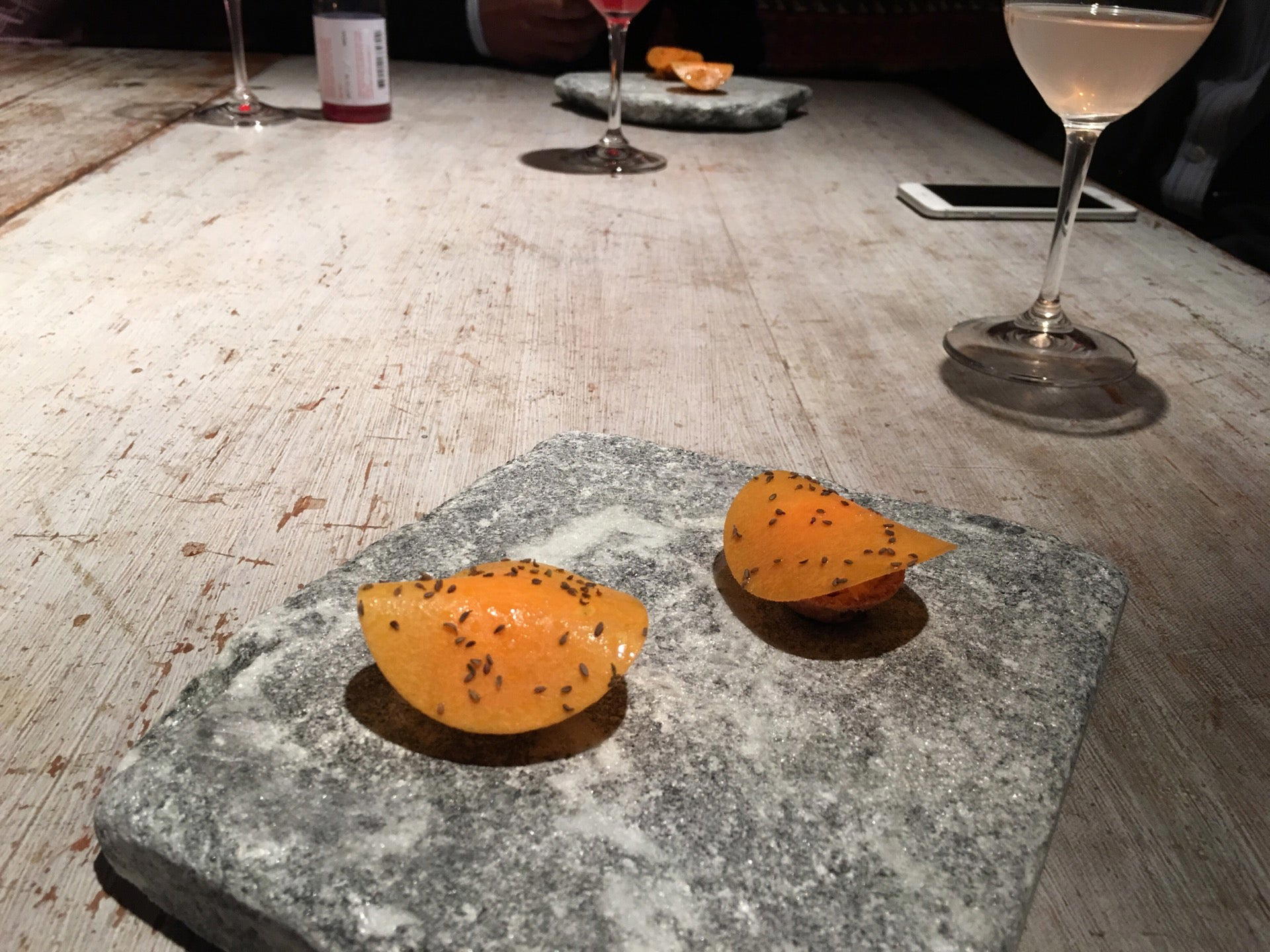
- Wild trout roe in pig's blood crust
- King crab with burnt cream
- Scallop over juniper
- Bone marrow with raw heart
Getting to Fäviken Magasinet required genuine commitment: Järpen sits in the Jämtland region of northern Sweden, far enough from any major city that the journey itself functioned as a kind of threshold. That remoteness was not incidental to the restaurant's identity — it was the premise. Magnus Nilsson built a kitchen around what the surrounding estate, nearby forests, and local waters could actually provide across the seasons, which in northern Sweden means long winters, aggressive preservation, and a larder shaped by necessity as much as philosophy.
The cooking operated on what Nilsson described as rektún principles: real food, local food, food that had been foraged, fermented, cured, dried, or pickled into something the kitchen could use when the landscape offered nothing fresh. A scallop briefly cooked in its closed shell over juniper branches and birch charcoal became one of the restaurant's most documented dishes — a preparation that required almost no technique in the conventional sense, and was more persuasive for it. Tasting menu courses built around local fish, game, grains, and berries followed the same logic: the ingredient's provenance and handling carried the argument.
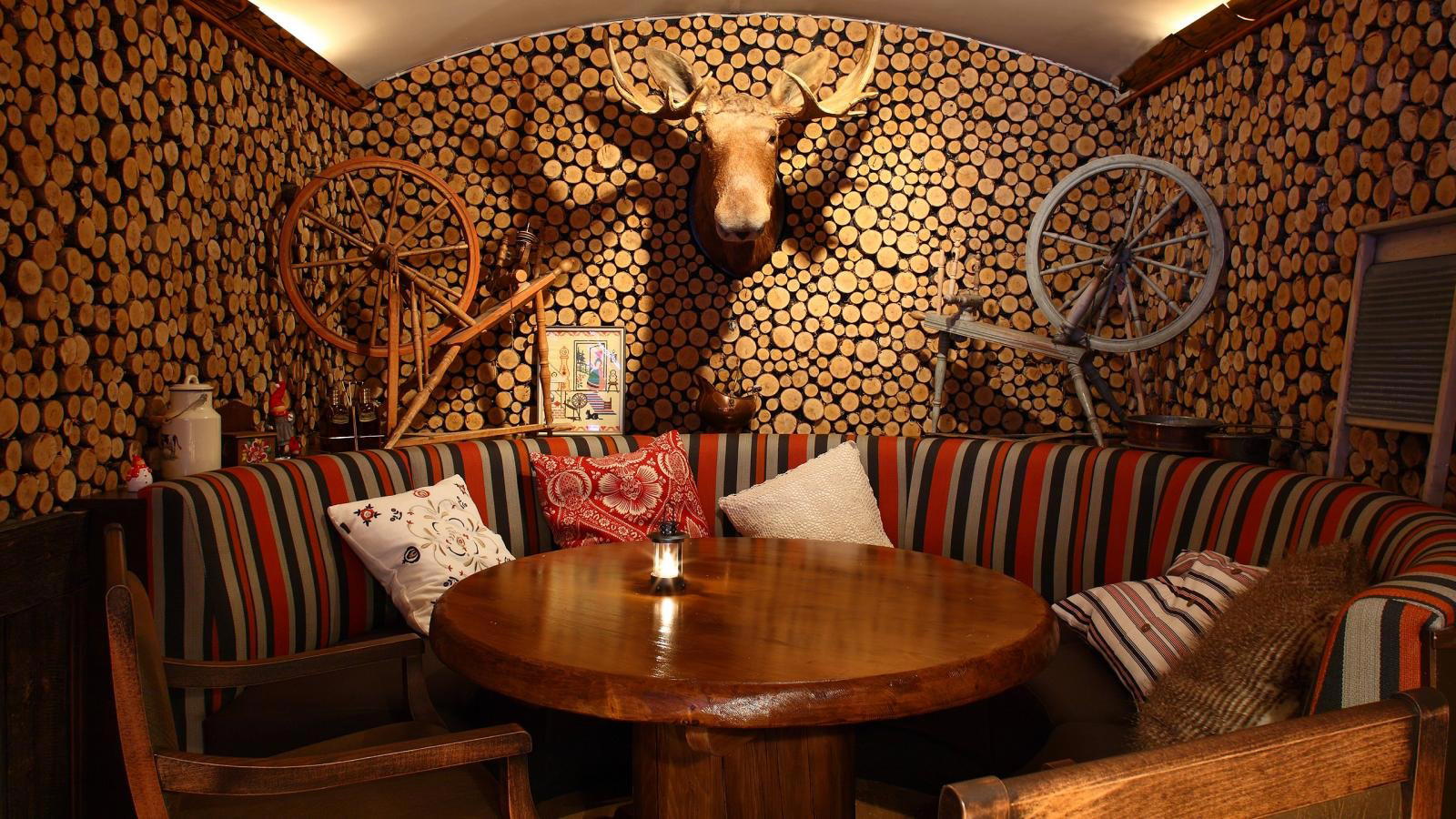
The dining room itself held few covers, set inside a barn-like structure on the Fäviken estate. That intimacy, combined with the two Michelin stars the restaurant earned and its appearances in the World's 50 Best Restaurants rankings, made reservations difficult to secure during its operating years. The set menu ran at SEK 3,000 at one documented point, with wine pairing available separately at SEK 1,795 — pricing that placed it squarely in the fine-dining tier while remaining tied to a context where luxury meant access to notable local produce rather than imported ingredients or metropolitan polish.
Fäviken Magasinet closed in December 2019. Its influence on how Nordic and northern-European kitchens think about preservation, seasonality, and radical locality continued well beyond that date, documented in Nilsson's writing and in the broader conversation about what destination dining in remote landscapes can mean when the setting is the point rather than the backdrop.
In Context
Comparable venues nearby, for context on price, style, and recognition.
| Venue | Cuisine | Price | Awards | Notes |
|---|---|---|---|---|
| Fäviken MagasinetThis venue — the venue you are viewing | Hyper-local Swedish Avant-Garde | Not listed | Not listed | Not listed |
| Matsalen | Modern Nordic Fine Dining | $200–300 | Relais Chateaux Award | Norrmalm, Modern Nordic Fine Dining |
| Restaurang Kungsleden | Nordic and Swedish Lapland Cuisine | $30–50 | Not listed | Abisko, Seasonal Swedish Fine Dining |
| Folii | Södermalm, Wine Bar Small Plates | Not listed | Not listed | Not listed |
| Bodegan | Modern Nordic Fine Dining | $50–100 | Star Wine List · White Guide Sweden Restaurants - Fine Level | Centrala Stan, Modern Nordic Fine Dining |
| Stora Hotellet i Fjällbacka | Seasonal West Coast Seafood | Not listed | Star Wine List | Fjällbacka, Swedish Fine Dining with Local West Sweden Focus |
Continue exploring
More in Jarpen
Restaurants in Jarpen
Browse all →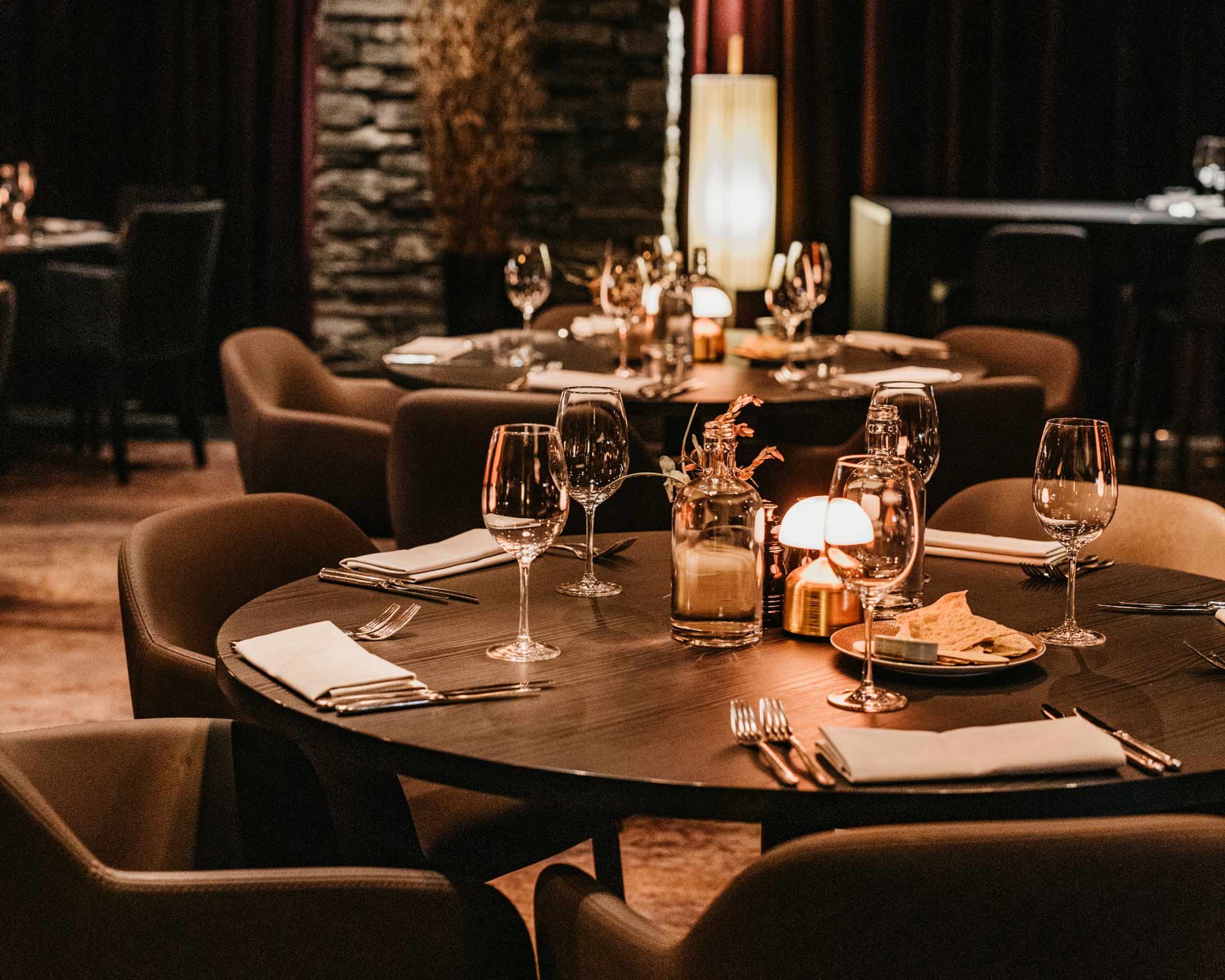
Bars in Jarpen
Browse all →
Hotels in Jarpen
Browse all →
Details
- Intimate
- Rustic
- Elegant
- Cozy
- Special Occasion
- Open Kitchen
- Extensive Wine List
- Local Sourcing
- Farm To Table
- Tasting Menu
Intimate rustic setting in a historic 19th-century estate building with low wooden beams, communal elements, and a focused, story-driven dining atmosphere.