FRUTAS LAGOA
Our verdict
A fruit-forward address on Av. Aldair Rosa de Oliveira in Três Lagoas, Frutas Lagoa sits in the Centro-Oeste interior, where access to Mato Grosso do Sul's seasonal produce shapes what ends up on the menu. The setting is Jardim Bela Vista, a residential district that keeps the operation grounded in local rather than tourist rhythms. For the city's dining scene, it represents the kind of produce-led format increasingly common in Brazil's mid-sized cities.

Pearl is the En Primeur Club membership app, where members save venues, book tables and use the concierge.
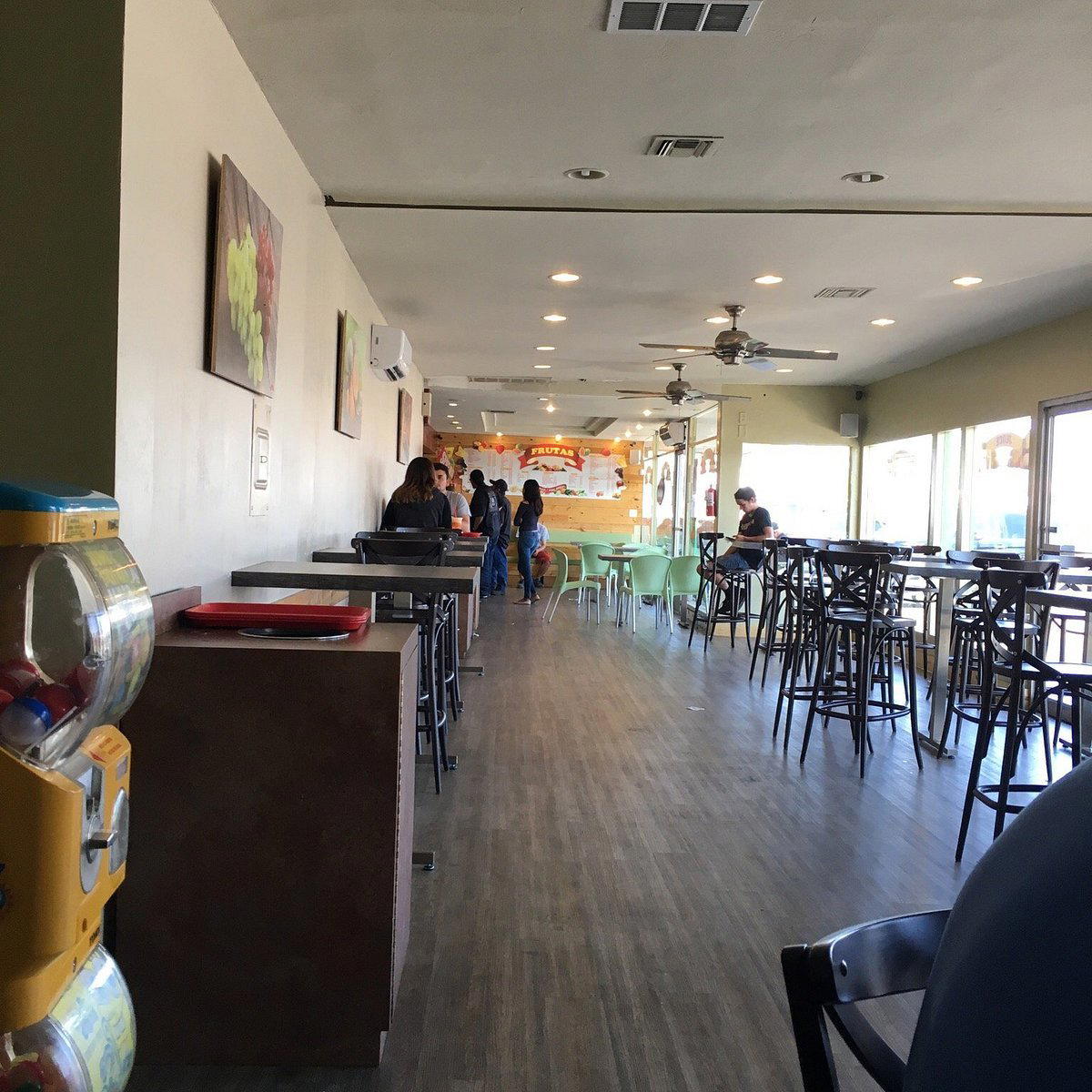
Fruit Culture in the Brazilian Interior
Brazil's Centre-West has long operated in the shadow of the coastal dining conversation. While critics track tasting menus at Oteque in Rio de Janeiro and debate the creative output at D.O.M. in São Paulo, cities like Três Lagoas have been quietly building something less photogenic but arguably more grounded: a food culture anchored in what grows nearby and what arrives fresh from regional producers. Mato Grosso do Sul is cattle country by reputation, but its smaller producers, fruit growers along river corridors, family operations working humid subtropical soils, supply a category of establishments that sit outside the radar of national food media. Frutas Lagoa, on Av. Aldair Rosa de Oliveira in the Jardim Bela Vista district, operates inside that less-documented tier.
The address itself tells you something. Jardim Bela Vista is a residential neighbourhood rather than a commercial strip engineered for foot traffic. That positioning is consistent with a format aimed at locals rather than visitors passing through on the BR-262. In a city of this scale, the distinction between a neighbourhood operation and a destination venue is meaningful: the former depends on repeat custom and community trust, which tends to produce more honest sourcing decisions over time.
What the Cerrado Produces
The ecological context matters for understanding what a fruit-focused operation in this part of Brazil is actually working with. Três Lagoas sits on the eastern edge of Mato Grosso do Sul, where Cerrado biome transitions toward the Mata Atlântica corridor along the Paraná River. The Cerrado is one of the world's most biodiverse savannas, with a fruit catalogue that reads nothing like what most international visitors expect from Brazil: cagaita, pequi, baru, jatobá, and gabiroba sit alongside more familiar tropical varieties. Seasonal availability is strict, these are not commodity fruits with extended supply chains, which means that operations genuinely working with Cerrado produce operate on a calendar that shifts meaningfully across the year.
This is the context in which a venue named for the lagoas, the lakes, of Três Lagoas positions itself. The city's three namesake lakes provide a geographic anchor, and water access historically supported the kind of small-scale agriculture and foraging that feeds ingredient-driven food businesses. For comparison, Açaí Cuiabano in Cuiabá and Açaí da Barra in Presidente Prudente demonstrate how fruit-centred operations in the Brazilian interior build strong local followings by staying close to regional supply.
Interior Brazil's Mid-Tier Dining Pattern
Mid-sized Brazilian cities have developed a distinct dining format that sits between the street food culture documented at places like Tom's Chef Street Food in Três Lagoas and the fine-dining tier represented by venues such as Manu in Curitiba or Mina in Campos do Jordão. This middle register, neighbourhood restaurants and produce-focused specialists, rarely attracts national award attention, but it is where most Brazilians actually eat, and where regional ingredient traditions survive most intact.
Frutas Lagoa occupies this middle register in Três Lagoas, a city that functions primarily as an industrial hub, with a significant pulp and paper manufacturing base that brings a working population without an equivalent concentration of hospitality infrastructure. That industrial context means the local dining scene is genuinely local: businesses serving residents rather than performing for tourists or external reviewers. The absence of awards data or national press coverage for Frutas Lagoa is consistent with the profile of the city itself, not necessarily a signal about quality.
For readers accustomed to the more celebrated addresses of the Brazilian Northeast, Manga in Salvador or Orixás in Itacaré, the contrast is informative. Those venues have access to audiences primed to seek them out. Operations in Três Lagoas build loyalty through consistency and price, without the amplification effect of culinary tourism.
The Produce-First Format and Why It Travels Poorly
The strongest argument for ingredient-sourcing as an editorial frame for venues like Frutas Lagoa is that this format does not scale or export well. A fruit-focused operation in the Brazilian interior depends on proximity to supply, on the knowledge of which varieties are in season, and on a customer base that accepts variation as a feature rather than a flaw. The high-concept tasting menu format at Birosca S2 in Belo Horizonte or the wine-forward positioning of Olivetto in Campinas can be documented, replicated, and praised by visiting critics. A neighbourhood fruit specialist in a landlocked Mato Grosso do Sul city operates on different terms entirely.
This is not a limitation so much as a defining characteristic. The same logic applies globally: the editorial interest of Lobby Café in Belém derives partly from its Amazonian sourcing specificity, just as acclaimed restaurants like Le Bernardin in New York City or Lazy Bear in San Francisco build reputations on sourcing discipline, even if the format and price tier differ by several orders of magnitude. The underlying principle, that what you serve is only as interesting as where it comes from, is consistent across price points. For Castelo Saint Andrews in Gramado or Primrose in Gramado, the sourcing story is shaped by Serra Gaúcha's distinct climate. For Frutas Lagoa, it is the Cerrado and the river geography of Três Lagoas that set the terms.
Planning a Visit
Frutas Lagoa is located at Av. Aldair Rosa de Oliveira, 1175, Jardim Bela Vista, Três Lagoas, MS, 79640-100. Três Lagoas is accessible by road via the BR-262, and the city has a regional airport, Três Lagoas Airport (TJL), with connections to Campo Grande. For a fuller picture of what the city's dining scene offers across formats and price points, see our full Três Lagoas restaurants guide. Visitors combining Três Lagoas with the broader Mato Grosso do Sul circuit may also want to cross-reference the state's produce patterns with venues like State of Espírito Santo in Rio Bananal for regional context.
Frequently asked questions
Can I bring kids to FRUTAS LAGOA?
The Jardim Bela Vista address places this in a residential Três Lagoas neighbourhood, which tends to support a relaxed, family-appropriate atmosphere. A produce-focused operation at accessible local price points is generally suited to all ages rather than an adults-only fine-dining setting.
How would you describe the vibe at FRUTAS LAGOA?
Neighbourhood rather than destination. Av. Aldair Rosa de Oliveira in Jardim Bela Vista is a residential corridor in Três Lagoas, and a fruit-specialist format at local price levels positions this as a regular haunt for nearby residents rather than a venue drawing visitors from other cities. Expect something closer to a market stall or casual specialist shop than a sit-down dining room.
Is Frutas Lagoa a good place to find Cerrado-native fruits not sold in mainstream Brazilian supermarkets?
A fruit specialist anchored in Três Lagoas, MS sits within one of Brazil's most fruit-diverse ecological zones, where Cerrado-endemic species like pequi, baru, and cagaita are produced locally rather than imported. Venues of this format in interior Brazilian cities frequently stock varieties absent from coastal retail chains. Confirming current stock directly with the venue is the most reliable approach before making a special trip.
What dish is FRUTAS LAGOA famous for?
The name and Três Lagoas location point toward a fruit-focused offer drawing on Cerrado-region produce, varieties such as caju, pequi, and buriti are native to this part of Mato Grosso do Sul, but specific menu items can change without current on-site information. Check the venue's official channels for the latest details.
Where is FRUTAS LAGOA in Tres Lagoas?
FRUTAS LAGOA is located at Av. Aldair Rosa de Oliveira, 1175 - B - Jardim Bela Vista, Três Lagoas - MS, 79640-100, Brazil, Tres Lagoas.
A Quick Peer Check
Comparable venues nearby, for context on price, style, and recognition.
| Venue | Cuisine | Price | Notes |
|---|---|---|---|
| FRUTAS LAGOAThis venue (the venue you are viewing) | Brazilian Fruit Snacks & Juices | Not listed | Not listed |
| TOM`S CHEF STREET FOOD | Brazilian Street Food Sandwiches | Not listed | Jardim Primaveril |
| Koni Store | Japanese Hand Rolls (Konis) | $10–20 | Asa Sul |
| Mochileiros Casual Restaurant | Casual Brazilian | Not listed | Centro |
| Maki Sushi | Japanese Sushi Rodízio | Not listed | City Center |
| Brothers Street Food - Hamburgueria | Modern Brazilian Street Food Hamburgueria | Not listed | heart of Araçatuba |
Continue exploring
More in Tres Lagoas
Restaurants in Tres Lagoas
All restaurants in Tres Lagoas →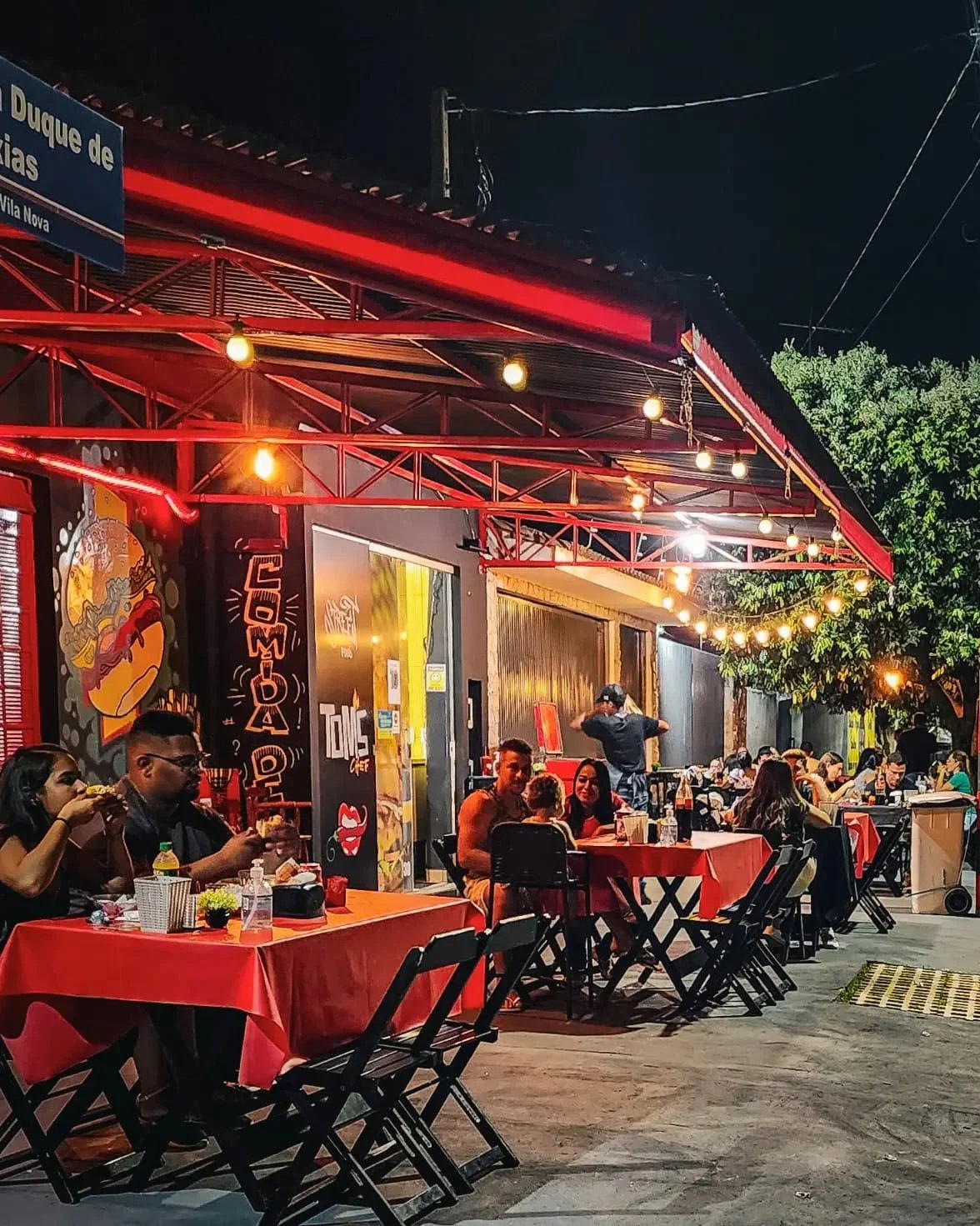
Details
- Cozy
- Scenic
- Casual Hangout
- Waterfront
- Terrace
- Local Sourcing
- Waterfront
- A La Carte
Current opening hours
- Monday
- 4:30–11:30 PM
- Tuesday
- 4:30–11:30 PM
- Wednesday
- 4:30–11:30 PM
- Thursday
- 4:30–11:30 PM
- Friday
- 4:30–11:30 PM
- Saturday
- 4:30–11:30 PM
- Sunday
- 4:30–11:30 PM
Hours can change for holidays and private events. Hours as of .
Lively tropical atmosphere with emphasis on natural freshness and local hospitality, ideal for relaxing by the lagoon.