French Verandah
Our verdict
French Verandah sits in Arnos Vale, Saint Vincent and the Grenadines, where the French name signals a culinary reference point that stands apart from the island's largely Creole dining scene. With limited publicly available details, the restaurant rewards visitors who seek out local intelligence before arriving. For context on dining across the island chain, see our full Arnos Vale restaurants guide.

Pearl is the En Primeur Club membership app, where members save venues, book tables and use the concierge.
The menu
What to order
- Lobster crepes
- Fish in green pepper sauce
- Lobster pizza
Where French Technique Meets Caribbean Produce
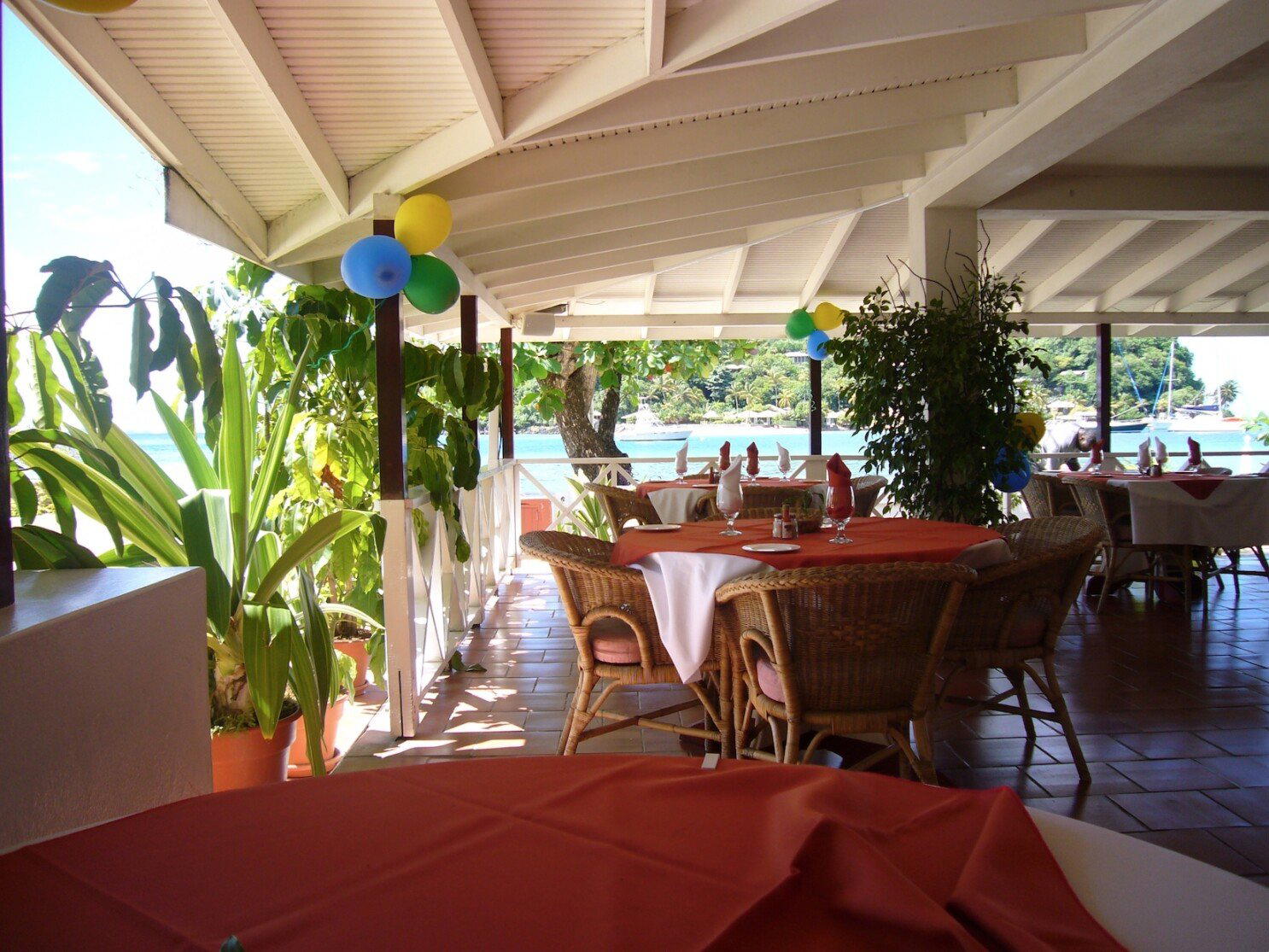
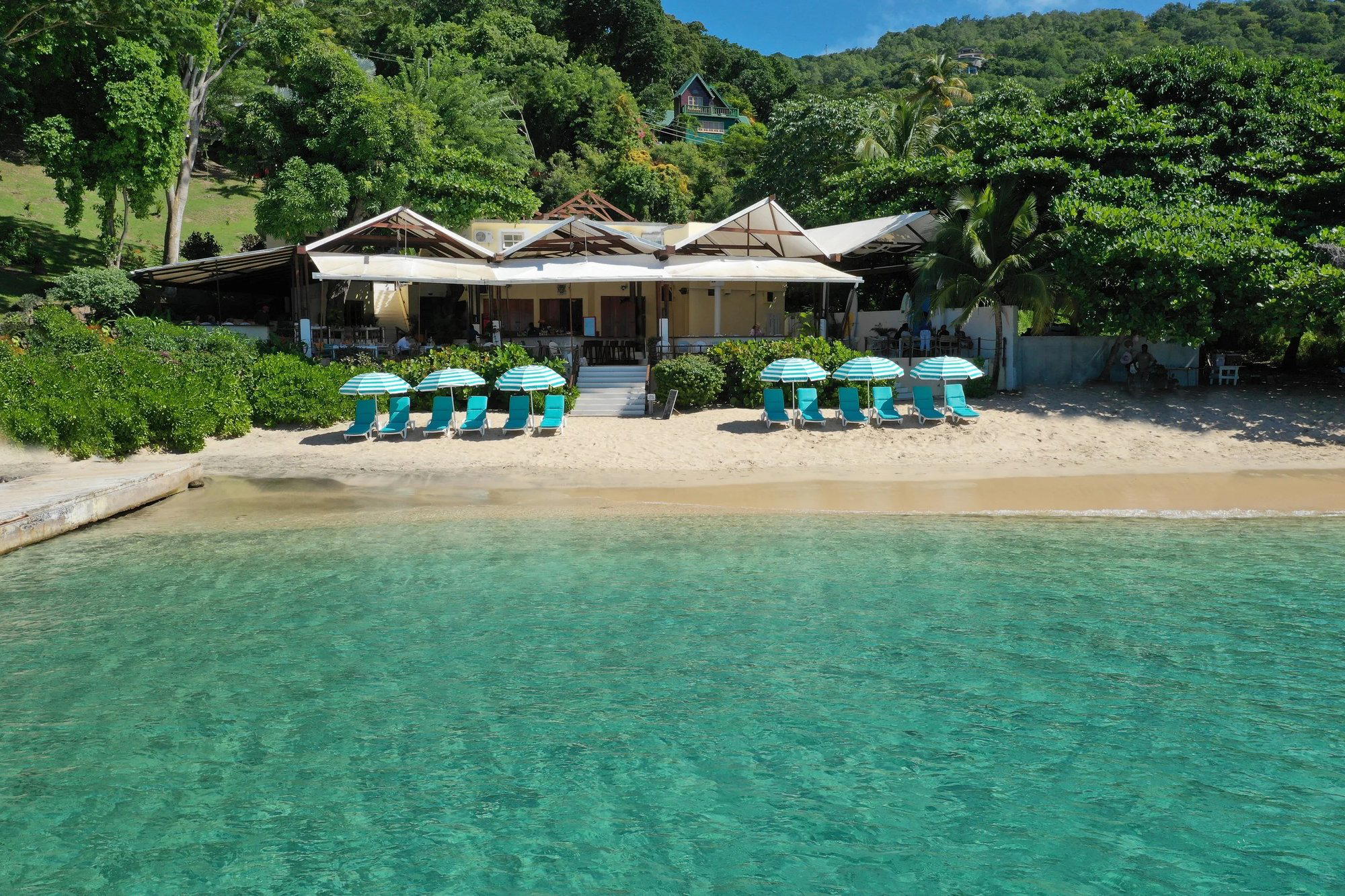
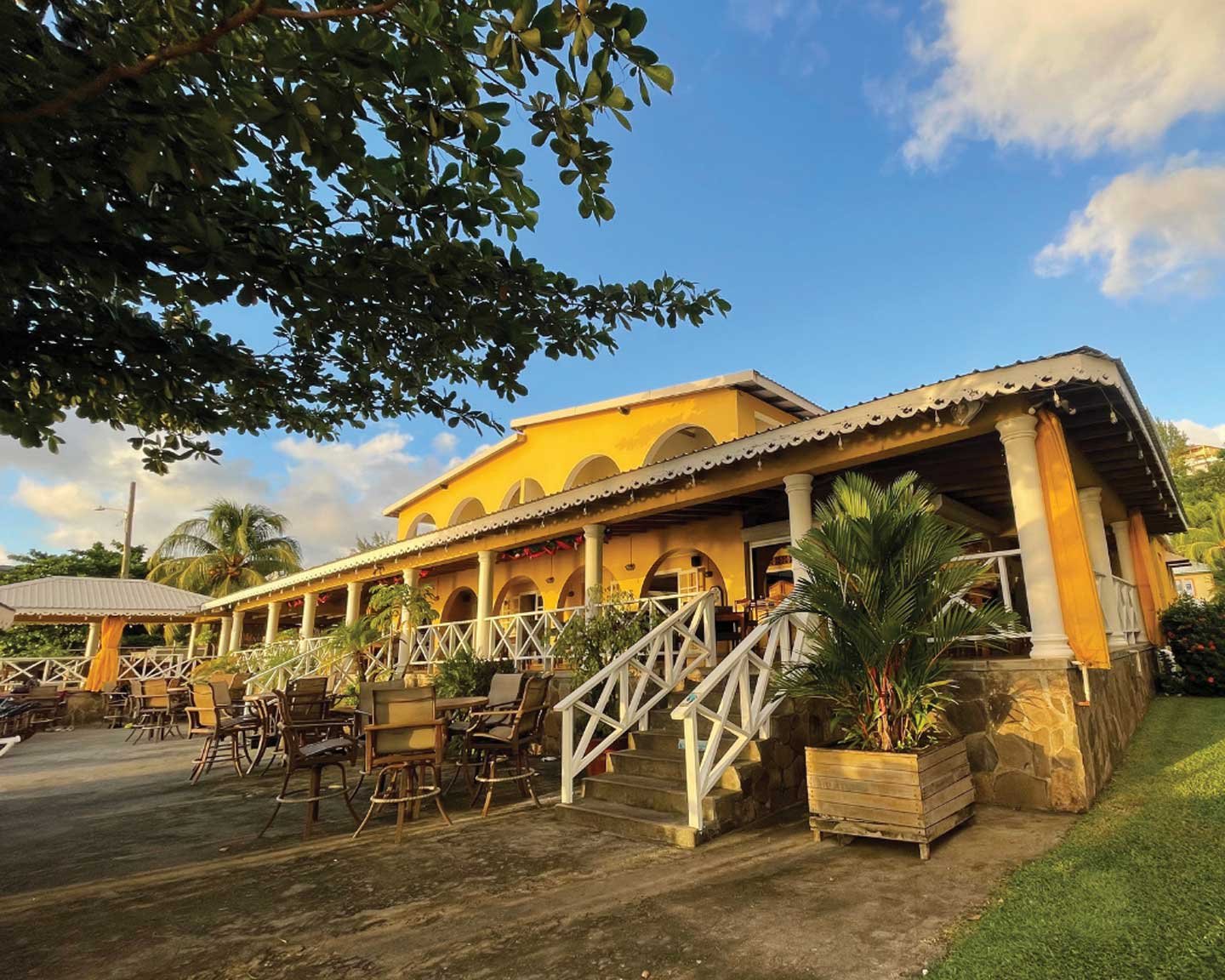
The Grenadines dining scene divides, broadly, into two modes: open-air beach shacks serving grilled catch and rum punch, and the small number of more composed restaurants that draw on European culinary frameworks while working almost entirely with what the islands can actually supply. French Verandah, in Arnos Vale on the main island of Saint Vincent, belongs to the second category. The name alone carries an implicit proposition: French culinary vocabulary applied to a Caribbean context, on a veranda where the physical boundary between interior and the surrounding landscape is deliberately porous.
That kind of format has a logic specific to this part of the Caribbean. Saint Vincent and the Grenadines sits in the southern Windward Islands, with soil and sea conditions that produce some of the region's more distinctive raw ingredients. Breadfruit, dasheen, plantain, and christophine grow across Saint Vincent's interior highlands, while the surrounding waters supply kingfish, snapper, mahi-mahi, and lobster. A kitchen that can source directly from both of those supply lines, and then apply classical French discipline to what arrives each morning, is working in a genuinely productive tension. The question at any restaurant in this mode is always whether the technique is in service of the ingredient or the other way around.
Ingredient Supply Lines in the Southern Windwards
Saint Vincent's agricultural profile makes it an outlier in the Eastern Caribbean. The island's volcanic topography produces fertile growing conditions across its interior, and local farming networks have historically supplied not just subsistence crops but the specialty produce that defines Vincentian cuisine: arrowroot (the island was once the world's leading producer), sweet potatoes, and a range of tropical fruits that rarely make it off the island. For a restaurant framing itself around French culinary reference points, that local supply chain matters more than it might in, say, a tourist-facing resort context where imported ingredients dominate.
The Grenadines fishing context is equally relevant. The chain of islands running south from Saint Vincent toward Grenada generates a seafood economy built around small-boat fishing, meaning that what reaches a kitchen in Arnos Vale is genuinely day-fresh and species-specific. Restaurants that work within that supply reality rather than around it tend to produce menus that read differently from one week to the next, shaped more by what the sea and land provide than by a fixed tasting sequence. That variability is a feature, not a limitation, though it does require a kitchen confident enough to adapt.
For comparison, restaurants in the southern Grenadines such as Fig Tree in Bequia and Provision in Port Elizabeth operate within similar ingredient supply constraints, each finding a different resolution between European cooking frameworks and what the islands actually grow and catch. The broader pattern across the region is one of creative negotiation rather than strict replication of any single tradition.
A Different Reference Point
The French culinary tradition carries specific technical expectations: classical saucing, precise heat control, structured menu progression. When that framework arrives in a Caribbean context, the interesting question is what it keeps and what it adapts. The verandah format itself is telling. European fine dining historically enclosed its diners inside controlled environments; the open-air veranda format signals that the surrounding environment is part of the dining proposition, not something to be excluded.
Atelier Moessmer Norbert Niederkofler in Brunico built an entire program around refusing to import ingredients from outside a defined Alpine region. Uliassi in Senigallia and Quattro Passi in Marina del Cantone each built three-Michelin-star reputations around coastal Italian ingredients handled with precision rather than spectacle. The operating scales and international profiles are entirely different, but the underlying tension between classical discipline and hyperlocal supply is recognizable across all of them.
Further afield, the conversation about how classical European frameworks adapt to non-European ingredient contexts shows up in programs as different as HAJIME in Osaka, where French training meets Japanese seasonal produce philosophy, and Lazy Bear in San Francisco, where the format itself becomes a vehicle for reimagining what a dinner can be. The comparison is not about equivalence; it is about the shared condition of working through what a culinary tradition means when the ingredients come from somewhere else entirely.
Arnos Vale as a Dining Location
Arnos Vale sits on the southwestern coast of Saint Vincent, adjacent to the island's main airport and within easy reach of Kingstown, the capital. The area sees a mix of transit visitors, yachting traffic, and the smaller number of travelers who extend their stay on the main island rather than continuing directly to the Grenadine islands further south. That visitor profile shapes the kind of restaurant that can sustain itself here: one that draws from both passing traffic and a local dining culture that has its own expectations.
For anyone planning time on Saint Vincent specifically rather than the Grenadine islands, our full Arnos Vale restaurants guide maps the broader dining context. The island's restaurant scene is smaller and less internationally documented than Mustique or Bequia, which means that restaurants worth seeking out here often operate with less advance information available than their counterparts further south. That makes local knowledge and direct contact more relevant than it would be in a more heavily covered dining market.
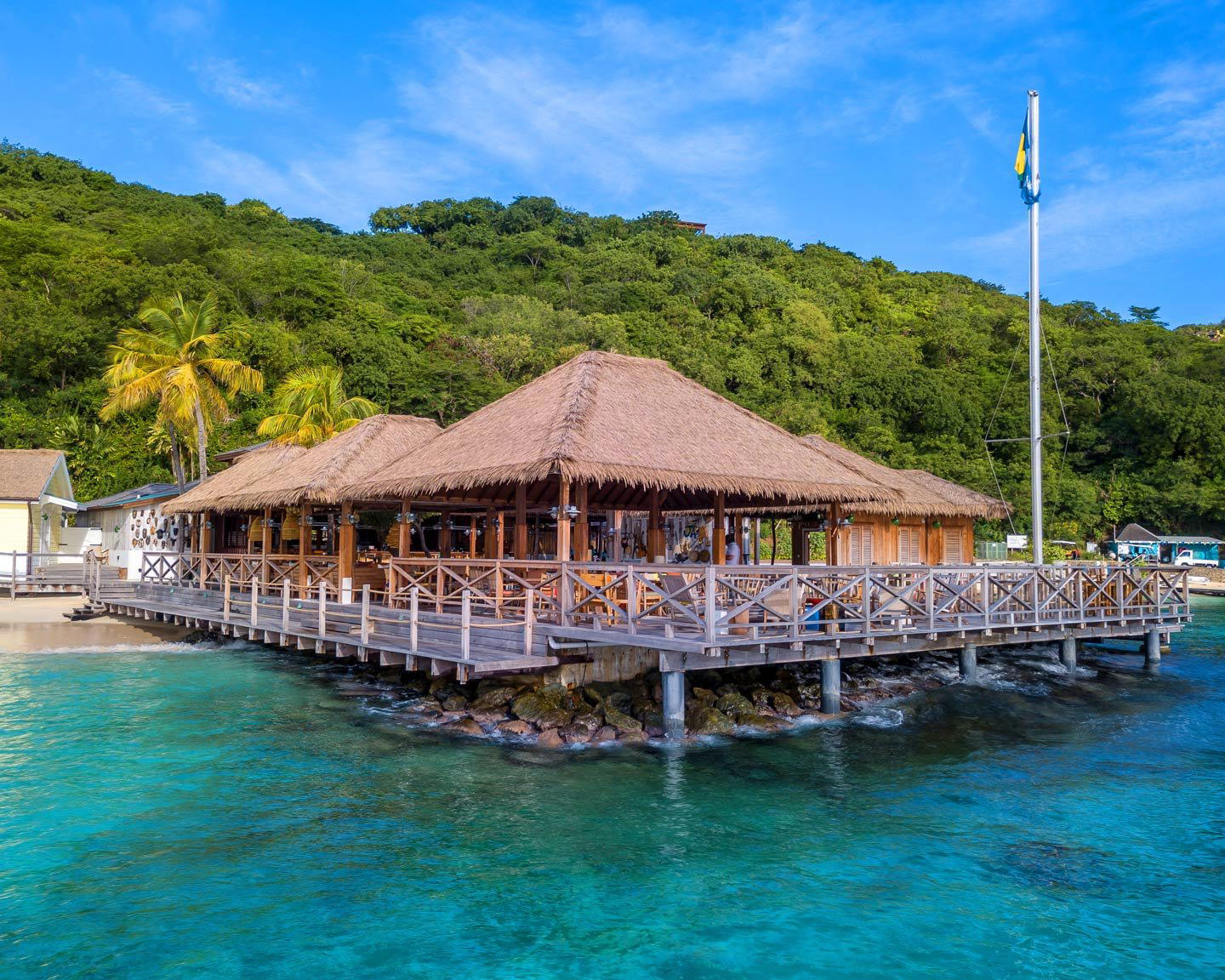
The verandah setting in Arnos Vale also places the restaurant in a tradition specific to Caribbean dining culture: the covered outdoor dining platform that frames views of the surrounding landscape or water while providing shelter from rain and direct sun. That physical format recurs across the region from the southern Windwards north through the French Antilles, and it carries its own set of expectations about pacing, informality, and the relationship between the meal and the surrounding environment.
Planning Your Visit
This is a common situation with smaller independent restaurants in Saint Vincent, where digital presence does not always keep pace with the quality of what's on the plate. Arriving without a confirmed table is a risk in any small-format Caribbean restaurant, and that applies here.
Travelers connecting through Arnos Vale Airport and with time before onward travel to the Grenadines represent one natural visitor segment. Equally, those spending multiple nights on Saint Vincent will find that the island's dining options reward the effort of local research. The southern Grenadines are extensively covered across the international travel press; Saint Vincent itself less so, which is partly what makes restaurants like French Verandah worth tracking.
Frequently asked questions
Is French Verandah a family-friendly restaurant?
French Verandah sits in Arnos Vale, a residential and commercial corridor adjacent to Saint Vincent's main airport, which draws a mixed local and travelling clientele rather than a strictly formal crowd. The French-influenced format, structured menu progression and classical technique, suggests a pace better suited to adults or older children comfortable with a sit-down dining rhythm. Families visiting Saint Vincent and the Grenadines will find beach-shack options along the coast for younger children, but French Verandah works well for families treating a meal as an occasion.
How would you describe the vibe at French Verandah?
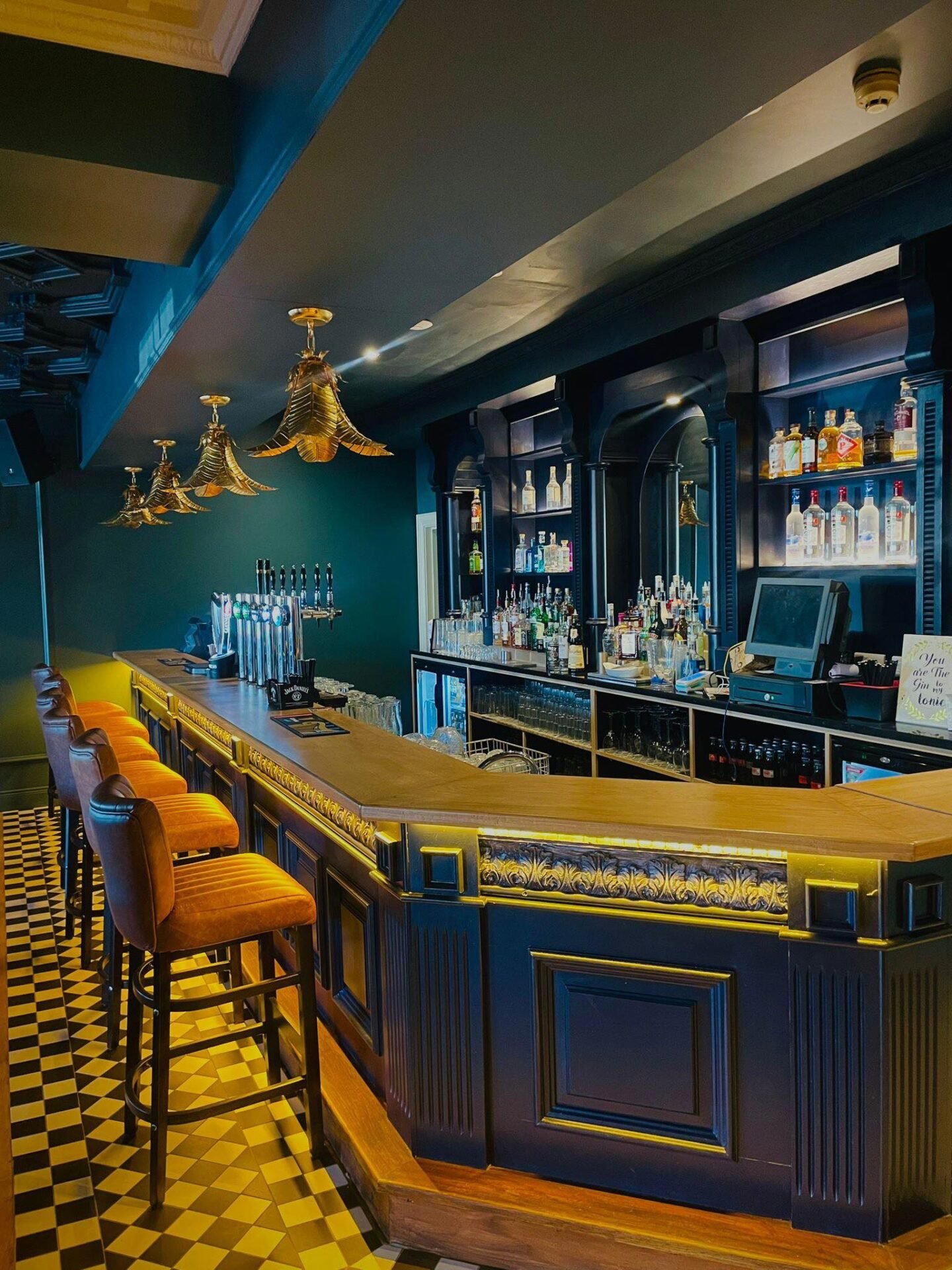
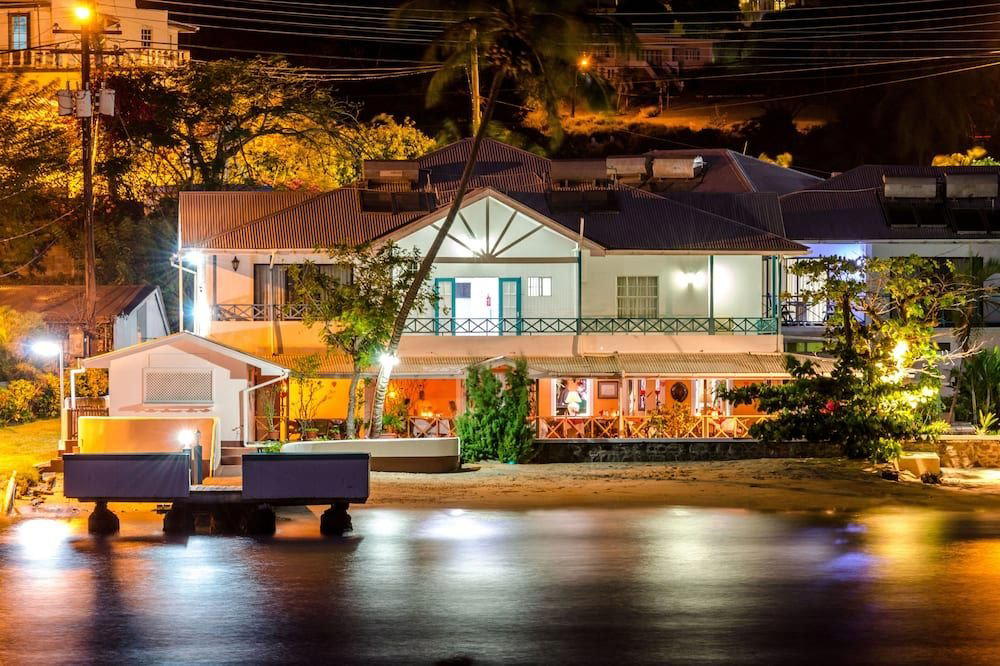
The name signals the format: a verandah setting in Arnos Vale, where the open-air character of the Eastern Caribbean meets a French-inflected dining structure. That combination produces something quieter and more deliberate than a beach grill, without the stiffness of a European-style formal room. The Villa Stretch address puts it away from the capital's bustle, which keeps the atmosphere unhurried.
Does French Verandah use local Saint Vincent produce in a French-style menu?
Saint Vincent's volcanic topography gives it one of the more productive agricultural bases in the Eastern Caribbean, with root vegetables, breadfruit, and tropical produce grown on the island itself. French Verandah's positioning in Arnos Vale, applying classical French culinary structure in that context, points toward menus that likely draw on this local supply rather than relying solely on imported ingredients. That combination of French technique with Windward Islands produce is what separates it from both the beach-grill end of the local dining spectrum and from straightforwardly European restaurants transplanted to the Caribbean.
What do people recommend at French Verandah?
Given the French culinary framing and Saint Vincent's agricultural profile, the island's volcanic soil supports a wider range of produce than most Eastern Caribbean islands, dishes built around local ingredients prepared with classical technique are the logical draw. Visiting guests are advised to ask staff directly about the current menu on arrival or when making contact.
What's the address for French Verandah?
French Verandah is located at 4RJ2+V5R, Villa Stretch, Arnos Vale, St. Vincent & Grenadines, Arnos Vale.
How hard is it to get a table at French Verandah?
French Verandah's contact details and booking system are not publicly listed in standard travel or restaurant directories. In practice, small French-style restaurants in Saint Vincent and the Grenadines tend to operate with limited covers, and securing a table often comes down to asking accommodation staff or local contacts for an introduction. Arriving in Arnos Vale without a confirmed reservation carries some risk, particularly during peak Caribbean season from December through April.
What do critics highlight about French Verandah?
Its position in Arnos Vale, applying French technique to Eastern Caribbean produce in a part of the world where that combination is rare, is what distinguishes it within the Saint Vincent dining scene. Formal critical coverage of restaurants in Saint Vincent and the Grenadines remains limited compared to larger Caribbean destinations, which means word-of-mouth from returning visitors carries proportionally more weight here.
Quick Comparison
Continue exploring
More in Arnos Vale
Restaurants in Arnos Vale
All restaurants in Arnos Vale →
Bars in Arnos Vale
Browse all →
Details
- Romantic
- Scenic
- Elegant
- Date Night
- Casual Hangout
- Waterfront
- Hotel Restaurant
- Terrace
- Craft Cocktails
- Waterfront
- A La Carte
- Vegetarian Friendly
Current opening hours
- Monday
- 7 AM–11 PM
- Tuesday
- 7 AM–11 PM
- Wednesday
- 7 AM–11 PM
- Thursday
- 7 AM–11 PM
- Friday
- 7 AM–11 PM
- Saturday
- 7 AM–11 PM
- Sunday
- 7 AM–11 PM
Hours can change for holidays and private events. Hours as of .
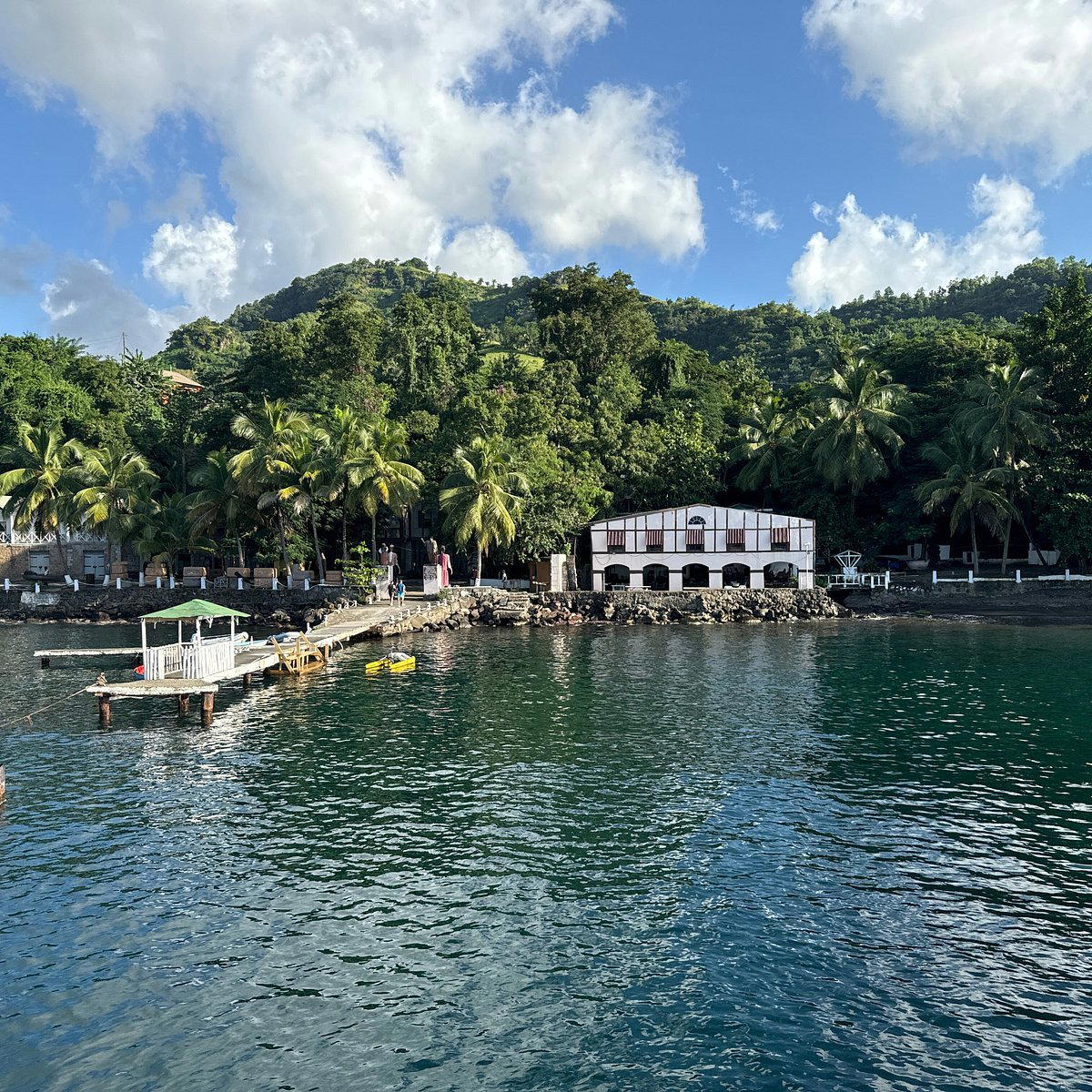
Open-air waterside terrace with ocean views, candlelit romantic evenings under twinkling stars, and a relaxing beachfront atmosphere.