Fig Tree
Our verdict
On an island where the supply chain is the story, Fig Tree works within the compressed geography of Bequia's fishing communities and kitchen gardens to put genuinely local ingredients on the plate. It occupies the quieter, more considered end of the island's dining scene, where proximity to source matters more than polish. For visitors willing to eat on the island's own terms, it rewards that patience.

Pearl is the En Primeur Club membership app, where members save venues, book tables and use the concierge.
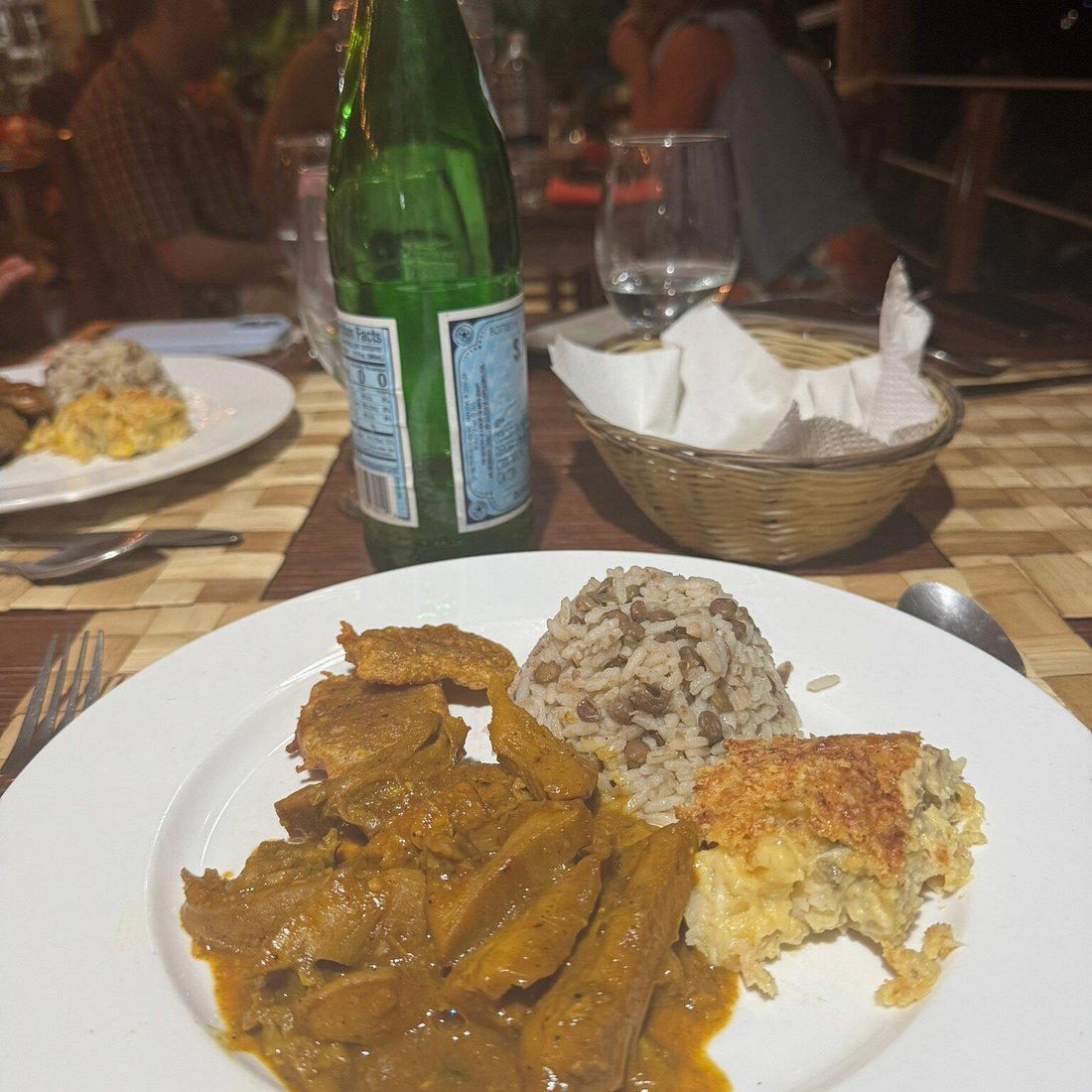
The menu
What to order
- Garlic shrimp
- Curried goat
- Grilled lobster
Where the Plate Begins Before the Kitchen Does
Bequia operates on a different logic from the Caribbean's resort islands. With a population under six thousand and no direct international flights, the nine-square-mile island sits at the northern end of the Grenadines chain as a place that has, by necessity, kept its food supply close. The fishing boats come in at the waterfront in Port Elizabeth most mornings. Kitchen gardens occupy the hillside plots behind the harbourside settlements. What grows or swims here tends to stay here, eaten within a short radius of where it was caught or picked. Fig Tree sits inside that system rather than importing around it, and that positioning defines what ends up on the plate as much as any kitchen decision does.
The broader context for dining in Bequia is worth understanding before arriving with expectations shaped by larger Caribbean destinations. This is not St. Barts or Barbados, where international supply chains and chef-driven fine dining have long coexisted.
The Ingredient Argument
Across the Caribbean, the sourcing question has become central to how serious dining establishments differentiate themselves. At one end of the spectrum, you find restaurants that fly in premium proteins and produce to replicate metropolitan fine dining in a tropical setting. Venues like Le Bernardin in New York City or Waterside Inn in Bray have built their reputations on sourcing precision within densely connected supply networks. The logistical inverse of that model is what you find on a small island like Bequia: sourcing precision defined by proximity and constraint rather than global reach. The fish on the plate at a restaurant like Fig Tree has not crossed an ocean in a refrigerated container. It has crossed the harbour.
That compression of distance between source and plate is what kitchens in hyperlocal island settings can offer that no amount of import budget can replicate. Flying fish, kingfish, snapper, and lobster caught in Grenadines waters arrive at their freshest when they do not travel far. The same applies to the ground provisions, dasheen, breadfruit, christophine, and plantain, that form the starch backbone of Saint Vincent and the Grenadines cuisine. These are not garnish ingredients deployed for local colour. They are the structural components of a cuisine that developed around what the land and sea produced, and a kitchen that respects that tradition works with them as primary, not decorative, elements.
This is a different sourcing philosophy from what drives kitchens at, say, Atelier Moessmer Norbert Niederkofler in Brunico or Reale in Castel di Sangro, where alpine or Apennine terroir informs a consciously constructed regional cuisine. In Bequia, the philosophy is less programmatic and more structural: the island produces what it produces, and the kitchen works from that starting point. The result is a menu that reflects availability and season in a direct, unmediated way.
Bequia's Dining Tier Structure
Within Bequia's restaurant scene, a rough tier structure has emerged. At one level, you have the more formal, internationally oriented options that serve the sailing crowd and villa renters who arrive with wider budgets and calibrated expectations. French Verandah in Arnos Vale and Provision in Port Elizabeth represent that stratum, with menus that engage with local produce but frame it within a more recognisably international dining idiom. Fig Tree occupies a different register: closer to the everyday eating life of the island, where the sourcing story is less curated and the setting carries the plainspokenness of a place that feeds people rather than performs for them.
That positioning makes Fig Tree more representative of how most people on Bequia actually eat than its higher-profile counterparts, and for a particular type of traveller, that representativeness is precisely the point. Eating in a place that reflects local supply patterns rather than managing around them gives a more accurate read of the island's food culture than any restaurant that has smoothed out the rough edges of Caribbean provisioning. The comparison set here is less the Michelin-adjacent rooms of HAJIME in Osaka or Piazza Duomo in Alba and more the category of honest, place-specific restaurants where geography writes the menu.
The Physical Setting and Practical Considerations
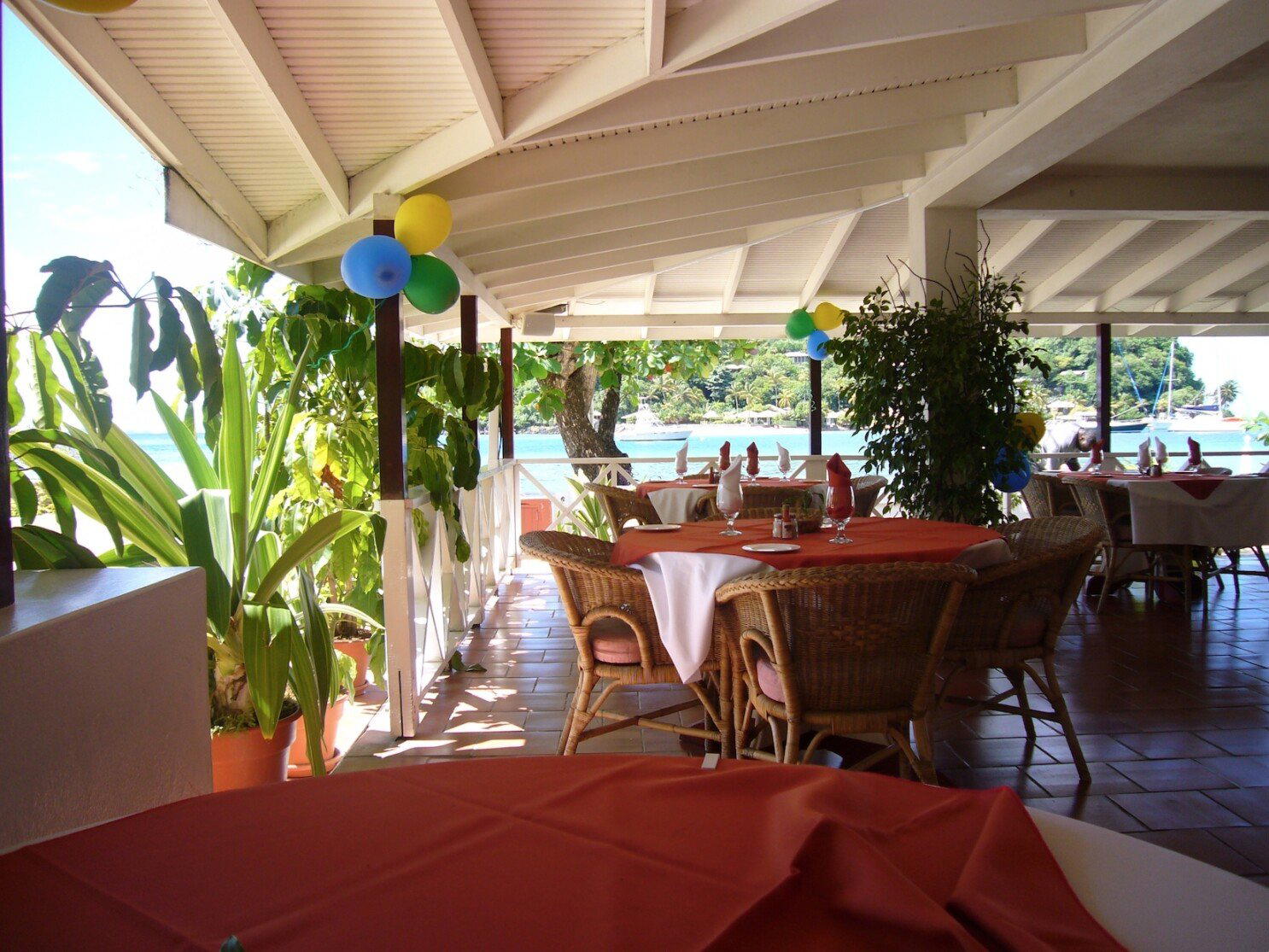
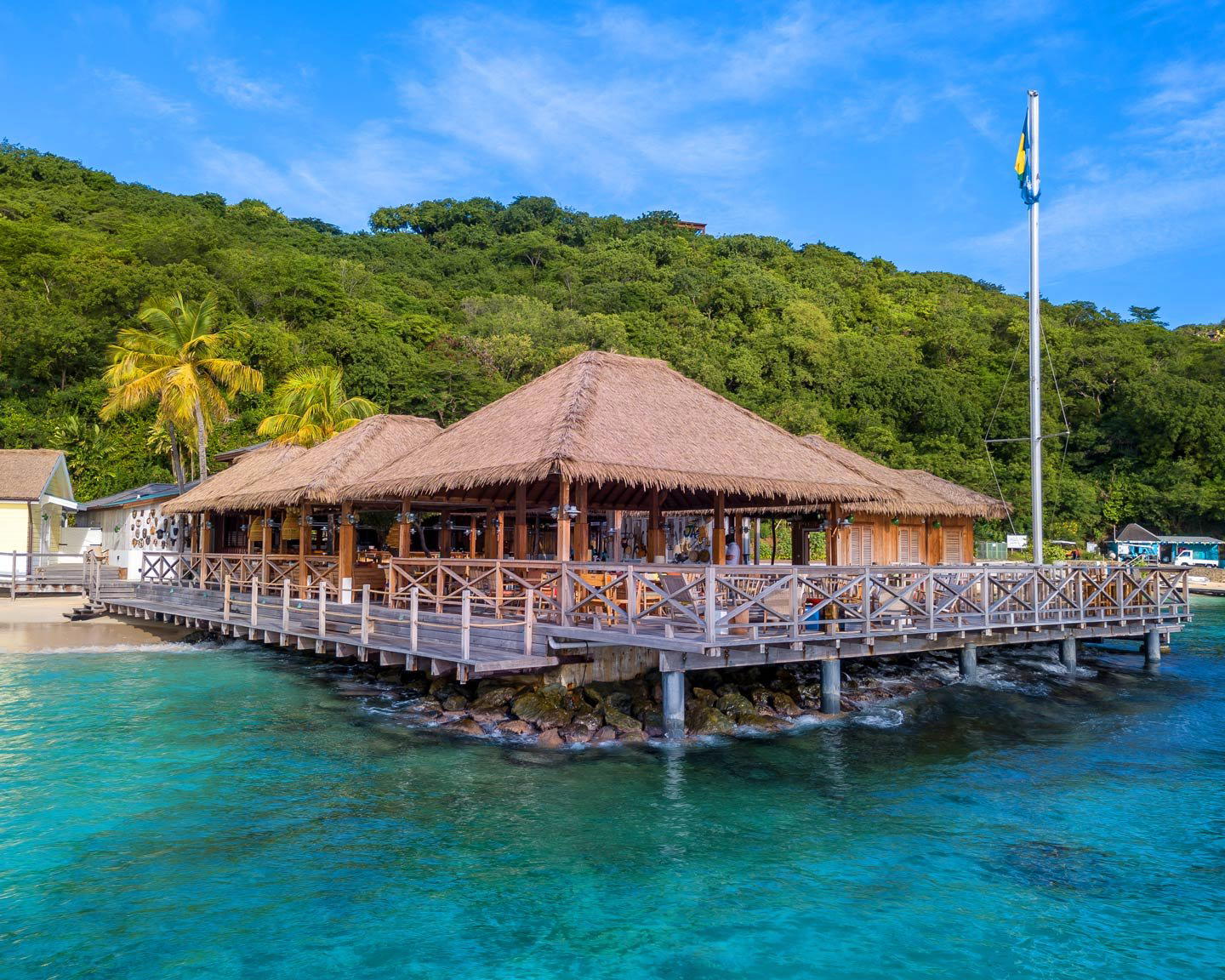
Bequia's topography shapes how its restaurants feel as much as how they cook. The island's main settlement clusters around Admiralty Bay, one of the Eastern Caribbean's most sheltered anchorages, and most dining happens within sight or earshot of the water. Open-air or semi-open structures are the norm rather than the exception, driven by climate rather than design choice. Eating outside in Bequia is not a seasonal amenity, it is the standard condition, and the ambient sound of the harbour, the movement of air through an open dining room, and the shift from afternoon heat to evening coolness are part of the sensory experience of any meal here.
Visitors arriving in Bequia typically come through the ferry from Kingstown, Saint Vincent, a journey of roughly an hour, or by water taxi from a yacht anchored in the bay. There are no traffic complications once on the island. Most of the key restaurants are reachable on foot from the main anchorage area or by a short drive along the coast road. Reservations protocols, exact hours, and seasonal availability at Fig Tree are best confirmed locally on arrival or through accommodation staff who track which kitchens are open on any given day. This is a feature of island dining, not a deficiency: flexibility built into the system because the system itself is responsive to what the day brought in.
Reading the Menu as a Sourcing Document
The intellectual move that rewards visitors to restaurants like Fig Tree is treating the menu not as a list of choices but as a document of the island's current produce and catch. What is available on a given evening is a direct readout of what was landed, grown, or harvested that week. That interpretive frame changes the experience of ordering. A fish that dominates the menu is there because it was plentiful in Grenadines waters. A ground provision that appears across multiple dishes is there because the kitchen had it in quantity. Restaurants that operate within tight local supply chains encode that information into their menus whether they intend to or not.
For travellers who have eaten at ingredient-driven establishments elsewhere, whether at Uliassi in Senigallia with its Adriatic seafocus, Quattro Passi in Marina del Cantone, or Quique Dacosta in Dénia along the Spanish Mediterranean coast, the underlying logic of working from proximity is familiar. The execution in Bequia is far less formal, but the principle that the leading ingredient is often the nearest one holds across contexts. Fig Tree operates in that spirit, and for visitors who can read that signal, it offers something that a more polished import-dependent kitchen cannot.
Planning Your Visit
Fig Tree is part of Bequia's local dining fabric rather than a destination restaurant requiring advance planning from overseas. The most practical approach is to ask at your guesthouse or villa upon arrival, check what is open that evening, and adjust expectations to island time, which means earlier dinners, occasional closures depending on supply or staffing, and a pace of service that is relaxed rather than managed. That relaxed pace, combined with the knowledge that the ingredients on the plate have not travelled far to reach you, is the core of the experience. For additional reference points on where Fig Tree fits within the island's broader dining picture, the Bequia restaurants guide maps the full scene across price tiers and dining styles.
Frequently asked questions
Is Fig Tree a family-friendly restaurant?
Bequia's dining culture is broadly relaxed and inclusive, and Fig Tree fits within that character. The island's scale, population under six thousand, no resort infrastructure, means restaurants here operate without the crowd-management pressure of larger Caribbean destinations.
Is Fig Tree better for a quiet night or a lively one?
Fig Tree sits within Bequia's local dining tier rather than the more internationally oriented venues around Admiralty Bay, which sets the baseline expectation: this is not the kind of place where a DJ arrives at ten. The atmosphere tracks with the island's own tempo, low-key, unhurried, shaped more by the sailing crowd and long-term visitors than by high-season tourism surges. For a quiet evening with food as the focus, that positioning works in its favour.
How does Fig Tree fit into Bequia's broader restaurant scene compared to the island's more formal dining options?
Bequia supports a rough tier structure across its restaurants: internationally oriented venues that serve visiting yacht crews and resort guests on one side, and locally embedded places like Fig Tree on the other. Fig Tree operates within the latter category, which in practice means pricing, format, and sourcing decisions are shaped by the island's own rhythms rather than imported standards. For visitors arriving via the Kingstown ferry or the small airport at J.F. Mitchell, it represents the more grounded end of dining on Saint Vincent and the Grenadines' most visited Grenadine island.
What do regulars order at Fig Tree?
Regulars at restaurants in this tier typically read the menu as a reflection of that week's catch and market availability rather than a static list.
Where is Fig Tree in Bequia?
Fig Tree is located at Bequia, Bequia, Bequia.
Side-by-Side Snapshot
| Venue | Cuisine | Price |
|---|---|---|
| Fig TreeThis venue (the venue you are viewing) | Caribbean Seafood | $20–30 |
| French Verandah | Caribbean Seafood with French Influences | $20–30 |
| Provision | Caribbean Small Plates with Global Flavors | Not listed |
Continue exploring
More in Bequia
Restaurants in Bequia
All restaurants in Bequia →
Bars in Bequia
Browse all →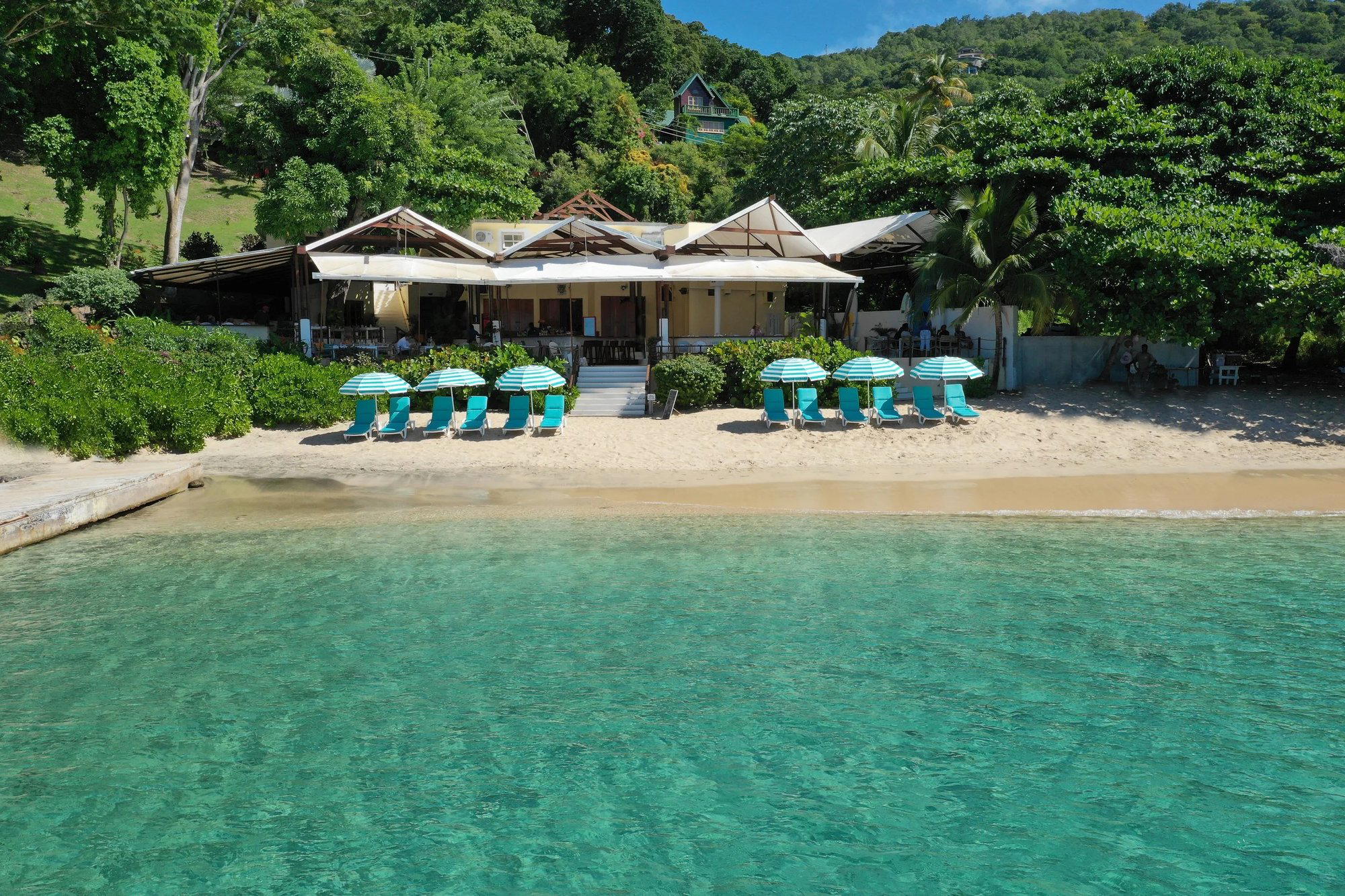
Details
- Scenic
- Lively
- Cozy
- Date Night
- Casual Hangout
- Family
- Live Music
- Waterfront
- Terrace
- Craft Cocktails
- Local Sourcing
- Waterfront
- A La Carte
- Vegetarian Friendly
- Vegan Options
- Gluten Free Options
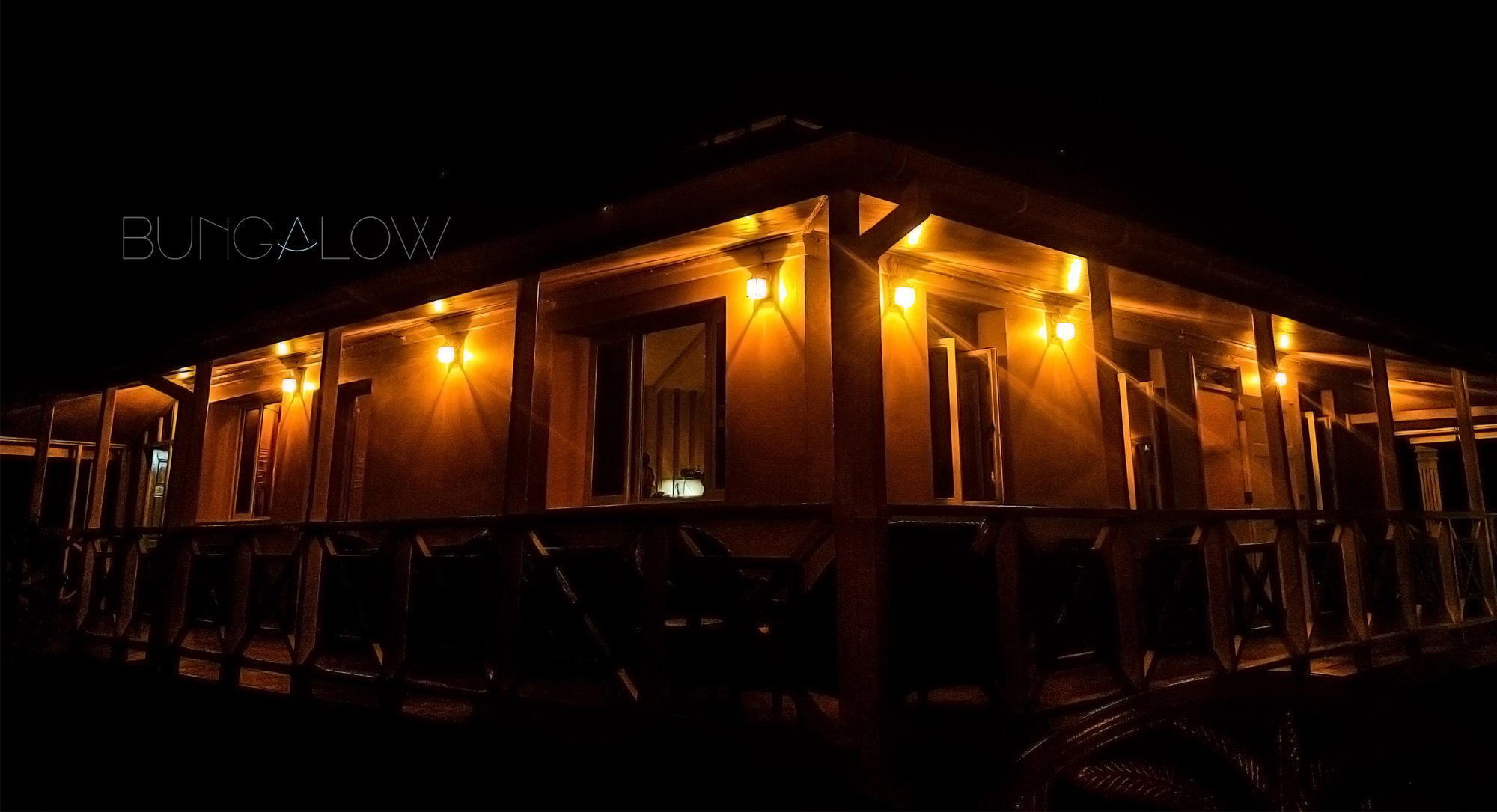
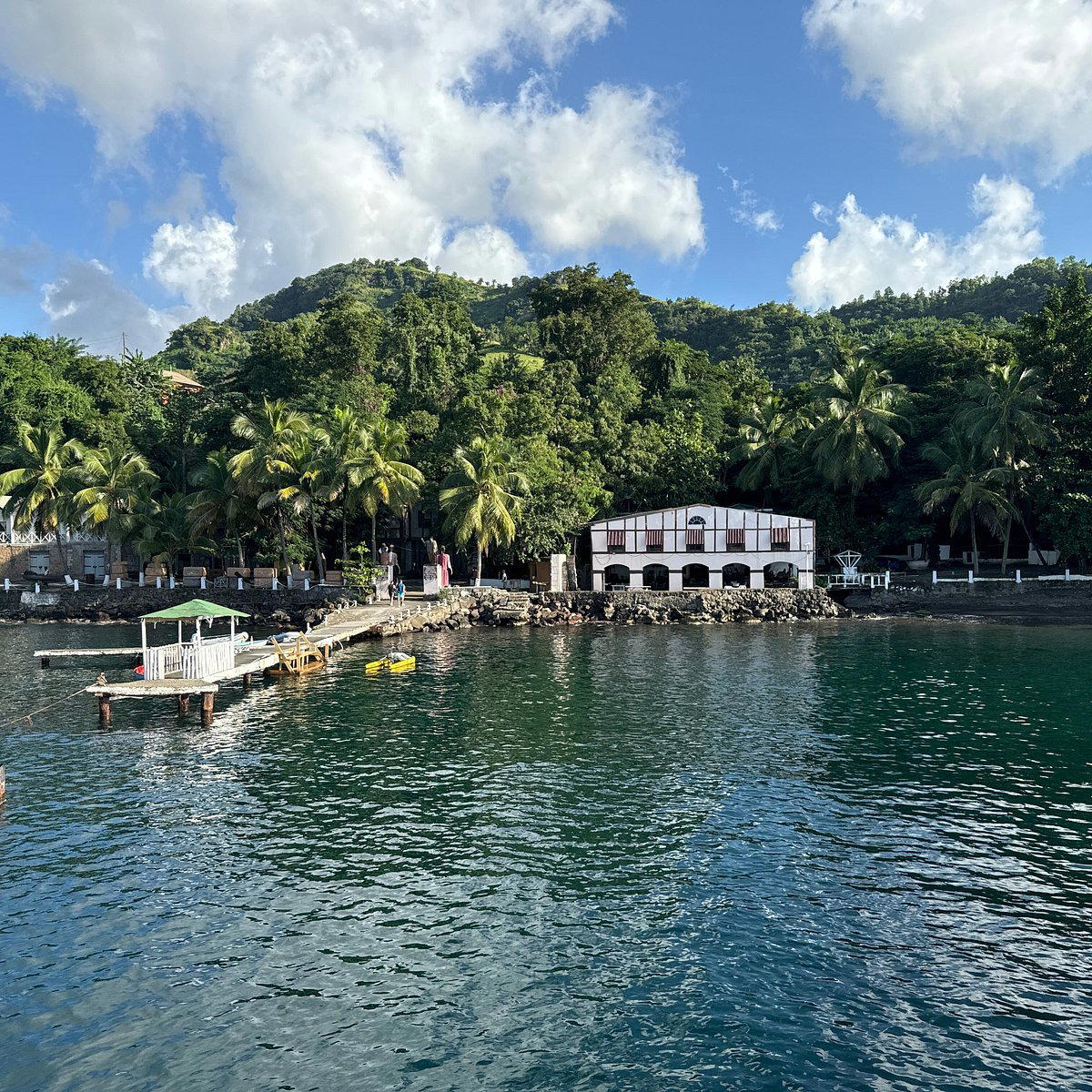
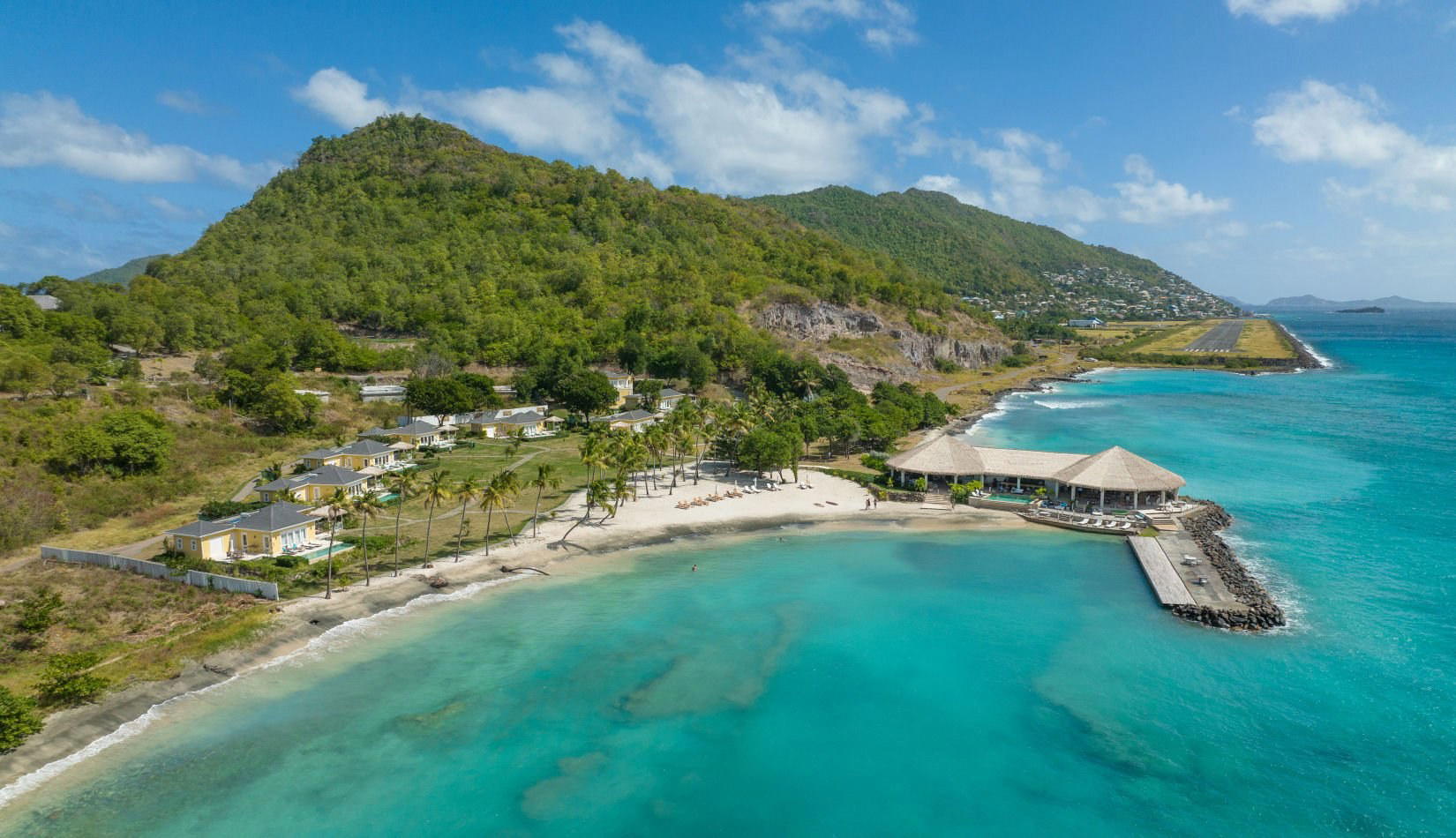
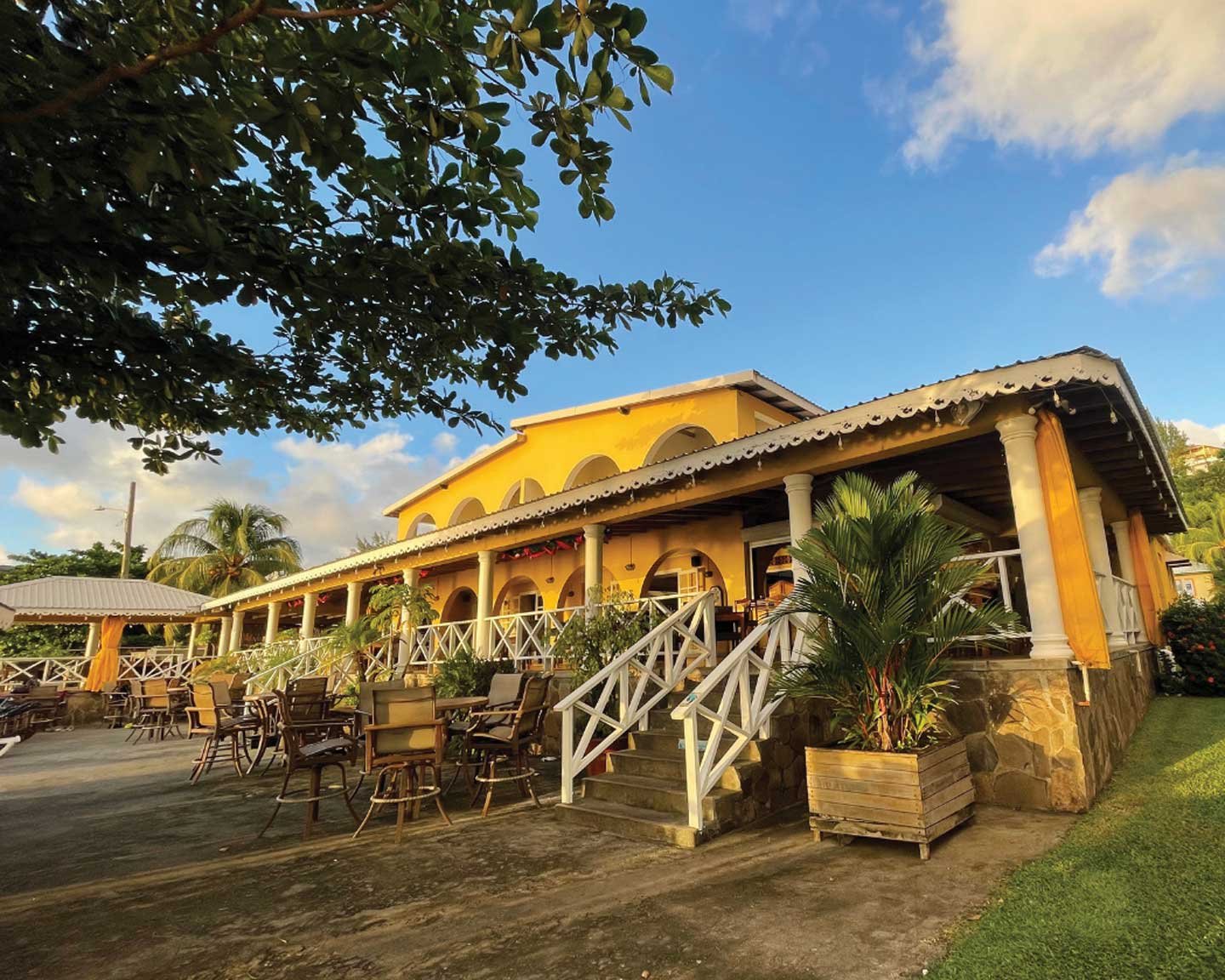
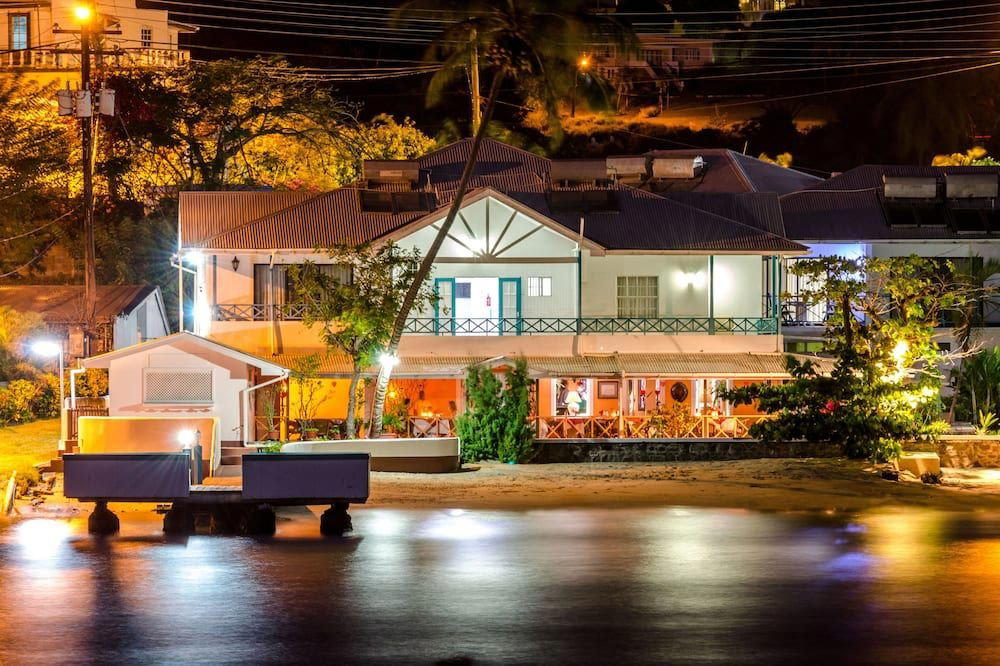
Relaxed beachfront setting with dramatic sunset views over the bay, live Caribbean string music, and warm personal service from the owner.