Flow Wine Bar and Kitchen
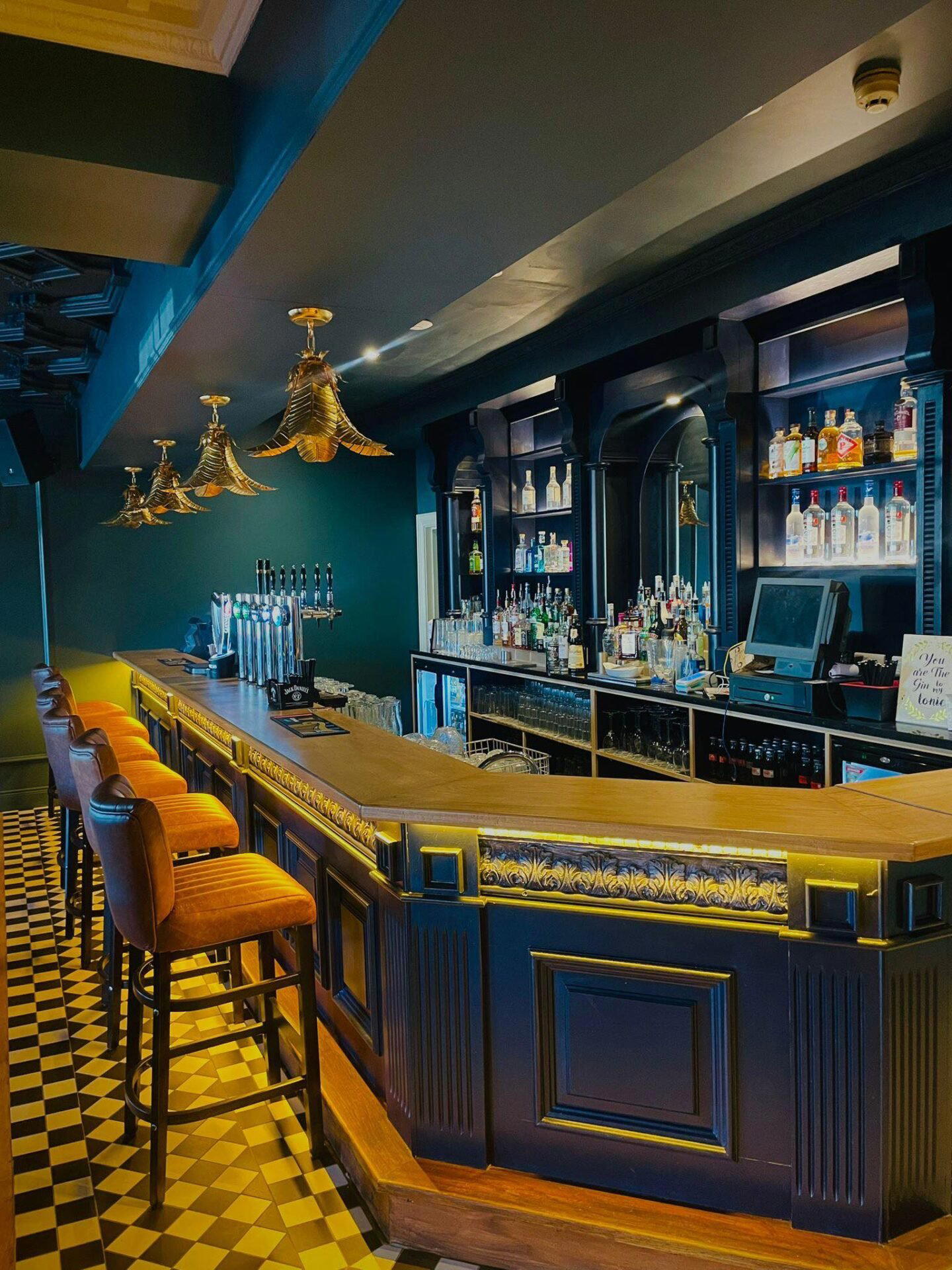
On James Street in the heart of Kingstown, Flow Wine Bar and Kitchen occupies a tier of drinking that Saint Vincent has historically lacked: a dedicated wine and cocktail format with kitchen backing. For a capital city where bar culture has long defaulted to rum shops and beach-adjacent venues, Flow represents a distinct shift toward a more considered programme in an urban setting.

Pearl is the En Primeur Club membership app — saves, bookings, and concierge access live there. Same editors, same standards.
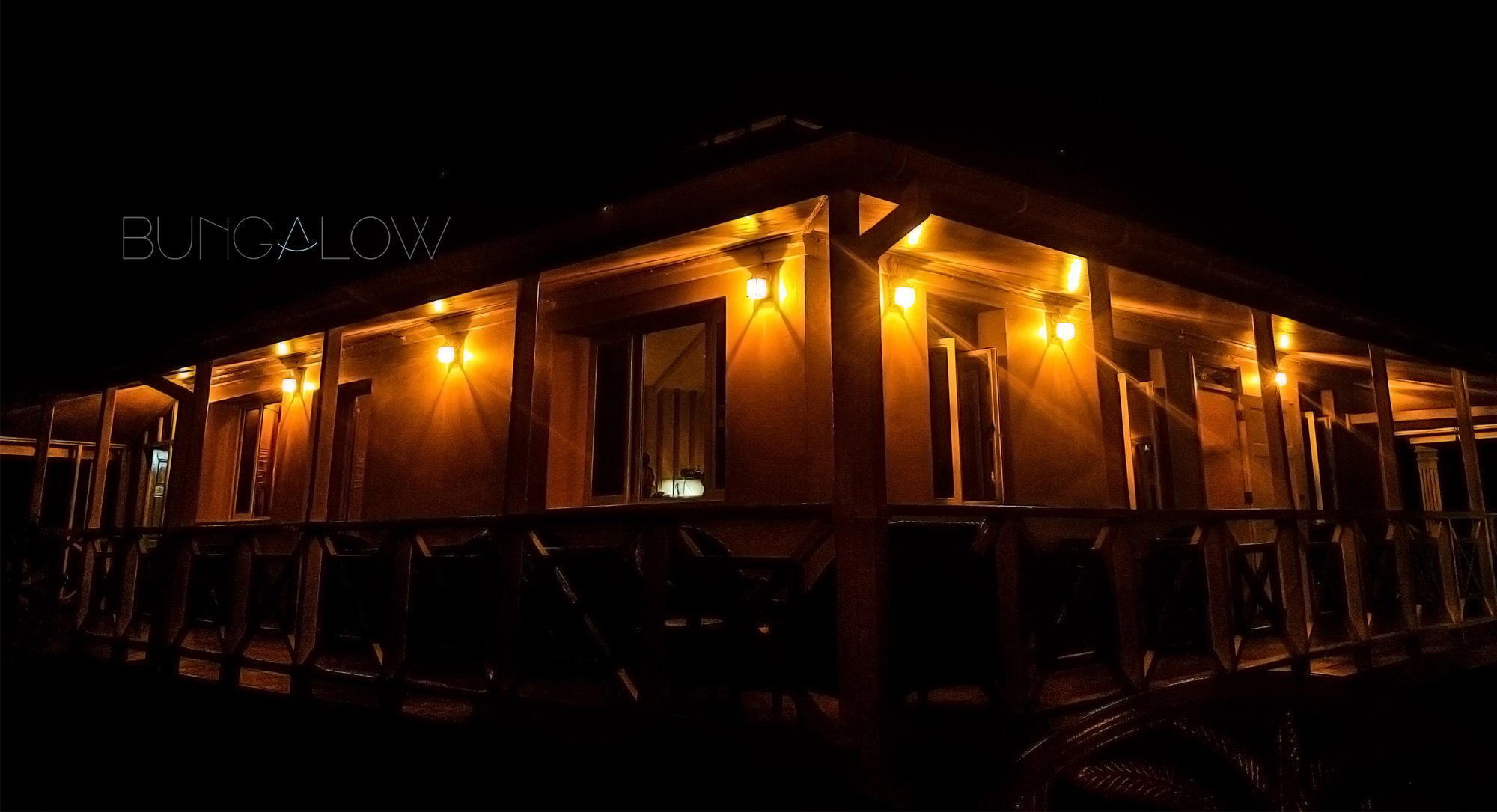
A Wine Bar at the Edge of the Caribbean
James Street in Kingstown runs close to the waterfront, where the working rhythms of Saint Vincent's capital, ferry traffic, market vendors, the hum of a port city that has never traded primarily on tourism, press in from all directions. Against that grain, Flow Wine Bar and Kitchen occupies a position that feels deliberate: a wine-focused room in a city where rum defines the drinking culture and the bar scene has historically organised itself around open-air beach formats like Wallilabou Anchorage or the estate-level hospitality of Firefly Estate Bequia. That positioning alone tells you something about what the venue is attempting.
The Grenadines chain has produced a handful of bars that have earned wider recognition, from Basil's Bar in Lovell on Mustique to Jack's Beach Bar in Port Elizabeth on Bequia, but almost all of them lean into the beach-bar format, positioning themselves around location and atmosphere rather than the depth of what is poured. A venue that centres wine curation in Kingstown is working against that regional pattern, which is precisely what makes it worth examining on those terms.
The Curation Question: What It Means to Run a Wine Bar Here
Running a credible wine bar anywhere requires a back bar with something to say. In cities with established wine cultures, that means positioning within a known hierarchy: natural versus conventional, old world versus new, by-the-glass depth versus cellar breadth. The challenge in a Caribbean capital is different. Import logistics, storage in a hot climate, and a local market built around spirits rather than wine all compress the range of what is practically achievable. The bars that manage it tend to focus on a tighter, more defensible selection rather than attempting the range of a programme in, say, Kumiko in Chicago or 1806 in Melbourne, where deep cellar investment and reliable supply chains make breadth viable.
The more useful comparison for Flow is with bars in island or tropical settings where the wine programme functions as a counterpoint to the dominant spirits culture rather than a replacement for it. That framing matters for how you read the list: a curated selection of thirty wines in Kingstown represents a different editorial effort than the same thirty wines in a European capital, because the sourcing constraints are harder and the local demand signal is weaker. The selection is an act of conviction about what a wine bar in this city should be.
Cocktails in the Rum Belt
A wine bar in the Eastern Caribbean that ignores cocktails entirely would be leaving money on the table, and more importantly, missing the conversation. The regional spirits tradition, dominated by agricultural rum produced across the island chain, creates an obvious vocabulary for a drinks programme that wants to be genuinely rooted. Bars at the international level that manage this kind of integration, running serious wine lists alongside cocktail programmes that draw on local spirits, include operations like Jewel of the South in New Orleans, where historical spirits research shapes the menu, or Bar Leather Apron in Honolulu, which treats Pacific ingredients as a serious programme element rather than a gimmick. The question for any bar in Flow's position is whether the cocktail side reinforces the wine-forward identity or competes with it.
In markets where both Julep in Houston and Superbueno in New York City have shown that a strong spirits identity and a clear regional signature can coexist without one cannibalising the other, the template is reasonably well established. A bar at Flow's scale, in a city the size of Kingstown, does not need to solve that problem at the same level of technical ambition. It needs to solve it in a way that makes sense for a room on James Street, which is a different and arguably more interesting constraint.
Kitchen and Format
The kitchen component signals that Flow is positioning itself as a destination rather than a stop. Wine bars that operate without food tend to serve a pre-dinner or late-evening function; those that attach a kitchen are making a claim on the full evening. In a small capital city with limited evening dining options beyond hotel restaurants and beach bars, that claim is not trivial.
Wine bars in mid-sized cities globally have generally found that the kitchen works well when it is genuinely integrated with the drinks programme rather than running as a parallel, independent operation. Shared flavour logic, staff who can speak to both sides of the experience, and a format where the room supports lingering rather than turnover all contribute to the coherence of the offer. How that plays out at Flow, in a city where the pace and expectations are shaped by a very different hospitality tradition, is the operational question the venue is answering in real time.
Planning a Visit
Flow Wine Bar and Kitchen sits on James Street in Kingstown, central enough to reach on foot from the main ferry terminal that connects the capital with the Grenadines. For visitors arriving from Bequia or the outer islands, the proximity to the port makes it a practical stop before or after the crossing. Kingstown itself is a working capital rather than a resort town, which means the immediate surroundings are functional rather than scenic, but the concentration of the city's few genuine bar and dining options in the central streets makes Flow part of a walkable evening circuit. Booking details, current hours, and the drinks list are best confirmed directly with the venue, as published information is limited. Those planning a longer exploration of the broader bar scene across Saint Vincent and the Grenadines will find useful framing in our full Kingstown restaurants guide, and The Parlour in Frankfurt offers an instructive comparison point for how a curated wine-and-spirits room operates in a city where the format is equally unconventional for its setting.
Booking and Cost Snapshot
Comparable venues nearby, for context on price, style, and recognition.
| Venue | Cuisine | Price | Notes |
|---|---|---|---|
| Flow Wine Bar and KitchenThis venue — the venue you are viewing | Not listed | Not listed | Not listed |
| Wallilabou Anchorage | Not listed | Not listed | Wallilabou, hotel_bar |
| Jack's Beach Bar, Bequia | Port Elizabeth, Bar | $30–50 | Not listed |
| Basil's Bar | Not listed | $30–50 | Lovell Village, Mustique, tiki_bar |
Continue exploring
More in Kingstown
Bars in Kingstown
All bars in Kingstown →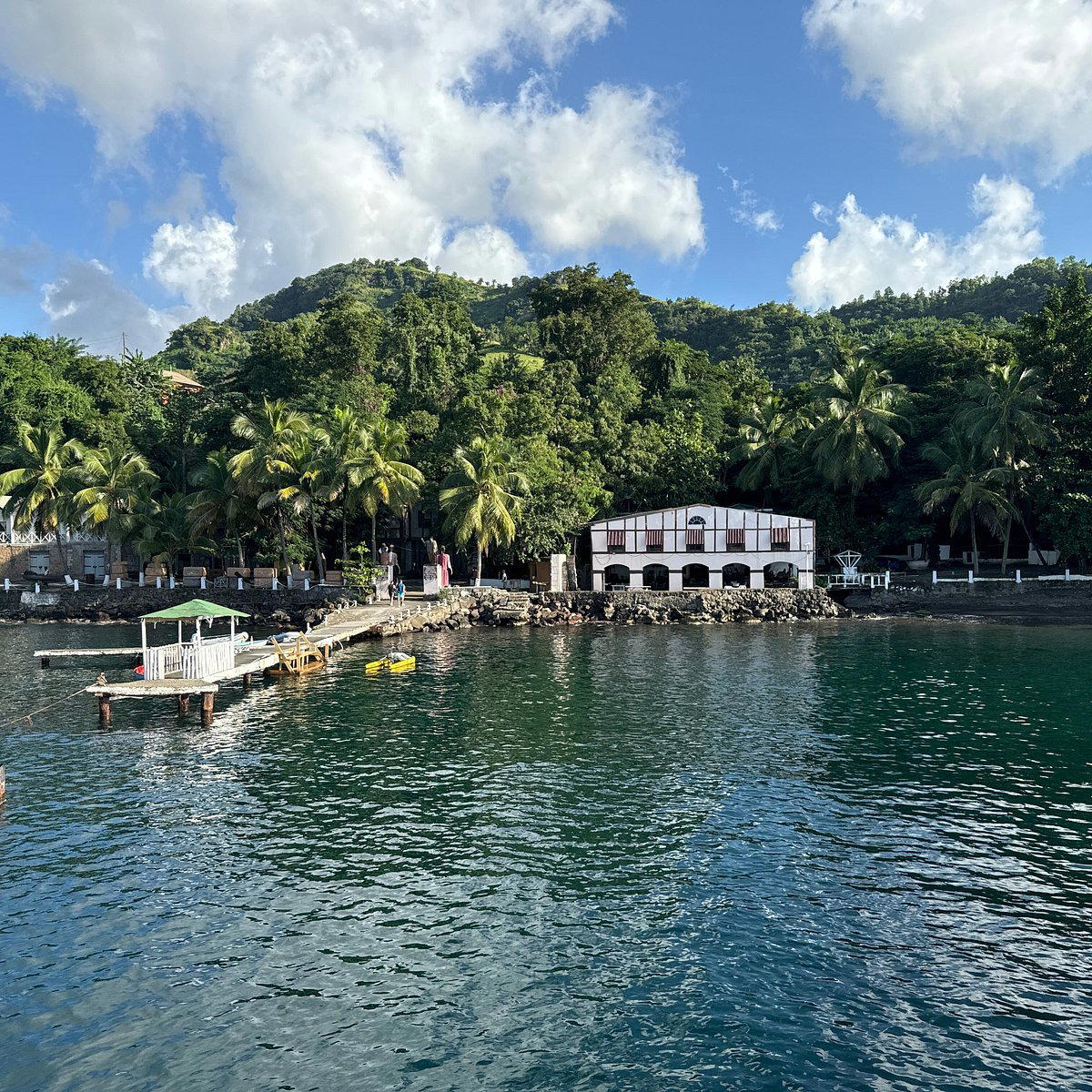
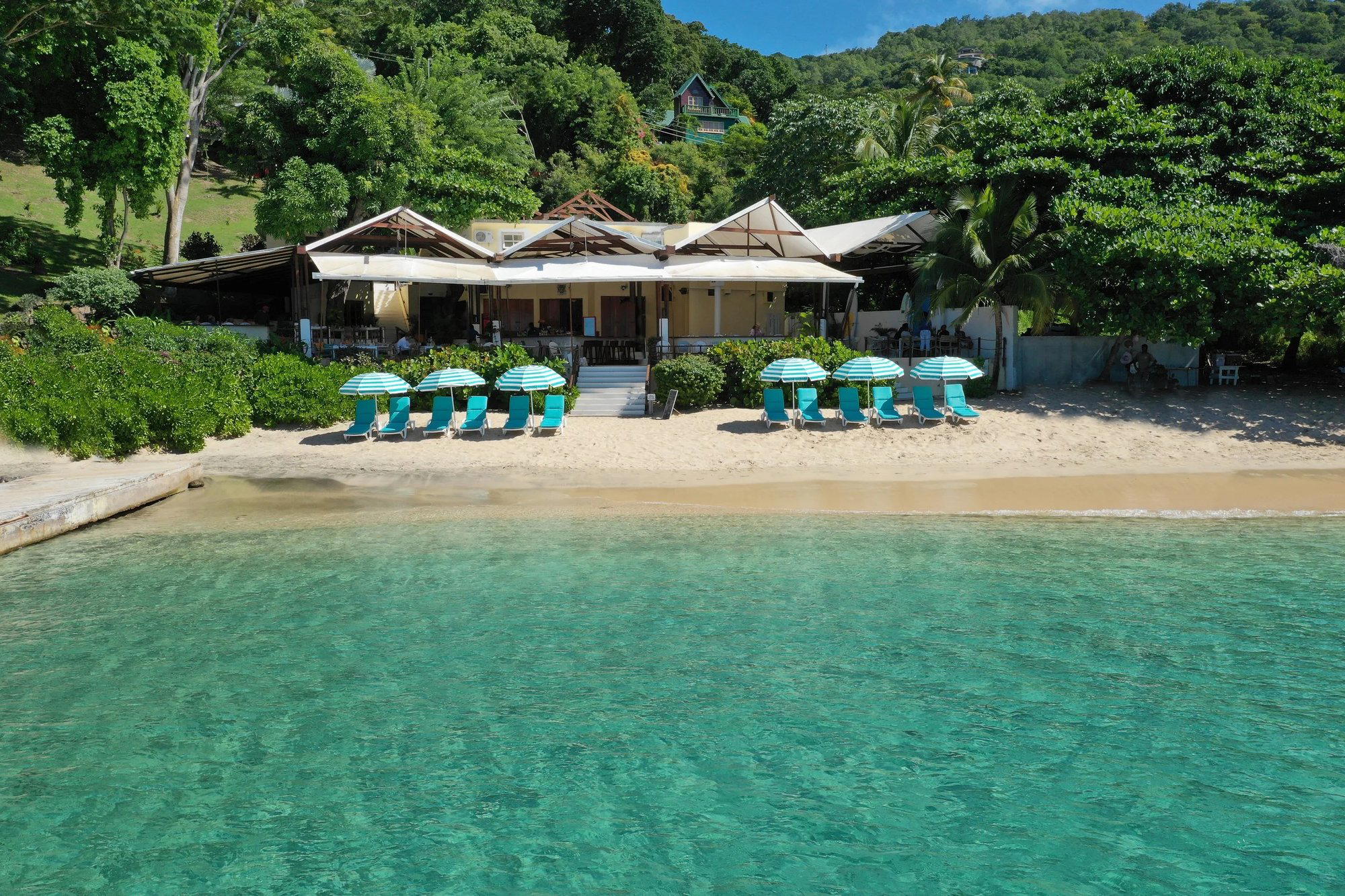
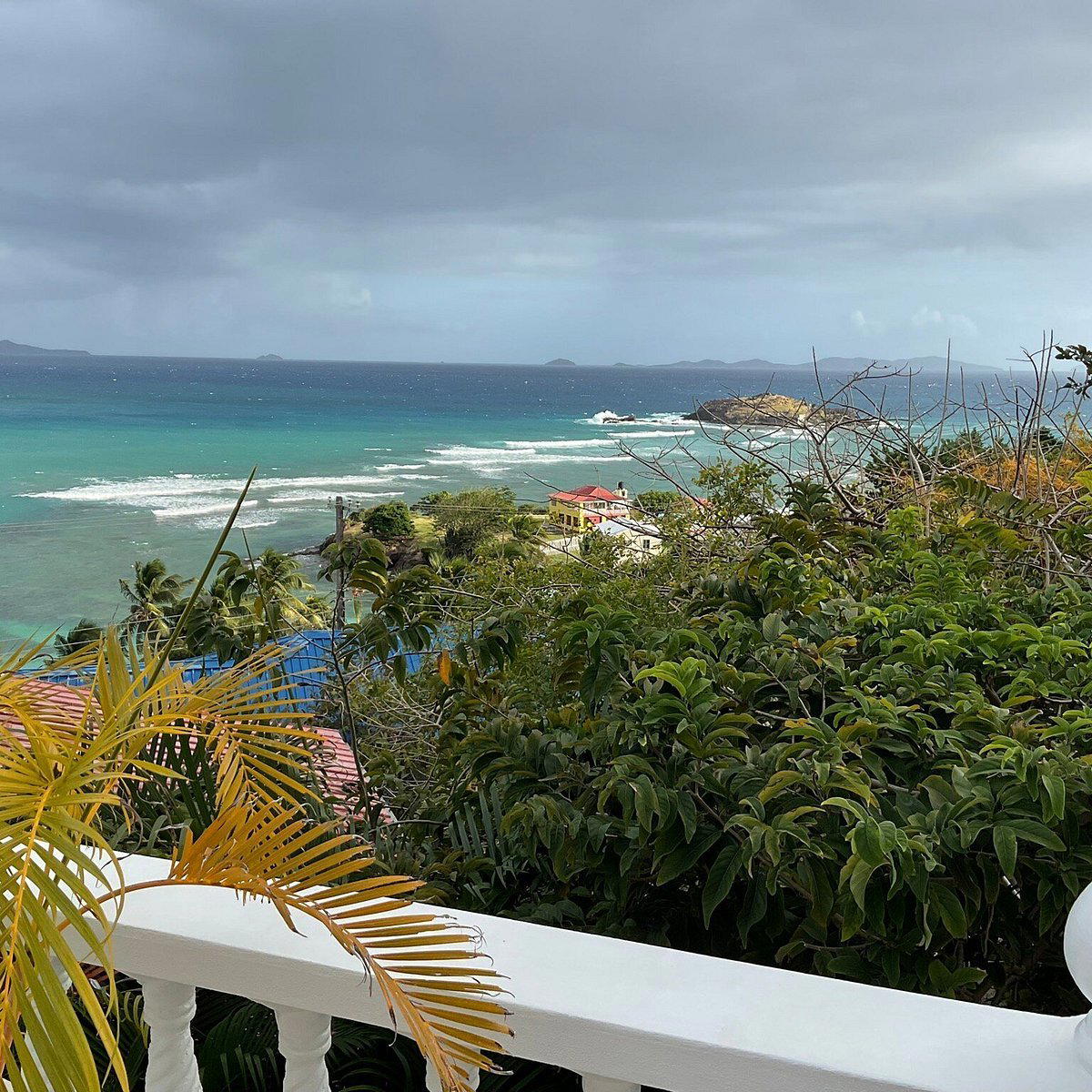
Restaurants in Kingstown
Browse all →
Details
- Elegant
- Intimate
- Sophisticated
- Date Night
- Casual Hangout
- Standalone
- Lounge Seating
- Conventional Wine
Current opening hours
- Monday
- 11 AM–10 PM
- Tuesday
- 11 AM–10 PM
- Wednesday
- 11 AM–10 PM
- Thursday
- 11 AM–10 PM
- Friday
- 11 AM–10 PM
- Saturday
- 11 AM–10 PM
- Sunday
- Closed
Hours can change for holidays and private events. Last verified .
Cool atmosphere with flickering candles and soft jazz music.