Wallilabou Anchorage
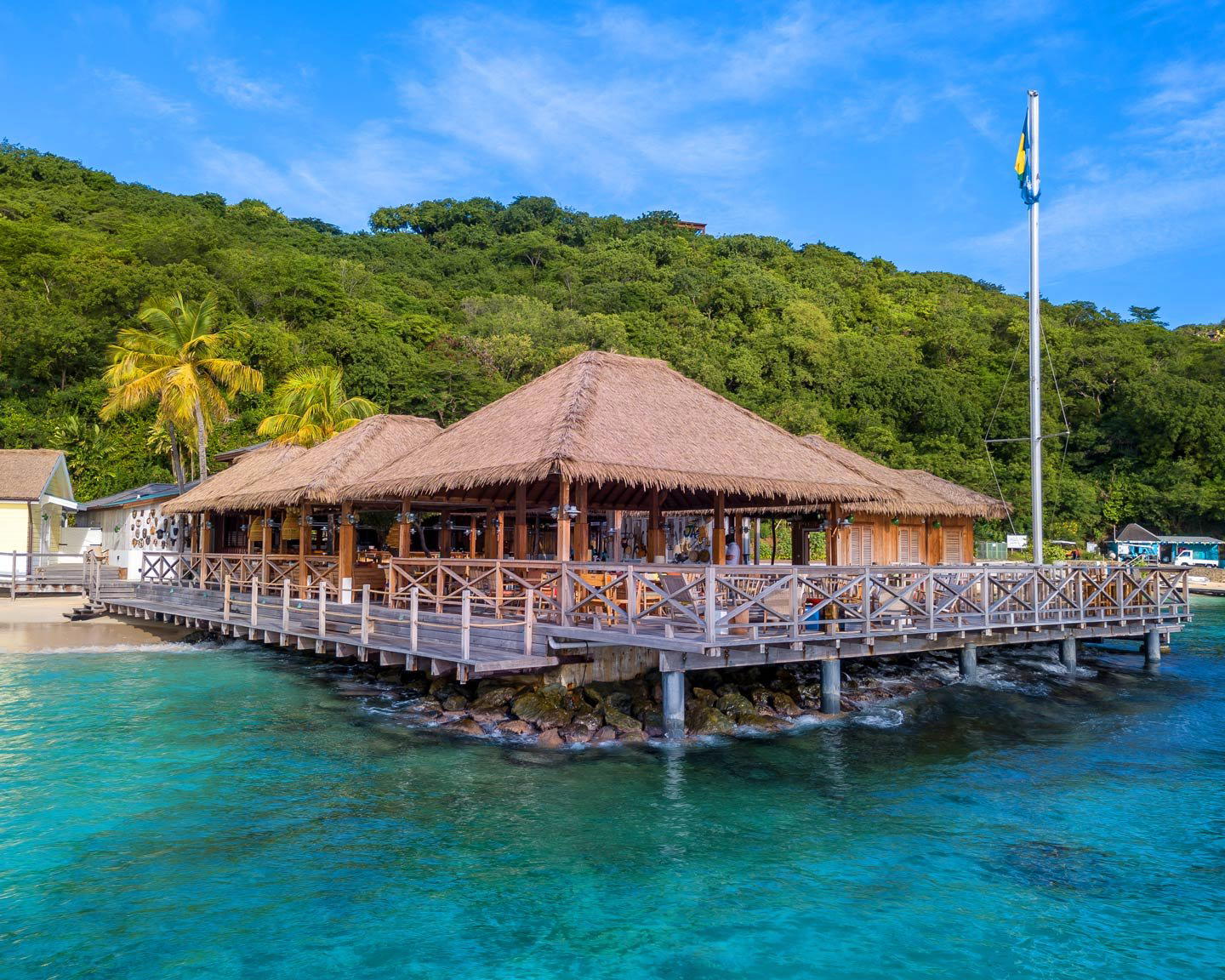
Wallilabou Anchorage sits on the sheltered western coast of St. Vincent, where the bay's calm waters and a film-set past combine to create one of the Eastern Caribbean's more atmospheric waterfront stops. Yachts tie up within metres of the bar, and the surrounding jungle hillsides close in on three sides, giving the spot an almost theatrical enclosure. It draws sailors, divers, and overland visitors in roughly equal measure.

Pearl is the En Primeur Club membership app — saves, bookings, and concierge access live there. Same editors, same standards.
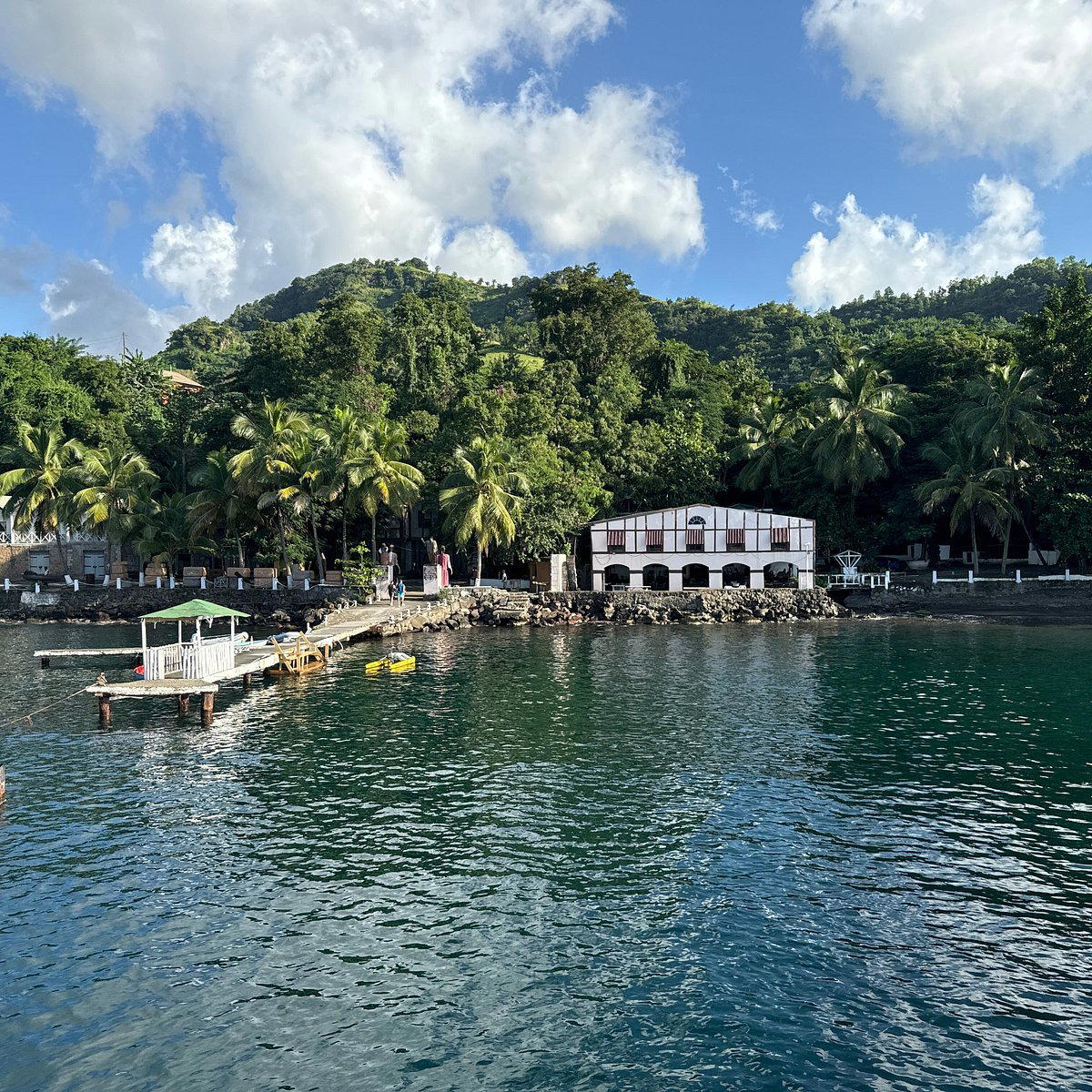
Where the Jungle Meets the Anchorage
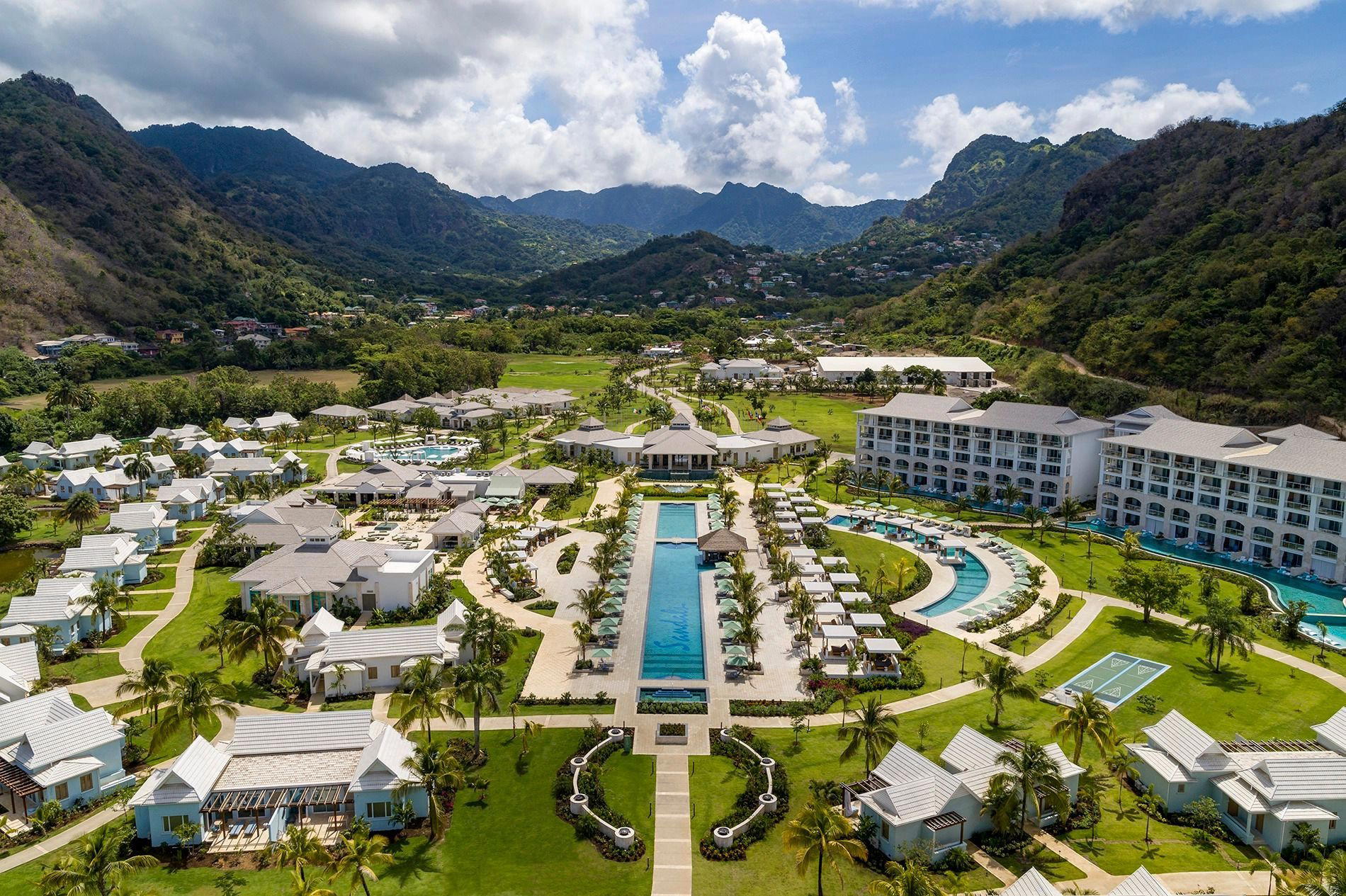
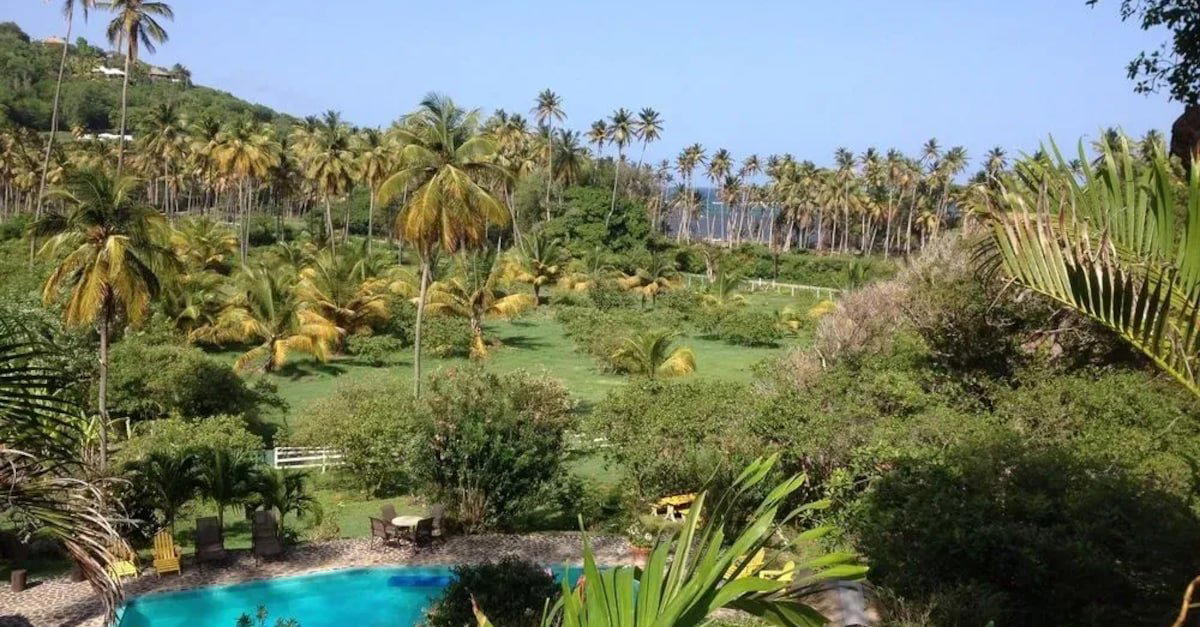
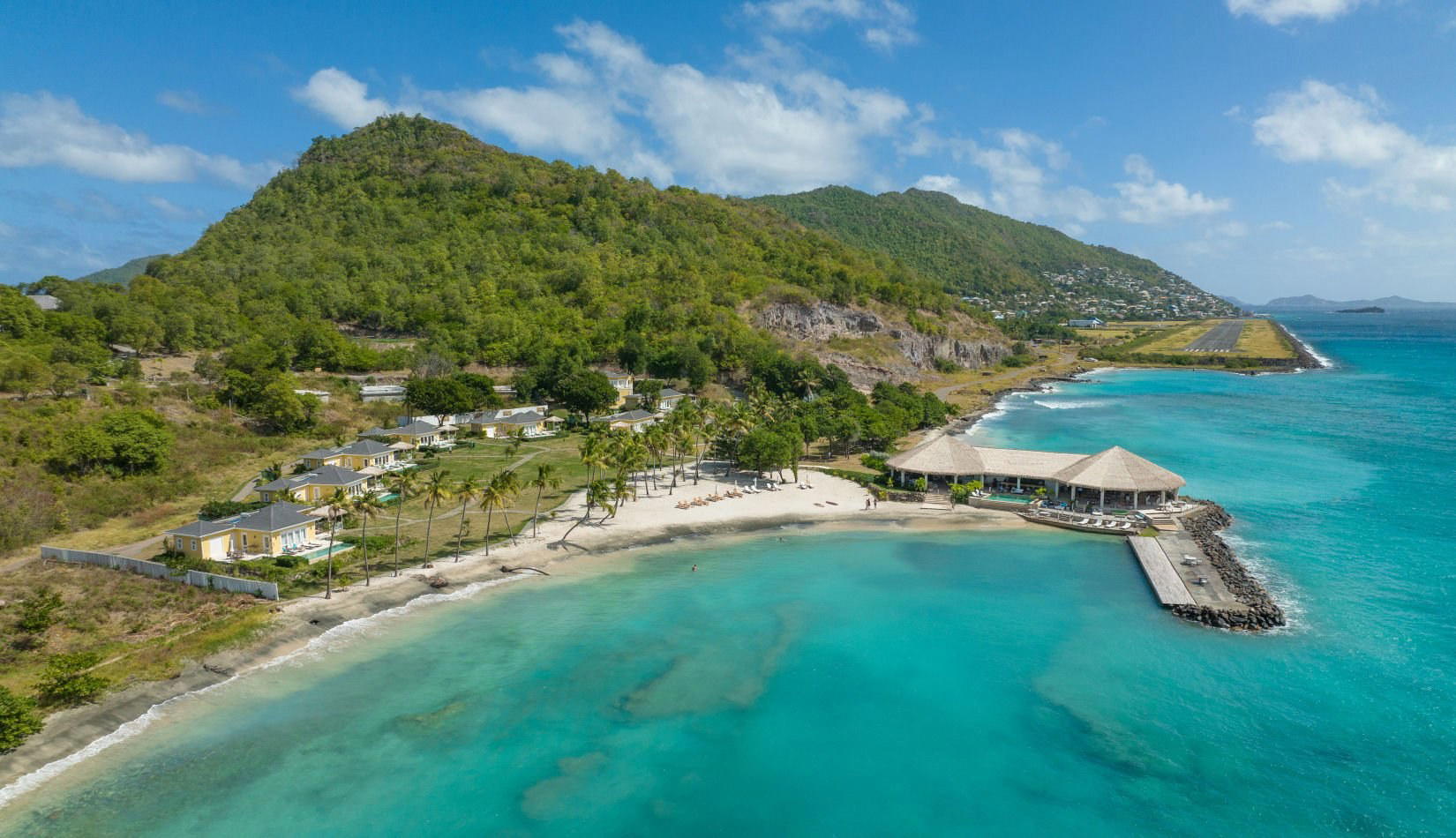
On St. Vincent's leeward coast, roughly 25 kilometres north of Kingstown, the land does something unusual: the volcanic hillsides press tight against the water's edge, leaving only a narrow shelf of flat ground before the bay opens out. Wallilabou Anchorage occupies that shelf. The effect, approaching by sea or by road, is of a place that has been claimed from the surrounding terrain rather than built in any conventional sense. Palms and dense tropical growth crowd the ridgeline above, while the bay below stays sheltered and glass-calm for most of the year. It is the kind of physical setting that explains, without much further argument, why boats have been stopping here for a very long time.
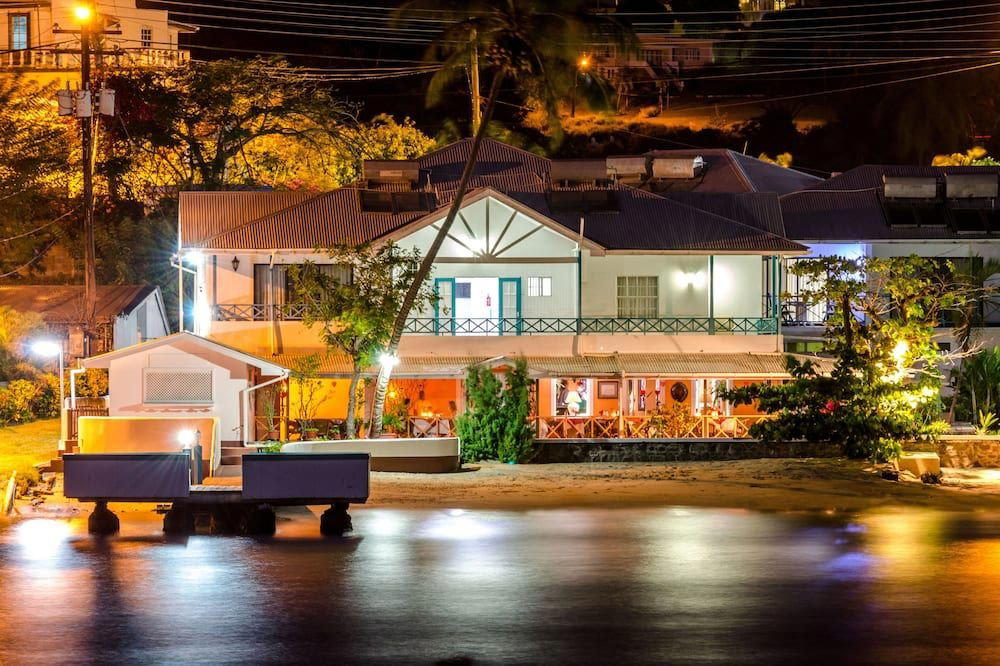
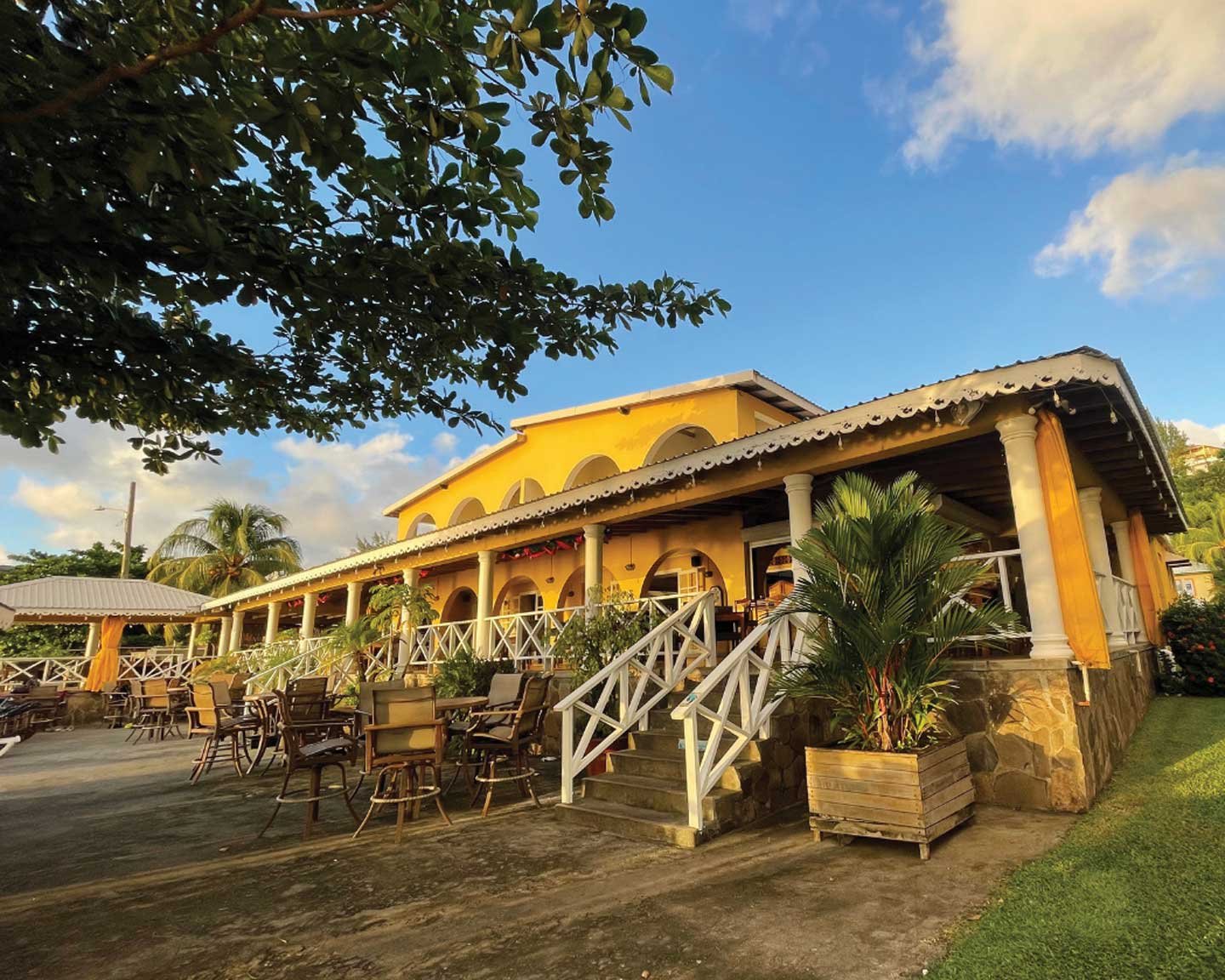
The atmosphere is shaped as much by maritime routine as by design. Sailing yachts anchor a short dinghy-ride from the jetty; their masts form a loose forest at the water's edge when the anchorage is busy, typically between November and April as the winter cruising season peaks across the Eastern Caribbean. The dockside seating area sits close enough to the water that the distinction between inside and outside dissolves. Shade comes from the canopy overhead rather than from architecture. Sound is mostly wind, rigging, and the occasional outboard — a register that places this firmly in the category of working anchorage rather than resort.
The Pirates of the Caribbean Factor
Wallilabou has a documented place in film history: the production of Pirates of the Caribbean: The Curse of the Black Pearl (2003) used the bay as a primary location, and the set remnants that remained afterward became part of the site's visible identity. In the Eastern Caribbean, where most film location tourism is diffuse and hard to pin down geographically, this is an unusually concrete anchor for visitors who arrive with that specific interest. The remnants are part of the environment rather than a managed attraction, which keeps the atmosphere from tipping into theme-park territory. For the broader category of waterfront stops in Saint Vincent and the Grenadines, the film connection functions as a distinguishing data point — it appears in travel coverage consistently enough to have shaped booking patterns, bringing visitors who would not otherwise stop on this particular stretch of coast.
Where Wallilabou Sits in the SVG Waterfront Tier
Saint Vincent and the Grenadines has a layered waterfront drinking and dining scene, with most of the recognised names concentrated in the Grenadine islands to the south. Basil's Bar in Lovell on Mustique operates at the top of that tier, shaped by decades of celebrity association and a specifically international clientele. Jack's Beach Bar, Bequia in Port Elizabeth and Firefly Estate Bequia represent Bequia's own strand of relaxed-but-considered hospitality. On the main island of St. Vincent itself, options thin out considerably once you move beyond Kingstown, where Flow Wine Bar and Kitchen anchors the more polished end of the capital's drinking scene.
Wallilabou operates in a different register from all of them. It is not competing for the same clientele as a Mustique bar, nor positioning itself against Kingstown's urban food-and-drink offer. Within that category, the film-location association and the bay's physical drama give it a profile that most comparable stops lack.
The Physical Space as the Experience
The editorial angle on Wallilabou almost always returns to the same point: the setting does most of the work. The bay's enclosure by steep, forested hills means that whatever is happening at the bar or on the dock is framed by a backdrop that would read as theatrical even if the venue itself were entirely plain. Light changes through the day in ways that are specific to this geography: morning brings shade from the eastern ridge, midday opens the anchorage to full sun, and late afternoon turns the water a range of colours that are connected directly to the volcanic geology of the island. None of this is managed or designed; it is simply what the location produces.
For visitors arriving overland from Kingstown, the journey takes roughly 45 minutes by road along the leeward coast, the approach through fishing villages and cane fields adds context that a direct boat transfer would skip. The road itself follows contours that make the sea appear and disappear behind headlands, so that Wallilabou Bay arrives as a revelation rather than a gradual reveal. This is a detail worth factoring into how you plan the visit: the overland route is slower but substantially more informative about what the western coast of St. Vincent actually looks like.
Placing Wallilabou in a Wider Drinks Context
The craft cocktail conversation in major cities has moved considerably over the past decade, with programs at places like Kumiko in Chicago, Jewel of the South in New Orleans, Julep in Houston, and Superbueno in New York City defining what technical precision in a bar program now means. In the Pacific, Bar Leather Apron in Honolulu has built a similar reputation. European counterparts like The Parlour in Frankfurt on the Main and 1806 in Melbourne round out the global picture of what bar culture looks like at its most considered.
Wallilabou is not in that conversation, and it would be a category error to place it there. The drinks served at a working Caribbean anchorage bar belong to a different tradition: rum-forward, accessible, calibrated to sun and salt air rather than to the controlled environment of a technically oriented cocktail program. The relevant comparison is the broader tradition of waterfront hospitality across the Eastern Caribbean, where the rum punch at a dockside bar is measured by freshness, proportion, and the clarity of the rum base rather than by innovation. That tradition has its own rigour, even if it operates on different terms. See our full Kingstown restaurants guide for broader context on where the island's food and drink scene is heading.
Planning the Visit
Wallilabou Anchorage is accessible by road from Kingstown, with the leeward coastal route passing through several small villages along the way. Sailors arriving by yacht can anchor in the bay and dinghy ashore; the anchorage is well-established on Eastern Caribbean cruising charts. The site is most animated during the November-to-April sailing season, when transatlantic and charter traffic keeps the bay populated. Outside those months, the setting remains intact but the social dimension is quieter. Verified contact details and current operating hours were not available at the time of publication; visitors are advised to confirm arrangements locally or through marina networks before making a specific trip.
What It’s Closest To
| Venue | Price |
|---|---|
| Wallilabou AnchorageThis venue — the venue you are viewing | Not listed |
| Jack's Beach Bar, Bequia | $30–50 |
| Basil's Bar | $30–50 |
Continue exploring
More in Kingstown
Bars in Kingstown
All bars in Kingstown →
Restaurants in Kingstown
Browse all →
Details
- Scenic
- Rustic
- Cozy
- Casual Hangout
- Waterfront
- Historic Building
- Outdoor Terrace
- Rum
- Waterfront
Current opening hours
- Monday
- 10 AM–9:30 PM
- Tuesday
- 8 AM–10 PM
- Wednesday
- 8 AM–10 PM
- Thursday
- 8 AM–10 PM
- Friday
- 8 AM–10 PM
- Saturday
- 8 AM–9 PM
- Sunday
- 12–9 PM
Hours can change for holidays and private events. Last verified .
Picturesque waterfront setting with dramatic Caribbean Sea views, lush greenery, and a welcoming relaxed island atmosphere.