French Table

The Good Food Guide GFG Good
Our verdict
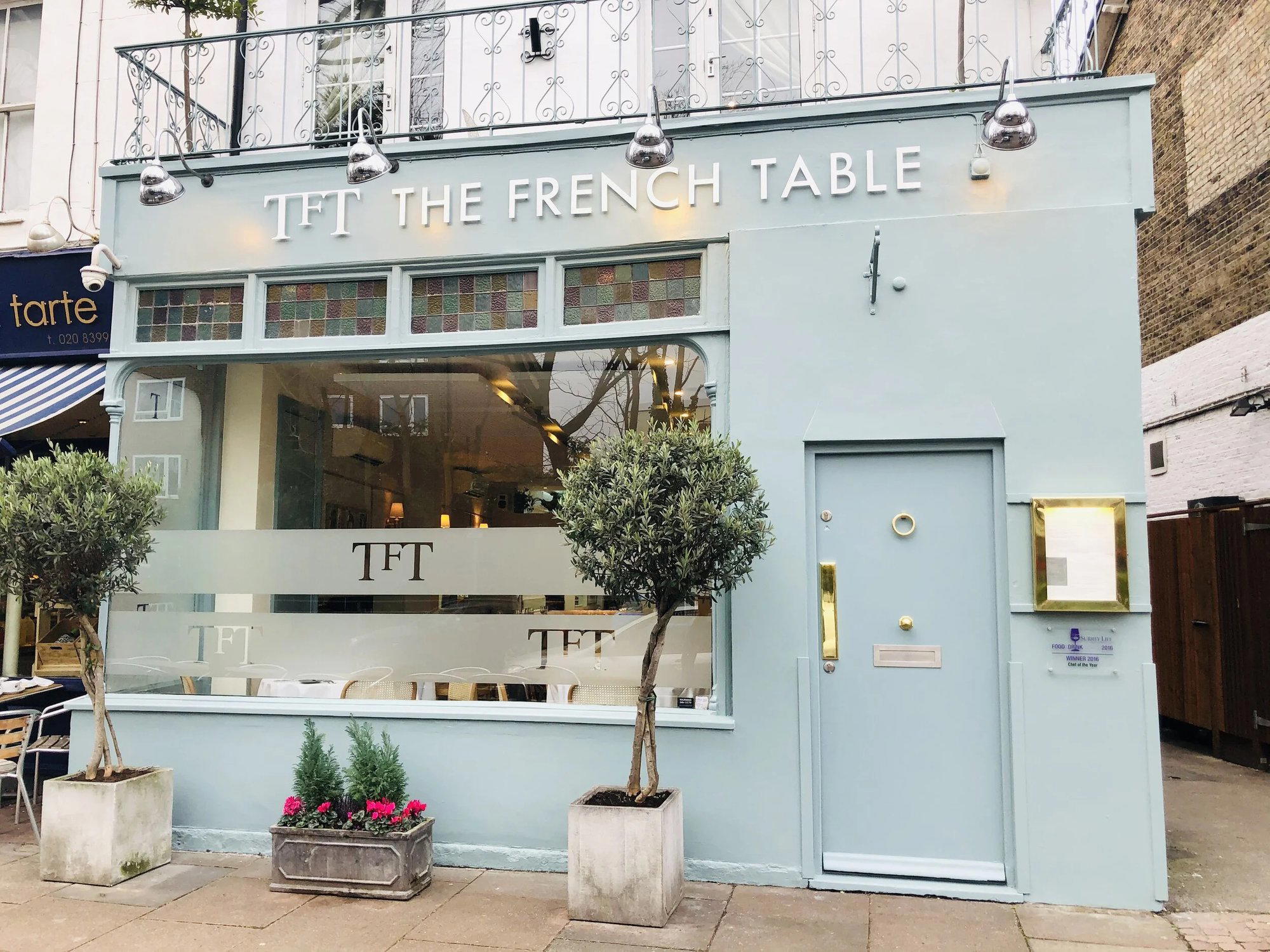
French Table has held Surbiton's attention for over two decades with a kitchen that moves between classical French technique and modern British sourcing. Cornish mackerel, chalk stream trout, and assiettes of regional lamb anchor a menu that takes its ingredients seriously. The wine list fans out from the French regions to Crete, Catalonia, and Kent, with small glasses from £5.50.

Pearl is the En Primeur Club membership app, where members save venues, book tables and use the concierge.
The menu
What to order
- Venison
- Iberico Pork
- Hake
- Foie Gras
- Tuna Tartare with Pickled Green Strawberries
- Roasted Lamb Saddle
Where the Food Comes From Matters Here
Surbiton sits just beyond the reach of central London's restaurant gravity, which means the restaurants that thrive there do so on local conviction rather than destination hype. On Maple Road, French Table has been making that case for more than twenty years, drawing customers from across South West London on nights when most people would rather stay in. A restaurant that fills tables in February, when the argument for staying home is strongest, earns credibility that a single good review cannot manufacture.
The kitchen's sourcing priorities are woven through every section of the menu. Cornish mackerel, chalk stream trout, Cornish lamb: these are not incidental name-drops but signals that the cooking is anchored to specific British suppliers and regions. This approach places French Table within a broader shift in contemporary British cooking, where French classical technique meets traceable domestic produce. You see the same logic at higher price points and higher-profile addresses, from Midsummer House in Cambridge to Gidleigh Park in Chagford, but French Table delivers it at a neighbourhood scale and price that makes it genuinely accessible.
Reading the Menu as a Sourcing Document
The evening menus at French Table are where the kitchen's ambitions become clearest. A mi-cuit of chalk stream trout, served with avocado crème fraîche gâteau and seaweed jelly, shows the kind of precision that demands both good product and careful technique. Chalk stream trout from southern England's chalkland rivers has a distinctive clean flavour and firm texture that rewards gentle low-temperature cooking; the mi-cuit preparation, which leaves the fish partially cooked and silky at its centre, only works if the ingredient is genuinely fresh and of consistent quality.
Assiette of Cornish lamb with minted courgette purée, Caesar-dressed braised baby gem, and Parmesan polenta follows a similar logic: multiple preparations of a single primary ingredient, each one testing a different aspect of its character. This is a format associated with kitchens that source whole animals or work closely with specific farms. The beef fillet with glazed ox cheek on the same menu makes a parallel point about whole-carcase thinking, pairing the premium cut with a secondary preparation that requires long, attentive cooking.
Charred Cornish mackerel with salt-baked beetroot offers the more casual end of the same sourcing philosophy. Mackerel from Cornish day boats is one of the more sustainable fish choices available to British kitchens, and the salt-baking technique for beetroot concentrates flavour in a way that simpler preparations cannot match. Neither ingredient is luxury produce by conventional measure, but both require sourcing discipline to be worth cooking seriously.
The Kitchen Behind the Menu
Eric Guignard has been the consistent figure at French Table throughout its two decades of operation. The recent promotion of Richard Giles to head chef from within the existing team preserves both kitchen culture and the sourcing relationships that support this style of cooking. Continuity of this kind matters in restaurants built around producer connections: the trust between kitchen and supplier takes years to develop, and it is rarely transferable at short notice.
The dessert section demonstrates the same intelligence applied to fruit and dairy. A vanilla cheesecake accompanied by pear compôte, green apple gel, almond crémeux, and a green apple and star-anise sorbet is not a simple exercise in richness; it is a structure that moves through several textures and temperatures, using fruit acidity and anise spice to prevent the plate from becoming one-dimensional. Dark chocolate fondant, which is a simpler format, was cited by one long-term customer as evidence that the kitchen executes reliably across the full menu, not just at its creative peaks.
The Wine List as Geography
The wine list at French Table maps a similar set of priorities to the food. French regions form the backbone, which is consistent with the restaurant's technique-led cooking style and its name. But the list also extends to Crete, Catalonia, and Kent: three wine regions that produce serious bottles outside the conventional prestige hierarchy. Kent in particular is worth noting as a signal of the same local-sourcing instinct that runs through the food menu. Small glasses start at £5.50, which positions the list as accessible rather than aspirational. Inventive cocktails and mocktails are also part of the opening sequence, suggesting the kitchen's creative approach extends to the drinks program.
For broader context on the range of approaches to wine in high-quality British restaurant settings, our full Surbiton wineries guide covers the local area in more detail.
How French Table Sits in Its Competitive Tier
London's premium French-influenced dining concentrates in the centre of the city, with addresses like The Ledbury in London and Restaurant Gordon Ramsay operating at the top of the market with price points and formality to match. French Table is not competing in that tier. It occupies a different and arguably more useful position: a kitchen with genuine technique and sourcing discipline, operating at a neighbourhood scale in a South West London suburb where this level of cooking is not the default.
The twenty-year record is itself a credential. In the UK restaurant market, suburban longevity at this quality level is rare. It implies a customer base that returns regularly rather than once for occasion dining, and that kind of loyalty is built on consistency rather than novelty. The February test, referenced repeatedly in reader feedback, is one of the more honest measures of a restaurant's local standing. Destination restaurants attract visitors regardless of season; neighbourhood restaurants survive on regulars who keep coming back when the weather makes any excuse to stay home.
For visitors to the area, our full Surbiton restaurants guide provides additional context on the local dining scene. Those planning an evening around the area can also consult our full Surbiton bars guide and our full Surbiton hotels guide. For other highly regarded British kitchens applying comparable sourcing discipline in different formats and regions, hide and fox in Saltwood, Moor Hall in Aughton, and L'Enclume in Cartmel each represent different expressions of the same broader movement in British cooking. For those travelling further afield or comparing against international benchmarks, Le Bernardin in New York City and Atomix in New York City illustrate how technique-led sourcing plays out at the highest tier of the global restaurant market.
Planning Your Visit
French Table is at 83 Maple Road, Surbiton KT6 4AW, within easy reach of Surbiton rail station on the South Western Railway line from London Waterloo. The evening menus represent the more ambitious side of the kitchen's output, so those interested in the full range of the cooking should plan accordingly. Given the twenty-year track record and the reader feedback that suggests tables are regularly sought after, booking ahead is sensible rather than optional.
Frequently asked questions
Is French Table child-friendly?
French Table's venue data does not specify a children's menu or family seating policy. Given that the evening menus lean toward composed, multi-element dishes like mi-cuit chalk stream trout and assiette of Cornish lamb, the setting skews toward adult diners. Contact the restaurant at 83 Maple Road, Surbiton KT6 4AW to confirm current arrangements before booking.
Is French Table formal or casual?
French Table sits between neighbourhood bistro and destination restaurant. The cooking is technically serious, beef fillet with glazed ox cheek, vanilla cheesecake with green apple and star-anise sorbet, but the restaurant has held a loyal local following for over 20 years in Surbiton, which suggests a convivial rather than stiff atmosphere.
How long has French Table been open in Surbiton, and has the kitchen changed hands?
French Table has been operating for over 20 years, with readers on record having visited consistently across that span. Eric Guignard has been the defining figure throughout, and Richard Giles was recently promoted to head chef from within the existing team, a succession designed to preserve continuity rather than reset the kitchen's direction. That internal promotion model is relatively uncommon at restaurants of this tenure and signals deliberate institutional stability.
What should I eat at French Table?
The evening menus are where the kitchen shows its range most clearly. Documented dishes include charred Cornish mackerel with salt-baked beetroot, beef fillet with glazed ox cheek, and a dark chocolate fondant that readers have singled out specifically. For dessert, the vanilla cheesecake arrives with pear compôte, green apple gel, almond crémeux, and a green apple and star-anise sorbet, a construction that avoids the standard bistro shorthand.
At-a-Glance Comparison
Comparable venues nearby, for context on price, style, and recognition.
| Venue | Cuisine | Price | Awards | Notes |
|---|---|---|---|---|
| French TableThis venue (the venue you are viewing) | Contemporary French Bistro | $50–100 | The Good Food Guide GFG Good | Not listed |
| Oslo Court | Traditional French-British | $50–100 | Not listed | St. John's Wood |
| High Road Brasserie | French Brasserie | $50–100 | Not listed | Turnham Green |
| L'Escargot | Classic French Brasserie | $50–100 | The Good Food Guide GFG Good | Soho |
| Colbert | Classic French Brasserie | $30–50 | Not listed | Sloane Square |
| Cafe Monico | French-Italian Brasserie | Not listed | Not listed | Soho |
Recognition history
Dated appearances from independent guides and award organizations, with the underlying list record or original source where available.
The Good Food Guide GFG Good
The Good Food Guide
Continue exploring
More in Surbiton
Restaurants in Surbiton
All restaurants in Surbiton →
Bars in Surbiton
Browse all →

Details
- Elegant
- Romantic
- Quiet
- Sophisticated
- Classic
- Date Night
- Celebration
- Special Occasion
- Business Dinner
- Group Dining
- Family
- Private Dining
- Standalone
- Extensive Wine List
- Sommelier Led
- Local Sourcing
- Tasting Menu
- A La Carte
- Prix Fixe
- Wine Pairing
- Wine Selection
- Vegetarian Friendly
- Gluten Free Options
- Allergy Accommodating
Current opening hours
- Monday
- Closed
- Tuesday
- 8 AM–4 PM
- Wednesday
- 8 AM–4 PM
- Thursday
- 8 AM–4 PM
- Friday
- 8 AM–4 PM
- Saturday
- 9 AM–4 PM
- Sunday
- 9 AM–4 PM
Hours can change for holidays and private events. Hours as of .
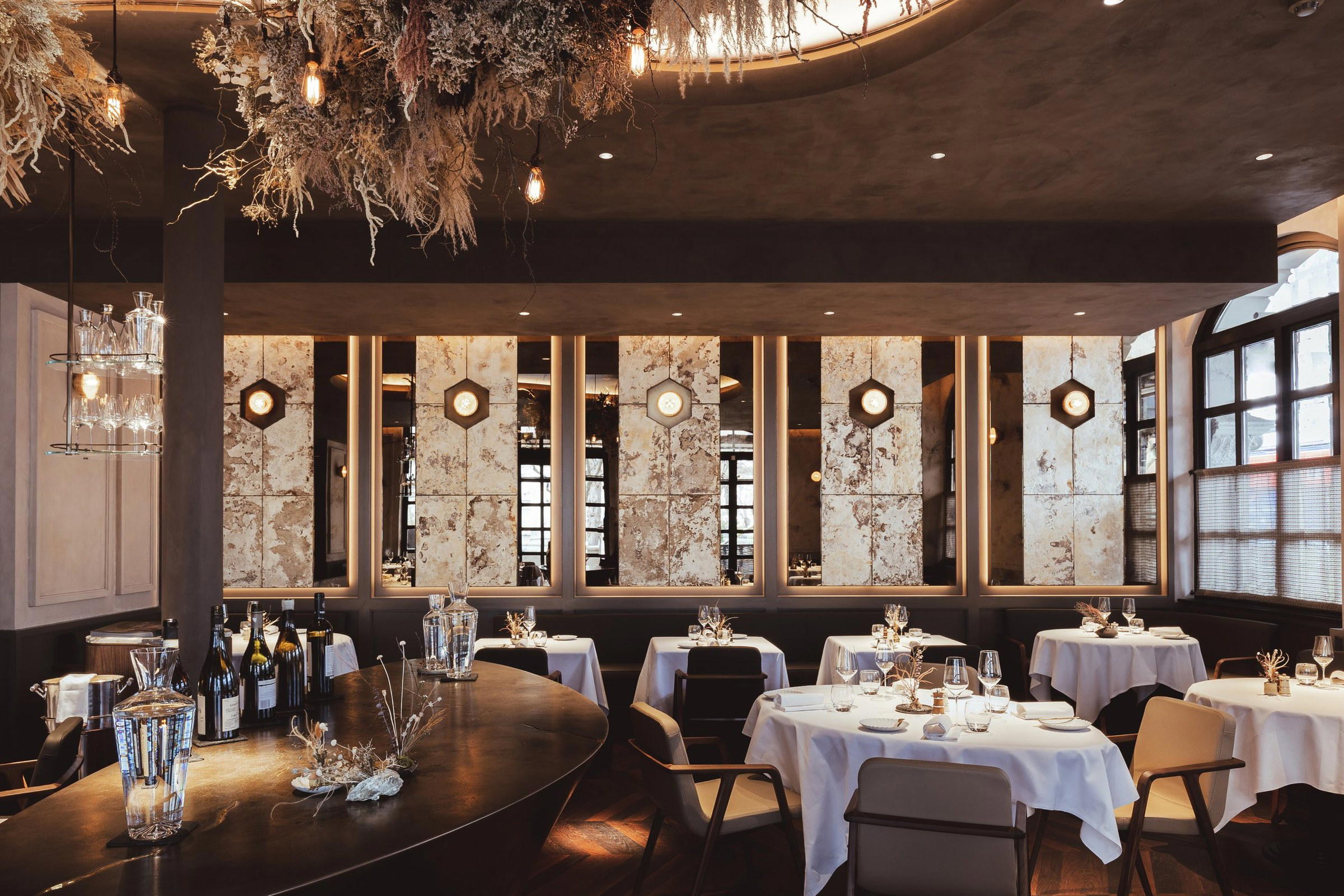
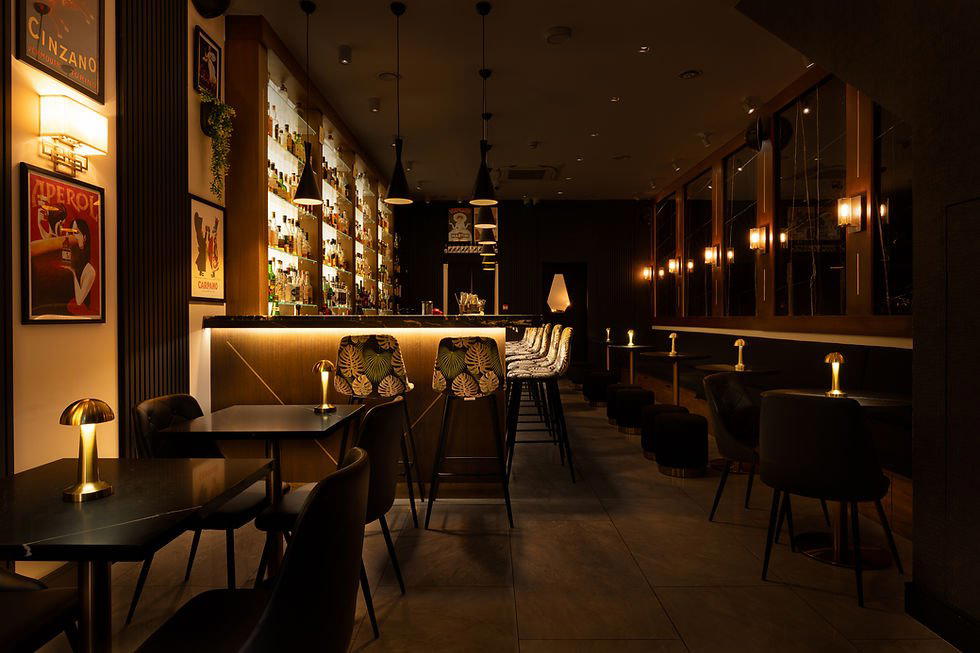
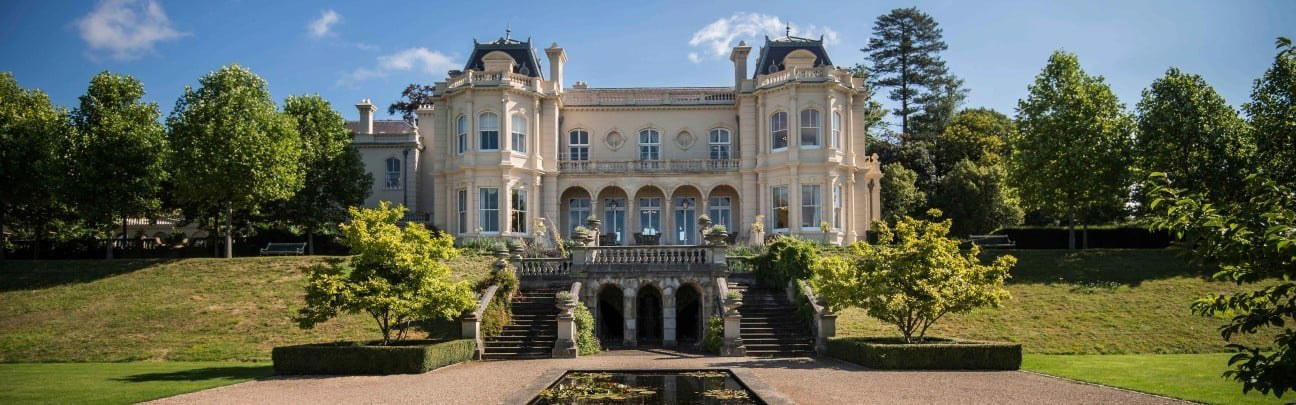
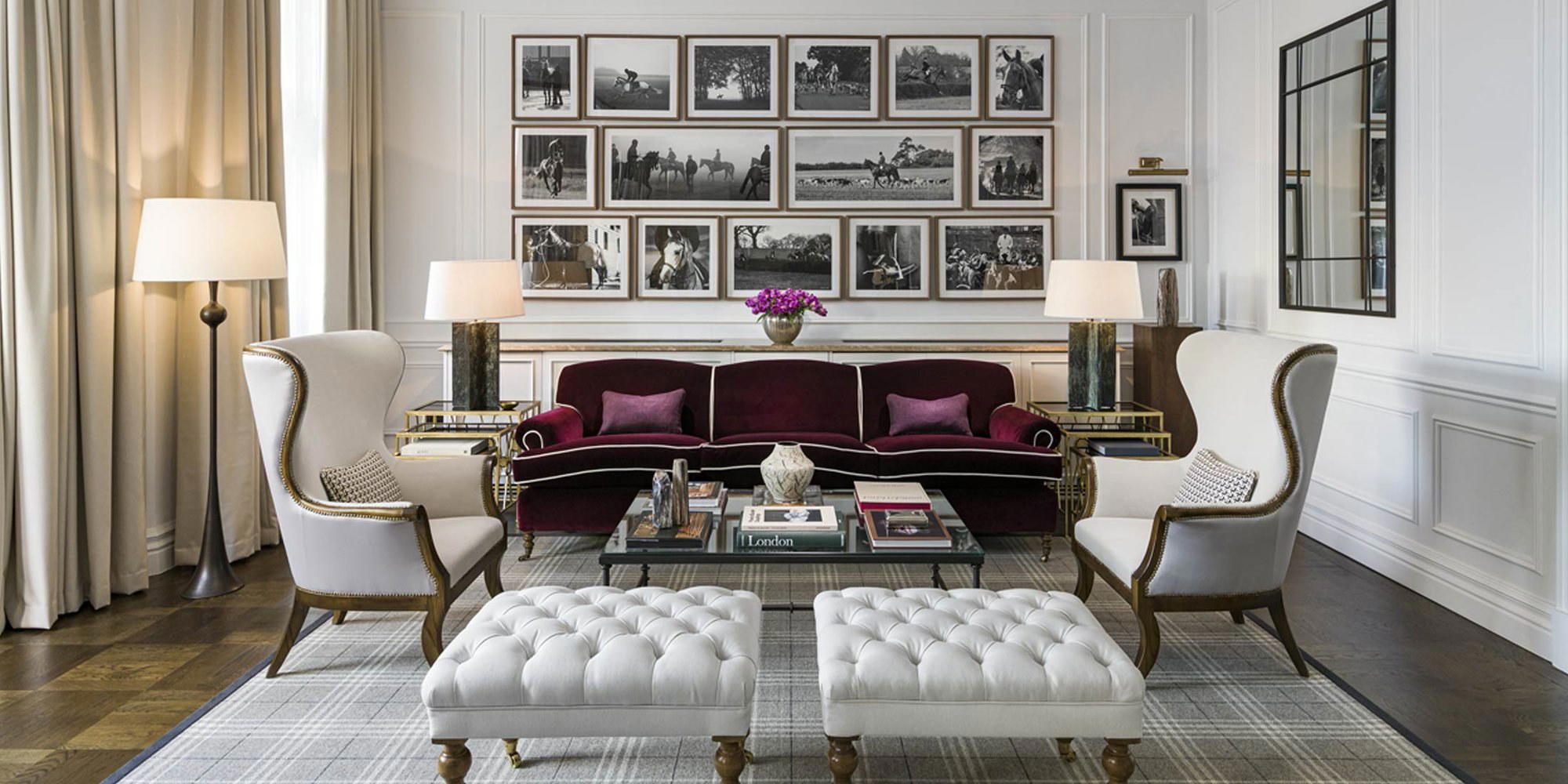
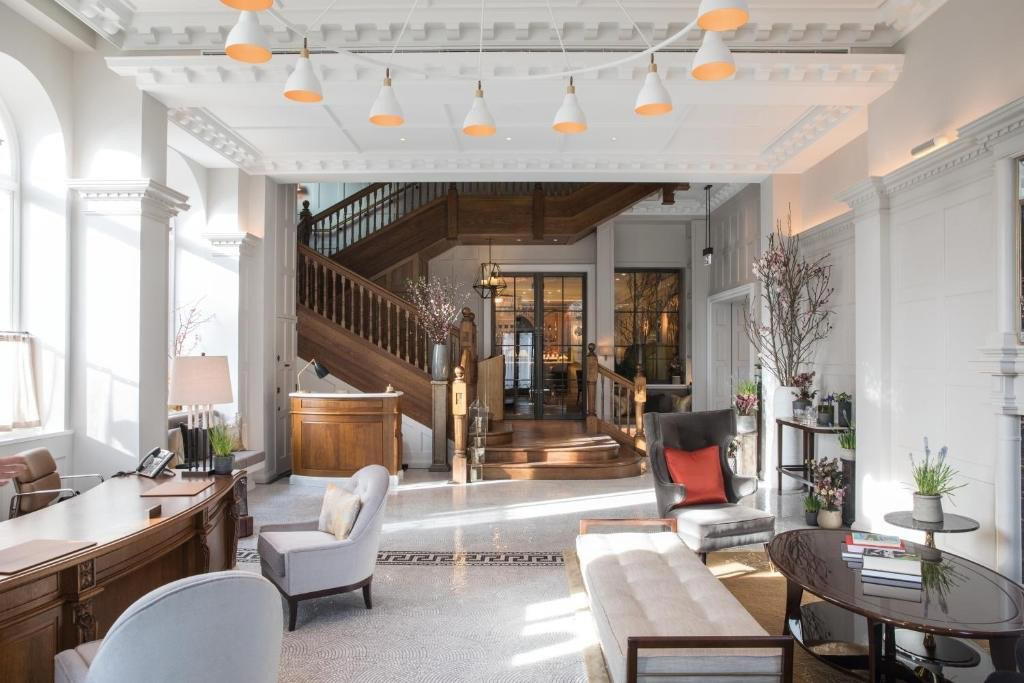
Inviting, calm, and quiet atmosphere with warm lighting; described as a relaxed yet high-quality dining experience that feels special and memorable upon arrival.