Frank
Our verdict
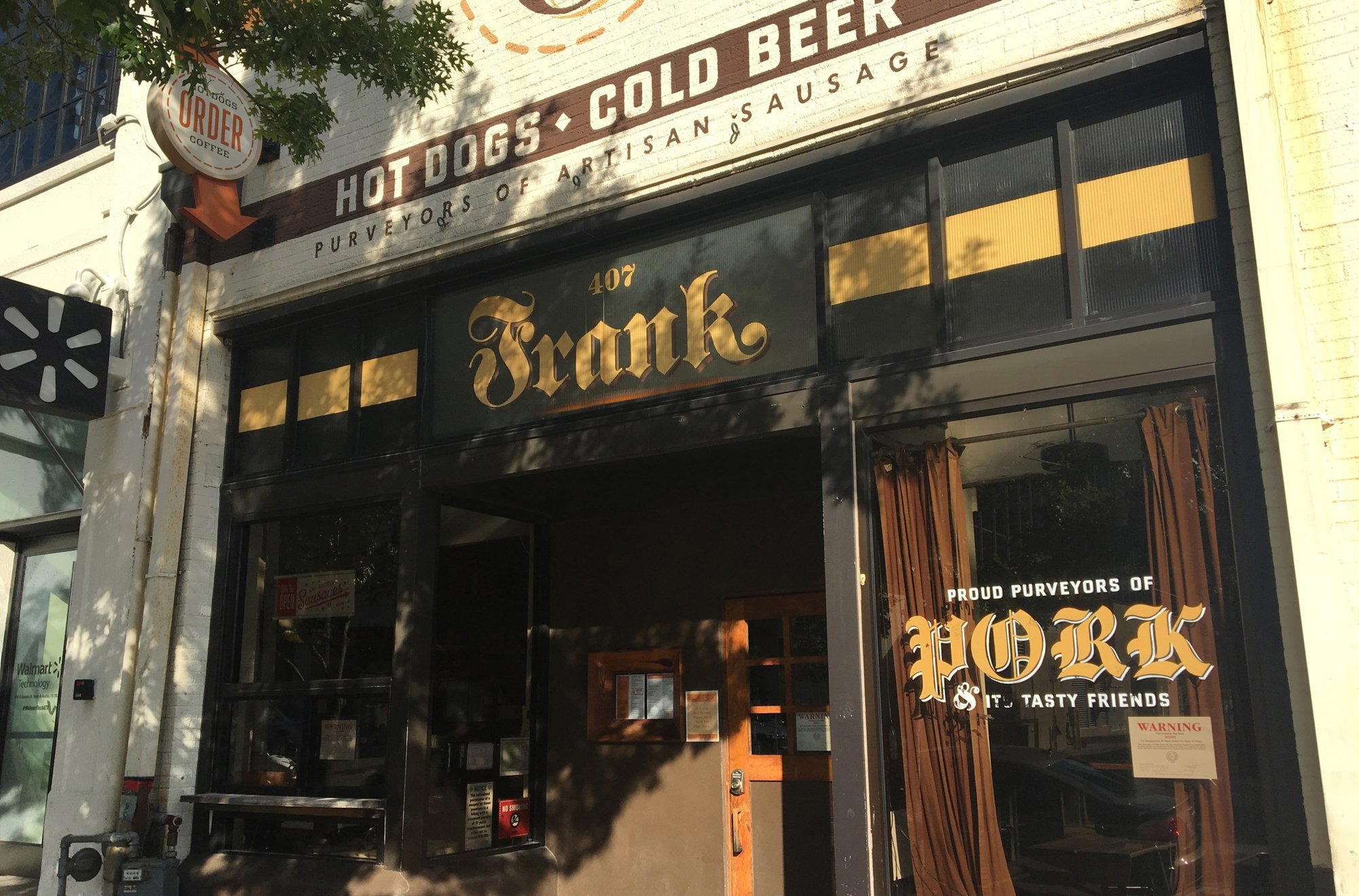
Frank occupies a recognizable position in Austin's downtown dining scene: a gathering point where the city's appetite for direct, unpretentious eating meets something more considered beneath the surface. Located at 407 Colorado Street, it draws a cross-section of locals and visitors who prioritize substance over ceremony. The room rewards repeat visits, and the team behind the floor keeps the experience cohesive across services.
The menu
What to order
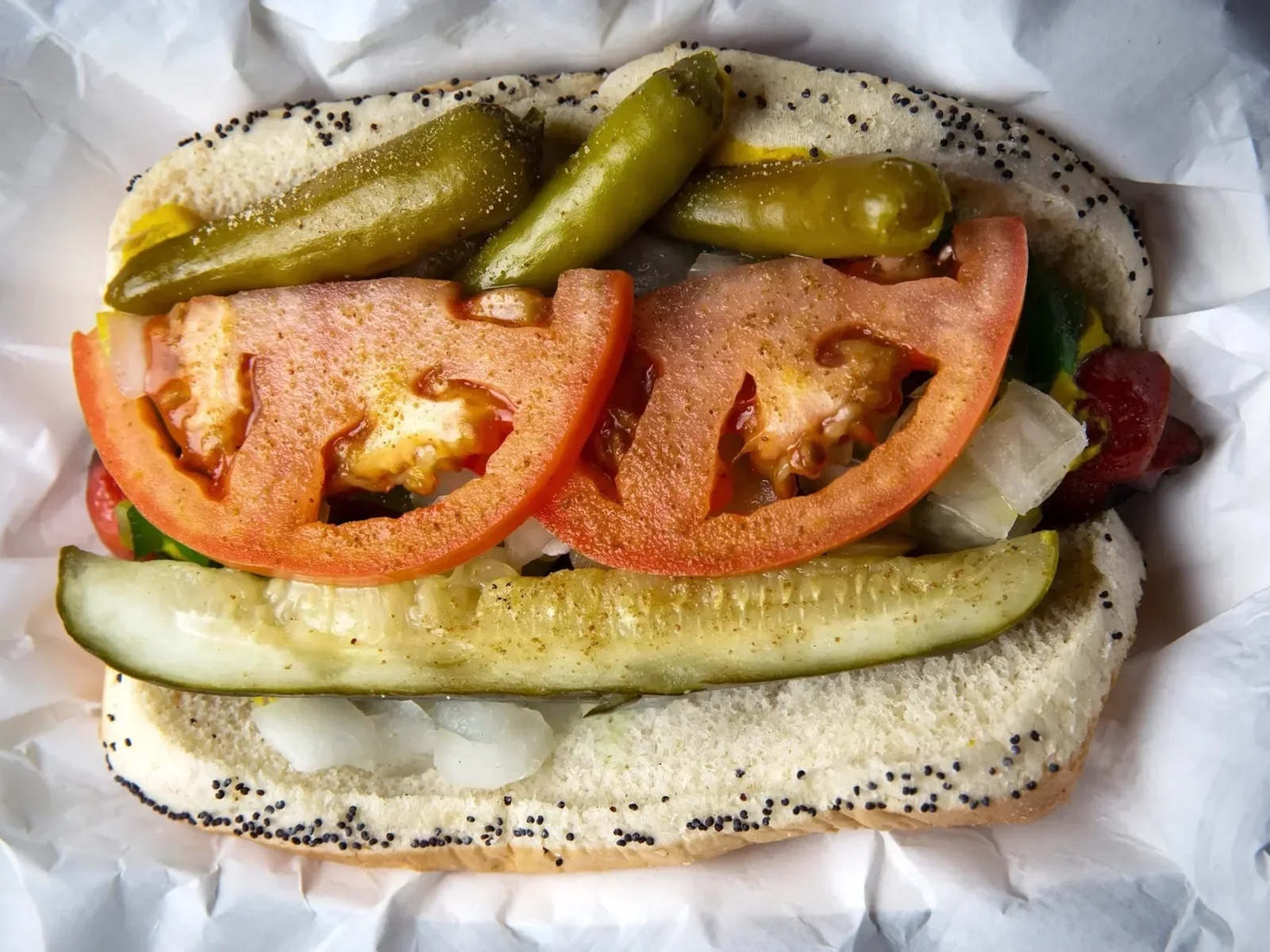
- Jackalope Sausage
- Sonoma Hot Dog
- Bratwurst
- Alligator Sausage
- Waffle Fries
Downtown Austin and the Case for Dining Without Ceremony
Austin's downtown restaurant corridor has followed a familiar trajectory over the past decade: a wave of concept-driven openings, followed by a consolidation around venues that earn repeat business through consistency rather than novelty. In that context, Frank at 407 Colorado Street occupies a position that matters less for spectacle and more for reliability. The address places it within walking distance of the city's main hotel district and convention corridors, which means its dining room absorbs a broad cross-section of guests, from out-of-town visitors orienting themselves to the city's food character to regulars who treat the space as a fixed point in their week.
That mix of clientele puts real pressure on a front-of-house team. The rooms where service buckles most visibly are those that handle a homogeneous crowd and still fail; handling genuine diversity in guest expectations and familiarity requires a different kind of floor discipline. What defines Frank within Austin's mid-to-upper casual tier is that the service architecture holds across those different guest types, which is rarer in a downtown setting than it should be.
The Room and What It Signals
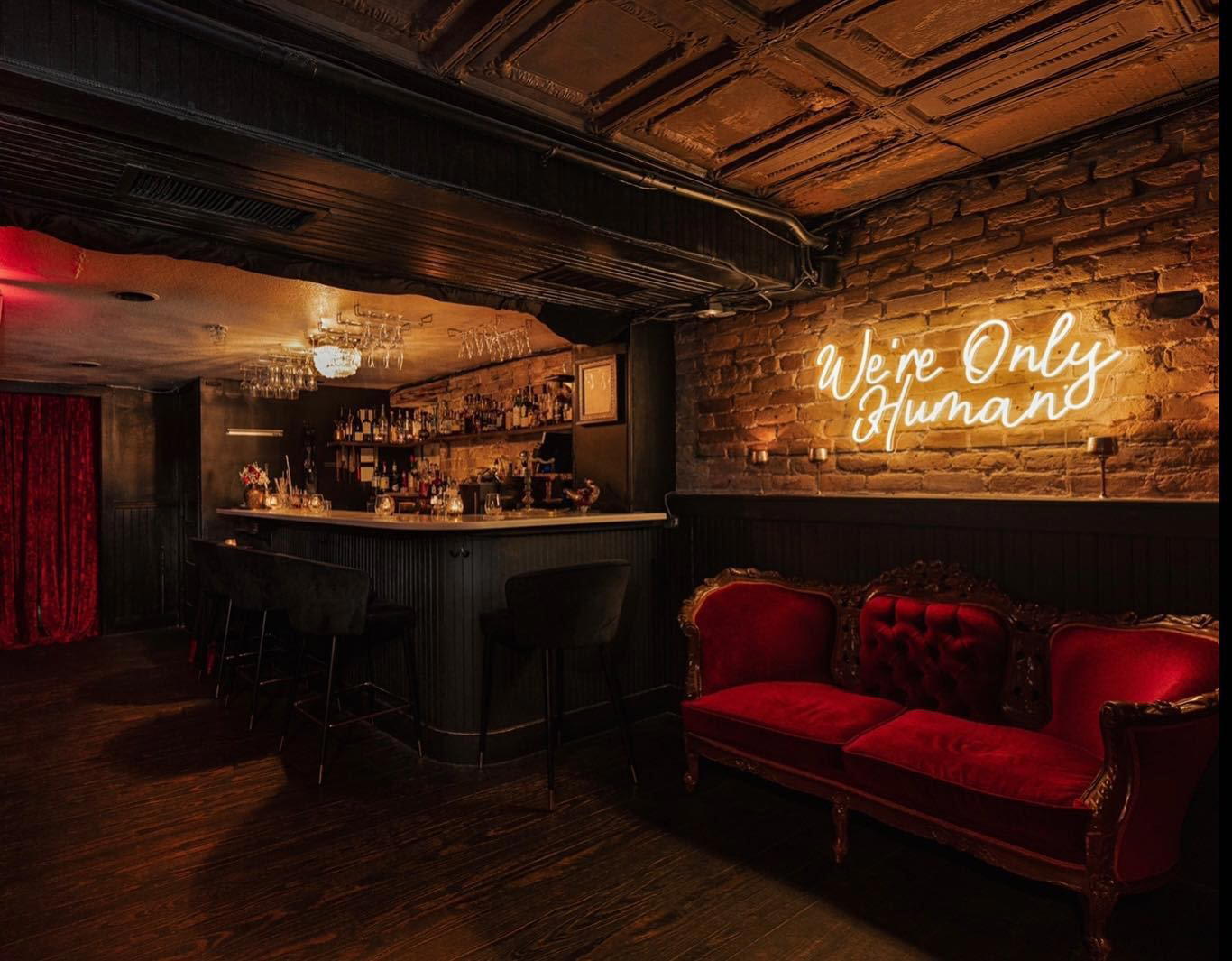
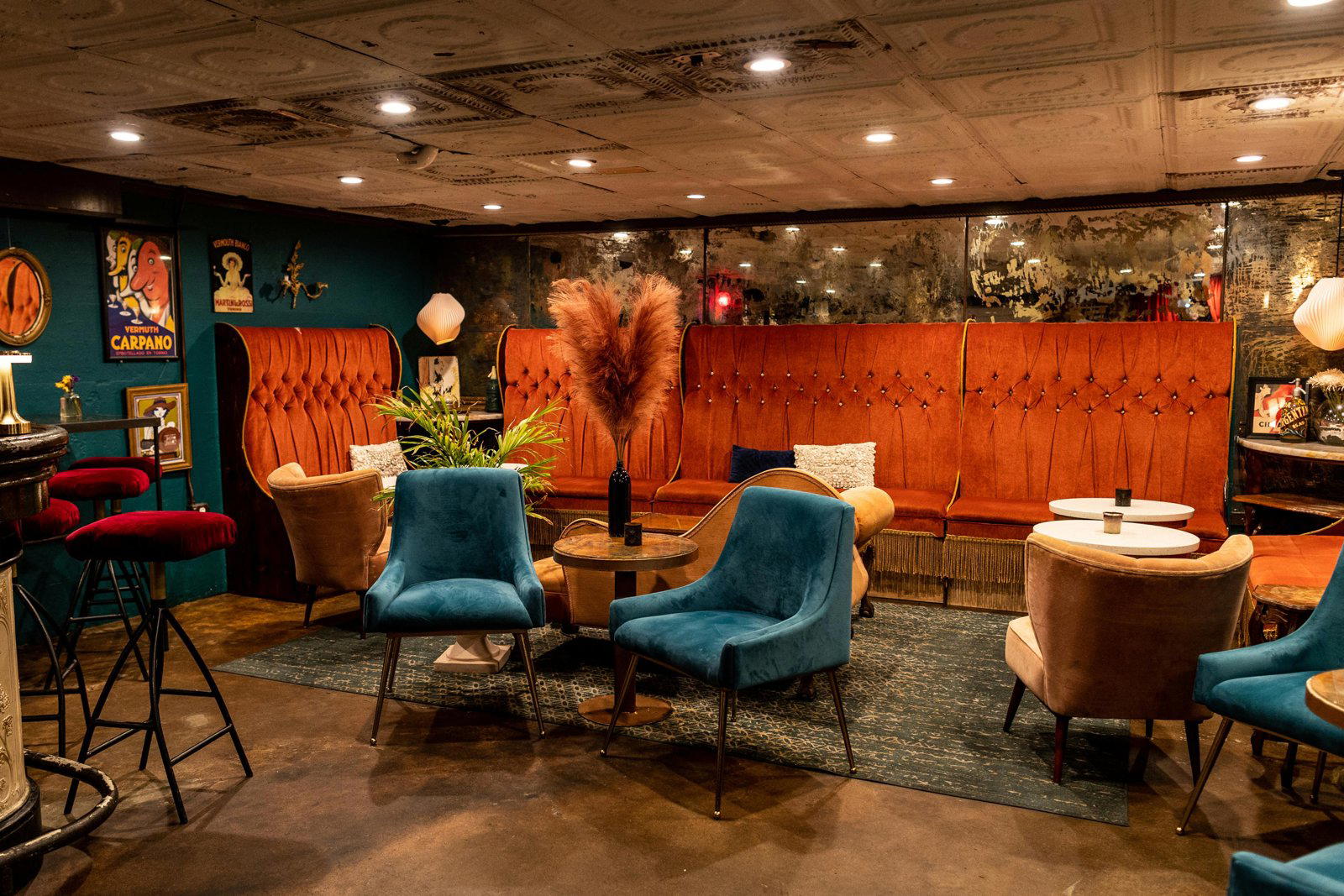
Downtown Austin dining rooms tend toward one of two formats: the high-ceilinged, exposed-brick industrial register that dominated openings in the early 2010s, or the more recent shift toward lower-lit, acoustically considered spaces that trade volume for intimacy. Frank reads closer to the latter. The room doesn't push its own aesthetic as the primary event, which is a deliberate choice in a city where design-forward interiors can overwhelm the actual meal. The focus is returned to the table rather than the architecture around it, and that framing suits a venue operating in a competitive downtown block.
The practical geography matters for planning. The Colorado Street address puts Frank within reasonable reach of the city's major arts and live music venues, which makes it function well as either a pre-event anchor or a standalone destination. Austin's parking situation downtown rewards advance planning; arriving by rideshare or using the city's central garages is the more efficient approach, particularly on weekend evenings when the surrounding blocks fill quickly.
Team Architecture: Where the Experience Is Made
The editorial angle that leading explains Frank's positioning in Austin's restaurant hierarchy is not the kitchen alone but the coordination between kitchen, floor, and the service rhythm that connects them. In Austin's more ambitious casual tier, that coordination is often where the gap between a promising concept and a durable venue becomes visible. The difference between a night that lands and one that doesn't, at this price tier and in this part of the city, is almost always a function of how well information moves between the team members serving a table.
This matters more in Austin's downtown corridor than it might in a neighborhood setting because the guest base is less predictable. A floor team working a fixed local audience develops shorthand quickly; a downtown team must read and respond to each table more or less from scratch. The venues that manage this well, including Frank, tend to run front-of-house with enough seniority at the leading to maintain consistency across different shifts and service styles. For context on what well-executed team coordination looks like at higher price points, Atomix in New York City and Smyth in Chicago both demonstrate how kitchen-to-floor communication can become a defining feature of the guest experience rather than just a backstage function.
Where Frank Sits in Austin's Dining Tiers
Austin's restaurant market has stratified meaningfully over the past five years. At the top of the market, venues like Hestia, with its live-fire New American format, and Barley Swine, operating in the contemporary tasting-menu register, define a premium tier that prices and paces against national peers. Below that, the city's barbecue tradition runs through venues like la Barbecue and InterStellar BBQ, which occupy a different competitive logic entirely, built on throughput, craft, and a specific Texas lineage. Craft Omakase represents Austin's growing appetite for format-driven counter dining.
Frank operates in the register between those poles: more considered than the counter-service and casual barbecue end of the market, less format-driven than the tasting-menu tier. That middle band is where downtown Austin has the most density and, arguably, the most competition for the same guest. The venues that distinguish themselves in this tier do so through repetition rather than event: a guest who returns four times a year should feel the same level of attentiveness each visit, regardless of who is working the floor that evening. That kind of institutional consistency is harder to build than a single impressive service.
For readers building a broader picture of how Austin's dining scene compares to other American cities operating in a similar growth phase, our full Austin restaurants guide maps the tiers in more detail. Nationally, the conversation around restaurants that build reputations on team cohesion rather than single star chefs includes venues like Lazy Bear in San Francisco, Blue Hill at Stone Barns in Tarrytown, and Single Thread Farm in Healdsburg, all of which have made the service ensemble as central to their identity as the food itself.
Planning a Visit
Frank's downtown location at 407 Colorado Street is direct to reach from Austin's main hotel cluster, most of which sit within a ten-minute walk. For booking specifics, hours, and current pricing, direct contact with the venue or a check of current listings is advisable, as operational details shift seasonally and the venue's public-facing information is best confirmed close to the travel date. For broader context on how Frank compares to its peers, Emeril's in New Orleans, Providence in Los Angeles, Addison in San Diego, Le Bernardin in New York City, The French Laundry in Napa, The Inn at Little Washington, and Atelier Moessmer Norbert Niederkofler in Brunico represent reference points for understanding how American and international dining at various tiers has evolved in the same period that Austin's scene has matured.
Frequently asked questions
How do I find Frank?
Frank is located at 407 Colorado St #2918, Austin, TX 78701, Austin.
How does Frank compare to other downtown Austin restaurants on Colorado Street?
Colorado Street's restaurant corridor has consolidated around two dominant formats over the past decade: high-production concept venues targeting expense-account diners, and fast-casual operators serving the convention hotel crowd. Frank at 407 Colorado Street occupies a middle register that is less common in downtown Austin, prioritizing room atmosphere and kitchen consistency over programmatic dining. That positioning makes it a practical anchor for repeat visits in a way that few of its immediate neighbours are structured to support.
What's the signature dish at Frank?
The kitchen's identity is shaped more by consistency of execution than by rotating hero plates. Checking current menus directly at the venue is the most reliable way to confirm what's leading the kitchen at any given time.
Is Frank reservation-only?
Given downtown Austin's competitive dining corridor, confirming reservation requirements directly with the venue before visiting is advisable, particularly on weekends when foot traffic from the surrounding hotel cluster is highest.
What is Frank known for?
Frank occupies a specific position in Austin's downtown dining tiers: a room that prioritizes the dining experience over concept-heavy branding, at a time when many Colorado Street openings have leaned hard into theatrical formats. Its address at 407 Colorado Street places it squarely in the hotel-adjacent corridor that feeds Austin's convention and business travel market, giving it a more grounded, regular-use character than the destination-dining venues further from downtown's core.
Is Frank allergy-friendly?
No allergy or dietary accommodation data is recorded for Frank at 407 Colorado Street, Austin. Guests with specific dietary requirements should check the venue's official channels before booking, as allergy protocols vary significantly across Austin's downtown restaurant set and are best confirmed in advance rather than assumed.
Is a meal at Frank worth the investment?
What the restaurant's positioning does suggest is a deliberate move away from the premium concept-dining model, which typically translates to a more accessible price point than the tasting-menu anchored rooms on the same corridor. Verifying current pricing directly with Frank at 407 Colorado Street, Austin, will give the clearest picture.
Cost Snapshot
| Venue | Cuisine | Price | Awards | Notes |
|---|---|---|---|---|
| FrankThis venue (the venue you are viewing) | Artisan Sausage & Gourmet Hot Dogs | Not listed | Not listed | Not listed |
| Olamaie | Modern Southern | $100–150 | 1 Michelin Star | Southern |
| la Barbecue | Texas Barbecue | $50–100 | 1 Michelin Star · James Beard Award Semi Finalist | Barbecue |
| Barley Swine | Modern American Fine Dining | $100–150 | 1 Michelin Star · James Beard Award Semi Finalist | New American, Contemporary |
| Terry Black’s BBQ | Central Texas BBQ | $30–50 | Michelin Plate | Texas Barbecue |
| Jeffrey's | Modern American Steakhouse | $150–200 | Michelin Plate · Wine Spectator Best of Award of Excellence | French - Steakhouuse, Contemporary |
Frank
Featured Guides
Continue exploring
More in Austin
Restaurants in Austin
All restaurants in Austin →
Bars in Austin
All bars in Austin →
Details
- Trendy
- Lively
- Industrial
- Casual Hangout
- After Work
- Late Night
- Brunch
- Live Music
- Open Kitchen
- Craft Cocktails
- Beer Program
- A La Carte
- Craft Cocktails
- Beer
- Coffee
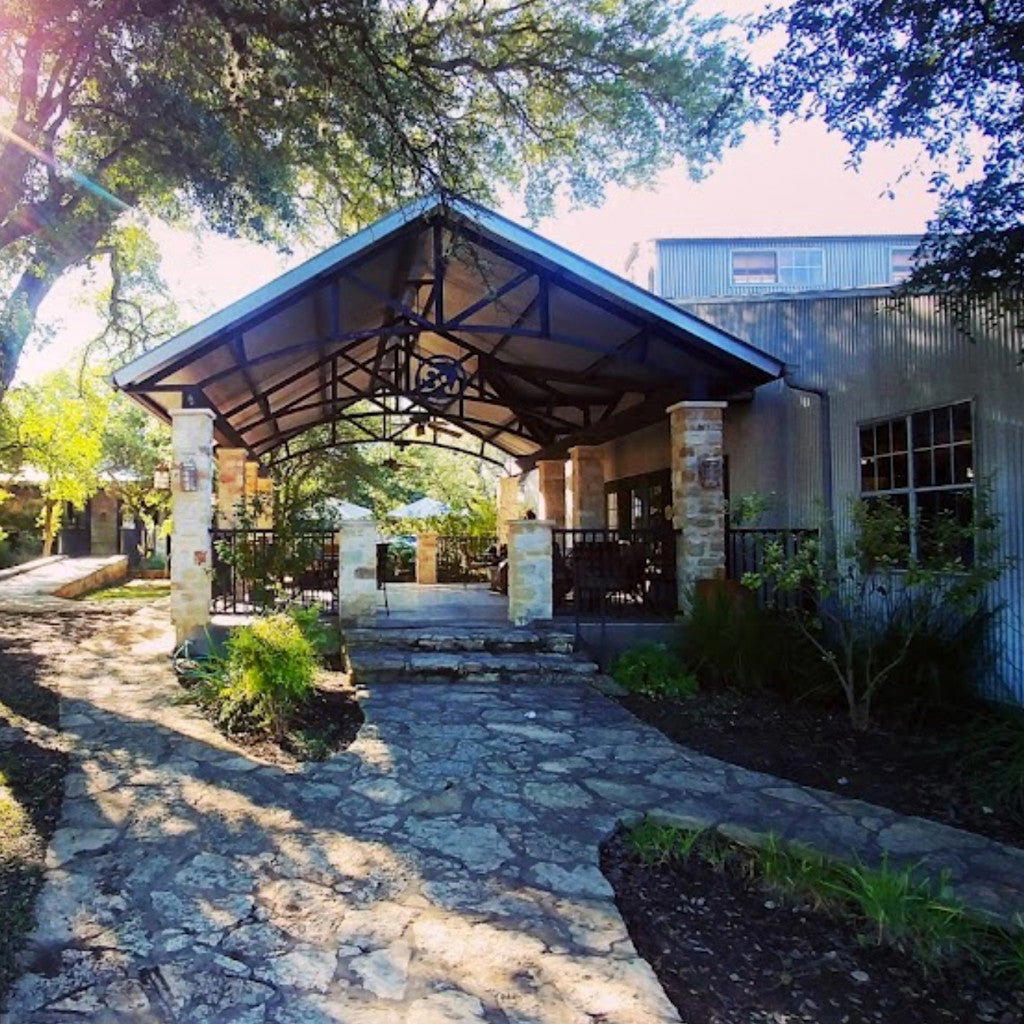
Cool, hipster loft space with large vintage murals, funky table seating, and a friendly neighborhood bar atmosphere; often features live music on Friday and Saturday nights.