Foxcroft

We're Smart World 4 Radishes
Our verdict
Foxcroft, in Constantia's High Constantia Centre, operates as a producer-driven kitchen where local farmers define the menu as much as the chefs do. Seasonal vegetables take genuine precedence here, with dishes like cauliflower steak with pickled apricot and smoked almond velouté sitting alongside tofu with sesame crust and fennel. The result is gourmet cooking that treats accessibility and care as equal priorities.

Pearl is the En Primeur Club membership app, where members save venues, book tables and use the concierge.
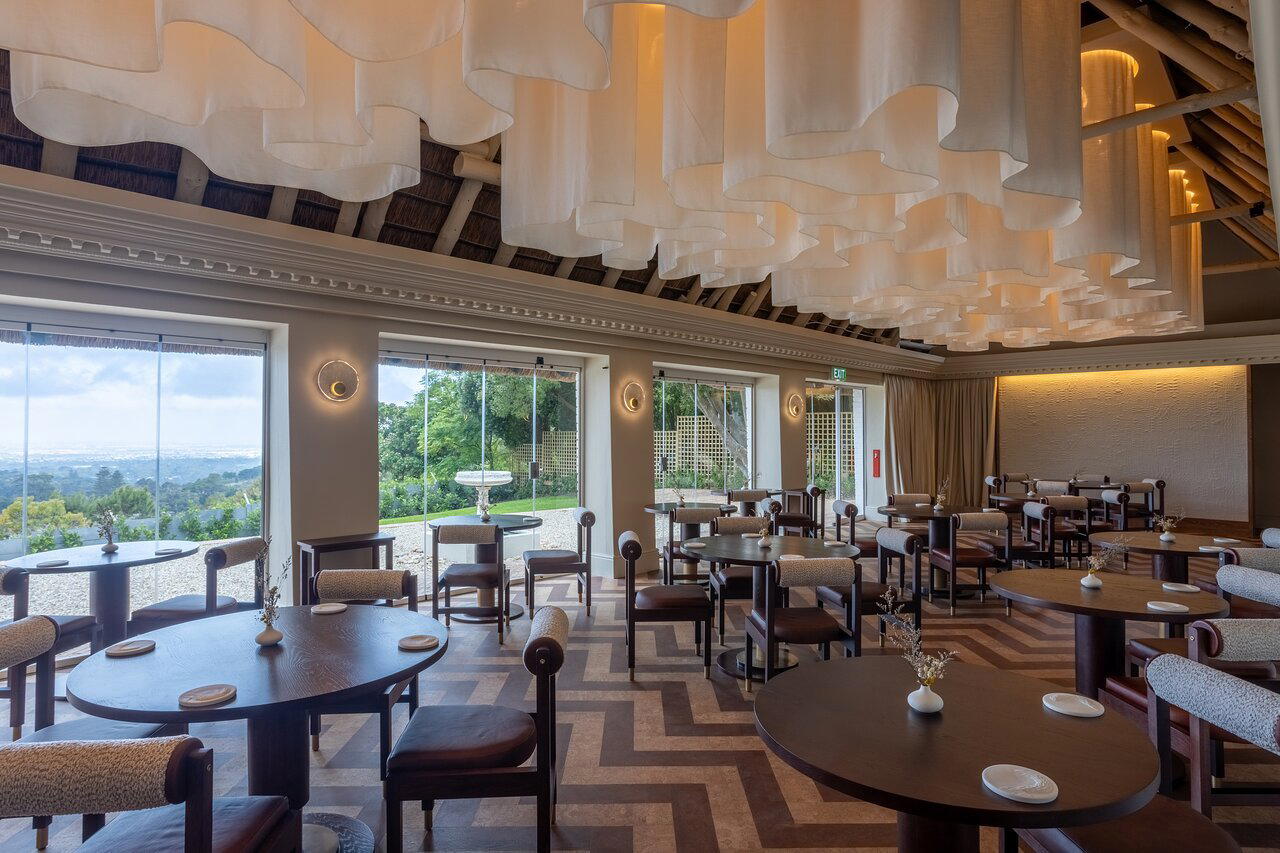
Where the Constantia Valley Lands on the Plate
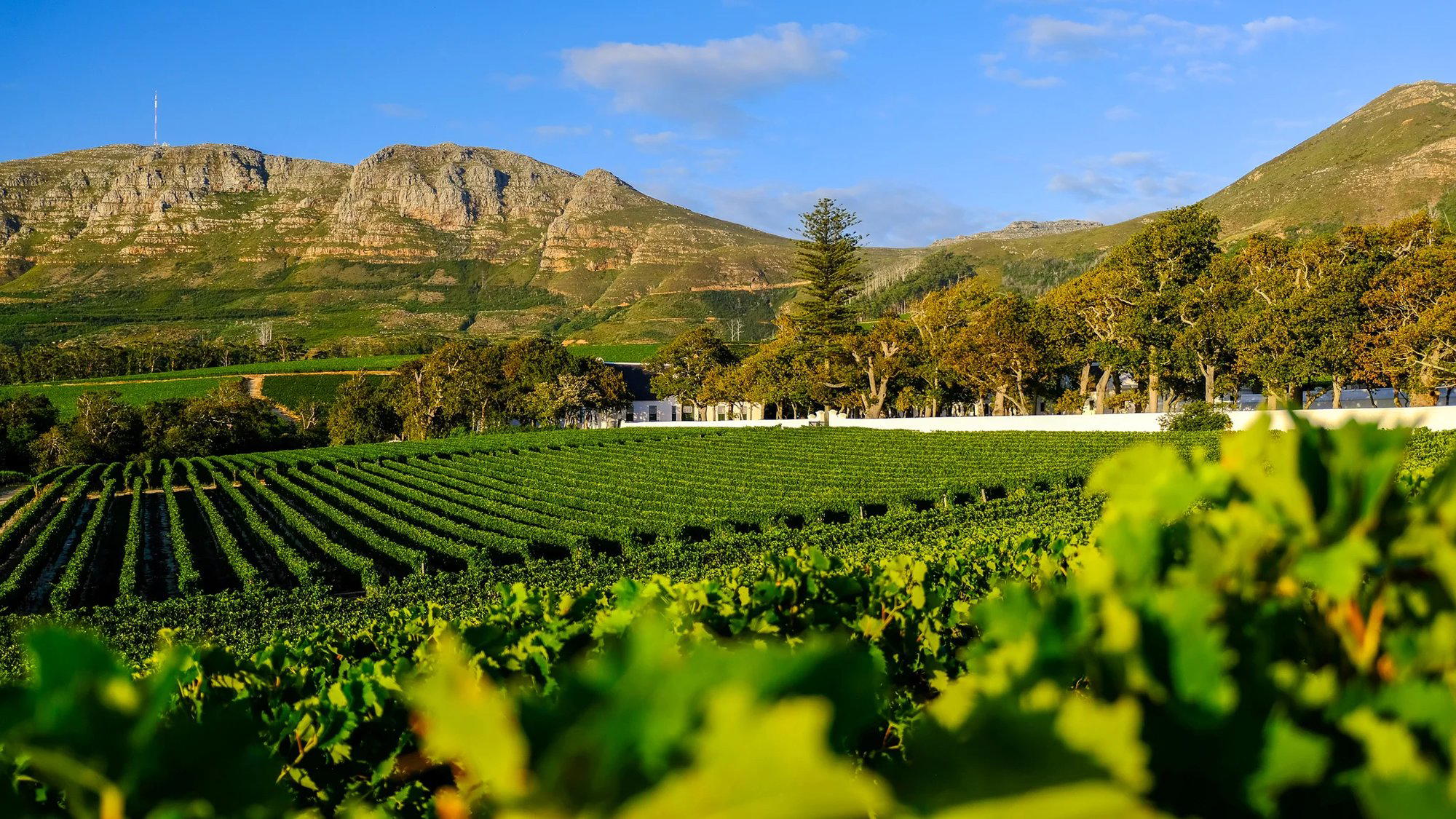
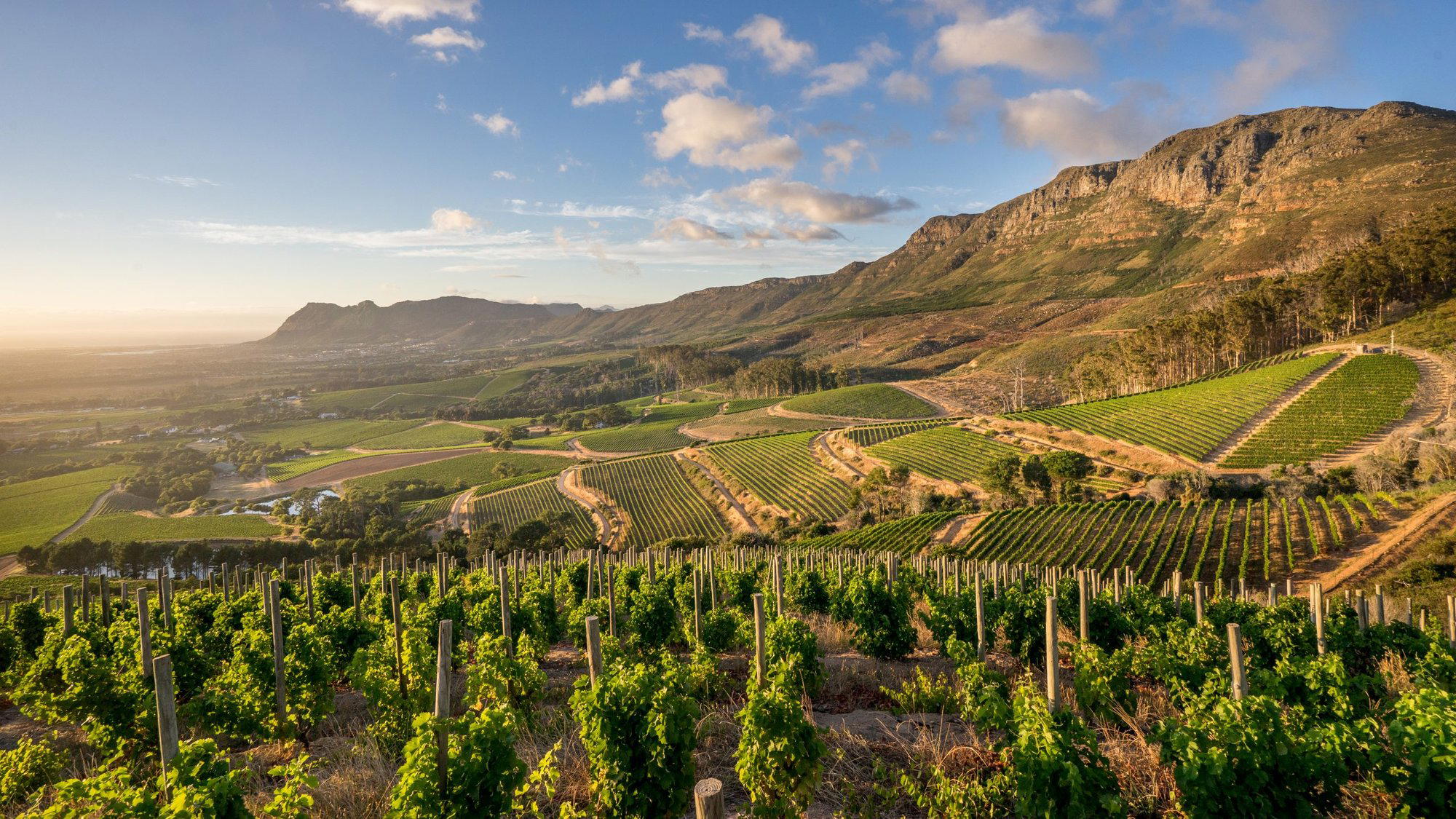
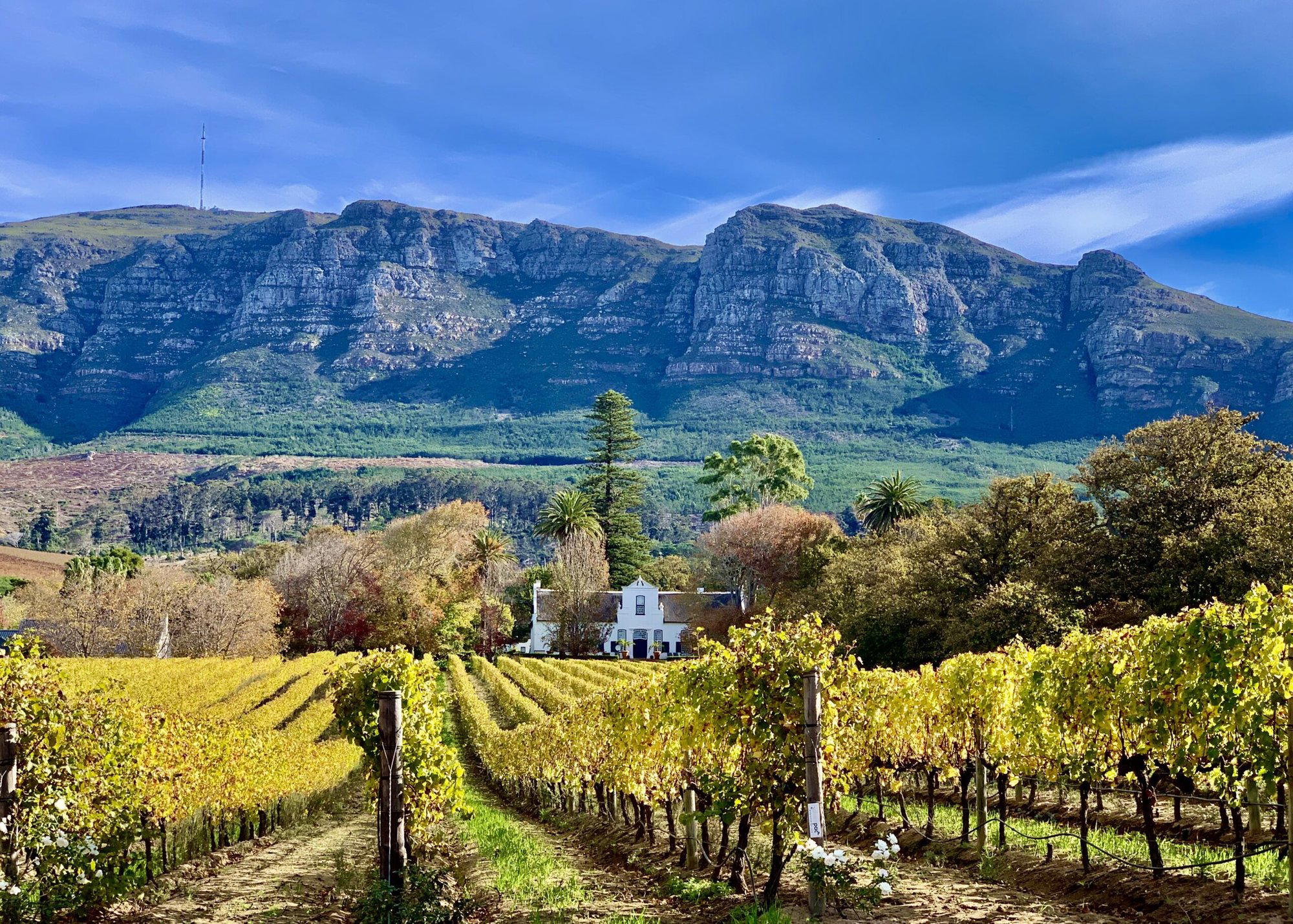
Constantia occupies a specific place in the Cape's dining geography: old-money valley, serious wine estates, and a residential calm that sits in deliberate contrast to the buzz of Cape Town's central restaurant scene. The suburb's food culture has historically skewed toward estate restaurants and occasion dining, with places like La Colombe anchoring the fine-dining end of the spectrum. Foxcroft occupies different ground. Set within the High Constantia Centre on Groot Constantia Road, it operates from a shopping-centre address that signals, from the outset, a deliberate rejection of the estate-restaurant formula. The choice of setting is part of the editorial statement: this is cooking that does not need a vineyard backdrop to justify itself.
The Producer-First Argument
Across South Africa's most interesting restaurants, the sourcing conversation has shifted from a marketing point to an actual structural commitment. At Fyn in Cape Town, local ingredients are routed through a Japanese-fusion framework. At Wolfgat in Paternoster, the West Coast coastline is the menu's entire logic. Foxcroft's version of this commitment puts local farmers at the centre of the credit line rather than the chef. That is not a small distinction. It means the kitchen's identity is deliberately decentralised from any single culinary personality and anchored instead in the seasonal output of the farms supplying it. The menu reads as a record of what those producers are growing and harvesting at any given time, not what a chef wishes to showcase.
This sourcing structure places Foxcroft in a growing cohort of restaurants across the Western Cape that treat the supply chain as a creative partner rather than a logistical necessity. The comparison with Le Quartier Français in Franschhoek is instructive: there, a French culinary tradition provides the interpretive lens through which local produce is read. Foxcroft removes that interpretive frame and lets the ingredient carry more of the weight directly. The result is a seasonal kitchen that changes not according to chef ambition but according to what is ready to be eaten.
Reading the Vegetable Menu
South African restaurant culture has been slow to give the vegetable menu the same structural seriousness it receives in, say, Nordic kitchens or the better mid-market London restaurants. That makes Foxcroft's explicit recommendation of its vegetable menu worth paying attention to. The dishes cited from the menu illustrate a specific technique sensibility: tofu with a sesame crust, cucumber, pine nuts, and fennel is a study in textural contrast, where crunch, fat, and fresh anise notes are held in deliberate tension. Cauliflower steak with pickled apricot, fine beans, and a velouté of smoked almonds demonstrates a kitchen that understands acidity and umami as tools rather than afterthoughts. The pickled apricot does the acidic work that would normally fall to citrus; the smoked almond velouté provides a depth that a cream-based sauce would deliver without the same complexity.
This is not vegetarian cooking as subtraction. It is cooking that treats the vegetable as the primary flavour source and builds outward from there, which is a structurally different approach from a meat-forward menu with vegetarian alternatives appended. Restaurants in the Western Cape that have managed this with comparable conviction include Dusk in Stellenbosch, where the produce-led format has a similar commitment to seasonal rhythm.
Accessibility as an Editorial Commitment
The phrase the kitchen uses internally is "accessible gourmet": gourmet in technique and sourcing rigour, accessible in price point and format. This pairing is harder to execute than it sounds. The Western Cape's fine-dining circuit, from Delaire Graff in Helshoogte Pass to Ellerman House in Bantry Bay, operates at a price tier that indexes against international luxury travel budgets. Foxcroft's positioning as a neighbourhood restaurant with gourmet-kitchen ambitions occupies the gap between that tier and casual dining, a gap that is underserved across most South African cities. The comparison is useful internationally too: the model is closer to what certain bistronomy-era Paris restaurants and mid-tier London neighbourhood spots do, where serious cooking is delivered without the ceremony of white tablecloths and long tasting menus. Venues like Emeril's in New Orleans have historically worked a similar register, making technique visible without making it intimidating.
Constantia as Context
Understanding Foxcroft requires understanding what Constantia's dining scene rewards and what it tends to overlook. The valley's wine estates draw visitors with significant disposable income and leisure time, which has historically supported formal, occasion-driven restaurants over neighbourhood regulars. Foxcroft bets on a different customer: the local resident, the Cape Town visitor who has already done the estate circuit, the diner who wants technique and sourcing rigour without the occasion-dining structure. That is not a niche bet; it is a read of how urban restaurant behaviour is shifting even in suburban settings. For anyone building a broader itinerary across the region, our full Constantia restaurants guide maps the valley's full range, from estate fine dining to casual daytime spots. The Constantia wineries guide and hotels guide are useful companions for anyone spending more than a single meal in the area. For evening drinks before or after, the Constantia bars guide covers the options, and the experiences guide extends the itinerary further into what the valley offers beyond the table.
Further afield across South Africa, the producer-driven ethos Foxcroft practises connects to a broader national conversation about food provenance that surfaces in very different formats, from Klein Jan in the Kalahari to Gigi in Johannesburg. Safari lodge dining at Jabulani Safari in Hoedspruit and Esiweni Luxury Safari Lodge operates in a completely different register, but the shared thread is the use of South African ingredients as the primary frame of reference rather than a European culinary tradition imported wholesale. Foxcroft sits on the accessible end of that spectrum, which arguably makes its version of the argument more broadly testable and more regularly revisited than the occasion-dining alternatives.
Planning Your Visit
Foxcroft is located at Shop 8/9 in the High Constantia Centre on Groot Constantia Road, Constantia 7806. The shopping-centre setting means parking is direct and the restaurant is easy to find without the navigation that estate properties sometimes require. The vegetable menu warrants dedicated attention when booking; it is the clearest expression of the kitchen's sourcing logic and changes with what is seasonally available. Given the neighbourhood-restaurant format, walk-ins are possible during off-peak periods, though the kitchen's reputation in the Constantia community means weekend services fill reliably. For group visits or specific dietary requirements, contact ahead of time to confirm availability and discuss menu options.
Frequently asked questions
How do I find Foxcroft?
Foxcroft is located at Groot Constantia Road, Shop 8/9, High Constantia Centre, 7806 Constantia, South Africa, Constantia.
What's Foxcroft known for in terms of accolades?
Foxcroft has received recognition including: Foxcroft focuses on an accessible gourmet kitchen, within reach of everyone, with simple dishes. The restaurant wants to discover flavours and make producers known. Local farmers are therefore the heroes. The result is a seasonal kitchen th….
What should I order at Foxcroft?
Start with the vegetable menu. The cauliflower steak with pickled apricot, fine beans, and smoked almond velouté is the clearest expression of how the kitchen thinks: technique in service of produce, not the other way around. The tofu with sesame crust, cucumber, pine nuts, and fennel makes the same argument from a different angle.
Do they take walk-ins at Foxcroft?
The accessible neighbourhood-restaurant format at High Constantia Centre on Groot Constantia Road makes walk-ins more viable here than at a tasting-menu-only venue. That said, confirming availability in advance is advisable, particularly on weekends when the Constantia Valley draws visitors to the wine estates nearby.
What's the standout thing about Foxcroft?
The kitchen's structural decision to make local farmers the lead rather than the chefs separates it from most Western Cape restaurants, where sourcing is often cited in passing rather than built into the menu's architecture. The seasonal vegetable menu is the most visible result of that commitment, with dishes like the cauliflower steak and pickled apricot combination demonstrating what that philosophy looks like on the plate.
Can Foxcroft accommodate dietary restrictions?
The vegetable menu at Foxcroft carries genuine depth, with multiple fully constructed dishes rather than token plant-based additions. Dishes such as the tofu with sesame crust and the cauliflower steak with smoked almond velouté indicate a kitchen with real facility in non-meat cooking, which is a reasonable indicator of broader dietary flexibility. Confirming specific requirements directly with the restaurant before visiting is advisable.
How does Foxcroft differ from the wine estate restaurants in Constantia?
The estate-restaurant circuit in Constantia typically frames dining as an extension of a cellar visit, with menus that lean toward classic formats and wine-pairing formality. Foxcroft operates on a different premise: the kitchen at High Constantia Centre on Groot Constantia Road is built around local producers and seasonal vegetables rather than the wine-and-occasion format, positioning it as a neighbourhood kitchen with sourcing rigour rather than an estate dining room.
Fast Comparison
Comparable venues nearby, for context on price, style, and recognition.
| Venue | Cuisine | Price | Awards | Notes |
|---|---|---|---|---|
| FoxcroftThis venue (the venue you are viewing) | Contemporary Fine Dining | $100–150 | We're Smart World 4 Radishes | Not listed |
| OneEighty | Refined Seasonal South African | Not listed | Relais Chateaux Award | Bantry Bay |
| Jordan Restaurant with Marthinus Ferreira | Contemporary Farm-Style Fine Dining | Not listed | Not listed | Stellenbosch |
| 96 Winery Road Restaurant | South African Winelands Fine Dining | $30–50 | Star Wine List | Raithby |
| Chefs Warehouse at Tintswalo Atlantic | Contemporary Seafood Tapas | $50–100 | La Liste Top Restaurants · We're Smart World 3 Radishes | Hout Bay |
| The Pot Luck Club | Modern Global Fusion Small Plates | $30–50 | La Liste Top Restaurants · Star Wine List | Mowbray |
Recognition history
Dated appearances from independent guides and award organizations, with the underlying list record or original source where available.
We're Smart World 4 Radishes
We're Smart World
Continue exploring
More in Constantia
Restaurants in Constantia
All restaurants in Constantia →
Bars in Constantia
Browse all →
Details
- Sophisticated
- Elegant
- Intimate
- Modern
- Date Night
- Special Occasion
- Open Kitchen
- Panoramic View
- Extensive Wine List
- Local Sourcing
- Vineyard
- Mountain
- Tasting Menu
- Small Plates
- Wine
- Vegetarian Friendly
- Vegan Options
- Gluten Free Options
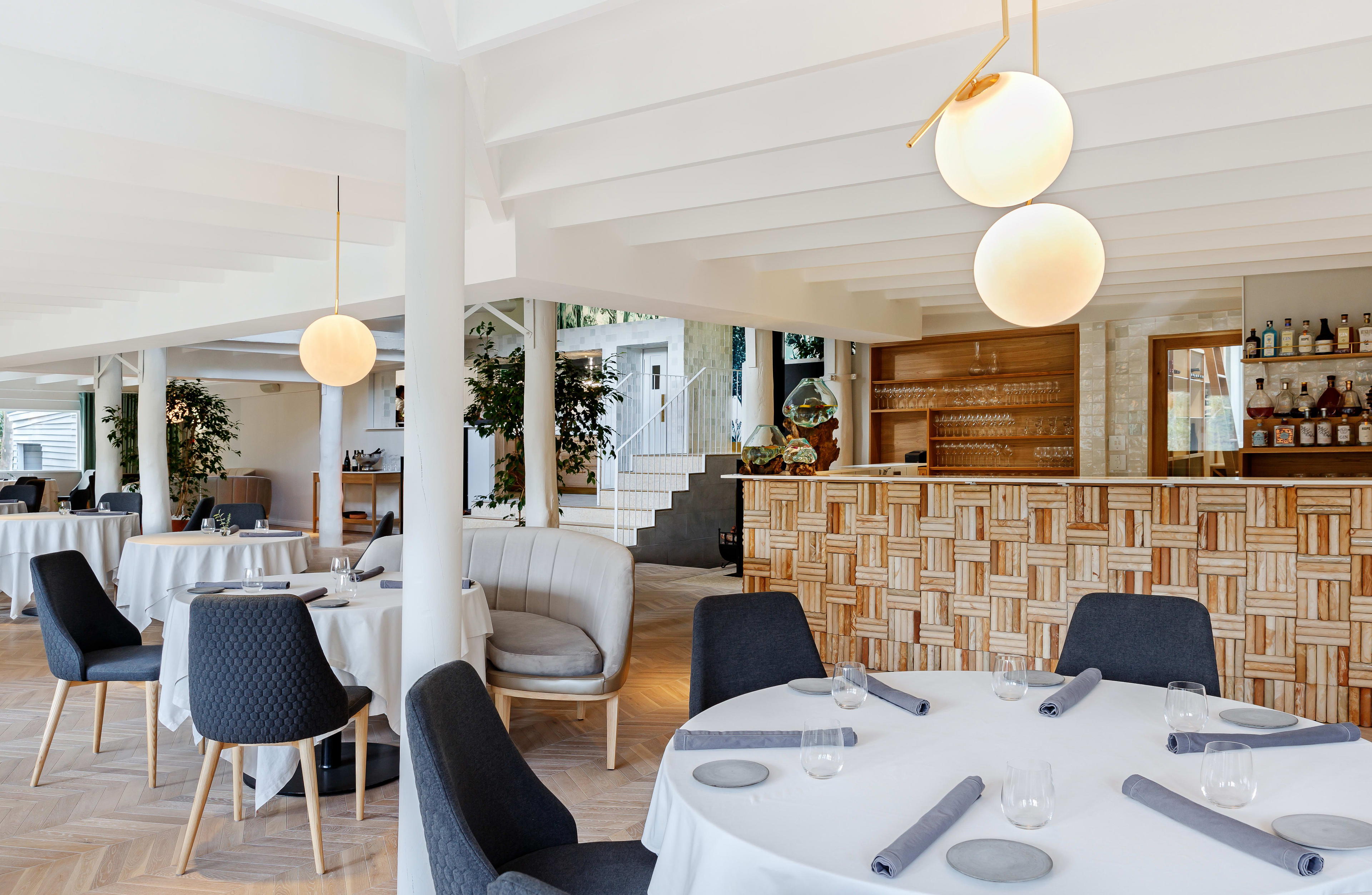
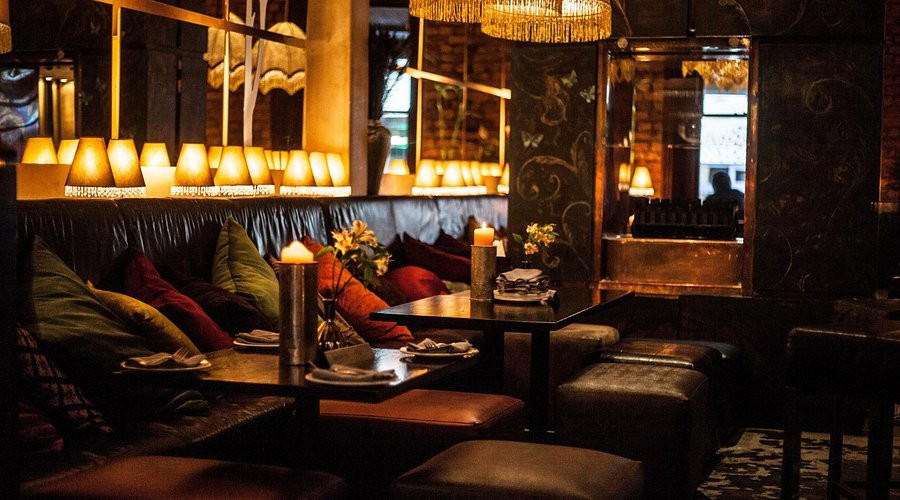
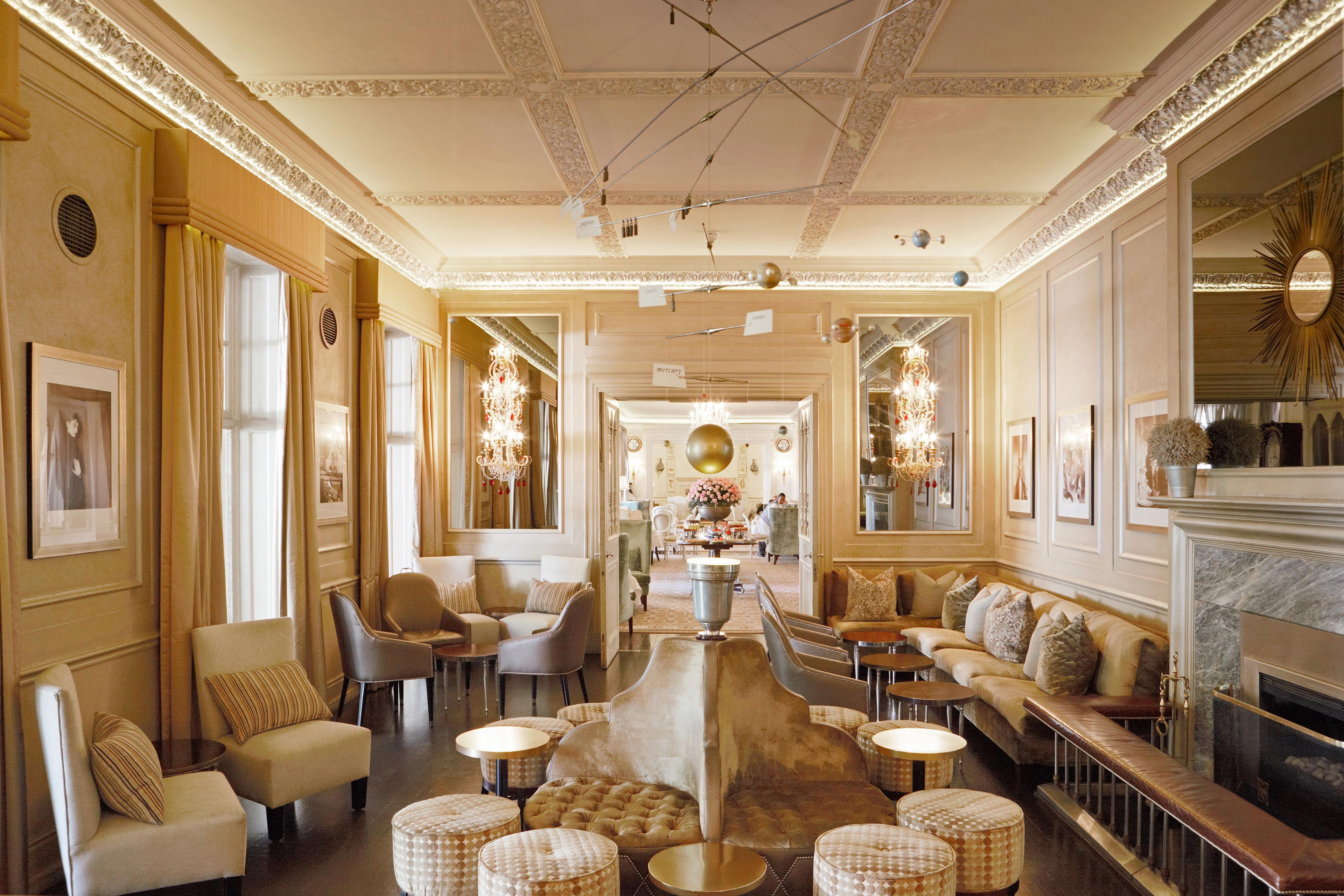
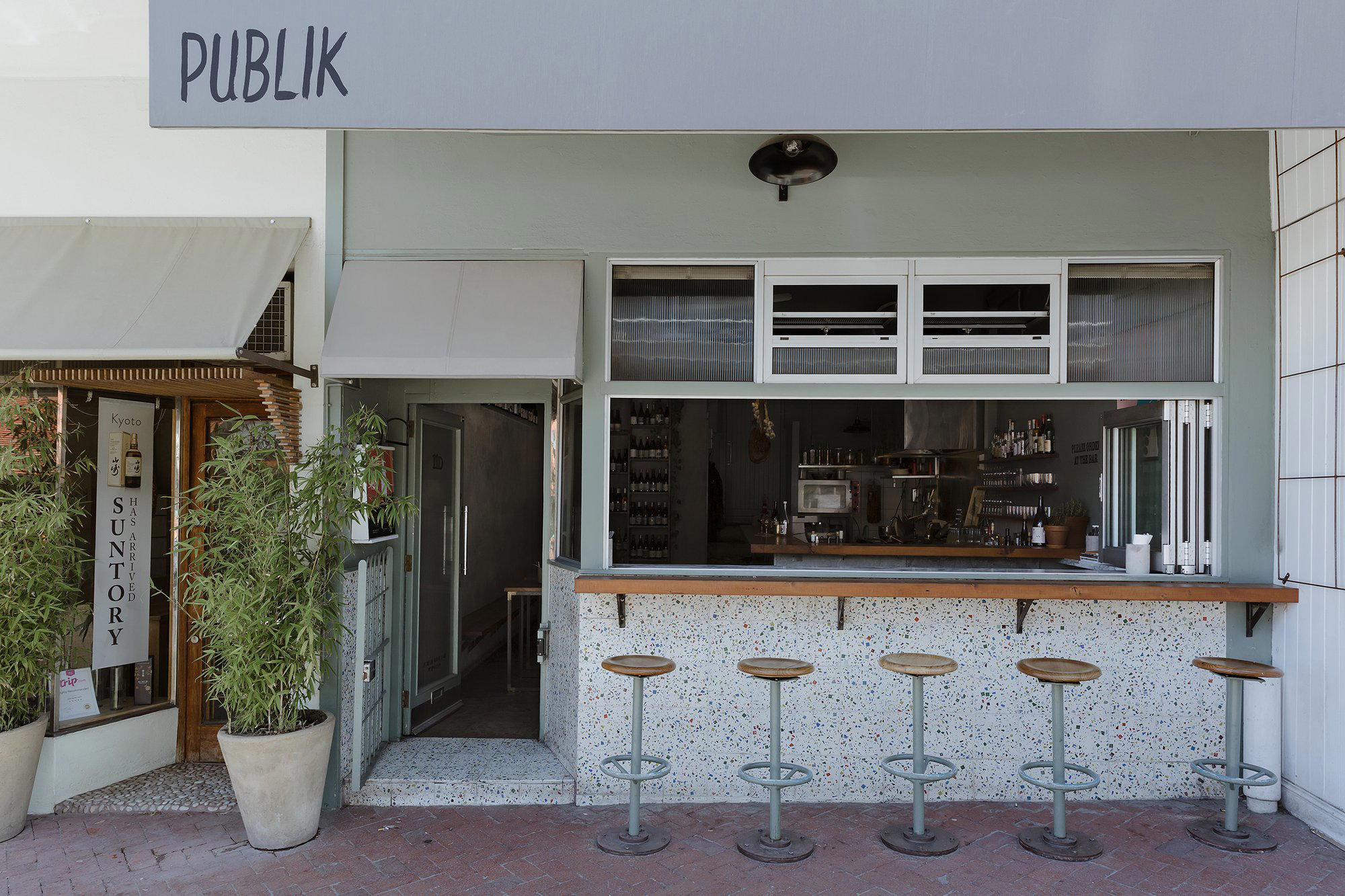
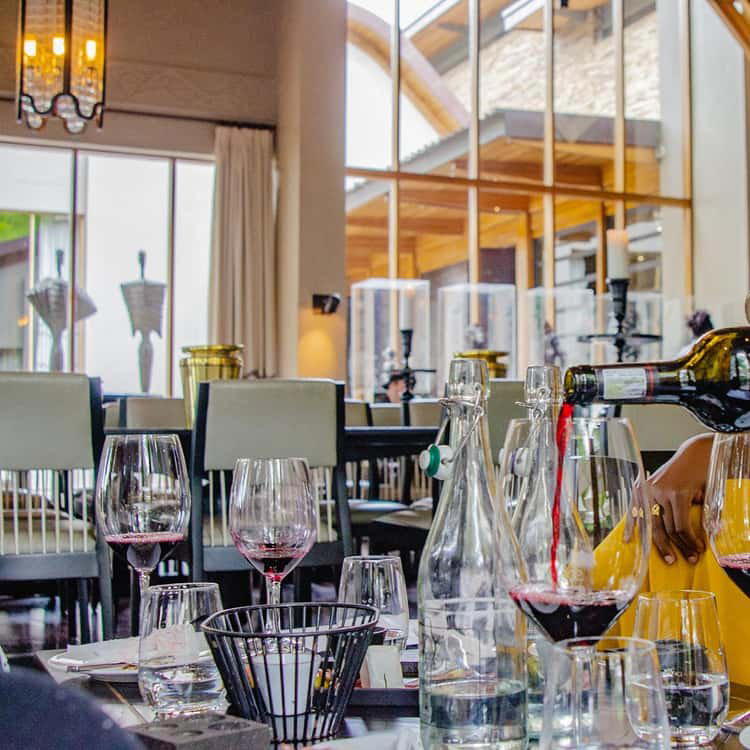
Warm and inviting with soft lighting, muted tones, raw wood elements, and an open kitchen creating an intimate yet sophisticated atmosphere.