forchetta
Forchetta occupies a prime address on North College Street in Charlotte's Uptown core, bringing Italian-inflected cooking to a dining district that has grown considerably more ambitious in recent years. The restaurant sits within a city increasingly interested in sourcing discipline and ethical food production, positioning it alongside Charlotte's more considered mid-to-upper-tier options.
Pearl is the En Primeur Club membership app — saves, bookings, and concierge access live there. Same editors, same standards.
- Address
- 230 N College St, Charlotte, NC 28202
- Phone
- +17046022750
- Website
- forchettacharlotte.com
- Directions
- Get directions
 Saves & bookings on Pearl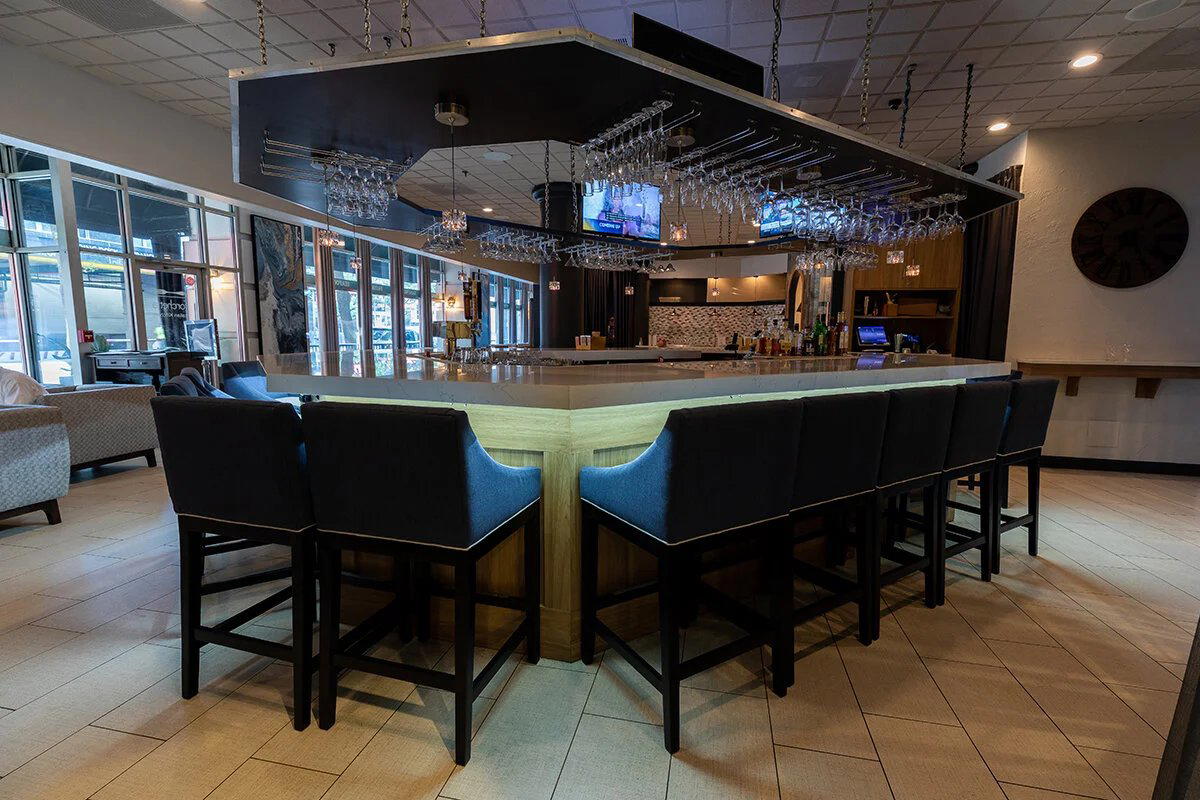
Uptown Charlotte's Italian Inflection
Charlotte's Uptown dining corridor has undergone a quiet but measurable shift over the past decade. The neighborhood once defined by steakhouses and chain-adjacent concepts now holds a more layered roster: Southern American cooking at Gallery Restaurant, counter-format New American at 204 North Kitchen & Cocktails, and Italian-American mid-range options like Angeline's filling in the brackets. Into this environment, Forchetta at 230 N College St arrives as part of a broader Italian wave that has found real purchase in secondary American cities, where the format travels well and the price-to-pleasure ratio sustains repeat custom.
Italian cooking in the American South carries specific context. It sits between the rustic trattorias of Italian-American tradition and the more restrained, sourcing-led European model that places like Atelier Moessmer Norbert Niederkofler in Brunico have come to represent globally. Interesting restaurants in this space are those that borrow from both, the warmth and abundance of the former, the discipline and ethics of the latter. Charlotte's dining public has shown appetite for that middle ground, and Forchetta's address in the Uptown core puts it in direct conversation with that expectation.
The Sustainability Frame in Charlotte's Restaurant Scene
Across American dining, the restaurants that have aged leading over the last decade are those that built environmental consciousness into their operating structure rather than treating it as a marketing addendum. Blue Hill at Stone Barns in Tarrytown made waste reduction and farm integration the organizing principle of its entire format. Single Thread Farm in Healdsburg ties its menu to a working farm with direct traceability. Smyth in Chicago built procurement relationships that function as the editorial spine of the menu. These are not outliers, they represent a direction the serious end of American dining has been moving for years.
Charlotte has been slower to absorb this than coastal markets, but the gap is closing. The city's restaurant community has been building relationships with the Piedmont region's agricultural producers, and the Italian kitchen format is particularly well suited to that kind of sourcing discipline. Italian cooking at its core is a cuisine of place and season, dried pasta from high-quality semolina, sauces built from a short roster of ingredients rather than a long one, proteins treated with restraint. That structural logic aligns naturally with waste-reduction principles in a way that, say, a high-volume steakhouse format does not.
Where Charlotte restaurants have historically leaned into Southern provenance as their sourcing story, a well-run Italian kitchen can tell a different but equally coherent version of that story: local produce in season, whole-animal butchery where protein is involved, house-made components that reduce reliance on packaged inputs. The restaurants doing this most credibly in other American cities, Lazy Bear in San Francisco, Addison in San Diego, treat sourcing transparency as table stakes rather than a differentiating claim. That standard is migrating inland.
Where Forchetta Sits in the Charlotte comparable set
Charlotte's Italian-inflected options in the Uptown and adjacent zones span a meaningful price and ambition range. At the more casual end, the format is familiar: pizza, pasta, red sauce, accessible wine list. At the more considered end, the Italian-American model begins to overlap with the kind of sourcing and technique discipline associated with the broader farm-to-table movement. Forchetta at the 230 N College St address occupies a neighborhood where the surrounding dining options include 1897 Market, Aura Rooftop, and Afternoon Tea at Ballantyne, a comparable set that skews toward the mid-to-upper tier and toward guests with some expectation of occasion dining.
That positioning matters because it sets the competitive frame. This is not a neighborhood where a purely casual trattoria format is the natural fit. The Charlotte diner arriving at this part of North College Street has context, they have likely eaten at other Uptown options, they may have eaten Italian in more competitive markets, and they arrive with an implicit comparison set. The restaurants that perform well in this environment are those that offer something with a legible point of view: a sourcing story, a regional Italian focus, a distinctive wine program, or a format that earns its occasion-dining price point through discipline and specificity.
Italian Cooking and Ethical Sourcing: The Broader Argument
The sustainability argument for Italian cooking is not sentimental, it is structural. The cuisine's grammar resists waste: stocks from bones and rinds, pasta from flour and egg with minimal byproduct, vegetable preparations that use the whole plant. The restaurants making this argument most convincingly in American fine dining, Providence in Los Angeles with its seafood sourcing, Le Bernardin in New York City with its procurement discipline, do so through operational rigor, not through messaging. The claim is made on the plate and in the supply chain, not on a chalkboard.
Charlotte's food-production region, the Carolinas Piedmont, gives any kitchen operating here a genuine sourcing opportunity. The region produces livestock, seasonal produce, heritage grains, and artisan dairy at a scale that can supply serious restaurant programs. The Italian kitchen, with its emphasis on a short roster of high-quality ingredients rather than a complex larder of global inputs, is one of the formats well suited to working with what the regional agricultural community actually produces. That alignment is not automatic, it requires procurement relationships and kitchen discipline, but the structural fit is real.
Restaurants at the more ambitious end of American Italian cooking, from Emeril's in New Orleans to The Inn at Little Washington in Washington and The French Laundry in Napa with its garden integration, have demonstrated that the sourcing story can function as a genuine competitive differentiator rather than a soft marketing claim. The question for any Italian-inflected kitchen in a market like Charlotte is whether it builds that argument operationally or leaves it implicit. The restaurants that do the former attract a different kind of loyalty, and a different kind of press.
Planning Your Visit
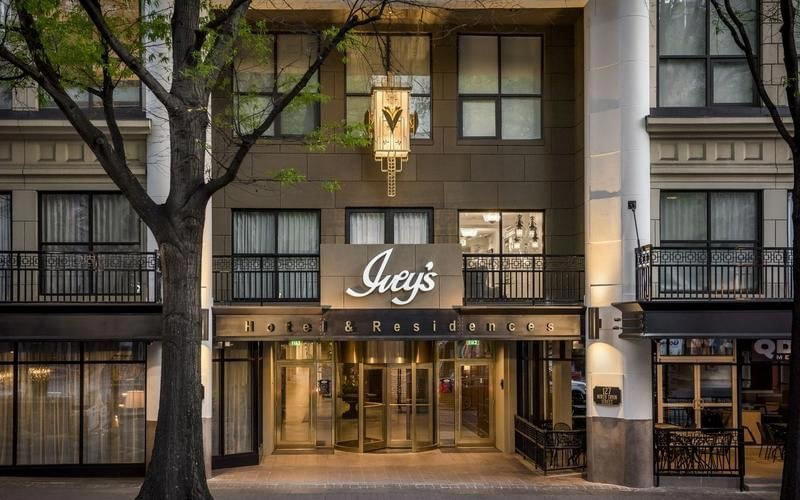
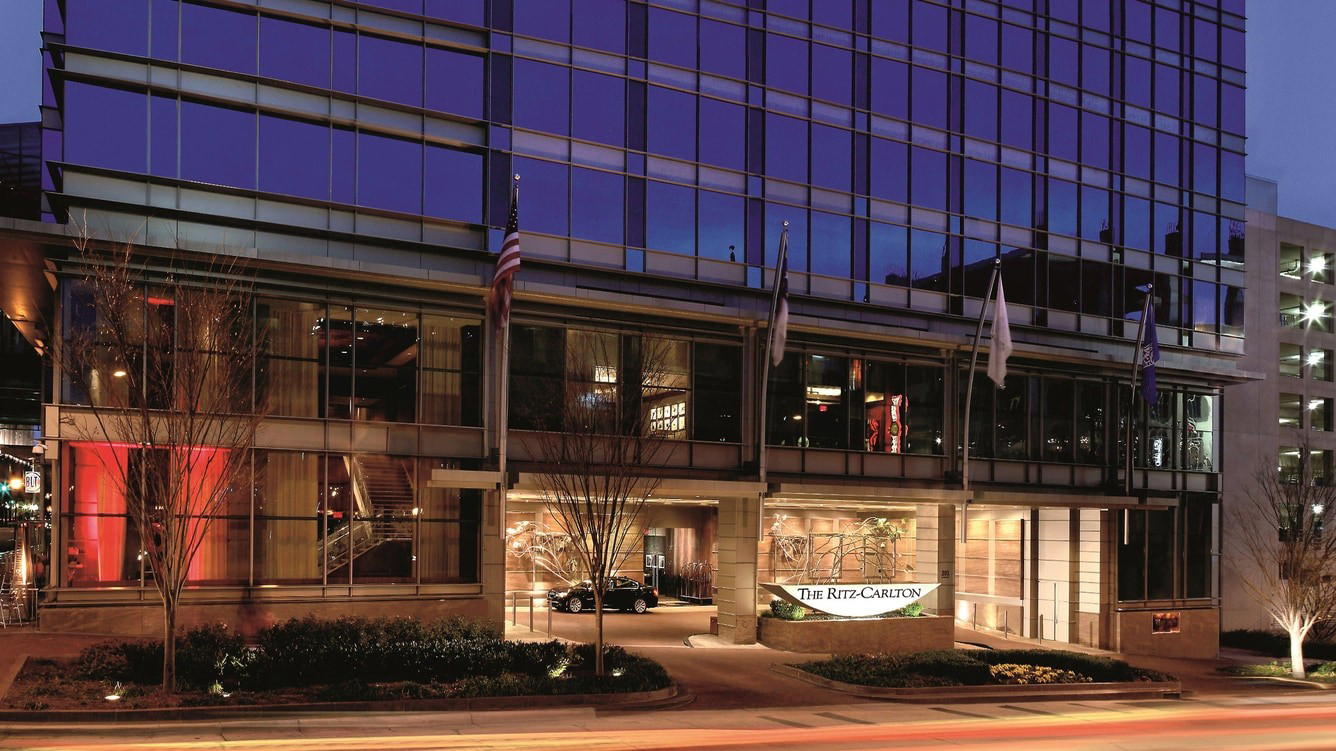
Forchetta is located at 230 N College St in Charlotte's Uptown district, within walking distance of the core hotel and office cluster that defines the neighborhood's daytime and evening population.
Cuisine Context
Comparable venues nearby, for context on price, style, and recognition.
| Venue | Cuisine | Price | Notes |
|---|---|---|---|
| forchettaThis venue — the venue you are viewing | Modern Neapolitan Italian | $$$ | Not listed |
| Stagioni | Seasonal Italian | $$$ | Crescent Heights |
| Angeline's | Italian-Inspired Modern American | $$$ | Uptown |
| 204 North Kitchen & Cocktails | New American | $$$ | Uptown |
| Marquee Charlotte | Tapas / Small Plates & American | $$$ | Enderly |
| Toscana | Classic Northern Italian | $$$ | Barclay Downs |
Continue exploring
More in Charlotte
Restaurants in Charlotte
Browse all →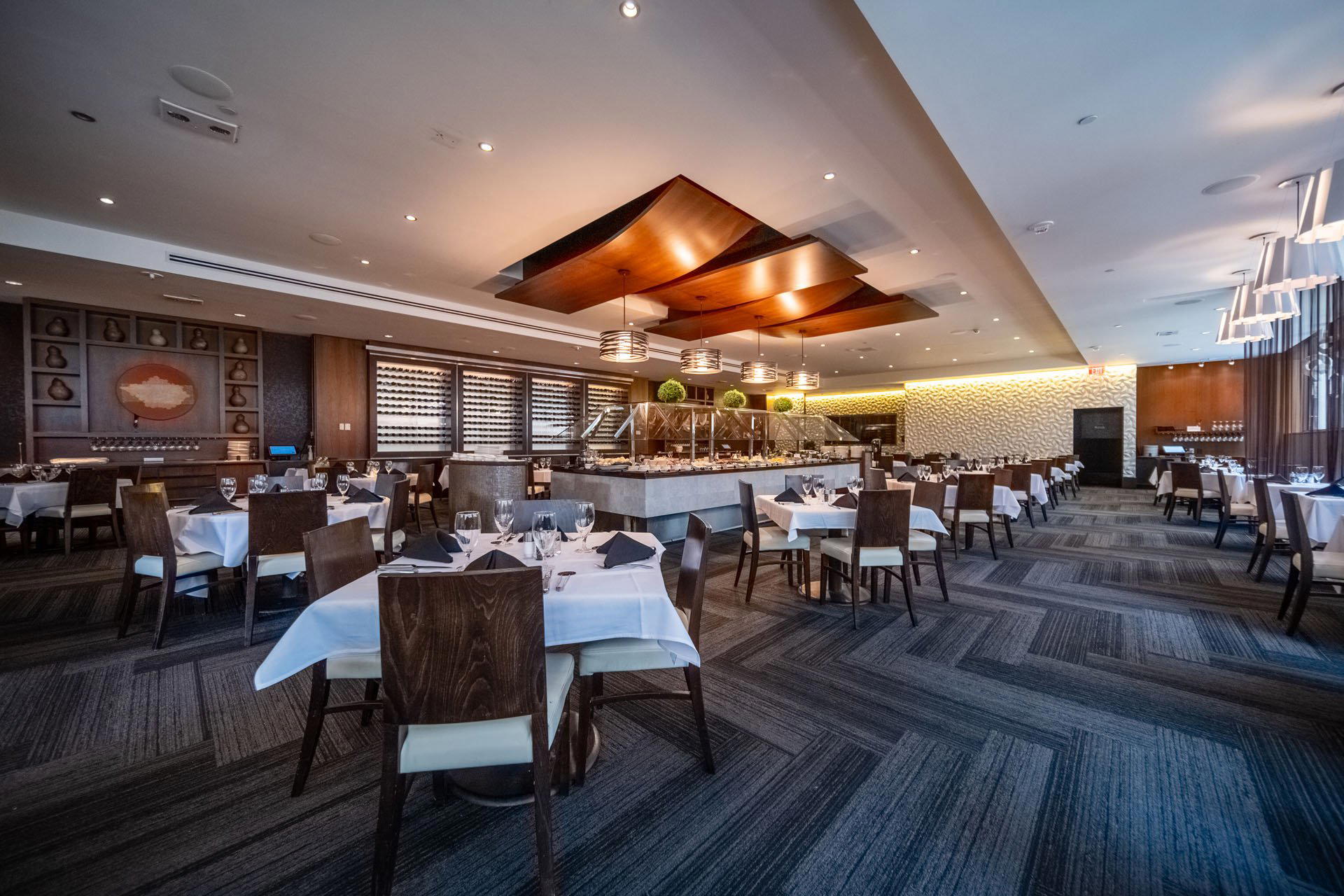
Bars in Charlotte
Browse all →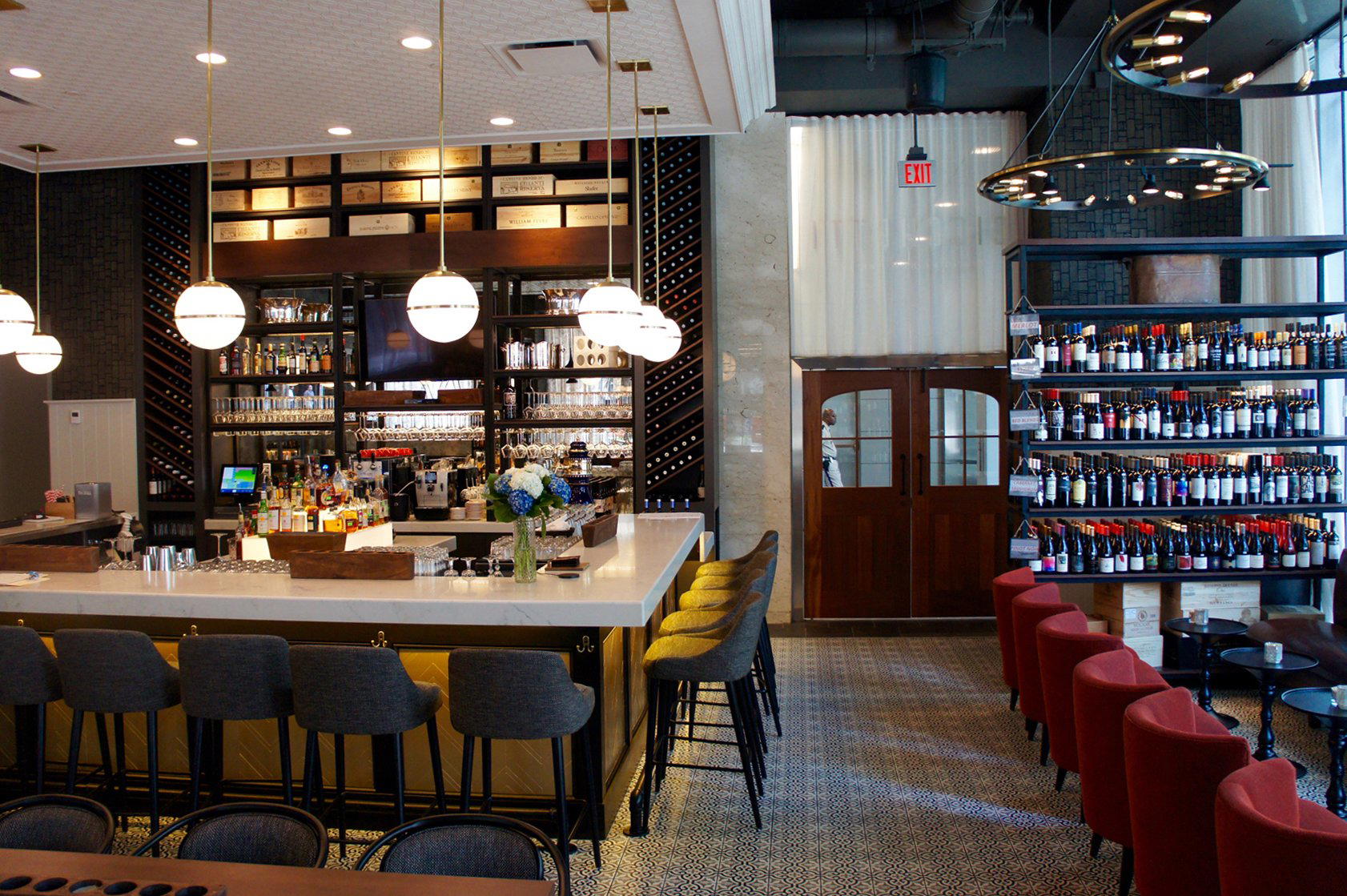

At a Glance
- Romantic
- Elegant
- Sophisticated
- Cozy
- Date Night
- Business Dinner
- Group Dining
- Special Occasion
- Private Event
- Private Dining
- Hotel Restaurant
- Open Kitchen
- Extensive Wine List
- Craft Cocktails
- Sommelier Led
Current opening hours
- Monday
- 6:30–10:30 AM, 5–11 PM
- Tuesday
- 6:30–10:30 AM, 5–11 PM
- Wednesday
- 6:30–10:30 AM, 5–11 PM
- Thursday
- 6:30–10:30 AM, 5–11 PM
- Friday
- 6:30–10:30 AM, 5 PM–2 AM
- Saturday
- 7–11 AM, 5 PM–2 AM
- Sunday
- 7–11 AM, 5–10 PM
Hours can change for holidays and private events. Last verified .
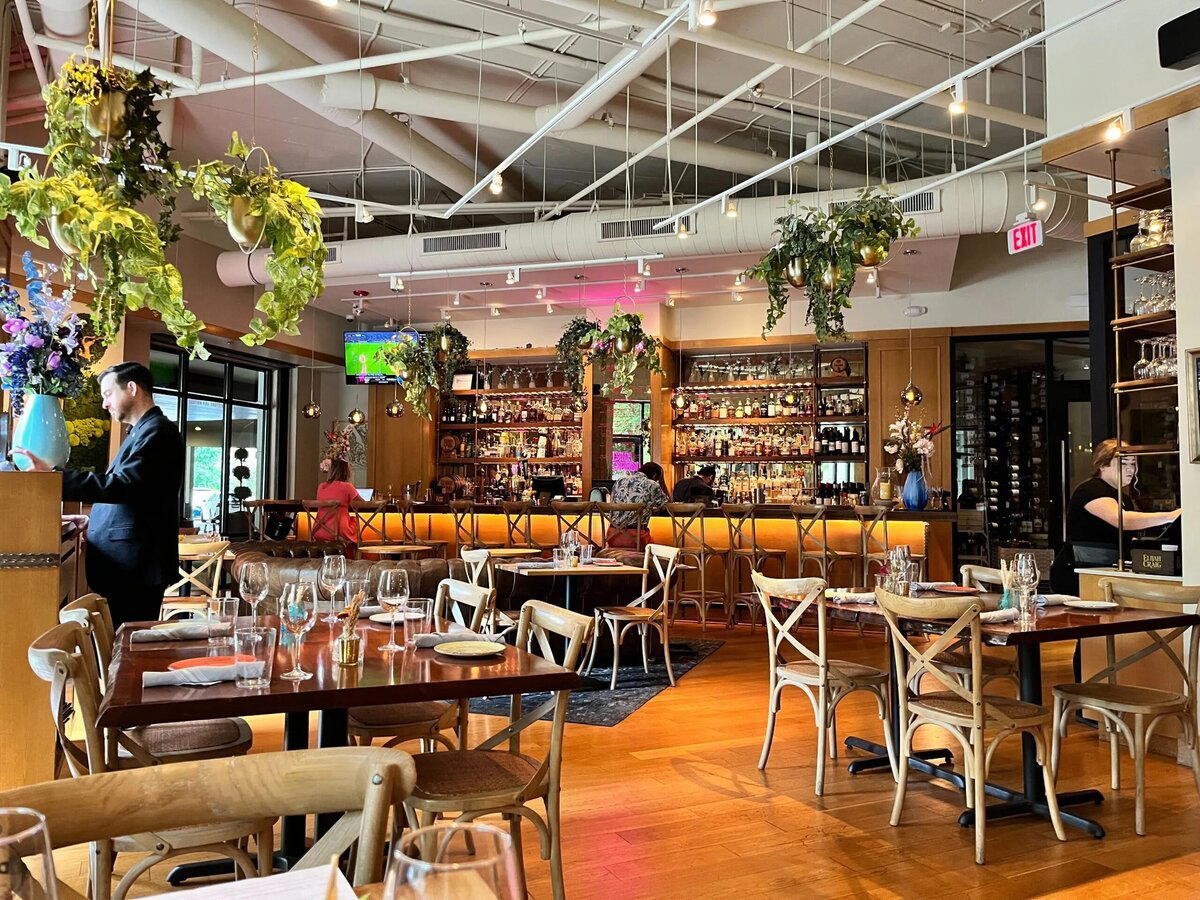
Sophisticated and modern atmosphere with a luxurious wine display, intimate dining spaces, and a cozy, quiet environment ideal for date nights.