

Michelin Bib Gourmand · We're Smart World 3 Radishes
Our verdict
Chef Txisku Nuévalos builds daily menus around seasonal vegetables and small-scale producers, with surprise tasting formats that shift with market availability.

Pearl is the En Primeur Club membership app, where members save venues, book tables and use the concierge.
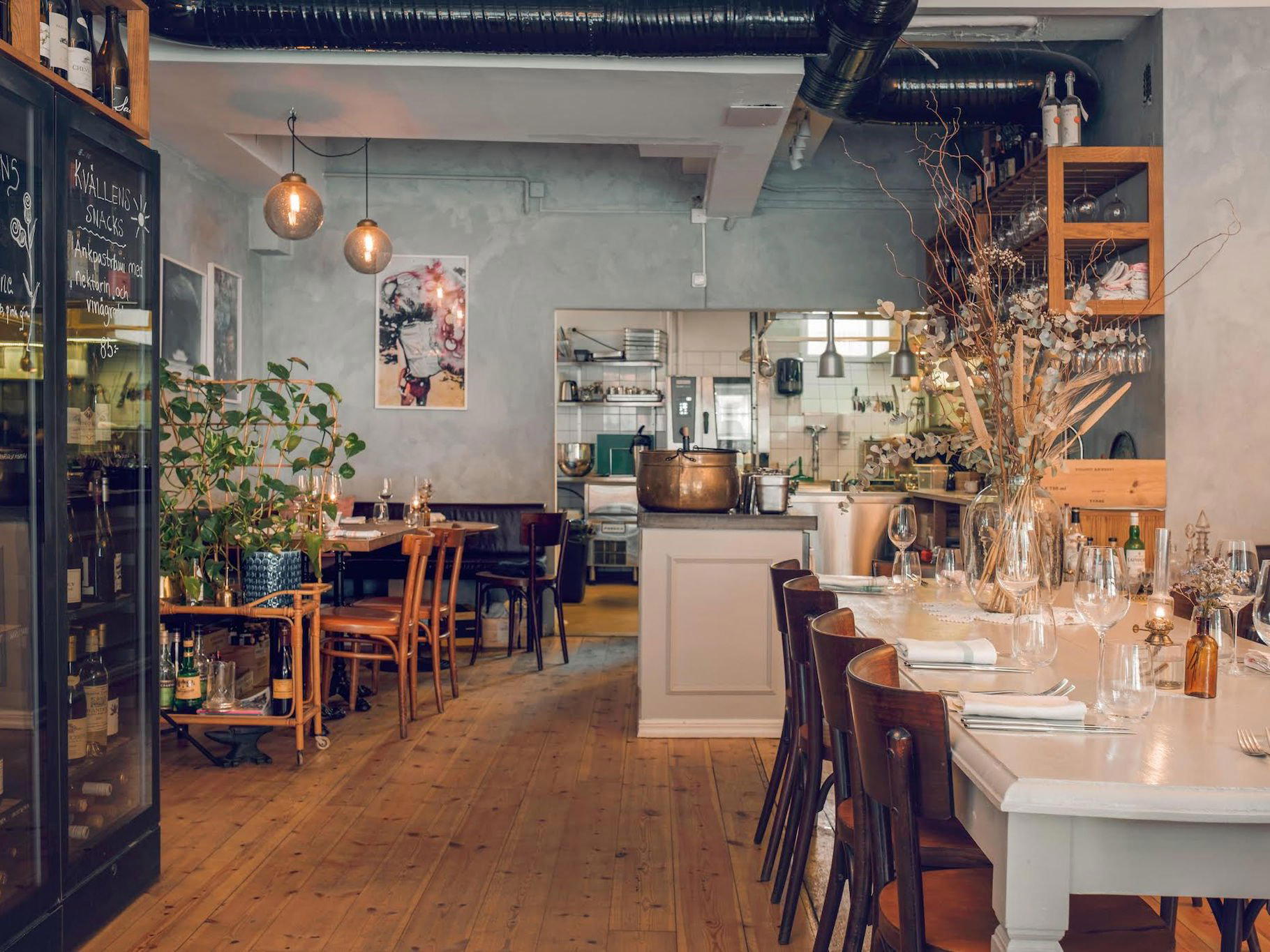
That restraint in the room mirrors what has made this address a reference point within the city's farm-to-table tier. València's contemporary dining scene splits across several price bands: the flagship houses like Ricard Camarena and El Poblet operate at the top of the register, where tasting menus run to three and four course-equivalent price points. Below that sits a mid-tier with venues like Fierro and Fraula doing technically ambitious work at accessible prices. Forastera prices in that same €€ territory, but with a specific emphasis on vegetable-centred cooking that places it in a distinct niche within the tier.
The Logic of Surprise Menus Built Around Availability
The format here is a surprise menu, not one fixed in advance, but rebuilt around what the kitchen's small-scale producers are delivering. There are currently two options: the Degustación and the Forastera menus, both shifting in line with what the market offers rather than what a static kitchen programme requires. What distinguishes the format at Forastera is the discipline applied to it: dishes work with a limited number of ingredients, each designed to isolate rather than accumulate flavour. A kitchen that places vegetables as the primary subject, not the supporting element, is working against that default, and doing it within a price range where the value argument has to be made every service. That the Michelin Guide awarded a Bib Gourmand in 2025 signals that the kitchen is winning that argument: the recognition specifically designates good cooking at prices accessible to a broad audience, rather than the starred tier where the price-to-product equation is less visible.
The wider farm-to-table category across Europe spans from the highly technical to the frankly modest, as comparison venues like BOK Restaurant in Münster and Clostermanns Le Gourmet in Niederkassel demonstrate. Forastera sits closer to the technical end of that spectrum, with a stated focus on creativity and purity rather than rusticity.
Who Is Behind the Room
The restaurant is run by Txisku Nuévalos and his wife Laura, a couple whose origin story became the restaurant's name. Nuévalos, born in Utiel, the inland wine-producing town whose Bobal grape has drawn increasing attention from the natural wine world, returned to his native region to open a restaurant. Laura, originally from Bilbao, arrived as the outsider, the forastera. The name reads as a private joke made public, and it sets a tone for a room that is warm without being performative about it.
The restaurant's cooking focuses on restraint, with a menu that changes too frequently for a traditional signature dish to take hold.
Where It Sits in the City's Scene
València's restaurant scene in 2025 is not short of ambition in the mid-to-upper price bands.enprimeurclub.com/restaurants/quique-dacosta-dnia-restaurant">Quique Dacosta in Dénia operates at the three-Michelin-star level, and the city itself hosts the flagship operations of Ricard Camarena. But the category where day-to-day discovery happens is the €€ to €€€ band, where restaurants like El Bressol and others are building specific identities around product and format rather than spectacle.
Within that band, the vegetable-forward approach is still a relative minority position. The dominant mode remains protein-anchored, with produce celebrated for what it contributes to a dish rather than as its subject. Forastera's insistence on reversing that hierarchy, combined with its market-led flexibility and accessible price point, gives it a specific role in the city's dining ecology that larger, more fixed operations don't occupy.enprimeurclub.com/restaurants/arzak-san-sebastin-restaurant">Arzak in San Sebastián, El Celler de Can Roca in Girona, DiverXO in Madrid, Aponiente in El Puerto de Santa María, Azurmendi in Larrabetzu, is significant in price and formality. What a Bib Gourmand designation does is identify kitchens operating with the same ingredient seriousness at a fraction of the cost. The surprise menu format means the kitchen doesn't negotiate a la carte requests against market availability, so arrive expecting to eat what the day produces. That's the premise, and it's part of why the kitchen can hold its price point. For broader context on where to eat, drink, and stay around this address, see the cuisine approach is vegetable-centred and producer-focused, with the Michelin Bib Gourmand (2025) providing the external validation that the kitchen's ambitions are being met consistently. If you're choosing between formats, the Forastera menu is named for the restaurant itself, which suggests it functions as the fuller expression of what the kitchen is trying to say.
Frequently asked questions
What does dinner at Forastera typically cost?
Pricing at Forastera is listed as €€.
What should I eat at Forastera?
There is no fixed menu to choose from, the kitchen runs two surprise formats, Degustación and Forastera, both rebuilt daily around what small-scale producers are delivering. Vegetables take the lead in each, with dishes built around few ingredients to let individual flavours carry the course. The Michelin Bib Gourmand recognition in 2025 reflects both the quality and the value the format delivers, making either menu a sound starting point for a first visit.
What type of food is Forastera known for?
Forastera is a farm-to-table restaurant.
Side-by-Side Snapshot
| Venue | Cuisine | Price | Awards | Notes |
|---|---|---|---|---|
| ForasteraThis venue (the venue you are viewing) | Modern Valencian Tasting Menus | $30–50 | Michelin Bib Gourmand · We're Smart World 3 Radishes | Not listed |
| Ricard Camarena | Modern Vegetable-Focused Mediterranean Fine Dining | $200–300 | 2 Michelin Stars · World's 50 Best #96 | Modern Spanish, Creative |
| Riff | Modern Mediterranean Fine Dining | $100–150 | 1 Michelin Star · Macarfi 7.8 Food Rating | Mediterranean, Creative |
| Llisa Negra | Modern Spanish Grill & Wood-Fired Paella | $150–200 | Michelin Plate · Macarfi 7.2 Food Rating | Not listed |
| Saiti | Modern Mediterranean | $50–100 | Michelin Plate · Guía Repsol 2 Soles | Not listed |
| Toshi | Japanese-Mediterranean Fusion Omakase | $100–150 | Michelin Plate · Macarfi 7.2 Food Rating | Not listed |
Recognition history
Dated appearances from independent guides and award organizations, with the underlying list record or original source where available.
Michelin Bib Gourmand
Michelin
We're Smart World 3 Radishes
We're Smart World
Full recognition history (4 entries)
Michelin Bib Gourmand
Michelin
Michelin Bib Gourmand
Michelin
Continue exploring
More in València
Restaurants in València
All restaurants in València →
Bars in València
All bars in València →
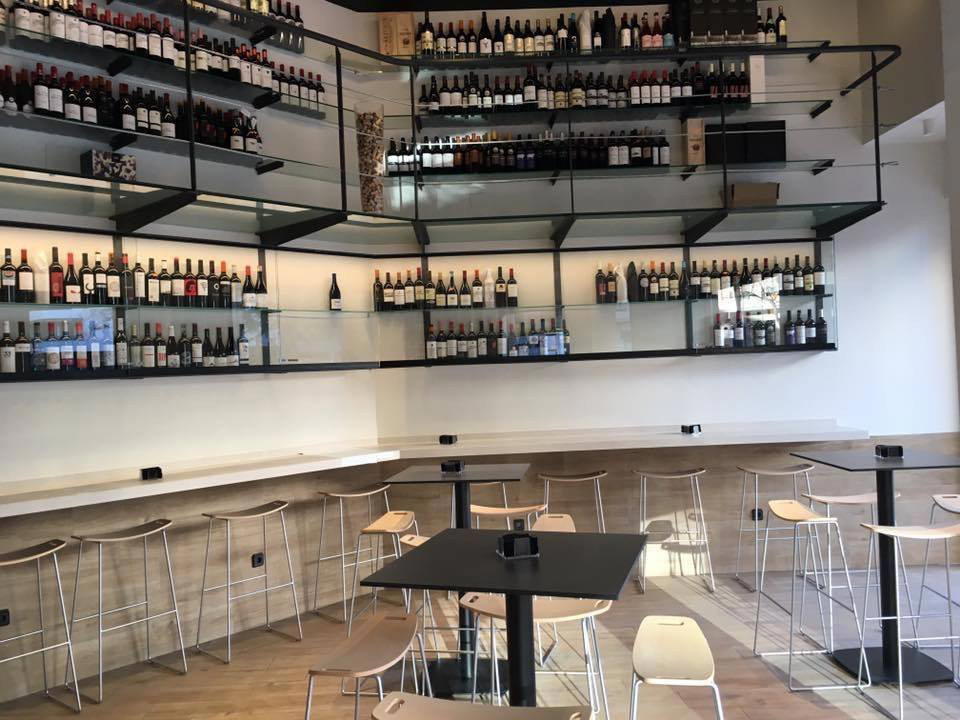
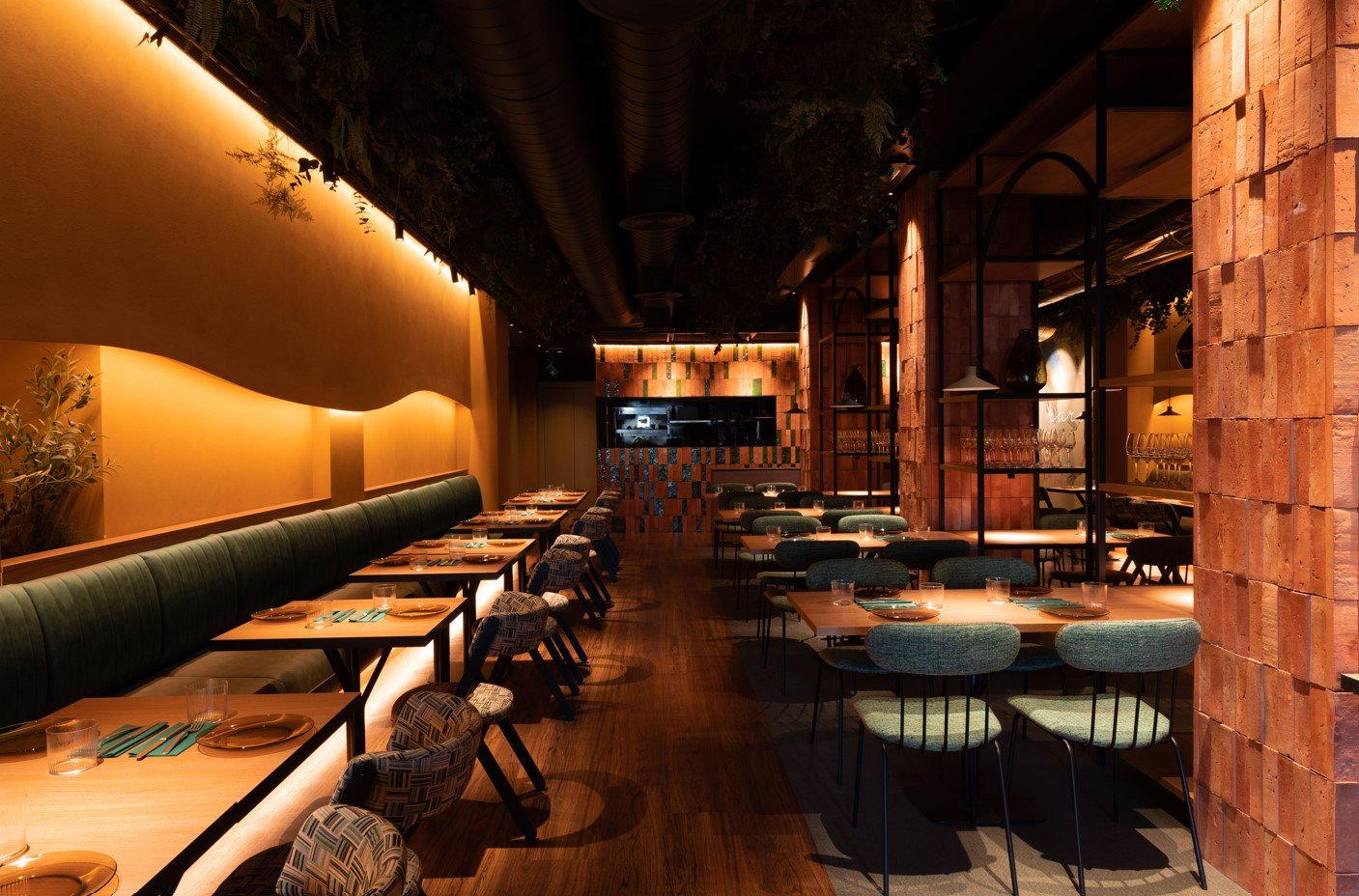
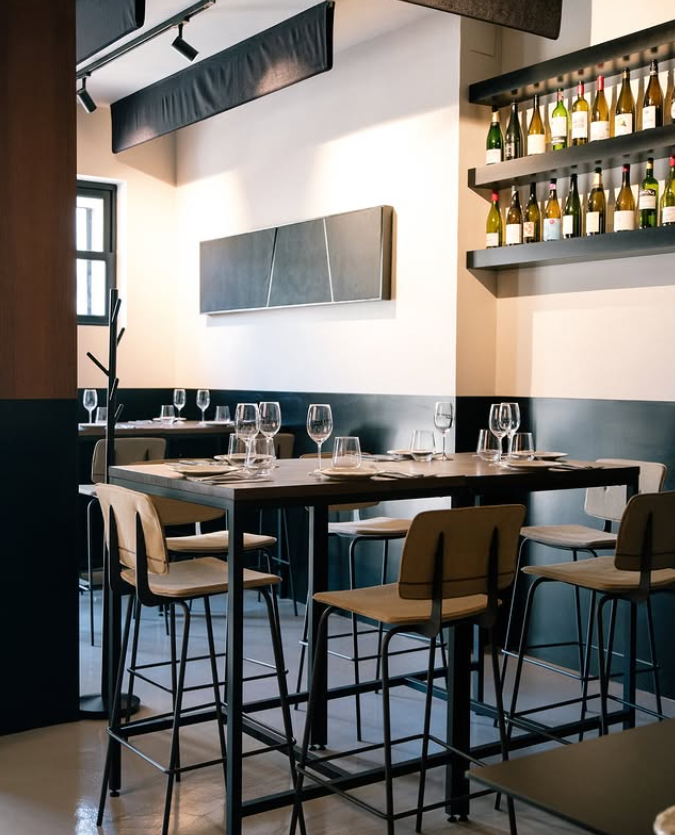
Hotels in València
All hotels in València →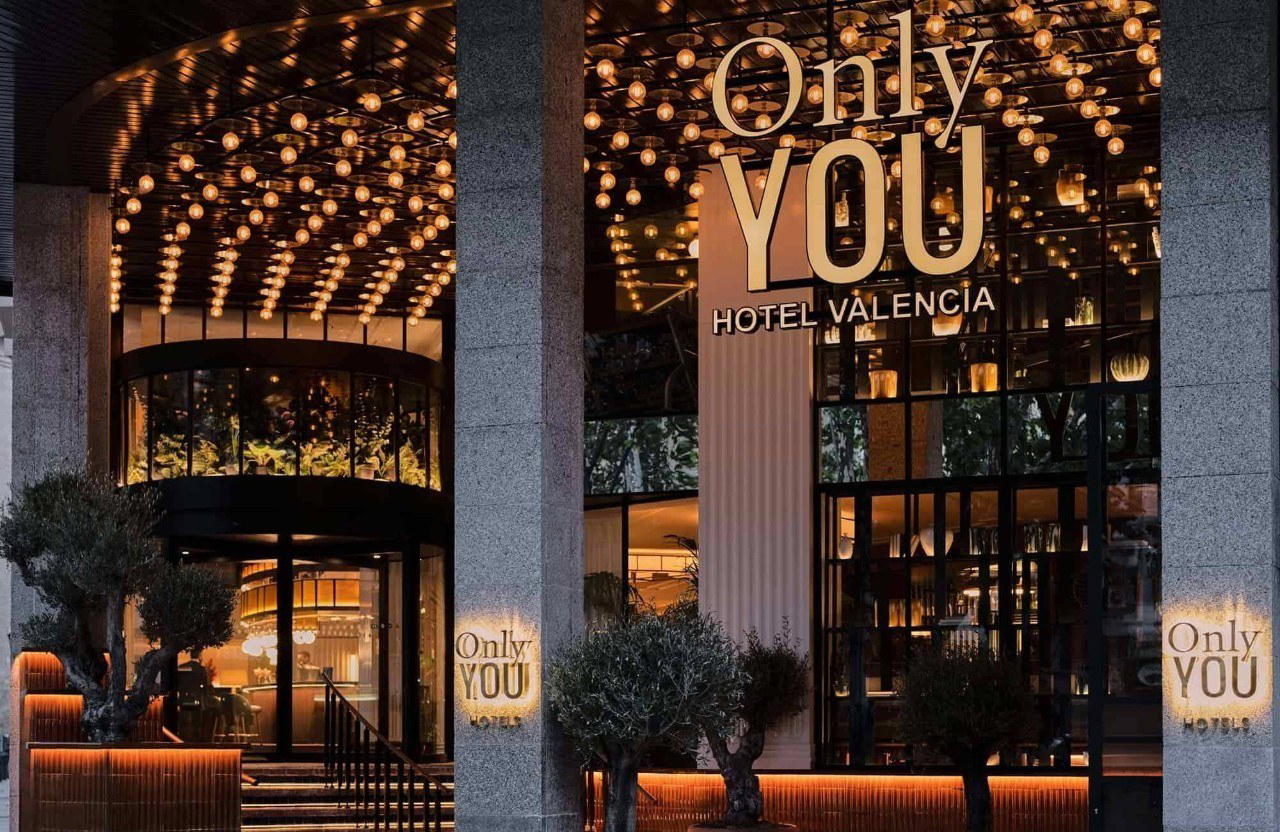

Wineries in València
All wineries in València →
Details
- Intimate
- Cozy
- Modern
- Elegant
- Date Night
- Special Occasion
- Open Kitchen
- Extensive Wine List
- Local Sourcing
- Tasting Menu
- Vegetarian Friendly
- Vegan Options
Current opening hours
- Monday
- 2–5 PM
- Tuesday
- Closed
- Wednesday
- Closed
- Thursday
- 9–11 PM
- Friday
- 2–5 PM, 9–11:30 PM
- Saturday
- 2–5 PM, 9–11:30 PM
- Sunday
- 2–5 PM
Hours can change for holidays and private events. Hours as of .
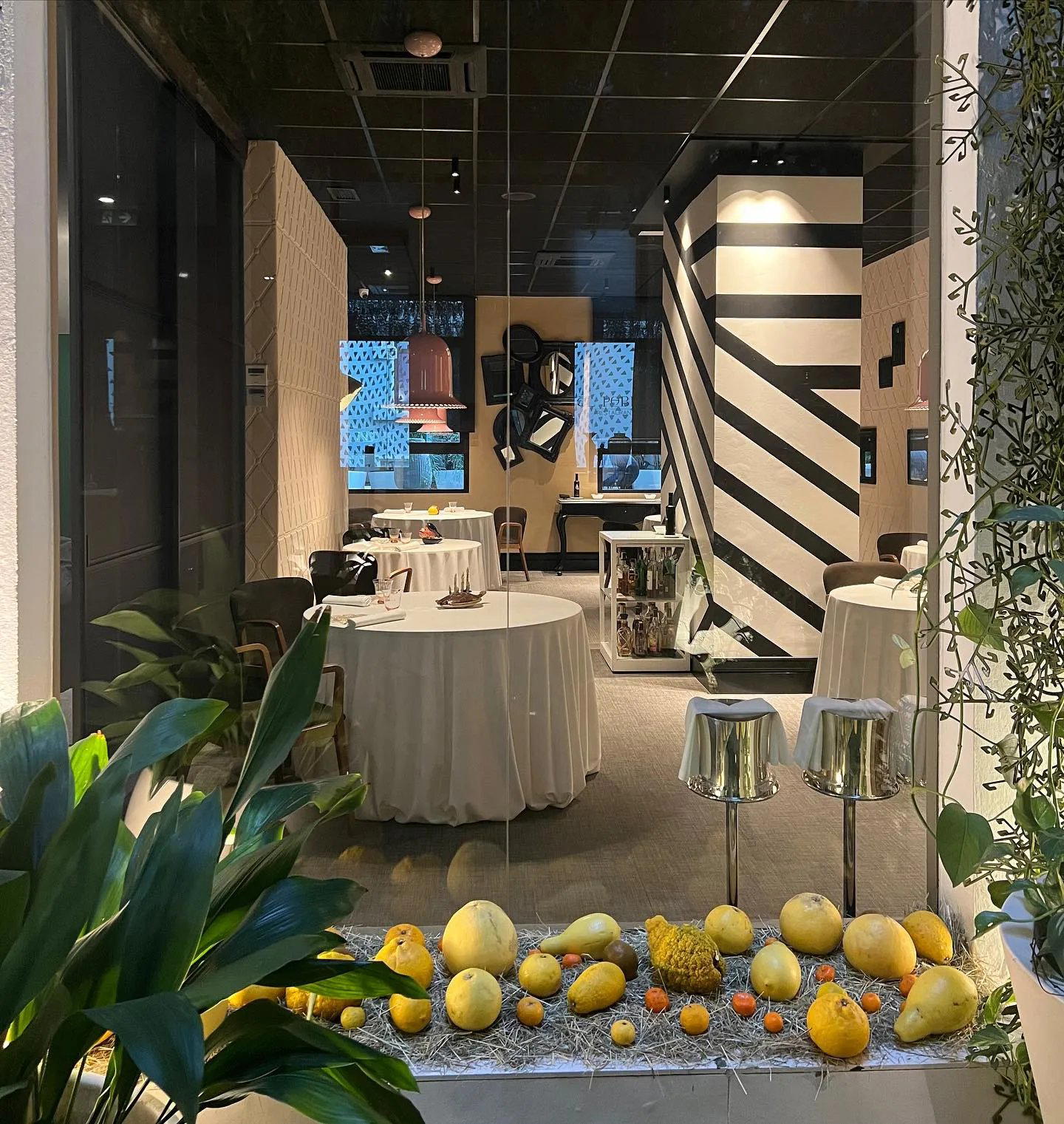
Warm, welcoming contemporary setting with cozy, minimalist decor and attentive personal service.