Folklore
Folklore occupies a corner of Wicker Park's Division Street where the neighborhood's Polish and Puerto Rican working-class roots meet a newer wave of considered dining. The address alone signals intent: far enough from the River North circuit to attract a local-first crowd, close enough to the city's serious restaurant conversation to matter. Regulars return for reasons that go beyond any single dish.
Pearl is the En Primeur Club membership app — saves, bookings, and concierge access live there. Same editors, same standards.
- Address
- 2100 W Division St, Chicago, IL 60622
- Phone
- +17732921600
- Website
- folklorechicago.com
- Directions
- Get directions
 Saves & bookings on Pearl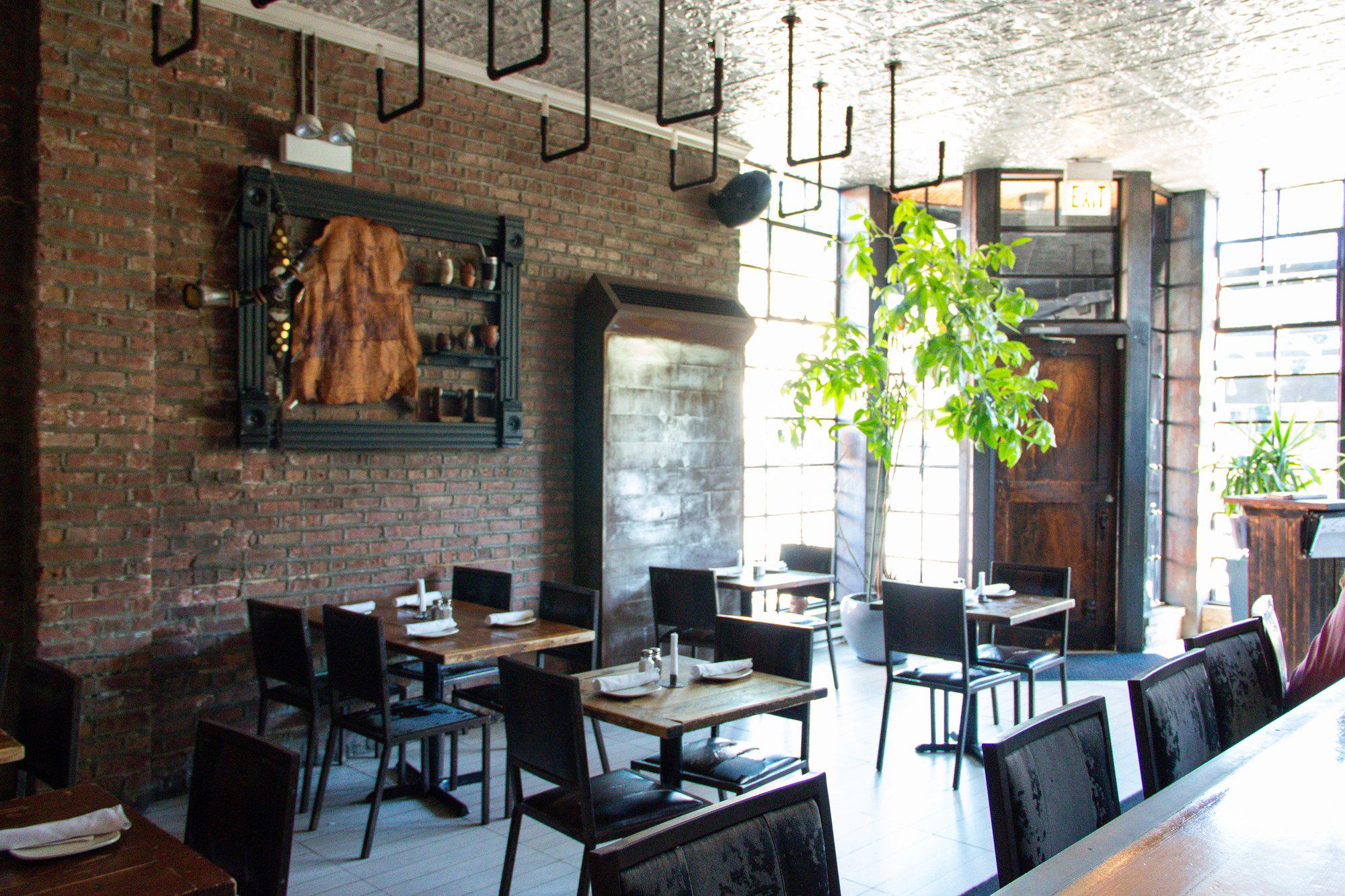
Division Street and the Crowd That Keeps Coming Back
Wicker Park's restaurant identity has always been shaped more by its residents than by its critics. Division Street, running west from the Kennedy Expressway, has accumulated decades of neighborhood loyalty, the kind that produces regulars rather than tourists. Folklore, at 2100 W Division St, sits inside that tradition. The address is a statement of positioning: not the polished River North corridor where Alinea and Next Restaurant operate their high-concept formats, and not the West Loop stretch where Smyth and Oriole anchor the city's tasting-menu conversation. Wicker Park restaurants live or die on repeat business, and Folklore has built a following that suggests it understands this.
The name itself does some work. Folklore implies transmission, things passed between people rather than broadcast from a stage. That framing matters in a neighborhood where word-of-mouth still carries more weight than a reservation algorithm. The regulars here know the room before they sit down.
What the Room Tells You
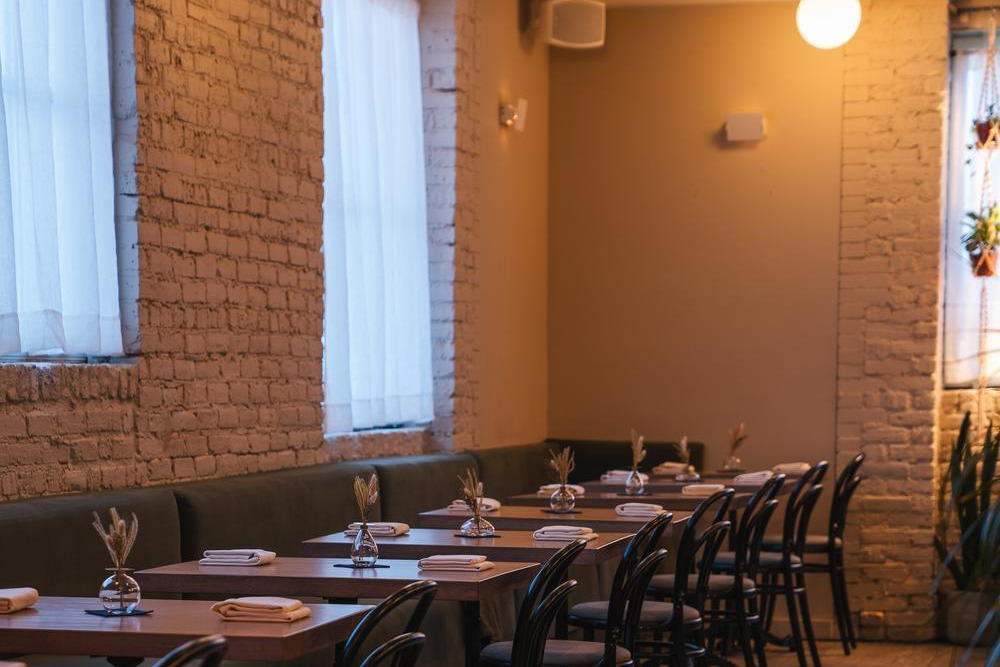
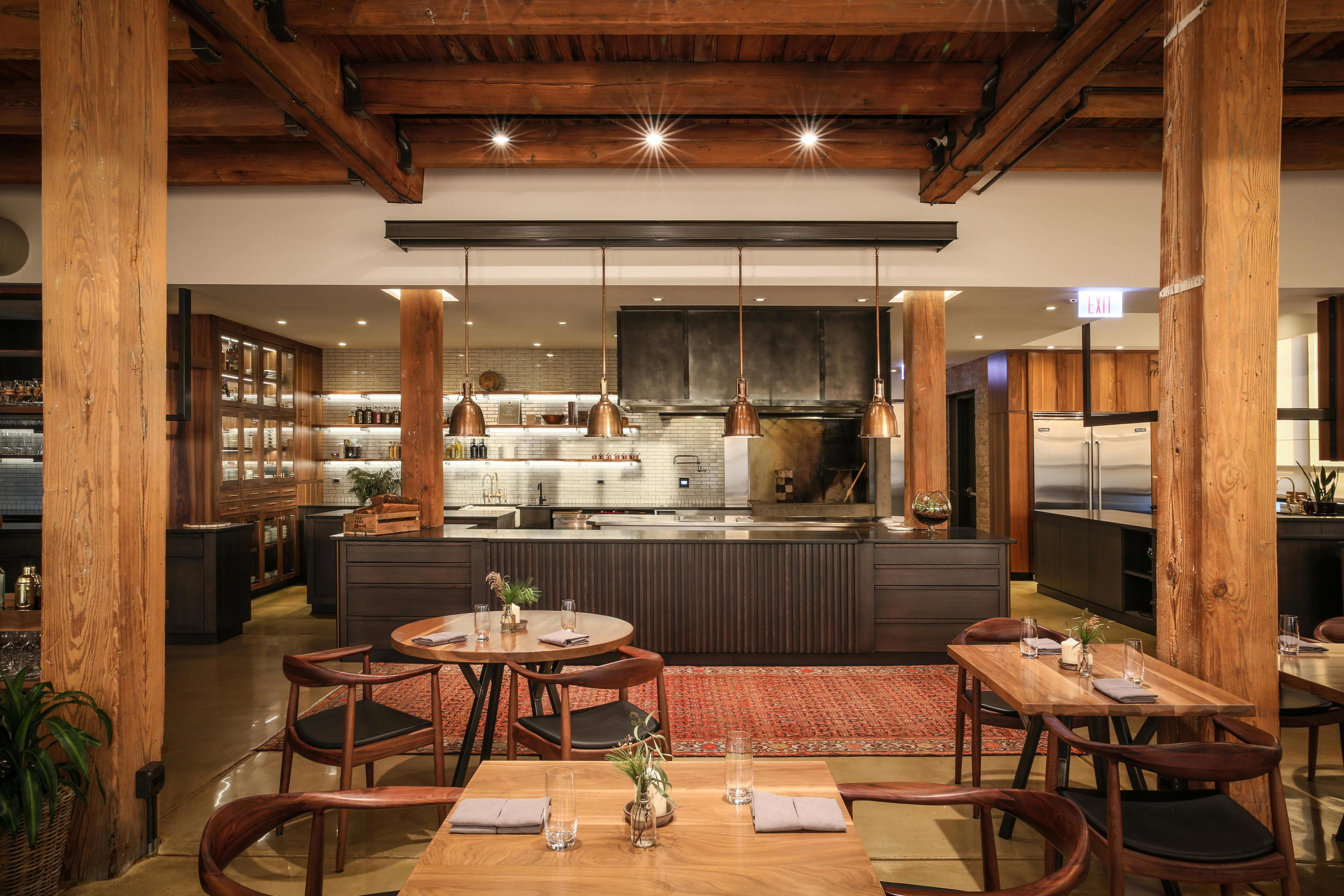
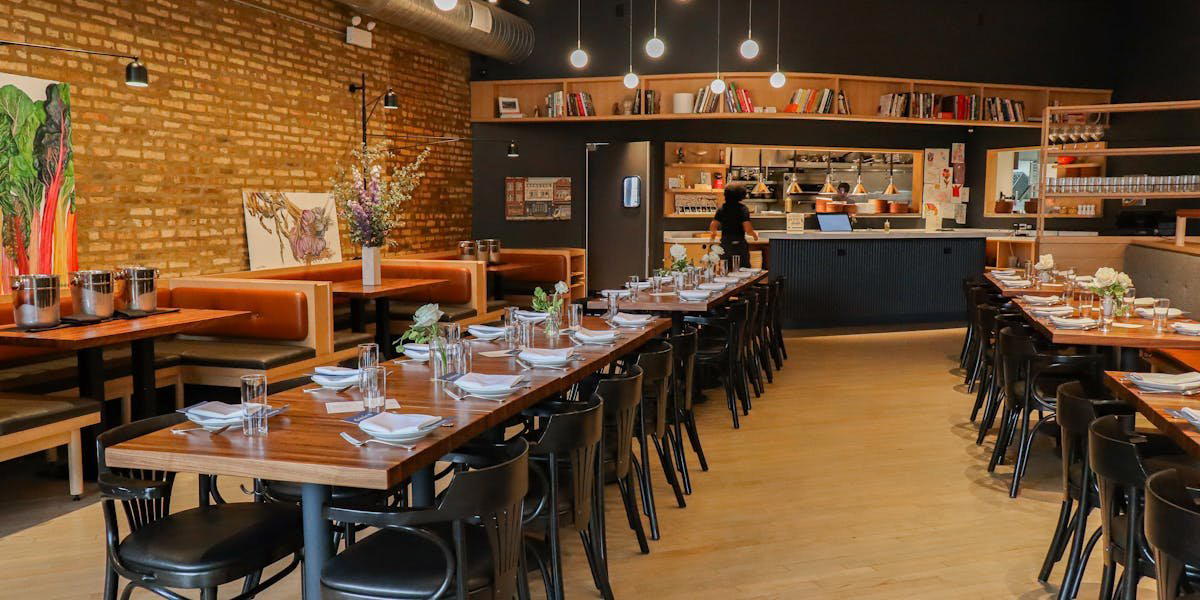
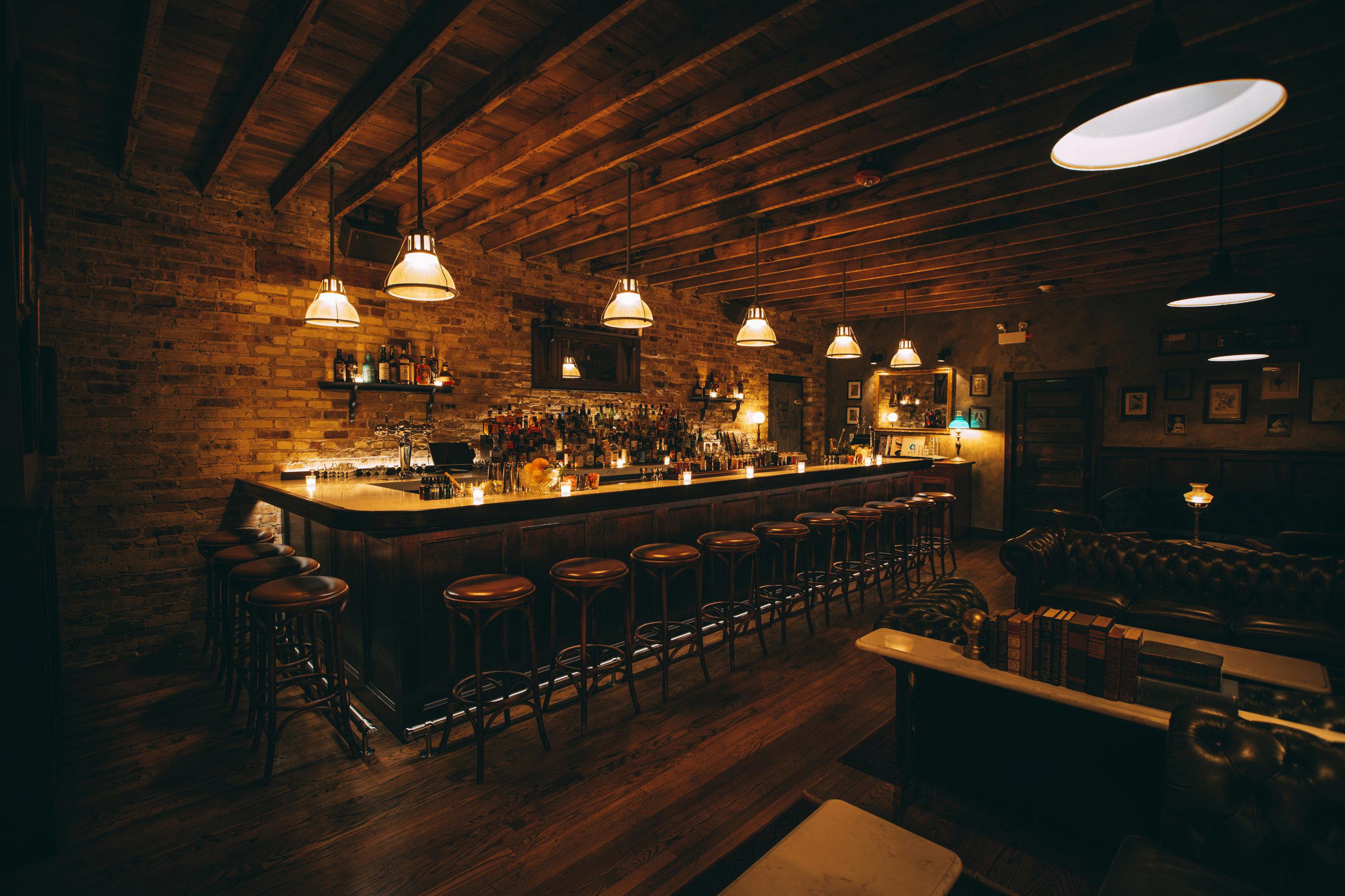
Chicago's neighborhood dining rooms from the 2010s onward have tended toward a particular visual register: exposed brick, reclaimed wood, low pendant lighting, a bar that takes up more square footage than the kitchen. Wicker Park has produced more of this type than most. What distinguishes the venues that outlast the format is how the room feels at full occupancy, whether the acoustics allow conversation, whether the lighting flatters the food as much as the guests.
2100 W Division sits on a block that has cycled through enough concepts to make longevity meaningful. A restaurant that earns regulars in this stretch of the city does so because the physical environment rewards return visits rather than just first impressions. The regulars' perspective, across Chicago's neighborhood dining circuit, consistently tracks back to the same variables: staff who recognize faces, a menu with enough consistency to have favorites but enough rotation to sustain interest, and a room that doesn't demand performance from its guests.
Folklore in the Context of Chicago's Neighborhood Dining Tier
Chicago's dining geography splits more clearly than most American cities. The Loop and River North concentrate the large-format, expense-account operations. The West Loop has become the city's fine-dining anchor, with Kasama representing the Filipino-American tasting-menu format that has drawn national attention to the broader neighborhood conversation. Wicker Park, by contrast, operates in a more informal register, closer in spirit to the neighborhood-driven dining cultures you find in cities like San Francisco, where Lazy Bear built its early reputation on community before scale.
The comparison set for Folklore is not the Michelin-chasing tasting rooms. It is the layer of serious neighborhood restaurants that have earned loyalty without requiring a $300-per-head commitment. These are the rooms that critics from national outlets mention in dispatches as the real texture of a city's dining culture, the places that persist because their regulars would notice if they disappeared. Nationally, equivalents might include Frasca Food and Wine in Boulder, where a defined culinary identity has produced a loyal base over two decades, or Emeril's in New Orleans, where the relationship between restaurant and neighborhood has outlasted multiple shifts in the broader dining conversation.
Within Chicago specifically, the neighborhood restaurant tier competes quietly with the headline venues. While Oriole operates its prix-fixe format for destination diners, and while the West Loop draws visiting food writers looking for the city's formal ambition, Wicker Park's dining rooms fill with the people who actually live in Chicago. That audience is harder to impress on a single visit and more rewarding to have when you earn them.
The Unwritten Menu: What Regulars Actually Order
In any restaurant with a loyal base, there exists a secondary menu, one that isn't printed. It is built from the preferences of people who have been in enough times to know what to ask for, what to skip, and what the kitchen does leading when it isn't trying to make a statement. This is not insider information in the exclusive sense; it is just the accumulated intelligence of repeated visits.
For restaurants at this tier in Chicago's neighborhood circuit, the unwritten menu typically tracks toward the items that have stayed on the menu across seasons, the dishes that regulars have ordered often enough to develop opinions about. Without verified current menu data for Folklore, this is not a dimension that can be mapped precisely here. What can be said is that the restaurants in this tier that maintain regulars do so by having at least a few preparations that become associated with the room itself, reference points that returning guests use to orient new guests.
For a broader frame of what this looks like at the highest level of American dining, the farm-to-table precision of Blue Hill at Stone Barns or the coastal sourcing discipline at Providence in Los Angeles represent the formalized version of a kitchen with a clear point of view. Neighborhood restaurants translate that into a less codified but equally felt identity.
Planning a Visit: Practical Context
The table below positions Folklore within its immediate peer context in Chicago, based on available category and format data.
| Venue | Neighborhood | Format | Price Tier | Booking Lead Time |
|---|---|---|---|---|
| Folklore | Wicker Park | Neighborhood dining | Not confirmed | Not confirmed |
| Smyth | West Loop | Progressive American, tasting | $$$$ | Weeks to months |
| Kasama | Logan Square | Filipino, tasting | $$$$ | Weeks to months |
| Next Restaurant | West Loop | American, concept-driven | $$$$ | Weeks to months |
The practical calculus for Wicker Park dining is different from West Loop planning. Tasting-menu rooms like Oriole, Alinea, or, outside Chicago, operations like The French Laundry in Napa, Addison in San Diego, or Single Thread Farm in Healdsburg require booking months out and command three- to four-figure covers. Checking directly via the Division Street address is the reliable approach for current availability and hours.
For visitors building a broader Chicago itinerary, our full Chicago restaurants guide maps the city's dining tiers and neighborhoods in full detail.
How Folklore Chicago compares with similar nearby venues.
| Venue | Cuisine | Price |
|---|---|---|
| Lost Larsen | Bakery | Not listed |
| Valhalla | Asian, Contemporary | $$$$ |
At a Glance
- Romantic
- Cozy
- Elegant
- Lively
- Date Night
- Group Dining
- Special Occasion
- Live Music
- Open Kitchen
- Extensive Wine List
- Craft Cocktails
Current opening hours
- Monday
- Closed
- Tuesday
- Closed
- Wednesday
- 5–10 PM
- Thursday
- 5–10 PM
- Friday
- 4–11 PM
- Saturday
- 4–11 PM
- Sunday
- 4–10 PM
Hours can change for holidays and private events. Last verified .
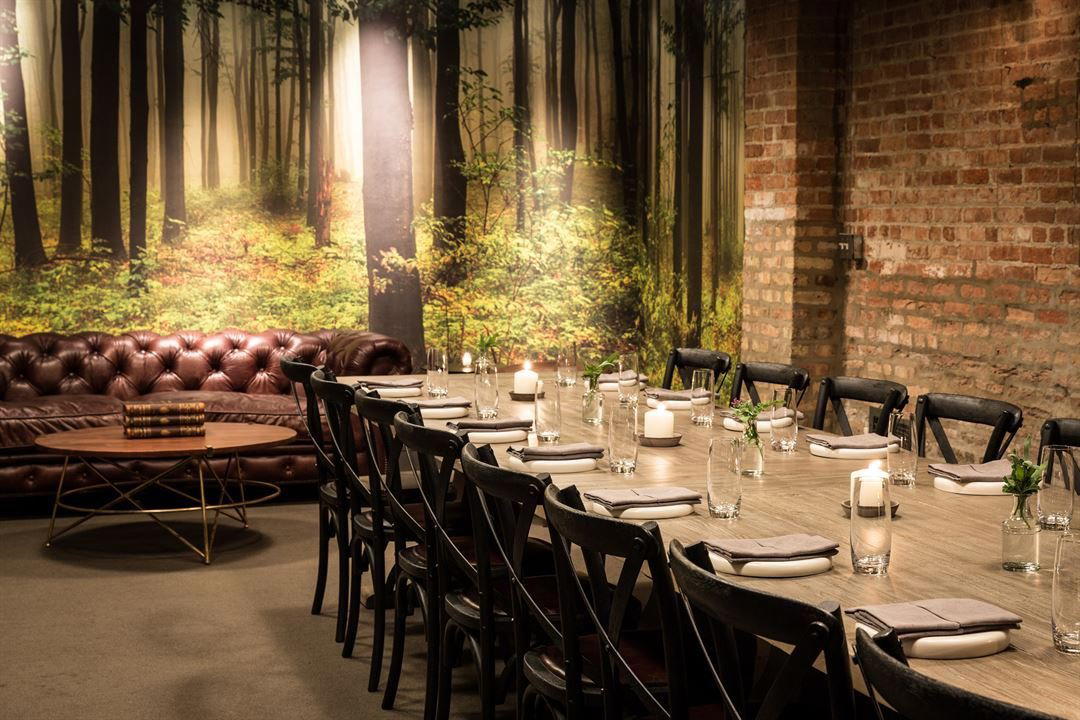
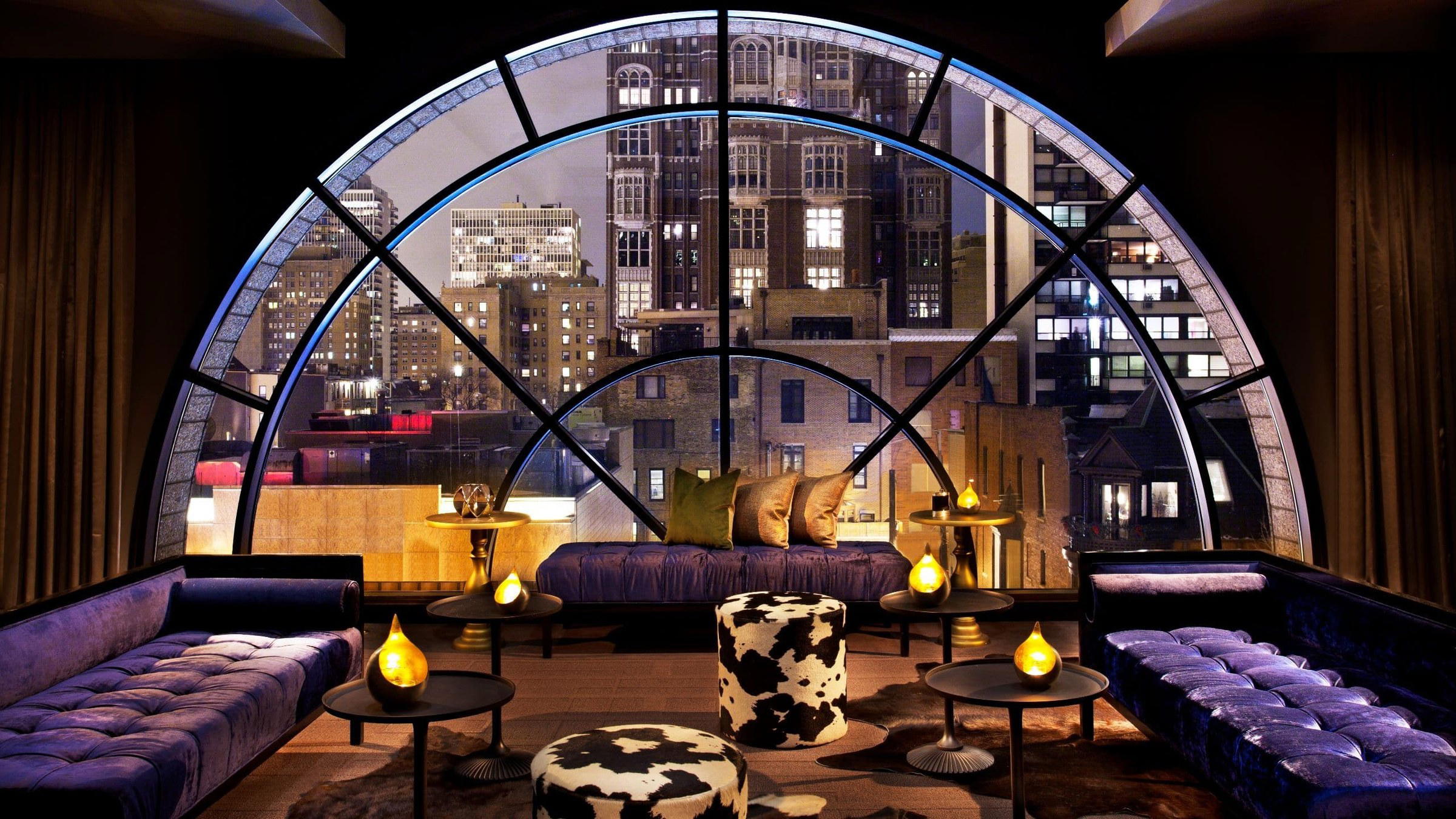
Dimly lit with brick walls, candlelit tables, floor-to-ceiling windows, and tango music creating a casual yet romantic vibe.
Know Before You Go
- Getting there
- 2100 W Division St, Chicago, IL 60622