Folia

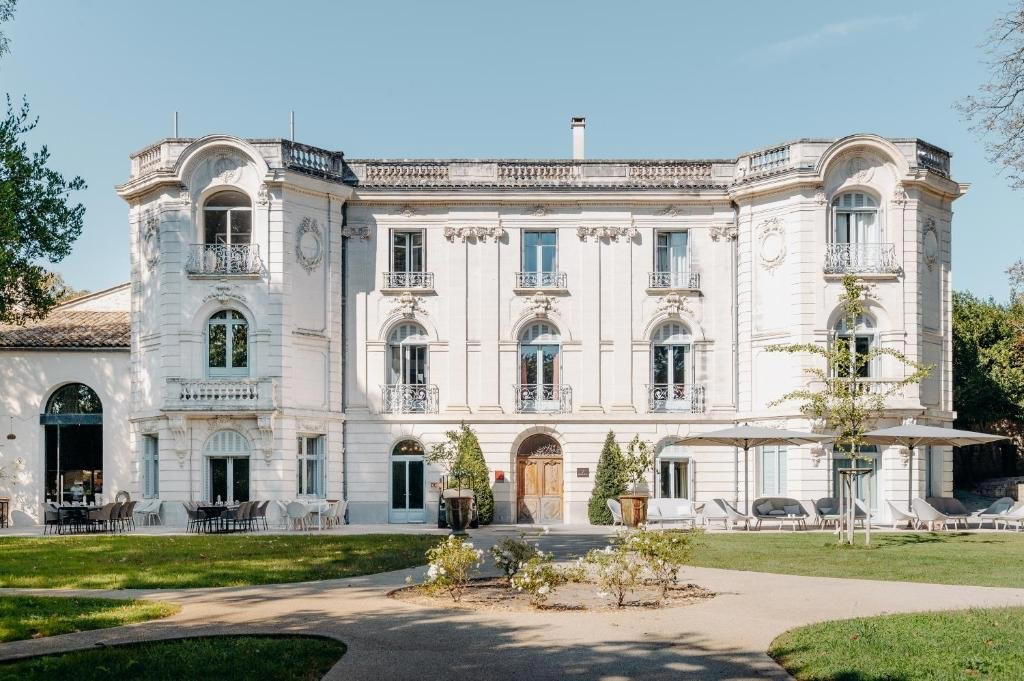
Bistro Folia operates inside Château de Faugergues, a historic estate on the edge of Montpellier, where chef Damien Fourvel builds plates around vegetables in a supporting role that quietly accounts for half or more of every dish. The setting alone, a working château with grounds, reframes what a bistro lunch or dinner can mean in the Hérault. Plan around it rather than stumbling upon it.
Pearl is the En Primeur Club membership app — saves, bookings, and concierge access live there. Same editors, same standards.
- Address
- 1744 Av. Albert Einstein, 34000 Montpellier, France
- Phone
- +33 4 99 52 66 35
- Website
- folia-restaurant.fr
- Directions
- Get directions
 Saves & bookings on Pearl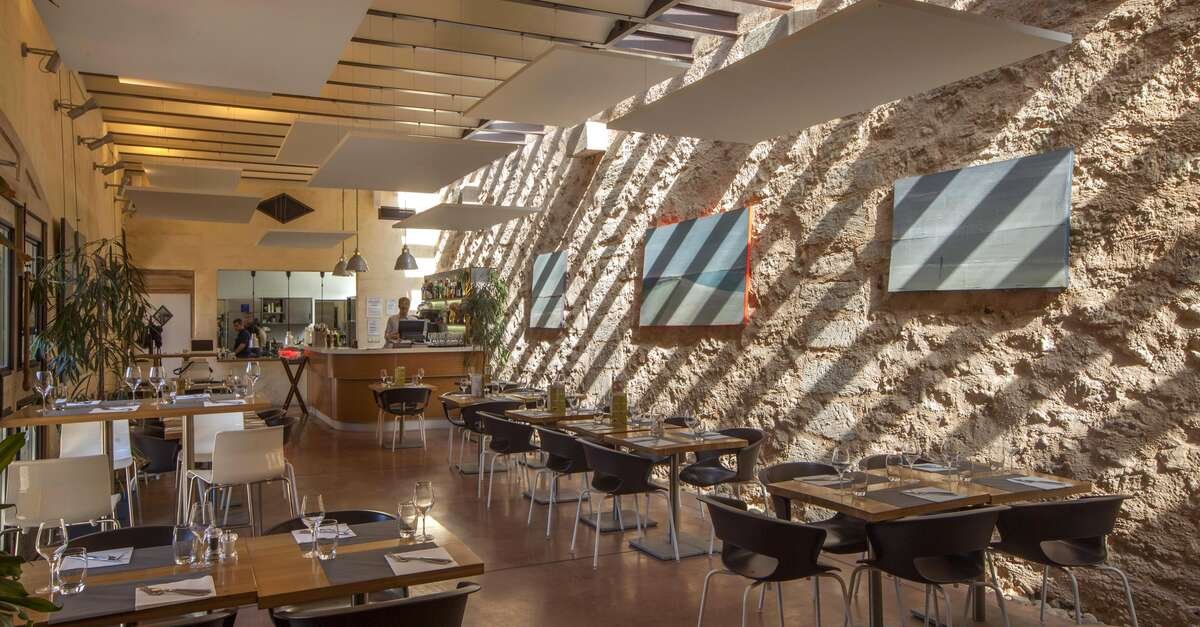
A Château Frame for a Different Kind of Bistro
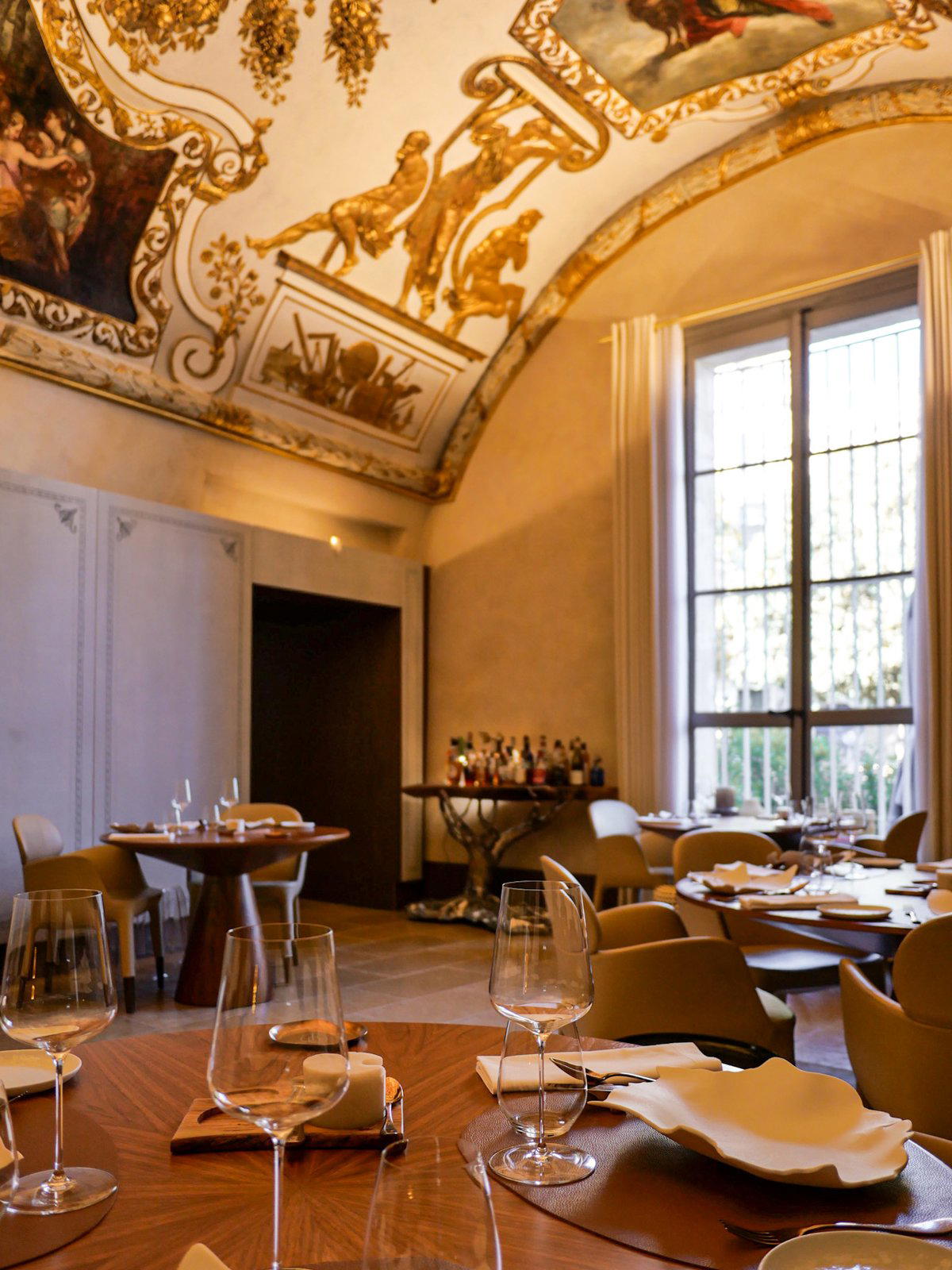
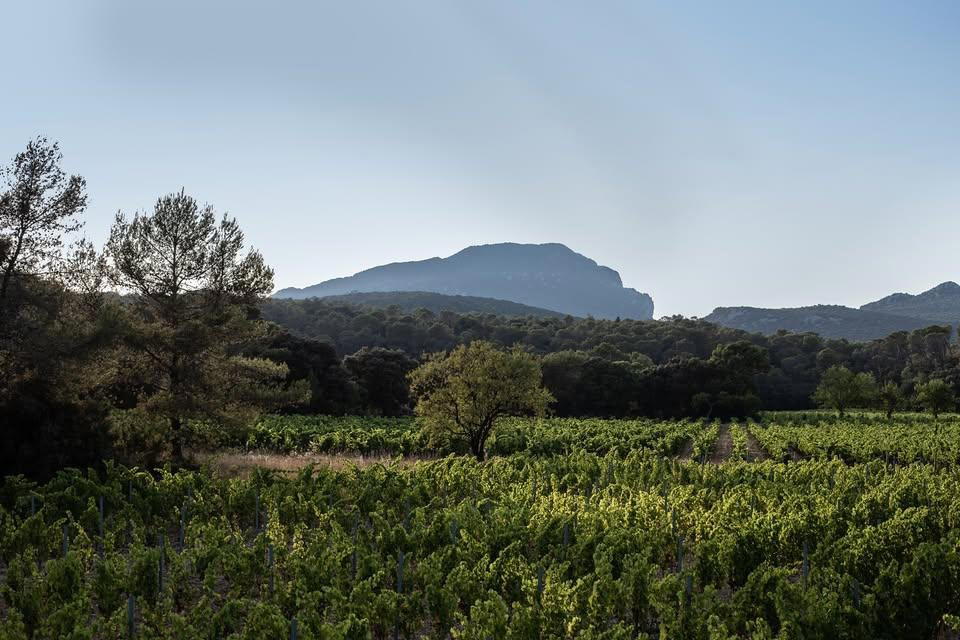
Folia is a restaurant in Montpellier serving market-driven French Mediterranean cooking at about $28 per person. The approach to Château de Faugergues sets an expectation that the restaurant inside either meets or squanders. Stone walls, formal grounds, and a location just outside Montpellier's urban centre put Folia in a category that has become increasingly rare in southern France: the estate restaurant that functions as a genuine bistro rather than a formal dining room hiding behind period architecture. That tension between the grandeur of the setting and the accessibility of the format is, in many ways, the central premise of eating here.
Estate dining in the Languedoc has deep roots. The region's history of large domaines, many of them agricultural or viticultural, created a tradition of serious tables embedded in working properties. Mirazur in Menton and Bras in Laguiole represent what that tradition looks like when pushed toward the highest tier of French gastronomy. Folia occupies a deliberately different register, the bistro register, which in the French south means generous portions, a readable menu, and a room that does not require ceremony from its guests.
Vegetables as Structure, Not Garnish
The broader shift in French cooking over the past decade has been a gradual rebalancing of the plate. Where classic cuisine used animal protein as the main event and vegetables as decoration, a growing number of chefs have moved toward compositions where plant matter does structural work. Chef Damien Fourvel's approach at Folia sits within that current: vegetables are present at fifty percent or more of each plate by volume, though they remain in a supporting role rather than taking over the menu's identity entirely.
This is a meaningful distinction. Plant-forward restaurants in France now occupy a recognisable niche, from dedicated vegetable-only counters in Paris to the market-driven tasting menus at properties like Flocons de Sel in Megève. Folia does not belong to that camp. The menu retains its bistro character and its protein anchors. What changes is the proportion and the colour: plates arrive with an abundance of vegetable matter that makes them visually inviting before a single bite, which in the Languedoc tradition connects to a range of summer produce, abundant markets, and a cooking culture that has always valued the garden.
Hérault's agricultural calendar is long and generous. The proximity of the Camargue to the south and the garrigue to the north gives chefs in the Montpellier area access to ingredients that do not require the kind of supply-chain effort common in northern France. That context matters when reading Fourvel's decision to let vegetables occupy half the plate: it is not a philosophical stance so much as a practical and seasonal response to what the region produces well.
Where Folia Sits in the Montpellier Scene
Montpellier has developed a restaurant scene with genuine range across price points and formats. At the leading end, Jardin des Sens represents the city's most established fine dining address, while La Réserve Rimbaud and Reflet d'Obione anchor the modern cuisine tier with serious kitchen credentials. Leclère and Pastis Restaurant complete a mid-to-upper tier that has made the city a more credible dining destination than its size alone would suggest.
Folia does not compete directly with any of those addresses. The château setting differentiates it in terms of experience, and the bistro format differentiates it in terms of expectation. It sits closer in spirit to the kind of table you might find attached to a wine estate in the Pic Saint-Loup or the Terrasses du Larzac: food that is serious enough to reward attention but not formatted in a way that demands it.
This positions Folia well for a specific kind of visit. Travelling between cities along the A9 corridor, or using Montpellier as a base for day trips into the Hérault's wine country, creates natural windows for a meal that is neither a quick service stop nor a full tasting-menu commitment. The château grounds reinforce that logic: this is somewhere you arrive with time rather than on a schedule.
Planning a Visit to Folia
Folia is at 1744 Avenue Albert Einstein, Montpellier, within the grounds of Château de Faugergues. The address places it at the edge of the city rather than in the historic centre, which means a short drive or taxi from the old town is the practical approach. Visitors already arriving by car from the autoroute will find the routing more direct than those staying centrally.
Given the estate setting and the specificity of the format, booking ahead is the sensible approach rather than arriving without a reservation. Walk-in availability at a property of this type depends heavily on the day and season, and there is little upside to the uncertainty when the visit itself requires a deliberate journey.
The Broader French Bistro Tradition
The bistro as a format has faced pressure from both ends of the market in France over the past two decades. At the lower end, casual chain formats have eroded the middle ground; at the upper end, the rise of the neo-bistro, a format pioneered in Paris and now present in every major French city, has blurred the line between bistro and brasserie. What has survived most clearly is the estate or domain bistro: a table attached to a place with its own identity, where the architecture and grounds carry as much of the experience as the food.
That tradition has produced some of France's most serious tables. Auberge de l'Ill in Illhaeusern and Troisgros - Le Bois sans Feuilles in Ouches both operate as properties where the land and building are inseparable from the cooking. Closer to the fine dining ceiling, Alléno Paris au Pavillon Ledoyen deploys a historic setting at the highest level of French gastronomy. Folia works from the same logic at a bistro pitch: the setting is the argument for making the journey.
A Pricing-First Comparison
Comparable venues nearby, for context on price, style, and recognition.
| Venue | Cuisine | Price | Notes |
|---|---|---|---|
| FoliaThis venue — the venue you are viewing | Not listed | $$ | Not listed |
| Comptoir de l'Arc | Not listed | $$ | Préfecture, French Brasserie with World Influences |
| Chez Boris | Comédie, Traditional French Steakhouse | $$ | Not listed |
| ARTISANE | Not listed | $$$ | Ursulines, Modern French Mediterranean Tasting Menu |
| L'Atelier de l'Alchimiste | Saint-Roch, Modern French Bistronomique | $$$ | Not listed |
| Papa Doble | Not listed | $$ | Préfecture, Cocktail Bar with Spanish Influences |
Recognition history
Dated appearances from independent guides and award organizations, with the underlying list record or original source where available.
We're Smart World 1 Radish
We're Smart World
Continue exploring
More in Montpellier
Restaurants in Montpellier
Browse all →
Bars in Montpellier
Browse all →
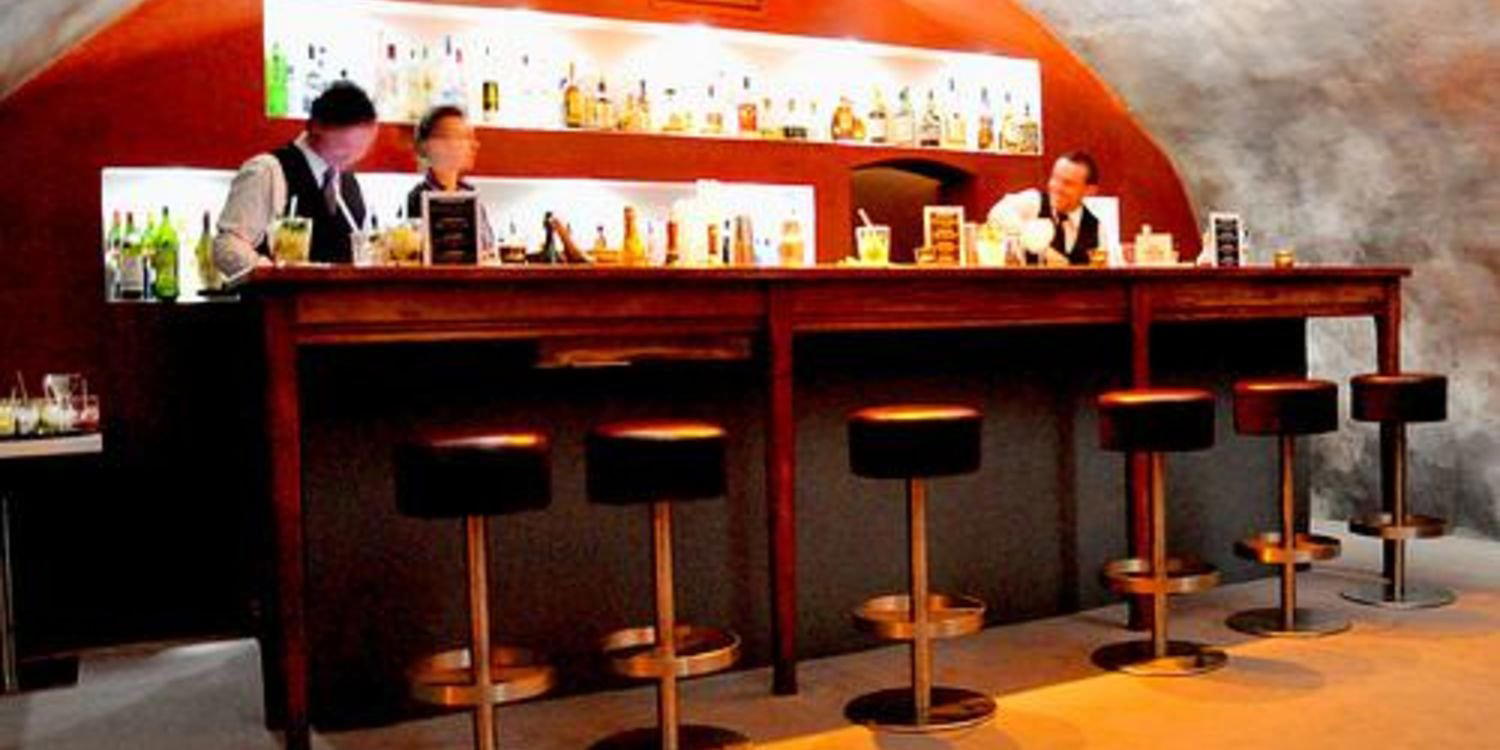
Hotels in Montpellier
Browse all →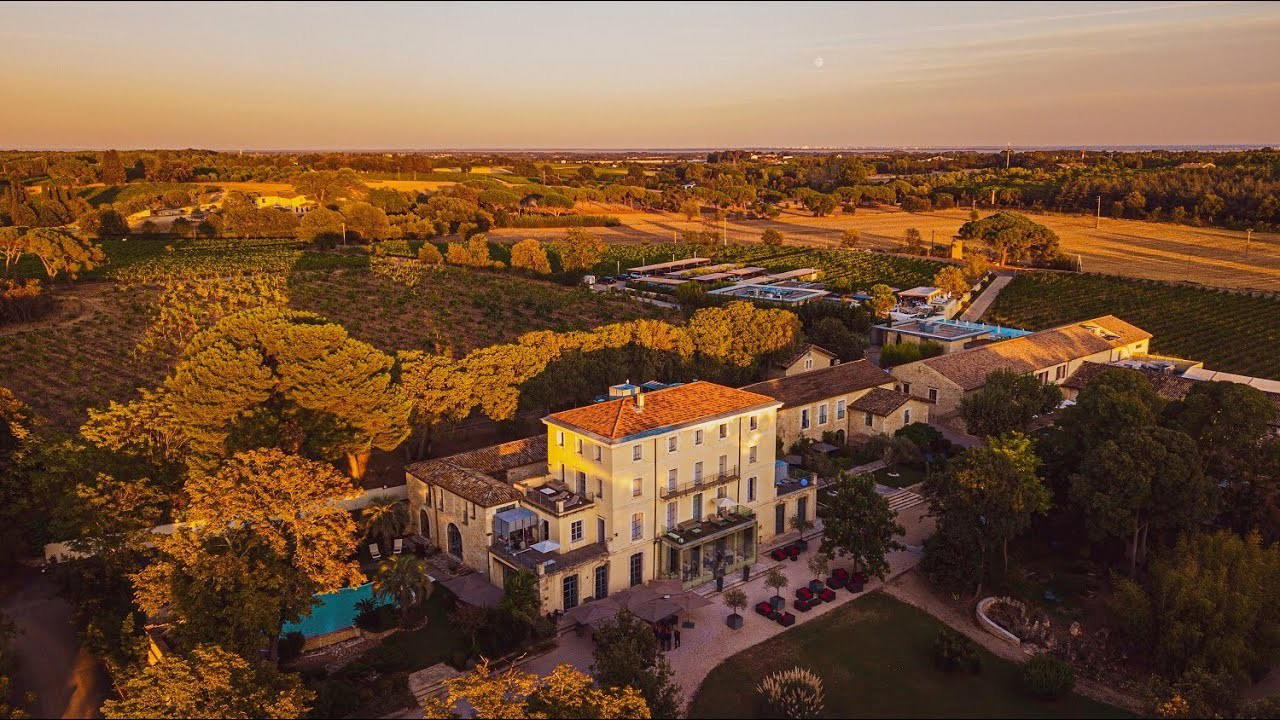
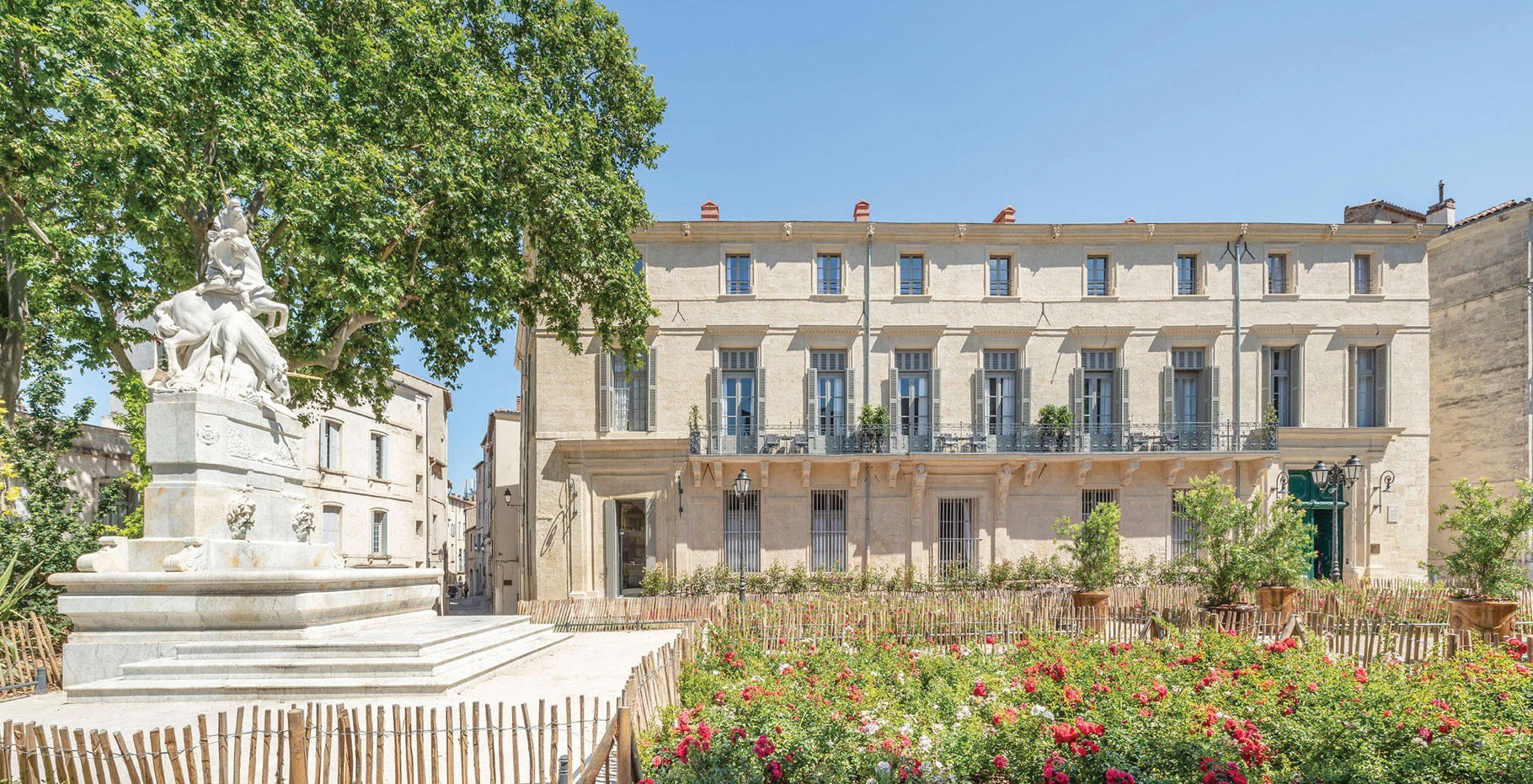
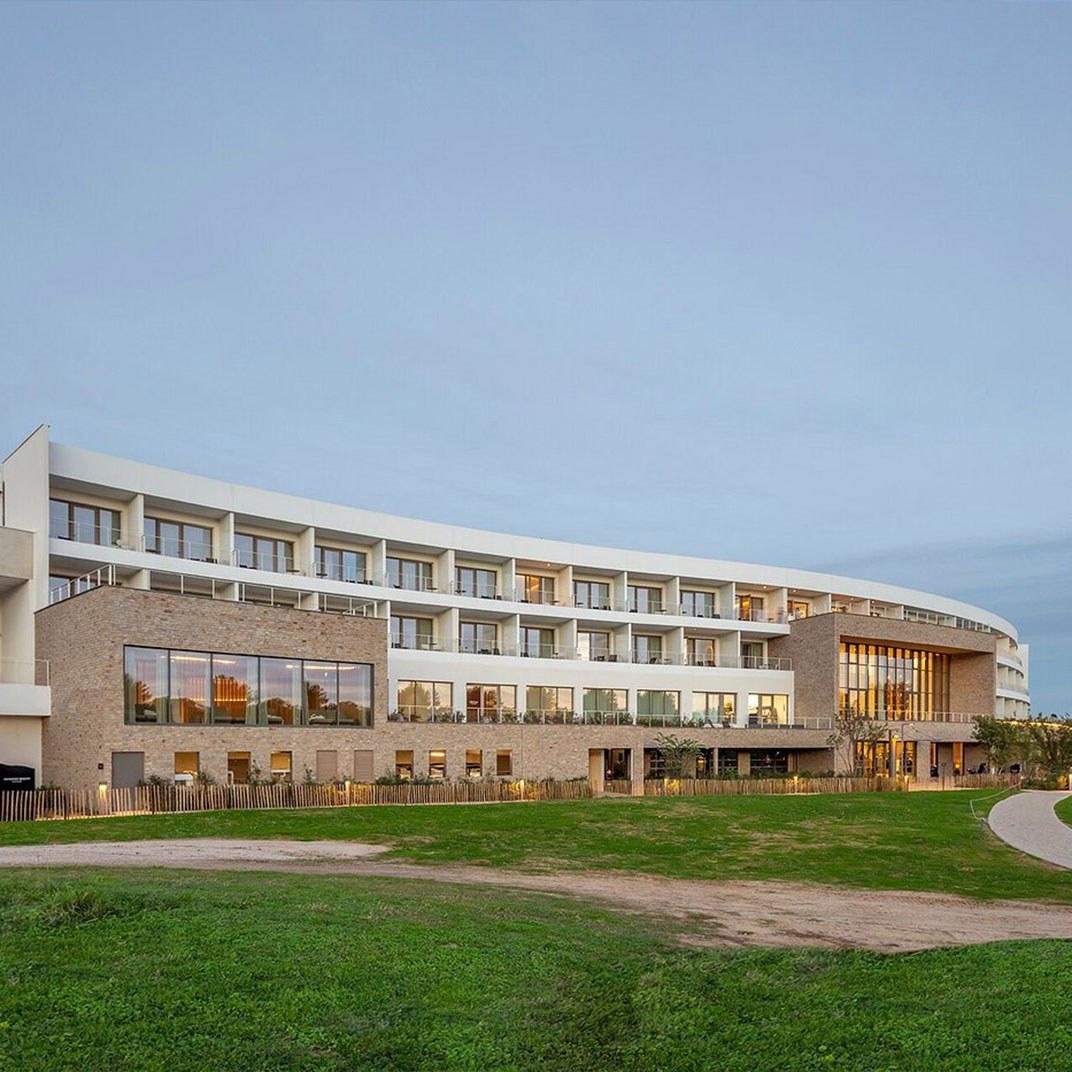

At a Glance
- Scenic
- Elegant
- Cozy
- Business Dinner
- Casual Hangout
- Garden
- Terrace
- Open Kitchen
- Extensive Wine List
- Local Sourcing
- Farm To Table
- Garden
Current opening hours
- Monday
- 12–2 PM
- Tuesday
- 12–2 PM
- Wednesday
- 12–2 PM
- Thursday
- 12–2 PM
- Friday
- 12–2 PM
- Saturday
- Closed
- Sunday
- Closed
Hours can change for holidays and private events. Last verified .
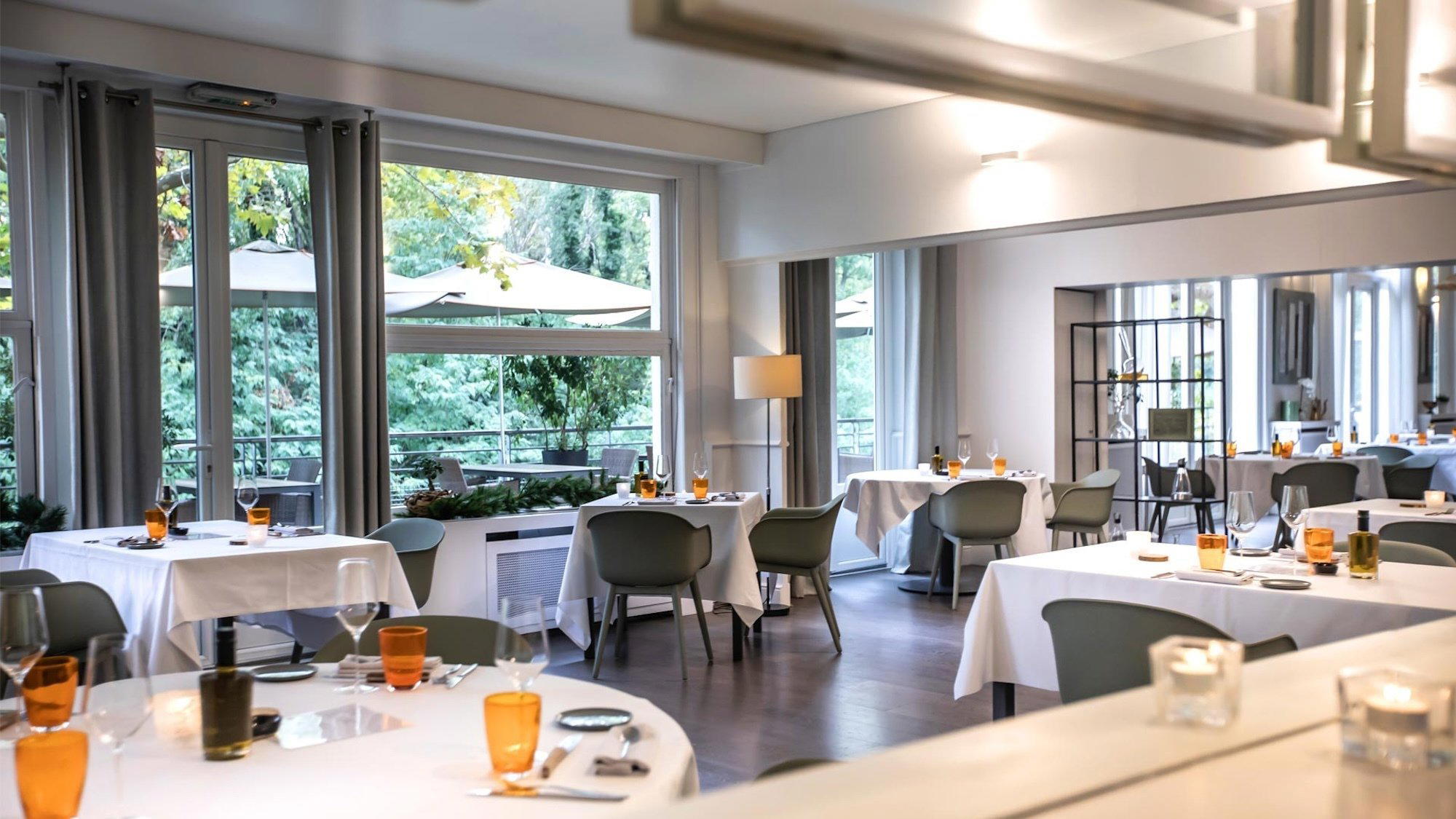
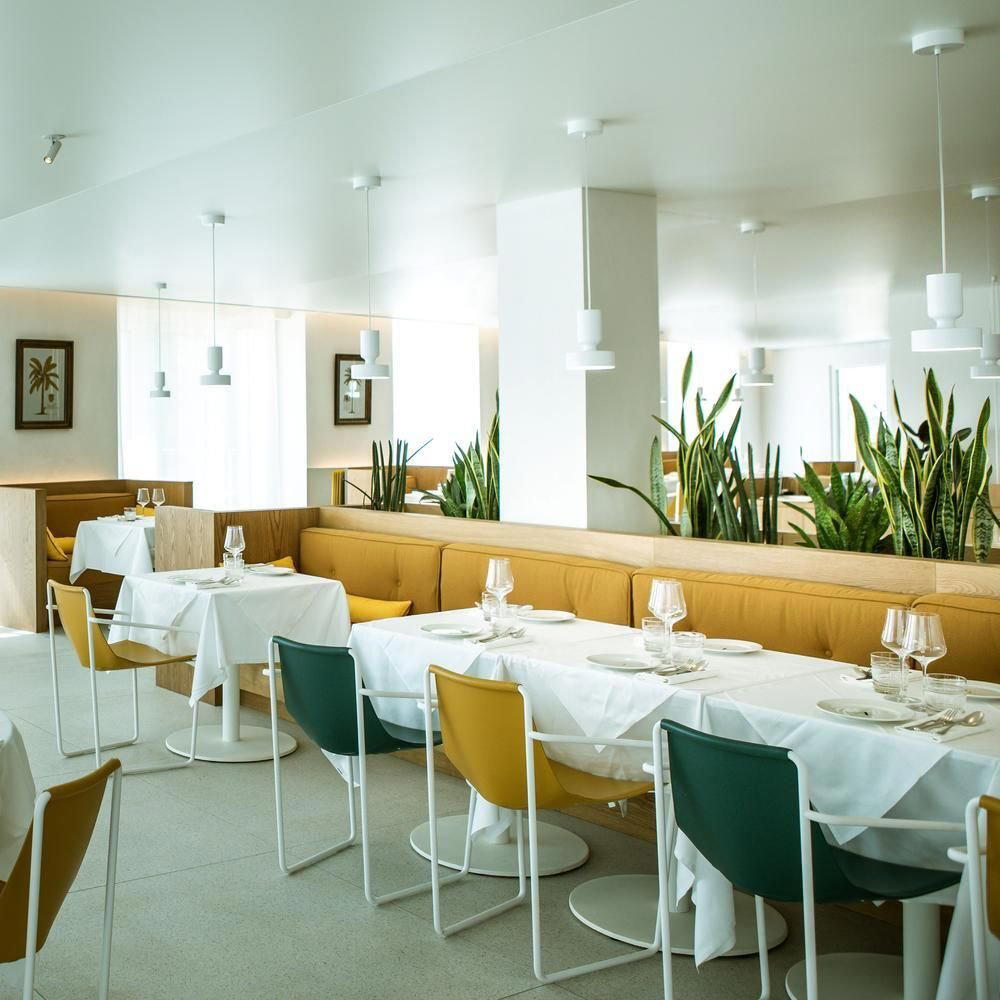
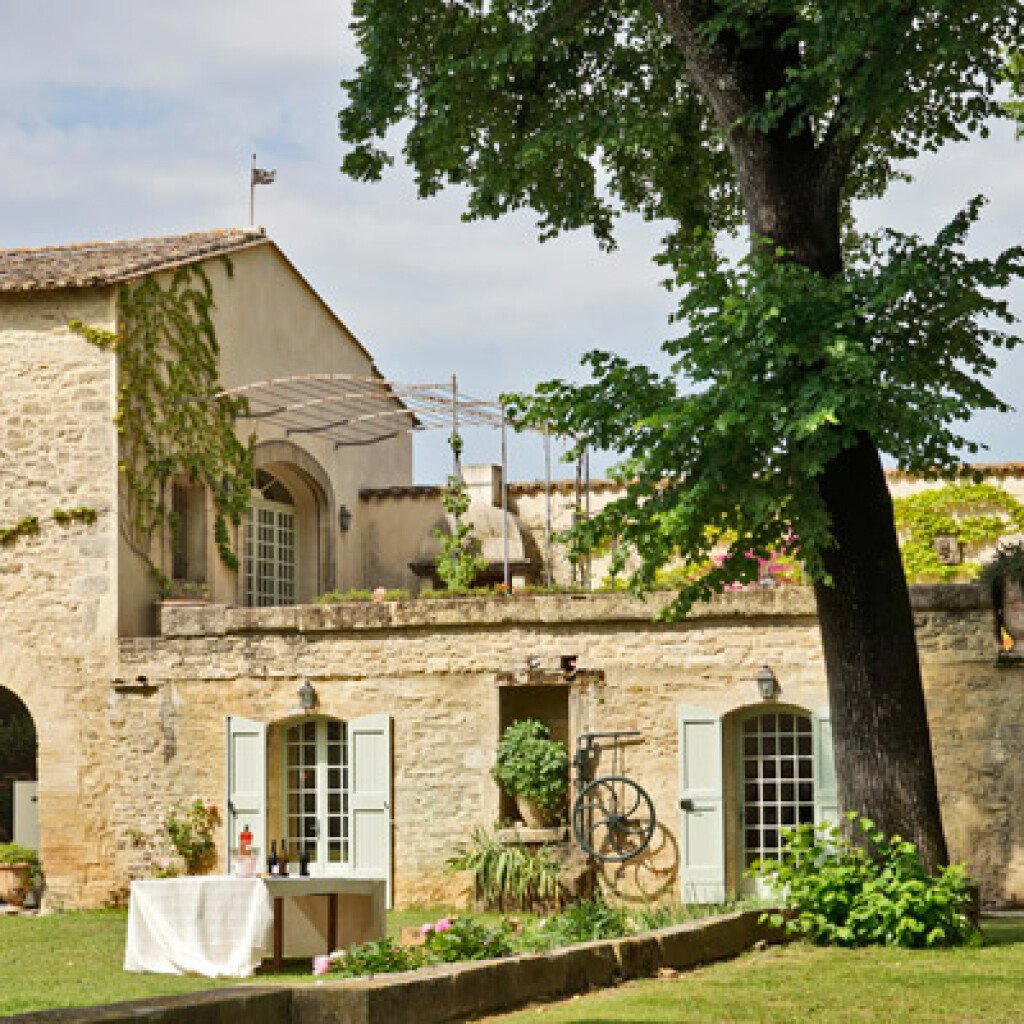
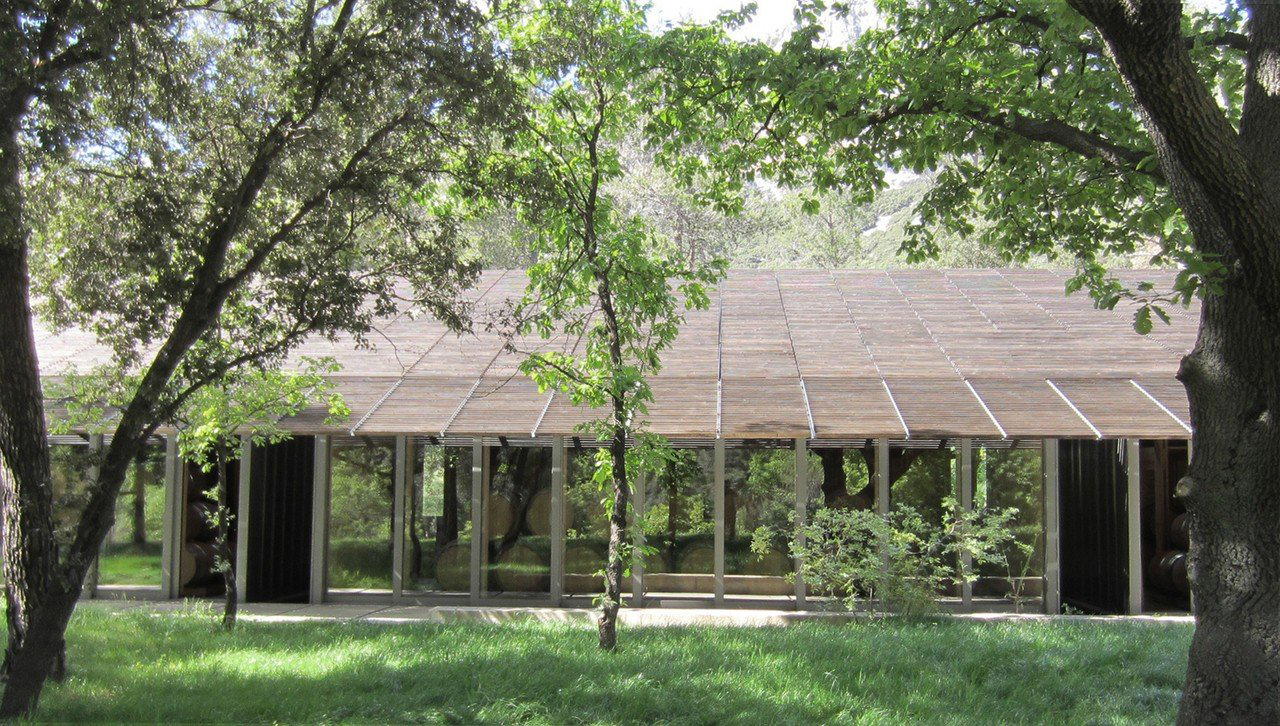
Bright and spacious interior with high ceilings and open kitchen view, or pleasant terrace in a beautiful garden setting with natural light.