Fleur de Sel

A mid-range bistro on the hillside village of Haut-de-Cagnes, Fleur de Sel earns its loyal following through a frequently changing seasonal menu shaped by classical French technique. Chef Mickaël Renard trained under Bernard Loiseau at the Côte d'Or in Saulieu and Jean Crotet at the Hostellerie de Levernois.
Pearl is the En Primeur Club membership app — saves, bookings, and concierge access live there. Same editors, same standards.
- Address
- 85 Mnt de la Bourgade, 06800 Cagnes-sur-Mer, France
- Phone
- +33 4 93 20 33 33
- Website
- restaurant-fleurdesel.com
- Directions
- Get directions
 Saves & bookings on Pearl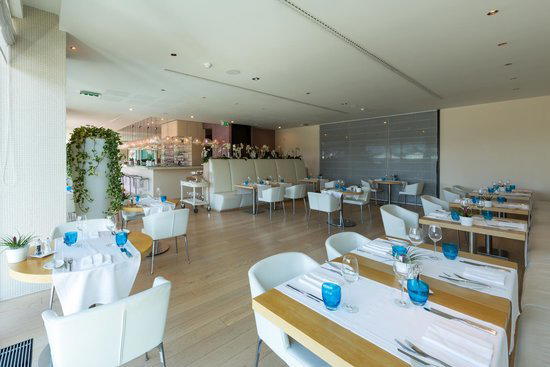
Where the French Bistro Tradition Holds Its Ground
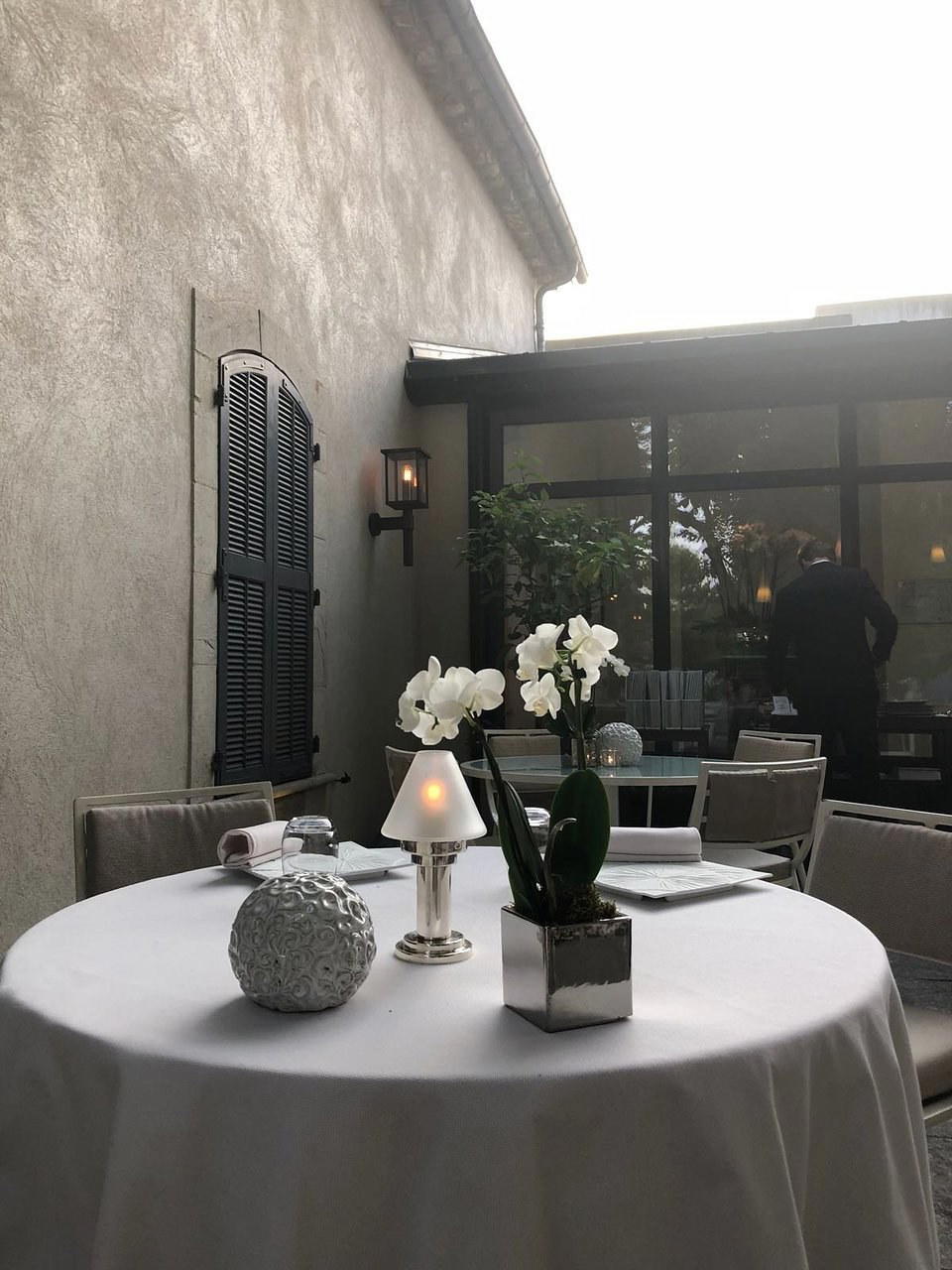
It is a restaurant at 85 Mnt de la Bourgade, 06800 Cagnes-sur-Mer, France, where reservations are essential. The cobbled lanes, medieval walls, and sun-worn facades of the upper village create exactly the kind of setting in which classical French bistro cooking works well: seasonal, unfussy, and structured around a menu that changes before it has a chance to become routine. Fleur de Sel occupies that setting at 85 Montée de la Bourgade, and the address alone signals something about the experience before you've seen a plate.
The French bistro tradition has always been defined less by a fixed canon of dishes than by a commitment to sourcing and timing. A bistro in the classical sense serves what is good now, prices it without theatre, and keeps the room moving. That model has come under considerable pressure across France as restaurant economics push menus toward fixed formats and higher margins. In Cagnes-sur-Mer, where the local dining scene ranges from the refined modern cuisine of Château Le Cagnard to the contemporary approaches of L'Agapè and La Table de Kamiya, Fleur de Sel sits at the more traditional end of the spectrum while remaining firmly contemporary in technique.
The Kitchen's Pedigree and What It Means for the Plate
Classical French cooking at the bistro level is only as reliable as the training behind it. Chef Mickaël Renard's formation reads as a precise account of where serious French technique was being transmitted in the late twentieth century. The Côte d'Or in Saulieu under Bernard Loiseau was one of the defining kitchens of its era, a three-Michelin-star house whose cooking was rooted in lightness, clarity of flavour, and disciplined reduction of sauces. The Hostellerie de Levernois under Jean Crotet and the Auberge des Templiers represent a similar strand: established houses where classical foundations were reinforced rather than deconstructed.
That lineage matters not as biography but as a lens on what appears on the plate. The dish combinations on the current menu, bonito tataki with bulgur, avocado purée, and a curcuma-inflected Caesar sauce, and steak with Cajun sauce alongside baby potatoes and button mushrooms, reflect a cook who has absorbed classical method well enough to reach outside it without losing coherence. The tataki preparation is a technique borrowed from Japanese cooking that has moved steadily into French bistro repertoire over the past two decades, arriving not as fusion novelty but as a natural extension of the French preference for precise heat control and clean protein presentation. For broader context on how Côte d'Azur kitchens are working at the summit of this tradition, Mirazur in Menton and AM par Alexandre Mazzia in Marseille represent what classical training can produce when given full creative latitude at the fine dining tier.
The Role of Price and Frequency in a Bistro's Reputation
The €€ price point at Fleur de Sel is not incidental. The middle pricing tier in French regional dining occupies a specific cultural position: it is the register in which the bistro tradition most authentically lives, above the brasserie's volume play but below the formal restaurant's ceremonial weight. What makes this tier function well is the combination of reasonable prices with genuine cooking ambition, and what makes it fail is when the ambition drops to match the price.
Across France, the restaurants most embedded in their communities tend to be those operating at this tier with a rotating menu. The logic is direct: a menu that changes forces the kitchen to stay connected to suppliers and seasons, which keeps quality variable in the right direction. At lunch especially, a bistro running on this model functions as a kind of culinary barometer for what is currently good in the local market. For comparison, Auberge Grand'Maison in Mûr-de-Bretagne operates a similar traditional cuisine model at the same tier in Brittany, while Auga in Gijón represents the equivalent tradition across the border in northern Spain.
The Broader French Tradition This Kitchen Belongs To
France's serious restaurant culture has always run on two parallel tracks: the grand maisons where the history of haute cuisine is maintained and extended, and the smaller regional tables where classical training is applied to local ingredients at accessible prices. The first track produces the houses that define French gastronomy internationally, kitchens like Alléno Paris au Pavillon Ledoyen, Troisgros in Ouches, Auberge de l'Ill in Illhaeusern, Bras in Laguiole, and Paul Bocuse in Collonges-au-Mont-d'Or. The second track is where chefs like Renard, trained in those high-pressure professional environments, bring what they learned into a format that a broader public can access regularly. Both tracks are necessary. The transmission of serious technique into the mid-market bistro is what keeps the tradition alive below the Michelin tier, and it is where most French people actually encounter skilled cooking in their daily lives.
Flocons de Sel in Megève represents what classical French technique looks like at the haute end in an Alpine setting; the restaurant represents a different but related expression of the same disciplined approach, scaled to a hillside village bistro in the south.
Planning Your Visit
The restaurant is at 85 Montée de la Bourgade in Haut-de-Cagnes, the medieval upper village reachable on foot from the lower town or by car with parking available in the village. The €€ pricing makes it accessible for a midweek lunch or a relaxed dinner without forward planning on budget. That said, the room fills at lunchtime with regulars who track the rotating menu, and given the 4.8-star rating across 322 reviews, arriving without a reservation on a busy service day carries risk.
Price and Positioning
Comparable venues nearby, for context on price, style, and recognition.
| Venue | Cuisine | Price | Awards | Notes |
|---|---|---|---|---|
| Fleur de SelThis venue — the venue you are viewing | Traditional Cuisine | $$$ | Michelin Plate | Not listed |
| Château Le Cagnard | Not listed | $$$$ | Michelin Plate | Cagnes-sur-Mer Old Town, Contemporary French Fine Dining |
| L'Agapè | Not listed | $$$ | Michelin Plate | Cros-de-Cagnes, Modern French Fine Dining |
| La Table de Kamiya | Cagnes-sur-Mer, French-Japanese Fusion | $$$ | Michelin Plate | Not listed |
| Bistrot de la Marine | Cros-de-Cagnes, French Seafood Bistro | $$ | Not listed | Not listed |
| Le Cagnard | Haut de Cagnes, Modern French Regional | $$$$ | Not listed | Not listed |
Recognition history
Dated appearances from independent guides and award organizations, with the underlying list record or original source where available.
Michelin Plate
Michelin
Michelin Plate
Michelin
Continue exploring
More in Cagnes-sur-Mer
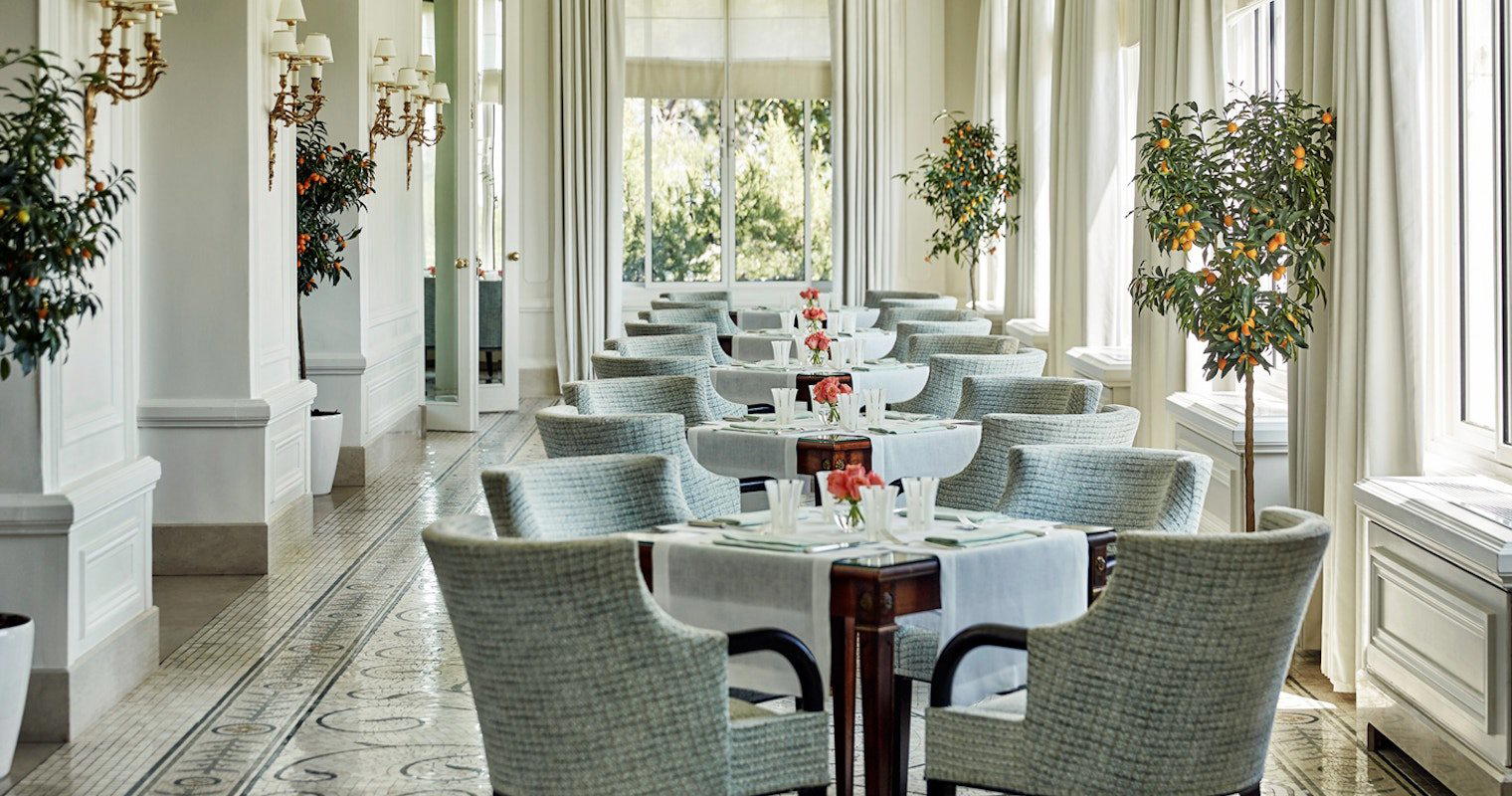
Restaurants in Cagnes-sur-Mer
Browse all →
Bars in Cagnes-sur-Mer
Browse all →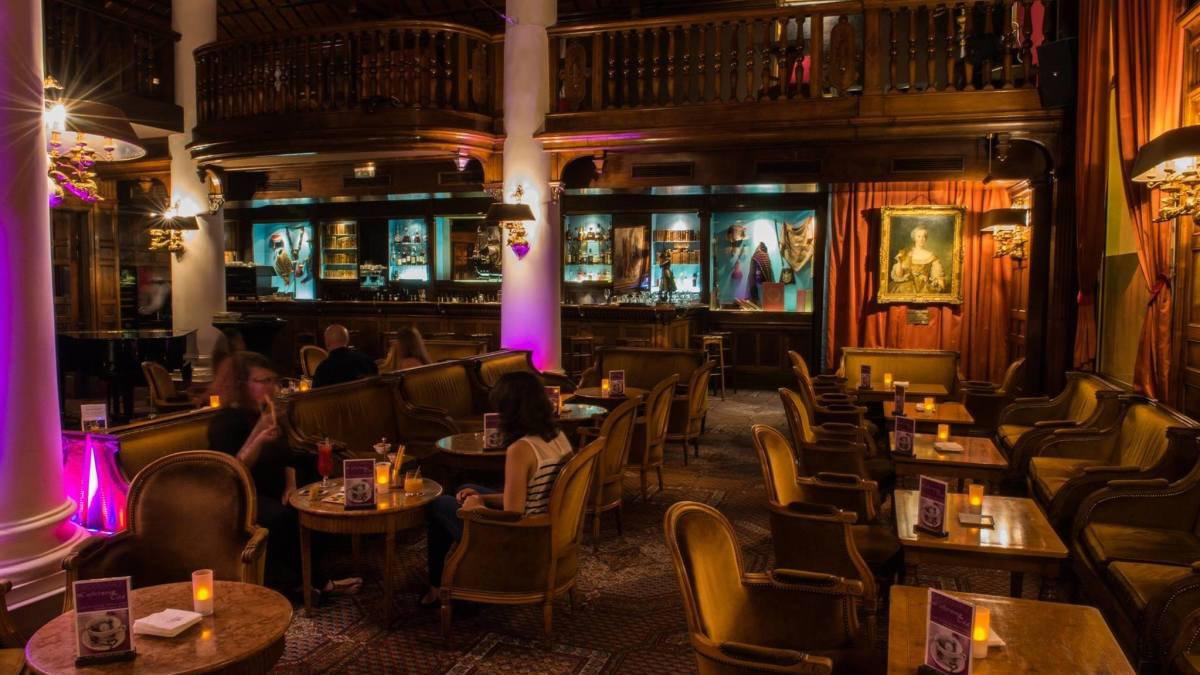
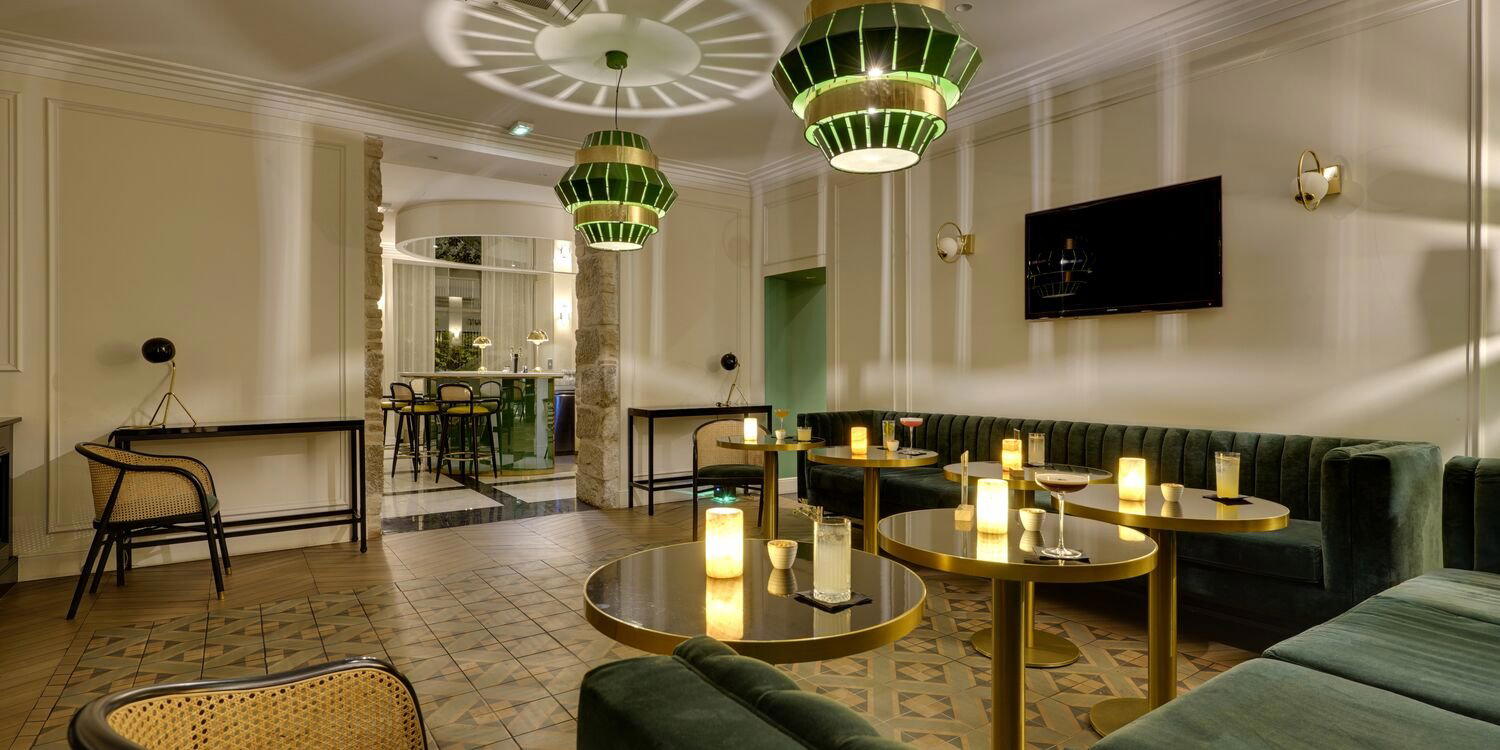
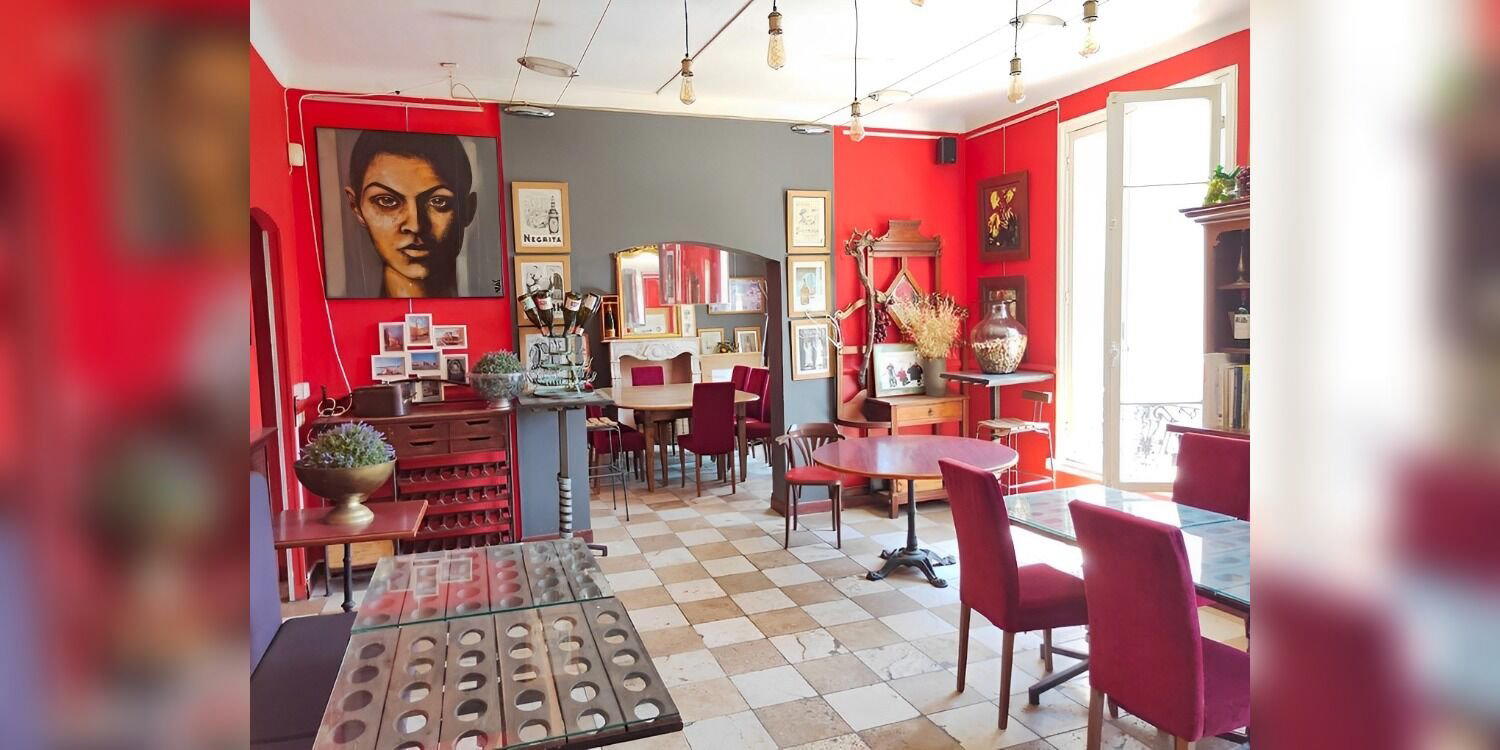
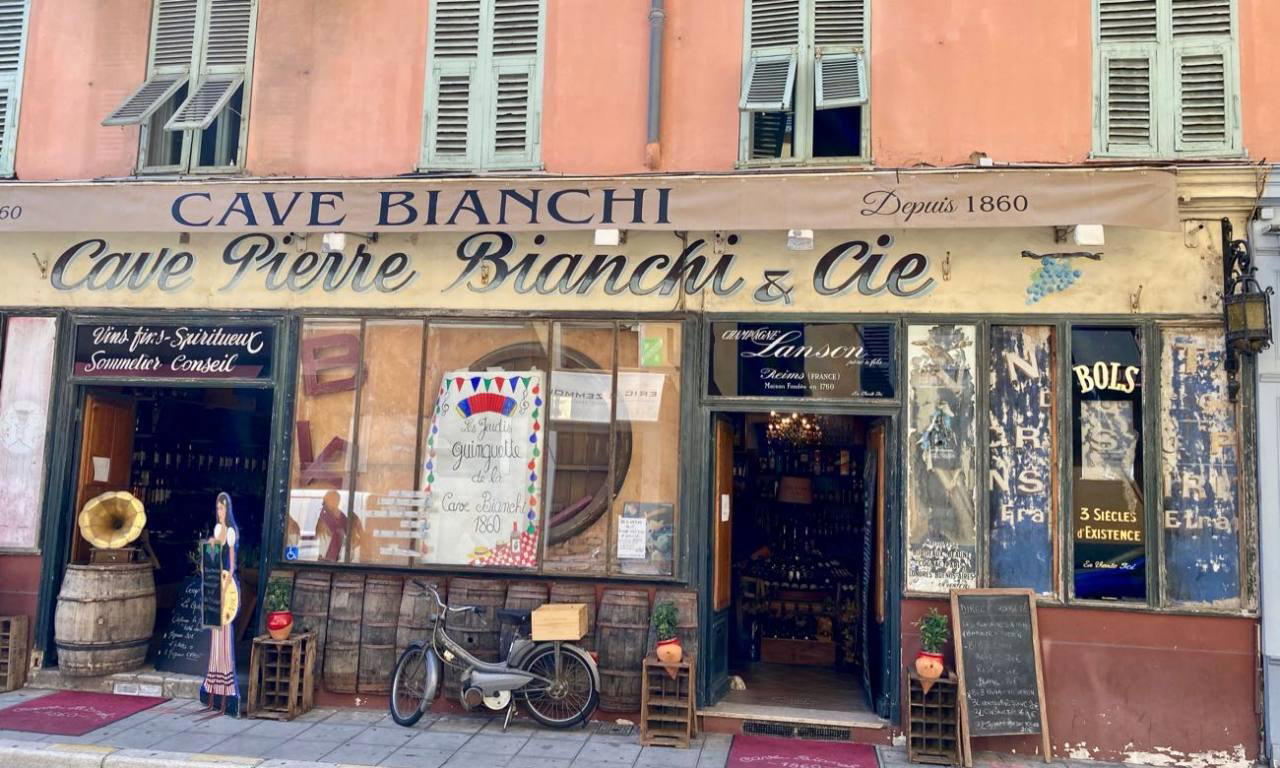
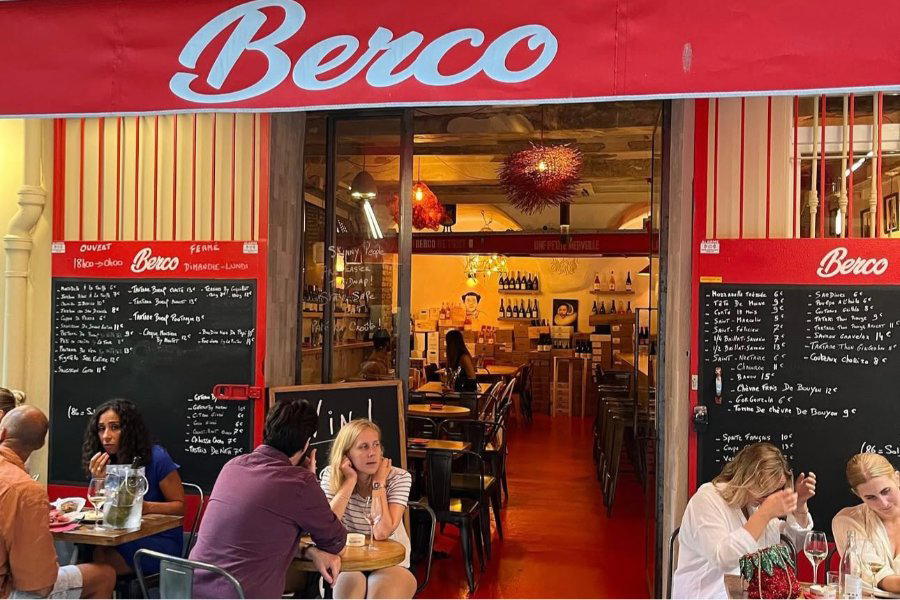
Hotels in Cagnes-sur-Mer
Browse all →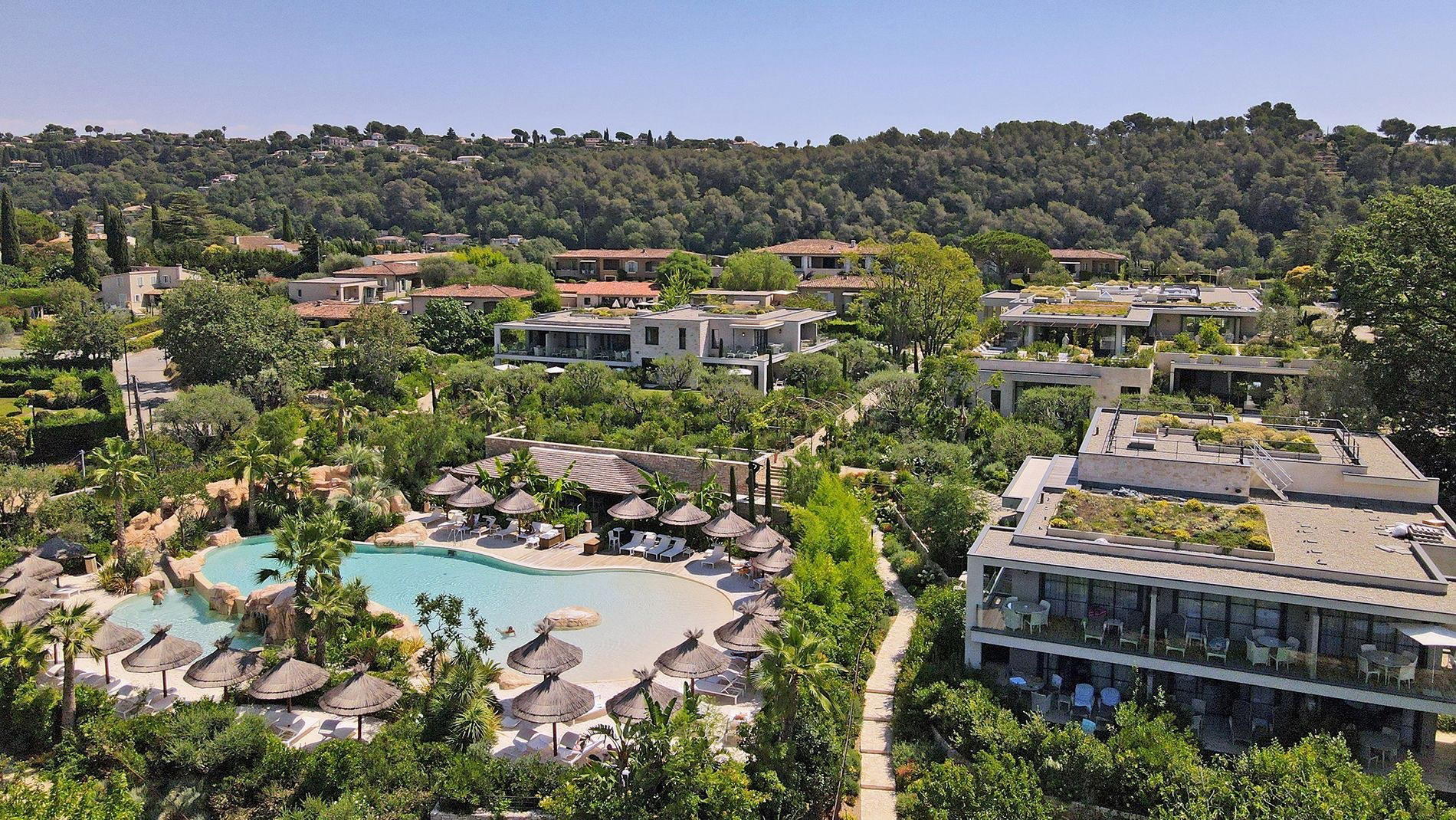
Wineries in Cagnes-sur-Mer
Browse all →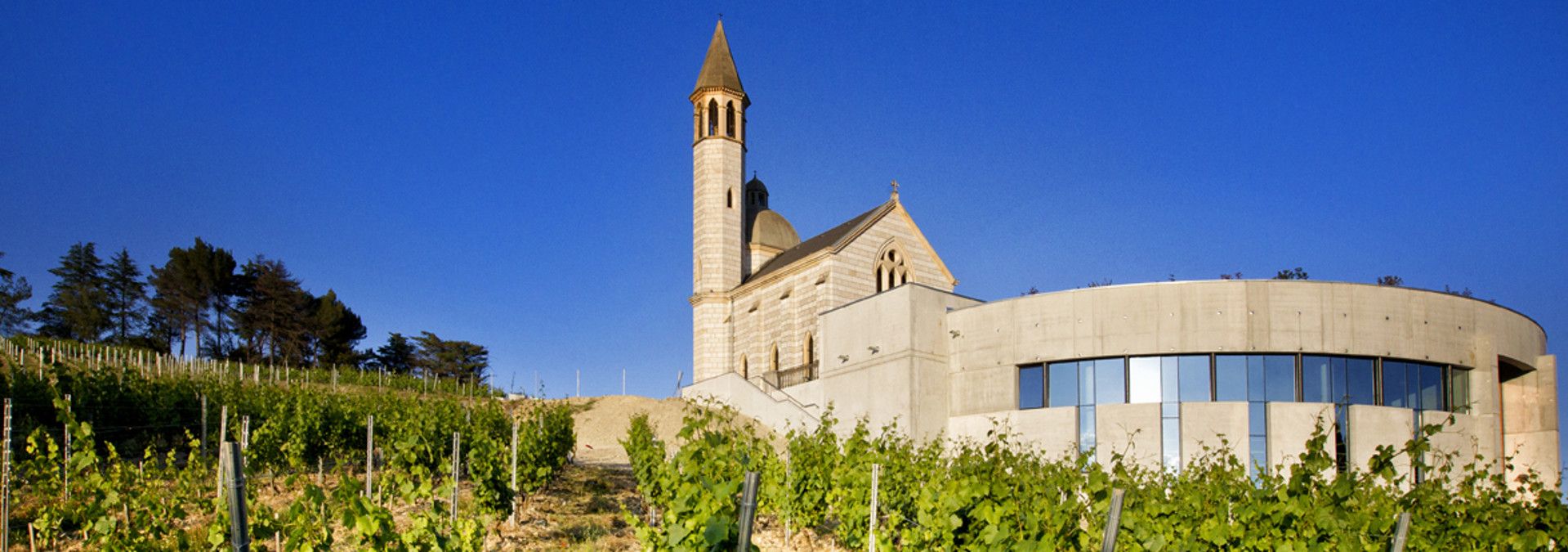

At a Glance
- Romantic
- Cozy
- Intimate
- Elegant
- Charming
- Date Night
- Special Occasion
- Standalone
- Extensive Wine List
- Local Sourcing
- Farm To Table
- Street Scene
Current opening hours
- Monday
- 7–8:30 PM
- Tuesday
- Closed
- Wednesday
- Closed
- Thursday
- 7–8:30 PM
- Friday
- 7–8:30 PM
- Saturday
- Closed
- Sunday
- 7–8:30 PM
Hours can change for holidays and private events. Last verified .
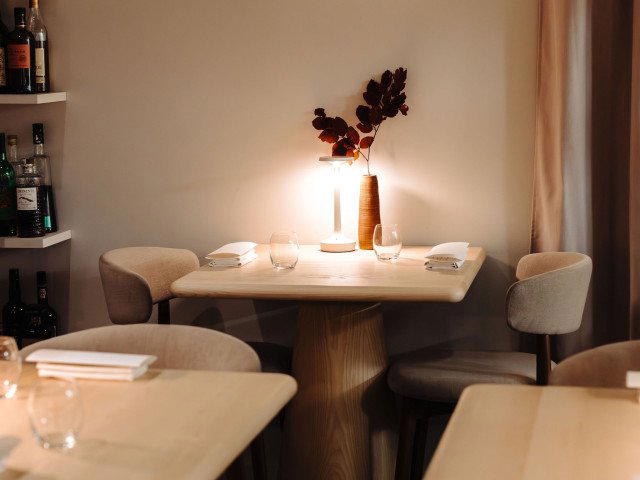
Cozy, warm, and intimate Provençal dining room with thoughtful decor fostering serenity and romance, ideal for fine cuisine.