Fiorelli Pizza
Our verdict
On West 3rd Street in Los Angeles, Fiorelli Pizza sits inside a neighbourhood that has spent decades sharpening its appetite for serious Italian cooking. The address places it near the mid-city corridor where casual and considered dining exist in close proximity, and the kitchen's focus on pizza signals a deliberate narrowness of purpose that the surrounding dining scene tends to reward.

Pearl is the En Primeur Club membership app — saves, bookings, and concierge access live there. Same editors, same standards.
- Address
- 8236 W 3rd St, Los Angeles, CA 90048
- Phone
- (424) 466-7161
- Hours
- Mon–Tue ClosedWed–Sun 11 AM–9 PM
- Website
- fiorellipizza.com
- Directions
- Get directions
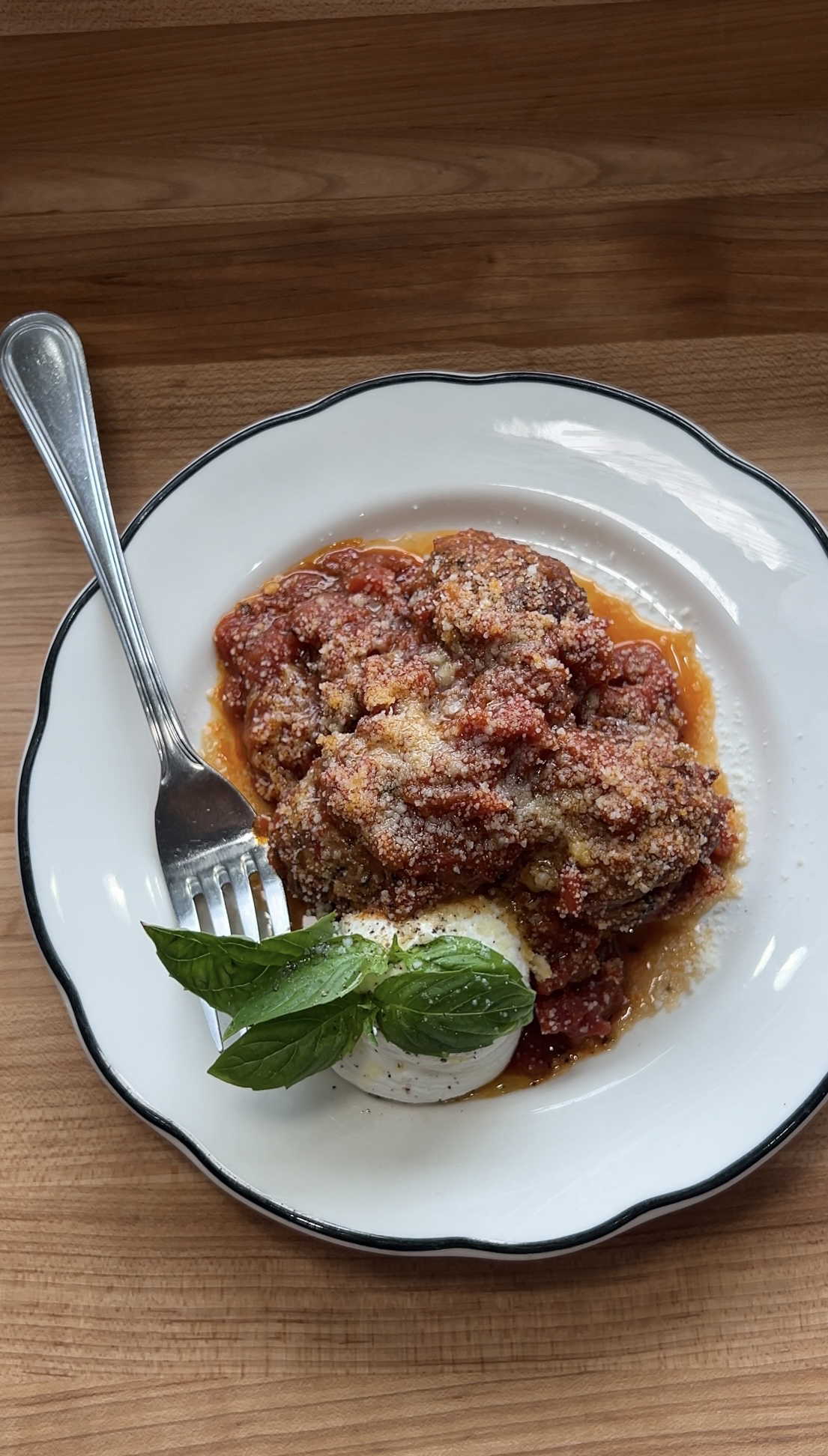
West 3rd Street and the Case for Focused Italian
There is a particular kind of block in Los Angeles where the restaurant density becomes self-reinforcing. West 3rd Street between Fairfax and La Cienega is one of them. The stretch has accumulated enough serious kitchens over the years that arriving hungry in the early evening, before a reservation, before a decision is fully made, has become a ritual in itself. It is exactly the kind of neighbourhood where aperitivo culture lands with some logic: a glass poured before the meal, small plates to slow things down, a counter or banquette where the transition from afternoon to dinner happens at its own pace. Fiorelli Pizza, at 8236 W 3rd St, positions itself inside that rhythm.
Pizza in Los Angeles occupies a more competitive and more seriously contested category than it did a decade ago. The city's Italian cooking identity was long anchored by white-tablecloth trattorias and the kind of pasta-forward menus that Osteria Mozza helped define for a generation of local diners. But the conversation has shifted, and the pizza-specific counter — focused, often compact, built around dough technique and sourced ingredients — has carved out its own distinct tier within that broader Italian tradition.
The Aperitivo Frame: How the Pre-Dinner Hour Shapes a Pizza Kitchen
In Italian tradition, aperitivo is not a prologue to dinner so much as a recalibration of expectation. The bitter edge of an Aperol, the small salted bite, the deliberate slowing of pace, these are gestures that change how you receive the meal that follows. A pizza kitchen that understands this paces its room differently from one that simply turns tables. The build toward the main event matters, and in a neighbourhood like West 3rd, where the early evening foot traffic creates its own ambient energy, that build is part of the product.
Los Angeles has borrowed from this tradition selectively. The city's bar and restaurant culture, as covered in our full Los Angeles bars guide, has moved toward longer, more intentional pre-dinner formats in recent years. Spritz variations and low-ABV options appear on more menus than they did five years ago, and the expectation that a good pizza restaurant stocks something worth drinking before the dough arrives is now close to standard at the neighbourhood-serious end of the category.
Pizza Tradition, Los Angeles Edition
The city does not have a single dominant pizza tradition the way New York has the thin-fold slice or Chicago its deep dish. That absence of orthodoxy has created space for a wider range of approaches, Neapolitan-influenced, New York-adjacent, California-inflected with local produce, without any single style claiming the category outright. What has emerged instead is a geography of specialisation, where individual kitchens build credibility around a specific method and hold to it.
That credibility matters more now that the city's dining conversation operates at a higher register overall. Los Angeles has developed a tier of destination-level restaurants, from Providence in its seafood-focused lane to Kato redefining what Taiwanese cooking looks like at the serious end, to Somni operating in an entirely different register of ambition. Against that backdrop, a focused pizza kitchen competes on different terms: consistency, atmosphere, value per plate, and the kind of reliability that brings people back on a Tuesday without a special occasion attached.
Internationally, Italian pizza cooking at the serious end is represented by rooms like 8 1/2 Otto e Mezzo Bombana in Hong Kong, which demonstrates how Italian culinary tradition travels across contexts. The lesson that transfers is simple: precision and sourcing matter at every price point, and diners who eat seriously have learned to notice both.
The West 3rd Neighbourhood: What Proximity Does
Location on West 3rd carries its own context. The street's restaurant density means any kitchen here competes visually and by reputation before a diner even crosses the threshold. Foot traffic from the surrounding residential neighbourhoods, combined with proximity to the Beverly Grove area, creates a clientele that is largely local but not parochial, these are diners who have eaten widely and form opinions quickly. For a pizza kitchen, that audience is exacting in specific ways: they know what a properly fermented dough should feel like, they notice when a sauce is under-seasoned, and they remember a room where the arrival experience matched the food.
Los Angeles as a whole rewards restaurants that take neighbourhood identity seriously. The city's best-regarded kitchens, whether Japanese counters like Hayato or the more progressive formats, tend to have a clear relationship with their immediate geography. For a city this dispersed, the block-level identity of a restaurant is often its most powerful marketing.
Planning a Visit
West 3rd Street is accessible from central Los Angeles without significant difficulty, sitting south of Beverly Boulevard and east of La Cienega. The surrounding neighbourhood has street parking along the side streets, though evening competition is real on busy nights. For those arriving from further afield, it pairs logically with a broader mid-city evening that might include a stop along the surrounding blocks before or after the meal. Given the density of the neighbourhood and the format, visiting earlier in the evening allows for the kind of unhurried aperitivo-paced arrival that suits a kitchen like this. Specific hours and booking details are best confirmed directly with the venue, as operational information was not available at the time of publication. For broader planning across the city, our full Los Angeles restaurants guide covers the range of formats and price points, and our Los Angeles hotels guide addresses the accommodation picture for visitors structuring a longer stay.
Those building a comparative Italian itinerary across the United States might also reference Emeril's in New Orleans for a different regional expression of American-Italian influence, while the farm-driven precision of Single Thread Farm in Healdsburg illustrates what sourcing discipline looks like at another price tier in California. The French Laundry in Napa and Lazy Bear in San Francisco anchor the northern California fine dining context, while Le Bernardin in New York City and Alinea in Chicago represent what focused culinary vision produces at the category-defining level. Alain Ducasse at Louis XV in Monte Carlo provides the European anchor for understanding how Italian and Mediterranean traditions travel at the highest register. Our Los Angeles wineries guide rounds out the picture for those interested in pairing local wine with their Italian meal.
Frequently asked questions
How do I find Fiorelli Pizza?
Fiorelli Pizza is located at 8236 W 3rd St, Los Angeles, CA 90048, Los Angeles.
How does Fiorelli Pizza fit into the West 3rd Street dining scene in Los Angeles?
West 3rd Street is one of the few corridors in Los Angeles where restaurant density creates genuine cross-street competition, with kitchens competing on reputation before a diner even steps inside. Fiorelli Pizza's position at 8236 W 3rd St places it within this self-reinforcing cluster, where Italian and pizza-focused menus occupy a distinct niche against the neighbourhood's broader range of cuisines. For diners orienting a Los Angeles itinerary around a single walkable block, the Italian pizza format at Fiorelli provides a focused counterpoint to the street's more varied offerings.
What dish is Fiorelli Pizza famous for?
Fiorelli Pizza is positioned as a pizza-focused Italian kitchen on West 3rd Street, a block where cuisine specificity tends to drive repeat visits. The menu centres on pizza rather than a broad Italian spread, which is a deliberate format choice in a city without a single dominant pizza orthodoxy.
Should I book Fiorelli Pizza in advance?
West 3rd Street between Fairfax and La Cienega is one of Los Angeles's most concentrated restaurant corridors, which means demand for neighbourhood tables can spike on weekend evenings without much warning. No formal booking policy is documented for Fiorelli Pizza, so contacting the restaurant before arriving during peak hours is the practical approach. Walk-in availability is not guaranteed on that block.
What is Fiorelli Pizza known for?
Fiorelli Pizza operates as a pizza and Italian kitchen at 8236 W 3rd St in Los Angeles, sitting within a stretch of West 3rd Street that diners treat as a destination in itself rather than a pass-through corridor. Its focus is Italian cuisine with pizza as the anchor format, which positions it clearly within a neighbourhood that otherwise runs toward broader, more eclectic menus. In a city where pizza identity is fragmented across New York-style, Neapolitan, and California-inflected variants, a focused Italian approach on this block carries its own character.
Peers in This Market
Comparable venues nearby, for context on price, style, and recognition.
| Venue | Cuisine | Price | Notes |
|---|---|---|---|
| Fiorelli PizzaThis venue — the venue you are viewing | California-Style Wood-Fired Pizza | $20–30 | Not listed |
| Stella Barra Pizzeria & Wine Bar | Modern Artisanal Pizza | Not listed | Hollywood |
| Casa Bianca Pizza Pie | Classic Italian Thin-Crust Pizza | $20–30 | Eagle Rock |
| Palermo Pizza Club | Palermo-style Pizza | $20–30 | Brentwood |
| Louise's Trattoria | Classic Italian Trattoria | $20–30 | Larchmont |
| Cruzer Pizza | 100% Vegan Pizza | Not listed | Echo Park |
Continue exploring
More in Los Angeles
Restaurants in Los Angeles
Browse all →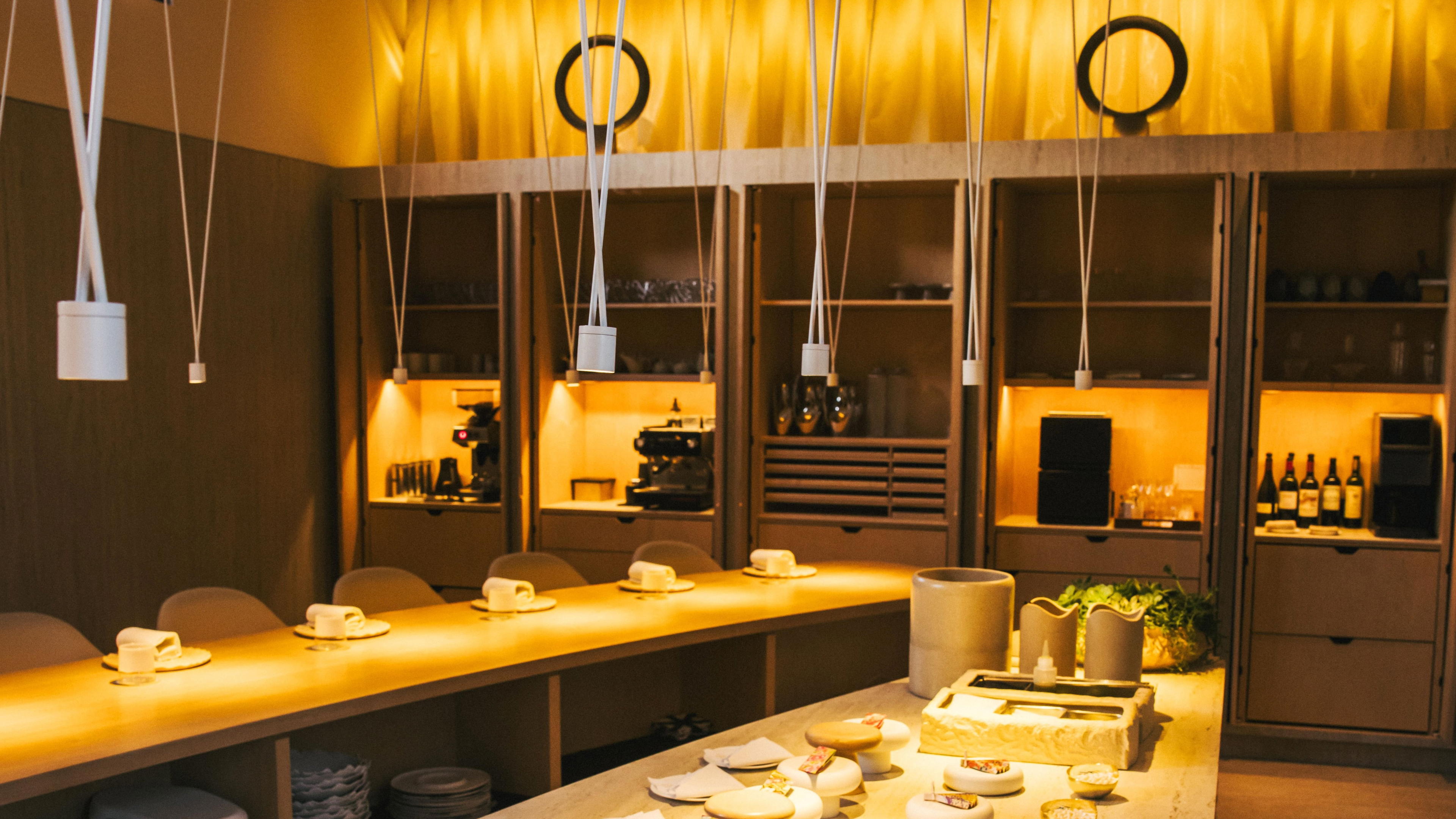
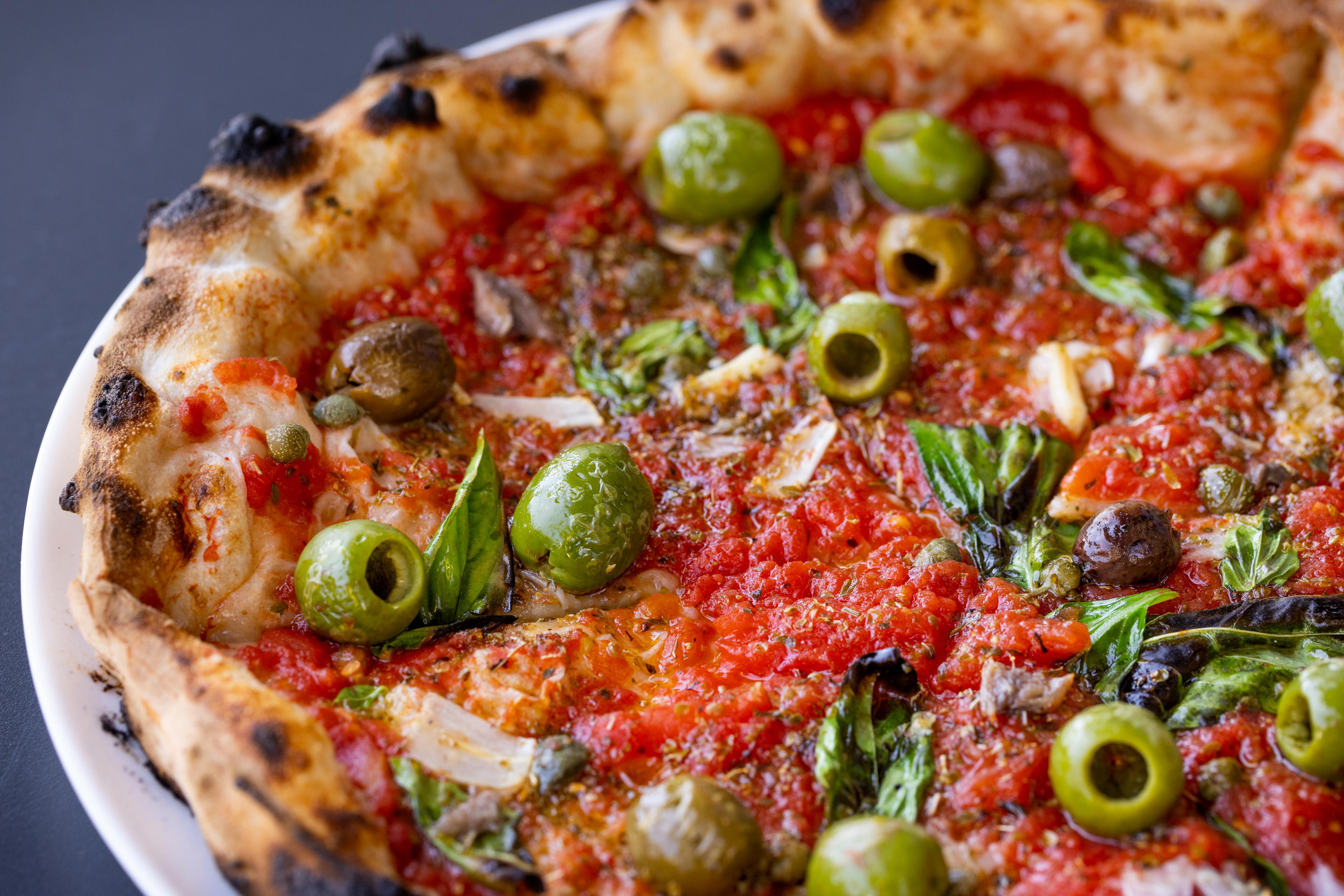
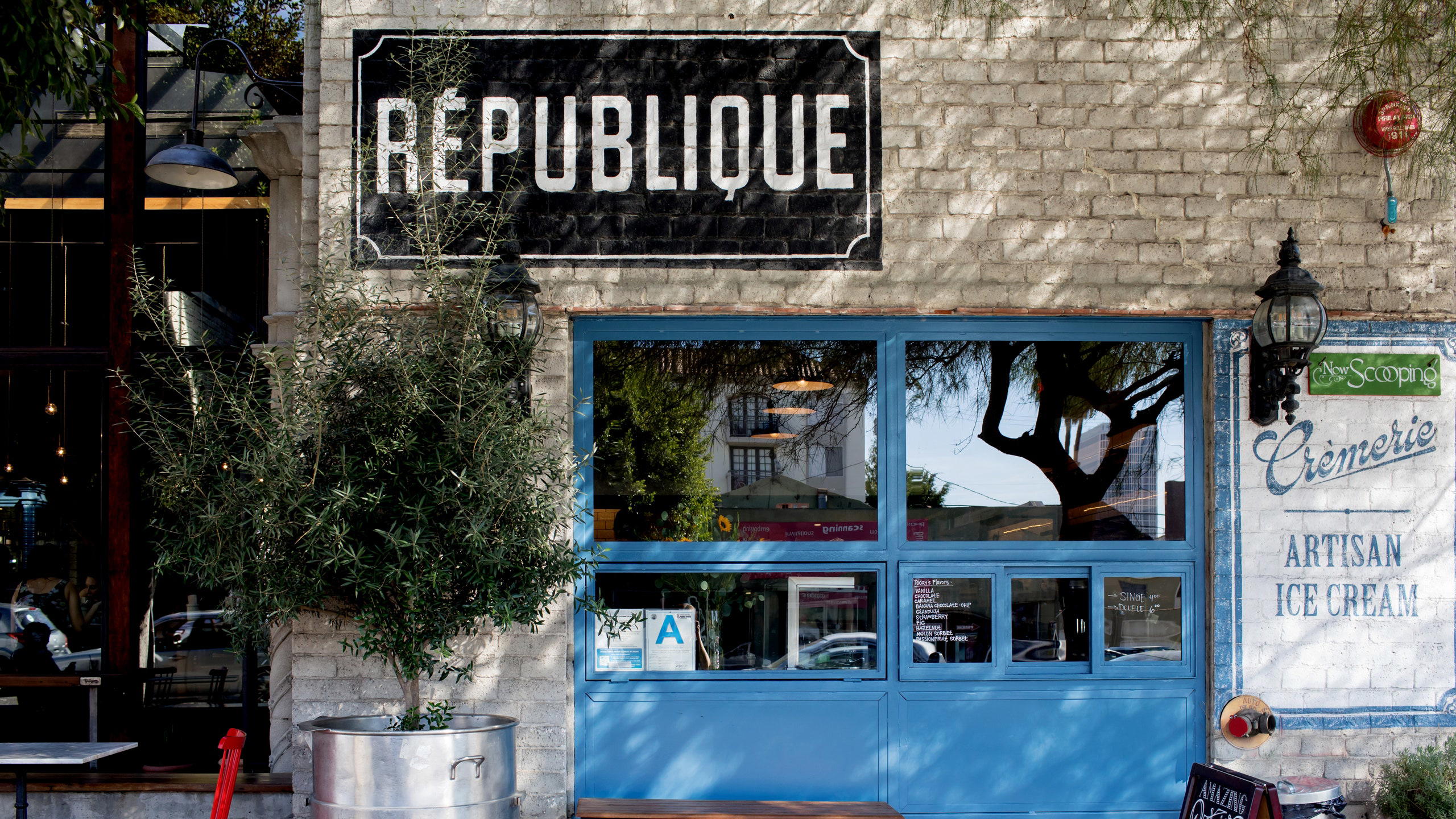
Bars in Los Angeles
Browse all →
Hotels in Los Angeles
Browse all →
Wineries in Los Angeles
Browse all →
Details
- Cozy
- Rustic
- Casual Hangout
- Date Night
- Open Kitchen
- Local Sourcing
- A La Carte
Current opening hours
- Monday
- Closed
- Tuesday
- Closed
- Wednesday
- 11 AM–9 PM
- Thursday
- 11 AM–9 PM
- Friday
- 11 AM–9 PM
- Saturday
- 11 AM–9 PM
- Sunday
- 11 AM–9 PM
Hours can change for holidays and private events. Last verified .