Feathers Inn


A Michelin Plate-recognised inn perched on a steep hill in the Northumberland village of Hedley on the Hill, Feathers Inn channels the stronger traditions of the British gastropub: locally sourced roe deer, beef flank cooked in ale, and produce drawn from the surrounding countryside.
- Address
- Hedley on the Hill, Stocksfield NE43 7SW, United Kingdom
- Phone
- +44 1661 843607
- Website
- thefeathers.net
- Directions
- Get directions
The Village Pub That Kept Its Roots
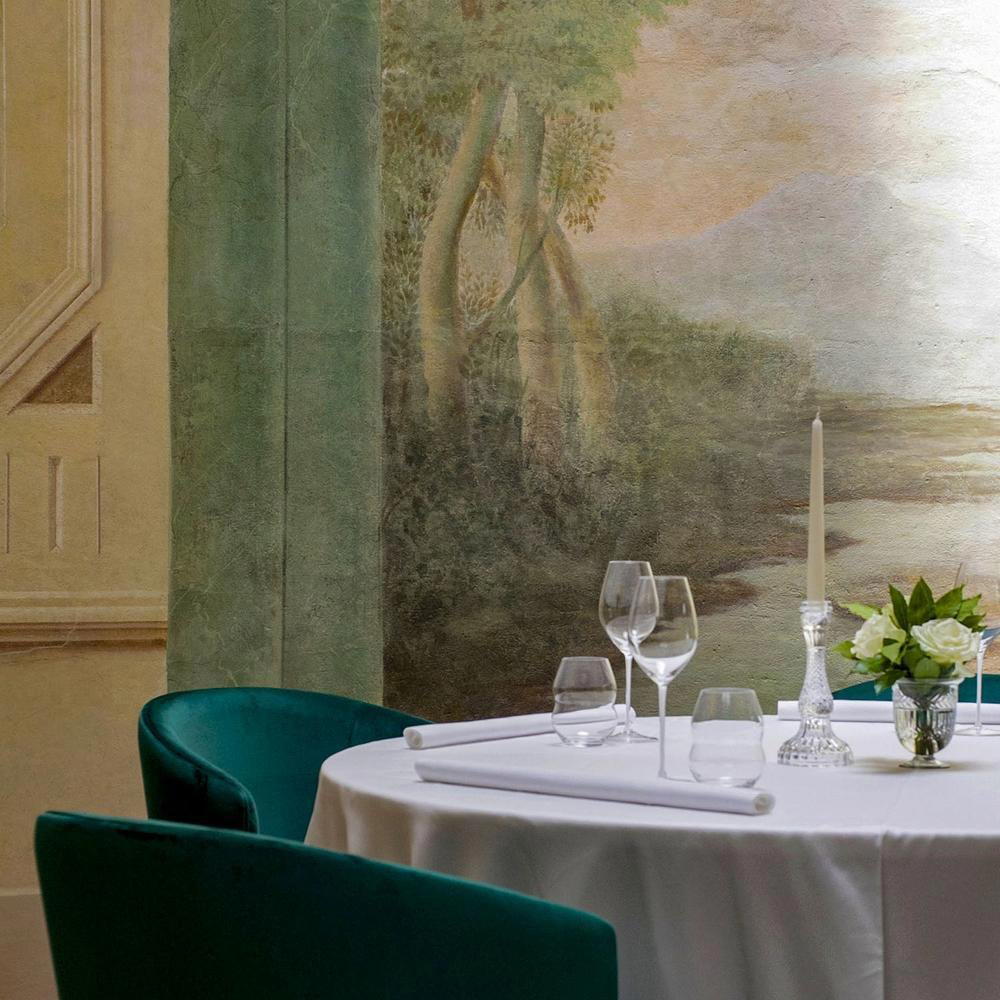
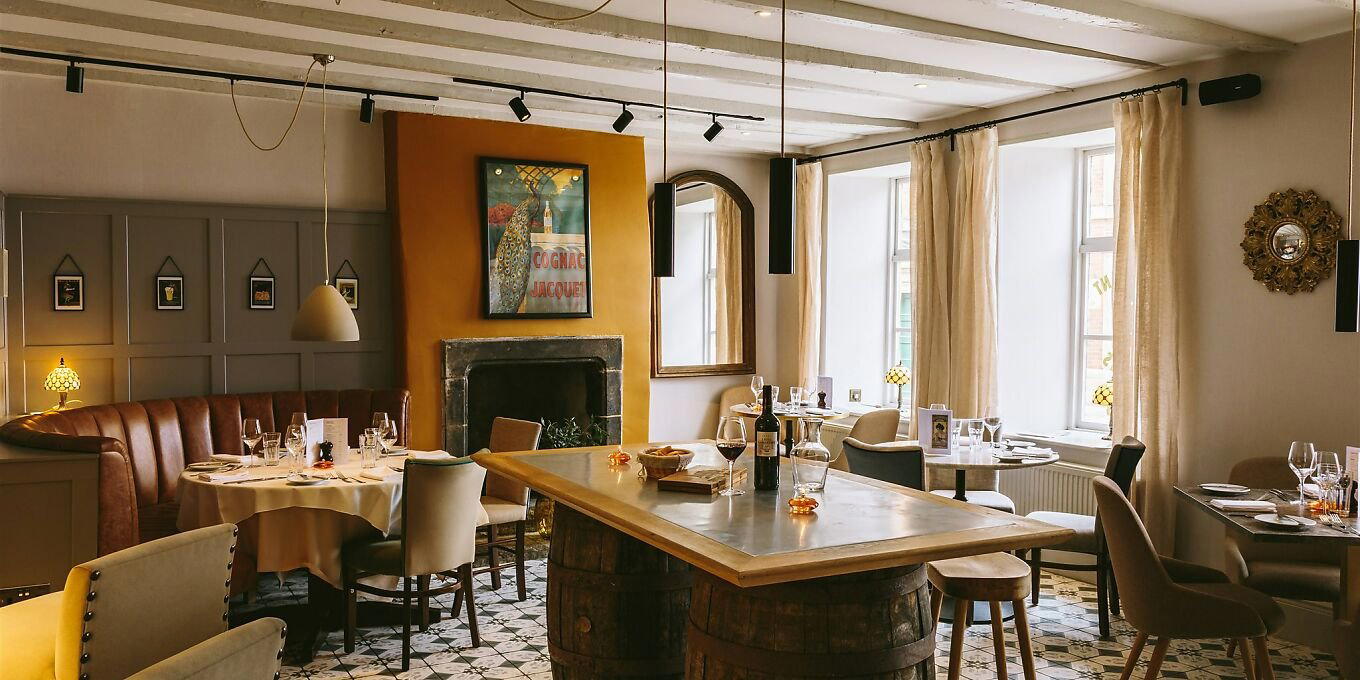
The road to Hedley on the Hill climbs sharply through Northumberland farmland before levelling out at a cluster of stone buildings that have changed little in outward appearance for generations. Feathers Inn sits at the centre of that village, literally and socially, on a steep incline that gives the settlement both its character and its name. A traditional British gastropub in Hedley on the Hill, Feathers Inn is priced at ££ and is recommended for reservations. Step inside and the architecture does what good pub architecture should: low ceilings, worn surfaces, a warmth that reads as accumulated rather than designed. This is not a pub that was styled to feel old. It simply is.
That distinction matters when you consider the broader arc of British pub dining over the past thirty years. The gastropub revolution, which began in London in the early 1990s and spread outward, split broadly into two camps. One camp took pub buildings and filled them with restaurant-grade cooking and restaurant-grade prices, effectively rebranding the space while hollowing out its communal character. The other camp held onto the community-first model and raised the food to match it, rather than the other way around. Feathers Inn belongs firmly to the second tradition. Michelin has awarded it a Plate in both 2024 and 2025, which signals cooking that meets the guide's threshold for quality without lifting the venue into destination-restaurant territory. That balance is harder to achieve than it sounds.
Cooking That Earns Its Geography
The gastropub revolution produced two persistent arguments: that refined pub food always compromises the atmosphere, and that genuinely local sourcing is mostly a marketing claim. The restaurant addresses both. The menu incorporates international touches, the cooking is not archaeologically British, but the sourcing is grounded in the surrounding area in ways that go beyond the obligatory chalkboard nod. Roe deer comes from local land. Fresh fruit is drawn from nearby. The kitchen works with what the Northumberland countryside actually produces rather than shipping in ingredients that happen to carry a British flag.
Within that framework, the approach is described by Michelin as traditional, gutsy, and proudly local, adjectives that carry weight when you consider what they imply about portion ethos and flavour strategy. Beef flank cooked in ale is the kind of dish that defines this register: a cheaper cut transformed by technique and patience, the ale functioning not as a garnish note but as a braising medium that builds the flavour from the inside. This is pub food in the original sense, in that it asks something of the cook rather than relying on premium raw material to do the work. At the ££ price tier, it is also pub food in the economic sense, accessible to the community it serves rather than priced for occasional visitors only.
The contrast with the upper end of the British dining scene is instructive. Restaurants such as CORE by Clare Smyth in London, L'Enclume in Cartmel, and Moor Hall in Aughton operate in a tier where tasting menus run to multiple courses and the sourcing narrative is often the menu itself. The restaurant is not competing with those venues, nor trying to. Its closer comparable set is the Pipe and Glass in South Dalton, another Yorkshire-region Michelin-recognised pub that holds community character while cooking at a standard most standalone restaurants would struggle to match.
The Northumberland Context
Hedley on the Hill sits between Stocksfield and Consett, accessible from the A695 corridor that connects the Tyne Valley westward from Newcastle. The village is not on a tourist trail in the conventional sense, there is no castle, no market town amenity cluster. The pub is the destination, which is precisely what makes its community function coherent rather than incidental.
That geography also explains the sourcing model. This far north, with farmland and managed estates directly adjacent, the supply chain between field and kitchen is short by necessity as much as philosophy. Roe deer from local land is not a restaurant-menu flourish here; it is a reflection of what the surrounding countryside produces in genuine volume. The same applies to the fruit and other produce the kitchen draws from the area. Proximity is the default, not a differentiator.
Where It Sits in the Wider British Pub Dining Story
The gastropub story in Britain is sometimes told as a metropolitan phenomenon, Hand and Flowers in Marlow earning two Michelin stars, country house dining at Le Manoir aux Quat' Saisons in Great Milton or Gidleigh Park in Chagford setting a template for rural fine dining. But the more durable version of that story is happening in places like Hedley on the Hill, where the ambition is not to win a second star but to make a village pub worth driving thirty miles for without making it feel like anywhere other than a village pub.
The restaurant functions in the same tradition as hide and fox in Saltwood or Midsummer House in Cambridge in the sense that it represents a local dining identity rather than a transplanted one, though it operates at a different price point and with a different format ethos. For a sense of how the British dining tradition has been renegotiated across formats and geographies, venues like Opheem in Birmingham, Restaurant Andrew Fairlie in Auchterarder, and The Fat Duck in Bray map the outer edges of that conversation. The restaurant occupies a different coordinate entirely: grounded, local, and consistent in a way that requires no explanation to the community it has always served.
Fast Comparison
Comparable venues nearby, for context on price, style, and recognition.
| Venue | Cuisine | Price | Awards | Notes |
|---|---|---|---|---|
| Feathers InnThis venue — the venue you are viewing | Traditional British Gastropub | $$ | Michelin Plate | Not listed |
| The Feathers Inn | pub | $$ | Not listed | Hedley on the Hill |
| Chadwicks Inn | Modern British Gastropub | $$ | Michelin Plate | Maltby |
| Bay Horse | Modern British Gastropub | $$$ | Michelin Plate | Hurworth on Tees |
| Sun Inn | Traditional British Gastropub | $$ | Michelin Plate | Kirkby Lonsdale |
| Where there's Smoke | Modern British Coal-Fired Cooking | $$$ | Michelin Plate | Masham |
Recognition history
Dated appearances from independent guides and award organizations, with the underlying list record or original source where available.
Michelin Plate
Michelin
Michelin Plate
Michelin
The Good Food Guide GFG Good
The Good Food Guide
Michelin Plate
Michelin
Continue exploring
More in Hedley on the Hill
Restaurants in Hedley on the Hill
Browse all →
Bars in Hedley on the Hill
Browse all →
Hotels in Hedley on the Hill
Browse all →
At a Glance
- Cozy
- Rustic
- Classic
- Family
- Casual Hangout
- Historic Building
- Local Sourcing
Current opening hours
- Monday
- Closed
- Tuesday
- Closed
- Wednesday
- Closed
- Thursday
- 12–11 PM
- Friday
- 12–11 PM
- Saturday
- 12–11 PM
- Sunday
- 12–7 PM
Hours can change for holidays and private events. Last verified .
Warm, rustic interior with beams, log-burning stoves, and a welcoming community atmosphere.