Feast at Lele
Our verdict
Feast at Lele delivers a full-evening Polynesian lu'au on Lahaina's Front Street waterfront, pairing traditional Pacific Island performance with a seated, coursed dinner that draws from Hawaiian, Samoan, Tongan, Tahitian, and Maori culinary traditions. The format sits above the typical lu'au buffet tier, positioning it as Lahaina's most composed version of the ceremonial feast experience.

Pearl is the En Primeur Club membership app, where members save venues, book tables and use the concierge.
Where the Pacific Meets the Plate: Lahaina's Ceremonial Dining Tradition
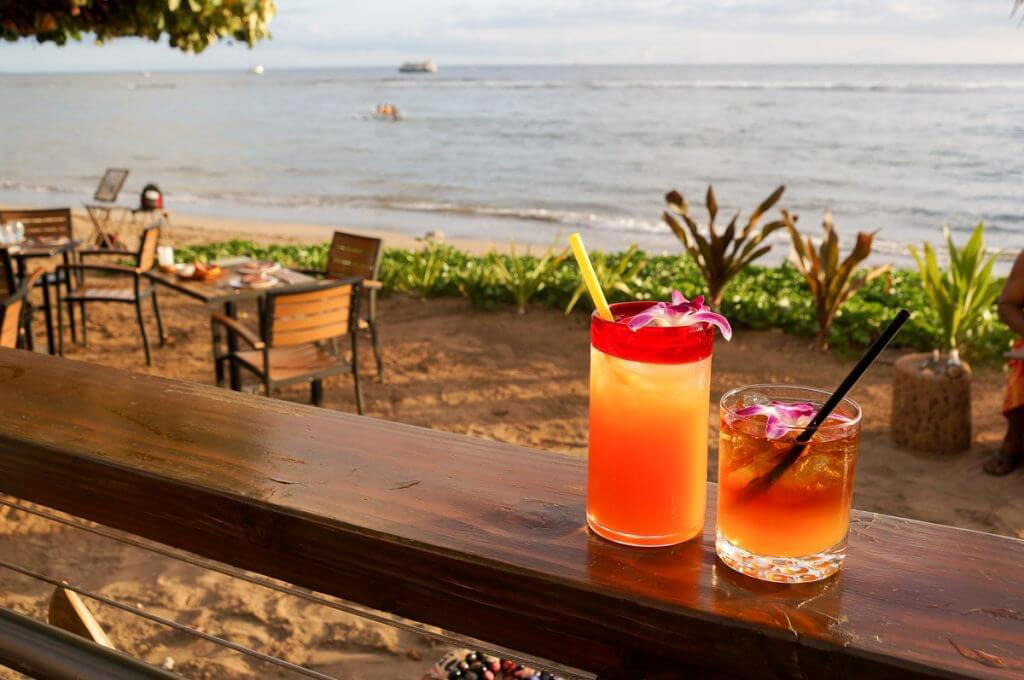
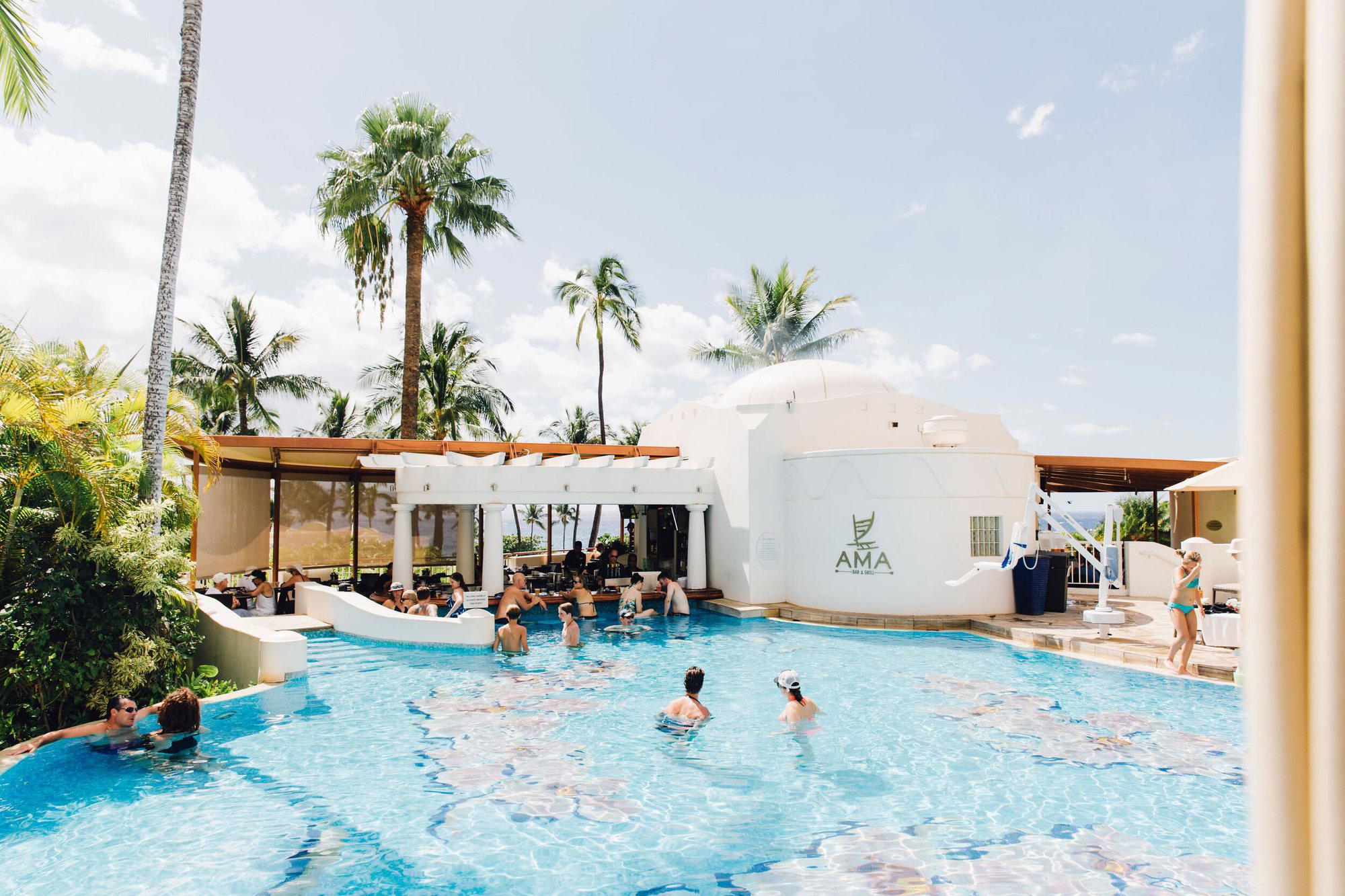
On Maui's western shore, the lu'au occupies a category of its own, part meal, part ceremony, part living record of Pacific Island culture. Most visitors encounter the format in its resort-buffet incarnation: a crowded lawn, chafing dishes, and a stage show playing at a distance. Feast at Lele, set directly on the waterfront at 505 Front Street in Lahaina, belongs to a different tier of that tradition. The ocean is visible throughout the evening, the sunset arrives at the table, and the meal is served coursed and seated rather than self-served from a steam line. In a market where most lu'au experiences prioritize capacity, this format prioritizes the relationship between food, performance, and place.
That positioning matters because it tells you what kind of traveller this evening suits. Lahaina's dining scene now spans everything from Aloha Mixed Plate's casual Hawaiian plate lunch to Banyan Tree's resort fine dining. Feast at Lele occupies a specific gap: a premium experiential format that treats the lu'au as dinner theater in the serious sense, not as spectacle with food as an afterthought. It is the version of the Hawaiian feast that you plan a Lahaina evening around, not the one you default to because the hotel recommended it.
The Structure of the Evening
The lu'au format, at its most considered, draws on the culinary traditions of multiple Pacific cultures simultaneously, Hawaiian, Samoan, Tongan, Tahitian, and Maori. Each has distinct preparation methods, distinct proteins and starches, and distinct ceremonial contexts for communal eating. What Feast at Lele does structurally is sequence those traditions into courses rather than displaying them side by side on a buffet. The result is a progression that mirrors the kind of narrative structure you find at American tasting-menu restaurants, though the reference points are the Pacific Islands rather than the European kitchen. Compared to venues like Cane & Canoe (Polynesian Fusion), which blends Pacific ingredients into a more recognizably modern fusion format, Feast at Lele holds closer to the ceremonial source material while still presenting it in a polished, Western-style dinner setting.
That intersection of indigenous tradition and imported presentation discipline is the operative tension in the room. The techniques used to plate and sequence a multi-course meal come from the same hospitality infrastructure that produces tasting menus at Le Bernardin in New York City or The French Laundry in Napa. The ingredients and cultural content, however, trace to pre-colonial Pacific practice: taro, poi, coconut, kalua-style preparations, and proteins tied to specific island traditions. That gap between presentation method and source material is not a contradiction, it is the format's defining characteristic, and it positions Feast at Lele alongside restaurants elsewhere in the US that have navigated similar territory. Atomix in New York City does something structurally comparable with Korean culinary tradition, and Atelier Moessmer Norbert Niederkofler in Brunico applies fine-dining rigor to Alpine regional ingredients. The ambition is analogous: use the tools of formal dining to honor, rather than dilute, an indigenous food culture.
Lahaina's Broader Dining Context
The Front Street corridor has long been Lahaina's primary dining strip, and the range is considerable. Betty's Beach Cafe and Castaway Cafe represent the casual, ocean-facing end of the spectrum. Star Noodle represents a different register entirely, applying serious technique to Hawaiian noodle culture. Feast at Lele sits apart from all of those because its format is not a restaurant format at all, it is a fixed-evening event with a defined start time, a set program, and a meal structure that is inseparable from the performance component. You are not choosing it the way you choose a restaurant. You are booking an evening. That distinction shapes how it should be evaluated, and it also explains why it draws comparison less to Lahaina's other dining options and more to experiential dinner formats like Lazy Bear in San Francisco or Smyth in Chicago, places where the meal is a designed experience with a beginning, middle, and end.
The waterfront setting amplifies this. Lahaina faces west, and the light that falls across the ocean in the hour before sunset is the kind that makes a simple thing feel considered. The physical environment at 505 Front Street does work that an interior room cannot. Venues that use landscape as an active element of the dining experience, Single Thread Farm in Healdsburg, Blue Hill at Stone Barns in Tarrytown, Providence in Los Angeles, understand that the context of a meal changes what the food tastes like. Feast at Lele works on the same principle, with the Pacific horizon as its setting.
Planning the Visit
Practical reality of Feast at Lele is that it is a ticketed evening event rather than a walk-in restaurant, which means availability during Maui's peak winter season (December through March, when mainland visitors arrive in volume) is the primary planning constraint. Booking several weeks out during that window is advisable. The format runs outdoors on the waterfront, and the Hawaiian trade winds can be present in the evening, a light layer is worth considering regardless of daytime temperatures. For visitors exploring the broader Lahaina dining scene on surrounding nights, Aloha Mixed Plate and Monkeypod Kitchen offer accessible points of comparison for Hawaiian and New American cooking at different price registers. The full Lahaina restaurants guide covers the complete range. Venues like Emeril's in New Orleans, Addison in San Diego, or The Inn at Little Washington in Washington share the same commitment to a designed, multi-course evening, travellers who prioritize that format over à la carte flexibility will find Feast at Lele consistent with that preference.
Frequently asked questions
Is Feast at Lele okay with children?
Lu'au dinners are traditionally family-oriented events, and Feast at Lele's format, a structured evening of Pacific Island performance and dining on Front Street in Lahaina, suits children who can engage with cultural performance over an extended seated meal. The ticketed, fixed-event structure means the pace is set in advance, so parents should factor that in for younger guests. Check current ticket options directly, as age-based pricing tiers are common for lu'au events of this type.
Is Feast at Lele formal or casual?
The setting is Front Street, Lahaina, an outdoor oceanfront environment where the dress standard aligns with Maui's general warm-weather norm: clean, comfortable resort wear. This is not a fine-dining room with a jacket requirement, but the ticketed, performance-driven format gives the evening a ceremonial weight that sets it apart from a casual beachside meal.
How does Feast at Lele differ from a standard Maui lu'au?
Most Maui lu'aus operate as large-group buffet events; Feast at Lele structures the evening as a seated, multi-course dinner where each course corresponds to a specific Pacific Island culture, Hawaiian, Samoan, Tongan, and Tahitian, with dedicated performance sequences tied to each. The 505 Front Street location places guests directly on the oceanfront in Lahaina rather than at a resort property set back from the water. This course-by-course cultural sequencing distinguishes the format from the all-at-once buffet model common across the island.
What dish is Feast at Lele famous for?
Feast at Lele draws on the culinary traditions of Hawaii, Samoa, Tonga, and Tahiti, so the menu functions as a cross-cultural survey rather than a single signature dish. Kalua pork, slow-cooked in an underground imu, is the cornerstone preparation of any serious Hawaiian lu'au and anchors this style of feast by tradition. Specific current menu items are best confirmed at booking, as lu'au menus shift seasonally.
What part of town is Feast at Lele in?
Feast at Lele is located at 505 Front St APT 120, Lahaina, HI 96761, Lahaina.
Do I need a reservation for Feast at Lele?
Yes. Feast at Lele operates as a ticketed evening event at 505 Front Street in Lahaina, not a walk-in restaurant. Maui's peak travel periods, particularly winter and summer school holidays, push availability weeks or months out, so booking ahead is the practical standard rather than the exception.
What's Feast at Lele best at?
Feast at Lele's clearest strength is the integration of performance and dining: rather than staging a generic floor show alongside a buffet, the format structures each course around a distinct Pacific Island culture and its corresponding dances and music. For visitors on Maui's western shore, it is one of the few venues on Front Street in Lahaina where the cultural program is treated as primary, not decoration.
Similar Picks
| Venue | Cuisine | Price | Awards | Notes |
|---|---|---|---|---|
| Feast at LeleThis venue (the venue you are viewing) | Polynesian Luau | $200–300 | Not listed | Not listed |
| Yakitori Hachibei | Traditional Japanese Yakitori | $30–50 | Not listed | Yakitori |
| Star Noodle | Modern Asian Fusion Noodles | $20–30 | Diners, Drive-Ins and Dives Featured Restaurant | Hawaiian |
| Cane & Canoe | Modern Hawaiian Seafood | $100–150 | Forbes 4-Star | Polynesian Fusion |
| Monkeypod Kitchen | Hawaii Regional Cuisine | $50–100 | Not listed | New American |
Continue exploring
More in Lahaina
Restaurants in Lahaina
All restaurants in Lahaina →
Bars in Lahaina
Browse all →
Details
- Scenic
- Romantic
- Lively
- Well Known
- Special Occasion
- Celebration
- Date Night
- Group Dining
- Waterfront
- Live Music
- Standalone
- Craft Cocktails
- Local Sourcing
- Waterfront
- Set Menu
- Bottomless Cocktails
- Vegetarian Friendly
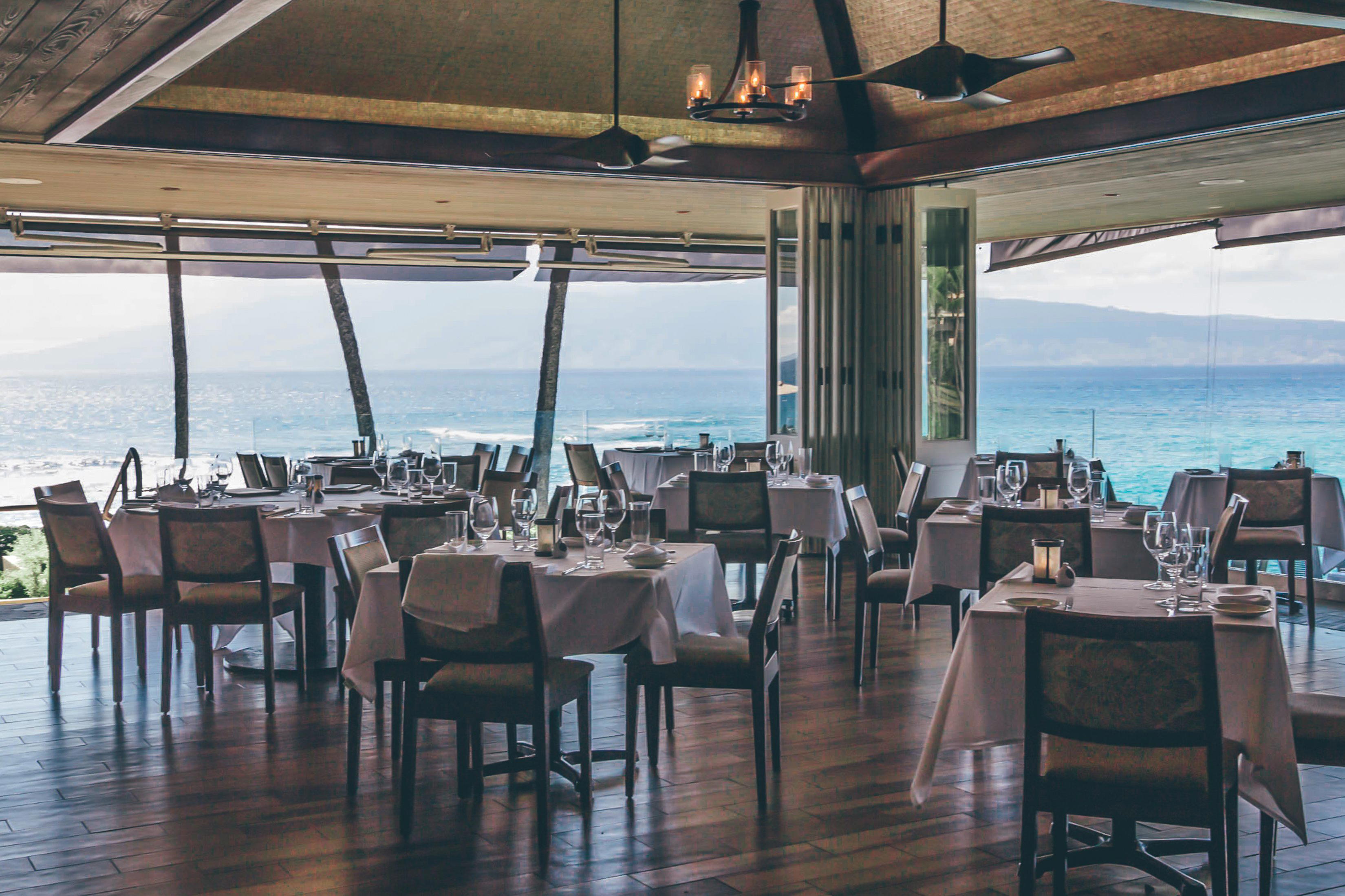
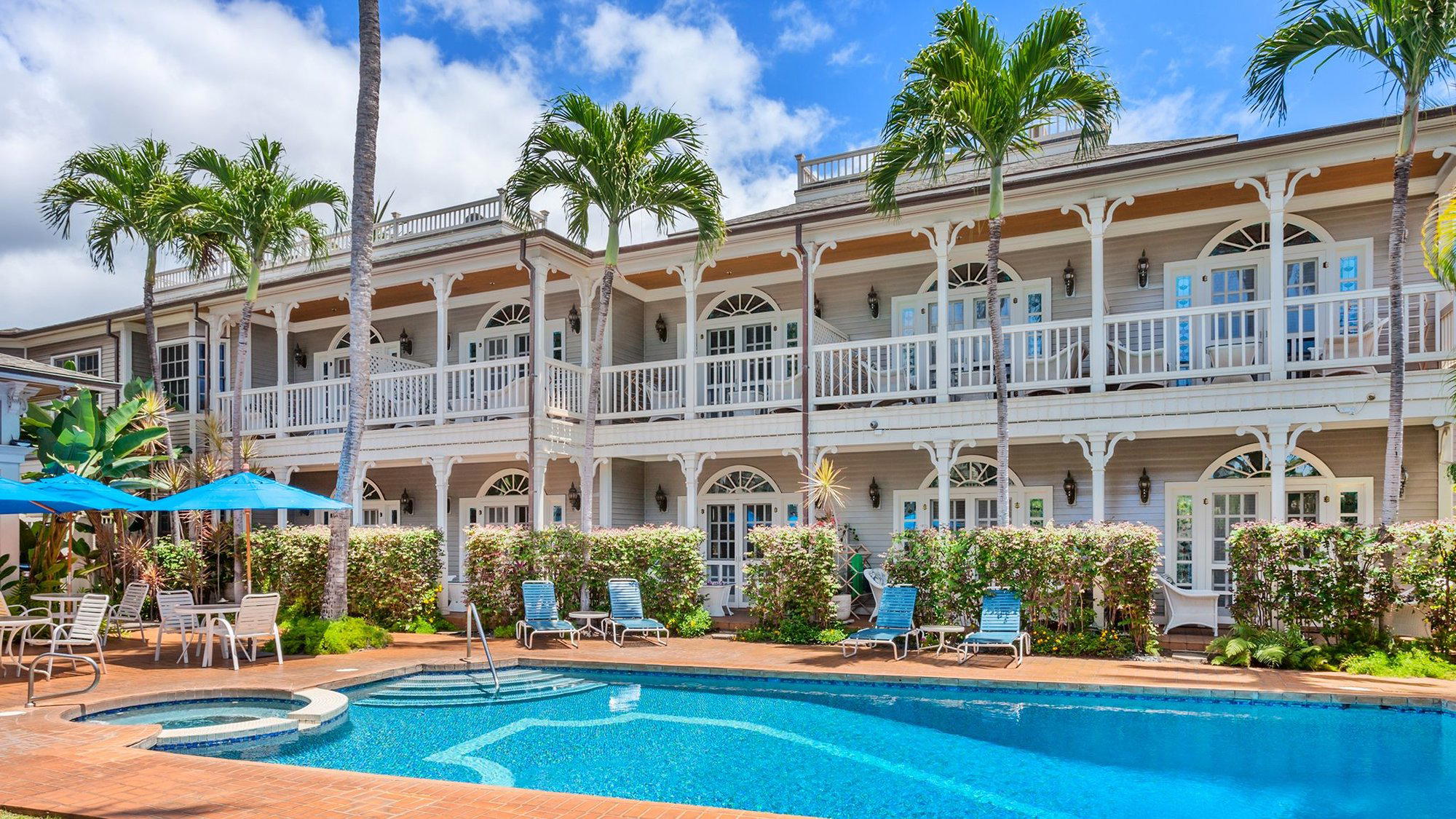
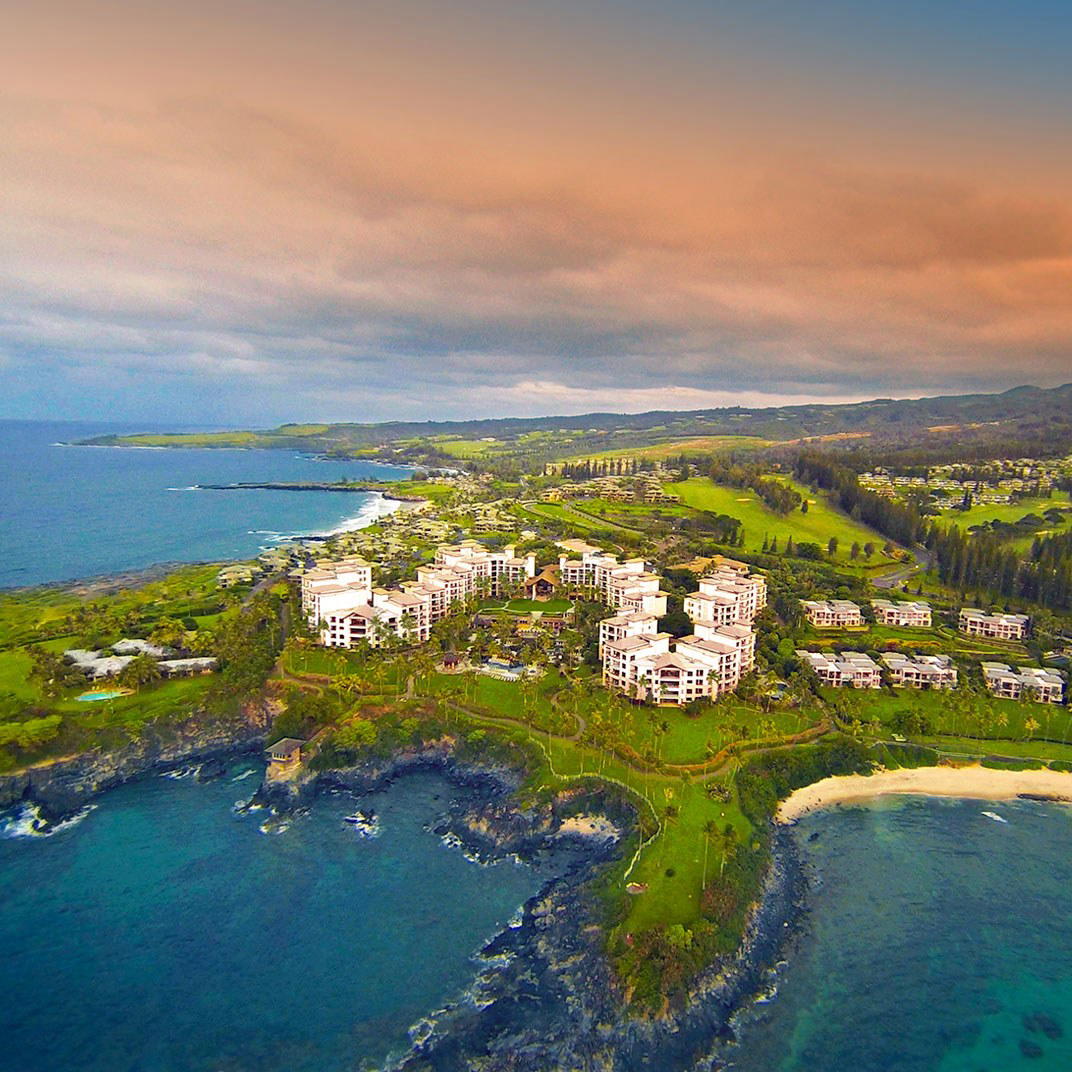
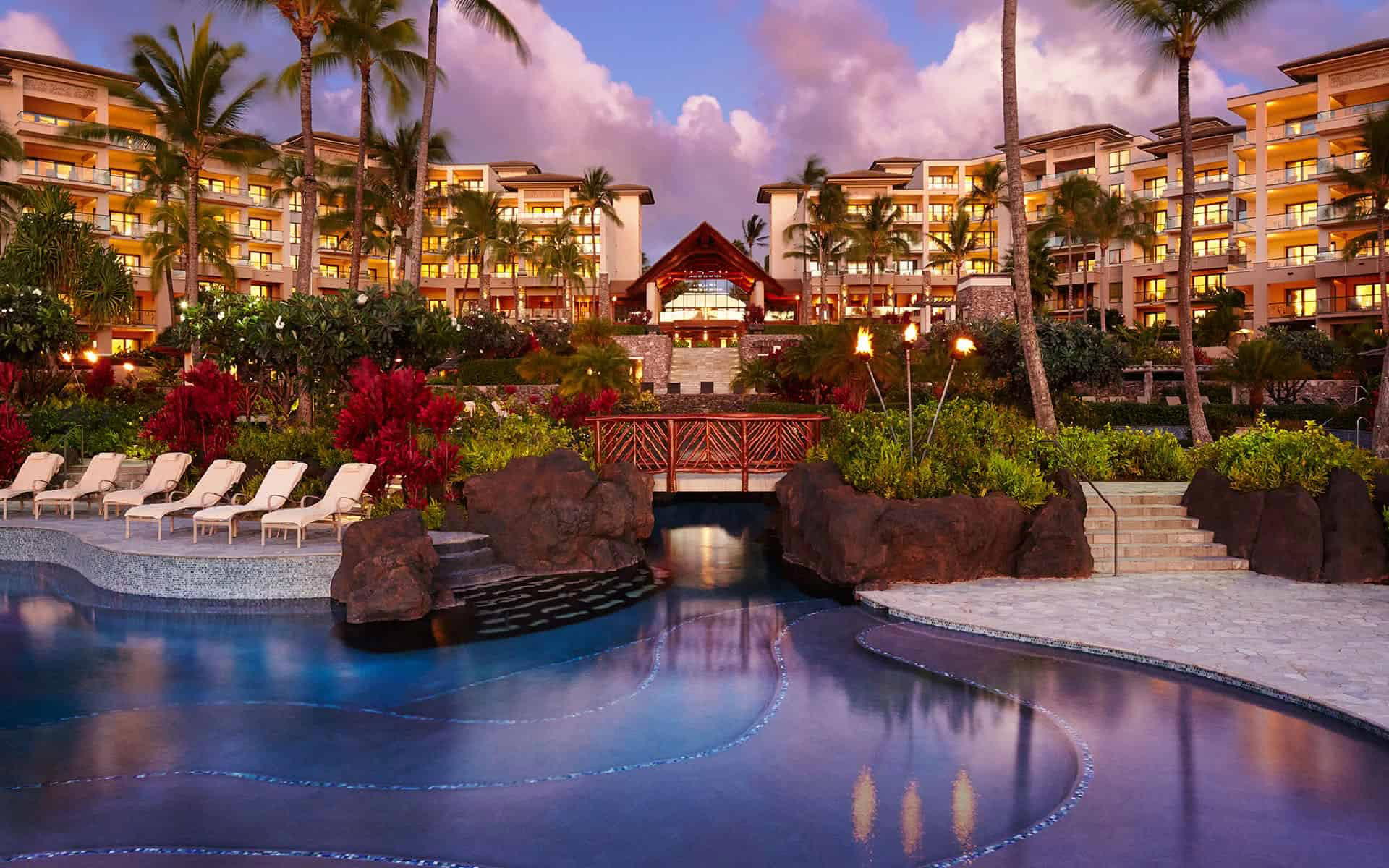
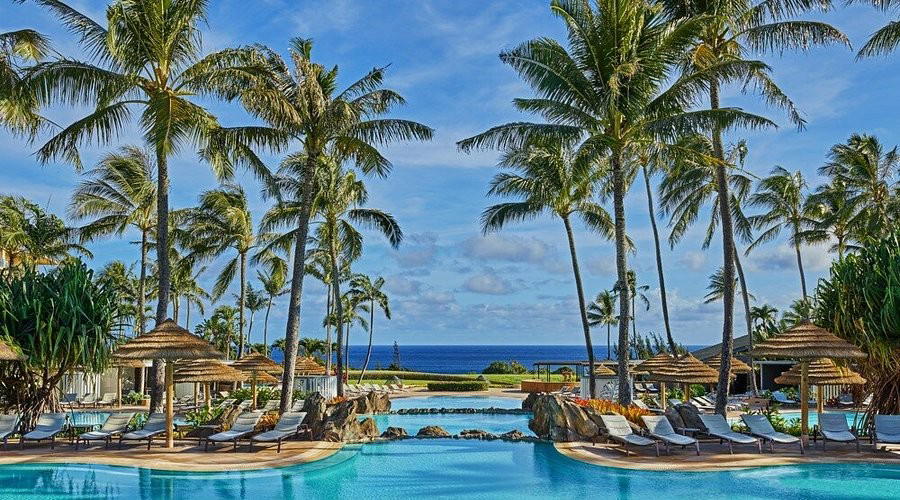
Beachfront, open-air Polynesian luau atmosphere with music and dance, ocean views, and a more polished, less touristy feel than a typical buffet luau.