Farzi Cafe
Farzi Cafe on Haymarket brings the modern Indian bistro format to one of London's most trafficked theatre-district addresses. The brand, which built its reputation across Dubai and India on contemporary takes of subcontinental street food, sits in a different competitive tier from the capital's fine-dining Indian houses, pitching accessibility over ceremony while maintaining a kitchen scope that extends well beyond the curry-house template.
Pearl is the En Primeur Club membership app — saves, bookings, and concierge access live there. Same editors, same standards.
- Address
- 8 Haymarket, London SW1Y 4BP, United Kingdom
- Phone
- 020 3981 0090
- Website
- farzilondon.com
- Directions
- Get directions
 Saves & bookings on Pearl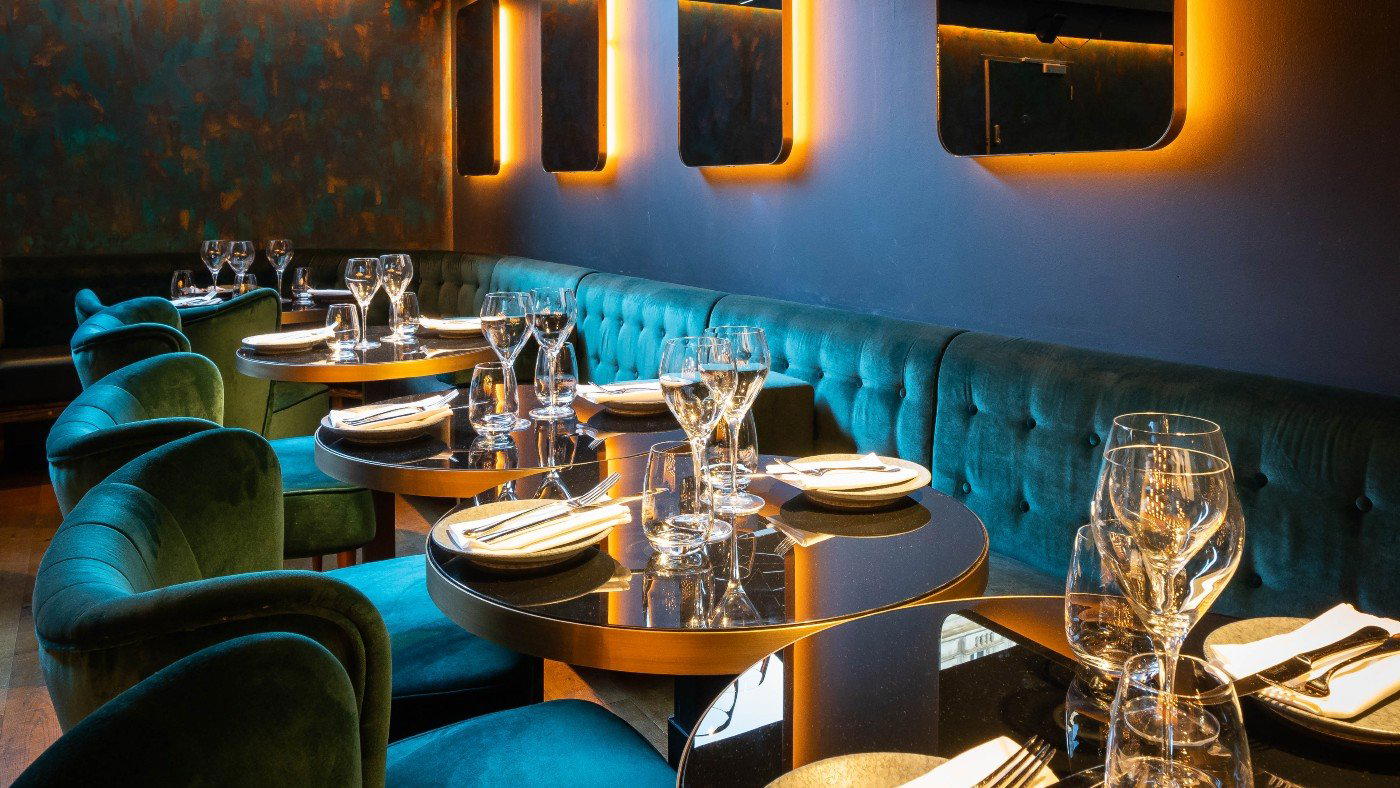
Modern Indian Bistro in the Theatre District
London's Indian restaurant scene has long operated across two distinct registers: the formal, high-spend end typified by tasting-menu-led establishments, and the neighbourhood stalwart built around regional comfort cooking. The middle ground, occupied by restaurants that apply technical ambition to accessible formats without the full ceremony of a tasting-menu operation, has been slower to develop here than in cities like Dubai or Mumbai. Farzi Cafe is a modern Indian bistro at 8 Haymarket, London SW1Y 4BP, with. It is part of a hospitality group with deep roots in India and a wider international footprint, bringing a format that had already found an audience in the Gulf to a London address with significant footfall from theatre-goers, tourists, and the pre-show dining crowd.
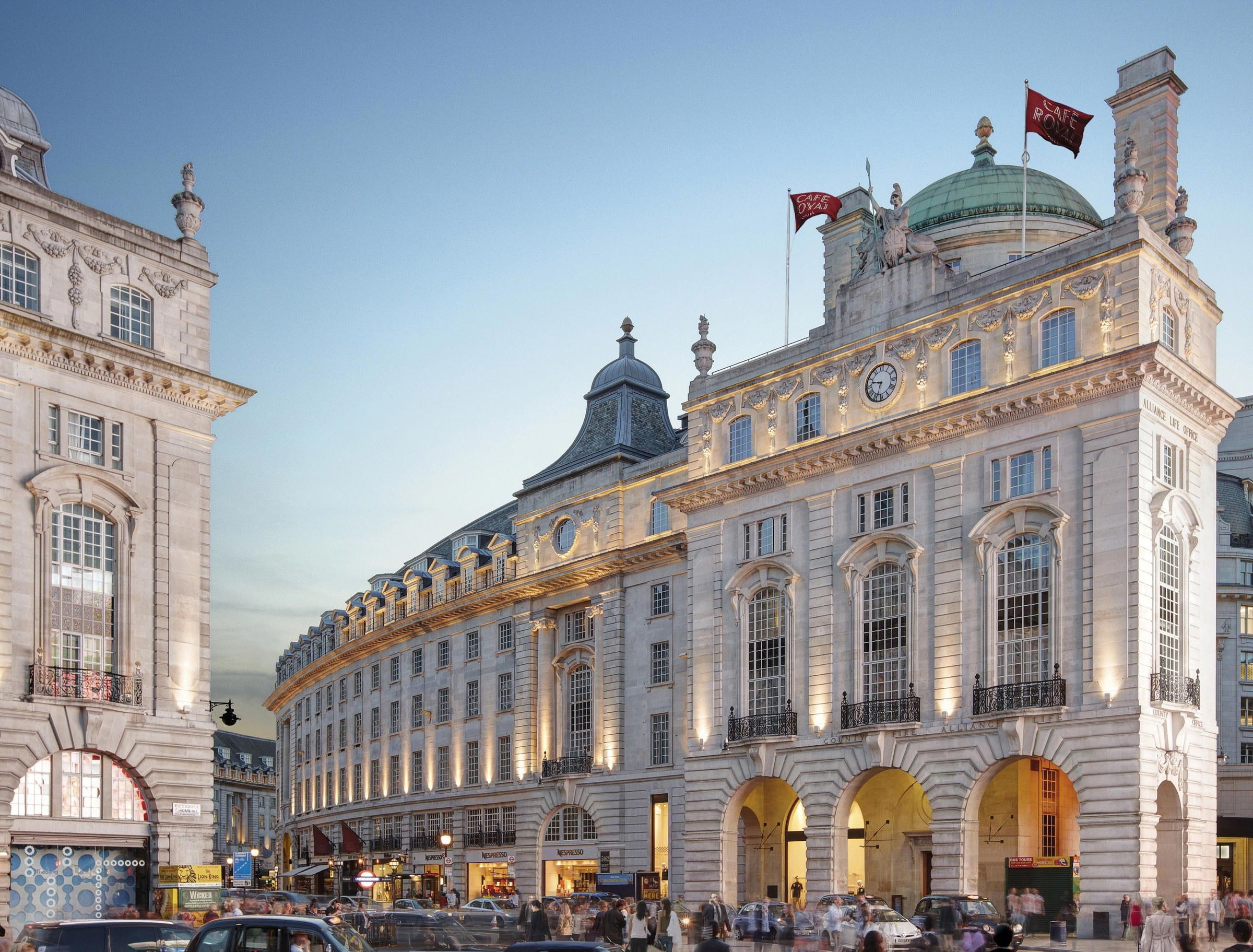
Haymarket sits between Piccadilly Circus and Trafalgar Square, placing it in one of the densest restaurant corridors in central London. The competitive set here is not the Mayfair fine-dining circuit, where CORE by Clare Smyth and Sketch, The Lecture Room and Library operate with three Michelin stars apiece, nor the classical European register of Restaurant Gordon Ramsay. Farzi Cafe competes on a different axis: theatre of presentation, breadth of menu, and a price point that invites repeat visits rather than occasion-only spending.
What the Modern Indian Bistro Format Means in Practice
The "modern Indian bistro" category is worth defining, because it is frequently misread. It does not mean fusion in the diluted, hotel-buffet sense. The format, which Farzi Cafe has applied across its international locations, involves applying contemporary plating and occasionally molecular techniques to dishes rooted in the subcontinent's street food and regional home-cooking traditions. The reference points are chaat, kebabs, biryanis, and regional curries, but the kitchen approach draws on a broader technical vocabulary. This places it closer in spirit to what Atomix in New York City does for Korean cuisine, though at a significantly more accessible price point and without the omakase constraint.
Across its locations, the brand has built recognition through consistency of concept rather than through individual chef celebrity. This is a structural choice with sustainability implications: a kitchen programme that is not dependent on a single named talent can maintain consistency even through staff changes, which matters both for supply chain continuity and for the kind of systemic sourcing decisions that require institutional commitment rather than individual preference.
Sustainability and Sourcing in the Modern Indian Kitchen
The question of ethical sourcing in Indian restaurant kitchens is more complex than it might appear. The supply chains for key spices, pulses, and preserved ingredients frequently span multiple countries and several intermediaries. Restaurants operating at this scale and price range are under pressure to address those chains in ways that high-volume, low-margin curry houses structurally cannot. The modern Indian bistro format, priced above the neighbourhood tier, carries the margin to make different sourcing decisions, and the reputational incentive to publicise them.
Vegetable-forward cooking, which the Indian culinary tradition has supported for centuries through its deep Jain and Hindu vegetarian heritage, also carries an inherent sustainability advantage that the cuisine is increasingly being recognised for. A kitchen that can execute technically accomplished vegetable dishes is not making a sacrifice for environmental reasons; it is drawing on one of the tradition's genuine strengths. This is a point that London's broader restaurant scene, which has sometimes treated vegetarian Indian food as a consolation category, has been slow to absorb. The restaurant's menu breadth on the vegetarian and plant-forward side reflects a tradition rather than a concession.
Placing Farzi Cafe in London's Indian Dining Tier
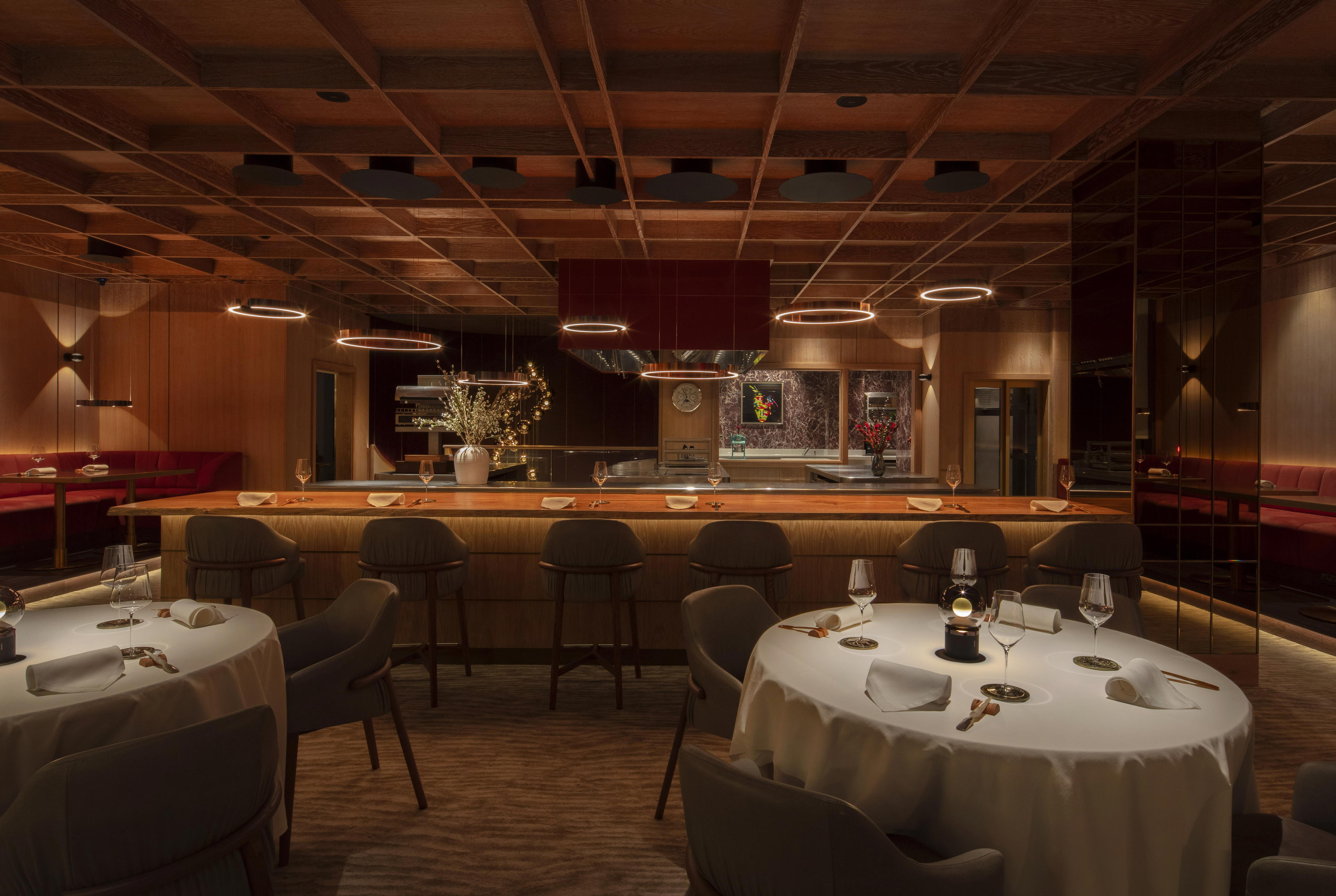
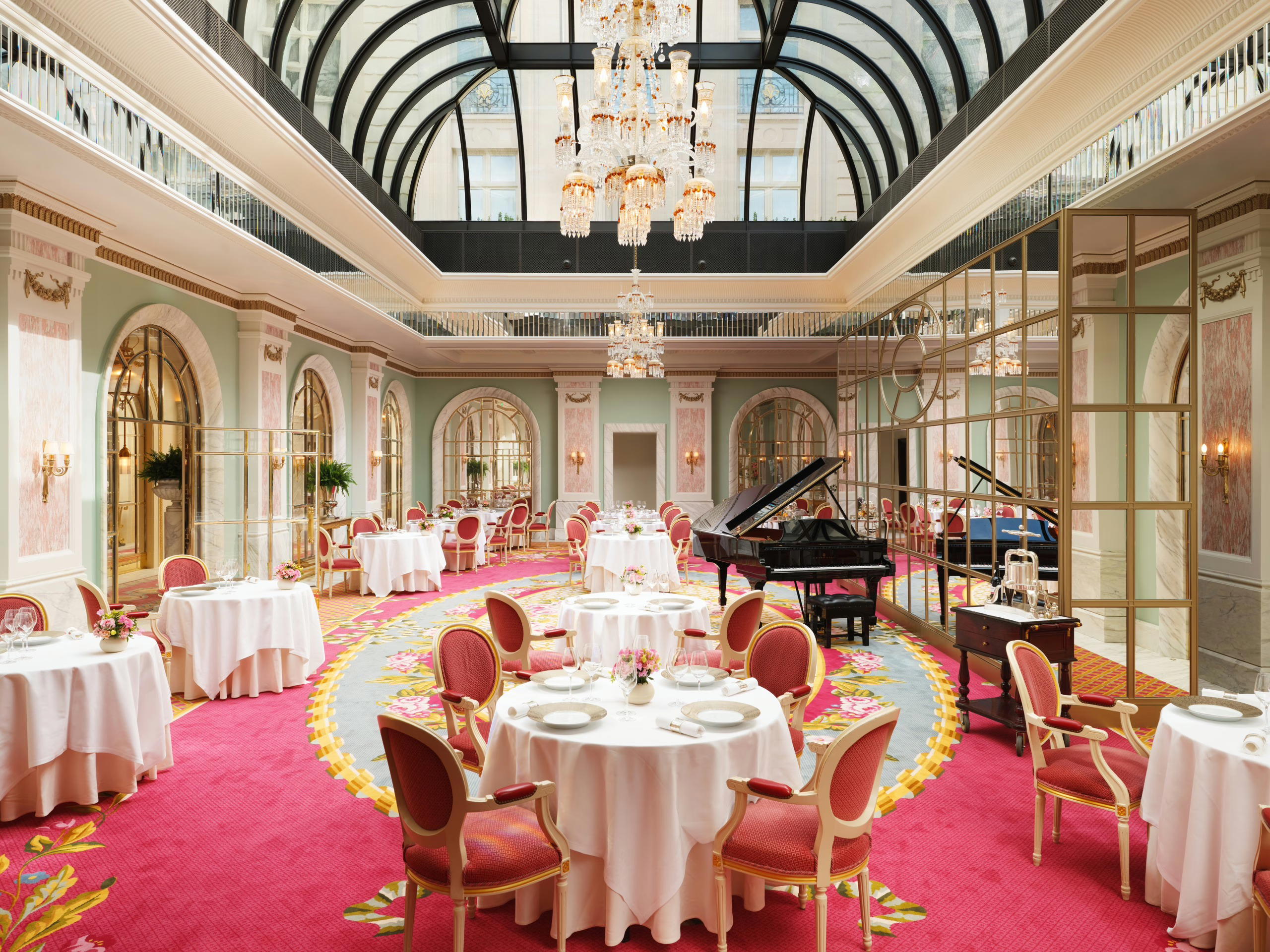
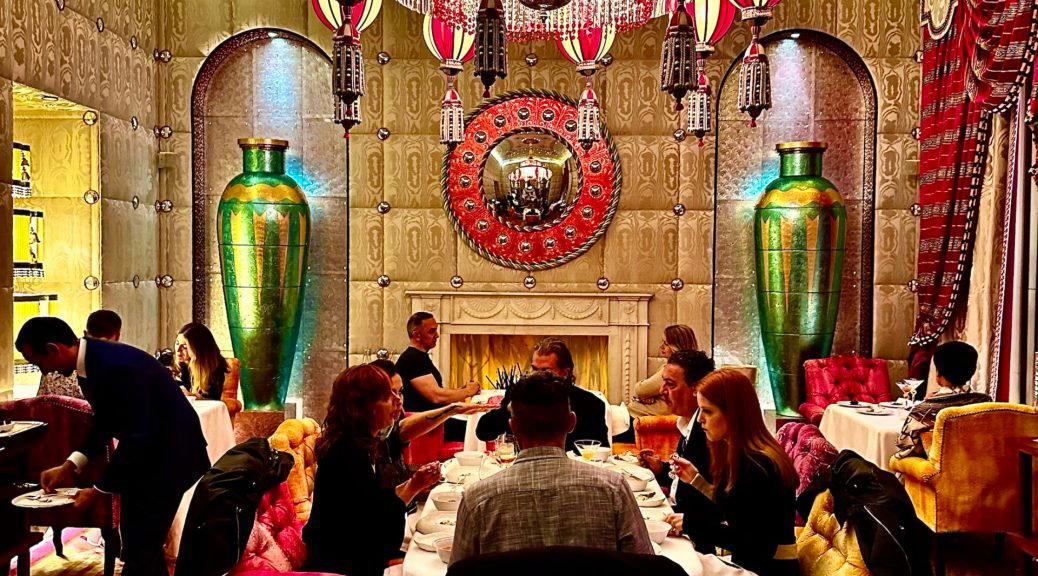
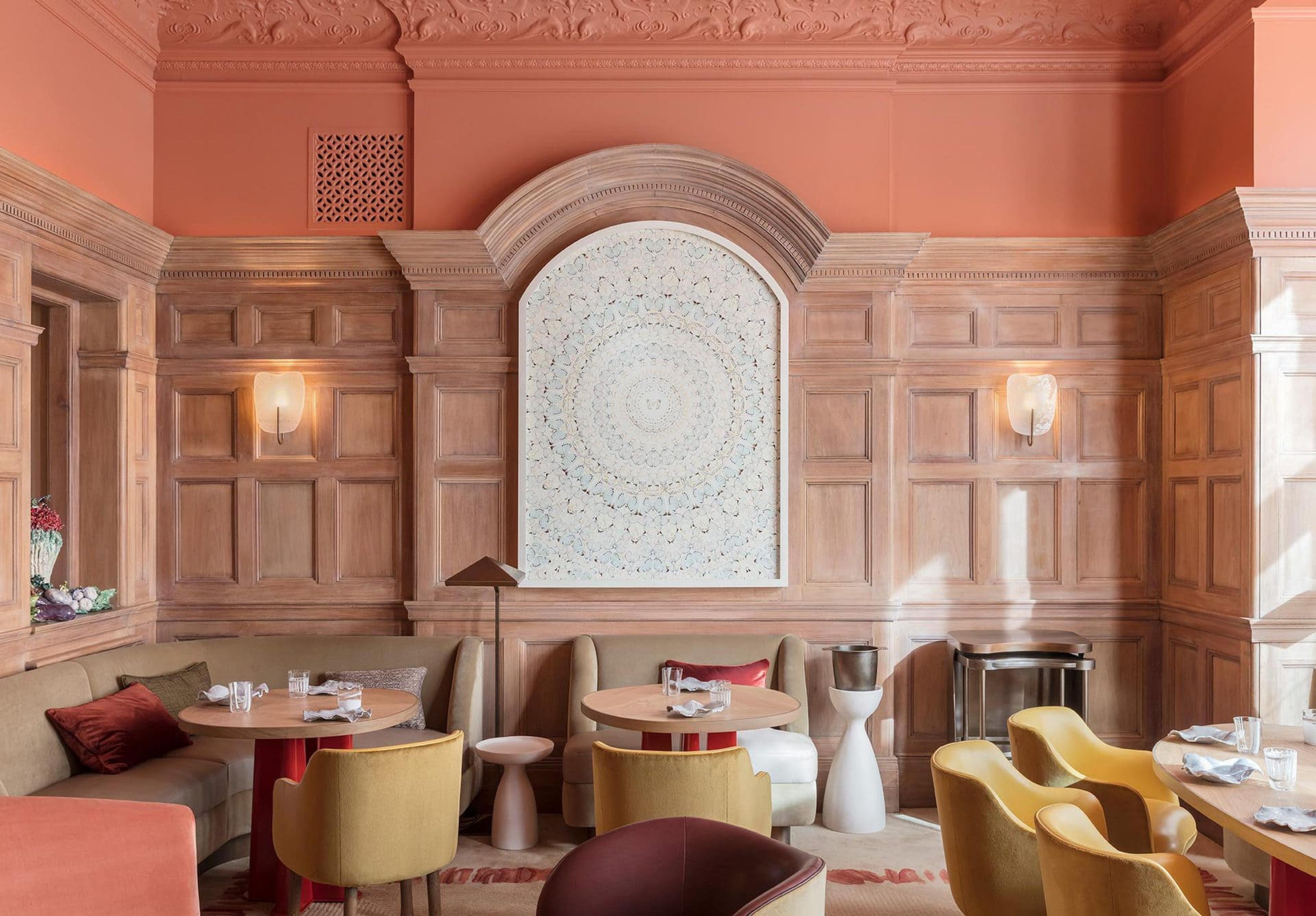
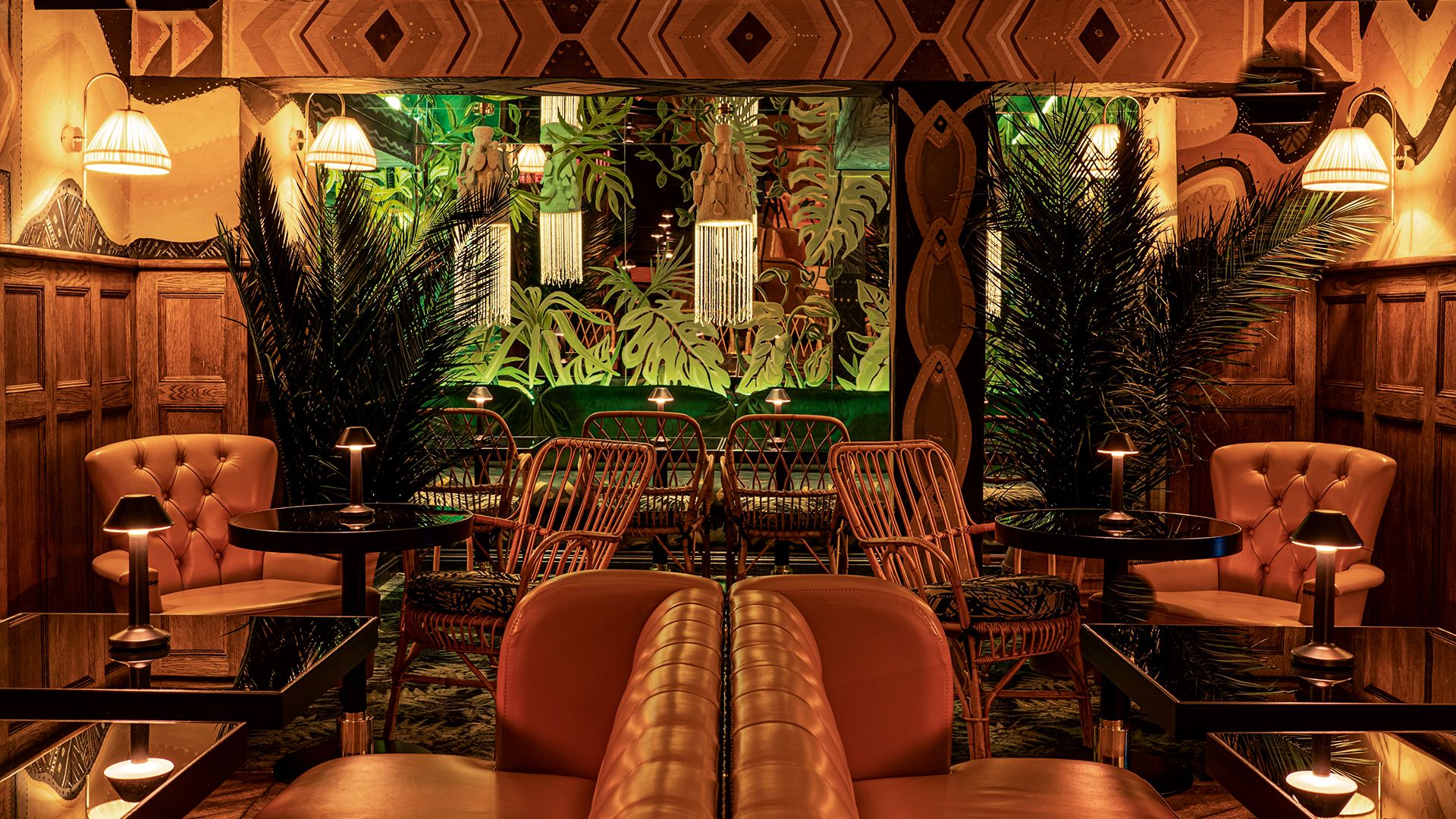
London supports a range of Indian restaurant formats across every price bracket. At the formal end, tasting-menu-led operations occupy a niche that remains genuinely small. At the accessible, high-volume end, the market is crowded. The restaurant occupies the mid-to-upper-middle band: a full-service, designed-interior restaurant with a cocktail programme and an atmosphere calibrated for evening dining rather than a quick lunch. This is a different proposition from the casual street food formats that have grown across east London over the past decade.
The restaurant offers a structurally different evening: noisier, more informal, with a menu designed for sharing rather than sequential tasting courses. The comparison is not about quality hierarchy but about format diversity. Those planning a wider UK trip might also consider The Fat Duck in Bray, L'Enclume in Cartmel, Moor Hall in Aughton, Gidleigh Park in Chagford, Hand and Flowers in Marlow, or hide and fox in Saltwood for a fuller picture of the country's dining range. For an international parallel in technical ambition applied to a non-European tradition, Le Bernardin in New York City demonstrates what sustained institutional discipline does for a cuisine's long-term reputation.
The Haymarket Address and Its Implications for Planning
The SW1Y postcode is well-served by public transport. Piccadilly Circus underground station is a short walk north, and Charing Cross mainline station lies to the south-east. The location makes the restaurant a natural candidate for pre- or post-theatre dining, given the concentration of West End venues in the immediate area. This also means the dining room is subject to the compressed timing patterns of the theatre crowd, with a notable spike in covers around the 6pm to 7pm window on performance nights.
For a broader view of London's dining, drinking, and hotel options, the EP Club guides cover the full range: our full London restaurants guide, our full London hotels guide, our full London bars guide, our full London wineries guide, and our full London experiences guide.
Know Before You Go
- Address: 8 Haymarket, London SW1Y 4BP
- Area: Haymarket, West End, central London
- Nearest Transport: Piccadilly Circus (Bakerloo, Piccadilly lines); Charing Cross (mainline, Northern, Bakerloo lines)
- Format: Modern Indian bistro; sharing-plate-friendly menu structure
- Price Tier: Mid-to-upper-middle range for central London
- Booking: Advance booking advisable for evening sittings, particularly on theatre nights
- Vegetarian Options: Substantive; the menu reflects the Indian tradition's deep vegetarian range
The Quick Read
Comparable venues nearby, for context on price, style, and recognition.
| Venue | Cuisine | Price | Notes |
|---|---|---|---|
| Farzi CafeThis venue — the venue you are viewing | Charing Cross, Modern Indian Bistro | $$$ | Not listed |
| The India | Not listed | $$$ | Holborn, Traditional North Indian Cuisine |
| Ritu | Not listed | $$$ | St. John's Wood, Modern Indian |
| Porte des Indes | Marble Arch, French-Creole Indian Fusion | $$$ | Not listed |
| Chakra | Kensington Palace Gardens, Modern Indian | $$$ | Not listed |
| Masala Zone | Battersea, Authentic Regional Indian | $$$ | Not listed |



At a Glance
- Modern
- Trendy
- Lively
- Sophisticated
- Date Night
- Group Dining
- Special Occasion
- Open Kitchen
- Craft Cocktails
Current opening hours
- Monday
- Closed
- Tuesday
- 4:30–9:30 PM
- Wednesday
- 12–2:45 PM, 4:30–10 PM
- Thursday
- 12–2:45 PM, 4:30–10 PM
- Friday
- 12–10:45 PM
- Saturday
- 12–10:45 PM
- Sunday
- 12–4 PM, 5–8:30 PM
Hours can change for holidays and private events. Last verified .
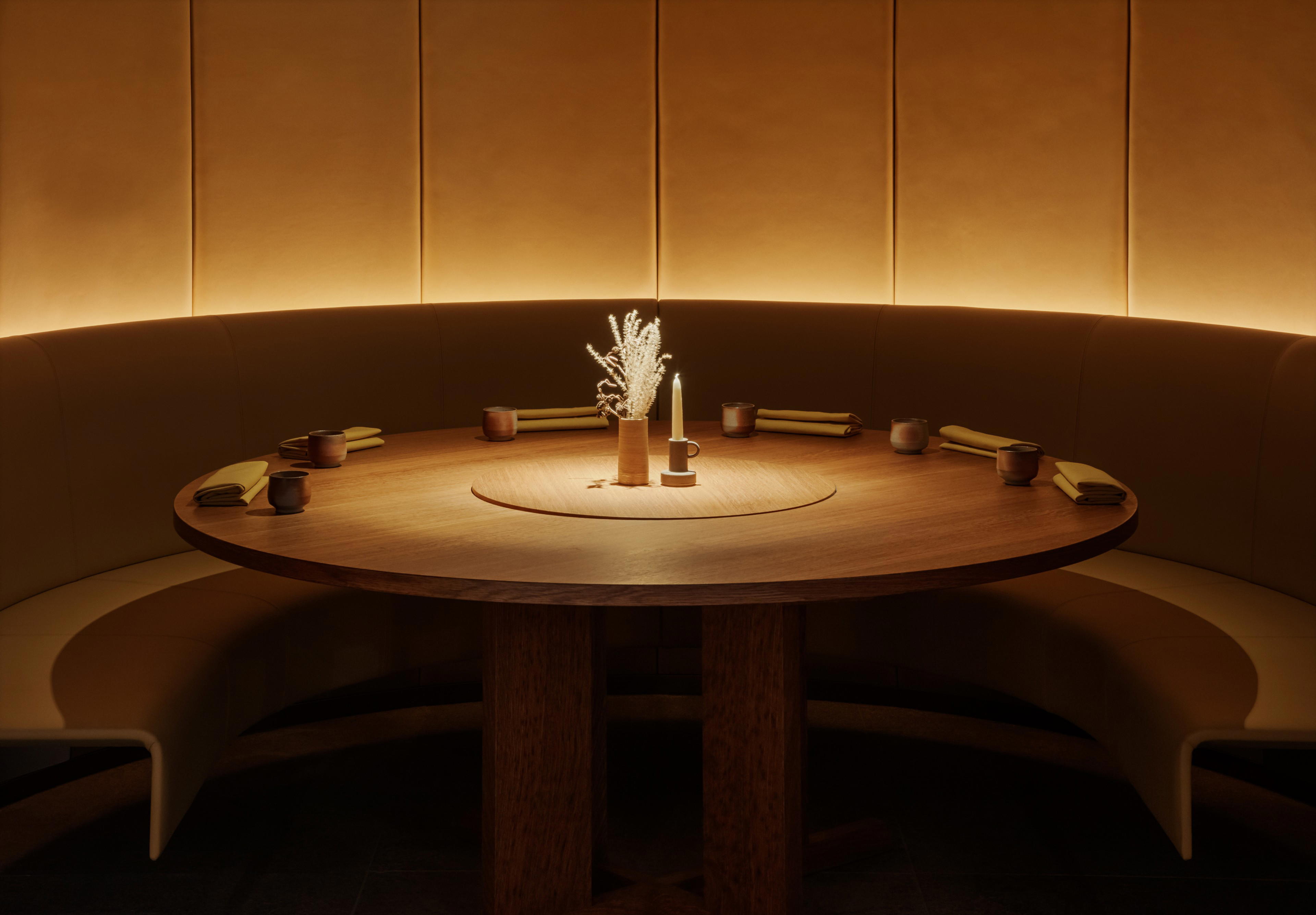
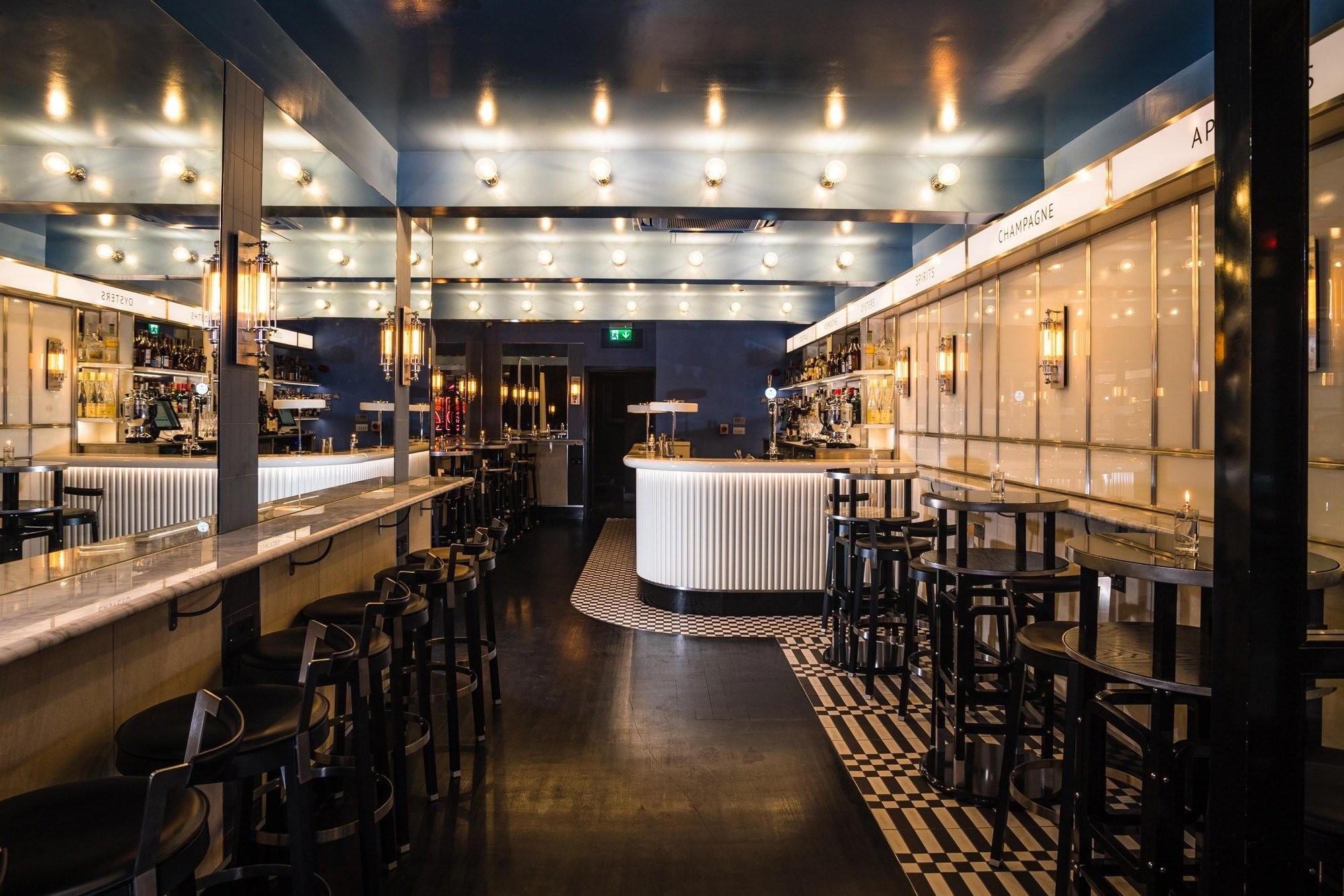
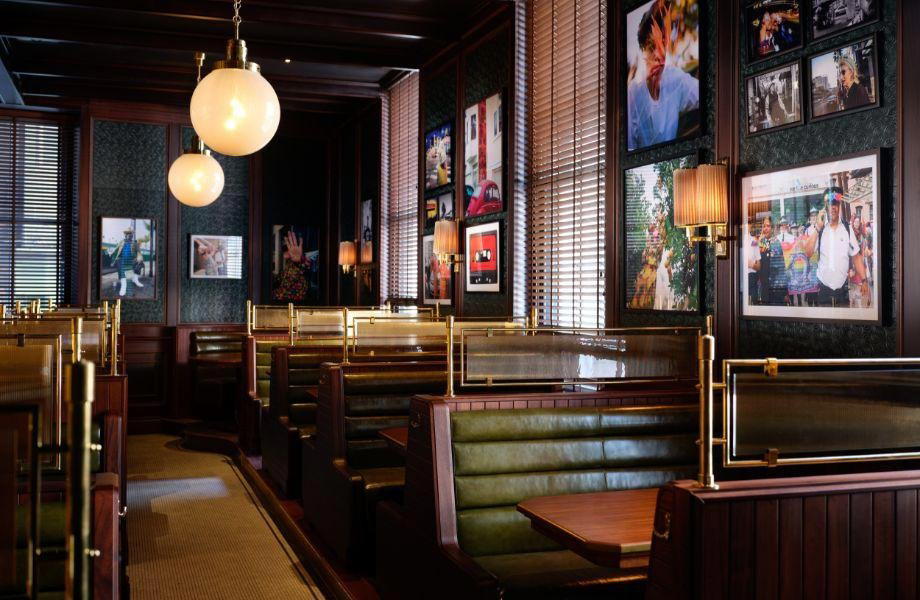
Buzzy and lively with a relaxed yet energetic atmosphere, low-lit moody dining areas, and loud music creating a lively buzz.