
Michelin Plate
Our verdict
In a medieval hilltop village on the Portuguese-Spanish border, fago operates from a remodelled stone house with a concise, seasonally rotating à la carte built entirely around local producers. Two Michelin Plates in consecutive years signal a kitchen working at a higher register than its remote location might suggest. The format is spare: one vegetarian, one meat, one fish or seafood — and the menu changes when the supply does.

Pearl is the En Primeur Club membership app — saves, bookings, and concierge access live there. Same editors, same standards.
- Address
- Tv. da Praça 2A, 7330-124 Marvão, Portugal
- Phone
- +351 245 089 057
- Hours
- Mon–Wed ClosedThu–Fri 7:30–11 PMSat 12:30–3 PM, 7:30–11 PMSun 12:30–3 PM
- Website
- fagomarvao.com
- Directions
- Get directions
- Booking
- Book on the venue's website
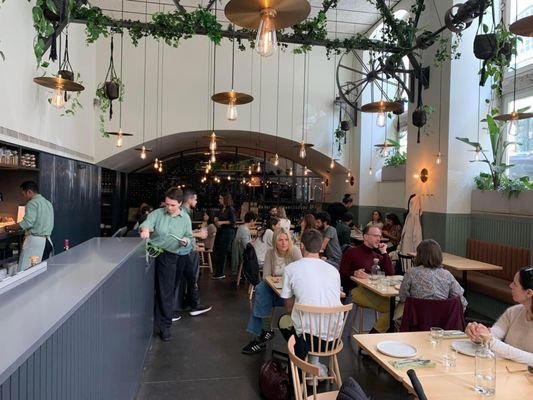
A hilltop village and a kitchen built around what grows nearby
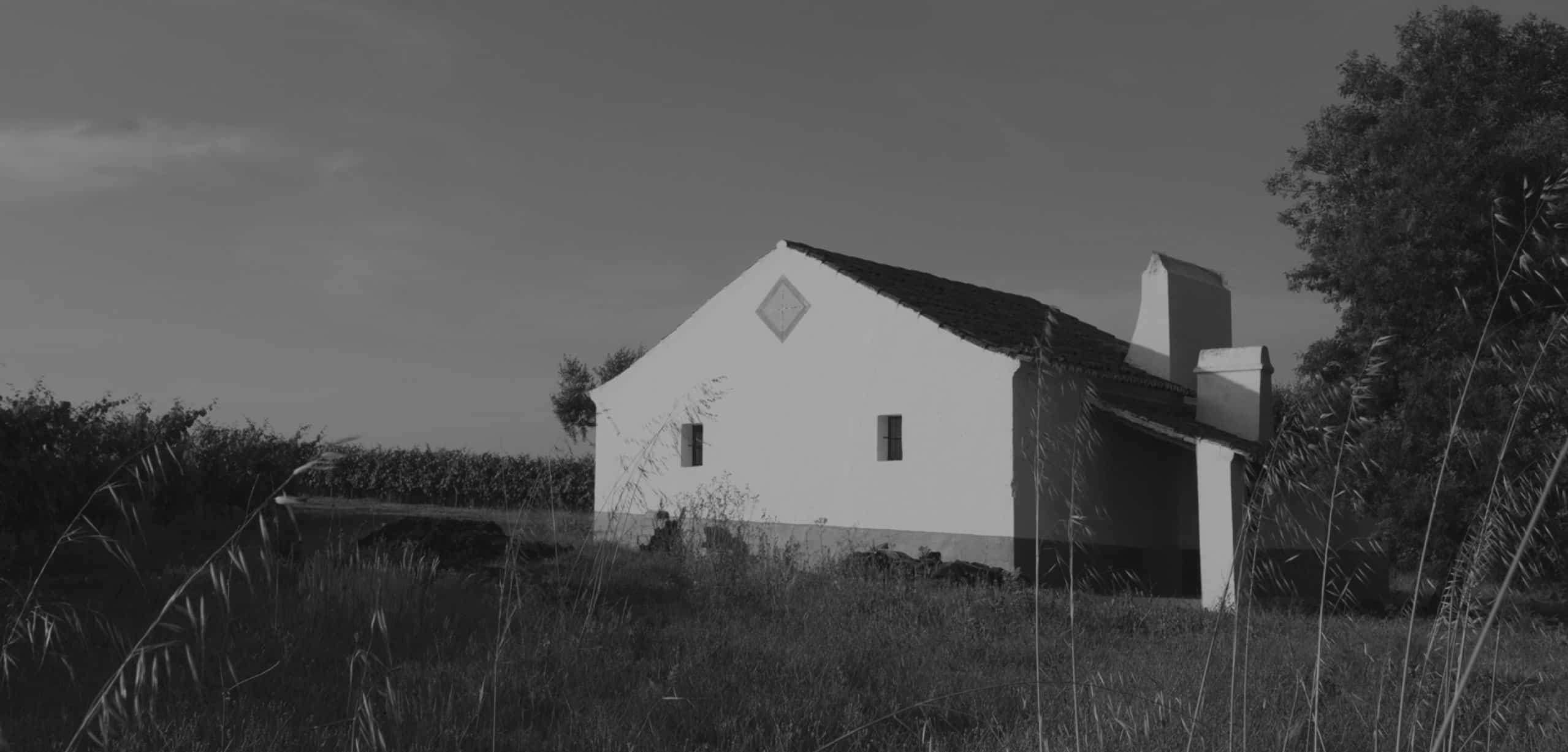
Marvão sits at the highest point of the Serra de São Mamede, a granite ridge that marks the edge of Portugal before the land rolls into Spain a few kilometres east. The village is fortified, medieval in bone structure, and thin enough in street width that arriving on foot feels like the only sensible approach. At Travessa da Praça 2A, a small house that has been stripped back and remodelled holds fago, a contemporary restaurant that has drawn consecutive Michelin Plates in 2024 and 2025 — a signal that serious cooking is happening at serious altitude, in a place most food travellers have never heard of.
The Serra de São Mamede sits inside one of Portugal's lesser-travelled interior regions, Alentejo's northern edge, where the altitude creates a microclimate distinct from the hot, flat plains below. This geography shapes what is available to cook with, and fago's kitchen is organised entirely around that availability. The menu changes constantly according to season and the output of local producers — not as a marketing statement, but as a structural condition of the restaurant. When a supplier runs out, the dish disappears. That kind of tight provenance dependency is more common in well-resourced urban kitchens with procurement teams; pulling it off at this scale, in a village of a few hundred residents, requires a different kind of operational discipline.
The format: three choices, no more
Portugal's Michelin-recognised contemporary restaurants tend to operate either as tasting-menu-only counters, Belcanto in Lisbon and Casa de Chá da Boa Nova in Leça da Palmeira being the two-star examples at the upper end, or as more conventional à la carte rooms with broader menus. fago takes neither route. The concise à la carte here is structured around exactly three main dishes at any given time: one vegetarian option, one meat, and one fish or seafood. That discipline is deliberate. It keeps the kitchen focused on a handful of ingredients at peak availability rather than running a sprawling menu that requires compromise on sourcing.
Compared to the two-star and one-star tiers, venues like Ocean in Porches or Antiqvvm in Porto, fago sits in a different price register. At €€, it occupies a tier where the Michelin Plate recognition carries particular weight: the guide's signal that cooking here exceeds the expectations set by the price point. For context, the Plate designation is not a consolation award; in 2025 it marks kitchens Michelin considers worthy of attention even without the star criteria for décor, service formality, and consistency at scale.
Where the ingredients come from, and why that matters here
The Serra de São Mamede produces ingredients that do not often reach restaurant supply chains in Lisbon or Porto: mountain herbs, local game, sheep's cheese, and produce from smallholders farming at elevation. The altitude means cooler summers and harder winters than the Alentejo plains, which affects the character of what is grown. Kitchens in the region's larger towns sometimes reference these ingredients; a kitchen located inside the serra, drawing directly from producers in the surrounding villages, operates at a different proximity to source.
Diogo Branco, who co-founded fago with Daniel Boto, brings training from Porto, a city with its own strong tradition of producer-driven contemporary cooking, visible at venues like Antiqvvm. Boto is from this region. That combination, urban technical formation meeting local territorial knowledge, is a pattern that has produced strong results in other peripheral Portuguese locations, where the challenge is not the quality of ingredients but the infrastructure to connect them to a functioning restaurant. The remodelled house itself, stripped to its structural essentials, reflects the same logic: remove what is not necessary, sharpen what remains.
This sourcing model also sets fago apart from the broader category of contemporary Portuguese restaurants that reference regional produce but source from central distributors for reliability. At the €€ price tier, that level of procurement commitment is uncommon. Restaurants like A Cozinha in Guimarães and A Ver Tavira in Tavira show how regional ingredient identity can anchor a restaurant's editorial position in the Michelin Guide; fago makes the same argument from a more remote, less-visited part of the country.
Getting there and planning a visit
Marvão is not a stop you arrive at by accident. The nearest city with regular rail and road connections is Portalegre, roughly 20 kilometres to the south. From Lisbon, the drive runs approximately two and a half hours via the A6 motorway. The village receives visitors primarily through the summer months, when the fortress and medieval streets draw enough tourism to sustain the accommodation and dining options along Travessa da Praça and the surrounding lanes. Planning around that seasonal rhythm matters: fago's menu changes with supply, so a visit in spring or autumn will encounter a different set of dishes than high summer. Given the three-dish format, checking current availability before visiting is worth the effort, the kitchen is not running a deep bench of alternatives.
For travellers building a broader stay in the region, our full Marvão hotels guide covers accommodation options inside and near the village. For drinks before or after dinner, our Marvão bars guide maps the limited but characterful options. The surrounding area also merits time: local wineries in the Serra de São Mamede appellation produce wines at altitude that are worth seeking out independently of the restaurant visit. For the wider dining picture in Portugal, the comparison set spans from Vila Joya in Albufeira and Il Gallo d'Oro in Funchal to mid-tier contemporaries like Al Sud in Lagos and Bon Bon in Lagoa. Globally, the Michelin Plate tier for contemporary format restaurants includes venues like César in New York City and Jungsik in Seoul, which frames the recognition fago has earned within an international context.
For the complete picture of what to do, eat, and drink in the village, our full Marvão restaurants guide and experiences guide cover the broader itinerary.
Frequently asked questions
Is fago good for families?
What's the vibe at fago?
What should I eat at fago?
Fast Comparison
| Venue | Cuisine | Awards |
|---|---|---|
| fagoThis venue — the venue you are viewing | Contemporary Mediterranean | Michelin Plate |
| Belcanto | Modern Portugese, Creative | Michelin 2 Star |
| Casa de Chá da Boa Nova | Portugese, Seafood | Michelin 2 Star |
| Ocean | Contemporary European, Creative | Michelin 2 Star |
| 50 seconds from Martin Berasategui | Progressive Spanish | Michelin 1 Star |
| Eleven | Portugese, Creative | Michelin 1 Star |
Recognition history
Dated appearances from independent guides and award organizations, with the underlying list record or original source where available.
Michelin Plate
Michelin
Full recognition history (3 entries)
Michelin Plate
Michelin
Michelin Plate
Michelin
Continue exploring
More in Marvão
Restaurants in Marvão
Browse all →

Details
- Intimate
- Rustic
- Cozy
- Elegant
- Date Night
- Special Occasion
- Historic Building
- Local Sourcing
- Mountain
- A La Carte
- Vegetarian Friendly
Current opening hours
- Monday
- Closed
- Tuesday
- Closed
- Wednesday
- Closed
- Thursday
- 7:30–11 PM
- Friday
- 7:30–11 PM
- Saturday
- 12:30–3 PM, 7:30–11 PM
- Sunday
- 12:30–3 PM
Hours can change for holidays and private events. Last verified .
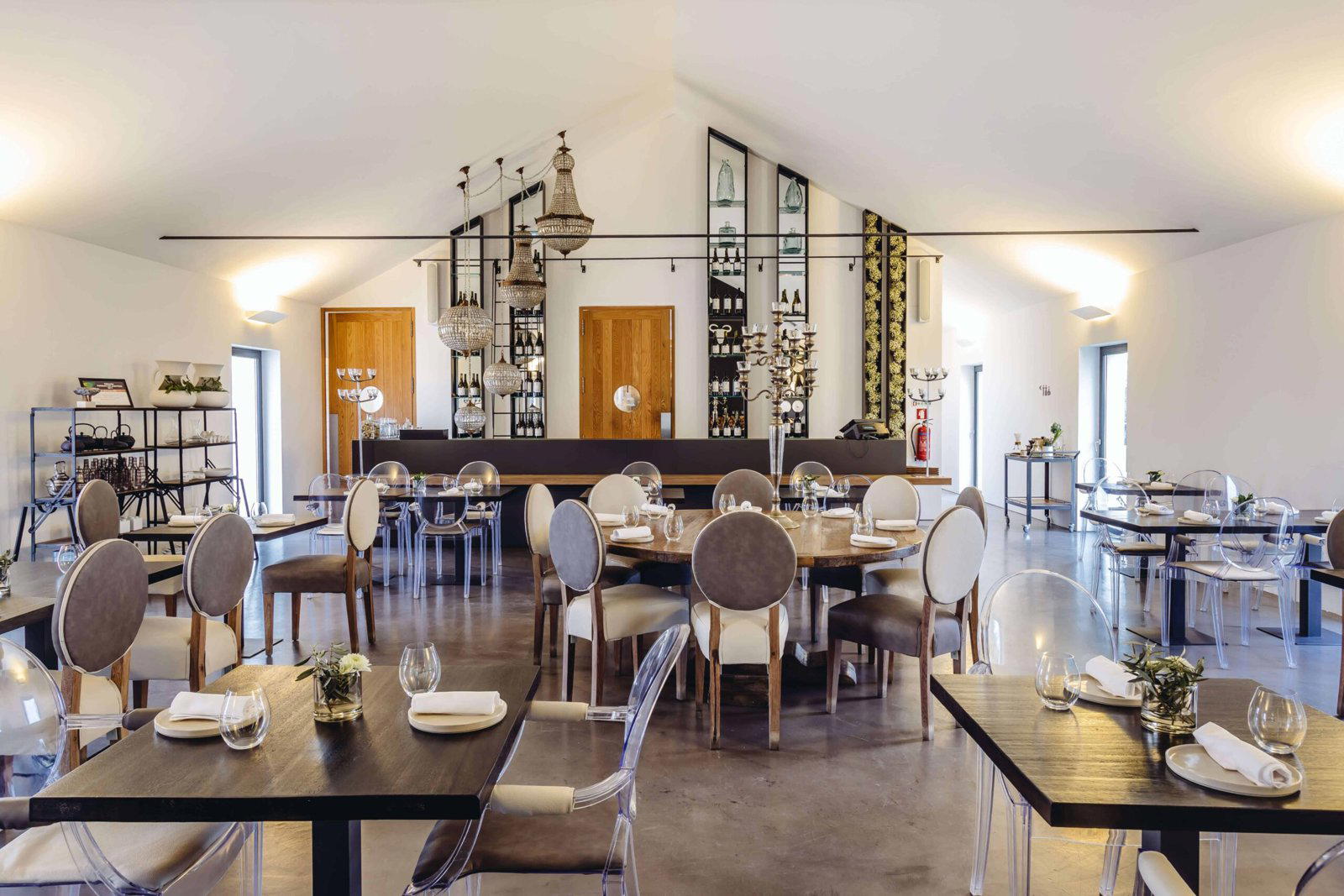
Intimate and cozy atmosphere in a remodelled historic house, with leisurely paced dining and creative presentation.