
Black Pearl 1 Diamond
Our verdict
Fa Sing Garden Cantonese Cuisine Restaurant belongs in Guangzhou’s ingredient-led Cantonese conversation, where freshness, timing, and restraint matter more than spectacle. Its Black Pearl Restaurant Guide 2026 one-diamond recognition gives it a clear trust signal in a city that sets a high bar for regional cooking.

Pearl is the En Primeur Club membership app, where members save venues, book tables and use the concierge.
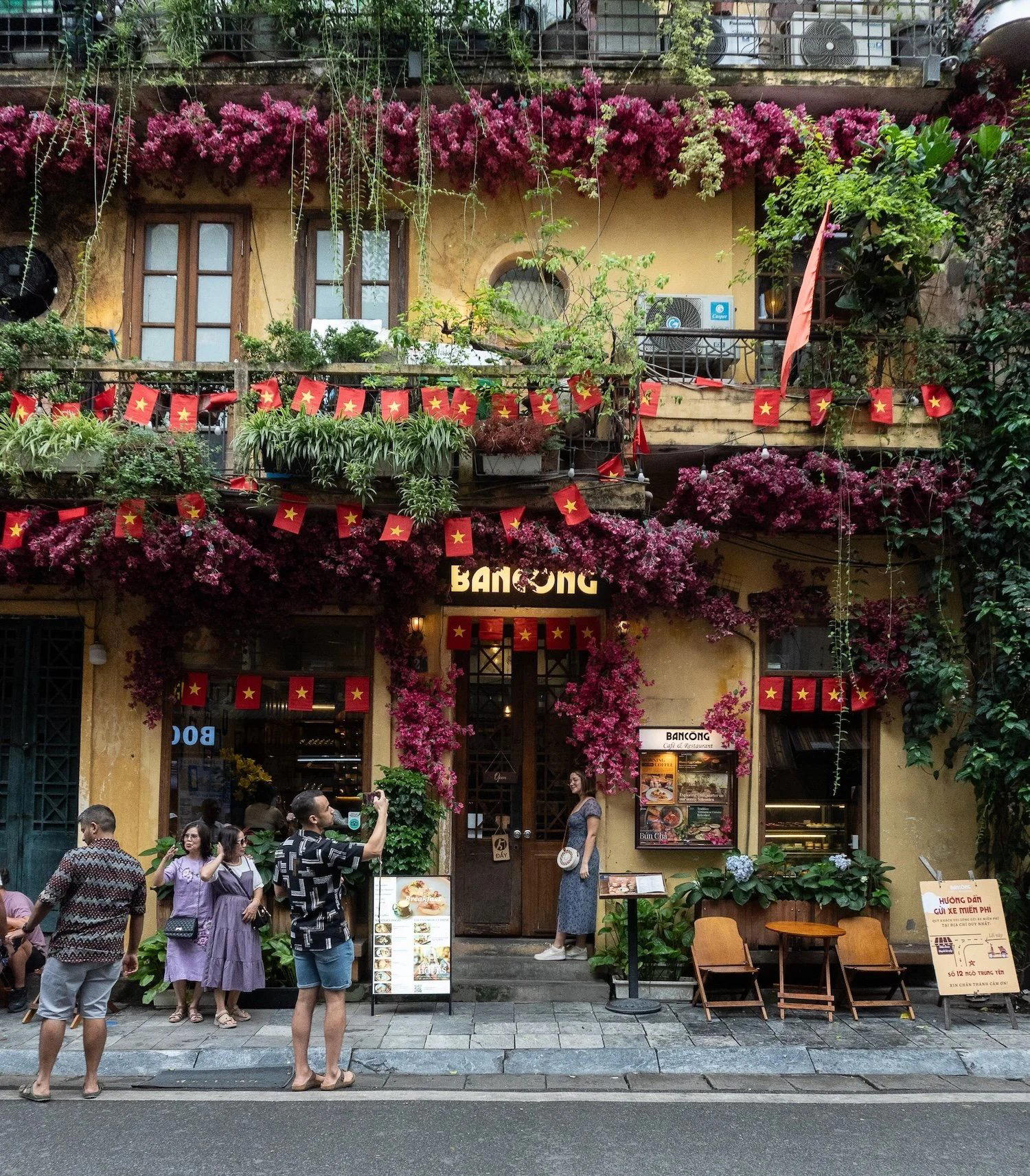
Guangzhou dining starts before the first order is placed: markets still shape the city’s understanding of quality, and Cantonese kitchens are judged by how little they need to disguise good produce. In that context, Fa Sing Garden Cantonese Cuisine Restaurant reads less as a standalone address than as part of a stricter local tradition, one built around freshness, seasonal judgment, precise timing, and sauces that support rather than dominate.
The useful lens here is sourcing. Cantonese cuisine in Guangzhou has long treated freshness as technique: the value is not only in what arrives at the table, but in the supply chain that got it there and the kitchen discipline that avoids flattening it. Fa Sing Garden Cantonese Cuisine Restaurant’s Black Pearl Restaurant Guide 2026 one-diamond listing places it in the city’s recognized dining tier, where consistency matters as much as ambition.
Guangzhou Cantonese cooking is an ingredient test, not a performance category
Outside Guangdong, Cantonese food is often reduced to familiar shorthand. Guangzhou’s own standard is narrower and more demanding. Texture, temperature, knife work, and timing carry the meal; seasoning tends to be measured rather than emphatic. A kitchen can lose credibility by overworking produce, masking freshness with heavy sauce, or letting refinement drift into weight.
That is why Black Pearl recognition has particular meaning in this city. The guide’s one-diamond category does not turn a restaurant into a trophy room, but it does mark a level of external scrutiny in a market where diners already know the grammar. In Guangzhou, a Cantonese restaurant has to satisfy locals who understand the difference between freshness and mere expense.
For a wider read on how the city’s dining scene stretches across Cantonese rooms, international kitchens, and contemporary formats, start with a broader Guangzhou restaurants guide. Nearby editorial context also sits in city guides for Guangzhou hotels, bars, wineries, and experiences, which help frame where a formal Cantonese meal fits into a broader trip.
The point is restraint: produce, timing, and the Cantonese hierarchy of taste
Ingredient-led Cantonese cooking rewards kitchens that understand hierarchy. Seafood, soups, vegetables, poultry, and pork each demand their own discipline, but the larger principle is the same: control matters more than display. The meal’s pleasure comes from calibration, not escalation.
Fa Sing Garden Cantonese Cuisine Restaurant should be read through that standard. Rather than depending on a separate chef narrative or a fixed signature-dish storyline, the editorial signal here is the category itself: a Guangzhou Cantonese restaurant recognized by Black Pearl in 2026 has to operate inside a demanding local field, where sourcing and execution are inseparable. The absence of theatrical framing is not a weakness in this genre. In many serious Cantonese rooms, the kitchen’s authority is measured by whether the ingredients remain legible.
Guangzhou’s broader restaurant map shows how specific that identity is. Other dining rooms in the city may lean Cantonese, international, casual, or contemporary, but Fa Sing Garden Cantonese Cuisine Restaurant is best understood through the Cantonese canon and the local expectations that come with it.
How to place it in a China itinerary
For travelers building a food-led route through China, Guangzhou should not be treated as a supporting stop. The city is one of the source codes for Cantonese technique, and a recognized Cantonese table here gives more context than a polished version encountered elsewhere. Regional contrast matters: compare Guangzhou’s restraint, freshness, and timing with the heat, oil, coastal, or urban dining languages found in other Chinese cities.
That national spread also explains why Guangzhou Cantonese dining resists easy export. Other regions can frame their own signature traditions through different ceremonial, casual, or contemporary lenses, while overseas formats may sit in entirely different traditions of rice, drink, and specialization. Fa Sing Garden Cantonese Cuisine Restaurant belongs to a narrower Guangzhou logic: ingredient quality first, technique second, display last.
Frequently asked questions
Is Fa Sing Garden Cantonese Cuisine Restaurant Michelin-listed?
The provided public recognition is a Black Pearl Restaurant Guide 2026 one-diamond distinction. Michelin status is not provided here.
How hard is it to get a table at Fa Sing Garden Cantonese Cuisine Restaurant?
Its Black Pearl Restaurant Guide 2026 one-diamond status signals a venue that sits above standard neighborhood dining in Guangzhou. Check the venue's official channels for the latest details.
What is Fa Sing Garden Cantonese Cuisine Restaurant known for?
Fa Sing Garden Cantonese Cuisine Restaurant is identified as a Cantonese cuisine restaurant in Guangzhou, with a Black Pearl Restaurant Guide 2026 one-diamond distinction. That places the focus on Cantonese cooking rather than broad regional fusion or banquet-style excess.
Can Fa Sing Garden Cantonese Cuisine Restaurant handle vegetarian requests?
Those details are not published. For a restaurant with a Black Pearl one-diamond rating, special requests are best raised when arranging the table. Check the venue's official channels for the latest details.
Is Fa Sing Garden Cantonese Cuisine Restaurant good for families?
A Cantonese restaurant in Guangzhou can be a practical choice for shared meals, depending on the occasion and the group. Fa Sing Garden Cantonese Cuisine Restaurant’s Black Pearl one-diamond recognition points to a more polished setting than an everyday casual spot, so it may suit family meals that call for a formal dining room.
What kind of setting is Fa Sing Garden Cantonese Cuisine Restaurant?
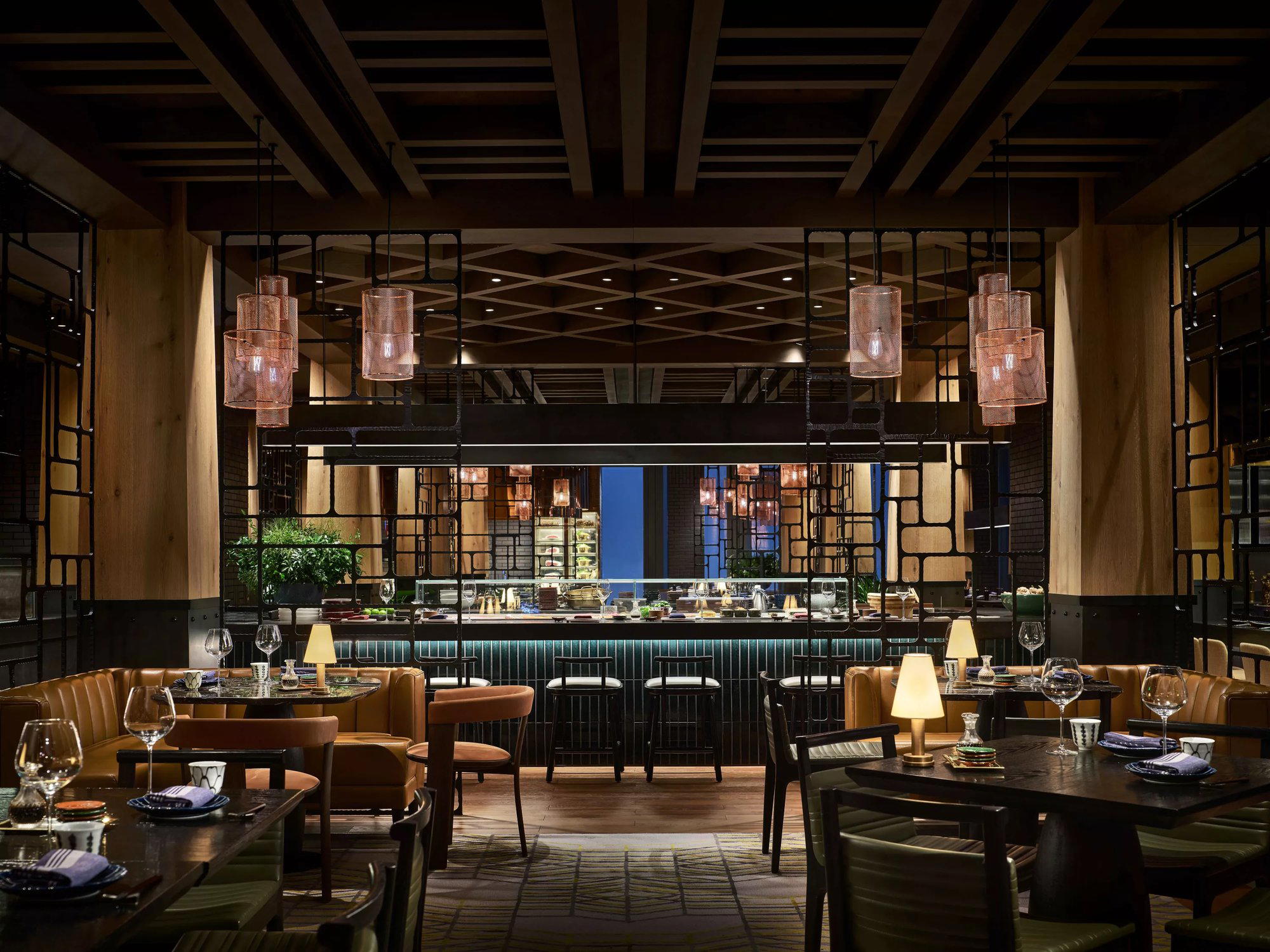
Fa Sing Garden Cantonese Cuisine Restaurant is a Guangzhou Cantonese dining room with Black Pearl Restaurant Guide 2026 one-diamond recognition. Expect a format shaped by a recognized dining tier and a cuisine style rooted in Cantonese precision rather than theatrical presentation.
Comparable Venues Nearby
Comparable venues nearby, for context on price, style, and recognition.
| Venue | Cuisine | Price | Awards | Notes |
|---|---|---|---|---|
| Fa Sing Garden Cantonese Cuisine RestaurantThis venue (the venue you are viewing) | Cantonese | Not listed | Black Pearl 1 Diamond | Not listed |
| Wisca | Cantonese | $20–30 | Black Pearl 1 Diamond | Haizhu |
| 容易发牛杂店 | Chinese Handmade Biscuit Shop | Not listed | Michelin Bib Gourmand | Guangzhoushi |
| BingSheng Private Kitchen | Fine Cantonese Private Kitchen | $50–100 | Not listed | Tianhe |
| 达杨原味炖品 | Traditional Cantonese Double-Boiled Soups | $10–20 | Michelin Bib Gourmand | Guangzhoushi |
| ååé 家 | Traditional Cantonese | Not listed | Not listed | Guangzhoushi |
Recognition history
Dated appearances from independent guides and award organizations, with the underlying list record or original source where available.
Black Pearl 1 Diamond
Black Pearl
Continue exploring
More in Guangzhou
Restaurants in Guangzhou
All restaurants in Guangzhou →
Bars in Guangzhou
All bars in Guangzhou →




Details
- Classic
- Elegant
- Family
- Group Dining
- Casual Hangout
- Hotel Restaurant
- Standalone
- A La Carte
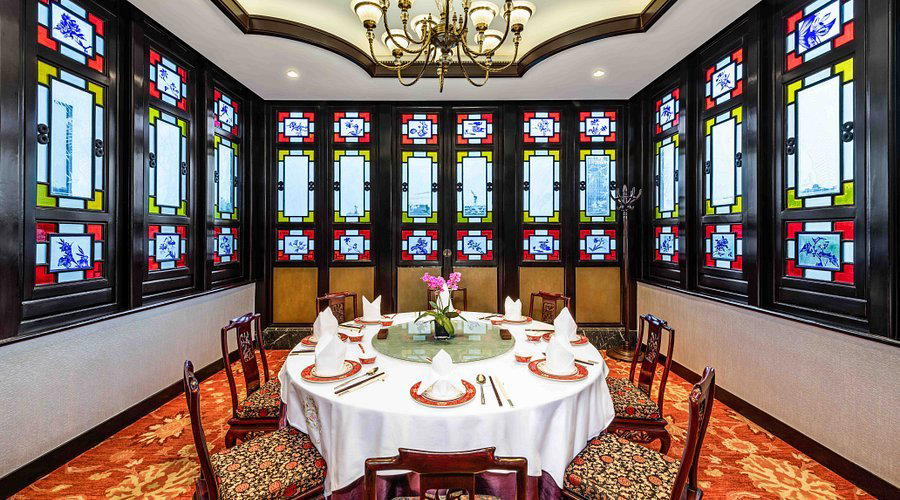
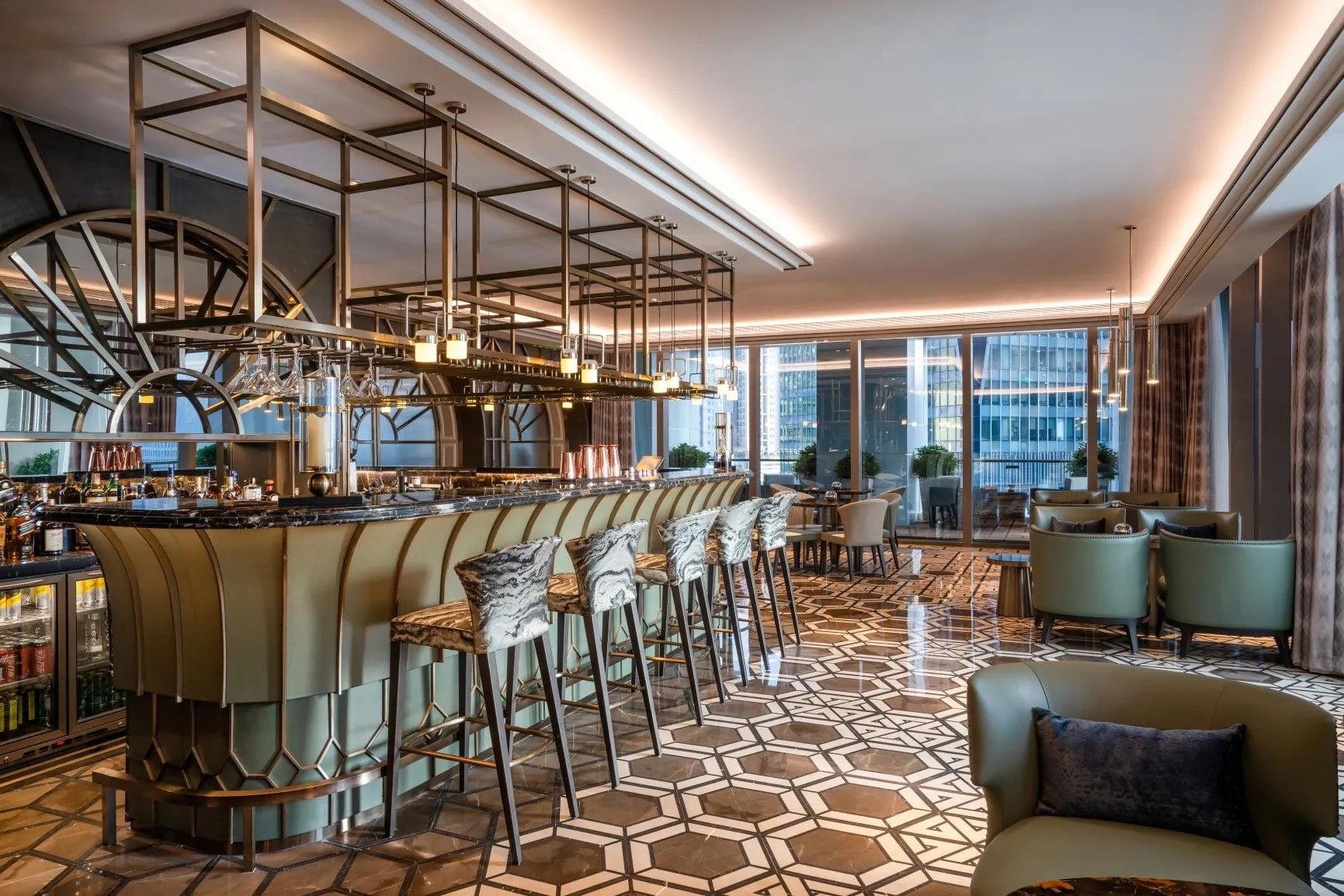
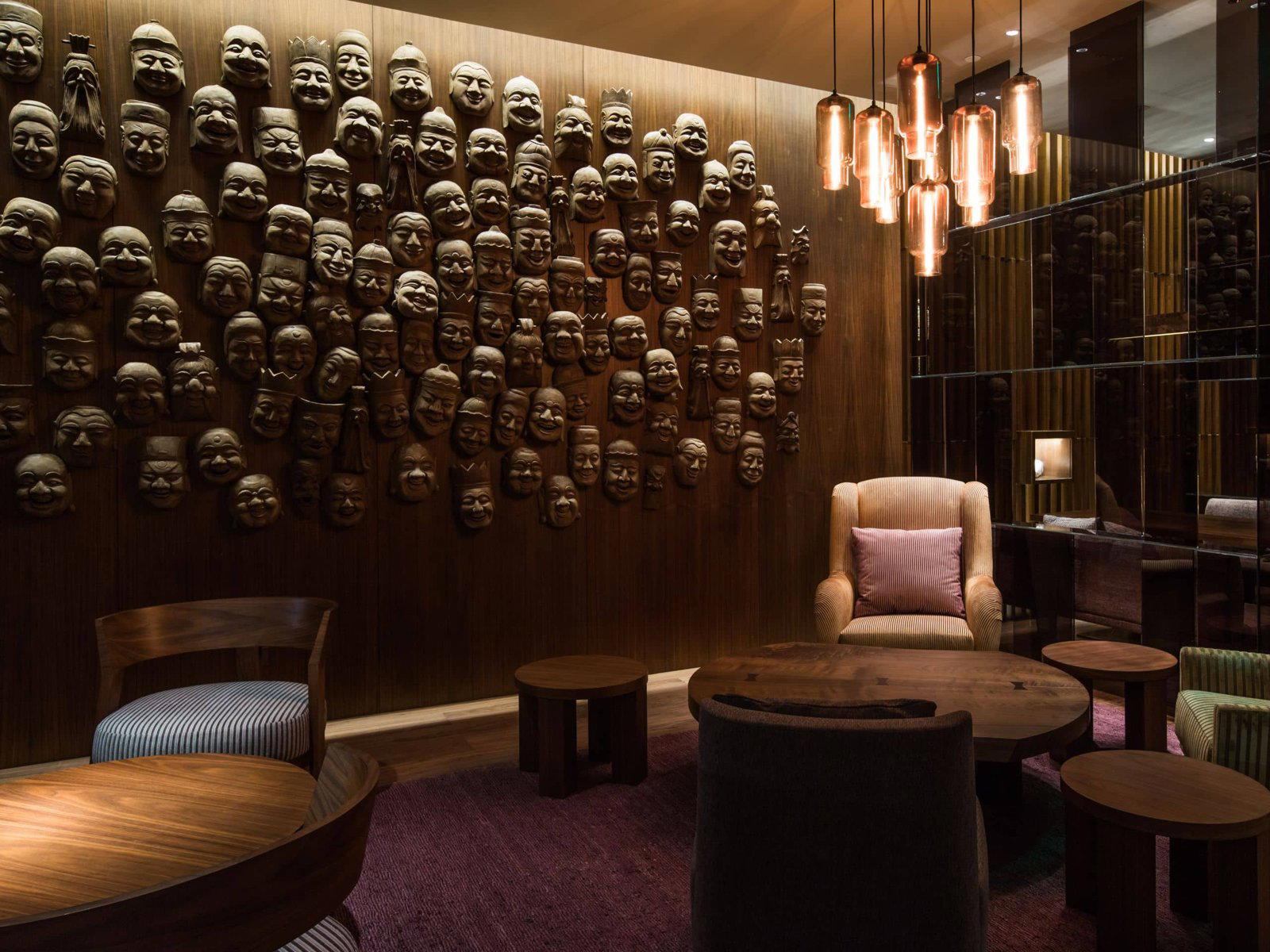
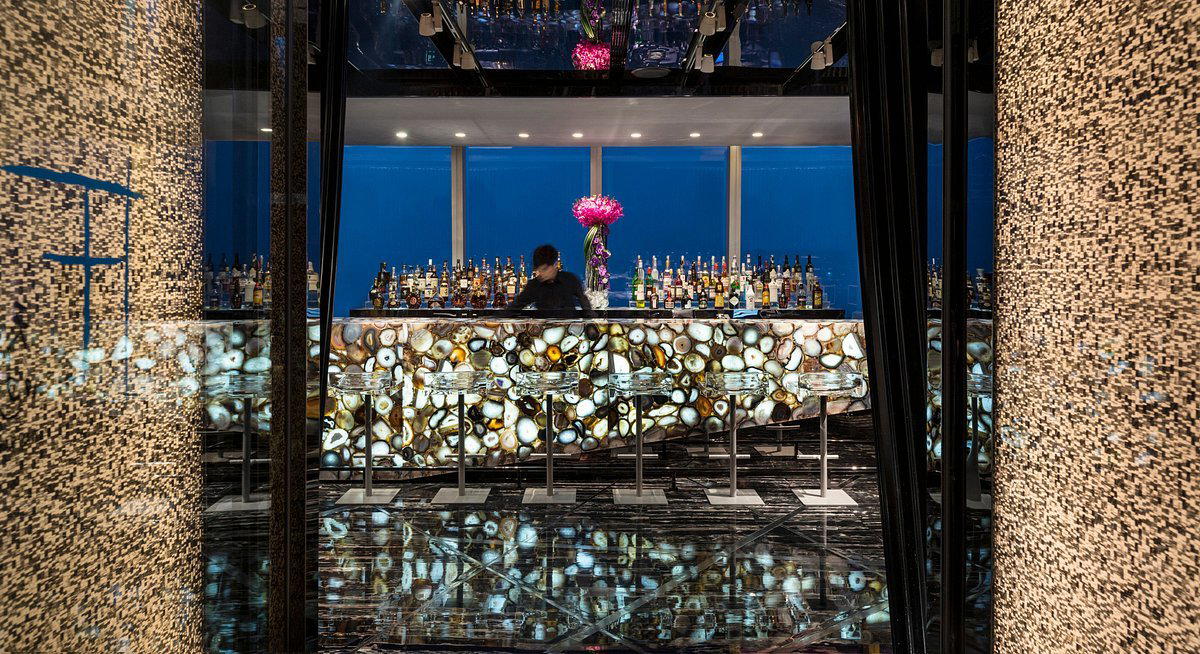
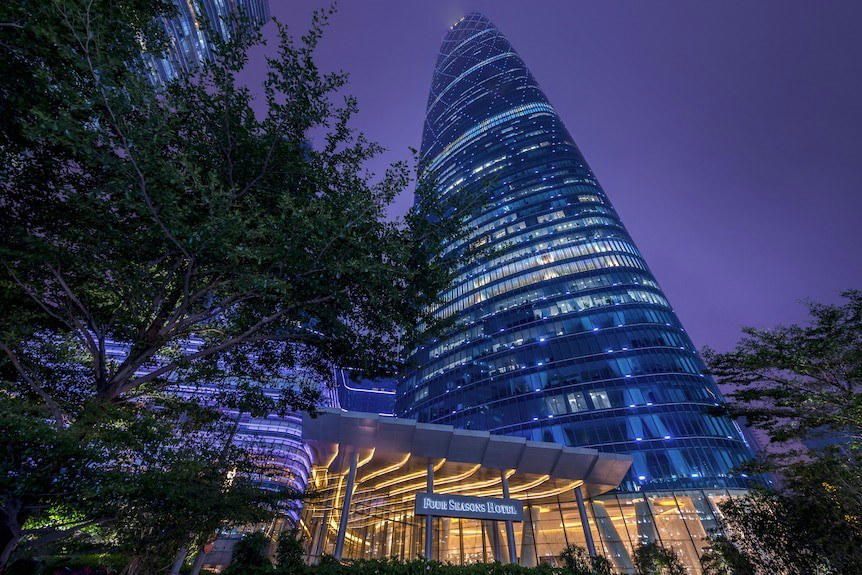
Brightly lit with tasteful decor and a direct, polished hotel-restaurant atmosphere.