
A Michelin Plate holder for two consecutive years (2024 and 2025), Eugène sits in Orléans' mid-range modern cuisine bracket, where the emphasis falls on disciplined sourcing and clean technique rather than theatrical presentation. It occupies a reliable position in the city's dining scene at a price point that makes it accessible without compromising on culinary seriousness.
Pearl is the En Primeur Club membership app — saves, bookings, and concierge access live there. Same editors, same standards.
- Address
- 24 Rue Sainte-Anne, 45000 Orléans, France
- Phone
- +33 2 38 53 82 64
- Website
- restauranteugene.fr
- Directions
- Get directions
 Saves & bookings on Pearl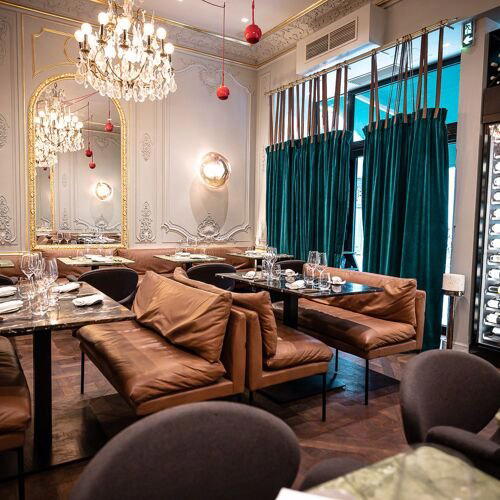
Rue Sainte-Anne and the Quiet Seriousness of Orléans Dining
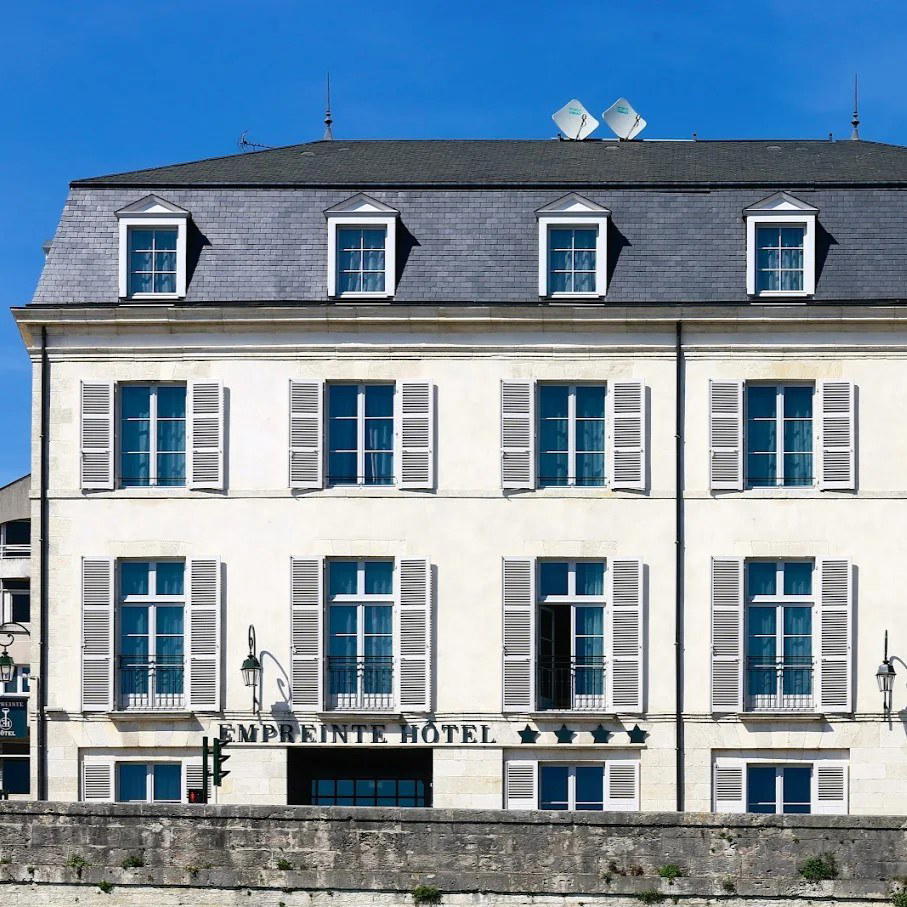
There is a particular character to the streets that run south of the Cathédrale Sainte-Croix in Orléans: narrow, stone-paved, and largely free of the tourist infrastructure that clusters nearer the Loire waterfront. Rue Sainte-Anne sits in that quieter register. The approach to Eugène, at number 24, reads as deliberate understatement, which in the context of French regional dining is often a reliable signal of where the attention has actually gone. it has gone into the dining room.
Orléans occupies an interesting position in the French culinary conversation. It is close enough to Paris to absorb influences from the capital's more restless dining culture, yet anchored in the Loire Valley's own agricultural depth: the river corridor is one of France's most productive zones for vegetables, soft fruit, game, and freshwater fish, and the vineyards of Touraine and the Orléanais appellation sit within easy reach. Restaurants that take that proximity seriously tend to produce cooking with a particular clarity, ingredients that have not travelled far rarely need much intervention to say something.
Where Sourcing Becomes the Editorial Line
Modern cuisine in the Loire Valley, when it is working well, functions less as a style imposed on ingredients and more as a framework for letting provenance speak. The region's white asparagus, its Loire Valley chicken, the tanche olives grown further south that arrive via trade routes through the valley, these are not supporting cast. At restaurants operating in the €€ bracket with Michelin recognition, the sourcing decision is often the menu decision. What arrives in the kitchen that morning determines what the kitchen does that afternoon.
Eugène has held consecutive Michelin Plate citations in 2024 and 2025. In practice, the Plate bracket in a city like Orléans places a restaurant in a meaningful position above the reliable neighbourhood bistro tier. Its price tier supports that positioning. This is cooking that asks to be taken seriously, at a cost that does not require an occasion to justify.
For context within Orléans' dining tier, Le Lièvre Gourmand (Creative) operates at the €€€ level with a Michelin star, representing the upper end of the city's recognised restaurant set. Eugène, alongside peers like Gric, L'Hibiscus, and La Dariole, competes in the modern cuisine €€ band, where the differentiation tends to come not from format but from the specificity and discipline of the kitchen's sourcing philosophy.
The Loire Valley as Larder
France's Michelin Plate restaurants outside the major cities often represent the clearest expression of what regional cooking can do when it refuses to ape Paris. The Loire Valley's agricultural calendar is specific: spring brings asparagus and river fish; summer produces a succession of stone fruit, courgettes, and tomatoes from the Sologne and Beauce plains to the north and south; autumn turns to game, mushrooms from the forests around Orléans, and the first of the root vegetables that define winter menus across the region. A kitchen with genuine connections to that calendar produces menus that shift visibly through the year.
This is the sourcing framework worth holding in mind at Eugène. The Loire is not a pantry that requires supplementing with imports to fill gaps. It is among the more complete agricultural regions in France, and restaurants that reflect that completeness tend to produce plates with a coherence that imported ingredient lists rarely achieve. Across France, the restaurants most associated with this philosophy, from Bras in Laguiole with its gargouillou of local plants to Flocons de Sel in Megève with its Alpine terroir discipline, have made ingredient origin not a marketing footnote but a structural commitment. At the Michelin Plate level in a city like Orléans, that same commitment, applied at a more accessible price point, is what separates the serious from the competent.
Internationally, the argument for place-driven modern cuisine has been made by restaurants as different in scale and setting as Mirazur in Menton and Frantzén in Stockholm. What connects them is not technique but the primacy of the local calendar as menu logic. The Loire Valley version of that argument is less dramatic in geography but no less coherent in produce.
Reputation and Recognition
. At the volume of reviews Eugène has accumulated, the aggregate score is resistant to distortion by a handful of outliers, it reflects a consistent experience across a broad range of diners. For a €€ modern cuisine restaurant in a regional French city, maintaining that score alongside two consecutive years of Michelin Plate recognition suggests a kitchen operating with reasonable consistency rather than occasional brilliance.
The Michelin Plate is a positive citation: Michelin's inspectors selected this address as worth including in the guide on merit. In a city the size of Orléans, where the total number of Michelin-recognised addresses is relatively small, that inclusion carries weight. The broader French modern cuisine tradition that Eugène sits within, a lineage that runs from Paul Bocuse's Auberge du Pont de Collonges through Troisgros and Auberge de l'Ill to the contemporary generation at Alléno Paris au Pavillon Ledoyen, sets a high bar for what the words "modern cuisine" can mean in France. Plate recognition within that tradition is a position earned.
Planning Your Visit
Eugène is located at 24 Rue Sainte-Anne, 45000 Orléans, in the older residential quarter south of the cathedral. The address sits in one of the city's more walkable areas and is accessible from the central train station, which connects Orléans to Paris-Austerlitz in under an hour. Given the recognition and review volume suggesting steady demand, reserving in advance is advisable. The €€ price range positions it as an accessible mid-week option as much as a weekend destination.
Comparable Venues
Comparable venues nearby, for context on price, style, and recognition.
| Venue | Cuisine | Price | Awards | Notes |
|---|---|---|---|---|
| Eugène | Modern French Seasonal Bistro | $$$ | Michelin Plate | Place du Martroi |
| La Dariole | Modern French Bistro | $$ | Michelin Plate | old town |
| L'Essentiel | Modern French Bistro | $$$ | Not listed | centre-ville |
| L'Étage | Traditional French Bistro | $$ | Not listed | Châtelet |
| Restaurant des Plantes | Traditional French Seasonal Bistro | $$ | Not listed | Loire riverside |
| Restaurant l 'Alchimie | Modern French Bistro | $$ | Not listed | .centre |
Recognition history
Dated appearances from independent guides and award organizations, with the underlying list record or original source where available.
Michelin Plate
Michelin
Michelin Plate
Michelin
Michelin Plate
Michelin

At a Glance
- Cozy
- Elegant
- Intimate
- Sophisticated
- Date Night
- Special Occasion
- Business Dinner
- Private Dining
- Extensive Wine List
- Local Sourcing
Current opening hours
- Monday
- 12–2 PM, 7:30–9:30 PM
- Tuesday
- 12–2 PM, 7:30–9:30 PM
- Wednesday
- 12–2 PM, 7:30–9:30 PM
- Thursday
- 12–2 PM, 7:30–9:30 PM
- Friday
- 12–2 PM, 7:30–9:30 PM
- Saturday
- Closed
- Sunday
- Closed
Hours can change for holidays and private events. Last verified .
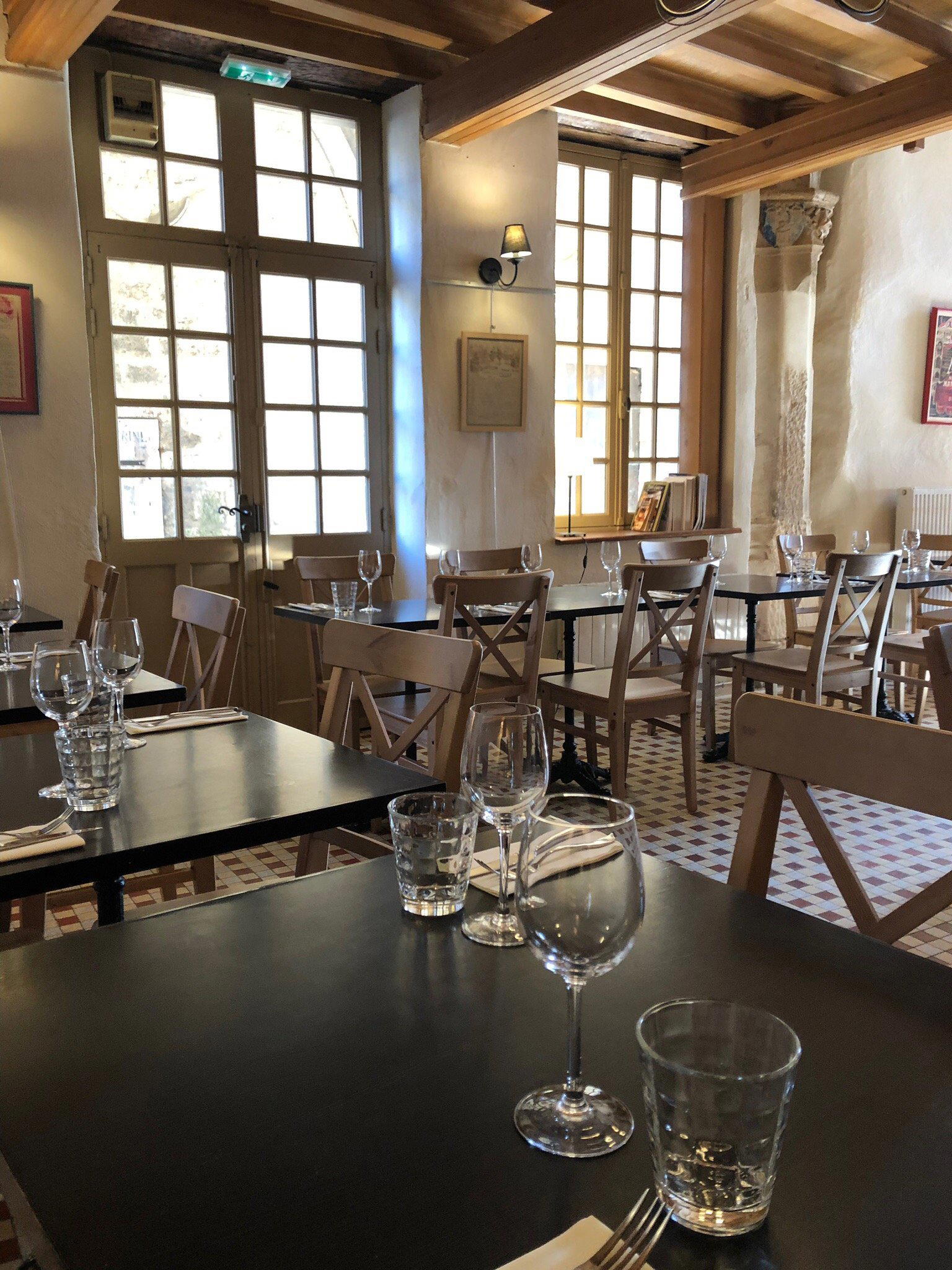
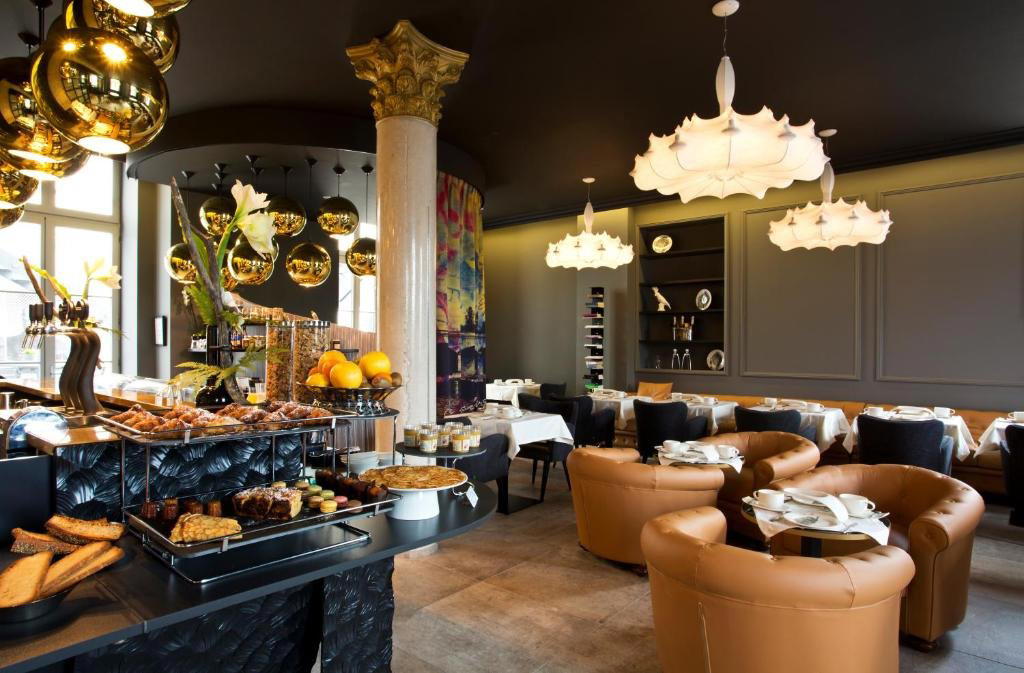
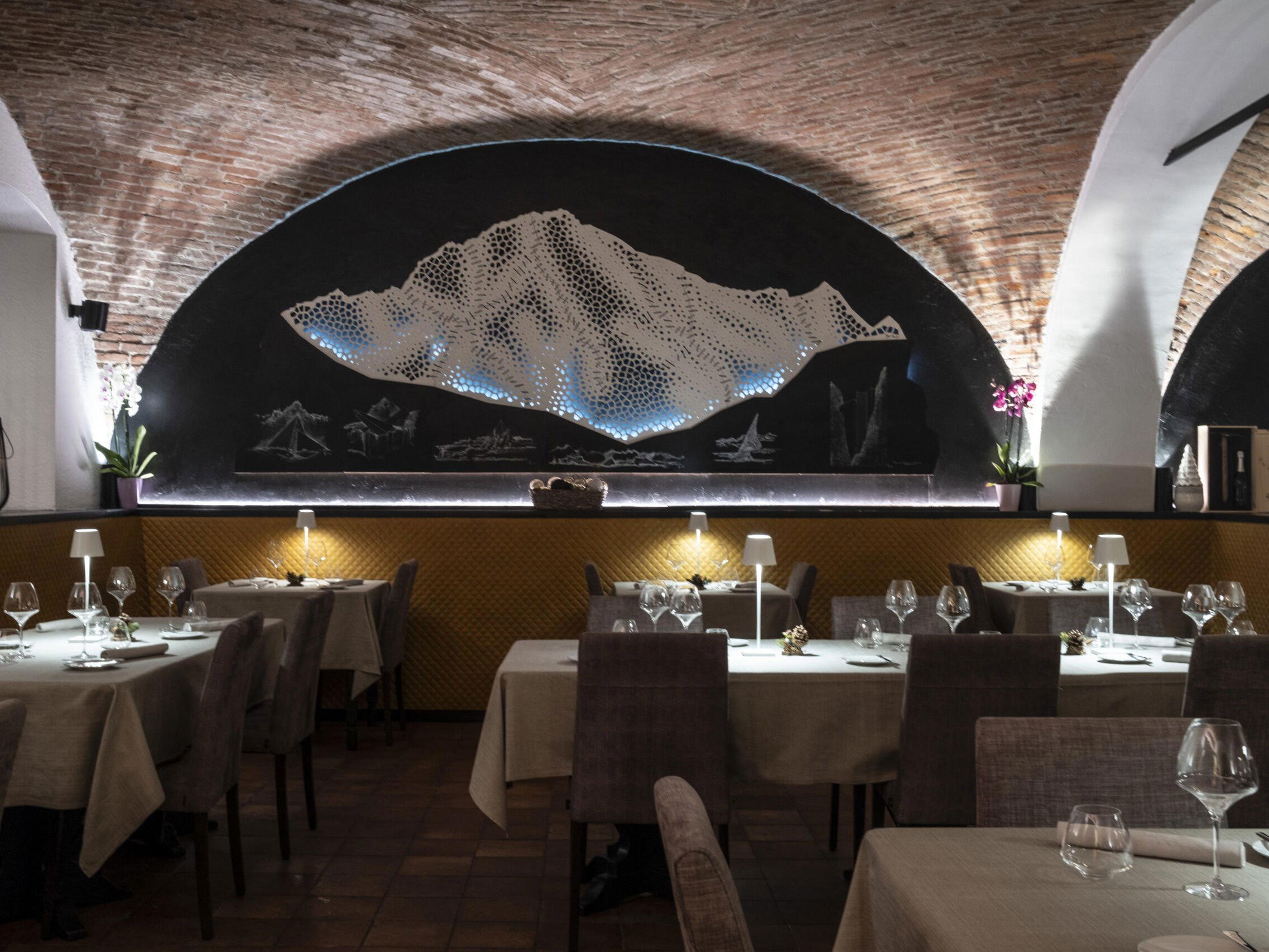
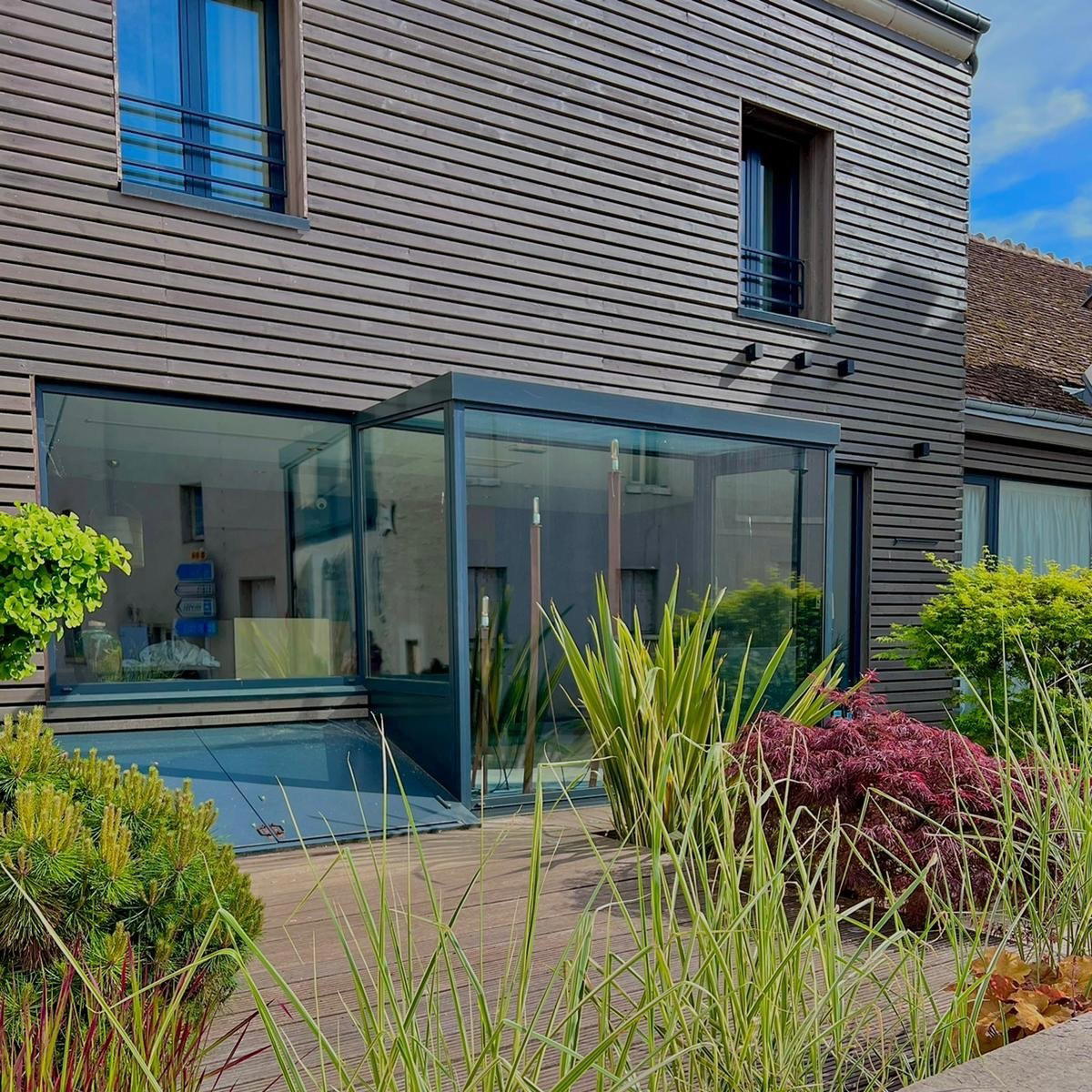
Chaleureuse et calme with feutrée atmosphere, warm lighting, tables arranged for privacy, feeling like dining at home.