

In the Basque mountain village of Axpe, Etxebarri has become a reference point for a single, demanding idea: that fire, properly managed, is a cooking technique as precise as any modernist method. The restaurant's sourcing reaches across the Basque Country and its coastal waters, and its place on the World's 50 Best Restaurants list has made the valley road to Axpe familiar to serious diners from across Europe and beyond.
Pearl is the En Primeur Club membership app — saves, bookings, and concierge access live there. Same editors, same standards.
- Address
- San Juan Plaza, 1, 48291 Axpe-Martzaa / Axpe Marzana, Bizkaia, Spain
- Phone
- +34 946 58 30 42
- Website
- asadoretxebarri.com
 Saves & bookings on Pearl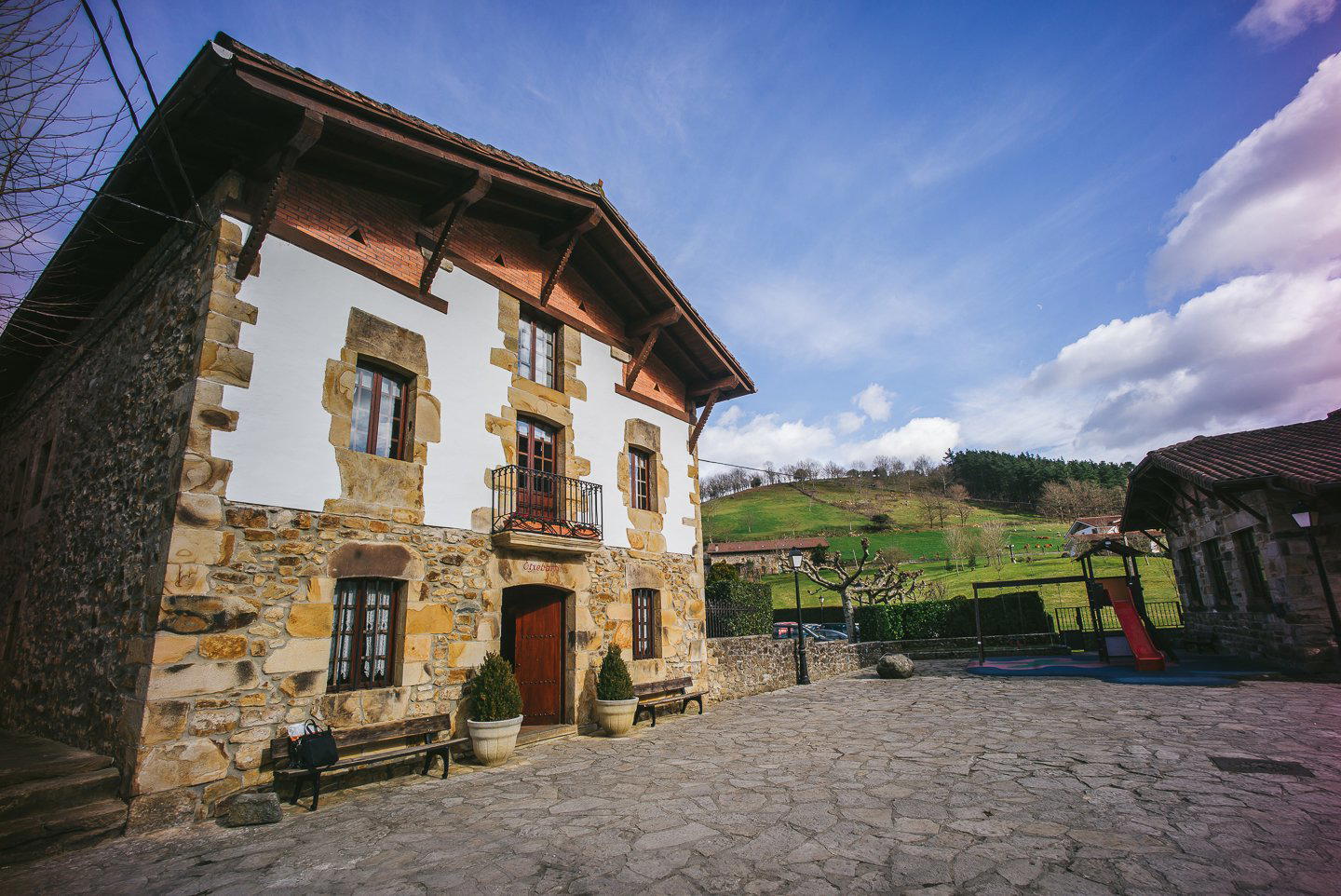
The Road to Axpe
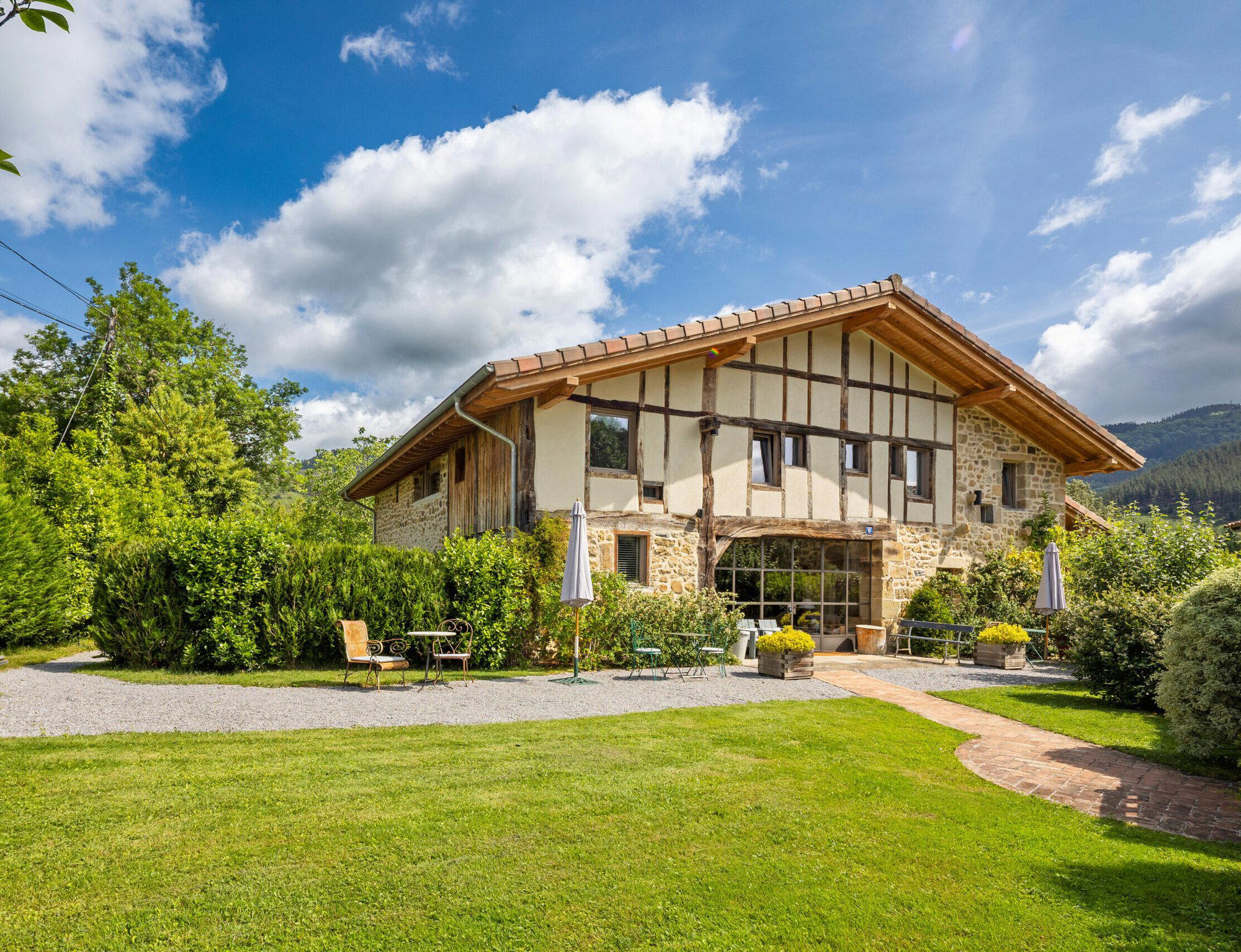
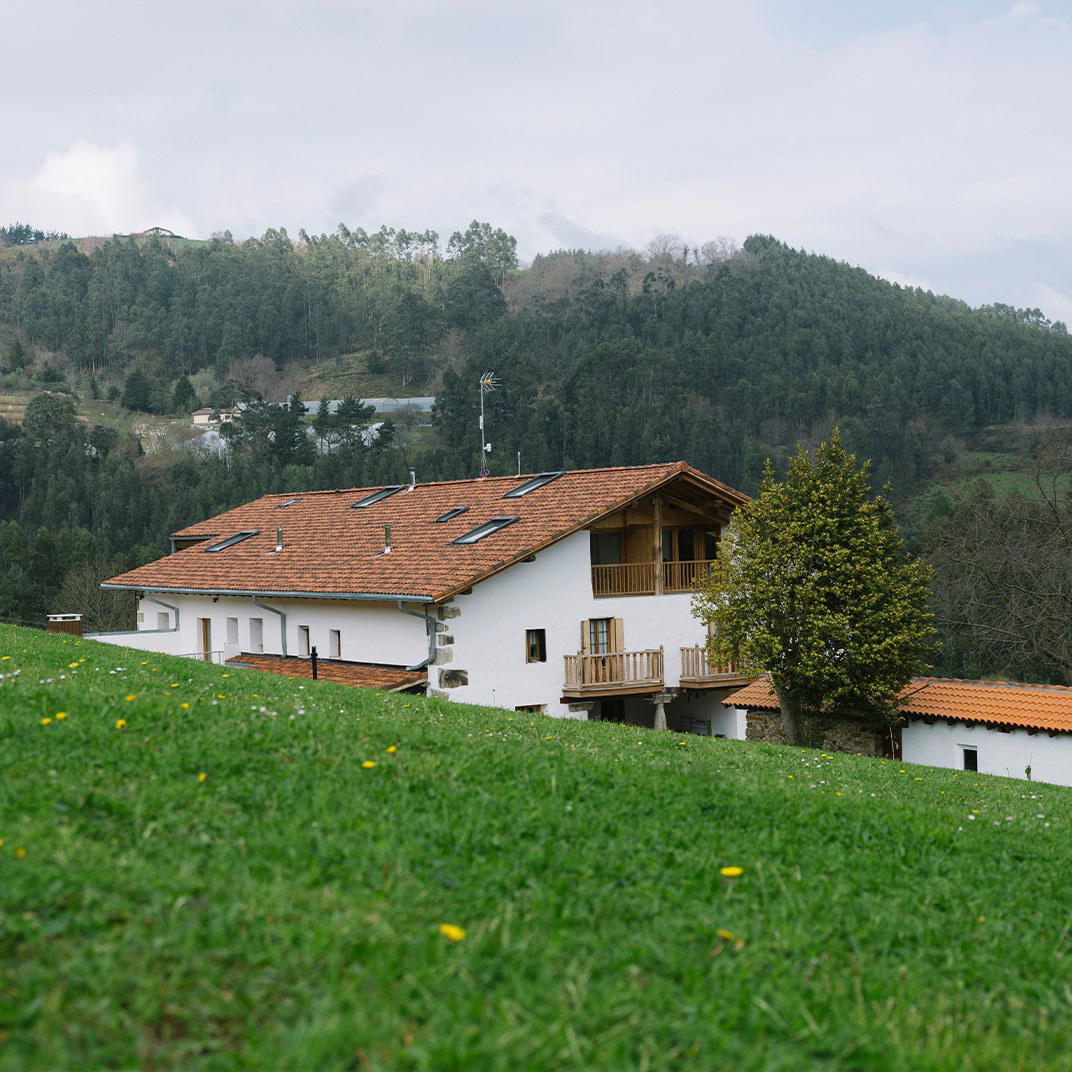
The Atxondo valley sits roughly 40 kilometres inland from Bilbao, a narrow crease of green folded between the limestone ridges of the Basque interior. Arriving in Axpe by car, the village appears almost suddenly: a cluster of stone farmhouses around a church square, with the Anboto peak holding position on the horizon. Nothing about the approach announces the restaurant at first glance.
Among Basque restaurants operating at the highest tier, Etxebarri occupies a position defined not by architectural drama or tasting-menu length, but by a rigorous, decades-long commitment to fire as both method and philosophy. Where contemporaries like Mugaritz in Errenteria have pushed into conceptual and textural experimentation, and Arzak in San Sebastián built its identity on modern Basque creativity, Etxebarri's argument is the opposite: that the oldest cooking technology, applied with extreme precision and near-fanatical sourcing discipline, produces results that no modernist toolkit can replicate.
Fire as the Point of Origin
The grilling tradition in the Basque Country is older than any restaurant that practices it. Txokos, the private gastronomic societies of the region, built their culture around wood fire and seasonal ingredients long before international critics arrived. Etxebarri belongs to that tradition but has taken it further, developing custom-built grill systems with adjustable heights and working with different wood types matched to specific ingredients. The result is that fire here is not a finishing step or a flavour note; it is the primary technical language of the kitchen.
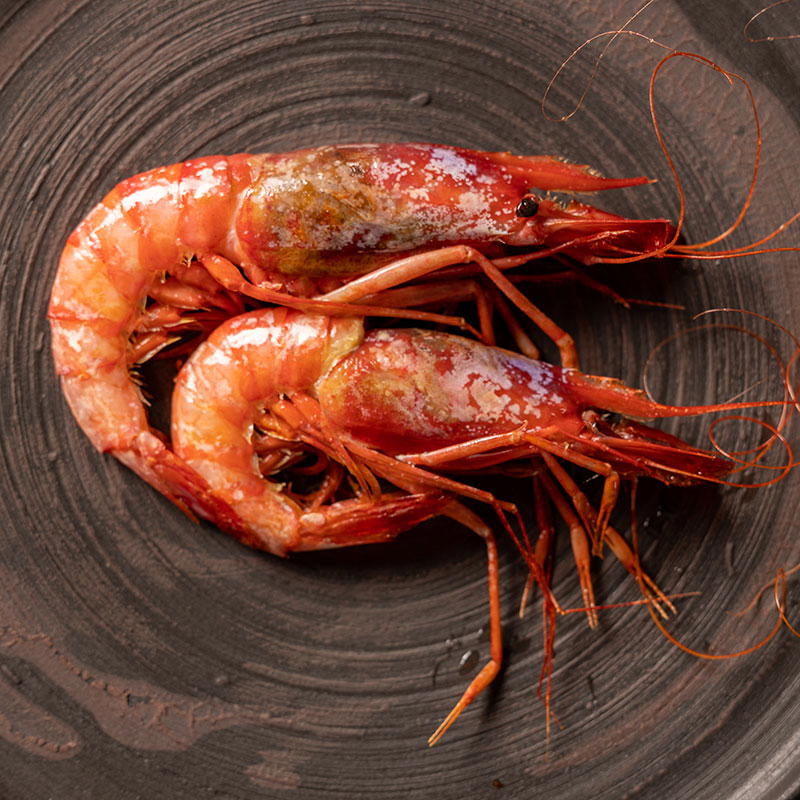
This approach places sourcing at the centre of everything. A restaurant that depends on heat and smoke to do most of the expressive work has nowhere to hide substandard raw material. The ingredients carry the argument. Etxebarri has built supply relationships with producers across the Basque Country and its coastline: the Bay of Biscay's fishing grounds, local dairy farms, and regional livestock sources. This is not farm-to-table as a marketing position; it is a structural requirement of the cooking method itself. When the technique is reduction rather than addition, the ingredient has to be close to well-suited at the point of arrival.
In that sense, Etxebarri sits in a different comparable set from the laboratory-oriented three-star houses in Spain's major cities. DiverXO in Madrid and Cocina Hermanos Torres in Barcelona operate with ambitious multi-influence menus in urban settings. Etxebarri's frame of reference is narrower and, by design, more local. The comparison that lands most accurately is with Azurmendi in Larrabetzu, another Basque restaurant in a rural setting that has built a global reputation from a specific regional identity, though Azurmendi's register is progressive and highly technical where Etxebarri's is reductive and elemental.
Rankings and What They Signal
Etxebarri has held a position in the World's 50 Best Restaurants list for multiple years, reaching as high as second place globally. That ranking, whatever its methodological debates, signals two things: the restaurant is drawing serious international diners to a village with almost no other infrastructure, and the cooking has maintained consistency over a long enough period to accumulate repeated votes from a widely distributed jury. For context, the 50 Best list has long favored tasting-menu restaurants in major cities; a fire-cooking restaurant in a Basque valley holding a top-five position remains unusual.
Within Spain's fine dining tier, the restaurant occupies a different register from the Michelin-starred circuit that includes Martin Berasategui in Lasarte-Oria, El Celler de Can Roca in Girona, Quique Dacosta in Dénia, and Aponiente in El Puerto de Santa María. Those restaurants share a highly architectural approach to plating and an explicit narrative around innovation. Etxebarri's plating is spare and the narrative is brevity. Both are valid arguments; they are simply different ones.
The Axpe Context
Axpe is not a dining village in the way that, say, a town with three restaurants anchored by one famous address tends to operate. The village is small enough that Etxebarri defines its culinary identity almost entirely. Two other options exist for those staying in the area: Txispa, which works a Spanish-Japanese creative register, and Mendi Goikoa Bekoa, a Basque-rooted house in the valley. For anyone planning a day or more around the area, those two provide a reasonable complement, though the honest reason most people are in Axpe is the one restaurant on the square.
Getting there requires a car or a hired transfer from Bilbao; public transport to Axpe is not practical for most visitors. The drive from Bilbao's city centre takes approximately 45 minutes under normal conditions, passing through the Durango area before the valley narrows. Visitors coming from San Sebastián add roughly 30 minutes. There is no airport within closer range than Bilbao.
For a wider frame on Spain's serious restaurant circuit: Atrio in Cáceres, Casa Marcial in Arriondas, and Cenador de Amós in Villaverde de Pontones all sit in a comparable tier of rural fine dining with strong regional identity. International comparisons are harder to draw cleanly, but restaurants that have made a sustained case for a single, disciplined technique, such as Le Bernardin in New York City with its fish-first precision, or Atomix in New York City with its structured Korean tasting format, share something of the same commitment to a defined frame.
Planning a Visit
Booking demand at Etxebarri runs well ahead of availability, and reservations typically need to be secured months in advance, particularly for lunch service, which is the only regular format the restaurant operates. The village has limited overnight accommodation, so most visitors base themselves in Bilbao or the surrounding area and drive in for the meal. Given the distance and booking lead times, this is not a spontaneous addition to an itinerary; it rewards deliberate planning. Lunch is the conventional service, and the menu format follows a set tasting structure rather than à la carte ordering. Current pricing and hours should be confirmed directly with the restaurant.
- grilled baby octopus with onion confit and charcoal paste
- chuletas (bone-in rib eyes)
- whole sea bream
- kokotxas
- grilled squid
- barnacles
How It Stacks Up
Comparable venues nearby, for context on price, style, and recognition.
| Venue | Cuisine | Price | Awards | Notes |
|---|---|---|---|---|
| EtxebarriThis venue — the venue you are viewing | Basque Wood-Fired Grilling | $$$$ | Not listed | Not listed |
| Mendi Goikoa Bekoa | Traditional Basque Grill | $$$ | Michelin Plate | Axpe |
| Txispa | Japanese-Basque Fusion Fine Dining | $$$$ | Michelin 1 Star | Axpe |
| Porrue | Modern Basque grill with seasonal tasting menu | $$$$ | Not listed | Abando / near Guggenheim Museum |
| Asador Hondartzape | Basque Asador | $$$$ | Not listed | Plentzia |
| Araneta | Traditional Basque Asador & Grill | $$$ | Not listed | / between Zumaia and Zarautz, near San Sebastian |
Recognition history
Dated appearances from independent guides and award organizations, with the underlying list record or original source where available.
Guía Repsol 3 Soles
Guía Repsol
Opinionated About Dining Top Restaurants in Europe Ranked #1
Opinionated About Dining
Continue exploring
More in Axpe
Restaurants in Axpe
Browse all →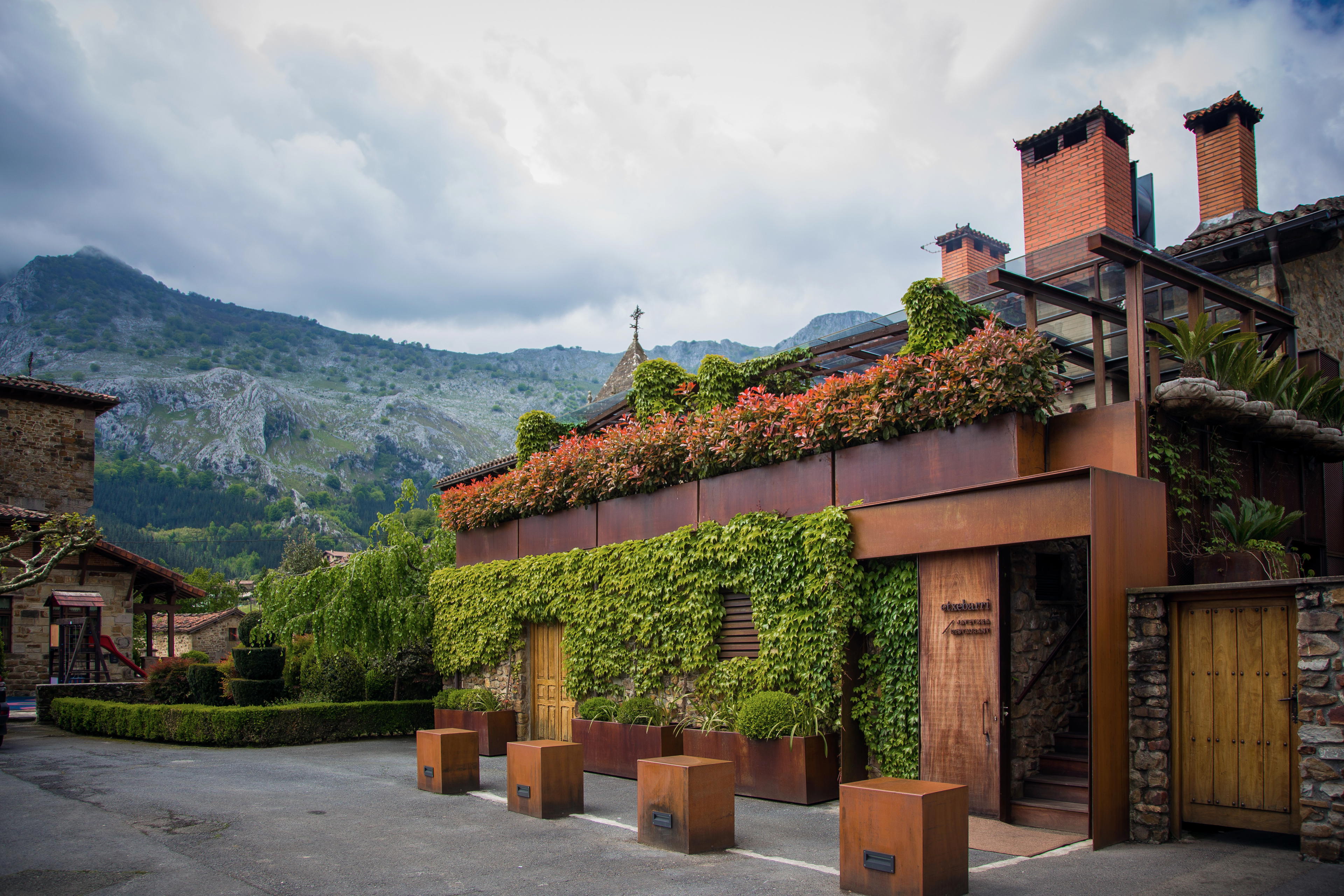
At a Glance
- Rustic
- Well Known
- Scenic
- Elegant
- Special Occasion
- Celebration
- Date Night
- Open Kitchen
- Standalone
- Historic Building
- Panoramic View
- Extensive Wine List
- Local Sourcing
- Mountain
Current opening hours
- Monday
- Closed
- Tuesday
- Closed
- Wednesday
- 12:30–1:30 PM
- Thursday
- 12:30–1:30 PM
- Friday
- 12:30–1:30 PM
- Saturday
- 12:30–1:30 PM
- Sunday
- 12:30–1:30 PM
Hours can change for holidays and private events. Last verified .
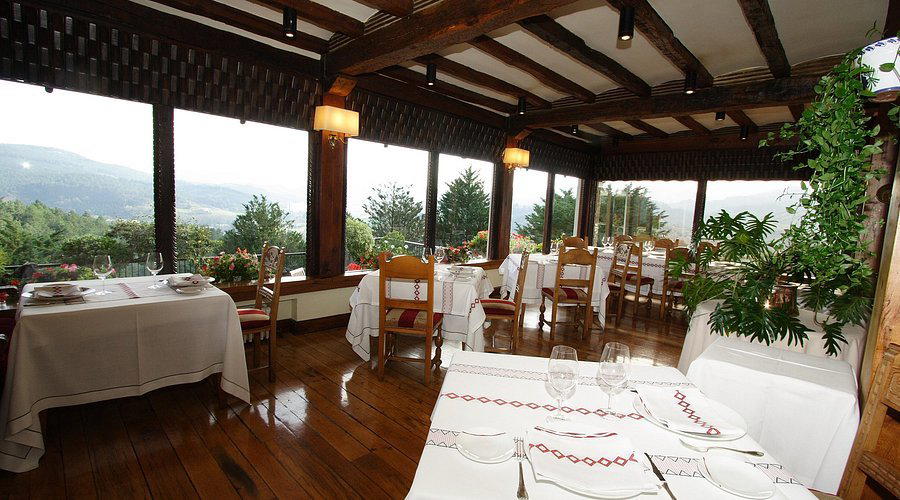
Intimate and rustic Basque village setting in a restored 18th-century country house, with warm firelight and smoke from the open grills creating an authentic, unpretentious atmosphere.