
Guía Repsol 1 Sol
Our verdict
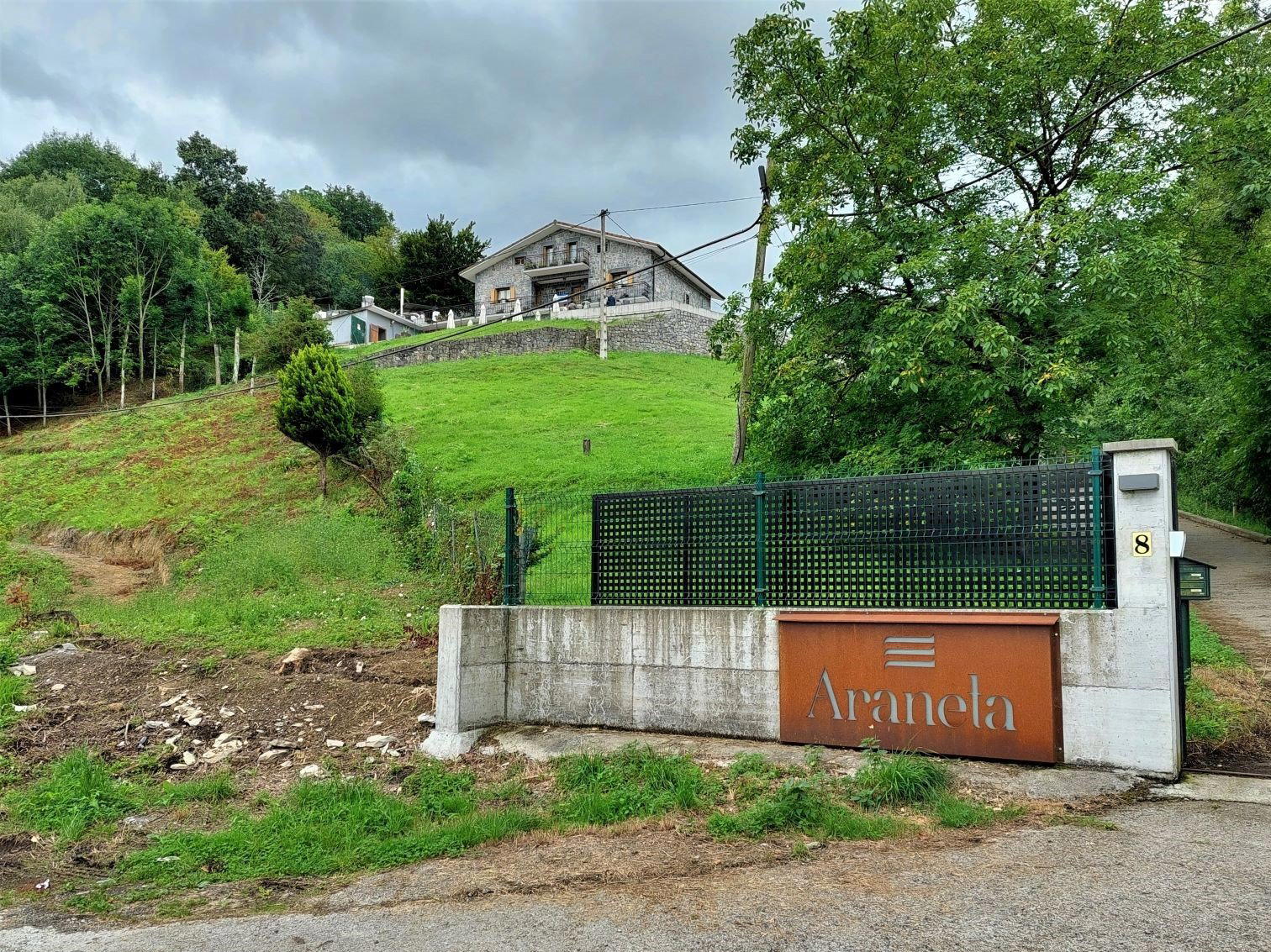
Araneta brings Zestoa into the serious Gipuzkoa dining conversation through a rural Basque lens rather than city-centre polish. Its 1 Sol recognition in Guía Repsol 2026 signals a kitchen worth tracking, especially for travellers interested in ingredient-led cooking between the coast, the Urola valley, and the inland asador tradition.

Pearl is the En Primeur Club membership app, where members save venues, book tables and use the concierge.
The menu
What to order
- Flame-grilled sole
- T-bone steak (chuletón)
- Grilled octopus
- Croquettes
- Anchovies
- Peas or clams starters
- Suckling pig
- Lamb made to order
The road into Zestoa reframes the meal before it begins: the pace changes, the town comes into view, and the usual checklist logic of destination dining starts to feel less useful. Here, restaurants are best judged less by spectacle than by how coherently they make sense in their own setting. Araneta belongs to that quieter register. Its 1 Sol from Guía Repsol 2026 places it in Spain’s national conversation, but the sharper reading is local: a Zestoa address whose recognition gives travellers a reason to look beyond the most obvious restaurant routes.
Zestoa is not a default stop for visitors chasing a familiar dining circuit, which helps define its appeal. The restaurant can be read through the town around it rather than through imported assumptions about format, ceremony, or style. That context matters in broad terms. A meal here makes most sense as part of a wider itinerary of smaller addresses and regional stops, not as an isolated trophy booking detached from place.
Dining away from the coastal spotlight
Well-known restaurant regions are often reduced to a few easy images, but the middle ground is usually more revealing: rooms with enough discipline to feel considered while still retaining the scale and tempo of a local address. Araneta sits there. Guía Repsol’s Soles tend to reward Spanish restaurants with a clear sense of identity, not only luxury markers. A single Sol is not shorthand for extravagance; it usually signals enough personality and consistency to justify a regional detour.
That distinction matters when nearby references pull in different directions. Bedua, Elkano, Hamarratz, Kirkilla Enea, and Aiten Etxe each occupy their own lanes. In that cluster, Araneta reads less as a trophy booking than as a Zestoa address for travellers who care about context, restraint, and the difference between a restaurant as an export image and a restaurant as part of daily local life.
Context is the right lens because Zestoa does not invite imported theatre. The surrounding setting suggests a practical relationship with the meal: the room, the service rhythm, and the way the restaurant presents itself matter as much as any advance expectation. Without naming dishes or formats that are not publicly fixed here, the expectation is clear: in this context, credibility comes when the experience feels grounded rather than overworked.
A rural address with national recognition
Recognition can distort small-town restaurants by turning them into checklist stops. Araneta’s case is better read as validation for Zestoa’s place on a wider restaurant map. Larger and more famous dining centres absorb much of the attention, yet a stronger itinerary is often dispersed: smaller towns, quieter rooms, and addresses where the pace feels less performative. The 2026 Guía Repsol Sol gives Araneta a trust signal, but the broader point is that serious dining is not confined to capital-city dining rooms.
The experience also sits apart from Spain’s metropolitan tasting-menu economy. In larger Spanish dining markets, format and design can dominate first impressions; in Zestoa, the restaurant is better understood through local context, scale, and the confidence of a smaller-town room. The comparison underlines that Spain’s dining culture is not one market, but a set of regional systems with different ideas of value, ceremony, and recognition.
In this kind of setting, value often comes from confidence rather than elaboration. A Zestoa restaurant with national recognition must balance local diners who know the room on its own terms with travelling diners whose expectations are shaped by awards. The better restaurants in this category avoid overexplaining themselves. They let the setting do part of the work, then rely on consistency, timing, and measured hospitality.
How to place it in a Zestoa itinerary
Araneta is best approached as part of a broader food route, not a standalone city break. Zestoa works for travellers moving between smaller towns, established restaurant stops, and denser dining scenes elsewhere. Its location in Zestoa puts the meal outside the usual stroll-and-snack rhythm, so planning matters more than spontaneity. Lunch can be a natural cadence for this kind of stop, and the room is strongest when the day allows time rather than squeezing the meal between transfers.
EP Club readers building a local plan should start with Our full Zestoa restaurants guide, then widen the trip according to appetite: Our full Zestoa hotels guide, Our full Zestoa bars guide, Our full Zestoa wineries guide, and Our full Zestoa experiences guide. For Spain-wide calibration beyond Zestoa, look to other regional dining rooms and small-town addresses rather than assuming one national template. For a sharper contrast outside Spain, international venues built around different local traditions show how specificity reads differently when the cultural grammar changes.
The editorial case for Araneta is not that it competes with grand dining rooms on ceremony. It is that Zestoa gives the meal context: a smaller town, a quieter rhythm, and a recognition signal pointing to substance over noise. For travellers who want a restaurant stop beyond the most obvious names, that is enough reason to plan the visit carefully.
Frequently asked questions
Is Araneta child-friendly?
Published details do not give a definitive family policy for Araneta. Its setting in Zestoa points to a smaller-town restaurant context rather than a formal city-centre room, but travellers should confirm current arrangements directly before booking.
What's the overall feel of Araneta?
It reads as a Zestoa restaurant with local context. The Guía Repsol 2026 1 Sol signals national recognition without changing that smaller-town register.
Is Araneta open every day?
Current opening days and service times should be confirmed directly with Araneta before travelling, especially if planning a dedicated trip to Zestoa.
What's the address for Araneta?
Zestoa.
What makes Araneta worth seeking out?
The clearest reason is the Guía Repsol 2026 1 Sol, which places Araneta in Spain’s recognised restaurant field. Its Zestoa location also makes it a useful stop for travellers looking beyond the most obvious routes.
Do they accommodate allergies at Araneta?
Those details are not published. Check the venue's official channels for the latest information before booking, especially for dietary restrictions or allergy requirements.
Snapshot
Comparable venues by cuisine and price in the same metro.
Recognition history
Dated appearances from independent guides and award organizations, with the underlying list record or original source where available.
Guía Repsol 1 Sol
Guía Repsol
Continue exploring
More in Zestoa
Restaurants in Zestoa
All restaurants in Zestoa →
Bars in Zestoa
Browse all →


Details
- Rustic
- Classic
- Cozy
- Scenic
- Group Dining
- Family
- Date Night
- Casual Hangout
- Celebration
- Special Occasion
- Standalone
- Historic Building
- Open Kitchen
- Garden
- Extensive Wine List
- Farm To Table
- Local Sourcing
- Sustainable Seafood
- Organic
- Garden
- A La Carte
- Family Style
- Wine
- Cider
- Txakoli
- Pescatarian Friendly
- Vegetarian Friendly
- Organic Focus
Current opening hours
- Monday
- 1:15–3:30 PM
- Tuesday
- 1:15–3:30 PM
- Wednesday
- Closed
- Thursday
- 1:15–3:30 PM
- Friday
- 1:15–3:30 PM, 8:15–10:15 PM
- Saturday
- 1:15–3:30 PM, 8:15–10:15 PM
- Sunday
- 1:15–3:30 PM
Hours can change for holidays and private events. Hours as of .