
Michelin Bib Gourmand
Our verdict
A Michelin Bib Gourmand-recognised country kitchen on Ostrach's main street, Landhotel zum Hirsch earns its reputation through honest regional cooking at €€ prices that put serious food within reach of any traveller in the Upper Swabian countryside.

Pearl is the En Primeur Club membership app, where members save venues, book tables and use the concierge.
The menu
What to order
- Maultaschen
- Zwiebelrostbraten
- Spätzle
Country Cooking in the Upper Swabian Hinterland
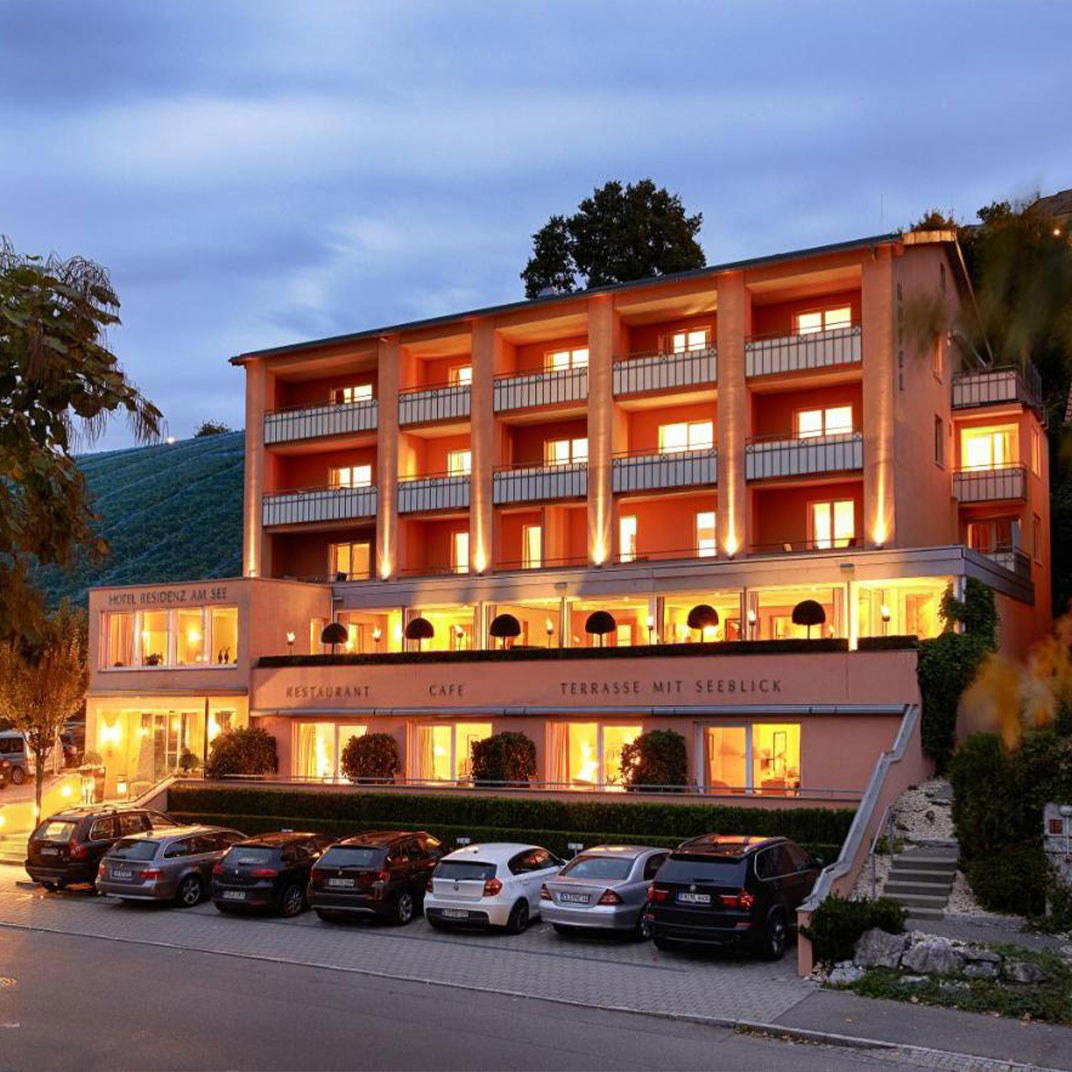
Arrive in Ostrach along the Hauptstraße and the village announces itself with farmhouse rooflines, church spires, and the unhurried pace of a market town that has never needed to perform for tourists. Landhotel zum Hirsch sits on that same street at number 27, its facade in keeping with the surrounding architecture rather than competing with it. There are no valet stands or curated planting schemes out front. The signal here is quieter: this is a place that puts its effort into what happens at the table, not around it.
That orientation toward substance over surface is what the Michelin Bib Gourmand award recognises. Unlike a star, which judges technical ambition, the Bib Gourmand identifies kitchens that deliver notable quality at moderate prices. Zum Hirsch has held that recognition in both 2024 and 2025, which in Michelin's framework is the harder achievement: consistency, not a single impressive service. At a €€ price point, it sits well below the majority of Bib Gourmand recipients in Germany's more prominent dining cities, making it an outlier in the most useful sense of the word.
What Sourcing Looks Like in Upper Swabia
The editorial logic of country cooking in this part of Baden-Württemberg is inseparable from geography. The region between Lake Constance and the Swabian Alb has long sustained small dairy operations, arable farms, and mixed smallholdings at a density that rarely exists this close to a major lake and mountain corridor. That proximity to working farmland shapes what ends up on plates in kitchens like this one: produce drawn from a short radius, preparations that follow seasonal availability rather than fighting it, and an approach to protein that reflects local animal husbandry rather than commodity supply chains.
Across southern Germany, the most credible country-cooking kitchens share a sourcing discipline that differs structurally from urban farm-to-table rhetoric. The supply relationships are older and less curated for marketing purposes. A restaurant in Ostrach sourcing from surrounding farms is doing so because those farms have supplied regional kitchens for generations, not because a publicist identified them as brand-aligned producers. That distinction matters when reading a Bib Gourmand citation in a rural context: the award is recognising cooking that emerges from a genuine regional food system, not one assembled to approximate one.
This is the context in which Zum Hirsch's country cooking reads most clearly. The cuisine type is not a stylistic label applied to modernist technique; it indicates a kitchen organised around what the land around Ostrach actually produces, cooked in ways that have accumulated through regional tradition. Compare this to the format of kitchens like Schwarzwaldstube in Baiersbronn or Aqua in Wolfsburg, operating at €€€€ with international reference points and elaborate tasting formats. Those are different propositions entirely, aimed at different decisions. The Bib Gourmand tier, at the price band Zum Hirsch occupies, is where the question of sourcing integrity tends to be answered most honestly: the kitchen cannot hide behind luxury ingredients or spectacular technique if the foundations are weak.
How It Sits in Germany's Recognised Dining Tier
Germany's Michelin-recognised dining scene concentrates heavily in its major cities and high-end rural resort corridors. Restaurants like Vendôme in Bergisch Gladbach, CODA Dessert Dining in Berlin, and JAN in Munich represent the creative and fine-dining tier, where covers are priced accordingly and the expectation is a full evening's production. Further afield, Waldhotel Sonnora in Dreis and Victor's Fine Dining by Christian Bau in Perl anchor rural prestige dining at similarly refined price points. The Bib Gourmand tier exists as a structurally different category within Michelin's framework, and in a village like Ostrach, holding that recognition across consecutive years signals something that a star in a well-resourced urban kitchen does not: the ability to sustain quality without the financial infrastructure that city locations provide.
Volume at that score, in a village of Ostrach's size, suggests a customer base extending beyond local regulars into visitors making deliberate journeys.
For readers comparing across similar culinary traditions, the country-cooking format also appears in recognised Italian kitchens such as 21.9 in Piobesi d'Alba and Andrea Monesi at Locanda di Orta in Orta San Giulio, both of which operate in comparable rural-regional frameworks. The underlying logic across these kitchens is the same: cooking that takes its form from what a specific landscape produces rather than from a reference cuisine imported elsewhere.
Planning a Visit
Ostrach sits in the rolling countryside of the Upper Swabian plateau, accessible from the Sigmaringen direction and within reasonable reach of Lake Constance for travellers already in that corridor. Landhotel zum Hirsch at Hauptstraße 27 operates as a hotel with a kitchen attached, making it a practical base for anyone spending more than a day in the area. The €€ price band puts it in the range where a meal represents an easy decision rather than a considered budget allocation.
For broader planning across Ostrach, see our full Ostrach restaurants guide, our full Ostrach hotels guide, our full Ostrach bars guide, our full Ostrach wineries guide, and our full Ostrach experiences guide. Readers planning a wider southern Germany circuit with Michelin-recognised stops should also consider ES:SENZ in Grassau, Schanz in Piesport, Restaurant Haerlin in Hamburg, and Bagatelle in Trier for complementary stops at different price tiers and formats.
Frequently asked questions
What price level is Landhotel zum Hirsch?
Pricing at Landhotel zum Hirsch is listed as €€.
Fast Comparison
| Venue | Cuisine | Price | Awards | Notes |
|---|---|---|---|---|
| Landhotel zum HirschThis venue (the venue you are viewing) | Swabian-Baden Regional Cuisine | Not listed | Michelin Bib Gourmand | Not listed |
| Schwarzwaldstube | Modern French Fine Dining | $150–200 | 3 Michelin Stars · World's 50 Best #47 | French, Classic French |
| Aqua | Contemporary German, Italian/Japanese, Creative | Not listed | Michelin 3 Star | Not listed |
| CODA Dessert Dining | Dessert-Inspired Fine Dining | $200–300 | 2 Michelin Stars · World's 50 Best #79 | Creative |
| Tantris | Modern French, French Contemporary | Not listed | Michelin 2 Star | Not listed |
| Vendôme | Modern German Haute Cuisine | $200–300 | 2 Michelin Stars · World's 50 Best #47 | Modern European, Creative |
Recognition history
Dated appearances from independent guides and award organizations, with the underlying list record or original source where available.
Michelin Bib Gourmand
Michelin
Full recognition history (3 entries)
Michelin Bib Gourmand
Michelin
Michelin Bib Gourmand
Michelin
Continue exploring
More in Ostrach
Restaurants in Ostrach
All restaurants in Ostrach →


Details
- Cozy
- Rustic
- Classic
- Family
- Casual Hangout
- Celebration
- Garden
- Hotel Restaurant
- Terrace
- Extensive Wine List
- Local Sourcing
- Garden
- A La Carte
- Vegetarian Friendly
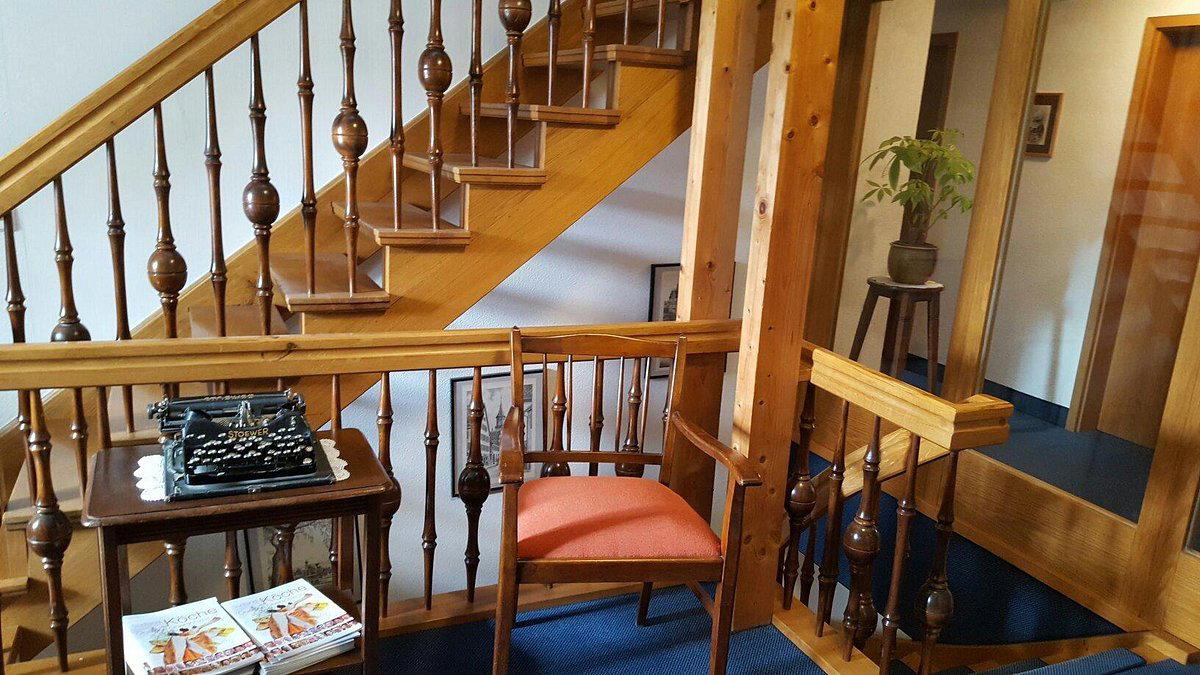
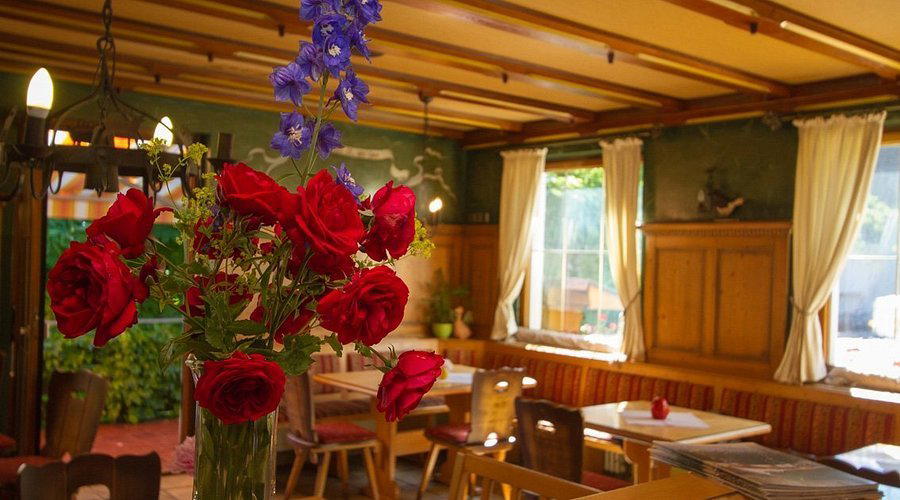
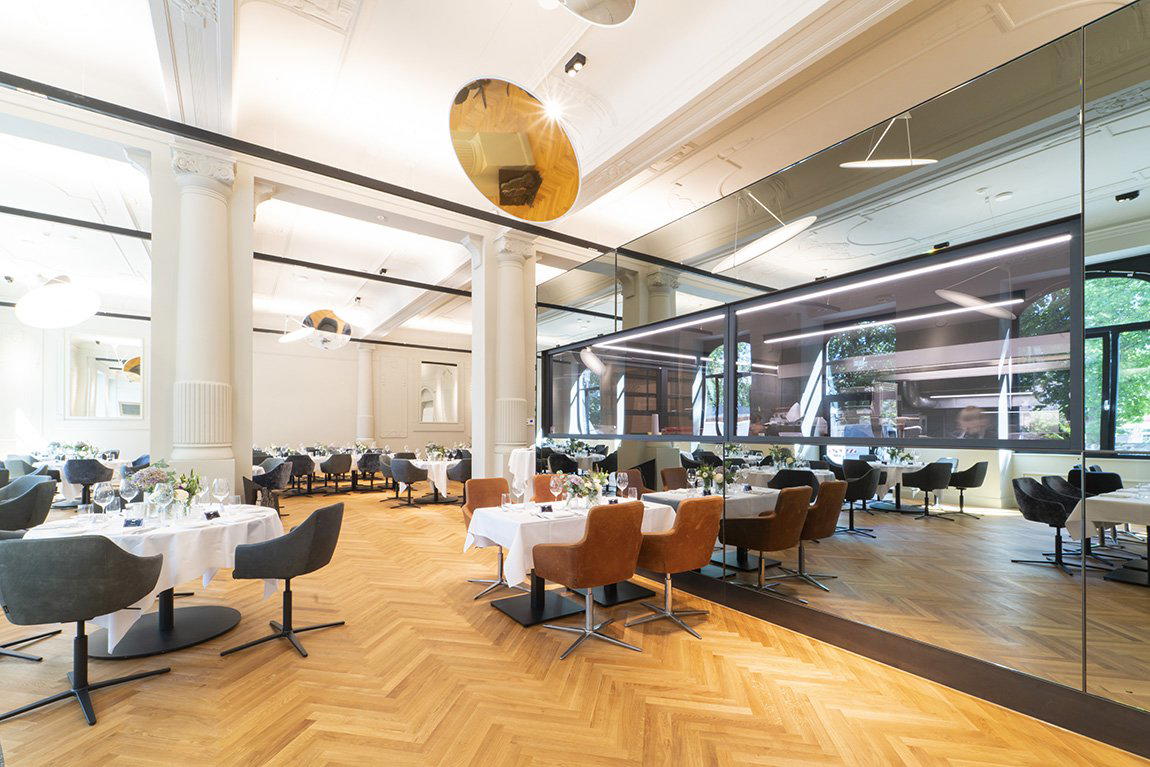
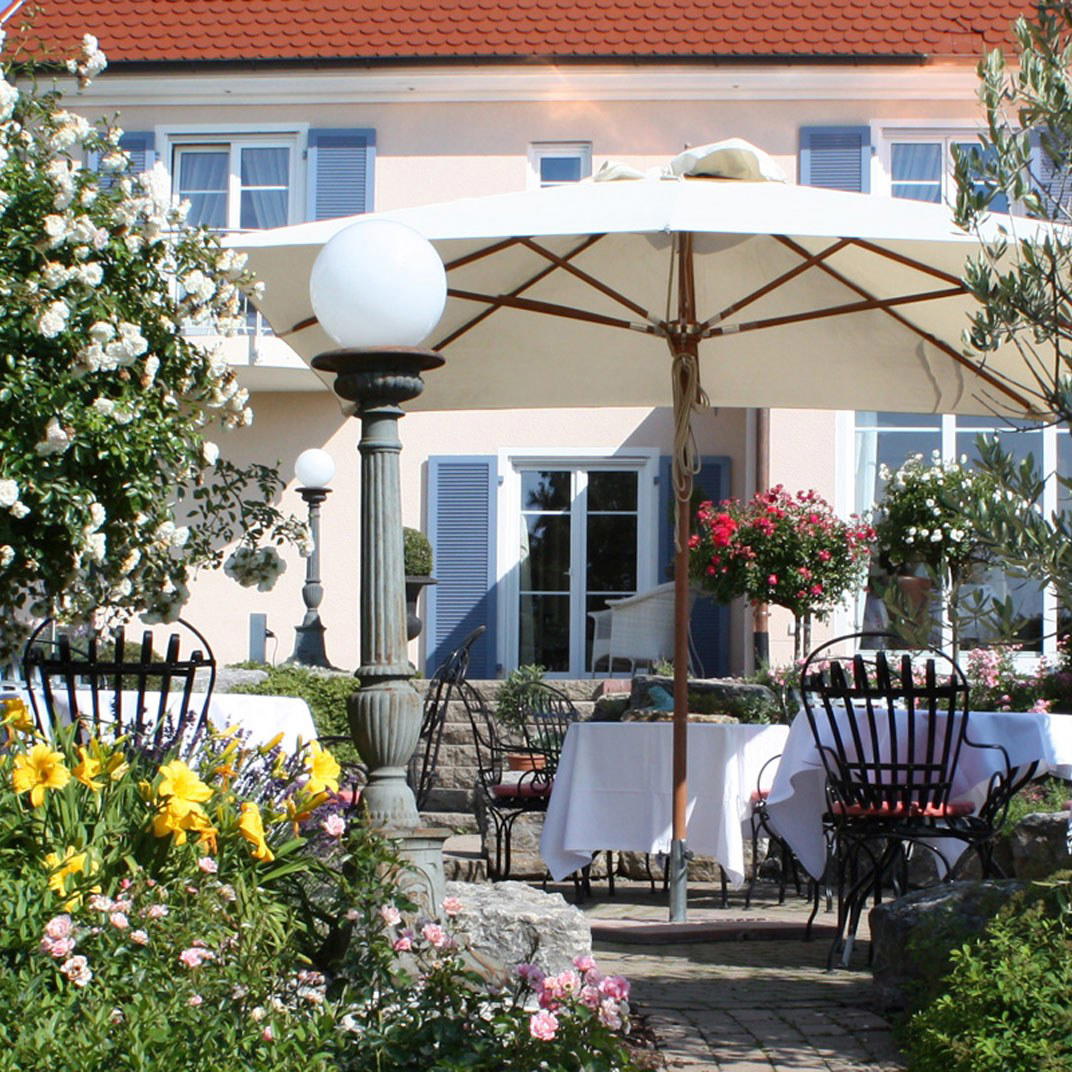
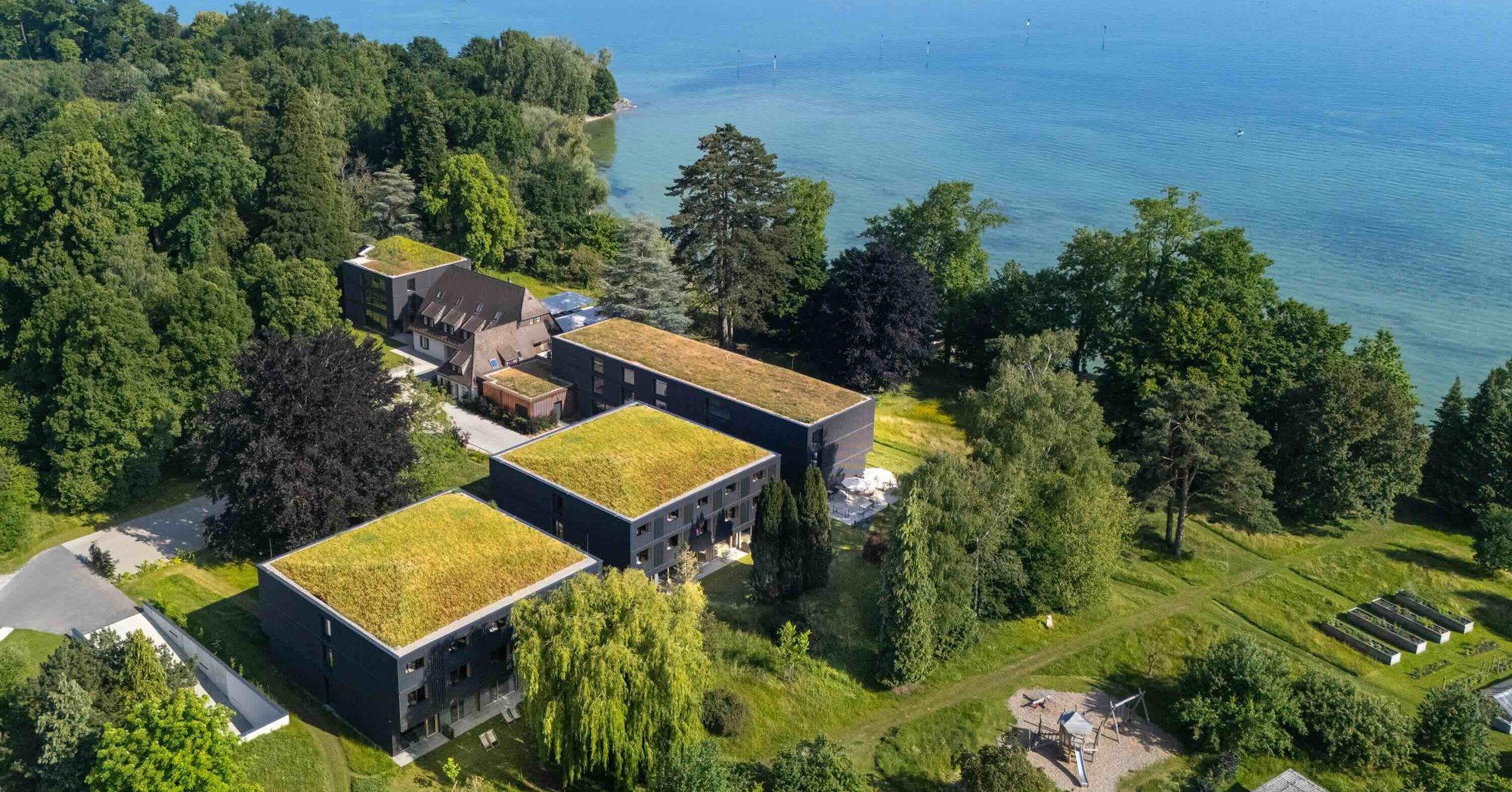
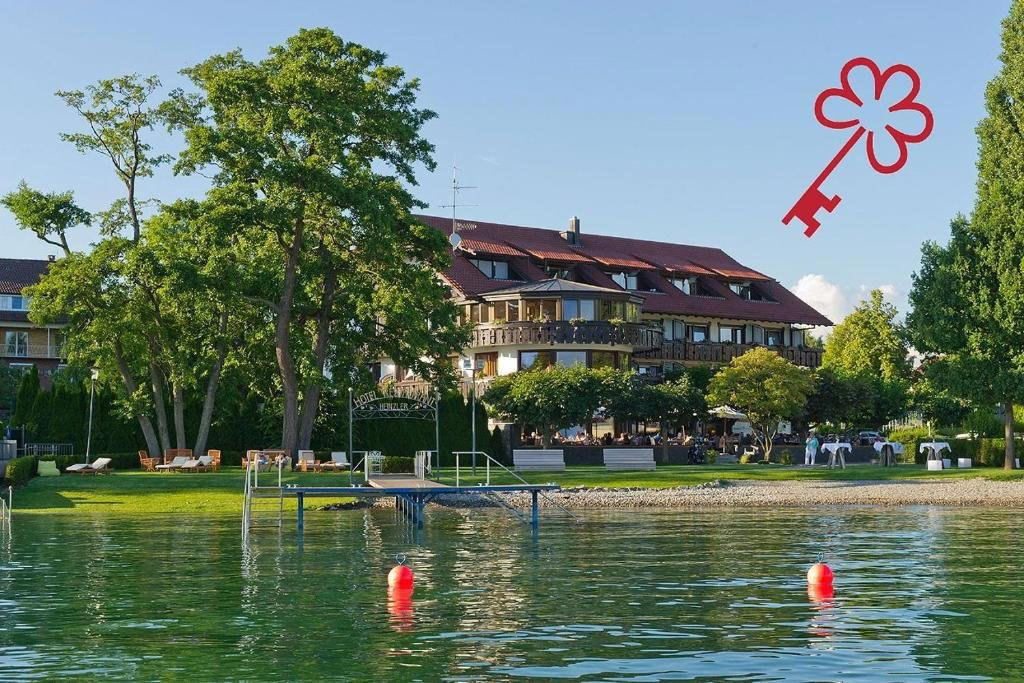
Cozy Gaststube with old wood paneling, curtains from grandmother's linens, fresh wildflowers, and warm, homely atmosphere.