Esarn Kheaw
Esarn Kheaw on Uxbridge Road has served West London's Shepherd's Bush neighbourhood for decades, quietly holding its place as one of the city's more serious Thai regional kitchens. The menu draws from Isaan traditions in northeastern Thailand, a cuisine defined by fermented flavours, grilled meats, and herb-forward salads that diverge sharply from the sweetened pan-Thai registers found across most of London's high street.
Pearl is the En Primeur Club membership app — saves, bookings, and concierge access live there. Same editors, same standards.
- Address
- 314 Uxbridge Rd, London W12 7LJ, United Kingdom
- Phone
- +44 20 8743 8930
- Website
- esarnkheaw.com
- Directions
- Get directions
 Saves & bookings on Pearl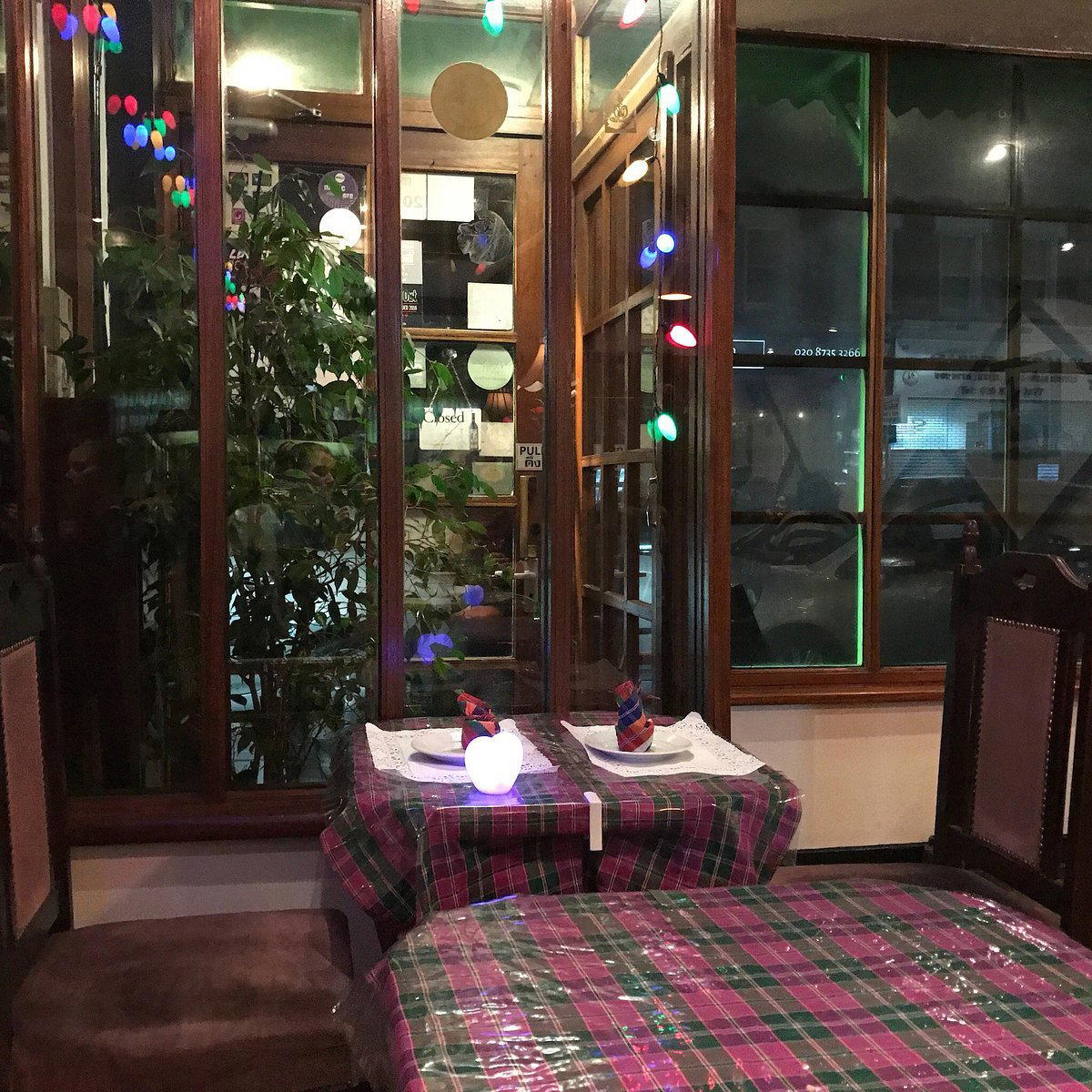
Northeast Thai Cooking in West London: Where Esarn Kheaw Fits
London's Thai restaurant scene has long split between two tiers: a large mid-market of broadly familiar dishes calibrated to British tastes, and a smaller cohort of kitchens that cook with regional specificity. Esarn Kheaw, at 314 Uxbridge Road in Shepherd's Bush, belongs to the second group. The name signals the cuisine directly — "Esarn" (also rendered Isaan or Isan) refers to northeastern Thailand, a plateau region bordering Laos and Cambodia whose food culture is distinct from the central Thai cooking that dominates most London menus.
Isaan cooking is built around fermented fish paste, grilled proteins, sticky rice eaten by hand, and salads dressed with lime, fish sauce, and fresh chilli rather than anything sweetened or coconut-rich. It occupies a different register entirely from the Thai dishes most Londoners recognise, and it has historically been underrepresented in the city outside a handful of dedicated kitchens. Esarn Kheaw has held that position on Uxbridge Road long enough that it predates most of the current conversation about regional Thai specificity in London dining. That longevity, in a stretch of West London that has seen considerable restaurant turnover, is its own form of editorial evidence.
Shepherd's Bush as a Context
Uxbridge Road through Shepherd's Bush and into Hammersmith carries a density of neighbourhood restaurants that serve communities rather than tourists. The area has no particular fine-dining gravity — the Michelin-starred tier of London dining concentrates further east and in Mayfair, Knightsbridge, and Notting Hill, where venues like The Ledbury and CORE by Clare Smyth have built their reputations. That geographic remove from London's fine-dining circuit has protected Esarn Kheaw's identity. Kitchens in tourist-facing postcodes tend to moderate regional specificity for broader palatability; neighbourhood kitchens in areas like W12 can afford to cook for regulars who return because the food is correct, not because the room is easy to photograph.
The restaurant draws comparison to a small number of other Thai kitchens in London that have maintained similar regional focus over long periods, a cohort that operates largely outside the awards infrastructure that shapes the reputations of venues like Sketch, Restaurant Gordon Ramsay, or Dinner by Heston Blumenthal. That absence from formal recognition does not diminish the kitchen's standing among those who know where to look for serious Isaan food in London.
The Service Dynamic and What It Signals
In kitchens that cook with this degree of regional specificity, the front-of-house relationship to the menu is more than a courtesy function. At the restaurant, the team's ability to explain the distinction between a som tum made with salted crab versus fermented fish, or to guide a first-time visitor toward the dishes that sit at the core of the Isaan repertoire rather than the more familiar Thai exports, is what separates a useful visit from a generic one. This is a pattern common across London's stronger neighbourhood ethnic kitchens: the service team carries knowledge that effectively extends the menu, particularly for diners who may not recognise dish names or know which preparations are the kitchen's anchor points.
The collaboration between kitchen and floor in this context functions differently than it does at, say, The Fat Duck in Bray or L'Enclume in Cartmel, where tasting menus script the pace and front-of-house narration is formalised. At a neighbourhood Thai restaurant with an à la carte format, the dynamic is less structured but more dependent on genuine knowledge. The floor team needs to know what fermented fish paste tastes like, and why someone unfamiliar with Isaan food might want to start with a laab rather than a spring roll. That kind of operational fluency, where kitchen and front-of-house share a common culinary vocabulary, is what sustains a restaurant's regional identity over time.
Isaan Cuisine and the London Benchmark
For context on what Isaan cooking actually represents at a national level: Thailand's northeast accounts for roughly a third of the country's population and has among the more codified regional food cultures in Southeast Asia. Sticky rice is the staple rather than jasmine rice. Protein comes primarily from grilled or fermented sources. The flavour profile emphasises sour, salty, and spicy without the sweetness or coconut milk that characterise central Thai cooking. Som tum (green papaya salad), laab (minced meat salads dressed with toasted rice powder and herbs), and gai yang (grilled chicken) are the pillars of the cuisine internationally.
In London, this tradition has fewer dedicated representatives than the cuisine warrants, which gives kitchens like Esarn Kheaw a relevance that extends beyond their size or postcode. For diners who have encountered Isaan food in Thailand and found it difficult to replicate in London, W12 is one of the addresses worth knowing. For visitors exploring the broader range of what London's restaurant culture can produce outside its Michelin-starred tier, comparing a meal here against the formal dining available at venues like Moor Hall in Aughton or Gidleigh Park in Chagford illustrates how wide the quality range runs in British dining when you look beyond the obvious circuits.
London's broader culinary map, from the fine-dining density of central London to neighbourhood specialists across the outer zones, is detailed in our full London restaurants guide. For accommodation, bars, and experiences in the city, see also our London hotels guide, our London bars guide, and our London experiences guide. If wine is a priority, our London wineries guide covers what the capital offers in that category. For comparison points in international dining at a different scale entirely, see Le Bernardin in New York City or Atomix in New York City. Closer to home in the UK, Hand and Flowers in Marlow and hide and fox in Saltwood represent different points on the spectrum of serious British cooking.
Know Before You Go
- Address: 314 Uxbridge Rd, London W12 7LJ, United Kingdom
- Cuisine: Isaan (northeastern Thai)
- Neighbourhood: Shepherd's Bush, West London
- Booking: Contact the restaurant directly; walk-ins may be possible on quieter weekday sessions
- Getting There: Shepherd's Bush Market or Shepherd's Bush (Central line) are the nearest Underground stations; the restaurant sits along the Uxbridge Road corridor
- Leading For: Diners seeking northeastern Thai regional cooking outside the city's tourist-facing restaurant belt
Continue exploring
More in London
Restaurants in London
Browse all →
Bars in London
Browse all →
Hotels in London
Browse all →



At a Glance
- Cozy
- Classic
- Casual Hangout
- Family
- Group Dining
- Standalone
Current opening hours
- Monday
- 5–9:45 PM
- Tuesday
- 5–9:45 PM
- Wednesday
- 5–9:45 PM
- Thursday
- 5–9:45 PM
- Friday
- 5–9:45 PM
- Saturday
- 5–9:45 PM
- Sunday
- Closed
Hours can change for holidays and private events. Last verified .
Cozy family-run spot with old-school decor, warm inviting atmosphere, and attentive friendly service.