
At 52 rue Léon-Frot in the 11th arrondissement, Épopée brings together a natural wine sommelier, a Japanese chef trained at Passage 53 and Clamato, and a front-of-house ethos built around warmth rather than formality. The kitchen works with micro-farm vegetables from the Perche and small-scale fishing to produce refined, seasonal plates that read as confidently French with quiet Japanese precision underneath.
Pearl is the En Primeur Club membership app — saves, bookings, and concierge access live there. Same editors, same standards.
- Address
- 52 rue Léon-Frot
- Phone
- +33 9 85 18 01 57
- Website
- epopee-charonne.fr
- Directions
- Get directions
 Saves & bookings on Pearl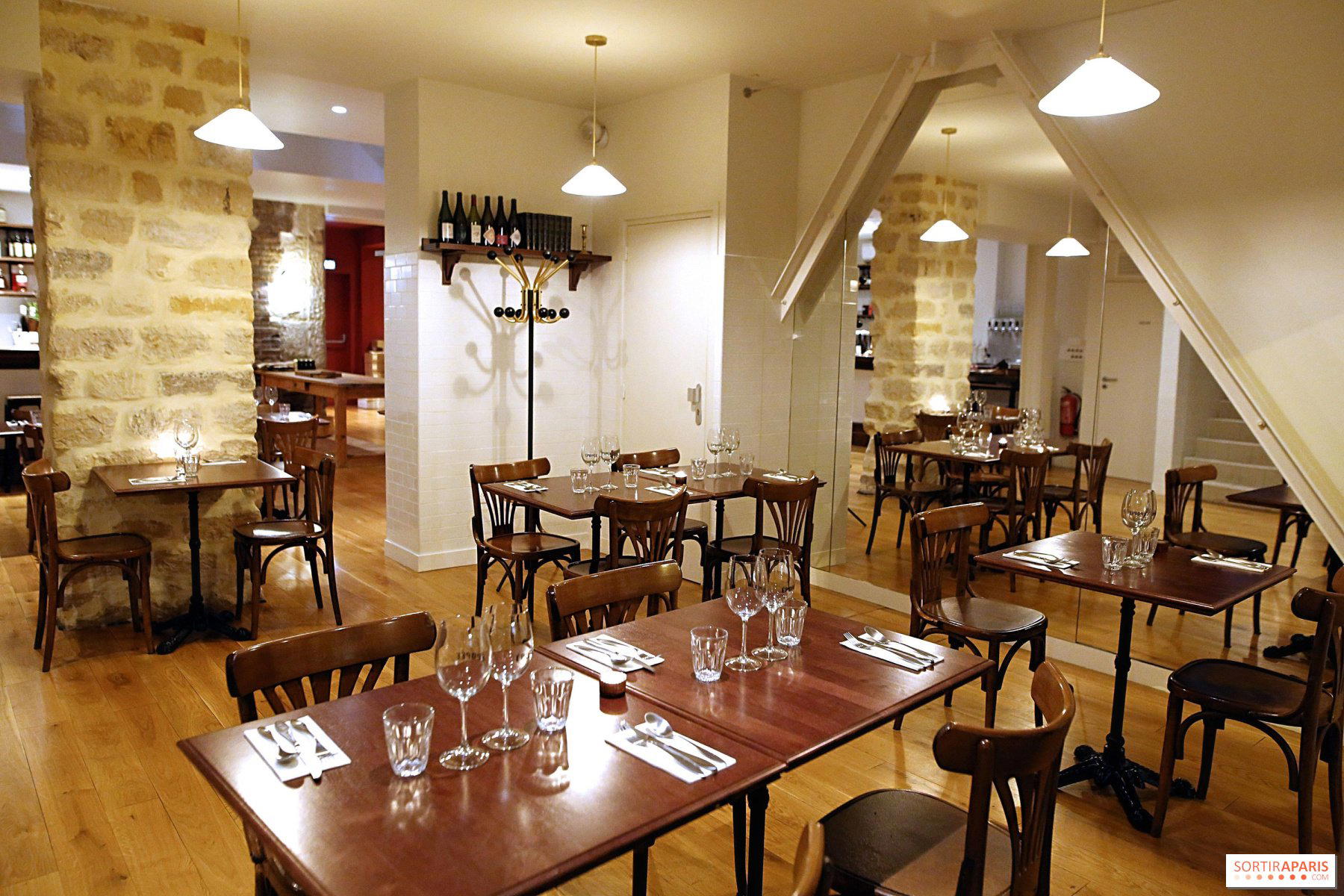
Where the 11th Arrondissement's Collaborative Dining Model Takes Shape
Paris's 11th arrondissement is home to Épopée, a restaurant at 52 rue Léon-Frot serving modern French bistronomique with Japanese influences at a price around $70 per person. The question is no longer whether a room on rue Oberkampf or Léon-Frot can compete with the formality of the 8th, where Alléno Paris au Pavillon Ledoyen and Le Cinq at the Four Seasons George V operate at full ceremonial register. The answer, demonstrated repeatedly by this neighbourhood's better addresses, is that it can compete on different terms altogether: sourcing transparency, wine programme depth, and the kind of collaborative kitchen architecture that arrives when a sommelier, a chef, and a front-of-house partner each bring a distinct expertise to the same table.
Épopée at 52 rue Léon-Frot sits in that current. The restaurant was built around a three-way collaboration: Thomas Legrand, a sommelier with a particular focus on organic and natural wines; his partner Megumi Terao; and Japanese chef Yurika Kitano, whose training runs through Pilgrim, Passage 53, and Clamato. That last set of references matters as context. Passage 53 operated as one of the few Japanese-led kitchens to hold two Michelin stars in Paris, working in a register of precision and restraint that influenced a generation of cooks. Clamato, the Septime group's seafood-focused satellite, brought a different lesson: rigorous sourcing, casual format, and a clear point of view on small-scale fishing. Kitano's trajectory connects those two poles.
A Room Designed for Conversation, Not Display
Arriving at Épopée, the physical space does some early editorial work. The room is described as spacious with many nooks and crannies, a configuration that tilts away from the open-plan performative dining rooms that dominate the neighbourhood's more self-conscious addresses. That kind of interior logic, which allows a group of four and a couple to occupy the same restaurant without either feeling they are in the wrong place, tends to suit a collaborative operation where the service team is expected to read different tables differently.
The service approach here is built on smiling hospitality rather than choreographed formality. In a Paris context, that distinction carries weight. The grand houses, from Arpège to L'Ambroisie, maintain front-of-house cultures where precision is the primary register. The 11th's better restaurants have made a different bet: that warmth, when it comes from a team with genuine knowledge, is more disarming than ceremony. The distinction shows in how wine conversations happen at the table; with Legrand's programme anchored in organic and natural producers, those conversations require a server who can explain provenance and grape variety without reaching for a script.
The Kitchen's Logic: Sourcing, Sauce, and Seasonal Discipline
The food at Épopée is described with three clear coordinates: freshness, refinement, and a focus on seasonal produce, sauces, and seasonings. The sourcing infrastructure is specific: vegetables arrive from a micro-farm in the Perche, the agricultural zone southwest of Paris known for small-scale production and older variety cultivation. Fish comes from small-scale fishing operations rather than industrial supply chains. Organic bread completes a picture of a kitchen that has made its sourcing commitments structural rather than aspirational.
Dishes that have defined the menu illustrate how Kitano applies her training to this framework. Cream of potato soup with haddock places a classical French base against a smoked northern European fish, a pairing that works through textural and temperature contrast rather than novelty. Smoked pork loin with cabbage and pear condiment brings acidity and sweetness into a meat dish that could otherwise lean heavy. Cabbage with persimmon praline cream and raw cream is the plate that most clearly signals Kitano's Japanese formation: persimmon is a fruit that appears regularly in Japanese autumn cooking, and its use here as a praline base is a translation of cultural memory into French seasonal produce. These are not fusion gestures. They are the natural output of a cook whose palate was formed in one tradition and whose training ran through several others.
Sauce emphasis is worth noting as a structural choice. French cuisine's classical identity is inseparable from its sauce culture, and restaurants that claim to work in a French register while sidelining sauce work are making an implicit argument about where they sit in that tradition. Épopée's explicit focus on sauces places it closer to the rigorous end of that spectrum, even within an informal format. The comparison point is less the three-star rooms like Kei and more the neighbourhood's serious bistros and neo-bistrots that have rebuilt classical technique from the ground up in smaller, less formal rooms.
The Wine Programme as a Structural Element
Natural wine in Paris has moved from subcultural novelty to mainstream category over the past fifteen years, and the city's restaurants now split between those that carry natural producers as a section of a broader list and those that have built their entire programme around that philosophy. Épopée belongs to the latter. Legrand's focus on organic and natural wines is not a marketing position; it reflects a specific set of relationships with growers and a house palate that runs through the food pairings.
That kind of programme integration, where the sommelier is also a founding partner rather than a hire, changes the dynamic between wine service and kitchen. At restaurants where the wine list is assembled independently of the menu, the pairing logic is often retrospective. Here, the collaboration between Legrand and Kitano produces menus and lists that are developed in dialogue. The result tends to be pairings with more specificity and fewer safe defaults. For diners who engage with the wine side of the meal, that makes Épopée a different kind of proposition than addresses where the list is curated but the service is transactional.
For context on the broader French restaurant landscape, Flocons de Sel in Megève, Mirazur in Menton, Troisgros in Ouches, Auberge de l'Ill in Illhaeusern, Bras in Laguiole, and Paul Bocuse outside Lyon represent the landmark register of French fine dining. Épopée operates in a different register entirely, more comparable to the wave of independent Paris addresses that emerged from the same neighbourhood ecosystem in the 2010s. Internationally, kitchens that have similarly built programmes around Japanese-French dialogue include Le Bernardin in New York, though the format and scale differ significantly. Emeril's in New Orleans offers a further point of comparison for how a strong personality-driven collaboration shapes a restaurant's identity.
Planning Your Visit
Épopée is located at 52 rue Léon-Frot in the 11th arrondissement, a neighbourhood that rewards arriving early enough to walk the surrounding streets rather than arriving directly from a taxi. Booking is recommended, especially for dinner service. Épopée is closed on Monday and Sunday, and serves lunch and dinner from Tuesday through Saturday.
Cuisine and Awards Snapshot
Comparable venues nearby, for context on price, style, and recognition.
| Venue | Cuisine | Price | Awards | Notes |
|---|---|---|---|---|
| ÉpopéeThis venue — the venue you are viewing | Modern French Bistronomique with Japanese Influences | $$$ | Michelin Plate | Not listed |
| Deux Bistrot de chefs | Modern French Bistrot | $$$ | Michelin Plate | 11e Arr. – Popincourt |
| Pouliche | Seasonal French Gastropub | $$$ | Michelin Plate | 10th Arr. - Entrepôt |
| Marius | Classic French Seafood | $$$ | Michelin Plate | 16th Arr. - Passy |
| Petit Boutary | Modern French Bistro | $$$ | Michelin Plate | Batignolles |
| Phébé | Traditional French Bistro | $$$ | Michelin Plate | 17th arrondissement (Plaine de Monceaux) |
Recognition history
Dated appearances from independent guides and award organizations, with the underlying list record or original source where available.
Michelin Bib Gourmand
Michelin
Michelin Plate
Michelin · 2026 Michelin Plate
Continue exploring
More in Paris
Restaurants in Paris
Browse all →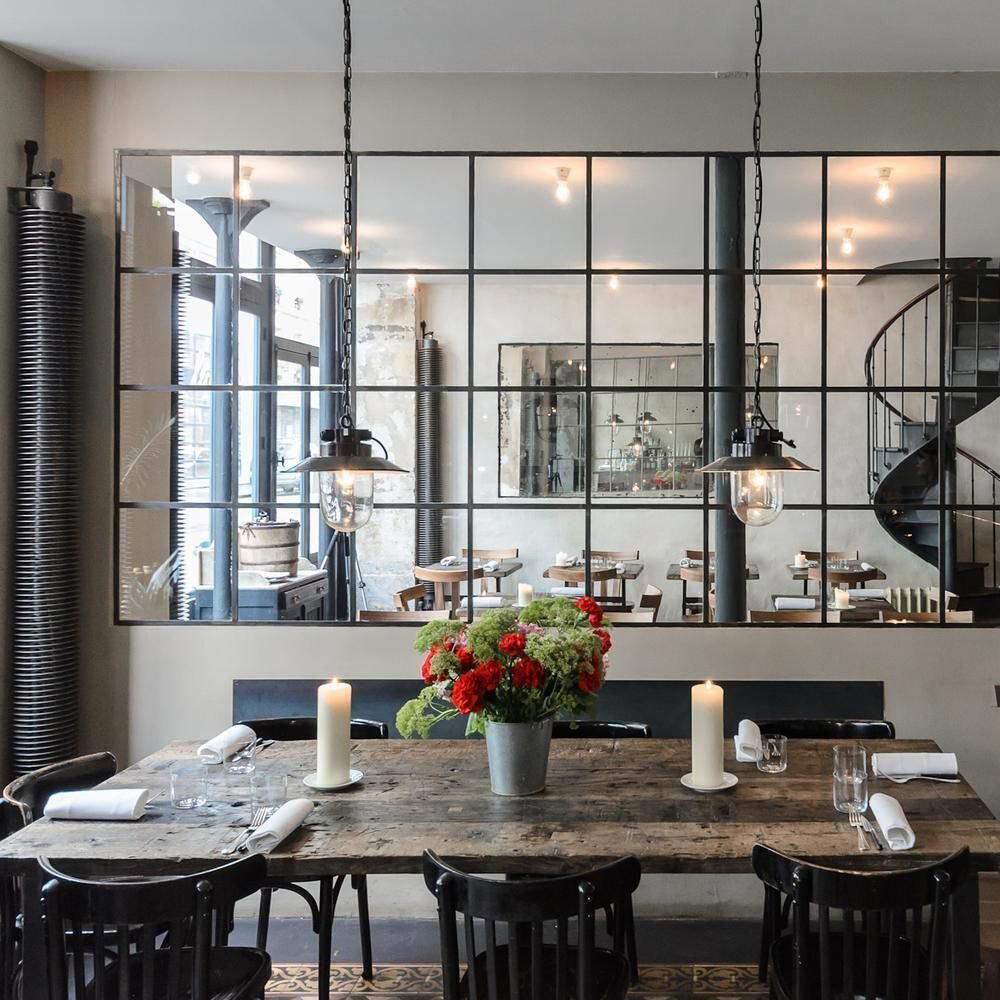
Bars in Paris
Browse all →
Hotels in Paris
Browse all →
At a Glance
- Elegant
- Cozy
- Intimate
- Sophisticated
- Date Night
- Special Occasion
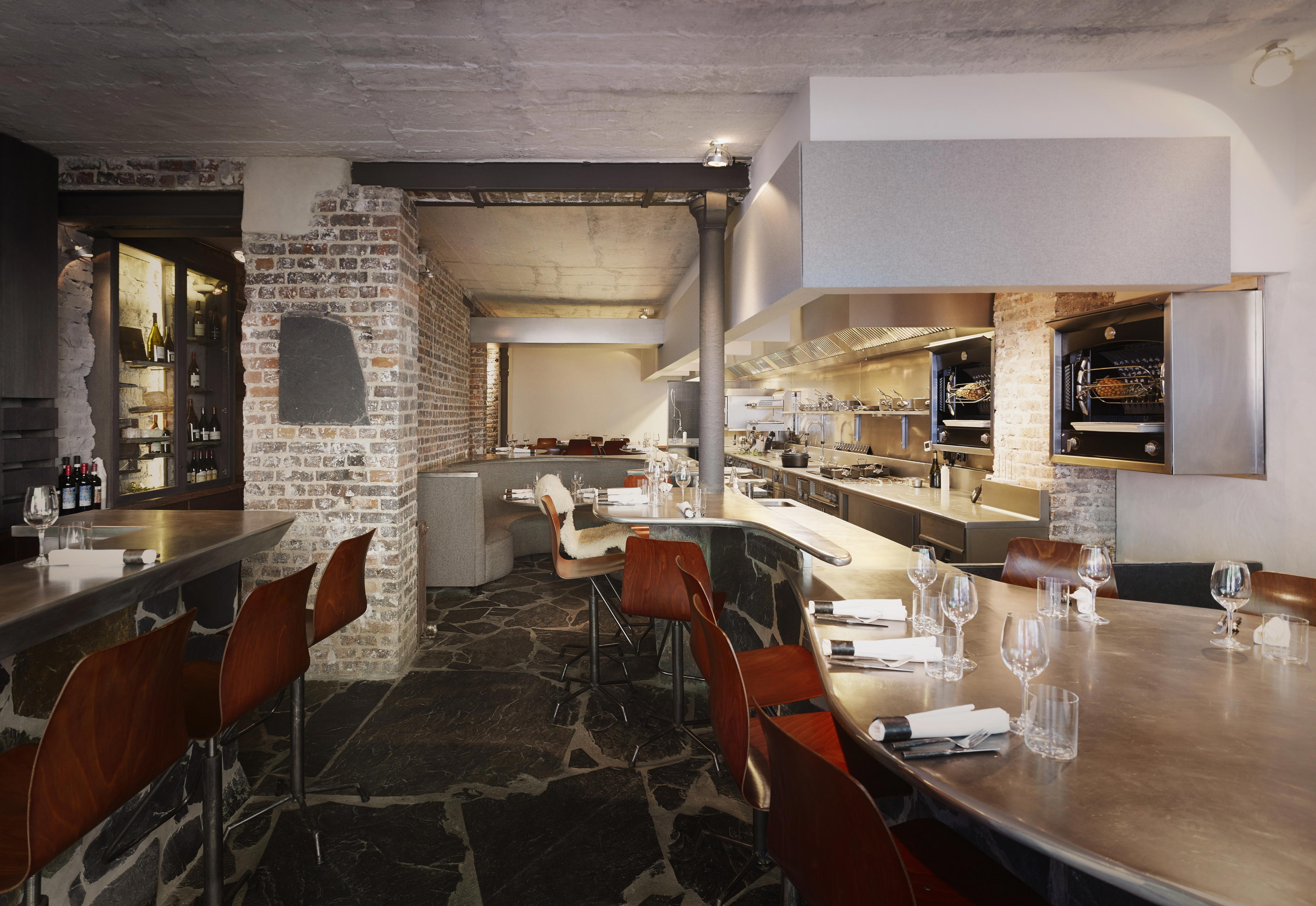
- Open Kitchen
- Natural Wine
- Organic
- Local Sourcing
Current opening hours
- Monday
- Closed
- Tuesday
- 12–3 PM, 7 PM–12 AM
- Wednesday
- 12–3 PM, 7 PM–12 AM
- Thursday
- 12–3 PM, 7 PM–12 AM
- Friday
- 12–3 PM, 7 PM–12 AM
- Saturday
- 12–3 PM, 7 PM–12 AM
- Sunday
- Closed
Hours can change for holidays and private events. Last verified .
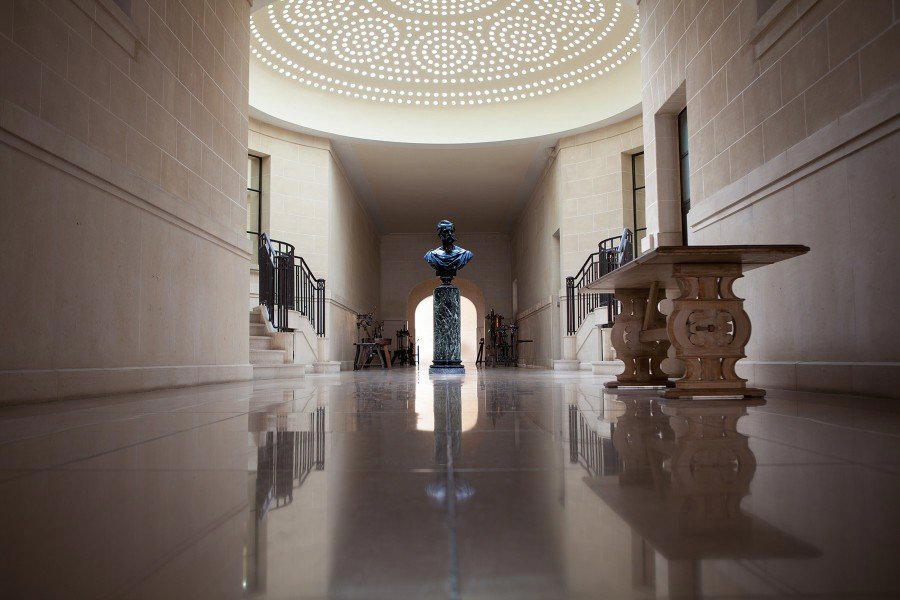
Calm and soothing atmosphere with generous space, softened light under a glass roof, inviting guests to linger.