Enso Izakaya
Avondale Estates has quietly developed one of metro Atlanta's more interesting independent dining corridors, and Enso Izakaya sits near the center of that conversation. The izakaya format, with its emphasis on sharing, informality, and ingredient-driven small plates, fits the neighborhood's scale and appetite. It occupies a distinct position in a local scene that otherwise runs toward pizza, Venezuelan street food, and casual American.
Pearl is the En Primeur Club membership app — saves, bookings, and concierge access live there. Same editors, same standards.
- Address
- 6 Olive St, Avondale Estates, GA 30002
- Phone
- +14048555340
- Website
- ensoatl.com
- Directions
- Get directions
 Saves & bookings on Pearl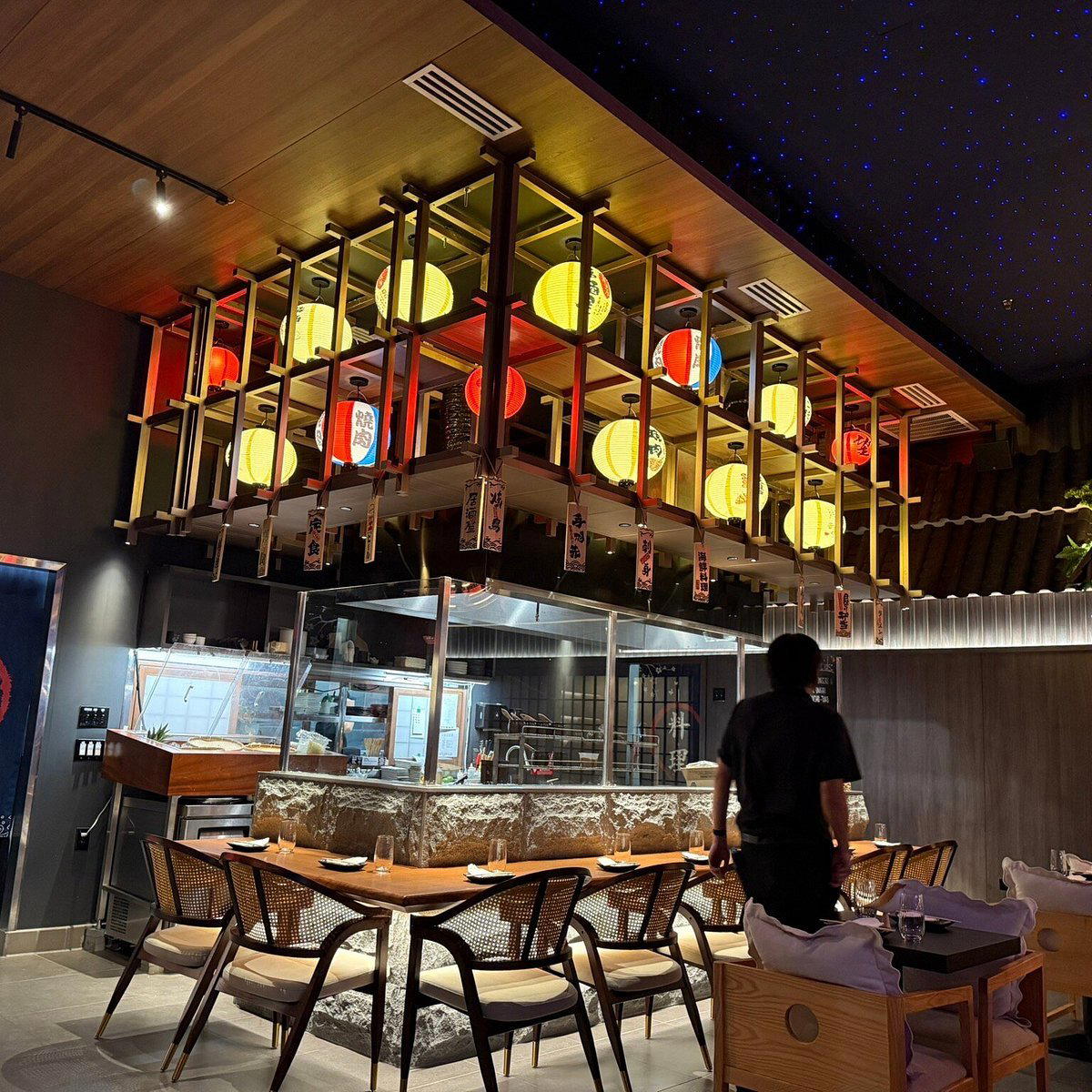
Where the Izakaya Format Lands in Avondale Estates
Enso Izakaya is a Japanese yakitori izakaya in Avondale Estates, Georgia, with a casual dress code, recommended reservations, and an average price of about $40 per person. The izakaya as a format has traveled well. What began as Japan's version of the neighborhood pub, a place to eat and drink without ceremony, has found genuine traction in American cities where the combination of shared plates, approachable pricing, and a drink-forward culture aligns with how people actually want to spend an evening. Avondale Estates, a small incorporated city sitting just east of Decatur and roughly six miles from downtown Atlanta, has developed a compact but increasingly coherent dining identity, and Enso Izakaya represents the format that most directly connects this suburb to a broader national dining conversation about how Japanese-influenced cooking operates outside major metropolitan cores.
The street-level address on Olive Street places Enso within walking distance of Avondale Estates' central gathering point, a neighborhood scaled for foot traffic rather than destination dining pilgrimages. That matters for an izakaya, because the format depends on a particular kind of regularity: guests returning midweek for a round of skewers and cold sake, not just arriving for a special occasion. Venues in this mold succeed when the neighborhood supports that rhythm, and Avondale Estates, with its dense residential fabric and a local population that eats out frequently, provides exactly that kind of foundation.
The Ingredient Logic Behind the Izakaya Menu
Izakaya tradition, at its most serious, treats sourcing as a structural decision rather than a marketing talking point. In Japan, the leading izakayas are often defined by relationships with specific fish markets, local tofu makers, or regional sake breweries. That philosophy is what separates a genuine izakaya from a bar that happens to serve yakitori. When the format transplants to the American South, the sourcing conversation shifts: proximity to Georgia's agricultural output, the state's growing number of small farms producing heritage pork and specialty produce, and the Southeast's own fish supply chain from the Gulf and Atlantic coasts all become relevant.
This regional ingredient logic is precisely where American izakayas can carve out something worth paying attention to. Venues that simply replicate a standard Japanese pub menu without adapting their sourcing to local supply tend to feel disconnected from their geography. The more interesting operators use the izakaya's inherent flexibility, its wide-ranging menu structure that moves easily between grilled proteins, raw preparations, fried snacks, and vegetable-forward dishes, to absorb what's available locally without abandoning the format's Japanese spine. This is the kind of approach that allows a restaurant in Georgia to sit in the same conceptual conversation as farm-to-table programs at places like Blue Hill at Stone Barns in Tarrytown or Single Thread Farm in Healdsburg, even if the price point and formality differ by a significant margin.
The comparison is not about prestige. It's about the underlying argument: that where ingredients come from shapes what ends up on the plate, and that restaurants honest about that chain tend to produce food with more coherence. Izakayas are structurally well-suited to make that argument because their menus refresh frequently and their format tolerates seasonal variation without the rigidity of a fixed tasting menu.
Avondale Estates as a Dining Context
Understanding Enso requires understanding the block it operates on. Avondale Estates is not a dining destination in the way Ponce City Market or Virginia-Highland function within Atlanta's broader food geography. It is a neighborhood that eats locally, and the restaurants that work here tend to be those that earn repeat visits rather than one-time pilgrimage traffic. Arepa Mia has built a following on Venezuelan cooking at accessible prices. Savage Pizza anchors the casual end. My Parents' Basement and Rising Son round out a local mix that skews independent and neighborhood-oriented rather than chef-trophy-driven.
Into that context, an izakaya reads as both practical and slightly ambitious. Practical because the format's price structure and shareable format matches how people eat in a neighborhood setting. Ambitious because executing izakaya cooking well, even at a modest scale, requires kitchen discipline around timing: the interplay between cold preparations, grilled items, and fried snacks arriving in a sequence that keeps the table engaged without feeling rushed or disorganized. That operational challenge is what distinguishes a functioning izakaya from a generic Asian small plates concept.
For the broader Atlanta dining scene, venues like Enso are worth tracking not because they compete with the city's high-end Japanese operators, but because they represent a different layer of the market: accessible, neighborhood-anchored Japanese-influenced dining that doesn't require a Midtown reservation or a special-occasion budget. That tier is less populated in Atlanta than in cities like New York, where Atomix has redefined what Korean fine dining can mean, or San Francisco, where Lazy Bear built its reputation on community-table formats at serious culinary depth. The Southeast has room for its own version of that story, told at a different scale.
What to Expect and How to Plan Your Visit
Avondale Estates sits on MARTA's Blue Line, with Avondale station providing direct access from downtown Atlanta and the airport, making the neighborhood reachable without a car for visitors staying in the city center. The Olive Street corridor is compact and walkable once you arrive. For a full Avondale Estates evening, it is worth consulting our full Avondale Estates restaurants guide to map venues across the neighborhood before committing to a sequence.
The restaurant is open Monday, Wednesday, and Thursday from 11 AM to 4 PM and 5 to 10 PM, Friday and Saturday from 11 AM to 4 PM and 5 to 11 PM, and Sunday from 11 AM to 4 PM and 5 to 10 PM; it is closed Tuesday. Reservations are recommended. Izakayas at this scale typically run on a walk-in basis or hold limited reservations, but that can shift during peak weekend hours. Arriving earlier in the evening, before the post-work crowd consolidates, tends to provide greater flexibility at neighborhood operations of this type across the country, from Atlanta to the small-format izakayas that have opened in secondary American cities over the past decade.
- charcoal-grilled yakitori
- karaage
- golden hamachi
- soft shell crab
- branzino
- short ribs
Quick Comparison
Comparable venues nearby, for context on price, style, and recognition.
| Venue | Cuisine | Price | Awards | Notes |
|---|---|---|---|---|
| Enso IzakayaThis venue — the venue you are viewing | Japanese Yakitori Izakaya | $$ | Not listed | Not listed |
| Savage Pizza | Specialty Pizza | $$ | Not listed | Avondale Estates |
| Rising Son | Southern Comfort American | $$ | Not listed | Avondale Estates |
| My Parents' Basement | American Gastropub with Comic Book Bar Concept | $$ | Not listed | Avondale Estates |
| Arepa Mia | Venezuelan Arepas (100% Gluten-Free) | $$ | Bib Gourmand | Avondale Estates |
| Sushi Itto | Japanese Sushi | $$ | Not listed | Toco Hills |
Continue exploring
More in Avondale Estates
Restaurants in Avondale Estates
Browse all →
Bars in Avondale Estates
Browse all →
At a Glance
- Intimate
- Modern
- Trendy
- Casual Hangout
- Group Dining
- After Work
- Open Kitchen
- Standalone
- Sake Program
- Craft Cocktails
- Beer Program
- Corkage Allowed
Current opening hours
- Monday
- 11 AM–4 PM, 5–10 PM
- Tuesday
- Closed
- Wednesday
- 11 AM–4 PM, 5–10 PM
- Thursday
- 11 AM–4 PM, 5–10 PM
- Friday
- 11 AM–4 PM, 5–11 PM
- Saturday
- 11 AM–4 PM, 5–11 PM
- Sunday
- 11 AM–4 PM, 5–10 PM
Hours can change for holidays and private events. Last verified .
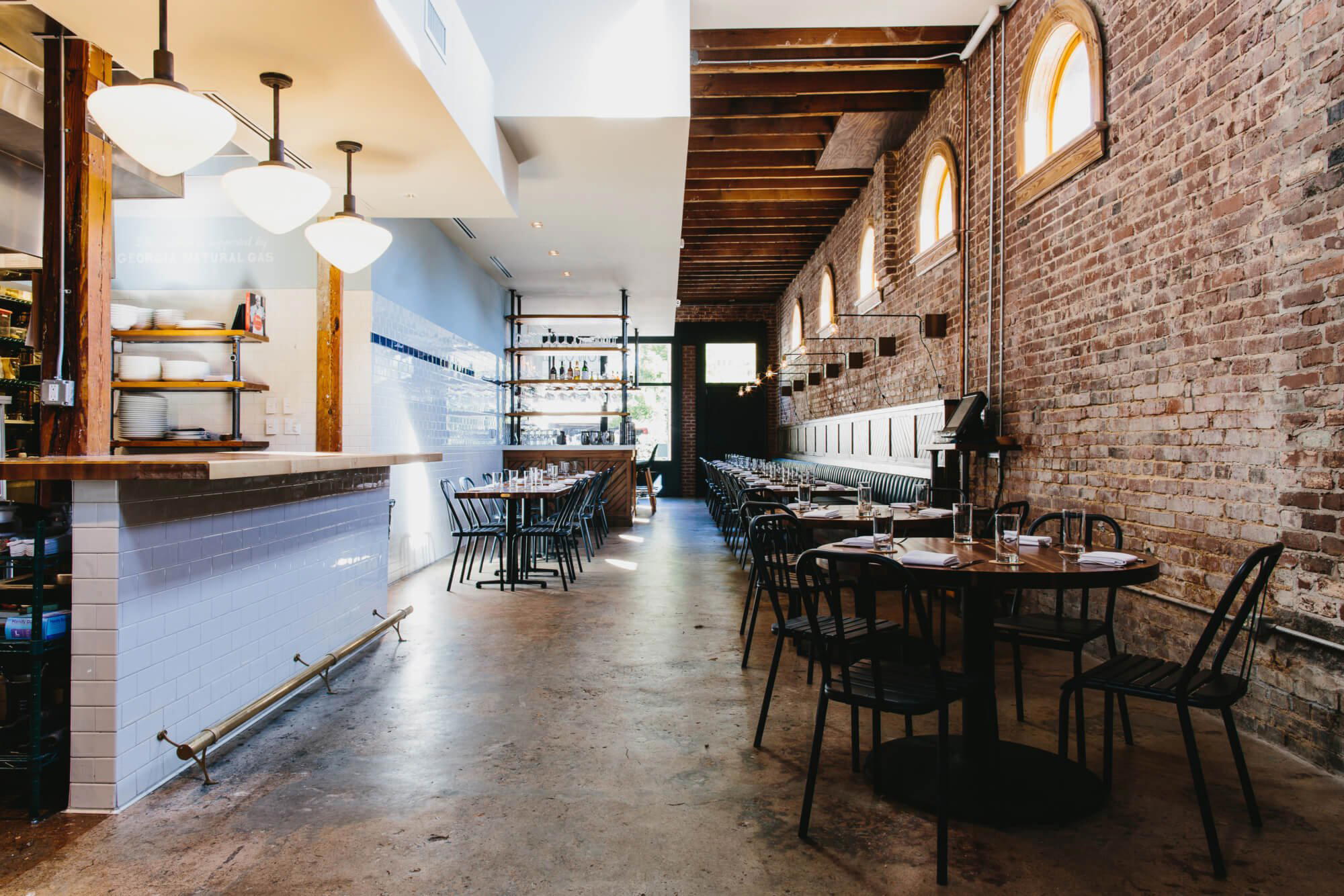
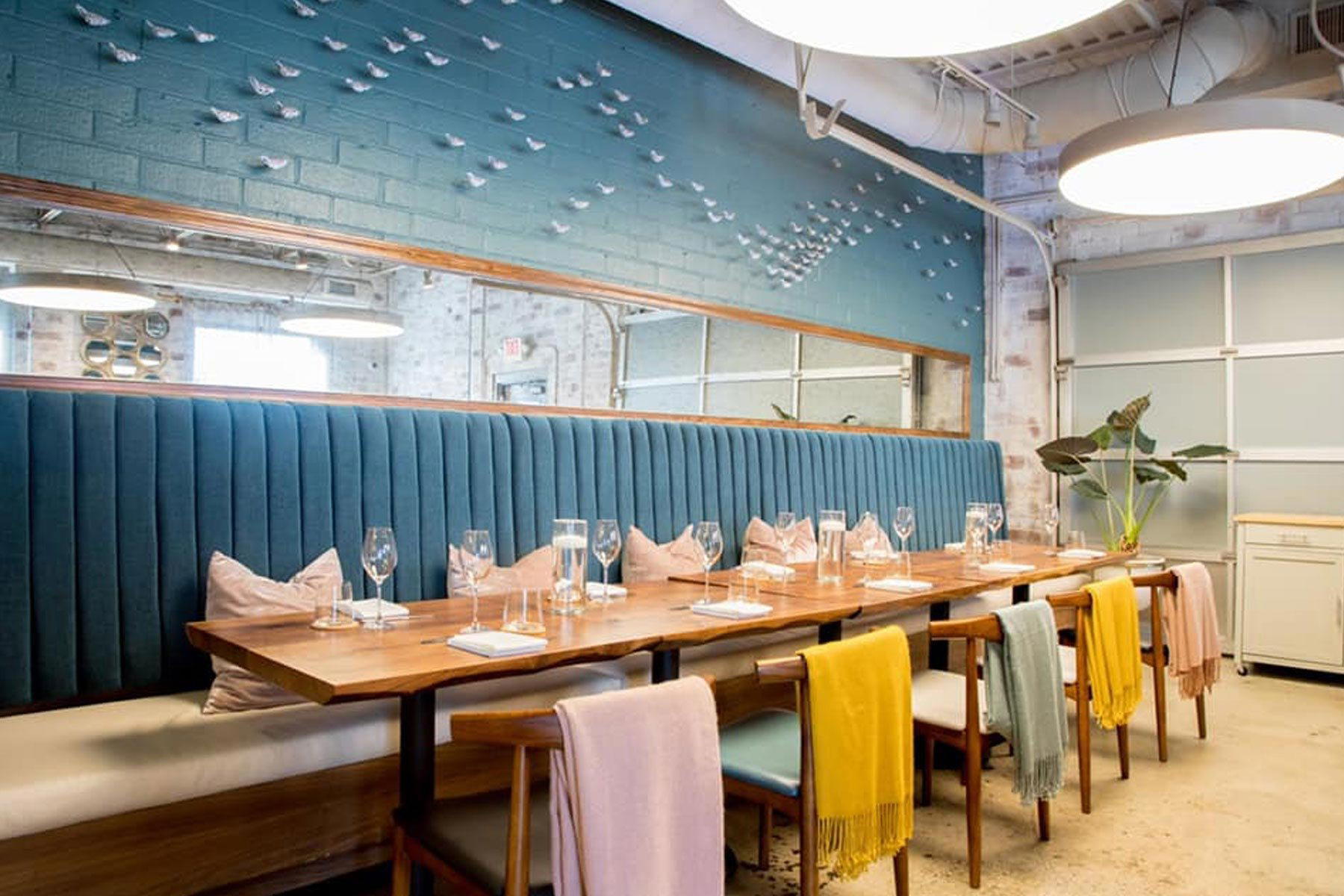
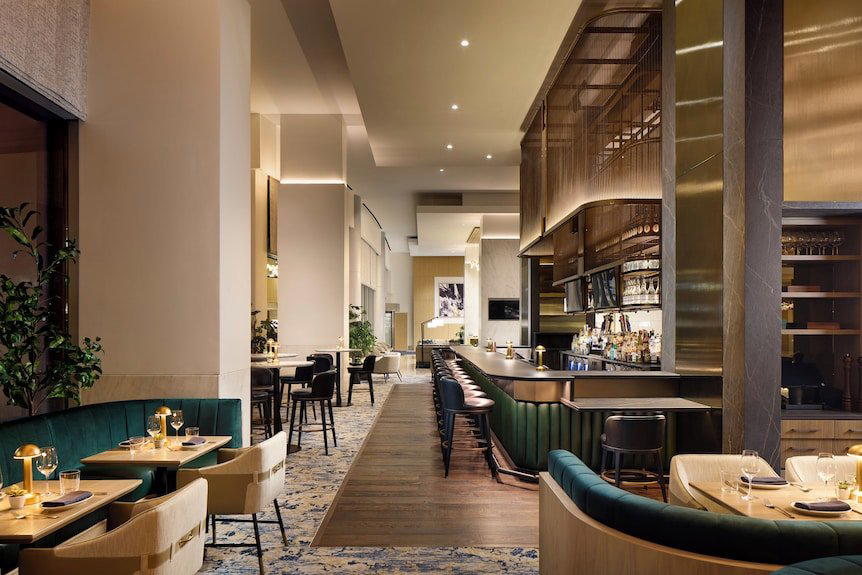
Intimate dining room with a modern, refined atmosphere focused on the culinary experience and sake program.