EMP KL

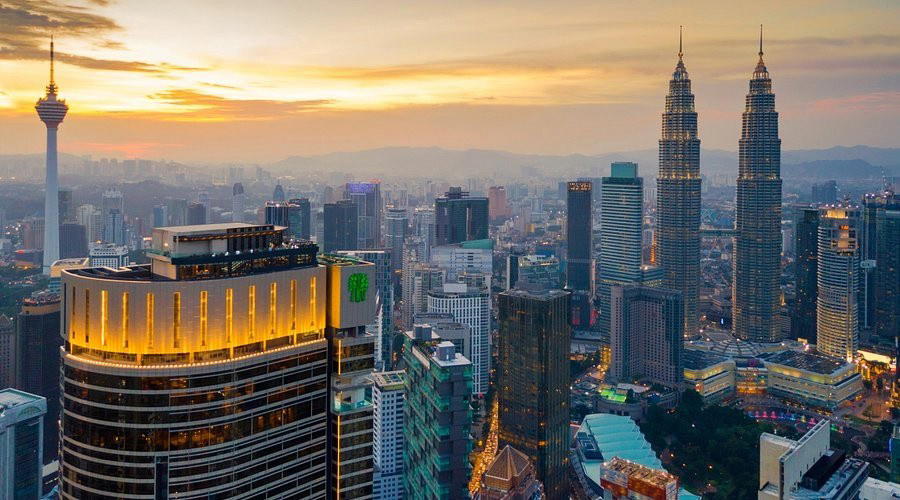
Located on the first floor of The Westin Kuala Lumpur along Jalan Bukit Bintang, EMP KL has been serving modern and fusion Chinese-style dishes since August 2022. The kitchen bridges Cantonese dim sum tradition with contemporary technique, drawing a lunch crowd that returns regularly for the format. It sits within a hotel-dining tier that competes on refinement rather than volume.
Pearl is the En Primeur Club membership app — saves, bookings, and concierge access live there. Same editors, same standards.
- Address
- 1st Floor, The Westin Kuala Lumpur, 199, Jln Bukit Bintang, 55100 Kuala Lumpur, Wilayah Persekutuan Kuala Lumpur, Malaysia
- Phone
- +60 10-303 0011
- Website
- empkl.com
- Directions
- Get directions
 Saves & bookings on Pearl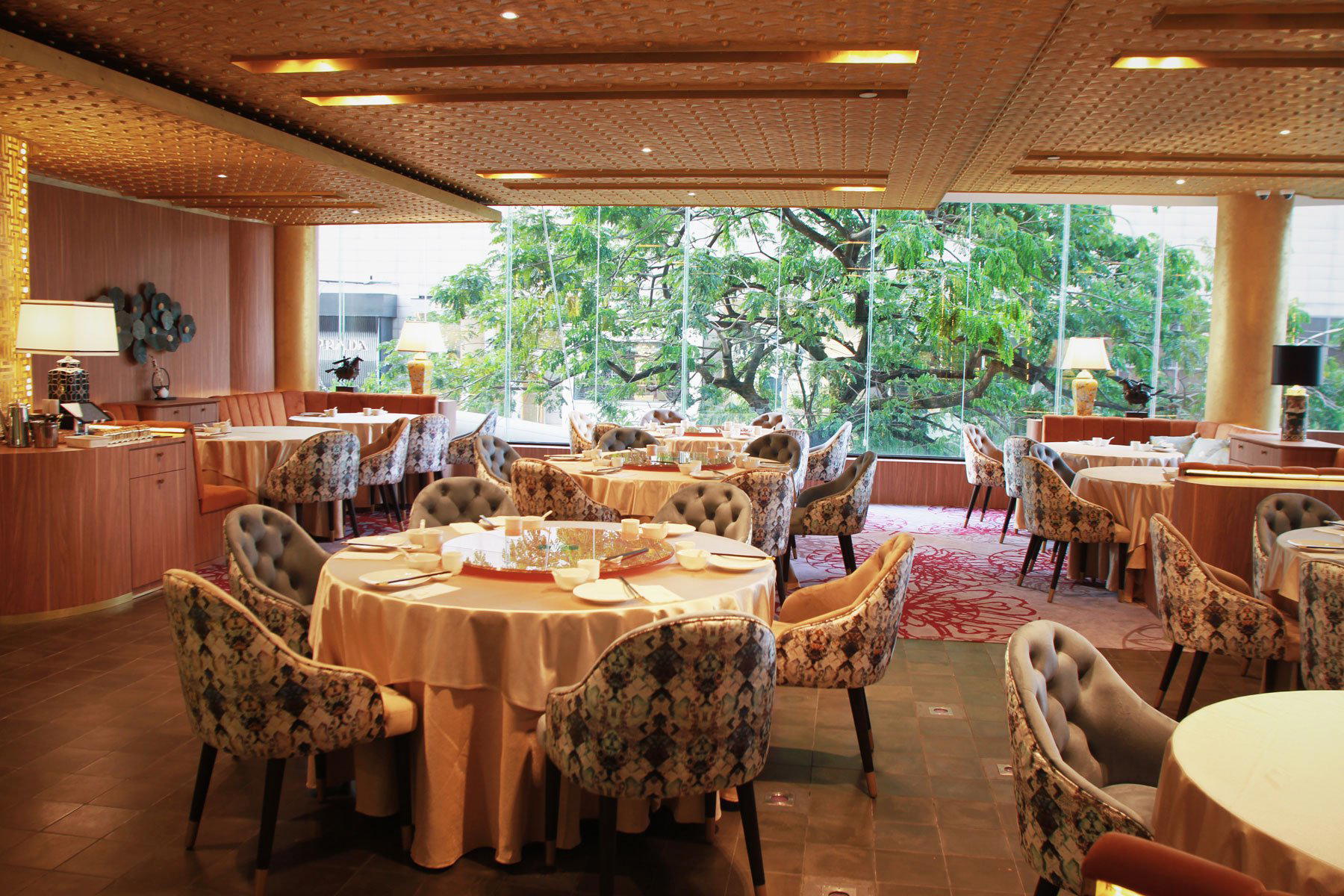
Where Dim Sum Meets Modern Chinese Ambition on Bukit Bintang
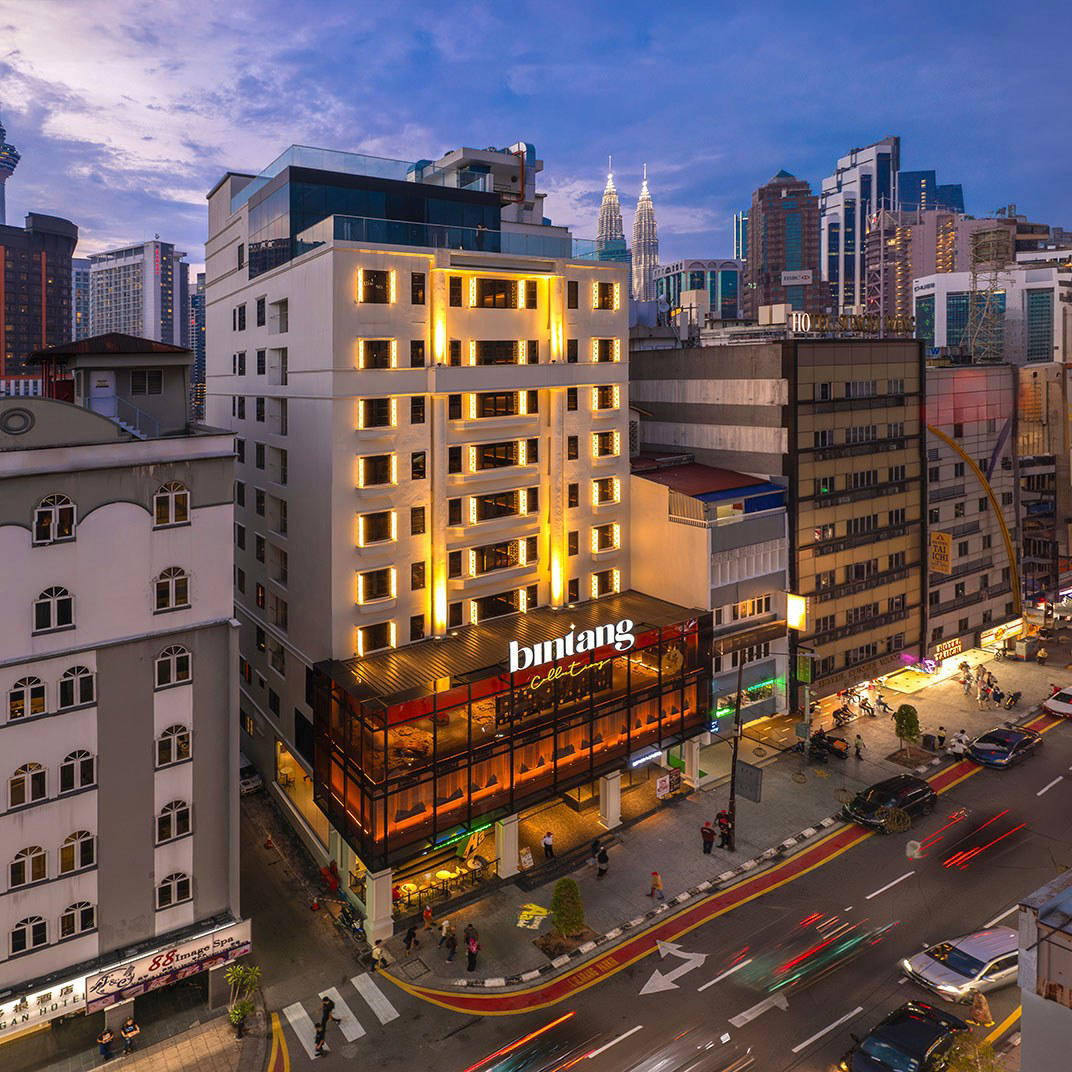
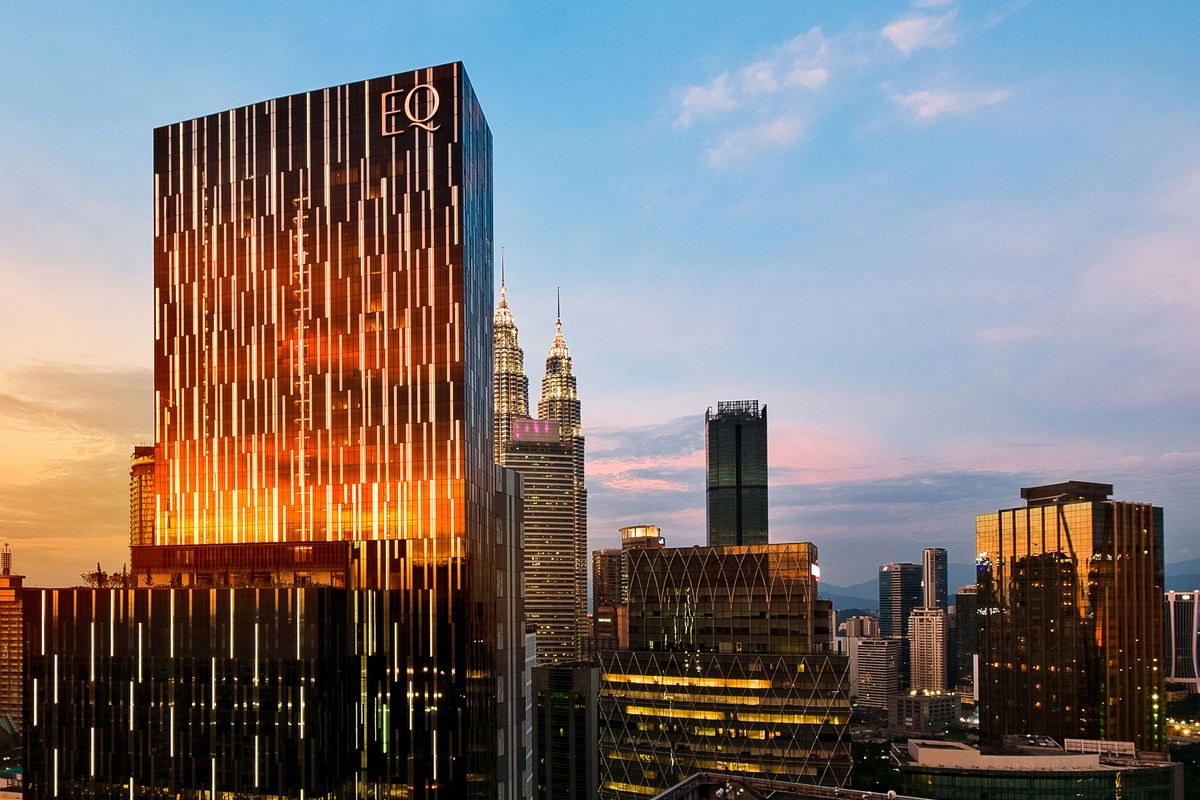
The stretch of Jalan Bukit Bintang that runs through Kuala Lumpur's commercial and hotel core has always attracted a certain kind of dining operation: polished, internationally legible, and aimed at a guest who moves between cities. EMP KL is a restaurant in Kuala Lumpur serving modern pork-free Chinese cuisine at the first floor of The Westin Kuala Lumpur. Entering the hotel lobby and ascending to EMP KL, the visual register shifts from the bustle of the boulevard below to something quieter and more considered. Hotel-positioned Chinese restaurants in this tier of KL operate differently from the older banquet halls in Chinatown or the standalone Cantonese houses in Cheras. The format tends toward precision service, edited menus, and a room designed as much for business lunches as for family gatherings.
Modern Chinese restaurants in Southeast Asia's capital cities have, over the same period, moved toward a middle ground: technically disciplined kitchens that respect classical Cantonese and wider Chinese tradition while adapting presentation and pacing to a contemporary dining sensibility. EMP KL sits inside that movement, with a menu built around fusion Chinese-style dishes and a particular focus on dim sum at lunch.
The Cultural Weight of Dim Sum in a Modern Kitchen
Dim sum is among the more technically demanding formats in Chinese cooking. The geometry of a har gow wrapper, the calibration of a xiao long bao skin thick enough to hold soup but thin enough to give at the bite, the sourcing and seasoning of filling combinations: each element carries accumulated craft logic developed across generations of Cantonese kitchens. When a modern Chinese restaurant takes dim sum seriously, it is operating in a tradition with a long reference set, and diners who have eaten widely in Hong Kong, Guangzhou, or the older Chinese restaurants of the Klang Valley carry that reference set with them to the table.
Kuala Lumpur's Chinese dining scene is one of the more stratified in the region. At one end, hawker and kopitiam formats serve dishes that trace directly back to the Fujian, Cantonese, and Hakka communities that shaped the city's food culture over more than a century. At the other, restaurants like Dewakan and Beta work in a register that foregrounds Malaysian identity and fine-dining architecture. EMP KL occupies a distinct middle position: drawing on Chinese culinary tradition as its primary reference while applying modern technique and hotel-grade presentation. That positioning is legible to a cosmopolitan KL diner and to visitors arriving from cities where refined Chinese dining has been a known category for decades.
The Fusion Register and What It Signals
The phrase "modern and fusion Chinese-style" covers a wide range of ambitions. In KL's dining context, the fusion Chinese category has matured considerably since the early 2000s, when the label often signalled little more than Western plating applied to Chinese ingredients. The more credible iteration, which has emerged in venues across the city and across the region, involves genuine dialogue between Chinese culinary grammar and other traditions: Japanese knife technique applied to Cantonese seafood, French sauce logic brought to braised preparations, or the textural logic of molecular gastronomy used to reframe a classical dim sum form.
How far along that spectrum EMP KL operates is leading assessed at the table, but the choice of hotel location and the sustained focus on the lunch dim sum format suggests a kitchen that respects the classical architecture enough to use it as the structural base. Restaurants that treat fusion as a marketing category tend to abandon the technical discipline of the source tradition. Restaurants that treat it as a genuine conversation tend to do the opposite: they sharpen their classical technique precisely because the departure from it needs to be legible to be meaningful.
Placing EMP KL in the Bukit Bintang Dining Tier
Jalan Bukit Bintang and its immediate surrounds now carry a concentration of high-end dining that includes DC. by Darren Chin, which operates in the French Contemporary register at the leading price tier, alongside newer entrants like Molina and Ling Long working in innovative formats. Within that competitive set, EMP KL's Chinese-focused identity differentiates it. The area's dining map has historically leaned toward Western fine dining and international hotel restaurants; a modern Chinese room that takes the dim sum format seriously operates in a narrower but well-defined niche.
For visitors staying along Bukit Bintang or at The Westin itself, the in-hotel positioning makes access direct. That convenience factor is real, but it should not overshadow the kitchen's ambitions. Hotel-positioned Chinese restaurants in this part of KL include operations that would hold their ground in any standalone setting, and the August 2022 opening date gives EMP KL enough runway to have established a kitchen rhythm and a returning clientele. The lunch format, in particular, rewards repeat visits: dim sum menus reveal their depth incrementally, and regulars tend to order with more precision than first-timers.
Visit Details
EMP KL is located on the first floor of The Westin Kuala Lumpur at 199 Jalan Bukit Bintang, Kuala Lumpur. Reservations are recommended. The restaurant is open Monday to Friday from 11 AM to 3 PM and 6 PM to 10 PM, and Saturday and Sunday from 10:30 AM to 4 PM and 6 PM to 10:30 PM.
Cost Snapshot
Comparable venues nearby, for context on price, style, and recognition.
| Venue | Cuisine | Price | Awards | Notes |
|---|---|---|---|---|
| EMP KLThis venue — the venue you are viewing | Kampong Dollah, Modern Pork-Free Chinese | $$$$ | Not listed | Not listed |
| Li Yen | Not listed | $$$$ | Michelin Plate | Kampong Dollah, Classic Cantonese Fine Dining |
| Soo Kee | Ampang, Classic Cantonese | $$ | Not listed | Not listed |
| Souper Tang 汤师父 | Mid Valley, Chinese Herbal Soup | $$ | Not listed | Not listed |
| Loke Yun Chicken Rice | Ampang, Hainanese Chicken Rice | $ | Not listed | Not listed |
| Elegant Inn | Kampong Baharu, Hong Kong Cantonese | $$$ | Michelin Plate | Not listed |
Recognition history
Dated appearances from independent guides and award organizations, with the underlying list record or original source where available.
Star Wine List
Star Wine List
Continue exploring
More in Kuala Lumpur
Restaurants in Kuala Lumpur
Browse all →
Bars in Kuala Lumpur
Browse all →
At a Glance
- Elegant
- Ornate
- Sophisticated
- Business Dinner
- Special Occasion
- Group Dining
- Open Kitchen
- Private Dining
- Hotel Restaurant
- Extensive Wine List
- Street Scene
- Skyline
Current opening hours
- Monday
- 11 AM–3 PM, 6–10 PM
- Tuesday
- 11 AM–3 PM, 6–10 PM
- Wednesday
- 11 AM–3 PM, 6–10 PM
- Thursday
- 11 AM–3 PM, 6–10 PM
- Friday
- 11 AM–3 PM, 6–10 PM
- Saturday
- 10:30 AM–4 PM, 6–10:30 PM
- Sunday
- 10:30 AM–4 PM, 6–10:30 PM
Hours can change for holidays and private events. Last verified .
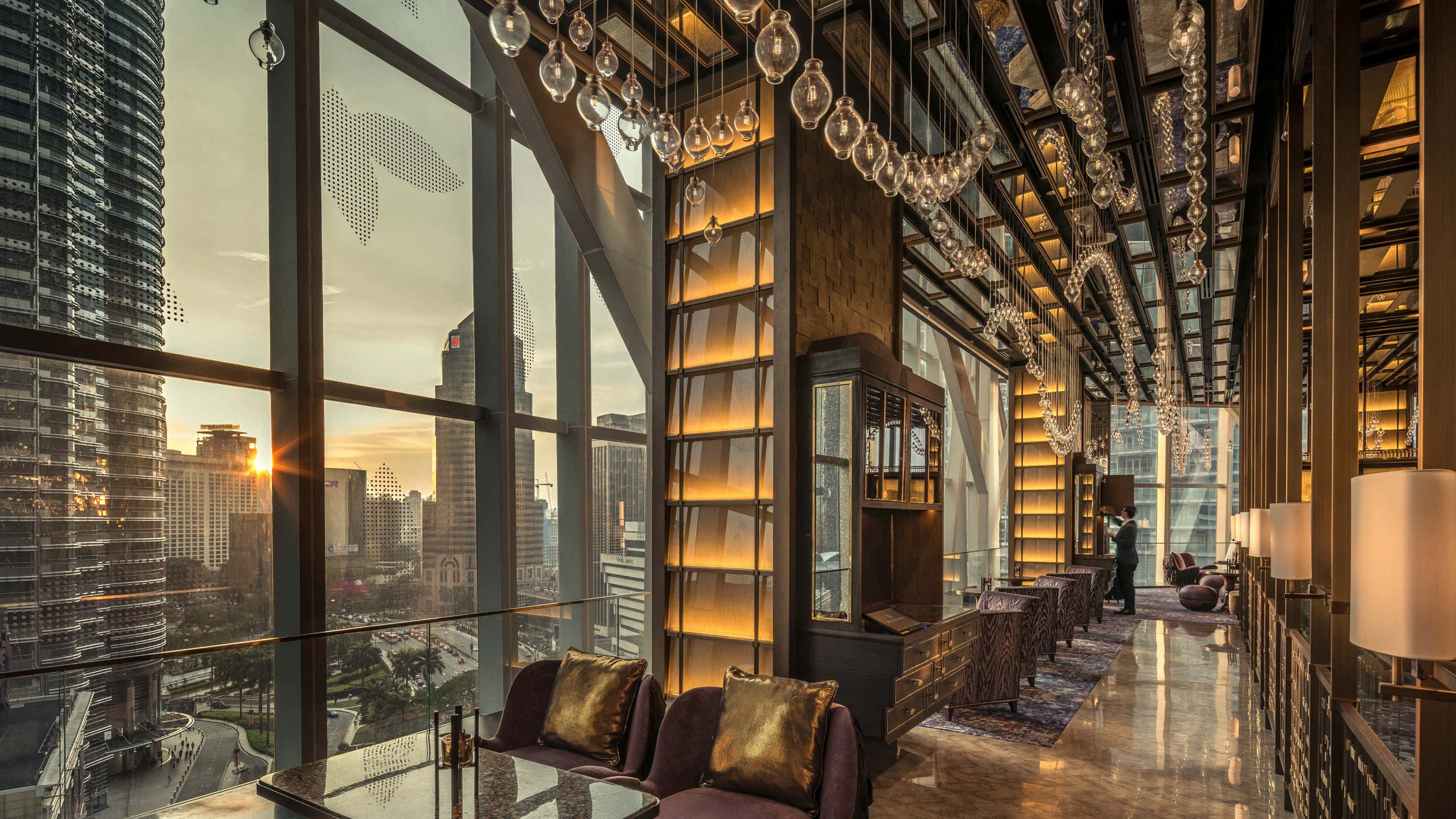
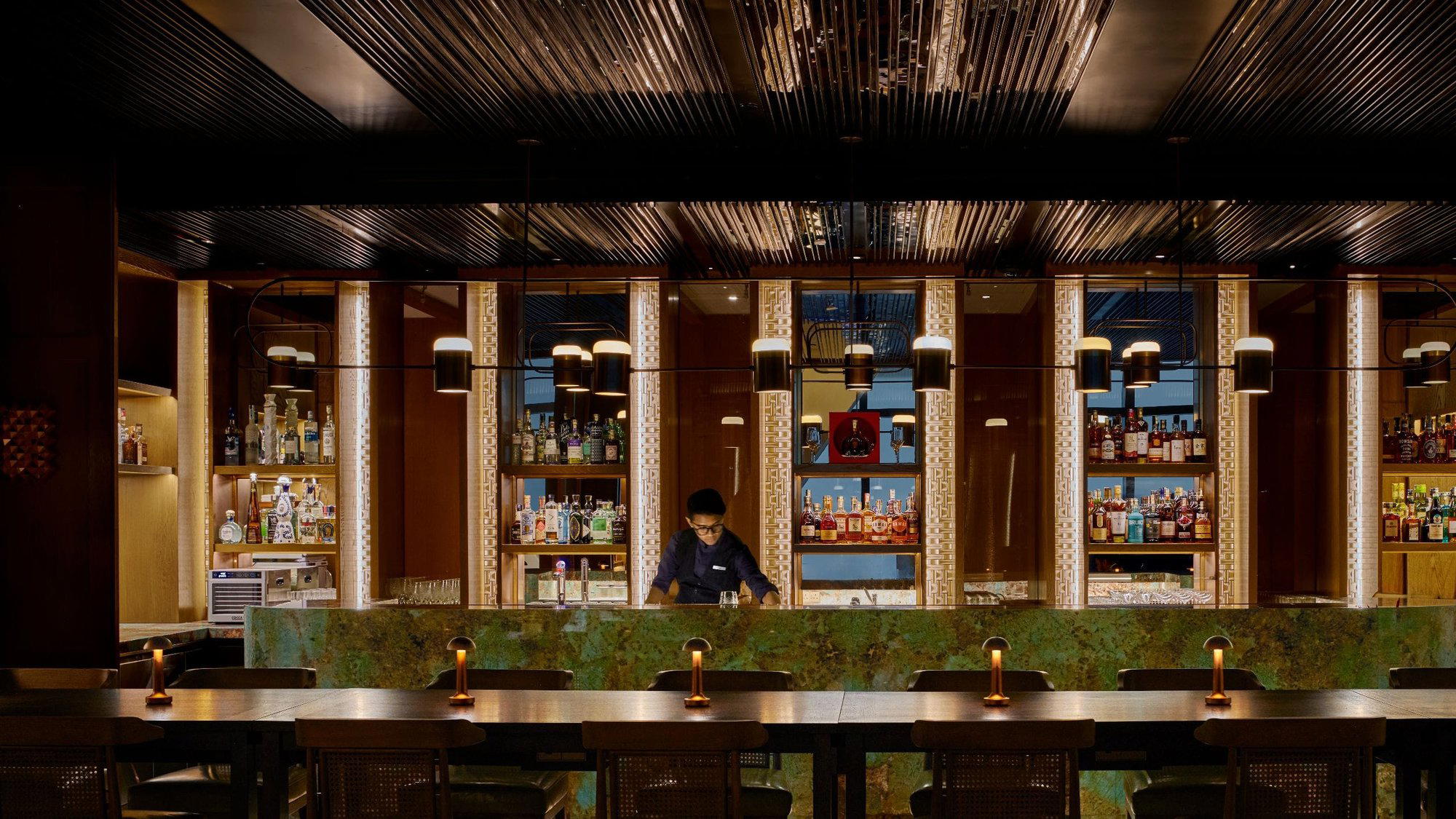
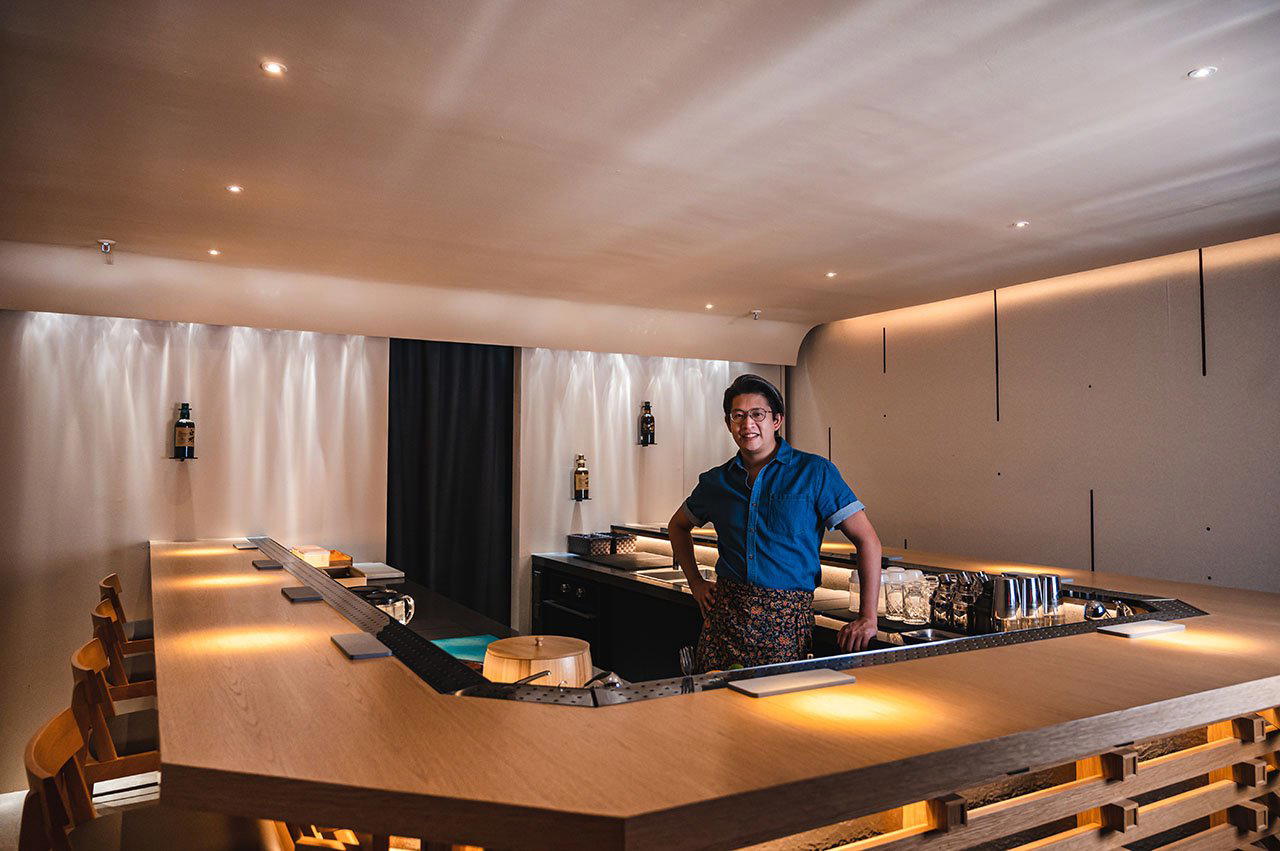
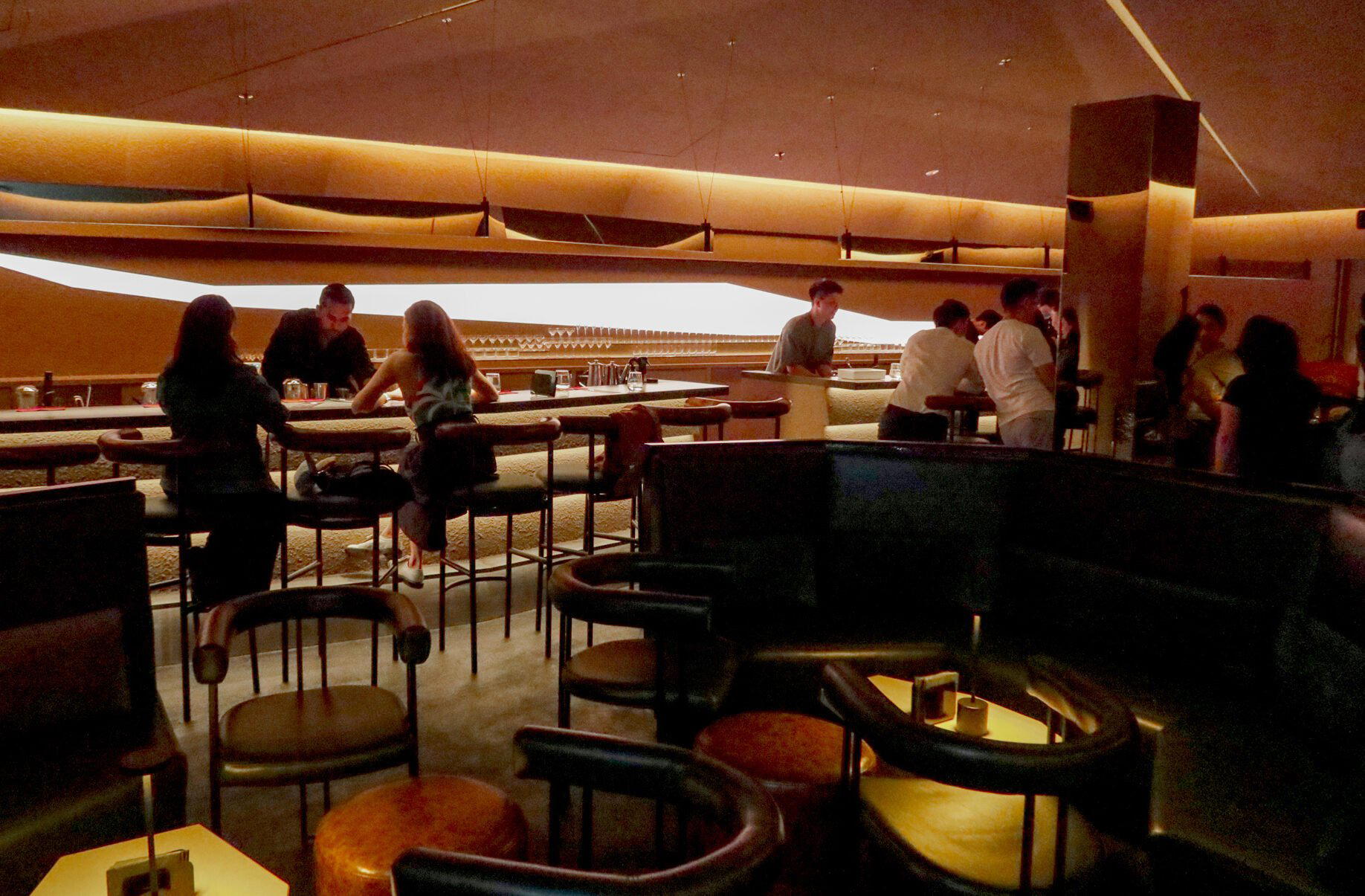
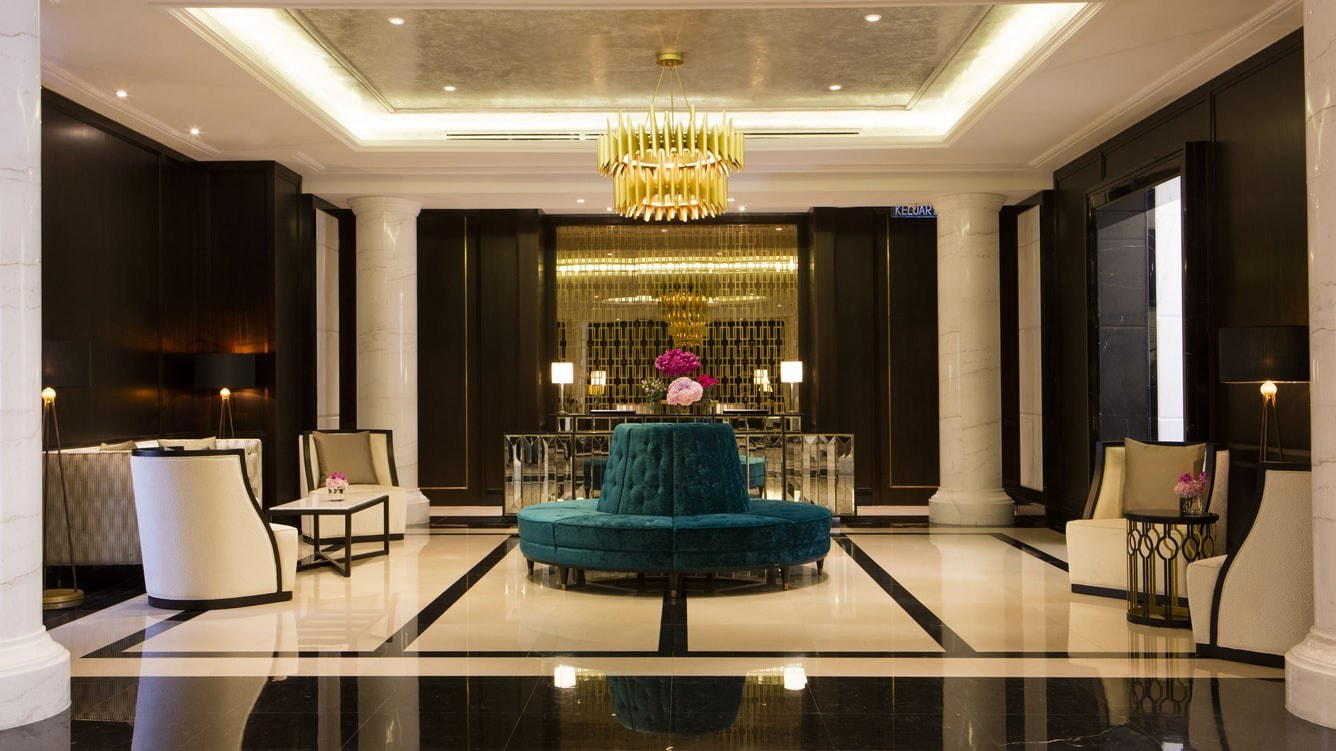
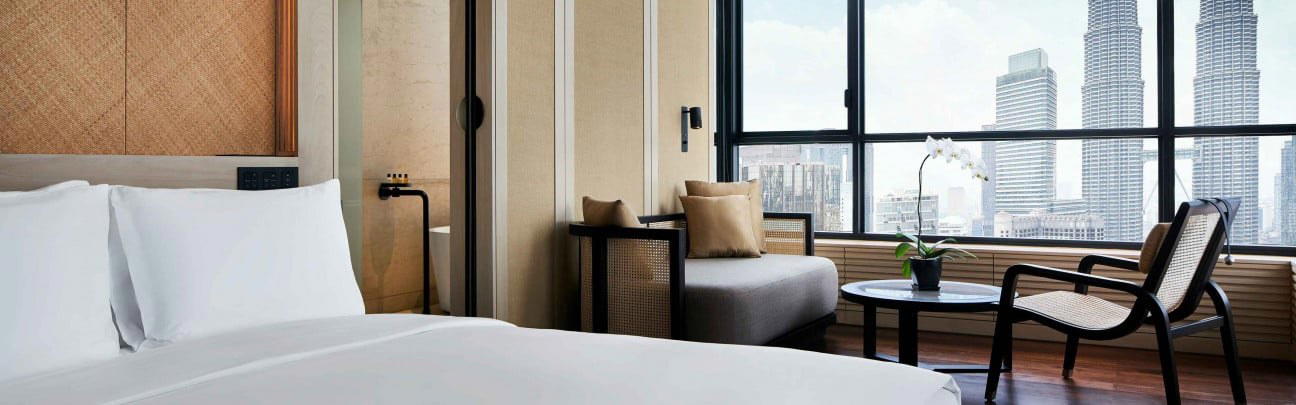
Warm and inviting with earthy color palette, touches of imperial grandeur, intricate latticework clay carvings, and gold-accented oriental motifs.