ELEMI
On the eastern edge of El Paso, ELEMI occupies a stretch of Horizon City where the Chihuahuan Desert meets the Texas borderlands table. The kitchen draws on the sourcing traditions of a region where Mexican agricultural heritage and Southwestern ingredient culture overlap, placing it in a tier of American dining that takes provenance as its primary editorial argument. Serious cooking in a city most food media have yet to catch up with.
Pearl is the En Primeur Club membership app — saves, bookings, and concierge access live there. Same editors, same standards.
- Address
- 13500 Eastlake Blvd, El Paso, TX 79928
- Phone
- +19155322090
- Website
- elemirestaurant.com
- Directions
- Get directions
 Saves & bookings on Pearl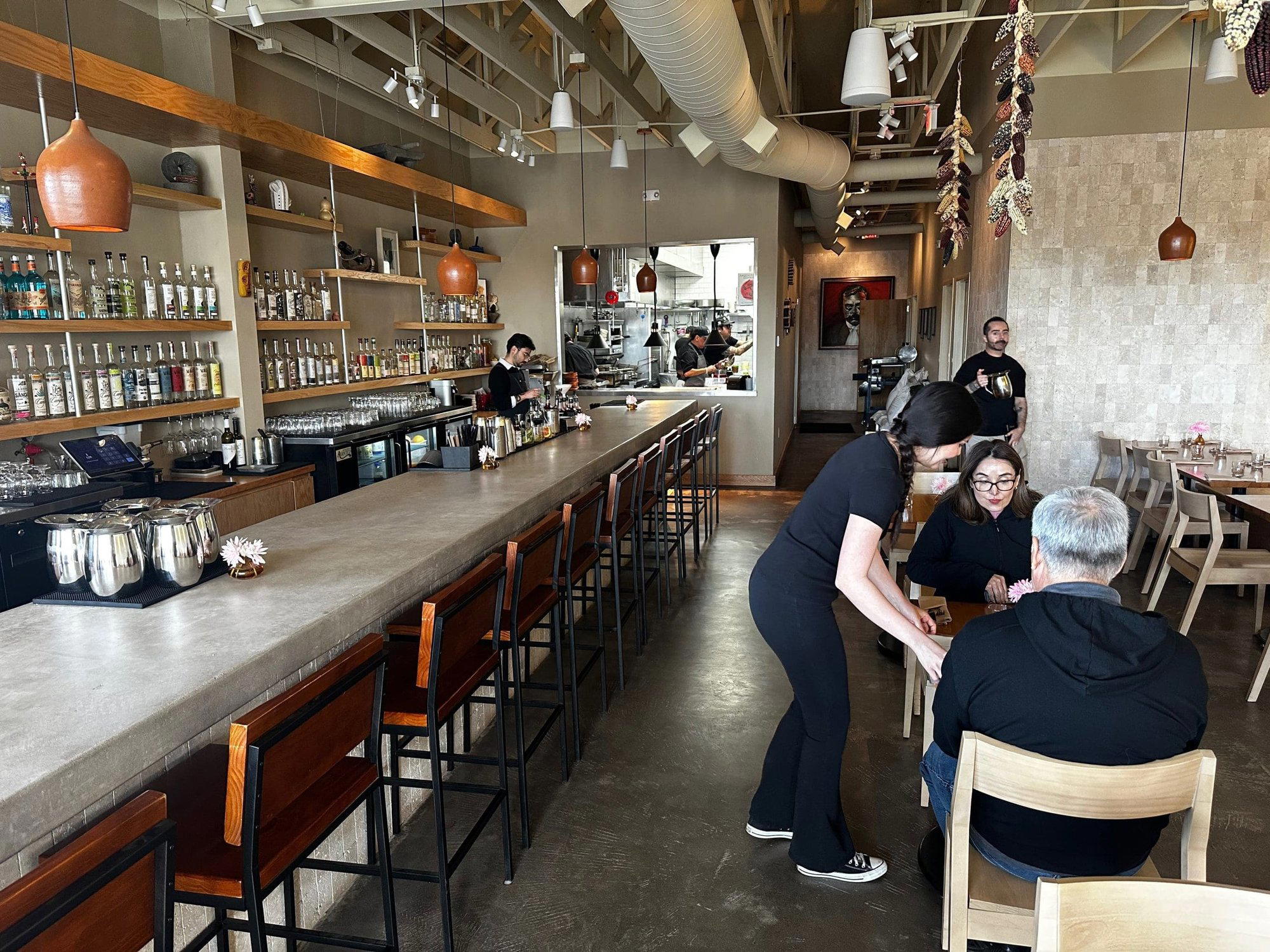
Where the Desert Sets the Table
The eastern corridor of El Paso, where the city grades into Horizon City along Eastlake Boulevard, is not where most American food media look when they survey the country's ingredient-driven restaurant scene. That oversight is the region's advantage. The Chihuahuan Desert and the Rio Grande valley have produced one of North America's most underleveraged ingredient cultures: chiles from Hatch and the surrounding valleys, beef from ranches that predate Texas statehood, and a cross-border agricultural tradition that connects Chihuahuan farming to the American Southwest table with more specificity than any comparable stretch of the Sun Belt. ELEMI sits at that intersection, at 13500 Eastlake Blvd in Horizon City, and the address tells you something important before you've read a menu.
The Sourcing Argument the Region Makes
American fine dining's move toward ingredient provenance as a primary frame has accelerated across the past decade, and the most credible practitioners of it tend to anchor in places where the ingredient story writes itself. Single Thread Farm in Healdsburg built its reputation partly on the specificity of its own farm output. Blue Hill at Stone Barns in Tarrytown made agricultural proximity its founding editorial statement. Smyth in Chicago structured its sourcing around a working farm in Virginia. The logic in each case is the same: the menu gains authority from knowing precisely where and how things were grown.
The El Paso-Juárez corridor offers a version of that argument that few kitchens have formally claimed. Hatch chiles, grown roughly 45 miles north along the Rio Grande, carry a regional specificity that rivals any designated agricultural product in the American West. The area's onion and pecan production is among the most concentrated in the country. Cross-border sourcing from Chihuahuan farms adds a layer of ingredient vocabulary that doesn't exist in the same form anywhere else in the continental United States. A kitchen that organizes itself around these materials is working with a sourcing brief that is geographically defensible and culinarily distinctive, two qualities that ingredient-led restaurants in more established markets spend considerable effort manufacturing.
The restaurants that have built reputations on similar provenance-first arguments operate across a wide range of formats and price points. Addison in San Diego and Providence in Los Angeles have established the West Coast template for fine dining that takes regional sourcing seriously without reducing the menu to a locavore checklist. The Wolf's Tailor in Denver and Frasca Food and Wine in Boulder have shown that Mountain West addresses can sustain a serious dining program when the kitchen has a clear sourcing logic. Oyster Oyster in Washington D.C. made an explicit ecological sourcing argument its entire editorial identity.
ELEMI's Horizon City address places it in a peer conversation that most national rankings haven't yet organized. That's partly a function of geography: El Paso sits farther from the major food media centers than Denver, Boulder, or San Diego, and the city's cross-border character makes it harder to fit into the domestic restaurant narrative that most American publications run. But the ingredient case the region makes is, on paper, as strong as any of those markets, and kitchens that establish early credibility in underleveraged territories tend to carry a durability advantage once attention arrives.
For context on what that national attention eventually looks like when it does arrive, the trajectory of Bacchanalia in Atlanta or ITAMAE in Miami is instructive: both built reputations in cities that food media had historically underweighted relative to New York, Chicago, and San Francisco, and both eventually drew comparison to Le Bernardin in New York City and Atomix in New York City not because they imitated those restaurants, but because the seriousness of their food made the comparison unavoidable.
The Broader Southwest Table
Understanding ELEMI requires some familiarity with what the Southwest table actually contains when it's treated as a serious culinary tradition rather than a shorthand for Tex-Mex. The borderlands cooking that runs from El Paso through southern New Mexico and into the Chihuahuan interior carries techniques and flavor structures with pre-colonial roots: chile-based moles with real depth, cured and dried meats adapted to desert conditions, preparations built around corn varieties that don't appear in most American restaurant kitchens. Restaurants that engage with this material seriously are doing something categorically different from the Southwestern cuisine wave of the 1990s, which largely used regional ingredients as aesthetic rather than structural elements.
Globally, the model for this kind of engagement is well-documented. Atelier Moessmer Norbert Niederkofler in Brunico built an internationally recognized program around Alpine ingredient specificity. The Inn at Little Washington drew on Virginia's agricultural character over decades to build its own claim. The pattern is consistent: kitchens that commit to a specific place's ingredients, rather than sourcing from a generalized national premium market, accumulate an identity that is harder to replicate and slower to date.
Planning a Visit
ELEMI is located at 13500 Eastlake Blvd in Horizon City, roughly on the eastern edge of the greater El Paso area. Travelers flying in will arrive at El Paso International Airport, which sits west of Horizon City; the drive from the airport runs along I-10 East and typically takes 25 to 35 minutes depending on traffic. Because current booking details, hours, and pricing are not publicly confirmed in available data at this time, contacting the restaurant directly before planning travel is the appropriate approach. For a broader picture of the dining options across the metro area, our full Horizon City restaurants guide covers the category in more depth. Those traveling from further afield and comparing the trip against other American ingredient-driven destinations might also consult coverage of Lazy Bear in San Francisco or Emeril's in New Orleans for comparative context on what the format looks like in more established markets.
How ELEMI Horizon City compares with similar nearby venues.
| Venue | Cuisine |
|---|---|
| Cafe Central | Italian |
Continue exploring
More in Horizon City
Restaurants in Horizon City
Browse all →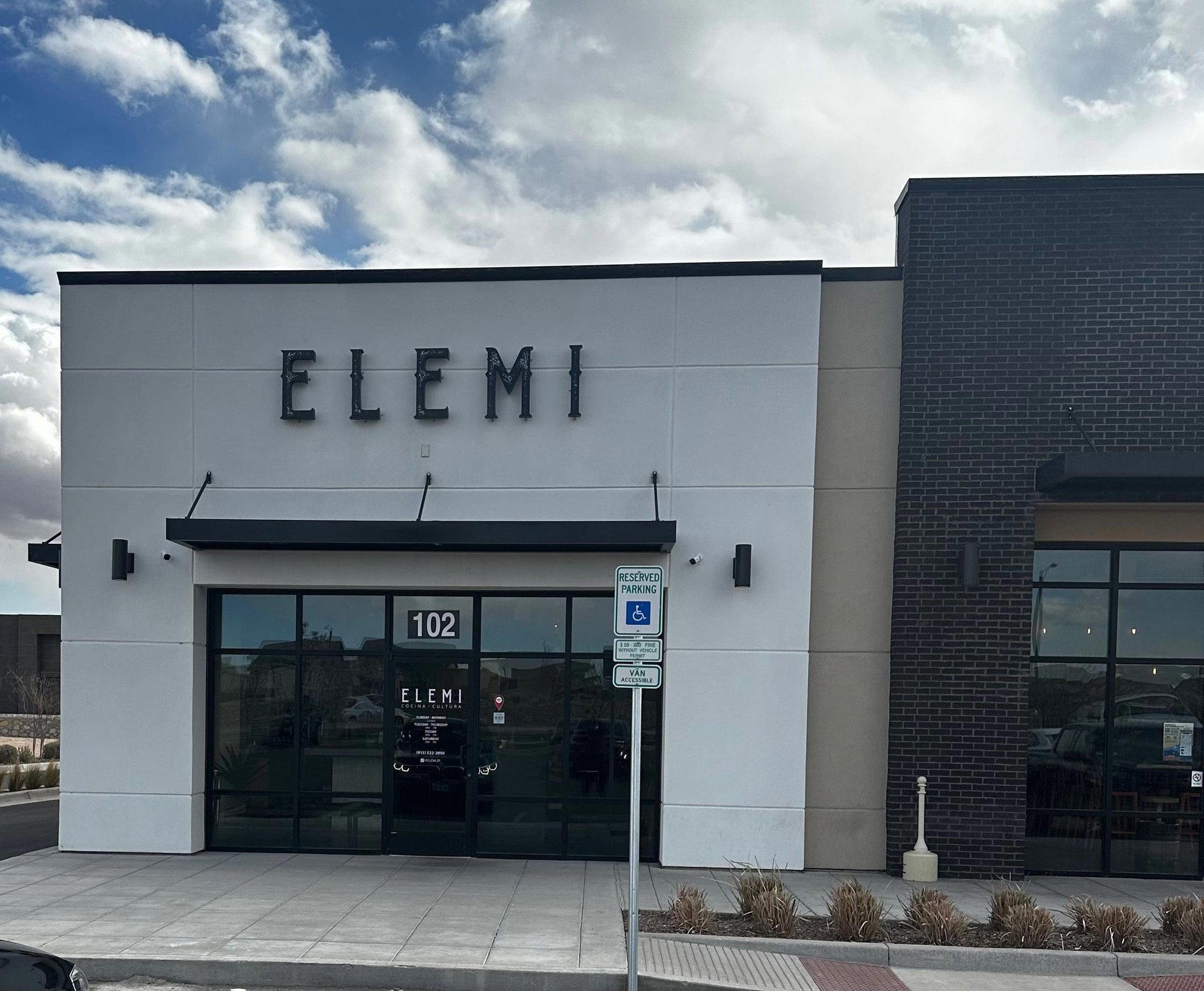
Bars in Horizon City
Browse all →
At a Glance
- Modern
- Trendy
- Sophisticated
- Date Night
- Special Occasion
- Open Kitchen
- Craft Cocktails
- Local Sourcing
Current opening hours
- Monday
- Closed
- Tuesday
- 5–10 PM
- Wednesday
- 5–10 PM
- Thursday
- 5–10 PM
- Friday
- 5–10 PM
- Saturday
- 3–10 PM
- Sunday
- Closed
Hours can change for holidays and private events. Last verified .
Swanky atmosphere bridging traditional Mexican roots with modern sensibilities in El Paso's evolving dining scene.
Know Before You Go
- Getting there
- 13500 Eastlake Blvd, El Paso, TX 79928