Our verdict
On Dundas Street West, Dzo occupies a stretch of Toronto where independent dining rooms tend to operate with distinct points of view rather than broad appeal. The address places it squarely in one of the city's more restless corridors for food, where the competition is less about category dominance and more about the internal logic of a meal from first course to last.

Pearl is the En Primeur Club membership app, where members save venues, book tables and use the concierge.
The menu
What to order
- Spiced chicken dry phở
- Pork-shrimp chả giò
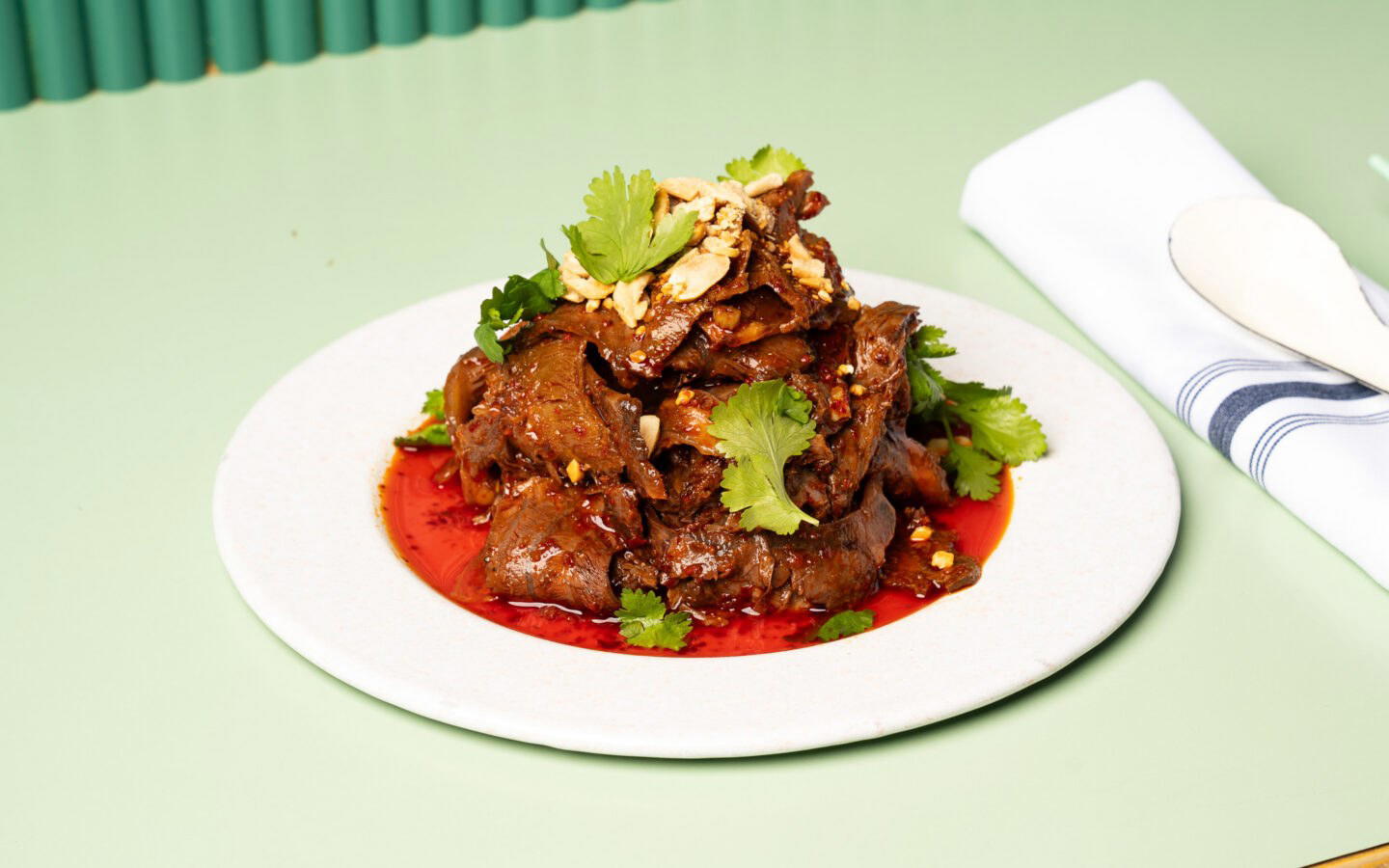
- Grilled Saigon wings
Dundas West and the Shape of a Meal
The block of Dundas Street West that runs through Kensington Market's eastern edge and into the Trinity Bellwoods corridor has, over the past decade, developed a particular dining character: small rooms, concentrated formats, and menus that ask something of the person sitting down. This stretch is not where Toronto goes for spectacle. It is where the city goes when it wants a meal that has been thought through from beginning to end. Dzo, at 308 Dundas St W, sits inside that pattern.
Toronto's mid-tier and premium dining scene has matured considerably since the mid-2010s. The city now supports a range of tasting-format and structured-progression restaurants that sit at different price points and with different cultural orientations, from the French-influenced architecture of Alo at the top of the contemporary bracket, to the kaiseki precision of Aburi Hana and the sushi counter discipline of Sushi Masaki Saito. What these rooms share is a commitment to sequencing: the idea that what you eat first shapes what you taste next, and that the order of a meal is itself an editorial decision.
The Progression as the Point
In cities where the tasting menu has become a format rather than a special occasion, the pressure on any structured dining room is not simply to offer good food in sequence, but to make the sequence itself feel considered. The meal should build. It should have momentum, contrast, and a sense of arrival.
Across Canada, restaurants working in this mode tend to divide into two approaches. The first foregrounds terroir and local sourcing as the organising logic of the progression, a model seen clearly at Tanière³ in Quebec City, where the arc of the meal mirrors seasonal and geographic specificity, or at Restaurant Pearl Morissette in Lincoln, where the farm and the cellar set the terms. The second approach organises around technique and cultural reference, building a progression that draws from a specific culinary tradition and applies it with precision. Both are legitimate structures for a meal; what distinguishes the stronger rooms is that the approach is legible to the diner by the time the third or fourth course arrives.
Further afield, the principle holds at places like Fogo Island Inn Dining Room in Joe Batt's Arm, where remoteness itself becomes part of the meal's narrative logic, and at Eigensinn Farm in Singhampton, long regarded as a reference point for how a single-minded vision can give a meal its through-line. The benchmark in urban formats, internationally, is set by rooms like Le Bernardin in New York City and Lazy Bear in San Francisco, where the multi-course format has been refined to the point where the meal's structure is as much the statement as the cooking itself.
Where Dzo Sits in the City's Dining Tier
Toronto's Dundas West corridor supports a range of dining ambitions, and not every room in the neighbourhood operates at the same register. The Italian-leaning formats at DaNico and Don Alfonso 1890 represent one version of structured, course-driven dining in the city, where tradition and lineage provide the sequencing logic.
What the address does confirm is the neighbourhood's expectation: diners on this part of Dundas West are self-selecting toward considered rooms. They are not walking in from a theatre or arriving because a hotel concierge pointed them here. The customer base for restaurants in this corridor tends to be local, return-heavy, and attentive to whether a meal is being shaped or merely presented.
Elsewhere in Canada, restaurants working in comparable registers include AnnaLena in Vancouver, which operates in a neighbourhood-driven format with a clear course progression, and Jérôme Ferrer - Europea in Montreal, which represents a longer-established version of the ambitious urban dining room. At a different scale entirely, The Pine in Creemore demonstrates how the tasting progression model travels outside major cities when the cooking is specific enough.
Seasonal Timing and When to Go
Toronto's dining rooms on this corridor tend to operate differently across the year. Summer brings lighter foot traffic during the week as the neighbourhood's outdoor culture competes for attention, while autumn through early spring consolidates the serious dining audience indoors. For rooms working with any kind of seasonal sourcing or structured format, the October-to-March window is typically when the cooking is most focused and the room is most itself. This is a general pattern for the neighbourhood rather than a confirmed operational detail specific to Dzo, but it reflects the rhythm of independent dining rooms in this part of the city.
The broader Ontario dining calendar also matters for anyone planning around the region. The farm-to-table supply chain that underpins serious cooking in this part of Canada runs strongest from late summer harvest through winter preservation, meaning that meals structured around local sourcing often reach their most complex expression in the colder months. This pattern is visible at reference points across the province, from Cafe Brio in Victoria on the west coast to Busters Barbeque in Kenora in Ontario's northwest, each calibrated to a different regional supply.
For a broader view of where Dzo fits within Toronto's full dining map, the EP Club Toronto restaurants guide provides context across categories and price tiers. And for a comparable experience of a destination whose progression-driven format has generated sustained attention in Quebec, Narval in Rimouski offers an instructive point of comparison for what a small-room, structured-meal format can achieve when it commits to a single culinary identity.
Planning Your Visit
Address: 308 Dundas St W, Toronto, ON M5T 1G4. Reservations: Budget: Price range not confirmed; budget against the Dundas West independent dining tier, which spans from mid-range to upper-mid depending on format. Getting there: The address is accessible via the 505 Dundas streetcar, with stops within a short walk. Kensington Market is immediately to the north, and street parking is limited in the area during evening service.
Frequently asked questions
What is the signature dish at Dzo?
As a reference point, Toronto's structured dining rooms at this address tier tend to anchor their menus around one or two preparations that reflect the kitchen's primary technique or sourcing focus. Venues like Aburi Hana and Alo both operate with clear signature orientations that are legible across multiple visits. It is worth contacting Dzo directly for current menu information.
Should I book Dzo in advance?
Independent dining rooms on Dundas West with a structured or course-driven format tend to fill their better tables quickly, particularly Thursday through Saturday. In Toronto's current dining environment, where rooms at the Alo tier book weeks or months ahead, mid-tier independents typically require at least one to two weeks notice for prime slots. If Dzo operates with a fixed or semi-fixed progression format, advance booking becomes more important because the kitchen's preparation is tied to confirmed covers. Confirm booking method directly with the venue.
What is the defining dish or idea at Dzo?
What can be said is that restaurants at this address in this neighbourhood tend to be organised around a coherent culinary identity rather than a broad crowd-pleasing approach. For points of comparison within Toronto's structured dining tier, DaNico and Don Alfonso 1890 both demonstrate how a clear culinary reference point can give a multi-course meal its internal logic.
What if I have allergies at Dzo?
Allergy and dietary accommodation practices vary significantly between Toronto's independent dining rooms, particularly those working with fixed or semi-fixed progression formats where substitutions affect the kitchen's sequencing. The most reliable approach is to contact Dzo directly before booking. Toronto's dining infrastructure generally supports dietary requests at serious independent rooms when communicated in advance.
Does Dzo fit within a broader Dundas West dining neighbourhood walk?
The 308 Dundas St W address places Dzo within a walkable cluster of independent dining rooms that extends from Kensington Market west toward Trinity Bellwoods. This part of the city is one of the more concentrated areas in Toronto for independently operated, chef-driven rooms that sit outside the downtown hotel-and-theatre circuit. For diners planning an evening in the neighbourhood, the corridor supports a genuine pre- or post-dinner option in most seasons, with the autumn and winter months generally producing the most focused kitchen output across the area's serious rooms.
Peers Worth Knowing
Comparable venues nearby, for context on price, style, and recognition.
| Venue | Cuisine | Price | Awards | Notes |
|---|---|---|---|---|
| DzoThis venue (the venue you are viewing) | Modern Vietnamese Street Food | $20–30 | Not listed | Not listed |
| The Lunch Lady of Saigon | Modern Vietnamese | $30–50 | Canada's 100 Best Recommended Restaurant #18 | Trinity Bellwoods |
| Senla | Modern Vietnamese | $20–30 | Not listed | Bay Street Corridor |
| Fresh on Bloor | Plant-Based Vegan | $20–30 | Not listed | Annex |
| A3 Napoli | Neapolitan Street Food Friggitoria | Not listed | Not listed | Little Italy |
| Maizal | Farm-to-Table Mexican Tortilleria | $20–30 | Not listed | Trinity Bellwoods |
Continue exploring
More in Toronto
Restaurants in Toronto
All restaurants in Toronto →

Bars in Toronto
All bars in Toronto →

Details
- Trendy
- Modern
- Cozy
- Casual Hangout
- Date Night
- Group Dining
- Open Kitchen
- Craft Cocktails
- A La Carte
- Small Plates
Current opening hours
- Monday
- Closed
- Tuesday
- 11:30 AM–10 PM
- Wednesday
- 11:30 AM–10 PM
- Thursday
- 11:30 AM–10 PM
- Friday
- 11:30 AM–11 PM
- Saturday
- 11:30 AM–11 PM
- Sunday
- 11:30 AM–10 PM
Hours can change for holidays and private events. Hours as of .
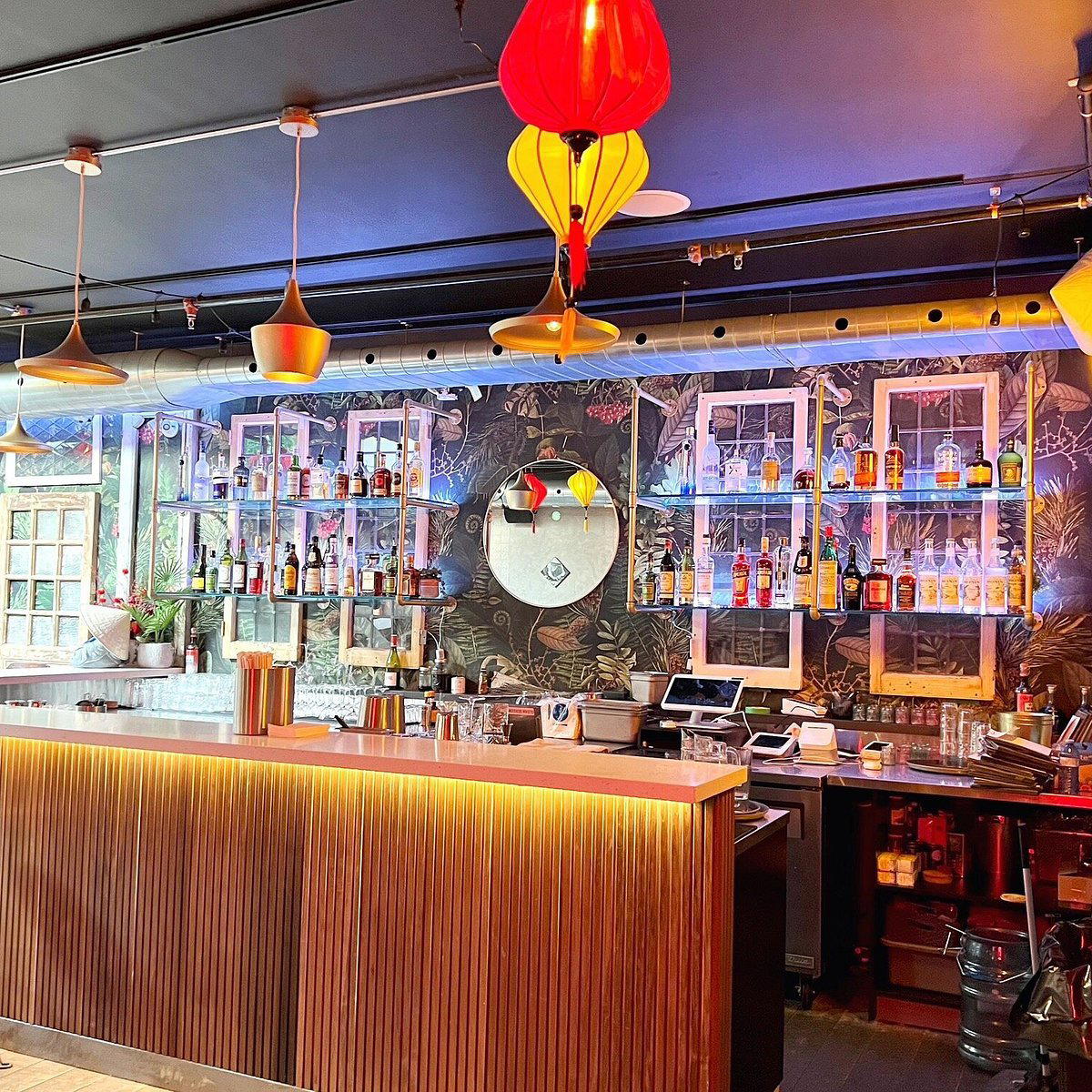
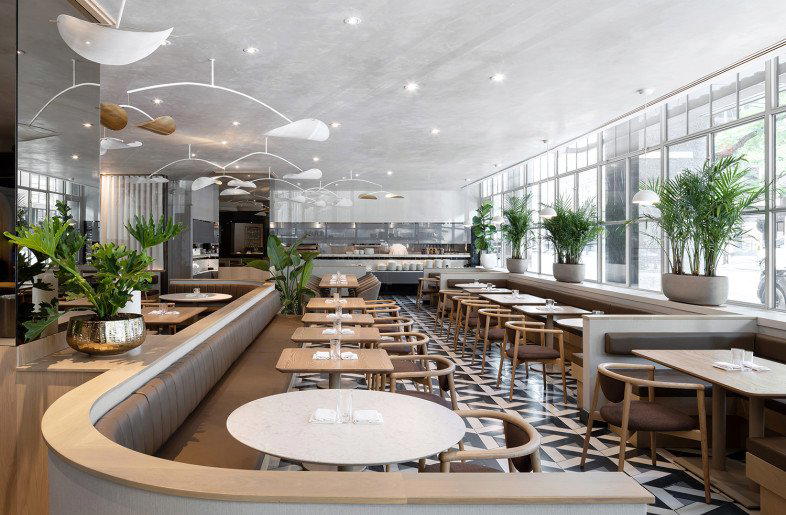
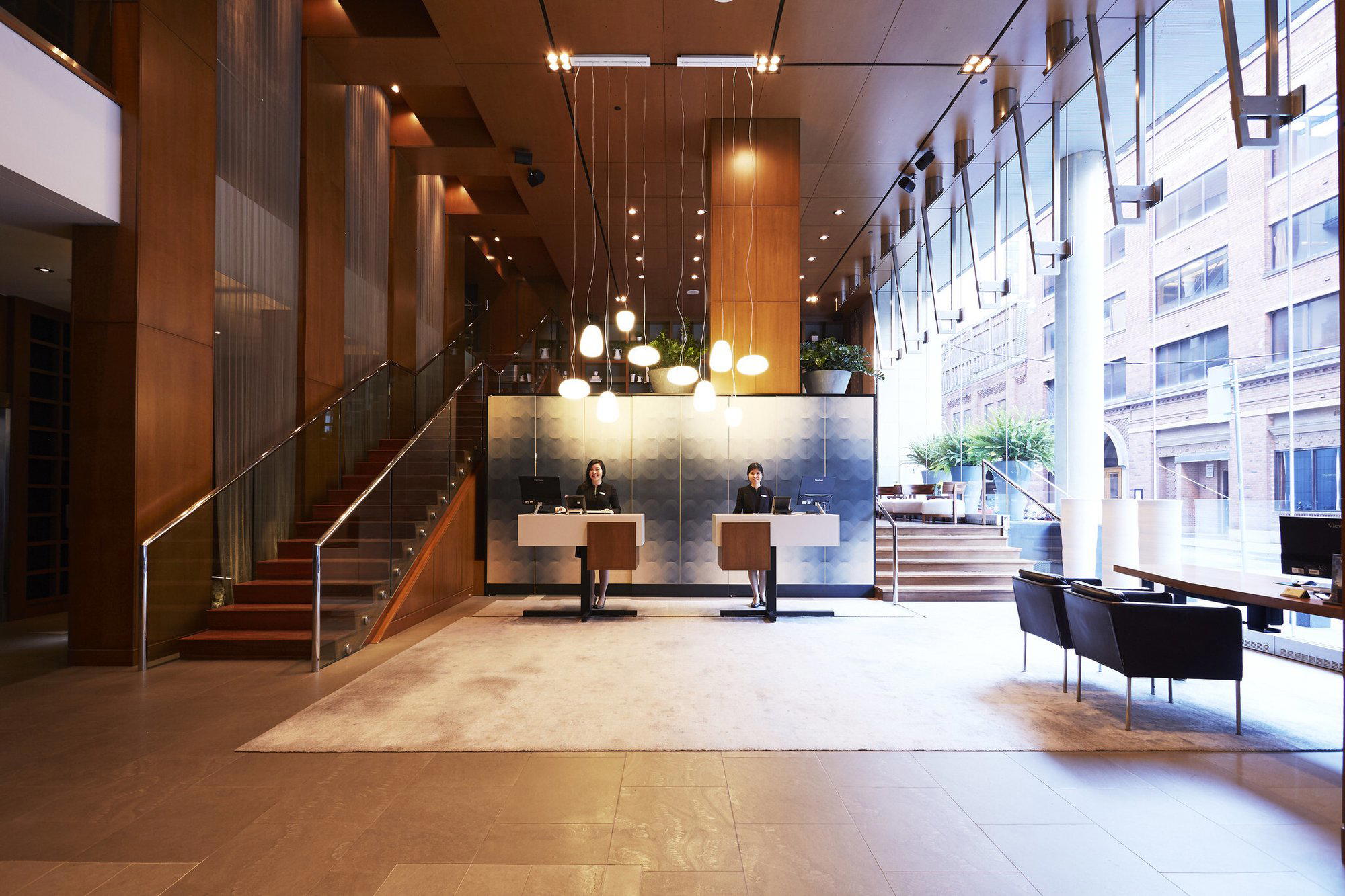
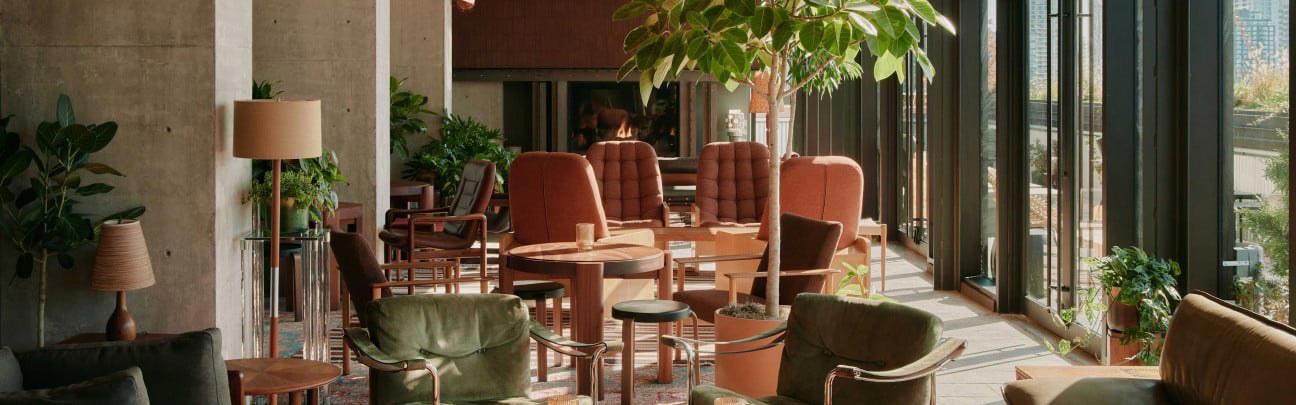
Modern and casual with variety of seating options, moderate noise level, contemporary vibe.