Duck and Rice
Duck and Rice occupies a Georgian pub shell on Berwick Street, Soho's market thoroughfare, and deploys a menu architecture that layers Cantonese tradition against a British pub format. The result sits in a distinct niche: neither a high-end Chinese restaurant nor a casual takeaway, but a mid-register space where roast duck and craft beer share equal billing. It remains one of Soho's more considered experiments in format-blending.
Pearl is the En Primeur Club membership app — saves, bookings, and concierge access live there. Same editors, same standards.
- Address
- 90 Berwick St, London W1F 0QB, United Kingdom
- Phone
- +44 20 3327 7888
- Website
- theduckandrice.com
- Directions
- Get directions
 Saves & bookings on Pearl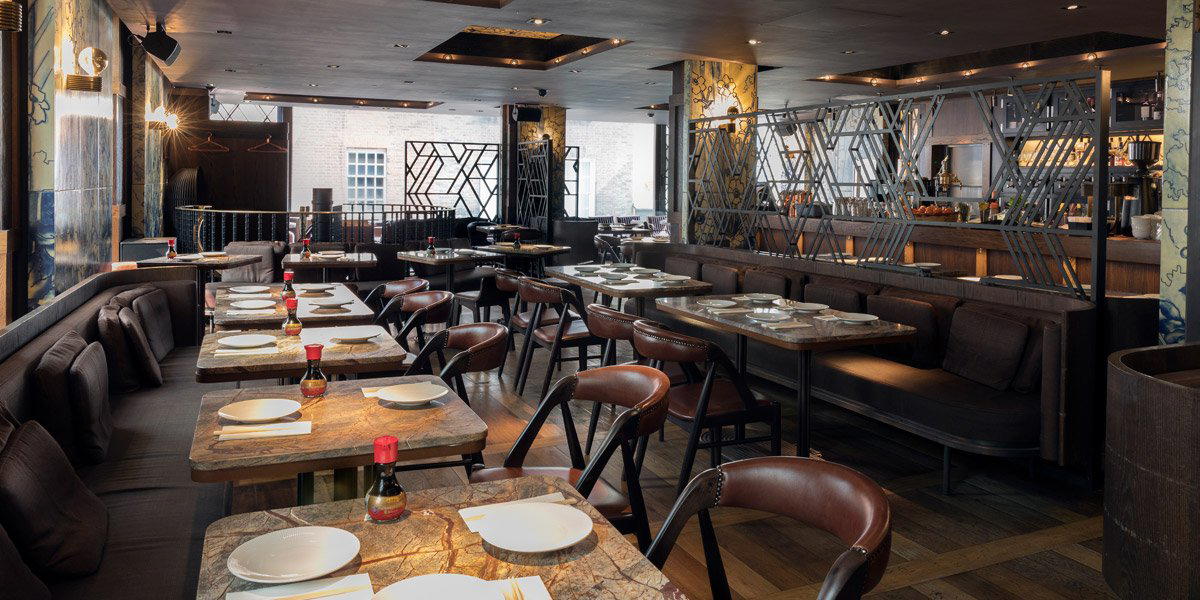
Berwick Street and the Format Question
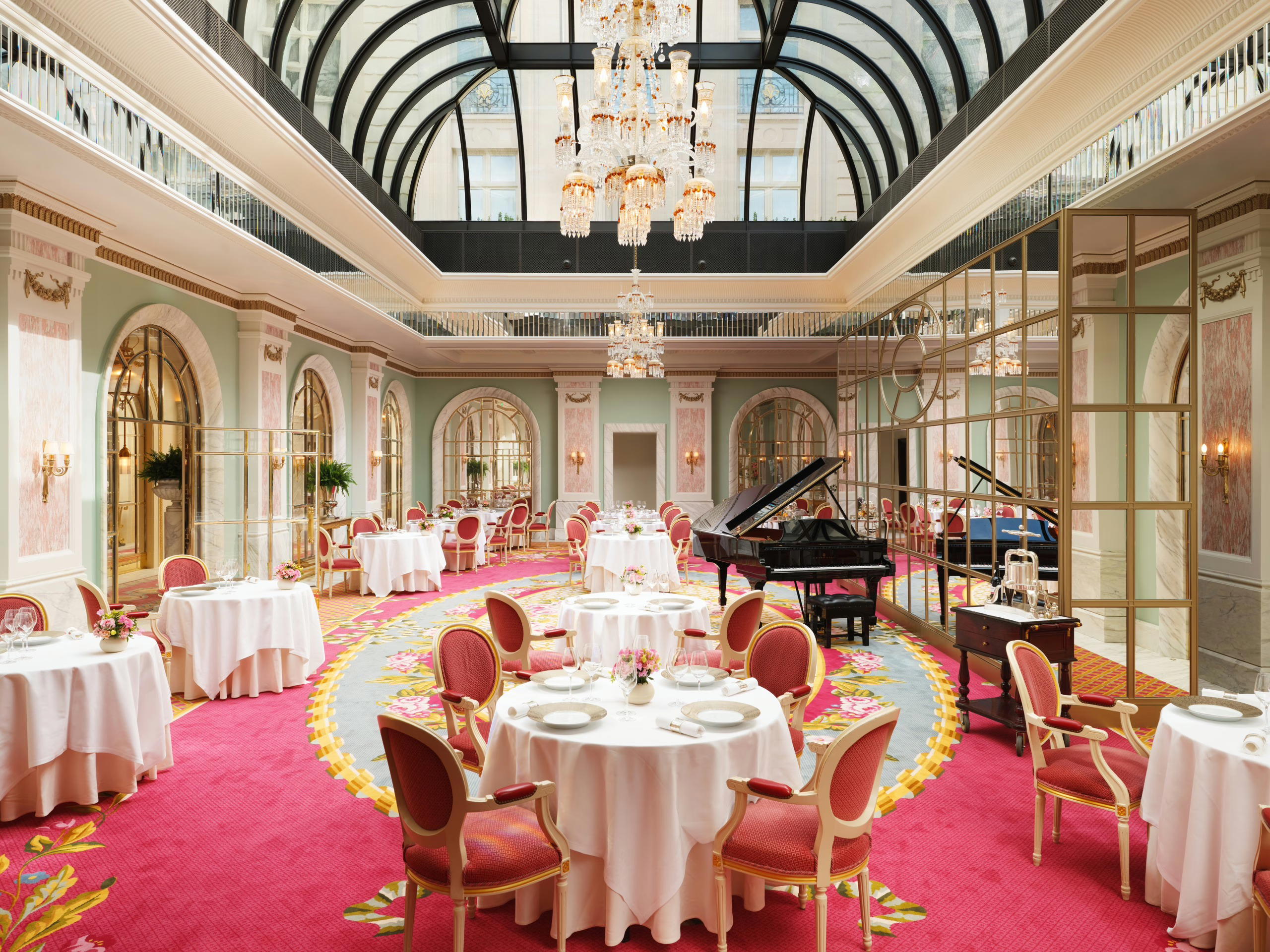
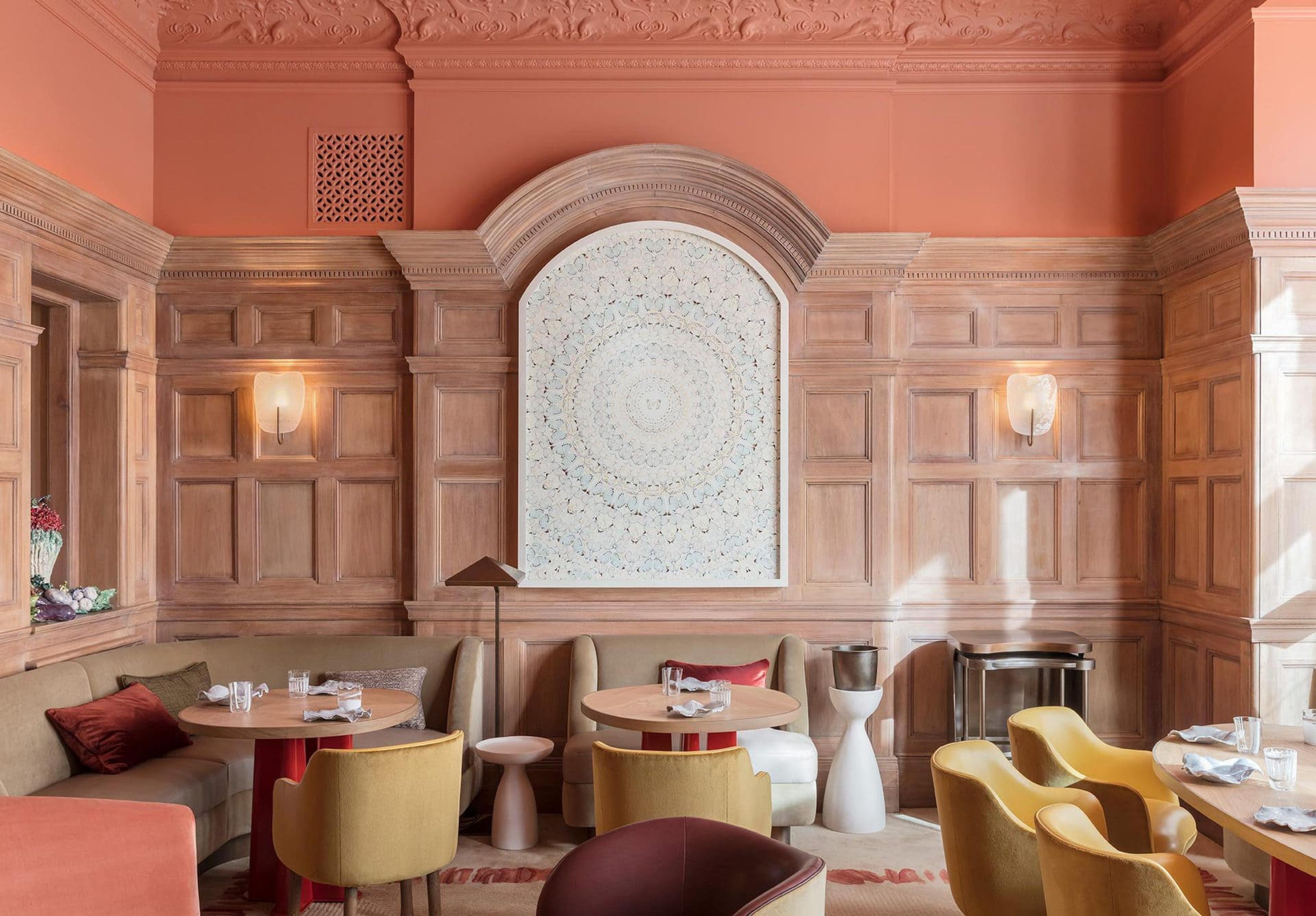
Soho has spent the better part of a decade sorting itself into two dining registers: the high-spend tasting-menu room and the casual dining slot. Duck and Rice, at 90 Berwick St, arrived into that gap with a format that was deliberately awkward to categorise. The premise was structural from the outset: a Victorian pub building repurposed as a vehicle for Cantonese cooking, with a ground-floor bar and a dining room above it. That vertical split is not incidental. It encodes the restaurant's core editorial argument, that Chinese food and British pub culture are not categorically incompatible, and that the menu should reflect both without compromising either.
The address itself matters. Berwick Street runs through the heart of Soho's old market district, a corridor that has historically oscillated between low-rent food traders and higher-end dining ambition. Duck and Rice opened into a moment when Soho landlords were actively courting restaurant operators willing to animate awkward Georgian and Victorian footprints. The pub format answered that brief.
Menu Architecture: What the Structure Reveals
The menu at Duck and Rice reads as a position statement about how Cantonese cooking can be framed for a British audience without being simplified. The architecture separates snacks and small plates from larger centrepiece dishes, a structure borrowed from dim sum culture but stretched to cover a full evening's service. This is not a dim sum restaurant with a pub attached; it is a full Cantonese kitchen whose menu rhythm happens to allow grazing from a barstool on the ground floor or a more composed meal upstairs.
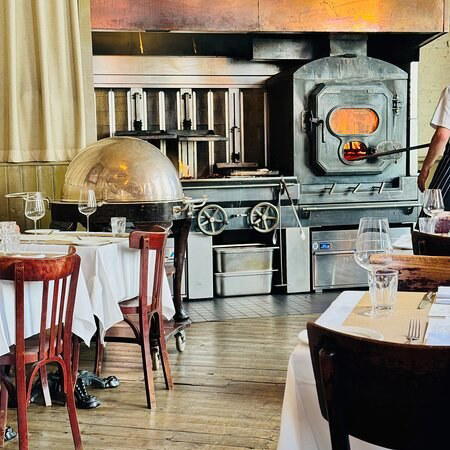
Roast meats occupy the structural centre of the menu, as they do in any serious Cantonese roasting operation. The duck, which gives the venue half its name, sits within a tradition that prizes skin lacquer, fat render, and the relationship between the roasting process and the final carriage of the meat. In London's Cantonese roasting scene, that tradition runs from the older Chinatown operators through to newer mid-market venues that have pushed the format into Soho and Fitzrovia. The restaurant positioned itself in the latter group from opening, pricing and plating against a customer who expects some technical rigour in the roasting but also expects a pint on the same ticket.
The smaller plates function as a catalogue of Cantonese technique rather than fusion hedging. Dishes in this register typically draw on the tradition of wok hei cooking and the Cantonese preference for letting a clean primary ingredient carry the plate, with sauce used for amplification rather than masking. Whether a given iteration of the menu at the restaurant adheres strictly to that discipline is a question of kitchen consistency, but the structural intention is legible: this is a menu that respects its source tradition enough to organise itself around it.
The Pub Frame and What It Does to the Experience
London has a long record of operators deploying the pub format as a legitimising device for ambitious food, the gastropub wave of the 1990s and 2000s established that precedent clearly. What the restaurant attempts is a more specific recalibration: using the pub's social permission (you can arrive without a booking, stand at a bar, order in stages) to lower the entry threshold for Cantonese cooking that would otherwise require a tablecloth setting to justify its price point.
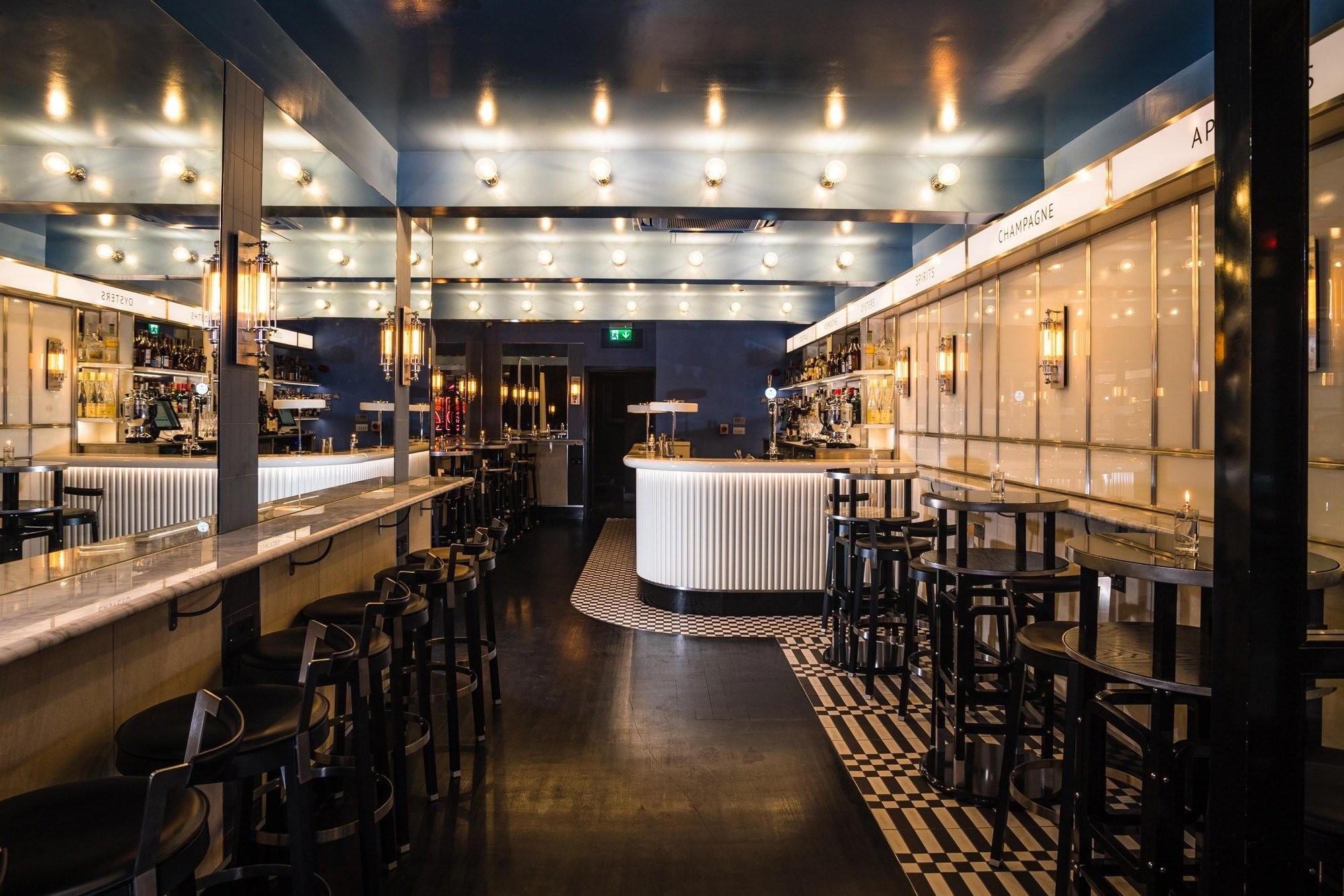
The ground-floor bar is therefore load-bearing in a strategic sense. It keeps the room accessible on weeknights when the dining room above might otherwise sit underutilised, and it creates a customer pathway that moves from casual to committed depending on appetite and time. That two-speed format has become more common in London's mid-market restaurant scene, but the restaurant was among the earlier examples of applying it to Chinese cooking specifically.
For context, the Soho restaurants that attract sustained critical attention tend to cluster at the higher end of the price spectrum. Three-Michelin-star rooms like CORE by Clare Smyth, Restaurant Gordon Ramsay, Sketch, The Lecture Room and Library, and The Ledbury define one end of London's restaurant continuum, as does Dinner by Heston Blumenthal at the two-star level. The restaurant operates in a different tier entirely, one where format innovation and cultural translation matter more than tasting-menu architecture. That is a legitimate and distinct competitive position, not a lesser one.
Soho Timing and Practical Logistics
Berwick Street operates at different tempos across the week. The market that runs along the street draws foot traffic through the day, which means the area around the restaurant is active well before evening service begins. For walk-in visits, mid-week lunch and early weekday evenings represent particularly reliable windows; Friday and Saturday evenings in Soho compress demand across the neighbourhood and reduce the likelihood of immediate seating at any mid-market room without a reservation. The ground-floor bar format helps absorb overflow, but the dining room upstairs rewards advance planning.
Soho's transport connections are strong from multiple directions: Oxford Circus, Tottenham Court Road, and Piccadilly Circus underground stations all sit within a ten-minute walk of Berwick Street, making the venue accessible from most central London arrival points without requiring a cab or car. For those extending a trip beyond the capital, The Fat Duck in Bray, L'Enclume in Cartmel, Moor Hall in Aughton, Gidleigh Park in Chagford, Hand and Flowers in Marlow, and hide and fox in Saltwood represent the broader British fine-dining tier worth considering. International comparisons for format-blending at a different price point might include Le Bernardin in New York City and Atomix in New York City, which approach the question of cultural framing from different angles.
Same-City Peers
Comparable venues nearby, for context on price, style, and recognition.
| Venue | Cuisine | Price | Notes |
|---|---|---|---|
| Duck and RiceThis venue — the venue you are viewing | Chinese Gastropub | $$$ | Not listed |
| RedFarm | Modern Chinese Dim Sum | $$$ | Covent Garden |
| Three Gorges | Modern Cantonese & Hubei | $$$ | Fitzrovia |
| Master Wei Hammersmith | Authentic Xi'an Noodles | $$ | Hammersmith Broadway |
| Honeymoon | Traditional Chinese | $$ | Southgate |
| Shikumen | Upmarket Cantonese Dim Sum | $$$ | Shepherds Bush Green |

At a Glance
- Lively
- Classic
- Cozy
- Group Dining
- Casual Hangout
- Date Night
- Historic Building
- Craft Cocktails
Current opening hours
- Monday
- 12–10 PM
- Tuesday
- 12–11 PM
- Wednesday
- 12–11 PM
- Thursday
- 12–11 PM
- Friday
- 12–11 PM
- Saturday
- 12–11 PM
- Sunday
- 12–10 PM
Hours can change for holidays and private events. Last verified .
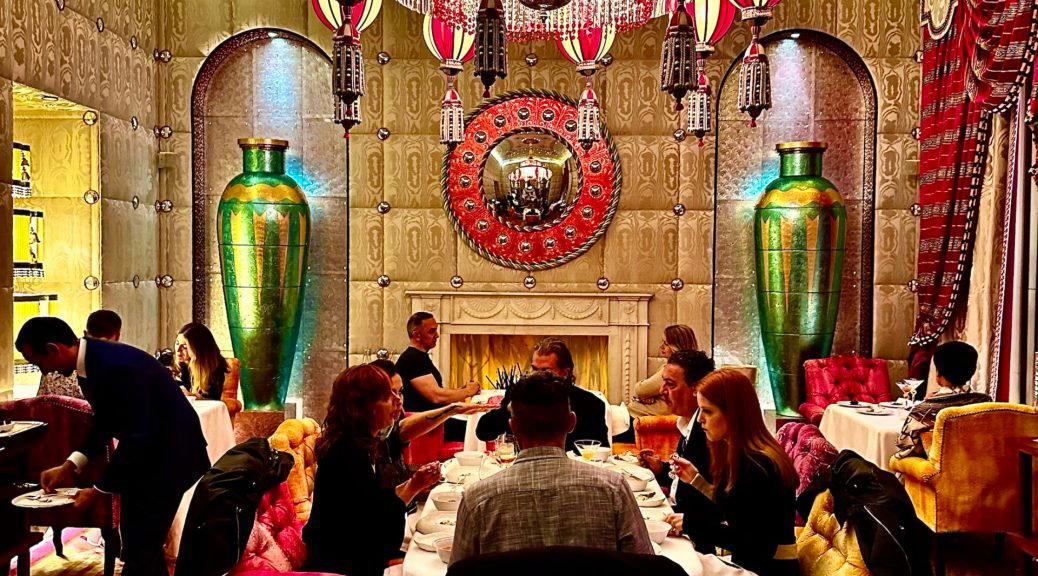
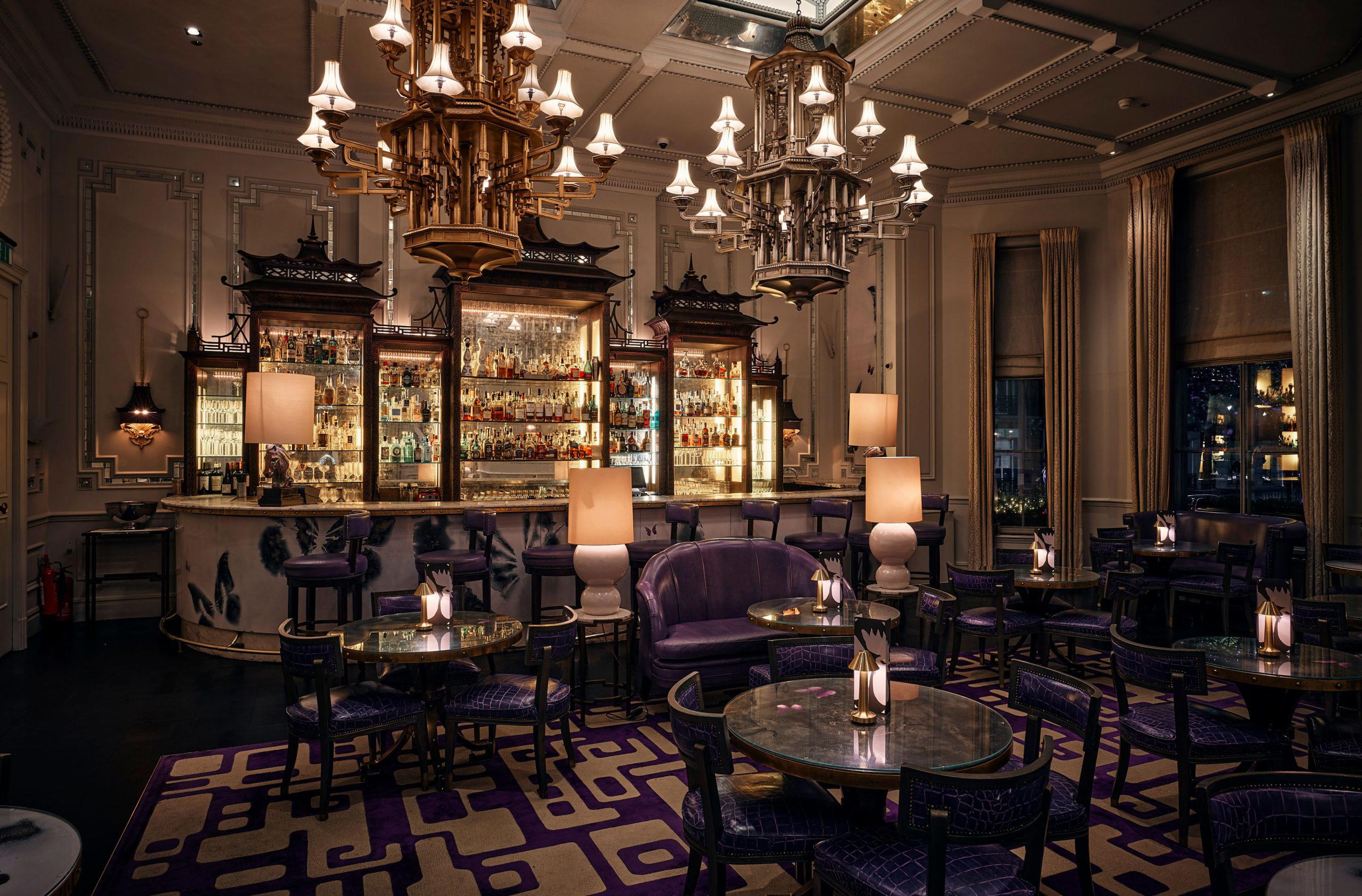
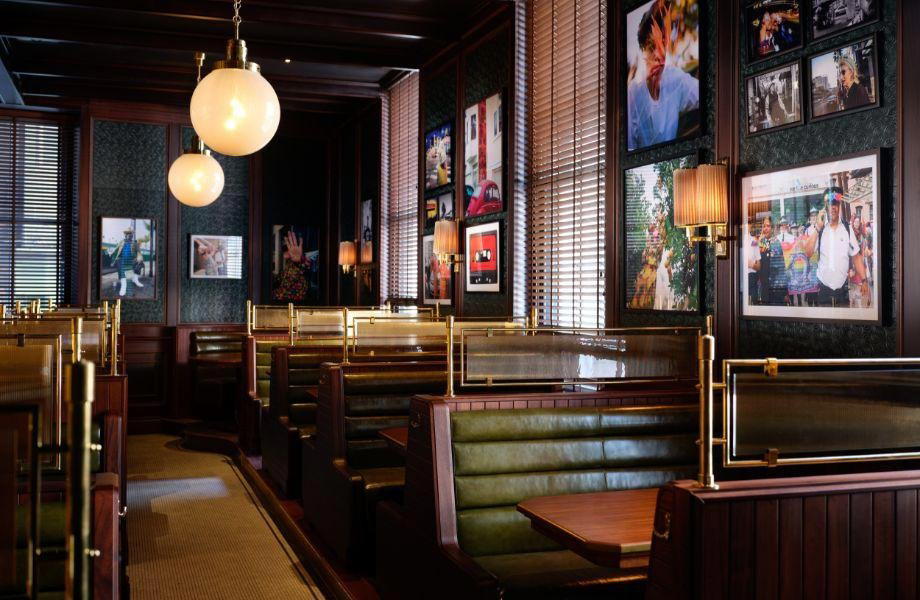
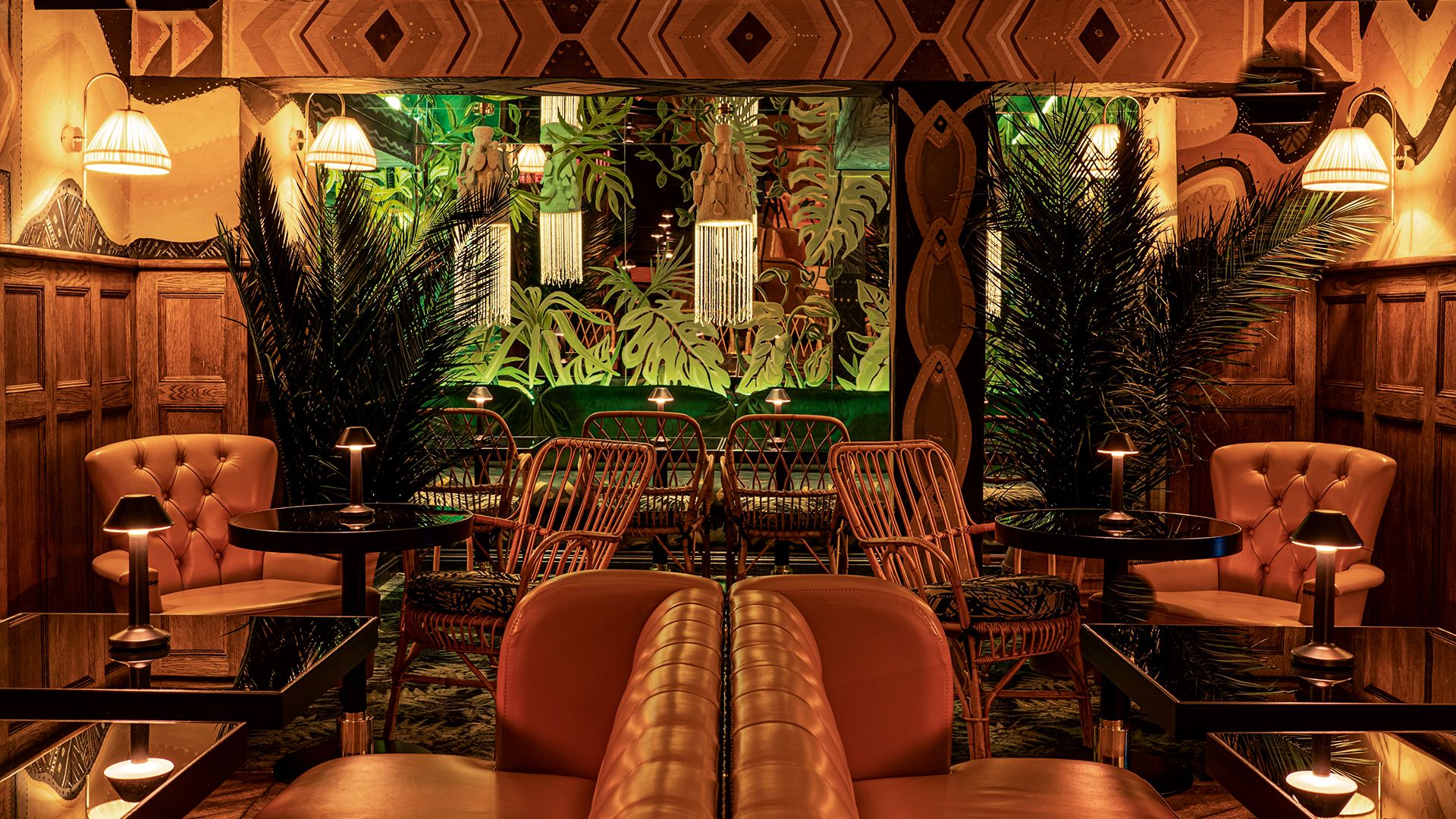
Busy and noisy with fabulous decor, featuring multiple floors including upstairs dining.