Our verdict
Downtown Calgary sits at the centre of a dining scene shaped by Alberta's ranching heritage and a growing appetite for regional Canadian cooking. The neighbourhood draws a wide range of restaurants, from upscale Canadian kitchens to casual international formats, reflecting the city's increasing confidence in its own culinary identity. For visitors and residents alike, it remains the most concentrated area for serious dining in the city.

Pearl is the En Primeur Club membership app — saves, bookings, and concierge access live there. Same editors, same standards.
- Address
- Calgary, AB, Canada
- Hours
- Mon–Thu 7 AM–10 PMFri–Sat 7 AM–12 AMSun 7 AM–10 PM
- Directions
- Get directions
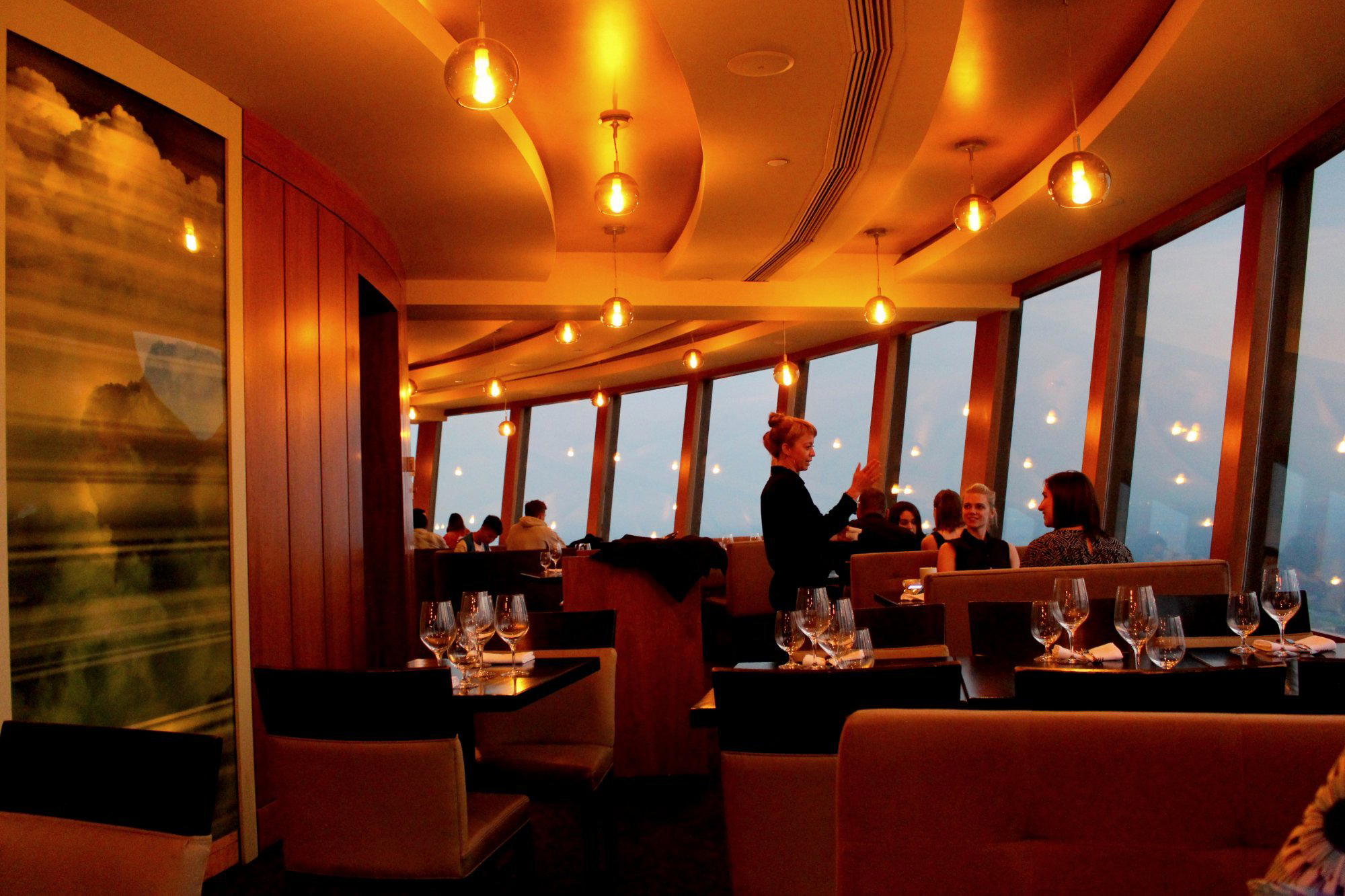
Calgary's Core: What Downtown Tells You About the City's Dining Direction
Approach Calgary's downtown core along Stephen Avenue on a weekday evening and the street does something few Canadian city centres manage convincingly: it holds both the weight of a resource-economy city and the texture of a place that has started to cook seriously. The glass towers and converted warehouse blocks coexist with restaurant fronts that lean into Alberta beef culture, regional Canadian technique, and the kind of ingredient-first thinking that has quietly reshaped the better parts of the country's dining scene over the past decade. This is not a neighbourhood that announces itself with a single flagship address. Its character is cumulative.
Alberta Beef, Regional Grain, and the Roots of a Calgary Table
Understanding what downtown Calgary serves means understanding what Alberta produces. The province's ranching tradition is not a marketing device here — it structures the supply chain that most serious kitchens draw from. Alberta beef, particularly dry-aged cuts from operations on the provincial grasslands, occupies a central place in the city's dining identity in a way that parallels how Kobe beef functions in Hyogo or Wagyu in parts of New South Wales: the product itself carries the cultural argument. Downtown kitchens that take this seriously are not decorating menus with provenance language; they are building dishes around the actual qualities of specific regional rearing practices.
That agricultural context extends beyond beef. Prairie grain, cold-climate brassicas, foraged ingredients from the foothills to the west, and sustainably sourced freshwater fish all appear with increasing frequency across Calgary's more considered restaurant formats. The cuisine emerging from this is identifiably Canadian in a way that differs from what you would find at Alo in Toronto or Jérôme Ferrer - Europea in Montréal — less European-inflected, more directly tied to the land immediately around it. For comparison points in the Québec tradition of hyperlocal, terrain-driven menus, Tanière³ in Quebec City offers a useful reference for where that philosophy can lead.
The Competitive Shape of the Downtown Dining Scene
Calgary's downtown restaurant market has matured considerably since the oil-price volatility of the mid-2010s, which thinned out a generation of over-leveraged casual formats and left a leaner, more purposeful set of operators. What remains, and what has opened since, skews toward rooms that have a clear point of view, whether that is New Canadian cooking drawing on the regional pantry, or international formats adapted to local ingredient realities.
Within that picture, comparison venues like Pigeonhole and Ten Foot Henry represent the New Canadian current well: both operate with an ingredient-led philosophy and a format that resists the full fine-dining ceremony while maintaining serious kitchen standards. The River Café, situated on Prince's Island just north of the downtown core, has long anchored the Tuscan-inflected end of the city's culinary spectrum, demonstrating that Calgarians support sustained quality across multiple cuisine registers. Restaurants in this tier tend to price against the ambition of their cooking rather than the conventions of their category, which places them in a different competitive set than the downtown casual chains that occupy the same geography.
For context on what premium Canadian kitchens look like in other formats and regions, Restaurant Pearl Morissette in Lincoln, AnnaLena in Vancouver, and Eigensinn Farm in Singhampton each represent distinct expressions of what regionally anchored cooking can achieve at a high level. Calgary's downtown scene is carving out its own version of that ambition, shaped by prairie rather than coastline or vineyard.
Where to Eat in the Downtown Core
A few addresses anchor the better end of the downtown dining offer. Alloy has maintained a reputation as one of Calgary's more technically disciplined kitchens over a sustained period, occupying a tier of the market where the cooking ambition matches the room's formality. Annabelle's Kitchen Downtown operates in a different register, with a format that suits the business-district lunch trade as well as more considered evening dining. Alforno Eau Claire, on the western edge of the downtown boundary, brings a neighbourhood bakery-restaurant sensibility that complements rather than competes with the more formal options nearby.
For occasions that call for a specific cultural or event context, A Certain Flair Catering at Lougheed House operates within one of Calgary's more historically significant built environments, anchoring the city's heritage dining tier. Aloha Modern Kitchen represents the international influence layer of the downtown dining mix, drawing on Pacific influences that diversify the dominant Alberta-beef-and-New-Canadian conversation. Our full Calgary restaurants guide maps these and other venues across the city's broader dining geography.
Calibrating Expectations Across Price Tiers
Downtown Calgary operates across a wider price band than many comparable Canadian city centres. The top tier, rooms where a full dinner with wine runs into the CAD 150–200 per person range, is smaller but credible, supported by a corporate and energy-sector expense-account culture that sustains higher price points more consistently than a pure tourism market would. Below that, the mid-market is dense and competitive, with a significant number of restaurants pricing against casual international benchmarks while attempting to hold a higher quality standard than those benchmarks typically demand.
Visitors accustomed to the premium dining environments at Le Bernardin in New York City or the format discipline of Lazy Bear in San Francisco will find Calgary's top tier smaller in scale and less globally credentialled, but the ingredient quality, particularly within the beef and prairie grain categories, is genuinely competitive. The city's leading kitchens are not trying to replicate those international reference points; they are working from a different set of raw materials toward a distinctly Albertan result. For Canadian regional comparisons at an extreme end of the provenance-driven format, Fogo Island Inn Dining Room in Joe Batt's Arm demonstrates what radical local sourcing commitment looks like when pushed to its logical conclusion.
Planning a Downtown Calgary Dining Visit
The downtown core is most accessible by C-Train along the free fare zone on 7th Avenue, which runs through the heart of the restaurant district. Most dining concentrations sit within a walkable radius of City Hall station or the 8th Street stops. For visitors staying in the Beltline or Mission neighbourhoods to the south, the walk north across the Elbow River approaches downtown from its more residential edge, adding useful neighbourhood context before arriving at the denser commercial core.
Reservation windows for the more sought-after downtown rooms typically run two to four weeks ahead for weekend evenings; weekday availability tends to be more accessible. Seasonal timing matters: Calgary winters are cold enough to push the city's dining culture significantly indoors between November and March, which concentrates demand at the handful of rooms with enough warmth and atmosphere to compensate for the season. Summer patio availability along Stephen Avenue and around the river pathways changes the calculus considerably, opening up a more casual format that the colder months do not support. Related options worth considering in adjacent Ontario and British Columbia contexts include The Pine in Creemore and Narval in Rimouski for further reference on how Canadian regional dining formats vary by geography and season. And for something different on the barbecue-casual end of the Canadian dining spectrum, Busters Barbeque in Kenora illustrates how regional protein traditions translate across very different provincial contexts.
Frequently asked questions
Where exactly is Downtown?
Downtown is located at Calgary, AB, Canada, Calgary.
Is downtown Calgary's dining scene worth visiting outside of the energy sector's business-dinner circuit?
Yes, and the scene has shifted noticeably since the mid-2010s oil-price downturn pruned the over-leveraged middle. What remains in Calgary, AB skews toward kitchens with a clearer point of view — particularly around Alberta beef and regional producers — rather than broad, crowd-pleasing menus built for expense accounts. The free C-Train fare zone on 7th Avenue makes the core accessible without the friction of parking, which changes the calculus for an evening visit.
What's the best thing to order at Downtown?
Calgary's downtown dining identity is built on Alberta beef, and any serious meal in the core should include it in some form. Ranching in this province is not a branding exercise — the supply chain from feedlot to plate is shorter here than in most Canadian cities, which shows in quality at the table. Beyond beef, regional grain and local producers fill out menus at the more considered addresses along Stephen Avenue.
What's the best way to book Downtown?
For the more technically focused restaurants in the downtown core, booking at least a week ahead on weekday evenings and two or more weeks for Friday and Saturday is a reasonable baseline. Restaurants at the higher end of Calgary's price band — where a full dinner with wine runs into the upper tiers — fill faster than the room count might suggest. Check individual restaurant websites directly, as the core has no single booking platform that covers all addresses.
What's the defining dish or idea at Downtown?
The defining idea across Calgary's downtown dining scene is Alberta provenance made straightforwardly honest: beef from the province's ranching tradition, grain from the surrounding region, and a cooking approach that does not obscure the source material. This is not farm-to-table as a concept imported from elsewhere — it reflects what the local supply chain actually produces. The restaurants that have survived the oil-price volatility of the mid-2010s largely did so by anchoring their identity to that regional specificity.
What if I have allergies at Downtown?
Allergy accommodation across downtown Calgary's restaurant tier varies by kitchen and format. At the more disciplined addresses — where tasting or prix-fixe structures are common — contacting the restaurant directly before booking is the practical step, not an afterthought. For multi-course formats in particular, advance notice allows the kitchen to adjust rather than improvise on the night.
Price and Positioning
Comparable venues nearby, for context on price, style, and recognition.
| Venue | Cuisine | Price | Awards | Notes |
|---|---|---|---|---|
| DowntownThis venue — the venue you are viewing | Downtown Commercial Core, mediterranean | Not listed | Not listed | Not listed |
| Gatsby's | Modern Fine Dining with Canadian & Global Influences | $200–300 | Canada's 100 Best Restaurants #74 | Downtown Commercial Core, Modern Fine Dining with Canadian & Global Influences |
| Pat and Betty | Contemporary Canadian with European influences | Not listed | Diners, Drive-Ins and Dives Featured Restaurant | Beltline, Contemporary Canadian with European influences |
| Calcutta Cricket Club | Modern West Bengal Indian | $50–100 | Not listed | Beltline, Modern West Bengal Indian |
| Sorella | Modern Italian Trattoria | Not listed | Not listed | Centre Street North, Modern Italian Trattoria |
| Orchard Restaurant | Modern Mediterranean with Asian Influences | $50–100 | Not listed | Connaught, Modern Mediterranean with Asian Influences |
Continue exploring
More in Calgary
Restaurants in Calgary
Browse all →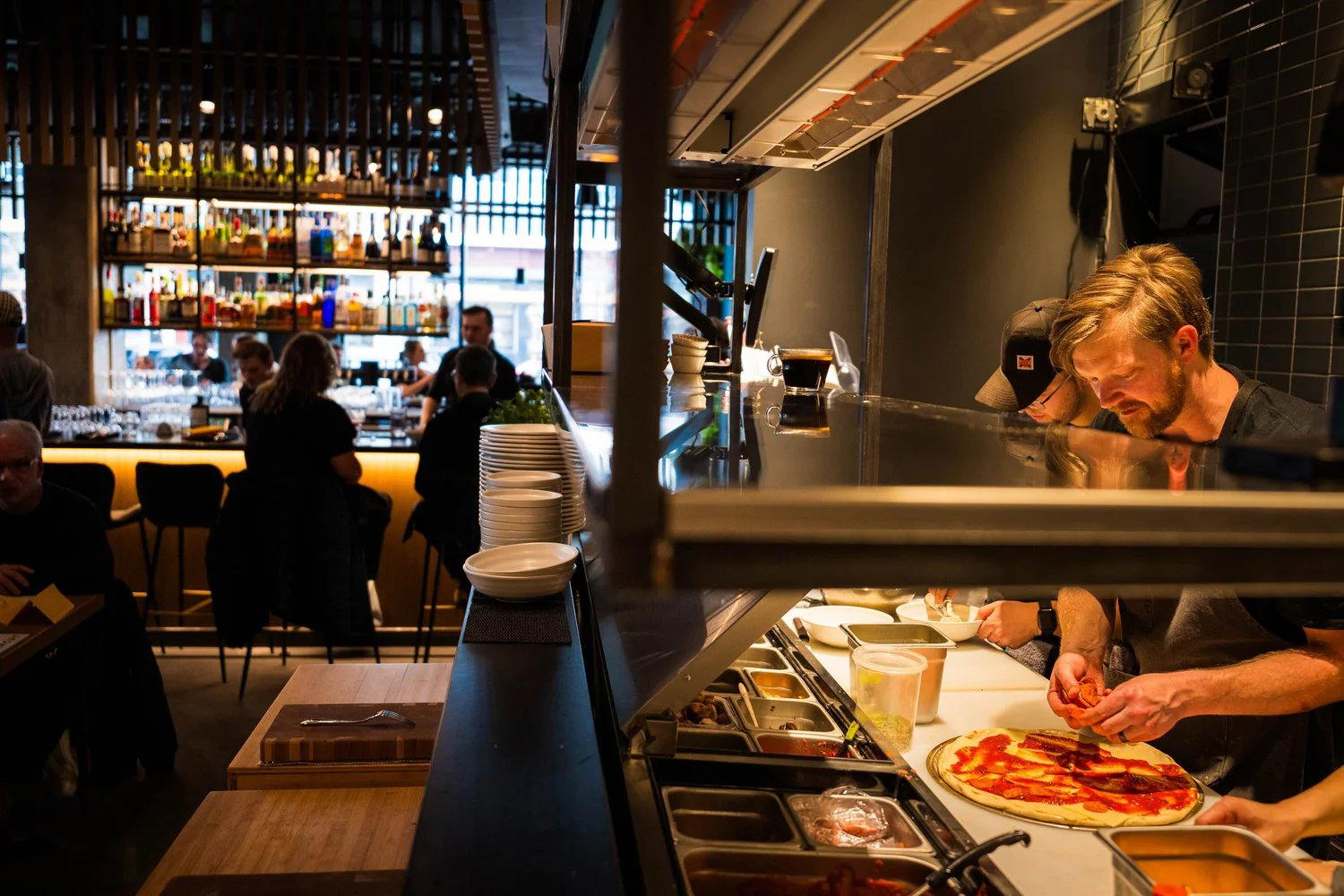
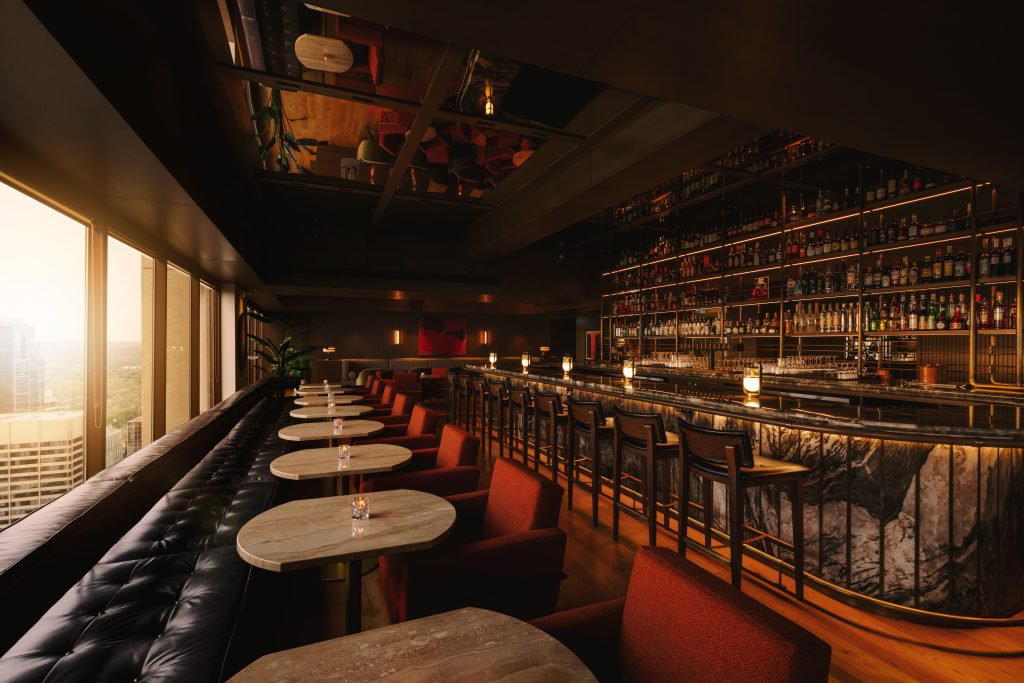
Bars in Calgary
Browse all →
Hotels in Calgary
Browse all →
Wineries in Calgary
Browse all →
Details
- Modern
- Elegant
- Date Night
- Special Occasion
- Design Destination
- Local Sourcing
- A La Carte
Current opening hours
- Monday
- 7 AM–10 PM
- Tuesday
- 7 AM–10 PM
- Wednesday
- 7 AM–10 PM
- Thursday
- 7 AM–10 PM
- Friday
- 7 AM–12 AM
- Saturday
- 7 AM–12 AM
- Sunday
- 7 AM–10 PM
Hours can change for holidays and private events. Last verified .