D&J Bistro
Our verdict
D&J Bistro on South Rand Road brings a neighborhood dining sensibility to Lake Zurich, Illinois, where the conversation around sourcing and seasonal cooking has been reshaping suburban restaurant expectations. Set against the broader Chicago-area bistro tradition, it occupies a mid-market position that rewards return visits over single-occasion dining. A practical base for exploring what the northern suburbs offer beyond the city's well-documented restaurant corridor.
The menu
What to order
- Escargot
- Chicken cordon bleu
- Confit of duck leg
- Foie gras
Suburban Bistros and the Sourcing Question
The restaurant conversation in the Chicago metropolitan area has spent the last decade consolidating around the city core. Spots like Smyth in Chicago have set the terms for what ingredient-driven fine dining looks like in this region, and that standard has created a useful pressure on the broader dining tier that extends into the northern suburbs. In Lake Zurich and the communities that ring it, the question is no longer simply whether a bistro can cook well. It is whether the kitchen is making considered decisions about where its food comes from and why those decisions should matter to someone who has driven forty minutes from the city.
D&J Bistro, at 466 South Rand Road, sits in that suburban context. Rand Road is a commercial corridor, the kind of strip that runs through dozens of Midwest towns and carries the full range of chain and independent operators side by side. What separates the independents that endure in these corridors from those that do not is rarely spectacle. It is consistency of sourcing, kitchen discipline, and the kind of hospitality that makes a neighborhood feel like it has a proper restaurant rather than a food-service provider with tablecloths.
What the Drive In Tells You
Approaching along South Rand Road, the suburban strip gives way to a storefront presence that signals intention without theater. This is not a destination dressed to announce itself from a distance. The format belongs to a category of American bistro that has always traded on familiarity over drama, and that register is legible before you park. For diners accustomed to the staging that accompanies, say, a reservation at The French Laundry in Napa or the cultivated ceremony of The Inn at Little Washington, this is a different proposition entirely. The value here is in the room's capacity to feel like a regular place, which is a harder thing to sustain than it looks.
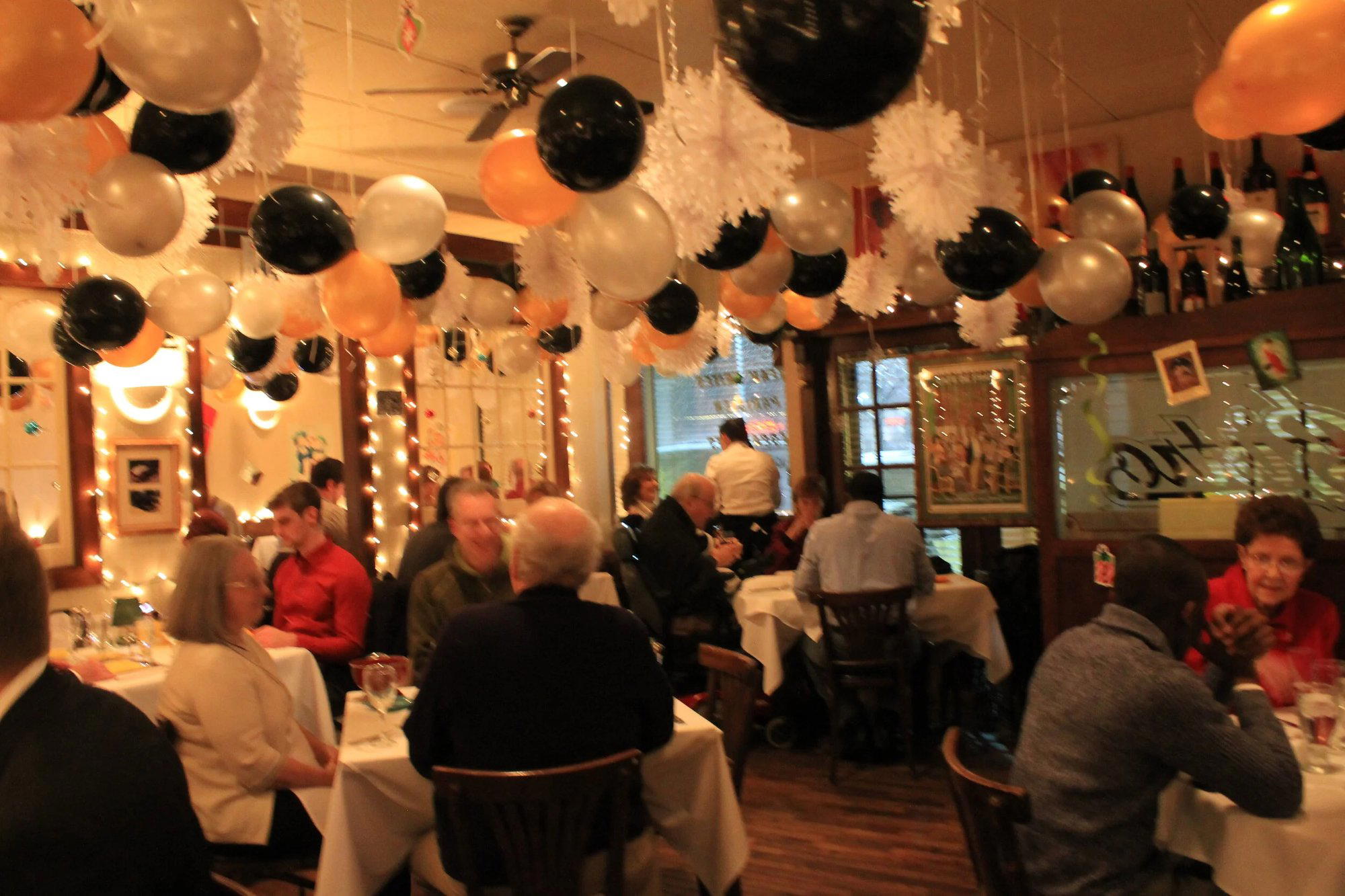
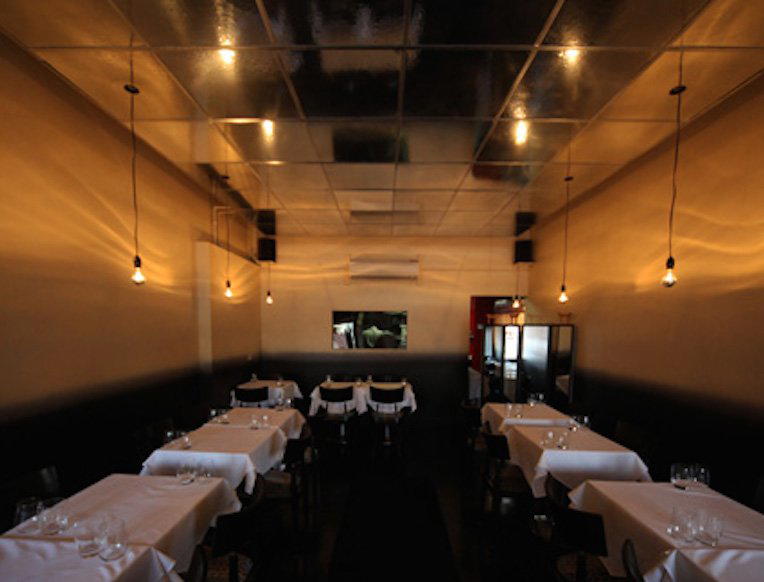
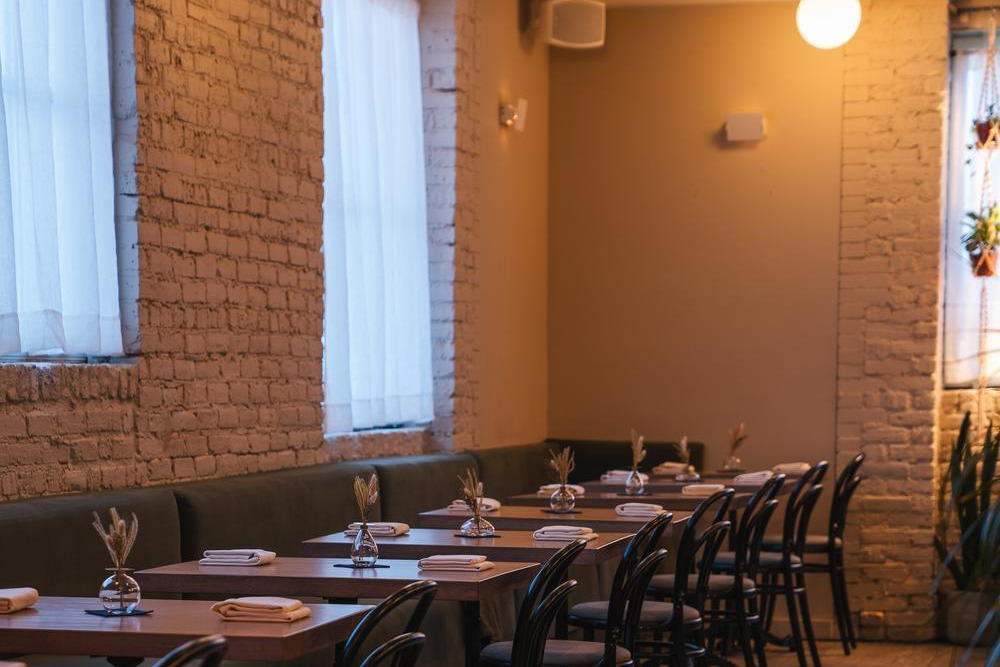
Inside, the bistro format tends toward warm tones, close tables, and a sound level that permits conversation without requiring effort. The northern suburban dining public skews toward a demographic that values those conditions: couples, small family groups, and weeknight regulars who want a reliable kitchen rather than an event. That is not a diminished ambition. It is a specific one, and it shapes everything from the pacing of service to the construction of a menu that needs to work across a broad midweek range.
The Ingredient Argument in a Suburban Kitchen
The sourcing conversation that now runs through American restaurant culture at every tier has its most interesting friction points not in the flagship urban rooms but in places like this one. At Blue Hill at Stone Barns in Tarrytown, the farm-to-table premise is structural and operates at a scale that makes it editorially self-sustaining. At Single Thread Farm in Healdsburg, the sourcing infrastructure is built into the property itself. A suburban bistro on a commercial road in Lake Zurich does not have those resources, and the honest version of the ingredient argument at this level is more provisional: it is about the choices made within real constraints of supply, cost, and customer expectation.
The Midwest does offer meaningful sourcing options. The agricultural belt that runs through Illinois and into Wisconsin gives kitchens access to regional proteins, seasonal produce, and dairy that does not require a coastal premium to justify. Whether a given bistro chooses to lean into that supply network or defaults to broad-line distribution tells you something about the kitchen's priorities. In the broader suburban Chicago tier, the bistros that have built loyal regulars tend to be the ones that made at least some of those commitments, even when it was operationally inconvenient.
Restaurants like Bacchanalia in Atlanta and Frasca Food & Wine in Boulder have demonstrated that outside of major food cities, it is entirely possible to build a regionally significant restaurant around sourcing discipline and hospitality depth. The model does not require a Manhattan address or a Le Bernardin-level credential to be credible. It requires a consistent point of view applied to whatever the local supply chain makes available.
Positioning Within the Northern Suburban Tier
Lake Zurich sits in Lake County, a northern suburb roughly thirty-five miles from downtown Chicago. The dining market here is genuinely independent-friendly in the sense that the density of chain competition is manageable and the local population has the disposable income to support a mid-market bistro with some ambition. The competitive set is not the city's serious restaurant corridor, and it should not be read against it. The relevant peer group is the other independent bistros and casual fine-dining rooms that serve the same weeknight and weekend-special occasion traffic across the northern suburbs.
Within that frame, a bistro that operates with kitchen consistency, honest sourcing, and service that knows its regulars by name sits in the upper tier of its actual market, not at the bottom of a comparison to Lazy Bear in San Francisco or Atomix in New York City. Those comparisons are categorical errors. The more useful question is whether D&J Bistro delivers what its own market is asking for, and whether it does so with enough craft to hold its position as the suburbs' dining expectations continue to shift upward.
For a broader picture of what Lake Zurich's restaurant scene offers across categories, see our full Lake Zurich restaurants guide.
Planning a Visit
D&J Bistro is located at 466 South Rand Road in Lake Zurich, Illinois, accessible by car from the northern Chicago suburbs and the broader Lake County area. As with most independent bistros at this tier, weekends tend to fill earlier than weekday evenings, and the room's size means that walk-in availability on Friday and Saturday is not reliable without a reservation. The format suits a range of occasions from weeknight dinners to low-key special events, and the price positioning places it in the mid-market suburban range that makes it a practical regular rather than a reserved-for-occasions address. Confirmed hours and booking details are leading verified directly with the restaurant before visiting.
Frequently asked questions
Is D&J Bistro good for families?
D&J; Bistro's location at 466 South Rand Road in Lake Zurich places it squarely in a northern suburban market where family dining is a practical expectation rather than an afterthought. The bistro format — neighborhood-oriented rather than destination-tasting-menu — generally accommodates groups across age ranges. check the venue's official channels to confirm current seating configurations before visiting with a large group.
What is the atmosphere like at D&J Bistro?
The setting on South Rand Road reads as a deliberate storefront presence within a suburban commercial corridor, without the theatrical staging common to city-core restaurants. Lake Zurich's dining market runs largely independent of downtown Chicago's trend cycle, which gives spots like D&J; Bistro a neighborhood cadence — regular clientele, consistent pacing — rather than the turnover pressure of a reservation-driven urban room.
How does D&J Bistro compare to other independent restaurants in Lake County, IL?
Lake County's restaurant market is notably independent of the Chicago city core's Michelin-tracked concentration, which means local spots like D&J; Bistro in Lake Zurich compete on neighborhood loyalty and consistency rather than award-cycle visibility. Within the northern suburban tier, a bistro format at this address serves a catchment that includes commuter households across the broader Lake County corridor. It represents the kind of independently operated option that the suburban market sustains outside Chicago's restaurant media orbit.
What do regulars order at D&J Bistro?
For current offerings, checking directly with the restaurant at 466 South Rand Road will give the most accurate picture.
Fast Comparison
| Venue | Cuisine | Price | Awards | Notes |
|---|---|---|---|---|
| D&J BistroThis venue — the venue you are viewing | French Bistro | Not listed | Not listed | Not listed |
| Le Bernardin | French Seafood Fine Dining | $300–500 | 3 Michelin Stars · World's 50 Best #13 | French, Seafood |
| Lazy Bear | Modern American Tasting Menu | Not listed | 2 Michelin Stars · World's 50 Best #25 | Progressive American, Contemporary |
| Atomix | Modern Korean Tasting Menu | $300–500 | 2 Michelin Stars · World's 50 Best #7 | Modern Korean, Korean |
| Per Se | French Fine Dining Tasting Menu | $300–500 | 3 Michelin Stars · World's 50 Best #40 | French, Contemporary |
| Masa | Traditional Japanese Omakase | $500+ | 2 Michelin Stars · World's 50 Best #27 | Sushi, Japanese |
Continue exploring
More in Lake Zurich
Restaurants in Lake Zurich
Browse all →
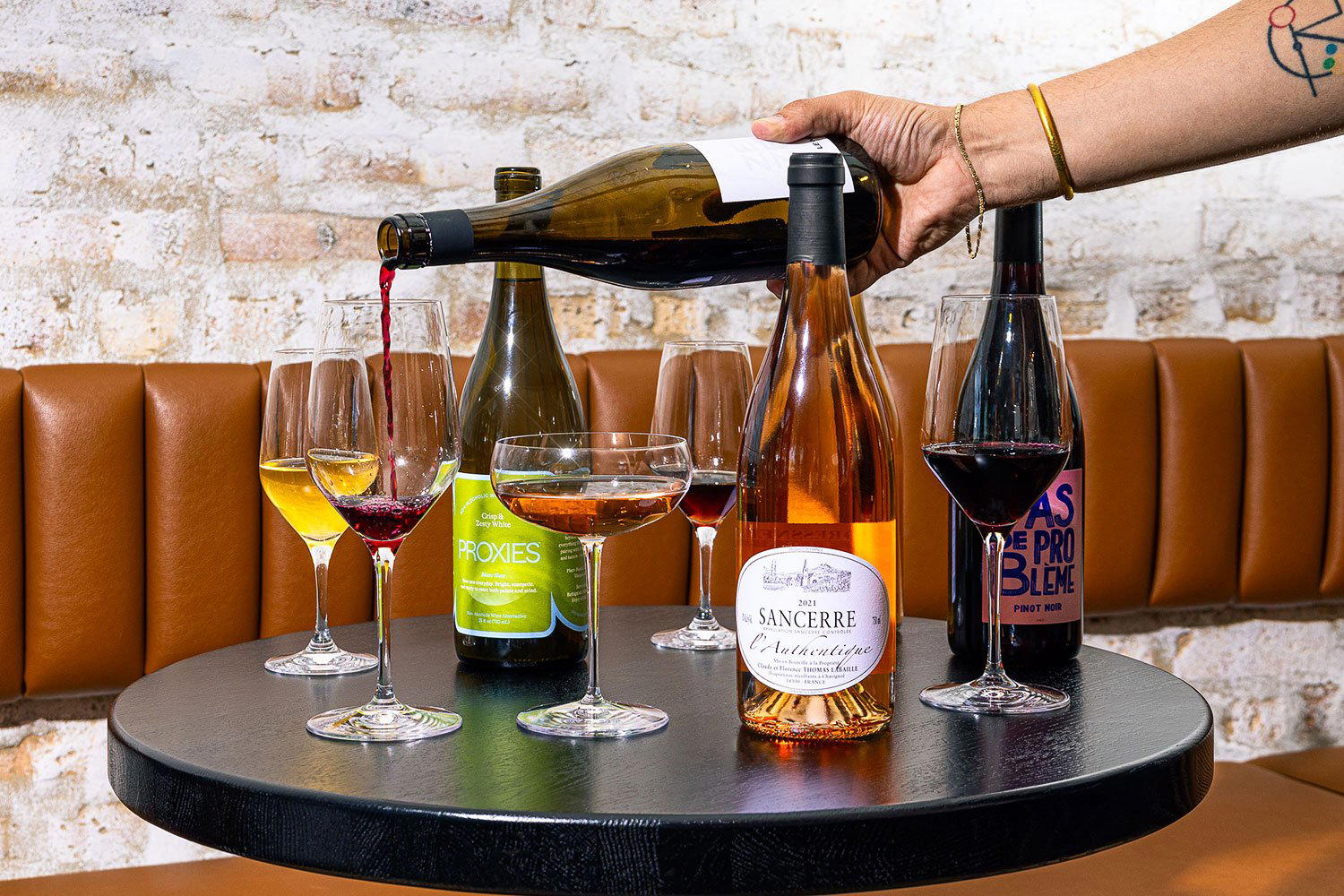
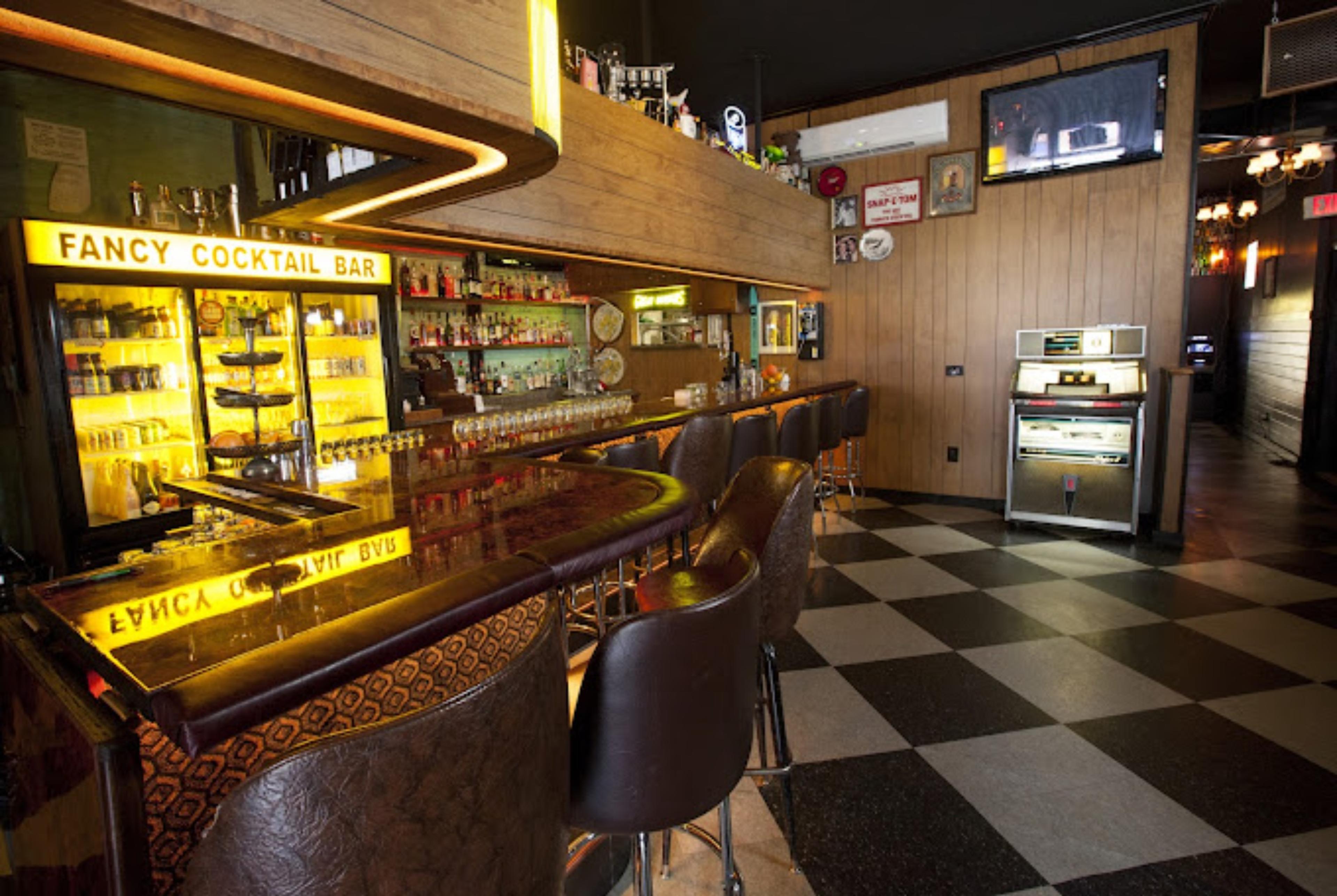
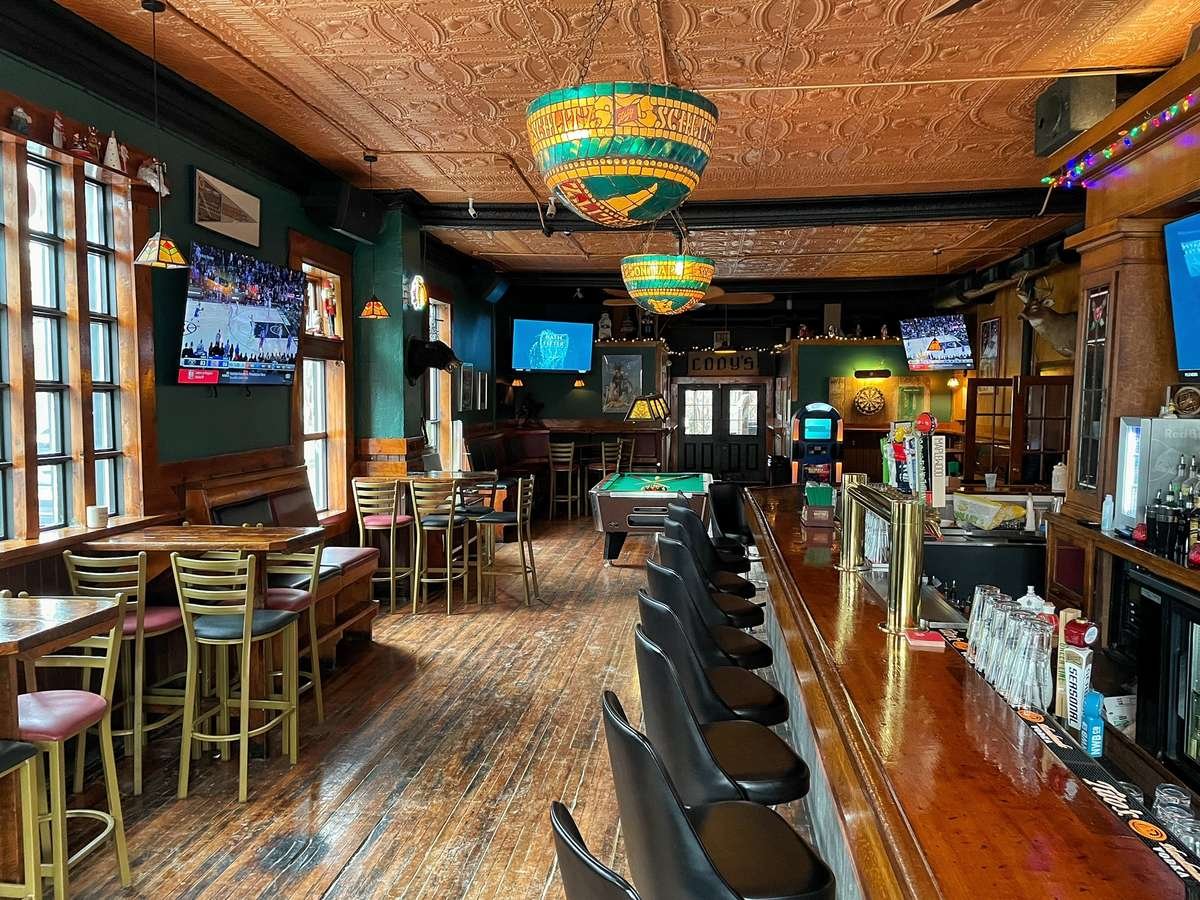
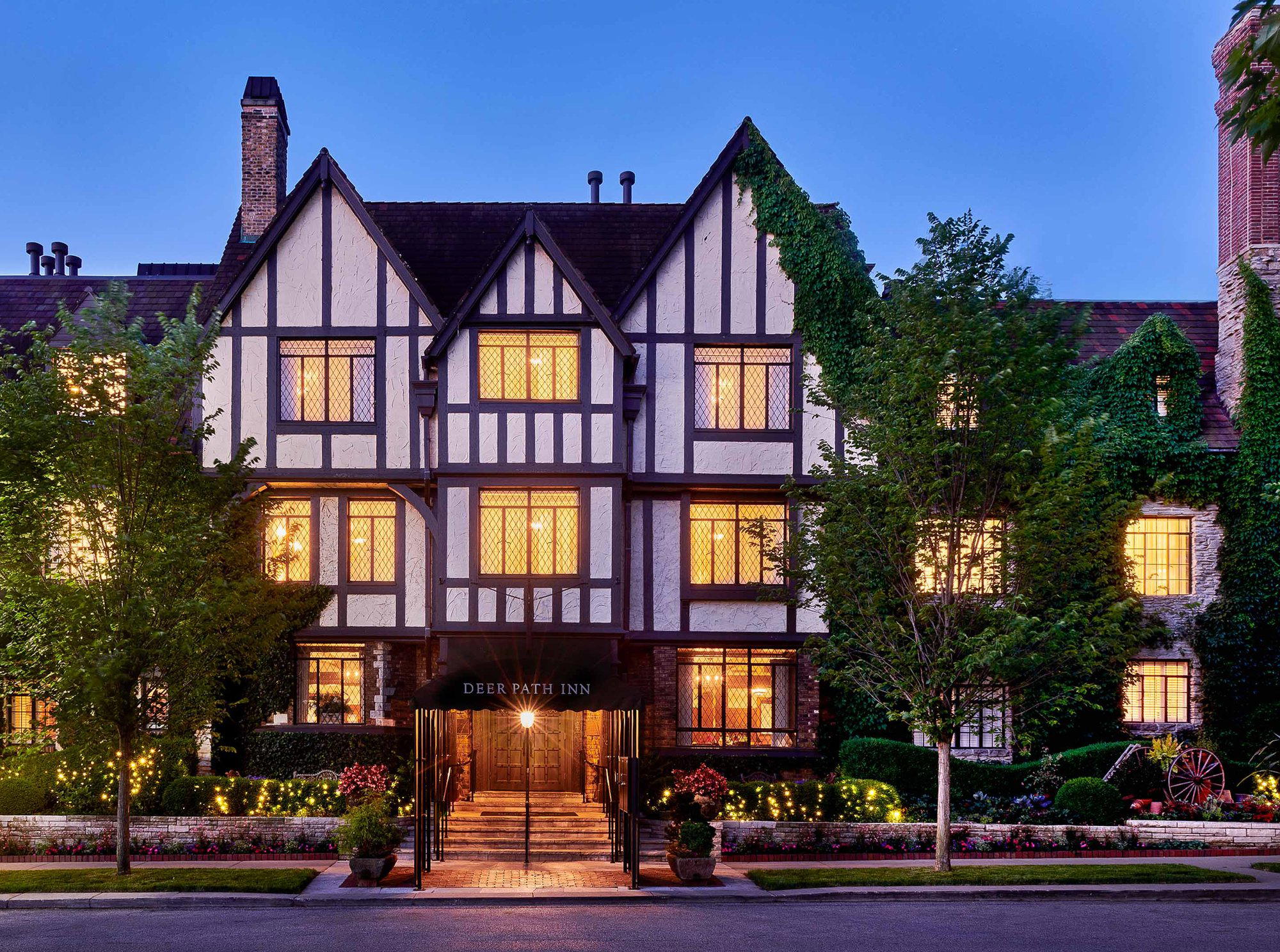
D&J Bistro
The wine
- Wine program
- Curated wine list
- Extensive wine list
Details
- Cozy
- Classic
- Elegant
- Intimate
- Date Night
- Special Occasion
- Celebration
- Open Kitchen
- Extensive Wine List
- A La Carte
- Vegetarian Friendly
- Vegan Options
- Gluten Free Options
Cozy and welcoming with typical French bistro decor, warm lighting, and a lively bar scene.