Dill


A Michelin Bib Gourmand holder on Lewes's South Street, Dill looks like a cottage tea room from the outside and delivers something far more considered within. Blackboard menus shift with the seasons, leaning on local producers and nose-to-tail cuts alongside global flavour references, from Szechuan to Spanish. At the ££ price point, it represents one of the more compelling cases for eating in East Sussex.
Pearl is the En Primeur Club membership app — saves, bookings, and concierge access live there. Same editors, same standards.
- Address
- 2 South St, Lewes BN7 2BP, United Kingdom
- Phone
- +44 1273 958930
- Website
- dilllewes.co.uk
- Directions
- Get directions
 Saves & bookings on Pearl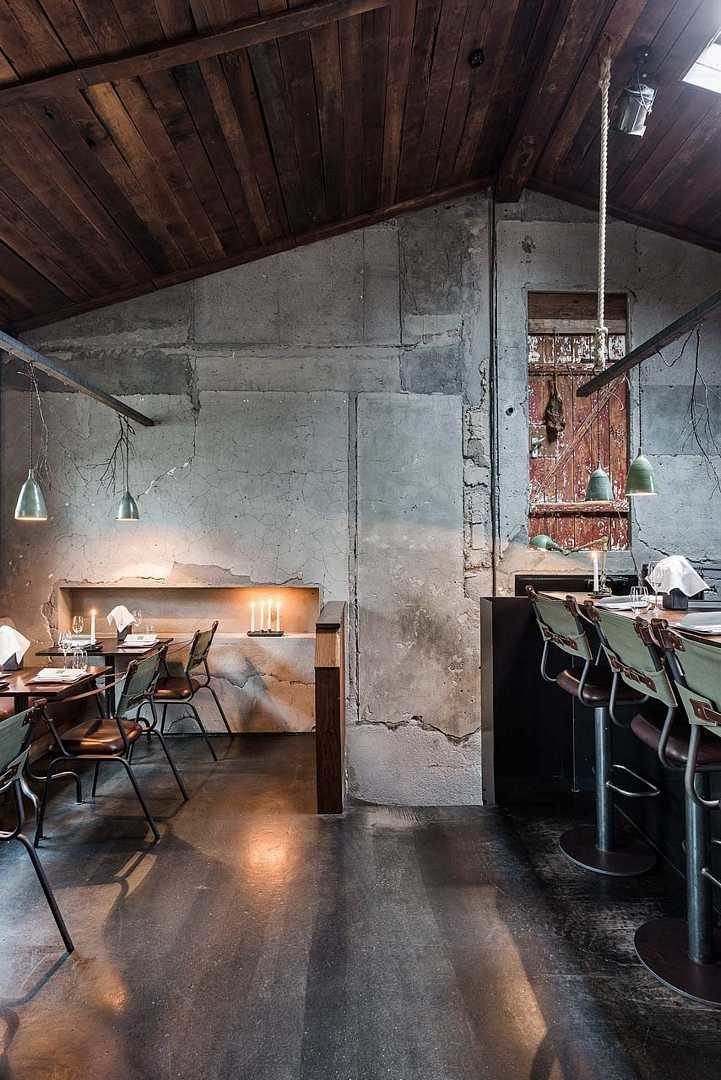
A Cottage Exterior, a Global Kitchen
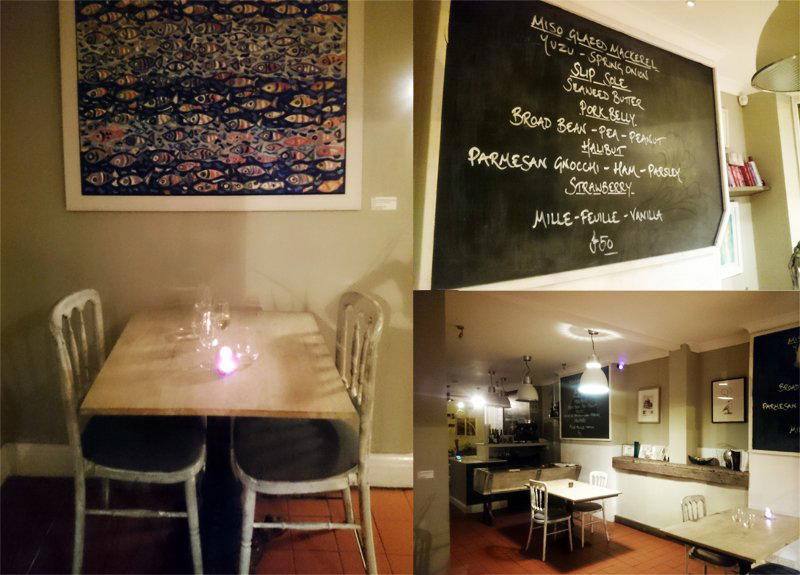
From the pavement on South Street, Dill reads as unremarkable: a compact, cottagey frontage that blends into Lewes's Georgian streetscape without announcement. Step inside and the logic of the place begins to reassert itself. The dining room is quirkily proportioned, the walls kept plain, the tables close enough together that the room accumulates warmth quickly on a busy evening. Blackboard menus replace printed cards, and that choice is not merely aesthetic. It signals a kitchen that reserves the right to change what it offers based on what has come in that day, rather than committing months ahead to a fixed list. The atmosphere is intimate in the way that only comes from a genuinely small space and a service team that has learned to match it, described in multiple accounts as knowledgeable and personable without tipping into formality.
Lewes sits at a specific intersection in the East Sussex food scene. It is not Brighton, which has scale and competition on its side, nor is it a destination village like Bray or Cartmel, where restaurants such as The Fat Duck in Bray or L'Enclume in Cartmel anchor entire visitor economies. Lewes is a market town with its own character, and Dill occupies a tier within it that the Michelin Guide has recognised with a Bib Gourmand, awarded in 2025, the guide's designation for places offering cooking of genuine quality at a moderate price. At the ££ price point, Dill sits alongside neighbourhood bistros rather than the destination fine-dining bracket occupied by venues like The Ledbury in London or Moor Hall in Aughton. The comparison that fits better is with small regional operators earning Bib recognition for ambition that exceeds their price tier, a cohort that includes places such as hide and fox in Saltwood, also in the south-east.
Where the Food Comes From
The sourcing at Dill is not incidental to the menu, it is the structural logic behind it. Local producers provide a grounding that keeps the cooking from floating loose in its global references. Parham Park venison appears on larger platters, the estate sitting roughly twelve miles north-west of Lewes in the West Sussex countryside, which means the kitchen is working with suppliers whose seasonal output shapes what goes on the board. Harvey's Imperial Stout, from the Lewes brewery that has been operating on the same site in the town since 1790, appears as a braising liquid alongside the venison, which is the kind of choice that reflects a conscious decision to root the plate in place even when the flavour palette is ranging widely.
That ranging is real, and it is worth understanding clearly. The menu does not treat local sourcing as a constraint. A dressed oyster arrives with Japanese flavouring, cured sea trout references Szechuan, a tripe stew reaches toward Spain with chorizo and morcilla. The nose-to-tail commitment runs through the snack tier, the small plates, and the larger sharing formats, with ox tongue, duck heart, and tripe all appearing in various iterations depending on what the blackboard reads on a given visit. For diners more familiar with the restrained British country-house register of somewhere like Gidleigh Park in Chagford or the heritage-inflected approach at Le Manoir aux Quat' Saisons, Dill is a different proposition entirely: looser in format, more promiscuous in reference, and operating at a fraction of the price.
The Format and How to Use It
The menu architecture is worth understanding before you arrive. Small sharing plates are split into meat, fish, and vegetable categories, typically three options each, alongside snacks at one end and larger platters at the other. This allows a table to graze across the board, or to anchor the meal around one of the bigger dishes with smaller plates as accompaniment. Pacing, across multiple accounts, runs at a sensible and steady rate, which in a room this size matters: the kitchen is not trying to turn tables fast.
The Marmite-glazed ox tongue crumpet has appeared consistently enough in accounts of the menu to register as a signature of the kitchen's thinking, combining a British pantry staple with offal in a format that is simultaneously familiar and arresting. The lobster and crab arancini, noted as rich with truffle, and the hake preparation described as carrying echoes of French haute cuisine, are representative of how the kitchen frames technique: ingredients from specific places, treated with methods drawn from wherever they fit leading. This is the same underlying logic that characterises innovative tasting-format restaurants like alla prima in Seoul or MAZ in Tokyo, though Dill operates without the tasting-menu formality or the associated price architecture.
Wine begins with house selections at £29.50 a bottle, and local beers from Harvey's and others appear on their own dedicated blackboard. For visitors planning a longer stay in the area, our full Lewes hotels guide covers accommodation options nearby, and our full Lewes bars guide maps where to continue the evening.
Lewes at the Table
The case Dill makes, implicitly and plate by plate, is that a market town in East Sussex can sustain cooking that draws on nose-to-tail ethics, named local estates, centuries-old local breweries, and kitchen techniques spanning Japan, Spain, France, and China, without those references cancelling each other out or producing something incoherent. The Michelin Bib Gourmand 2025 is an external confirmation of that argument, placing Dill in the same quality register as the guide's other regional Bib holders, even if the room, the price point, and the format remain resolutely unfussy.
For context on how Dill fits within East Sussex eating more broadly, see our full Lewes restaurants guide. Those planning around the wider county can also explore our full Lewes wineries guide and our full Lewes experiences guide for a fuller picture of what the area offers.
Dill is at 2 South Street, Lewes BN7 2BP.
A Quick Peer Check
Comparable venues nearby, for context on price, style, and recognition.
| Venue | Cuisine | Price | Awards | Notes |
|---|---|---|---|---|
| DillThis venue — the venue you are viewing | Global Seasonal Small Plates | $$$ | Bib Gourmand | Not listed |
| Limetree Kitchen | Modern European Bistro | $$$ | Not listed | Station Street |
| Bun + Bean | Vegetarian Cafe with Veggie Burgers | $$ | Not listed | Mount Pleasant |
| Erawan | Authentic Thai Bistro | $$ | Not listed | Lansdown Place |
| Jolene | Modern Italian Small Plates & Bakery | $$$ | Michelin Plate | Mildmay |
| Palmito | Ecuadorian-Indian Fusion Small Plates | $$ | Bib Gourmand | Brunswick & Adelaide |
Recognition history
Dated appearances from independent guides and award organizations, with the underlying list record or original source where available.
Michelin Bib Gourmand
Michelin
Michelin Bib Gourmand
Michelin
The Good Food Guide GFG Good
The Good Food Guide
Continue exploring
More in Lewes
Restaurants in Lewes
Browse all →
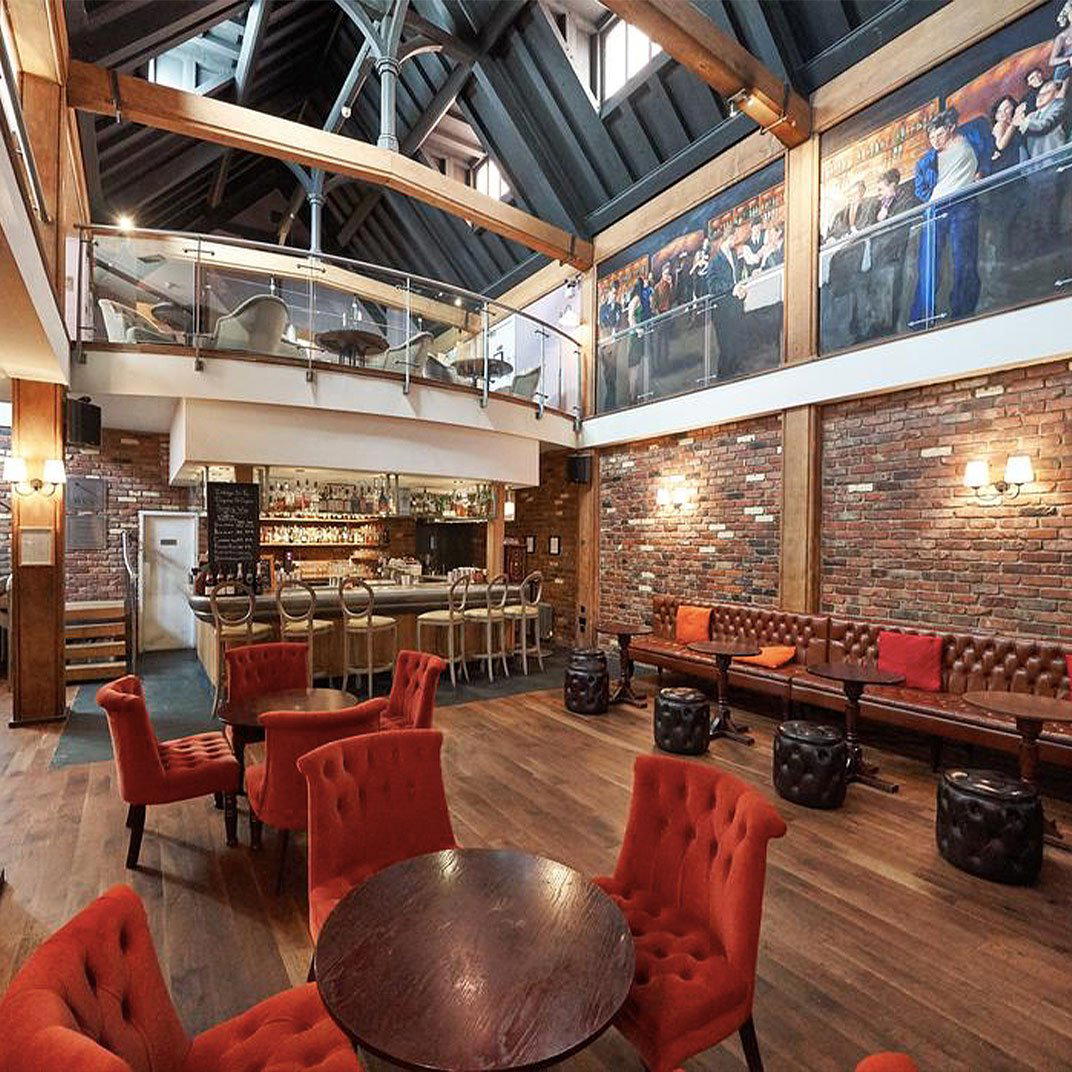
Bars in Lewes
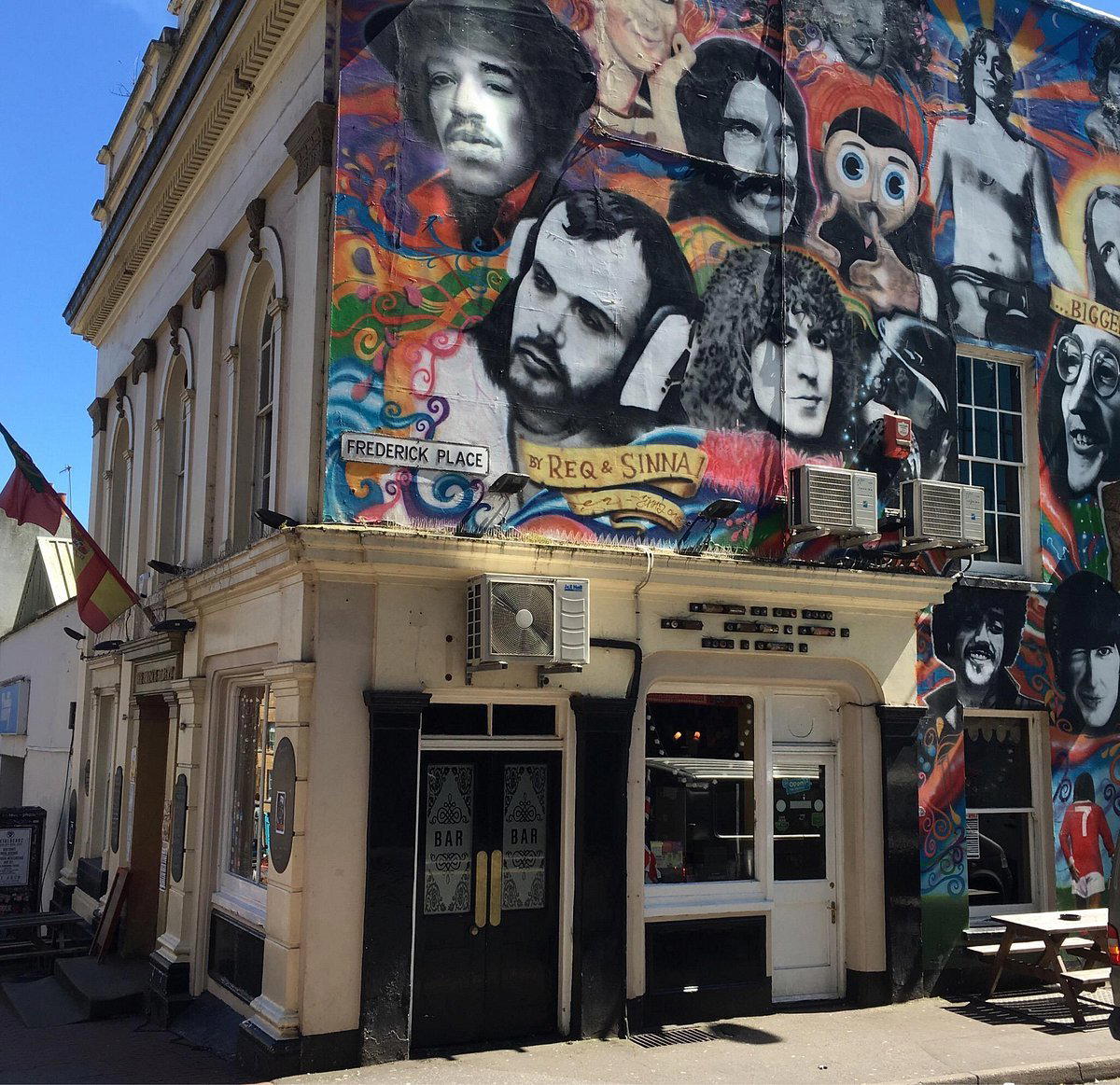
Browse all →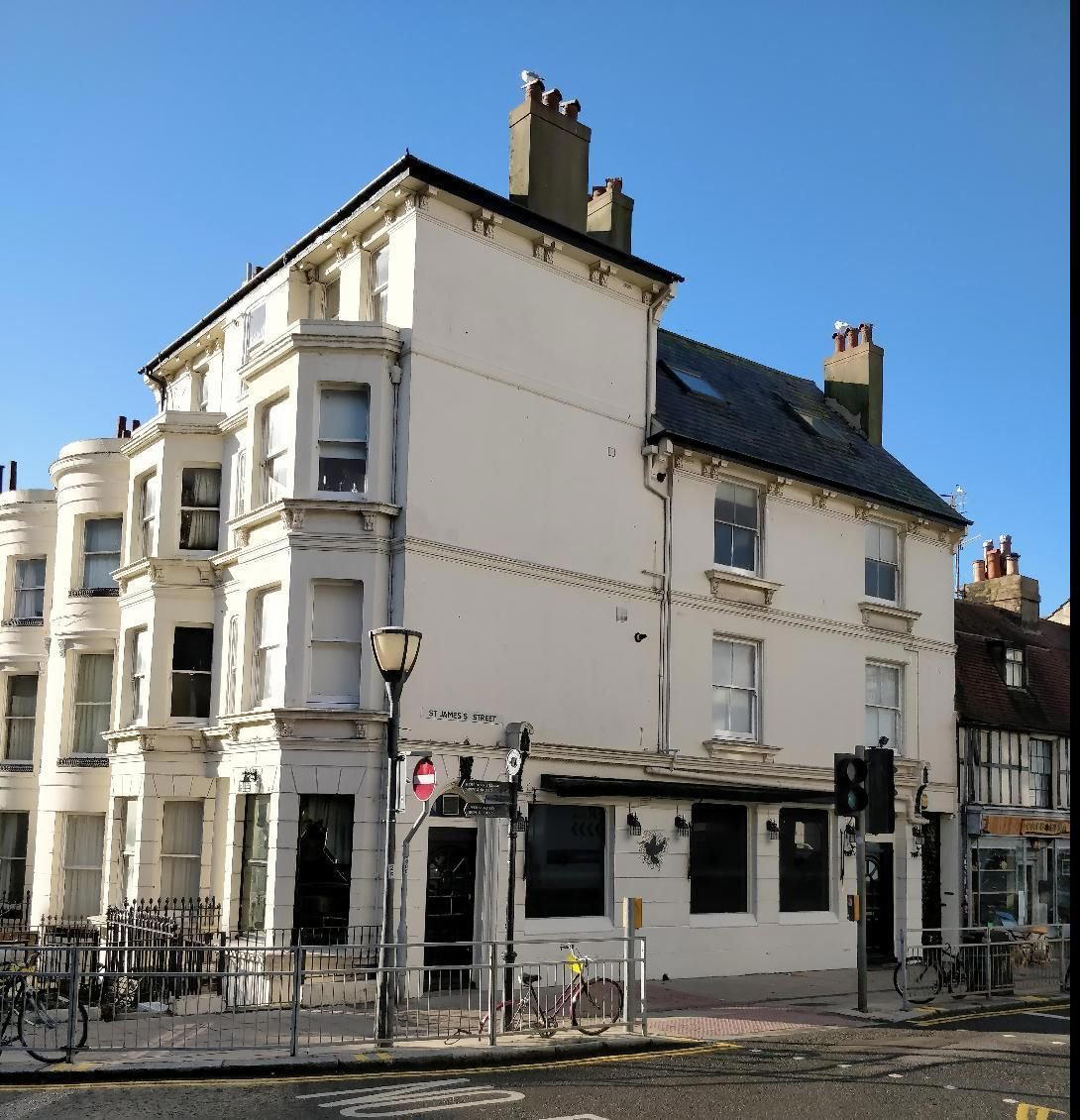
Hotels in Lewes
Browse all →
At a Glance
- Intimate
- Rustic
- Cozy
- Date Night
- Group Dining
- Celebration
- Special Occasion
- Open Kitchen
- Standalone
- Natural Wine
- Sommelier Led
- Farm To Table
- Local Sourcing
Current opening hours
- Monday
- Closed
- Tuesday
- Closed
- Wednesday
- Closed
- Thursday
- 6–9:30 PM
- Friday
- 12–3 PM, 6–9:30 PM
- Saturday
- 12–3 PM, 6–9:30 PM
- Sunday
- 12–4 PM
Hours can change for holidays and private events. Last verified .
Rustic, quirkily shaped dining room with blackboard menus and intimate, welcoming feel; simple cafe-like appearance with hard wooden chairs and minimal tableware; some guests noted lighting could be warmer and music selection inconsistent.