Deal Pier Kitchen
Deal Pier Kitchen sits at the end of Deal's Victorian pier, putting the English Channel immediately below your table. The kitchen leans into the geography, working with the coastal proximity that makes this one of Kent's more direct arguments for eating where the sea actually is. A casual, seafood-forward spot in a town with a quietly serious dining scene.
Pearl is the En Primeur Club membership app — saves, bookings, and concierge access live there. Same editors, same standards.
- Address
- Deal Pier, Beach St, Deal CT14 6HY, United Kingdom
- Phone
- +44 1304 368228
- Website
- dealpierkitchen.com
- Directions
- Get directions
 Saves & bookings on Pearl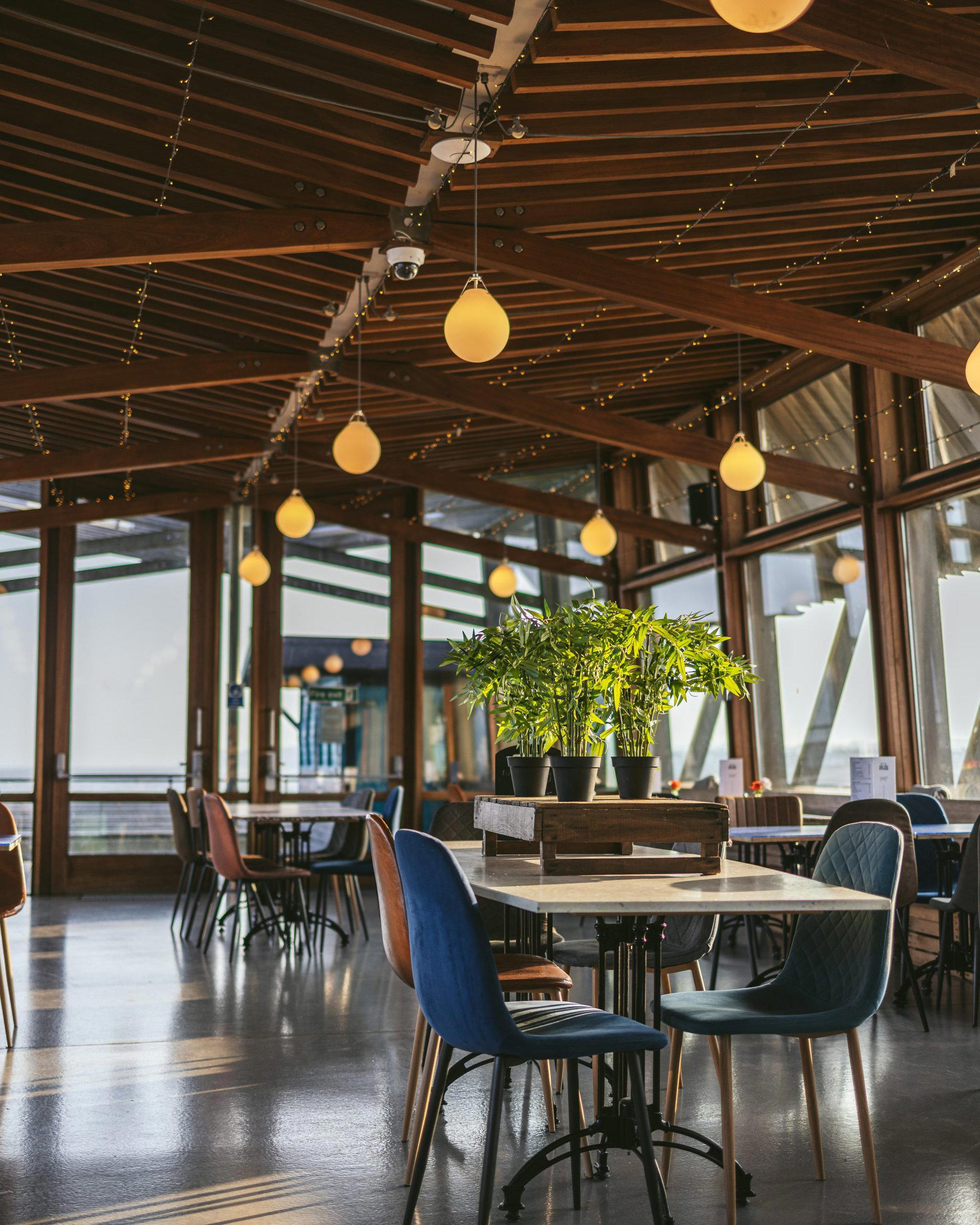
Where the Pier Ends and the Channel Begins
Deal Pier Kitchen sits at the far end of Deal Pier in Deal, Kent, with open water on three sides. On a clear day the French coast is visible. On a rough one, the spray crosses the walkway. The building itself is functional rather than grand, a low structure in keeping with the pier's post-war concrete aesthetic, but the location does the heavy lifting that no interior design budget could replicate. This is eating at sea level, in a literal sense available on the English coast.
Deal as a town occupies an interesting position in the Kent dining conversation. It sits between Dover and Sandwich on a shingle coast that has no natural harbour, which historically made it a place where boats anchored offshore and goods were rowed in. That logistical quirk shaped a town more self-contained than its neighbours, and the dining scene reflects it: a cluster of independent operators working with local supply rather than the kind of tourist-resort formula you find further along the coast. Middle Street Fish Bar handles the traditional end of the fish-and-chip register, while The Blue Pelican and Frog And Scot Bar - Kitchen occupy the more considered bistro tier. Deal Pier Kitchen sits in a different bracket entirely, defined less by cooking ambition than by physical position.
The Sourcing Argument the Location Makes Automatically
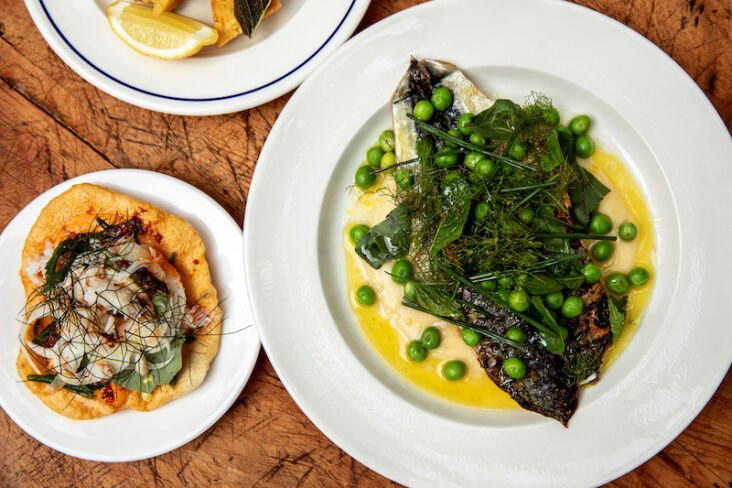
Coastal restaurants make sourcing claims constantly, but proximity to water doesn't automatically mean proximity to supply. Deal Pier Kitchen, sitting on the pier itself, is in a more defensible position than most. The waters around Deal are known for Dover sole, bass, and seasonal crab, and the English Channel at this latitude has historically supplied particularly commercially significant fish stocks in Northern Europe. The broader Kent coast feeds into Billingsgate and London wholesale markets, but local day-boat operations still land catch at nearby Dungeness and along the Thanet coast, keeping regional supply chains shorter than in many parts of the country.
The ingredient sourcing argument in British coastal dining has become more scrutinised over the past decade, partly because the gap between a restaurant's seaside location and the actual provenance of its fish is often wider than menus suggest. A venue positioned directly on the water carries an implicit sourcing proposition, the context sets an expectation that the kitchen takes seriously what the sea offers on any given day rather than running a fixed menu divorced from seasonal availability. That approach connects to a broader shift in British coastal cooking, where the strongest operations now align their menus with landing schedules and catch variation rather than standardised supplier lists.
Within Kent, Updown Farmhouse operates at the £££ tier with a regional cuisine focus that draws from the county's agricultural interior as well as the coast, demonstrating how the area's supply geography supports serious kitchen work when a venue commits to it. At the national level, the conversation about provenance-led coastal cooking is anchored by operations like hide and fox in Saltwood, which has built a Michelin-recognised program around Kent-sourced seafood with considerably more formal ambition. The restaurant operates at a different register, more accessible, less ceremonial, but the underlying sourcing logic of working with what the local waters produce is one the location reinforces by default.
The Pier Format and What It Delivers
Eating on a pier is a specific kind of experience that the British seaside has provided for well over a century, and it carries associations that are worth separating from the food itself. The format is inherently casual. Tables fill with people who have walked the pier, families on day trips, locals who treat it as an extension of the town's public space. The Channel weather sets the register more than any front-of-house decision, a cold easterly in February and a warm July afternoon produce functionally different meals from the same menu and the same kitchen.
That variability is part of the proposition. Dining at sea, even in a modest structure at the end of a Victorian pier in Kent, carries a physicality that controlled restaurant environments can't offer. The sound of water below, the movement of the structure in wind, the scale of the Channel horizon, these are not incidental details but the core reason to be here rather than eating ashore. For the visitor comparing options in Deal, the pier kitchen offers something that The Dining Club Ltd and the town's other indoor operators cannot, regardless of their cooking quality.
At the level of formal ambition, the restaurant doesn't position against Michelin-tracked British seafood destinations. It isn't competing with Waterside Inn in Bray or the technically demanding seafood programs at CORE by Clare Smyth or the tasting-menu format of L'Enclume in Cartmel. Its comparable set is the accessible coastal lunch category: plates of fresh fish eaten close to the water, priced for repeat visits, with a setting that justifies the trip on its own terms. Within that category, location is the primary differentiator, and this one is hard to argue against.
Planning a Visit
Deal is served by Southeastern trains from London St Pancras International via the high-speed service to Folkestone, then a slower connection, or directly from London Charing Cross, with journey times ranging from around 90 minutes to two hours depending on the service. Kent's wider dining circuit, including Moor Hall in Aughton, Gidleigh Park in Chagford, Hand and Flowers in Marlow, Midsummer House in Cambridge, Opheem in Birmingham, Ynyshir Hall in Machynlleth, Le Bernardin in New York City, and Lazy Bear in San Francisco illustrate how different coastal and regional dining formats operate at various points on the ambition scale, providing useful reference for what Deal's more relaxed register represents in the wider picture.
Comparable Spots, Quickly
Comparable venues nearby, for context on price, style, and recognition.
| Venue | Cuisine | Price | Notes |
|---|---|---|---|
| Deal Pier KitchenThis venue — the venue you are viewing | British Brunch & Seafood Pier Kitchen | $$ | Not listed |
| Victuals & Co | Contemporary British with European Influences | $$$ | Deal |
| Middle Street Fish Bar | Traditional British Fish and Chips | $ | Deal |
| The Blue Pelican | Japanese Fusion | $$$ | Beach Street |
| The Dining Club Ltd | British Seasonal Fine Dining | $$$ | Deal |
| Frog And Scot Bar - Kitchen | French Tapas & Small Plates | $$ | High Street, Deal town centre |
At a Glance
- Scenic
- Cozy
- Lively
- Brunch
- Casual Hangout
- Family
- Waterfront
- Open Kitchen
- Terrace
- Local Sourcing
- Waterfront
Current opening hours
- Monday
- 10 AM–4 PM
- Tuesday
- 10 AM–4 PM
- Wednesday
- 10 AM–4 PM
- Thursday
- 10 AM–4 PM
- Friday
- 9 AM–10 PM
- Saturday
- 9 AM–10 PM
- Sunday
- 9 AM–5 PM
Hours can change for holidays and private events. Last verified .
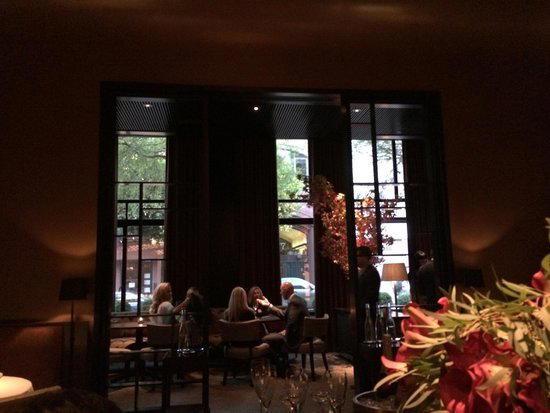
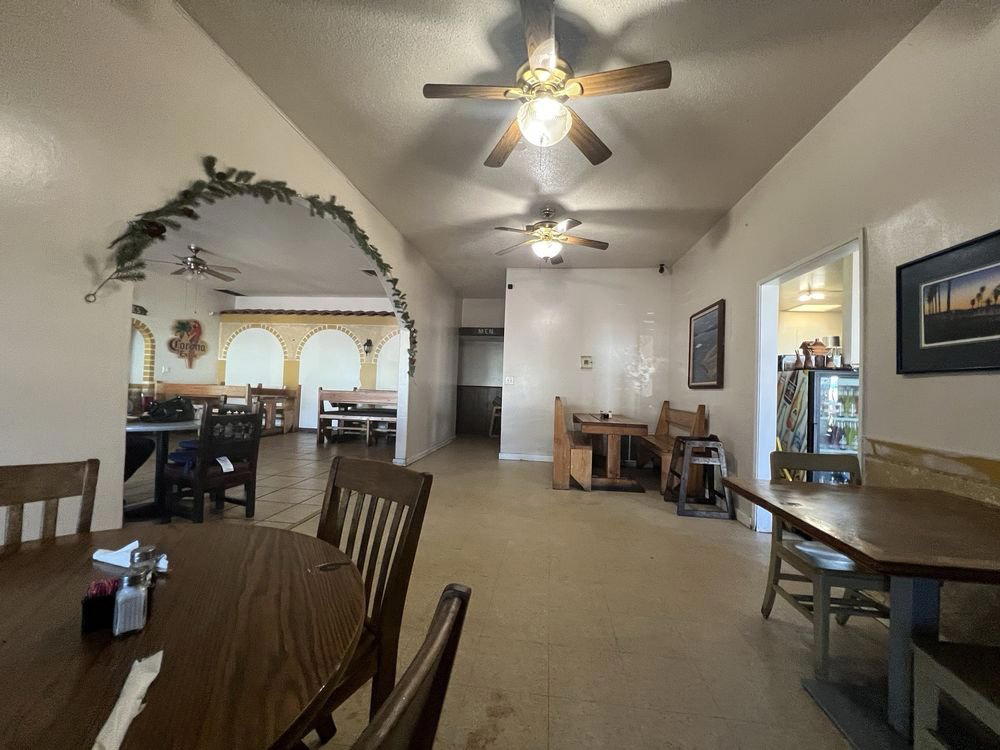
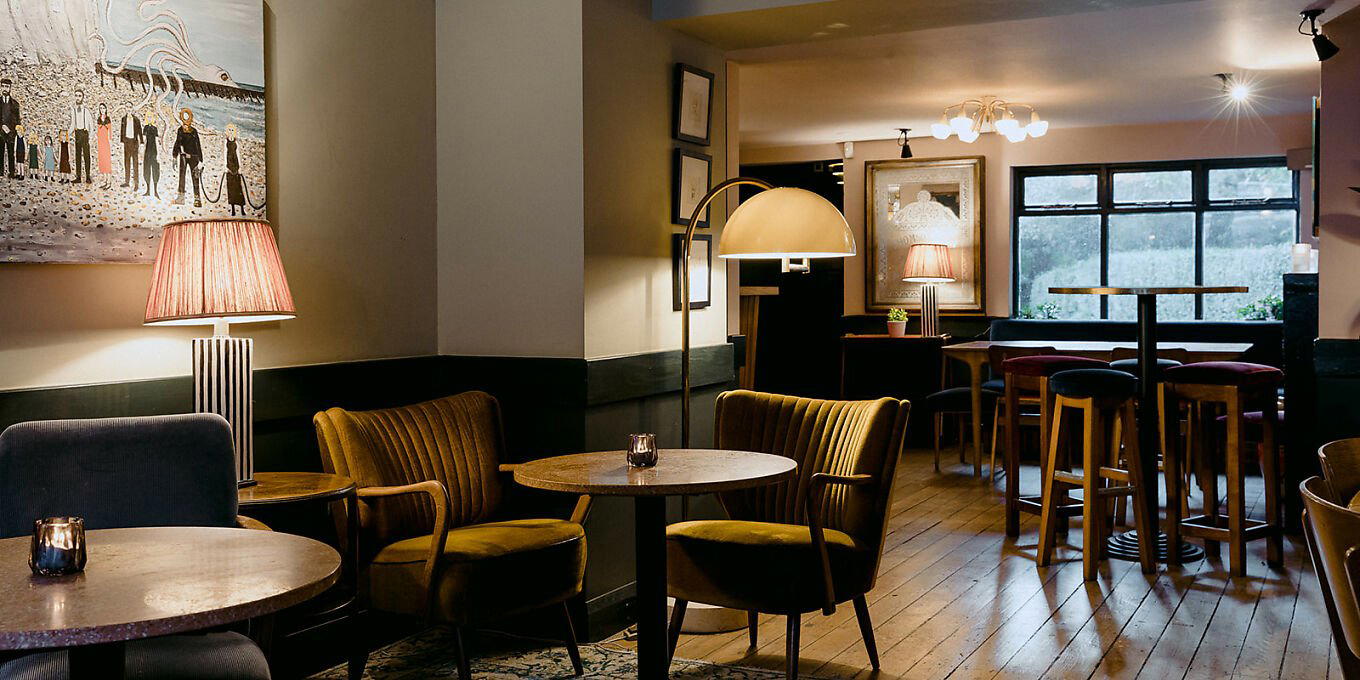
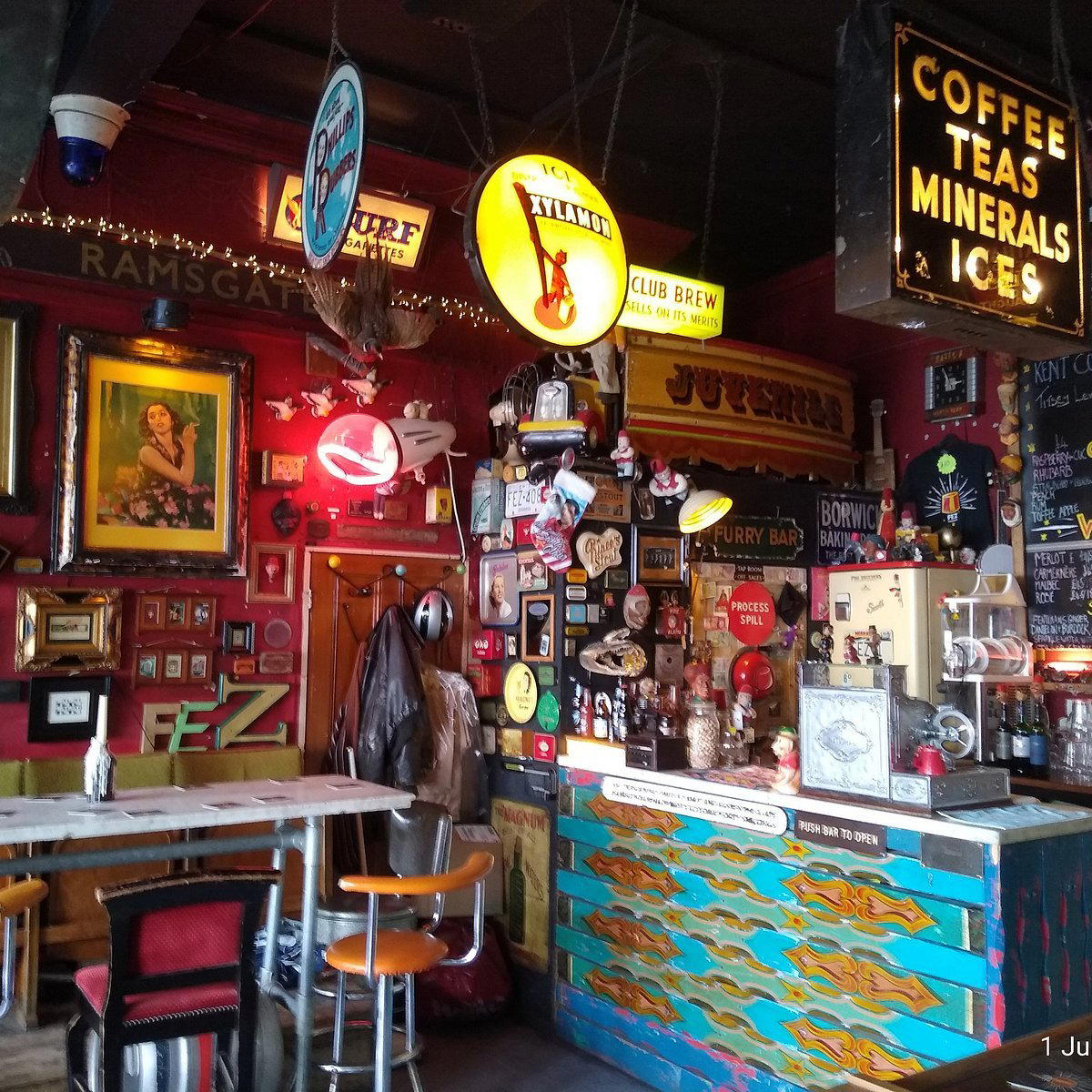
Airy, exposed-wood-clad space with ocean-green tiles, large windows overlooking the sea, and a relaxed holiday vibe.