The Blue Pelican


A beachfront Japanese-European hybrid on Deal's shoreline, The Blue Pelican opened in 2023 under chef Luke Green and has since carved an ambitious, if uneven, niche in Kent's dining scene. The drinks list alone warrants attention, spanning sake, Japanese whisky, natural wines, and cocktails. Come for the pickles, the donabe rice, and the single dessert; approach the more experimental dishes with curiosity rather than certainty.
Pearl is the En Primeur Club membership app — saves, bookings, and concierge access live there. Same editors, same standards.
- Address
- 83 Beach St, Deal CT14 6JA, United Kingdom
- Phone
- +44 1304 783162
- Website
- thebluepelican.co.uk
- Directions
- Get directions
 Saves & bookings on Pearl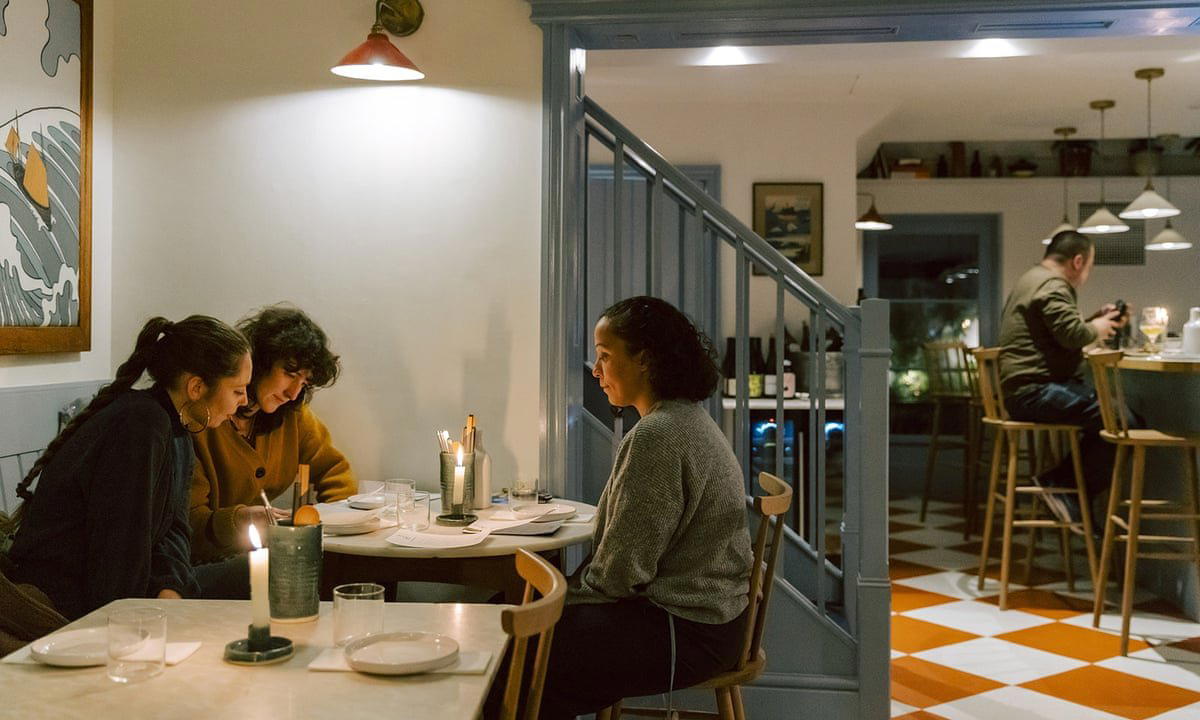
Beachfront Deal and the New-Wave Japanese Question
Deal's dining scene has grown beyond its reputation as a weekend-escape afterthought. The town sits on the Kent coast roughly midway between Dover and Sandwich, and its high street and shoreline have attracted a generation of operators more interested in provenance and technique than in easy crowd-pleasing. Updown Farmhouse anchors the regional end of that spectrum; The Blue Pelican, at 83 Beach Street, occupies the opposite pole. It is a restaurant that has positioned itself at the intersection of new-wave Japanese cooking and European flavour logic, a combination that has become a recognisable format in British cities but remains unusual for a coastal Kent town of this size.
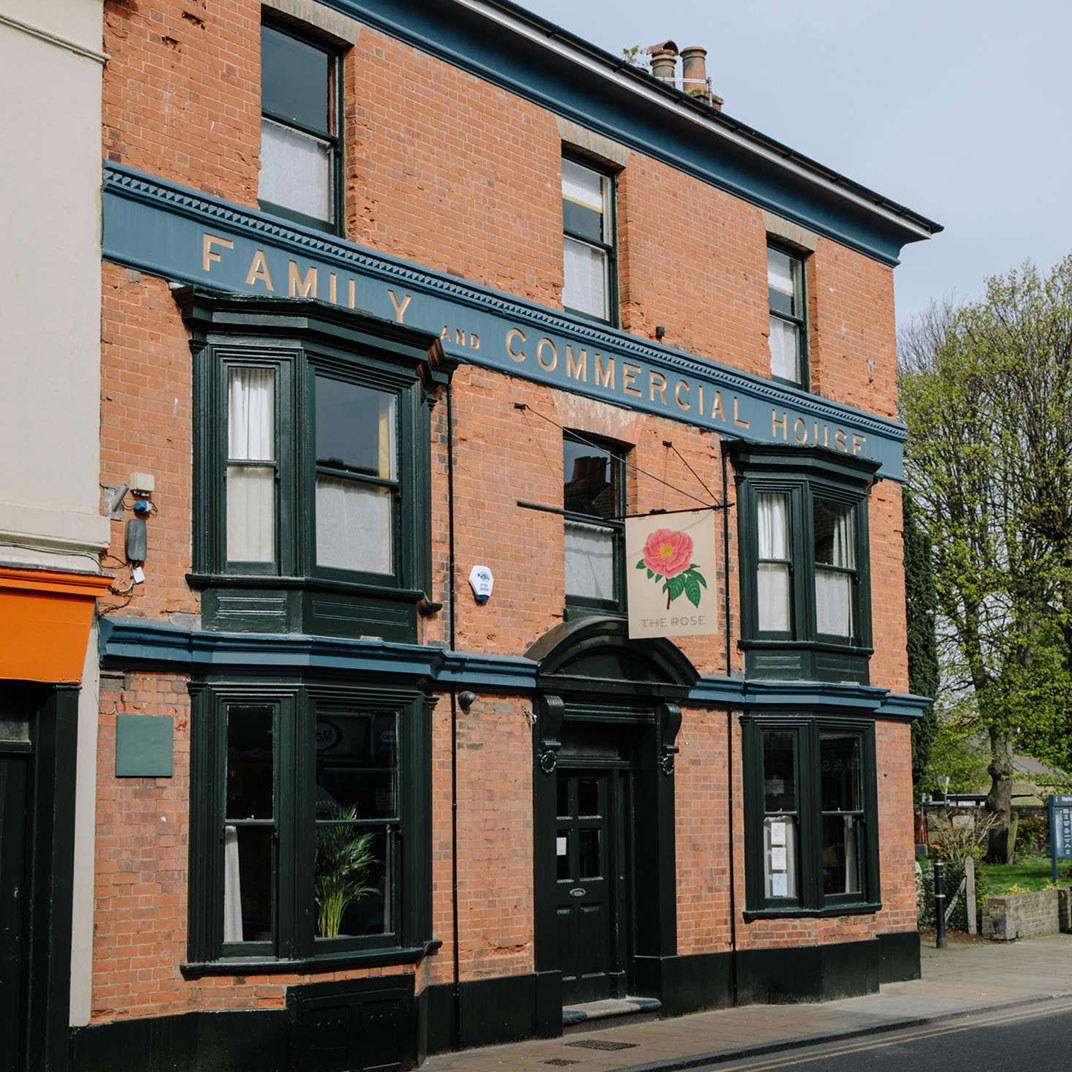
The address matters. Beach Street runs parallel to the shingle, and approaching The Blue Pelican on a grey afternoon, sea light flat, the sound of water audible through the glass, sets expectations that the menu then complicates in interesting ways. This is not a fish-and-chip beachfront operation. The room sits alongside a related venue, The Rose on Deal's High Street.
Ingredient Logic in a Japanese-European Kitchen
New-wave Japanese cooking in Britain has generally taken one of two approaches to sourcing. The first stays rigidly loyal to Japanese produce, imported kombu, specific domestic Japanese rice varieties, specialist fermented pastes, treating provenance as a kind of authenticity signal. The second treats Japanese technique as the organising principle while drawing ingredients from wherever the quality is highest, which in a Kent context often means the surrounding countryside and coastline. The Blue Pelican reads as the latter, and that choice has real consequences for what lands on the table.
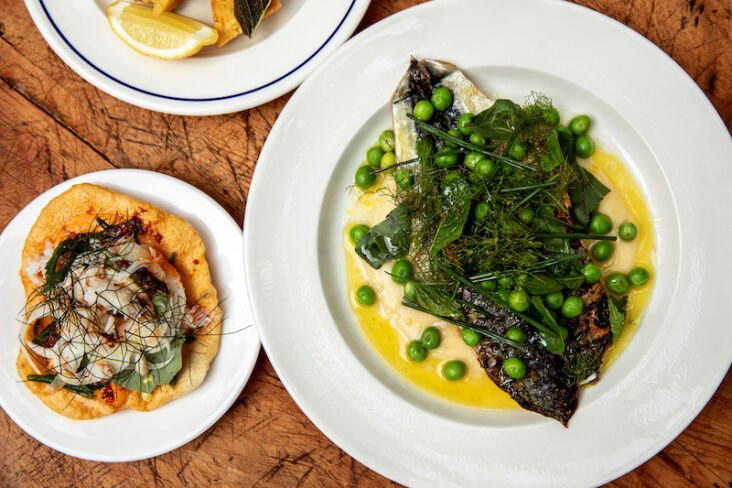
The clay-baked donabe rice bowl with golden beetroot and rainbow chard is a reasonable illustration of this logic: donabe is a Japanese earthenware cooking vessel associated with slow, retained heat, but the vegetables filling it here are English allotment staples rather than Japanese imports. The same principle applies to the white kombu used in the grilled leek hearts dish, kombu is a cornerstone of Japanese dashi culture, but its pairing with leek hearts gestures toward an English kitchen garden. Pickles and ferments, which have received consistent positive reports, sit comfortably across both traditions: the Japanese fermentation canon and the growing British revival of lacto-fermentation share enough technical common ground that the fusion feels less like a conceptual statement and more like a practical kitchen choice.
Pork katsu with bitter leaves and sesame dressing has drawn good notices, and it is instructive as a dish type: katsu in Japan is typically panko-fried cutlet served with a sweet-savoury sauce, but the bitter leaves and sesame dressing push it toward a European composed salad structure. When the kitchen controls seasoning carefully, dishes of this kind can genuinely advance an argument for the format. The problem is that over-salting has become a recurring liability. A kurumi tofu that arrived as a dense, over-salted block, and a grilled leek hearts dish that felt heavy despite a light description, suggest that the kitchen's ambition is currently running ahead of its consistency.
The Drinks List as a Separate Argument
Whatever reservations apply to parts of the food menu, the drinks list at The Blue Pelican deserves credit as a coherent editorial statement in its own right. In a county where wine lists tend to default to safe European labels and cocktail programs rarely go beyond standard aperitifs, this list spans sake, Japanese whisky, natural wines from England and Europe, and cocktails built around a similar experimental sensibility to the food. English natural wine has grown quickly as a category over the past decade, with producers in Kent, Sussex, and Hampshire among the more credible practitioners; a restaurant on the Kent coast that includes them on the list is making a localist argument through its drinks as much as through its food.
Sake and Japanese whisky sit alongside natural wine without the incongruity you might expect, partly because all three categories share an emphasis on process transparency and producer identity rather than brand recognition. For a table uncertain about food choices, the drinks list alone provides a reliable anchor point.
What the Menu Currently Offers
The menu is relatively short. Among the dishes that have drawn consistent approval: the cucumber and seaweed salad, the steamed rice, and the pork katsu. The donabe rice bowl has received good reports. The pickles and ferments have been praised across multiple accounts. The sole dessert option is a set custard with chestnut cream, a single choice that functions either as confident restraint or as a gap in the menu, depending on your expectations.
Service has been described as warm and knowledgeable, which in a restaurant of this type matters more than usual: a menu that combines Japanese fermentation logic with European vegetable cookery benefits from floor staff who can explain the intent without over-selling it.
Context: Where The Blue Pelican Sits in the Wider Picture
The ambition visible in the restaurant's format is easier to appreciate when measured against the regional and national comparable set. Restaurants like hide and fox in Saltwood represent the kind of Kent-adjacent fine dining that prioritises precision and restraint; further north, The Ledbury in London, Moor Hall in Aughton, and L'Enclume in Cartmel anchor the upper register of ingredient-led British cooking. None of them are doing what the restaurant is attempting. For European-Japanese fusion at the more technically accomplished end of the spectrum, Le Bernardin in New York City and Opheem in Birmingham offer a reference point for how confidently cross-cultural cooking can land when execution is reliable. The gap between the restaurant's concept and those reference points is not a question of vision, it is a question of consistency, which is fixable.
The restaurant opened in 2023, and the trajectory since then has been uneven as the kitchen calibrates an ambitious format. The experimentation that drew praise initially has, by some accounts, drifted toward excess; the more grounded dishes remain compelling evidence of what the kitchen can do when it holds its nerve.
Planning a Visit
Blue Pelican is located at 83 Beach Street, Deal CT14 6JA. Booking ahead is advisable, particularly on weekends. The drinks list is especially strong in the evening. With a short menu, a conversation with the restaurant at the time of booking is worth the effort.
A Quick Peer Check
Comparable venues nearby, for context on price, style, and recognition.
| Venue | Cuisine | Price | Notes |
|---|---|---|---|
| The Blue PelicanThis venue — the venue you are viewing | Japanese Fusion | $$$ | Not listed |
| The Blue Pelican | Japanese-inspired izakaya with natural wine | $$$ | Deal seafront |
| Victuals & Co | Contemporary British with European Influences | $$$ | Deal |
| Frog And Scot Bar - Kitchen | French Tapas & Small Plates | $$ | High Street, Deal town centre |
| Deal Pier Kitchen | British Brunch & Seafood Pier Kitchen | $$ | Deal Pier |
| The Dining Club Ltd | British Seasonal Fine Dining | $$$ | Deal |
Recognition history
Dated appearances from independent guides and award organizations, with the underlying list record or original source where available.
SquareMeal UK Top 100 Restaurants #85
SquareMeal
The Good Food Guide GFG Good
The Good Food Guide



At a Glance
- Intimate
- Modern
- Cozy
- Elegant
- Date Night
- Special Occasion
- Chefs Counter
- Open Kitchen
- Waterfront
- Natural Wine
- Craft Cocktails
- Local Sourcing
- Waterfront
- Street Scene
Current opening hours
- Monday
- Closed
- Tuesday
- Closed
- Wednesday
- Closed
- Thursday
- 12–2:30 PM, 5:30–8:30 PM
- Friday
- 12–2:30 PM, 5:30–8:30 PM
- Saturday
- 12–2:30 PM, 5:30–8:30 PM
- Sunday
- 12:30–3:30 PM
Hours can change for holidays and private events. Last verified .
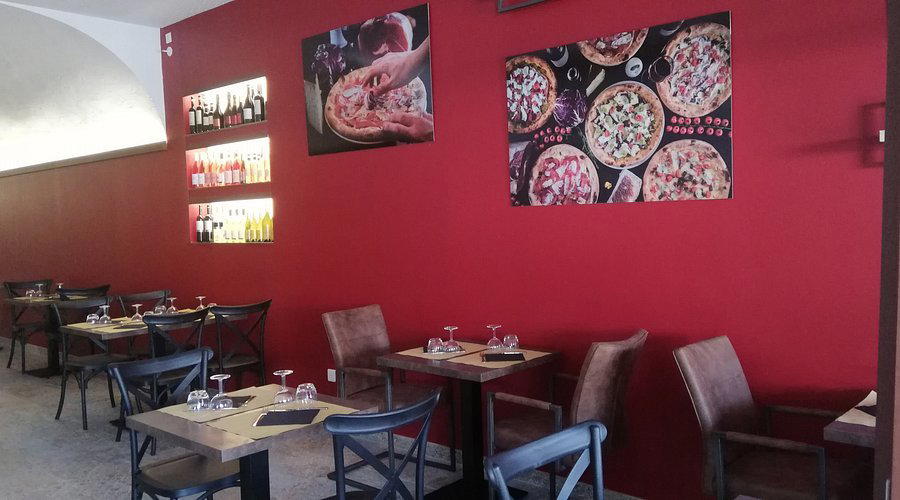
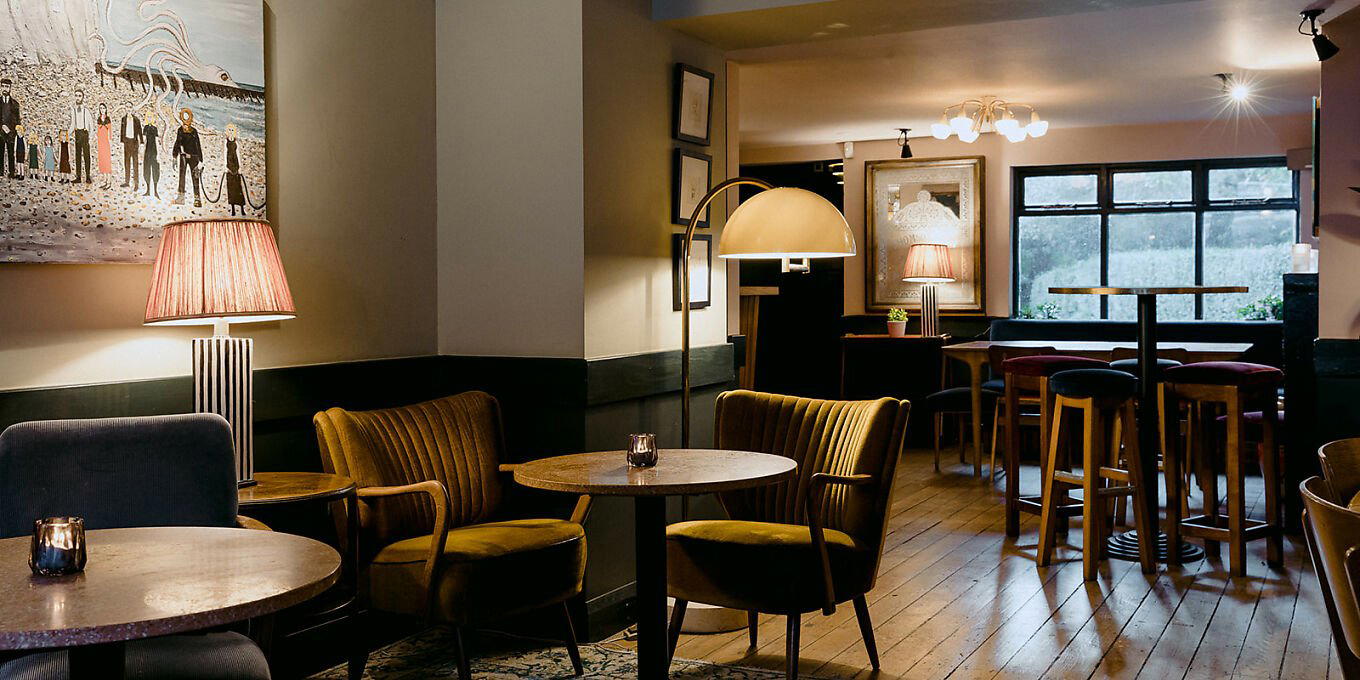
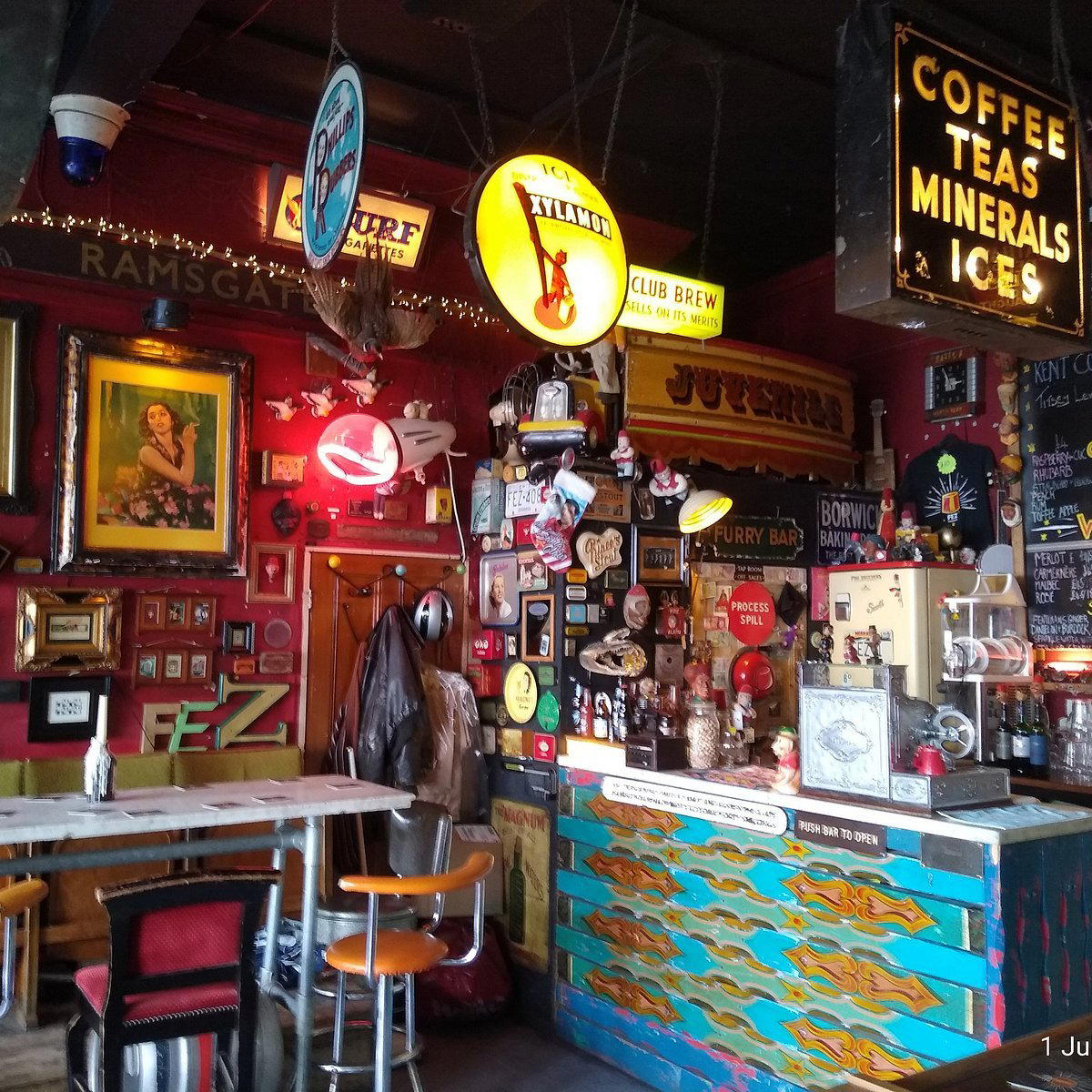
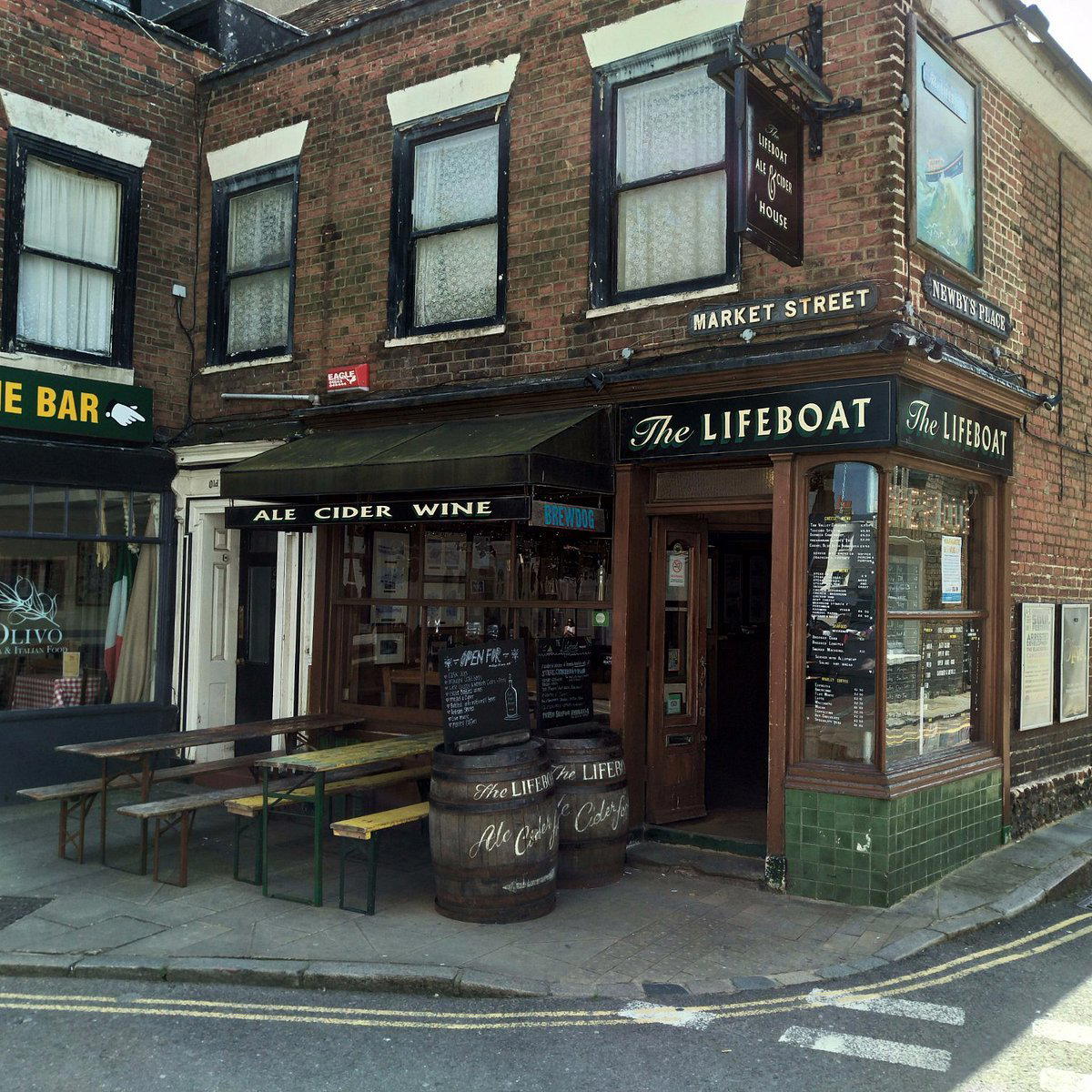
Bright, chequered-floored dining area with a serene seaside feel, close-quarters chef’s counter buzz, and relaxed welcoming atmosphere.