De. Wan 1958 (Taman U Thant)

Michelin Bib Gourmand
Our verdict
De. Wan 1958 holds back-to-back Michelin Bib Gourmand recognition (2024 and 2025) and occupies The Linc on Jalan Tun Razak, bringing Chef Wan's large-format Malaysian cooking to a cheerful, high-energy room. The menu pivots around bold tropical flavours, kerabu-dressed pomelo salad, crispy prawn cheeks, and a dedicated bakar section of BBQ meats and seafood served with the chef's own sauces.

Pearl is the En Primeur Club membership app, where members save venues, book tables and use the concierge.
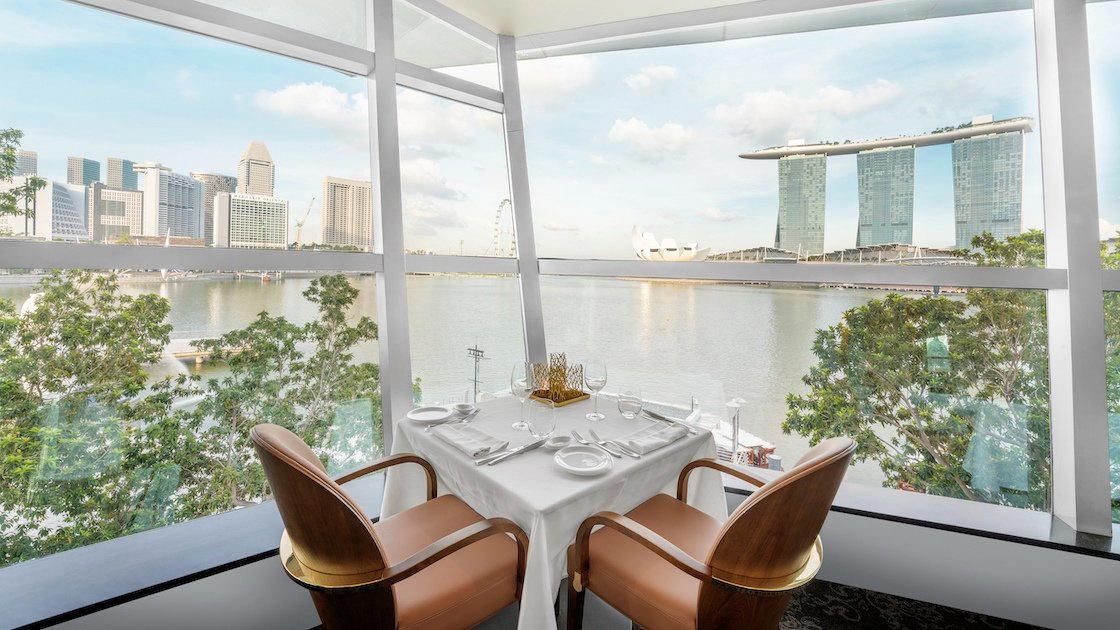
The menu
What to order
- Pomelo salad
- Satay
- Beef rendang
- Nasi pandan delima
Occasion Cooking at The Linc: What De. Wan 1958 Gets Right About Celebrating with Malaysian Food
Certain rooms announce themselves before the food arrives. At De. Wan 1958 inside The Linc on Jalan Tun Razak, the energy is legible from the entrance: colour, noise, tables sized for groups, and a pace that signals this is a place where people come to mark something. That character is not incidental. It reflects a deliberate positioning in Kuala Lumpur's mid-to-upper Malaysian dining tier, the $$$ bracket where the cooking is taken seriously, the portions are built for sharing, and the occasion is assumed rather than apologised for.
Kuala Lumpur's Michelin-listed Malaysian restaurants now occupy a range of formats and price points. At one end, single-starred operations like Beta work at the $$$ level with more restrained, considered plating. At the other, Dewakan operates at $$$$ with a tasting-menu structure that draws on indigenous Malaysian ingredients through a fine-dining lens. De. Wan 1958 sits in the middle of that spectrum in terms of price, but occupies a distinct lane in terms of format: generous plates, tropical-forward flavour profiles, and a room calibrated for celebration rather than contemplation.
The Bib Gourmand Signal and What It Means Here
Michelin's Bib Gourmand category rewards good cooking at moderate prices, it is explicitly not a consolation prize for restaurants that didn't reach star level, but a recognition of a different proposition. De. Wan 1958 has held the designation in both 2024 and 2025, which matters for a specific reason: two consecutive years of recognition indicates consistency, not a single strong inspection cycle. In KL's competitive Malaysian dining scene, that kind of sustained Michelin attention at the $$$ tier places De.
For diners calibrating against similar options, the Bib Gourmand here functions as a useful pricing anchor. You are paying more than at a hawker stall or kopitiam, but the increment buys a full-service room, a chef with national profile, and a cooking register that can credibly anchor a birthday dinner or a family reunion without anyone feeling underdressed or over-ceremonialised.
The Menu as a Frame for Group Occasions
Malaysian celebration food has always been built around abundance and sharing, and the menu structure at De. Wan 1958 follows that logic. The kerabu pomelo salad with crispy prawn cheeks and a kerabu lime dressing spiked with fish sauce is the kind of opener that resets the palate and sets the register: bright acidity, crunch, the saline depth that defines kerabu as a category. It functions well as a shared first course because the components distribute easily and the flavour is assertive enough to land across a table.
The bakar section, grilled and BBQ meats and seafood, represents the main event, and the format is structurally well-suited to group dining. Protein choice followed by sauce selection creates a degree of personalisation without fragmenting the table into separate individual meals. BBQ as a cooking method also has specific cultural weight in Malaysian festive contexts: open-fire or charcoal cooking signals occasion and effort in a way that a stir-fry does not. The portion sizes, described as large enough for sharing, mean that over-ordering is likely and desirable, the table fills up, dishes overlap, and the meal acquires the texture of a feast rather than a set of individual decisions.
That architecture matters when you are choosing a restaurant for a milestone meal. The leading occasions at restaurants tend to happen when the format supports communal behaviour rather than requiring guests to suppress it. De. Wan 1958's structure, shared starters, protein-forward mains, large plates, creates the conditions for that kind of table.
Taman U Thant and The Linc: Reading the Location
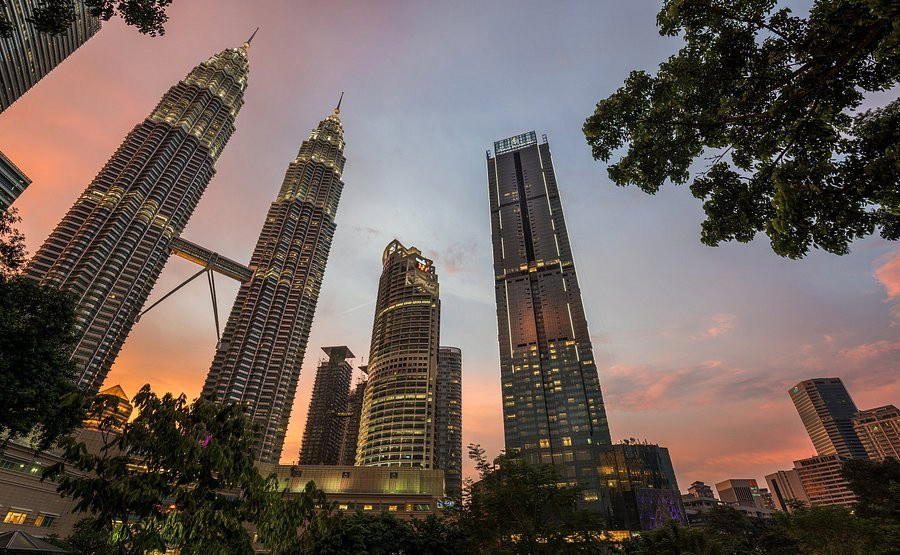
The Taman U Thant area sits adjacent to the diplomatic corridor along Jalan Tun Razak, a stretch that has historically housed embassies and international organisations. The Linc, as a development, draws on that neighbourhood's relative calm and its slightly removed position from the KLCC core. For occasion dining, location carries practical weight: it is easier to arrive without the ambient stress of KLCC parking, and the neighbourhood's lower foot-traffic density means the surrounding area doesn't compete aggressively with the meal itself.
For diners comparing across the city's Malaysian restaurant landscape, from Akar to Anak Baba to the more casual end represented by Ah Hei Bak Kut Teh, The Linc location positions De. Wan 1958 as accessible without being central, which suits the occasion-dining use case: a destination in its own right rather than a stop on a broader evening circuit.
Chef Wan in Context
Chef Wan's profile in Malaysian food culture extends well beyond the restaurant. As a public figure who has shaped how Malaysian cooking is represented on television and in print over several decades, his name carries a specific kind of cultural authority: it signals that the food here is rooted in genuine tradition rather than trend-chasing. That credential functions differently from, say, a lineage claim in Tokyo's omakase market or a Burgundy-trained winemaker in Napa. It speaks to a domestic audience who already has a strong prior relationship with the brand, and to international visitors for whom the name contextualises the cooking as authoritative Malaysian rather than a generic pan-Asian hybrid.
For occasion diners, that cultural legibility matters. Celebrating something at a restaurant where the culinary identity is clear and the reference point is a name with real cultural standing adds a layer of meaning that a generic fine-dining address cannot replicate.
Malaysian Cooking in the Broader Diaspora
The flavour register at De. Wan 1958 sits within a broader Malaysian culinary tradition that has been gaining attention internationally. Restaurants like Fiz in Singapore and Azalina's in San Francisco represent how Malaysian cooking translates into other markets, each adapting the tropical-forward, herb-intensive, and often intensely saline flavour profile to local contexts. Further afield, GaGa in Glasgow and Food Terminal in Atlanta demonstrate the range of formats through which Malaysian food reaches international diners. Within Malaysia itself, regional expressions of similar traditions appear at places like Auntie Gaik Lean's Old School Eatery in George Town, Bee See Heong in Seberang Perai, and The Planters at The Danna in Langkawi, each working within a different geographic and cultural register. Communal Table by Gēn in George Town takes yet another angle on the tradition. Against that breadth, De. Wan 1958's Kuala Lumpur expression, large-format, celebration-oriented, rooted in the cooking of a nationally recognised figure, represents a specific and coherent position.
Planning a Visit
De. Wan 1958 is located at The Linc, 360 Jalan Tun Razak, Taman U Thant, which places it within easy reach of KLCC and the Ampang Park area. The $$$ price point makes it a reasonable anchor for a celebration meal without requiring the kind of per-head commitment that a $$$$-tier tasting menu demands. The room's energy and format suit groups better than couples seeking quiet intimacy, and the large-plate structure means that bringing four or more diners produces a more representative meal than dining as a pair. For broader context on where De. Wan 1958 fits within the city's full dining picture, see our full Kuala Lumpur restaurants guide, alongside resources covering hotels, bars, wineries, and experiences across the city.
Frequently asked questions
Where is De. Wan 1958 (Taman U Thant) located?
De. Wan 1958 (Taman U Thant) is located at The Linc, 360, Jln Tun Razak, Taman U Thant, 50400 Kuala Lumpur, Wilayah Persekutuan Kuala Lumpur, Malaysia, Kuala Lumpur.
What awards or recognition does De. Wan 1958 (Taman U Thant) have?
De. Wan 1958 (Taman U Thant) has received recognition including: Sunny and cheerful like the local celebrity Chef Wan, the room is inviting and bustling. Similarly, the food is guaranteed to lift your spirits with big tropical flavours. Whet your appetite with pomelo salad with crispy prawn cheeks in ker….
What's the signature dish at De. Wan 1958 (Taman U Thant)?
Two dishes anchor the menu. The pomelo salad with crispy prawn cheeks in kerabu lime dressing and fish sauce is the recommended opener. For mains, the bakar bakar section, grilled meats and seafood served with a selection of Chef Wan's sauces, is the format the kitchen is built around. Portions are sized for sharing, which aligns with the $$$ price tier and the Bib Gourmand recognition the restaurant has held in both 2024 and 2025.
What's the cuisine at De. Wan 1958 (Taman U Thant)?
De.
Is De. Wan 1958 (Taman U Thant) expensive?
Pricing at De. Wan 1958 (Taman U Thant) is listed as $$$.
Reputation Context
| Venue | Cuisine | Price | Awards | Notes |
|---|---|---|---|---|
| De. Wan 1958 (Taman U Thant)This venue (the venue you are viewing) | Modern Malaysian | $20–30 | Michelin Bib Gourmand | Not listed |
| Dewakan | Modern Malaysian Fine Dining | $150–200 | 2 Michelin Stars · World's 50 Best #62 | Malaysian |
| Beta | Modern Malaysian Fine Dining | $100–150 | 1 Michelin Star · La Liste Top Restaurants | Malaysian |
| Molina | Avant-Garde European Fine Dining | $150–200 | 1 Michelin Star | Innovative |
| DC. by Darren Chin | French Contemporary Fine Dining | Not listed | 1 Michelin Star · La Liste Top Restaurants | French Contemporary |
| Ah Hei Bak Kut Teh | Traditional Herbal Bak Kut Teh | $10–20 | Michelin Bib Gourmand | Malaysian |
Recognition history
Dated appearances from independent guides and award organizations, with the underlying list record or original source where available.
Michelin Bib Gourmand
Michelin
Full recognition history (3 entries)
Michelin Bib Gourmand
Michelin
Michelin Bib Gourmand
Michelin
Continue exploring
More in Kuala Lumpur
Restaurants in Kuala Lumpur
All restaurants in Kuala Lumpur →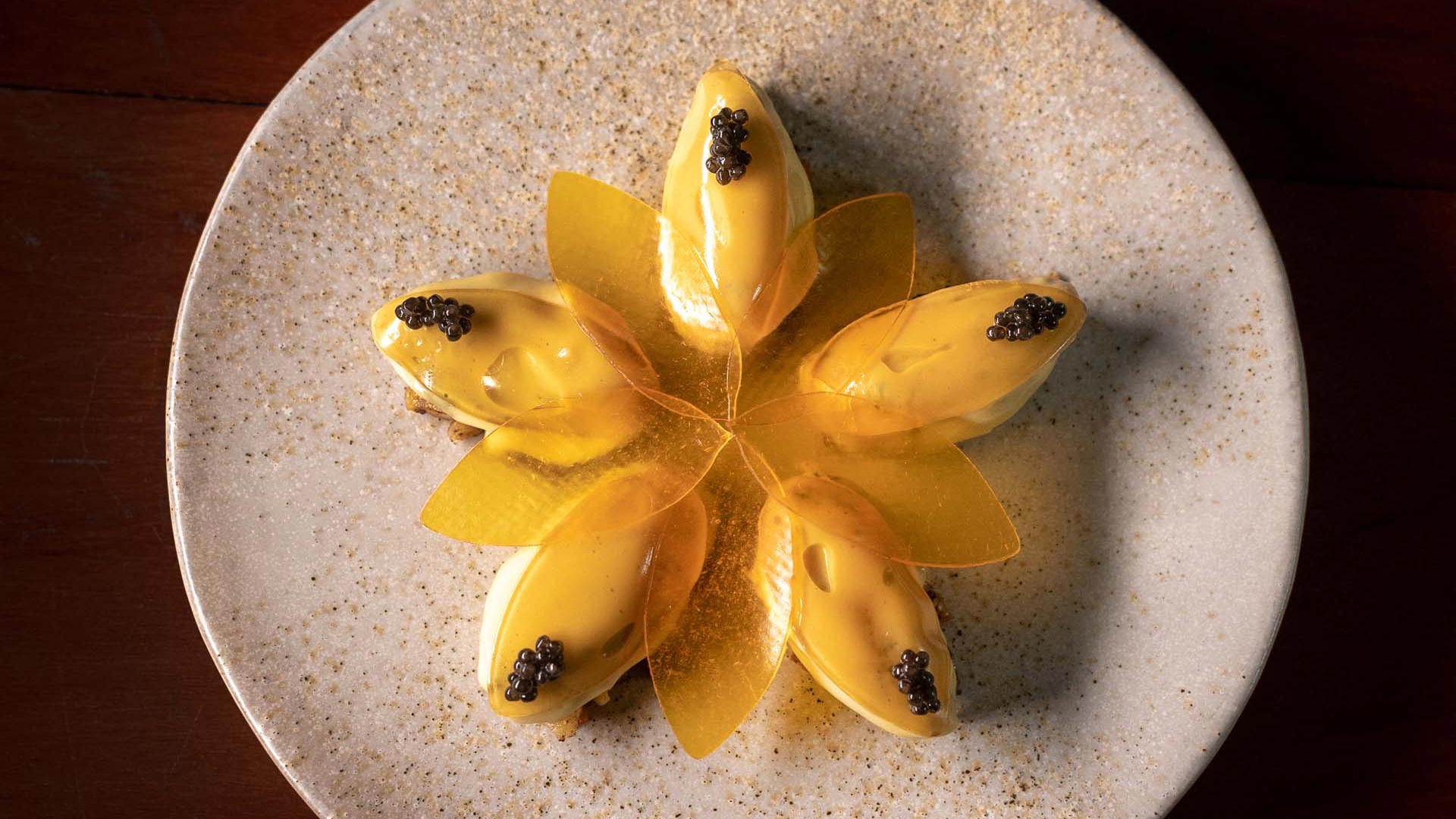
Bars in Kuala Lumpur
All bars in Kuala Lumpur →
Details
- Lively
- Trendy
- Elegant
- Group Dining
- Family
- Celebration
- Open Kitchen
- A La Carte
- Halal
Current opening hours
- Monday
- 11 AM–3:30 PM, 6–9:30 PM
- Tuesday
- 11 AM–3:30 PM, 6–9:30 PM
- Wednesday
- 11 AM–3:30 PM, 6–9:30 PM
- Thursday
- 11 AM–3:30 PM, 6–9:30 PM
- Friday
- 11 AM–3:30 PM, 6–9:30 PM
- Saturday
- 11 AM–5 PM, 6–9:30 PM
- Sunday
- 11 AM–5 PM, 6–9:30 PM
Hours can change for holidays and private events. Hours as of .
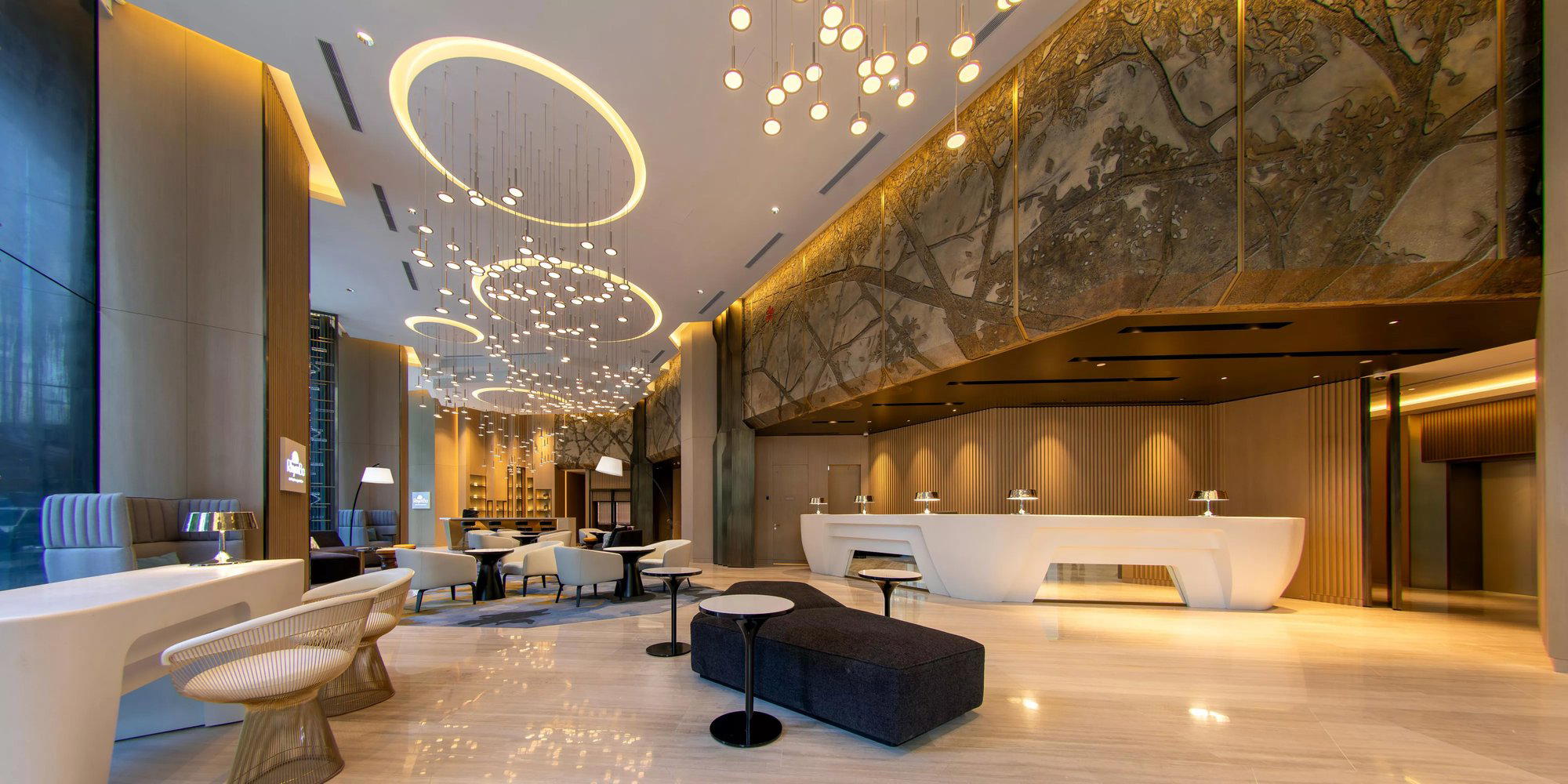
Sunny, cheerful, inviting, and bustling with colorful decor and local cultural elements.