Daquise

London's oldest Polish restaurant, open since 1947 in South Kensington, Daquise has outlasted decades of neighbourhood change and now faces its most pressing test yet: a threatened redevelopment that brought it back into the spotlight and doubled pressure on tables. The menu runs to Polish classics, pierogi, schnitzel, calf's liver, served in a chandelier-hung dining room with a vodka list to match.
Pearl is the En Primeur Club membership app — saves, bookings, and concierge access live there. Same editors, same standards.
- Address
- 20 Thurloe St, South Kensington, London SW7 2LT, United Kingdom
- Phone
- +44 20 7589 6117
- Website
- daquise.co.uk
- Directions
- Get directions
 Saves & bookings on Pearl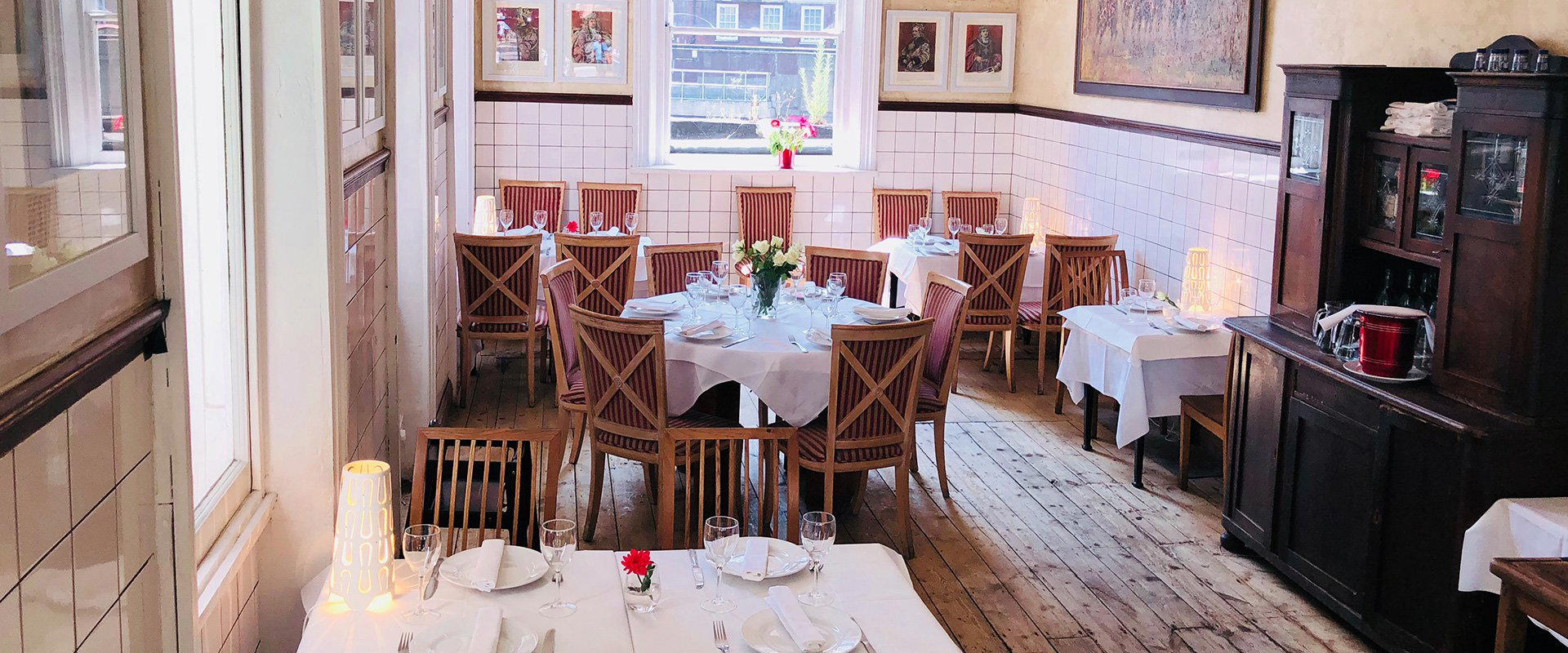
Seventy-Seven Years on Thurloe Street
Daquise is a Traditional Polish restaurant in South Kensington, London, serving dishes at about $35 per person. It has survived the full arc of post-war South Kensington, the neighbourhood's shift from Central European émigré enclave to international money corridor, the arrival of chain cafes, the departure of independent traders, and it carries that history in a way that neither the room nor the menu tries to disguise. Polish cooking in London has never commanded the cultural capital of French or Italian, which is precisely why a place like Daquise reads as a minor act of stubborn geography: still here, still serving pierogi, still pouring hazelnut vodka.
The immediate context matters. The restaurant has drawn renewed attention in recent years. Tables doubled in pressure. The Good Food Guide returned to assess it. Their verdict was unambiguous: this is an institution, and it belongs back in the listings. For anyone with a passing interest in London's culinary archaeology, that reinstatement carries weight.
The Room, the Noise, and What the Chandeliers Say
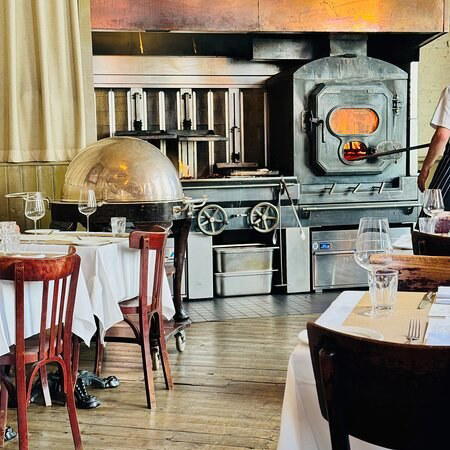
South Kensington runs on a particular kind of restaurant grammar: the grand brasserie, the neighbourhood Italian, the museum-adjacent cafe. Daquise does not fit cleanly into any of those categories, and the exterior offers no reassurance, it reads as unpromising from the street. What you find inside is a high-ceilinged, chandelier-hung dining room, noticeably larger than its frontage suggests (two rooms appear to have been knocked through at some point), busy with white-clad tables and professional, unhurried service. The noise level is high in the way that good, full rooms are noisy: conversation rather than music. It is not the kind of place that has been designed for a particular atmosphere. The atmosphere is simply what happens when a room this old keeps working.
The lunch service and the evening service occupy different registers. At lunch, the crowd skews local and purposeful, museum visitors from the V&A a short walk away, South Kensington residents who know what they want, the occasional table of Polish expats for whom this is less a discovery than a ritual. The menu sits at the same prices either way, but the midday version of the room carries a lighter pace that suits the food. These are not dishes that benefit from theatre or ceremony. A plate of pierogi does not require a tasting menu format to make its case. Lunch at Daquise is, on a practical level, one of the more honest meals you can eat in this part of London for the money.
Evening service pulls a different clientele: the newly curious, drawn in partly by the coverage that followed the redevelopment threat, and partly by the kind of word-of-mouth that attaches to places with a genuine backstory. The room feels more charged at dinner, the vodka list gets more use, and the pancakes with sweet cheese filling arrive with more frequency as a closing move. Neither service is wrong. They reflect the same menu through different light.
The Menu as a Document
Polish restaurant cooking in London exists in a narrow tier between home kitchens and the fine dining register. Daquise operates at the approachable end of that range, with a menu of classics priced to reflect the neighbourhood without attempting to compete with the ££££ bracket occupied by places like Dinner by Heston Blumenthal or CORE by Clare Smyth. The competitive set here is not modern European tasting menus. It is neighbourhood bistros and the handful of other Central and Eastern European restaurants scattered across the city.
A recent revisit flagged specific dishes worth noting. Polish-style stuffed eggs arrived as a strong opening; the ruskies, pierogi filled with cheese, potato, and onion, drew particular praise. Main courses ran to pan-fried calf's liver with apple and onions, and a veal schnitzel topped with a fried egg and served with mashed potato. These are generous plates, the kind of cooking that is assessed on execution of the familiar rather than innovation. When it works, as the Guide's return visit suggests it does, the standard is solid rather than spectacular, which is the appropriate standard for a room that is not trying to be spectacular.
The drinks list anchors itself in vodka, both straight and flavoured. The orzechówka, hazelnut vodka, was specifically noted as a successful pairing with the sweet cheese-stuffed pancake. European wines open at £26. This is a list built for the food, not for display, which is the right call for this kitchen.
The Urgency Is Real
London has lost enough of its post-war dining history, institutions that seemed permanent until they weren't, that the prospect of Thurloe Street without Daquise registers as more than sentimental. It represents a particular strand of the city's Central European émigré culture that has no direct replacement.
South Kensington's dining scene spans a considerable range. For modern European cooking at the high end, The Ledbury and Sketch, The Lecture Room and Library represent that bracket. Restaurant Gordon Ramsay sits nearby in Chelsea. None of them are doing what Daquise does, or have been doing it since 1947.
Daquise is at 20 Thurloe Street, SW7 2LT, a short walk from South Kensington tube station. Booking ahead is recommended. Lunch offers one relaxed version of the experience and the leading value framing for the food. Go before the break clause changes the answer.
Comparable Options
Comparable venues nearby, for context on price, style, and recognition.
| Venue | Cuisine | Price | Notes |
|---|---|---|---|
| DaquiseThis venue — the venue you are viewing | Traditional Polish | $$ | Not listed |
| Bill’s | British All-Day Brunch | $$ | Borough |
| Nutbourne Bar and Restaurant, Battersea | Farm-to-Table British Brasserie | $$ | Battersea |
| Thatched House | British Gastropub | $$ | Hammersmith Broadway |
| E5 Bakehouse | Artisanal Bakery Cafe | $$ | Hackney Central |
| Good as Gold | Seasonal British with European Influences | $$ | Brockley |
Recognition history
Dated appearances from independent guides and award organizations, with the underlying list record or original source where available.
The Good Food Guide GFG Good
The Good Food Guide
Continue exploring
More in London
Restaurants in London
Browse all →
Bars in London
Browse all →
Hotels in London
Browse all →

At a Glance
- Classic
- Rustic
- Well Known
- Cozy
- Group Dining
- Casual Hangout
- Family
- Business Dinner
- Open Kitchen
- Historic Building
- Standalone
- Beer Program
- Local Sourcing
Current opening hours
- Monday
- Closed
- Tuesday
- 12–11 PM
- Wednesday
- 12–11 PM
- Thursday
- 12–11 PM
- Friday
- 12–11 PM
- Saturday
- 12–11 PM
- Sunday
- 12–11 PM
Hours can change for holidays and private events. Last verified .
High-ceilinged dining room with white-clad tables and minimal ornamentation; austere white-tiled interior with ochre walls and chandeliers; noisy and bustling atmosphere.