Cub

Cub was a Hoxton Street restaurant that positioned vegetable-led cooking and adapted drinks as a single, integrated dining ritual rather than two parallel offerings. Dishes like candied beetroot with molasses and lime signalled a kitchen working with restraint and precision at a moment when plant-forward dining was still finding its London footing. The restaurant has since permanently closed.
- Address
- Hoxton Street 153, London N1 6PJ, United Kingdom
- Website
- lyancub.com
- Directions
- Get directions
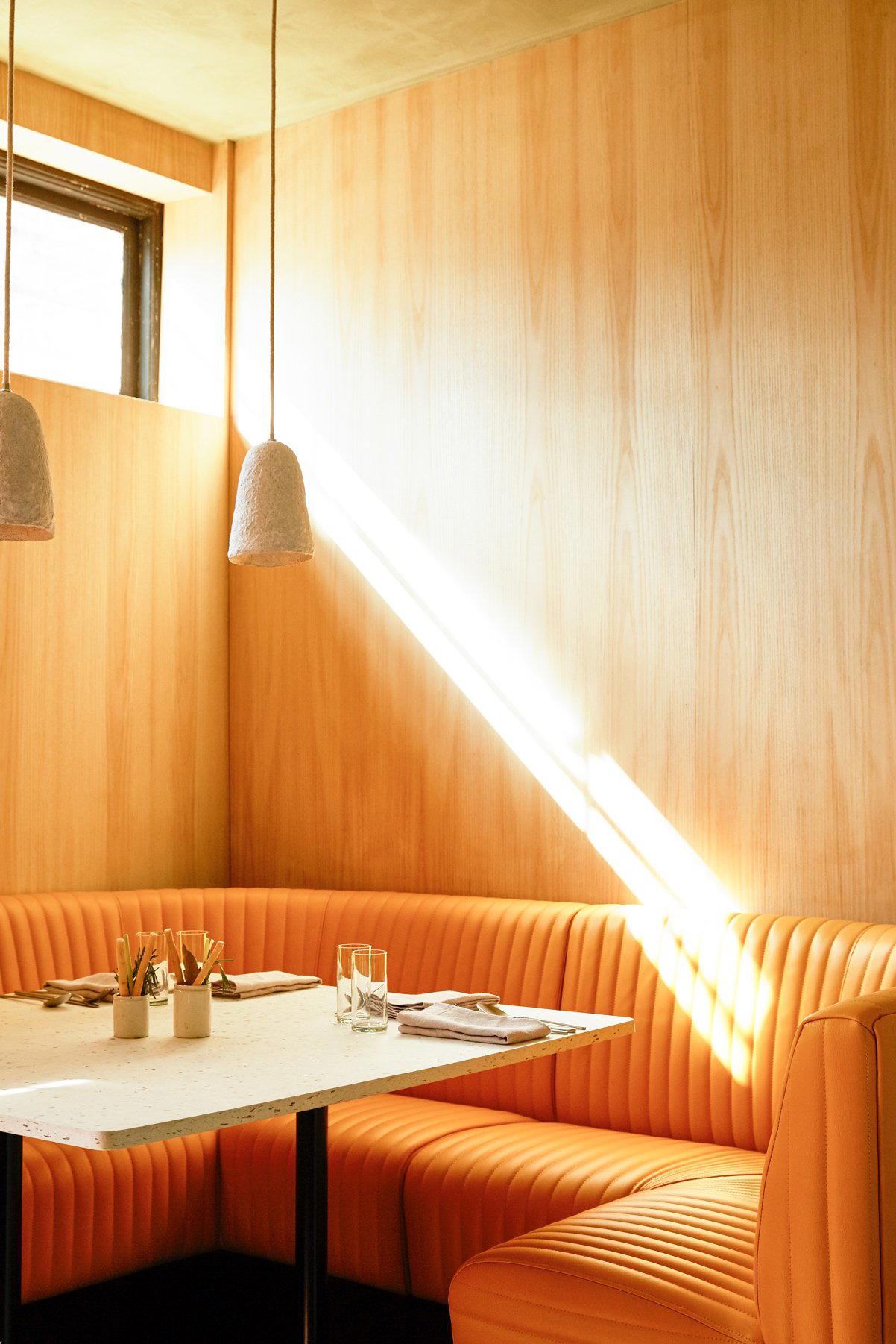
A Note on Cub's Closure
Cub, at 153 Hoxton Street in Dalston's northern fringe, is permanently closed. What follows is an editorial record of what made it a notable address in London's plant-forward dining conversation, and why that conversation continues to matter for anyone tracing the development of vegetable-led tasting menus in the city.
Where Hoxton Street Placed It
London's creative dining scene has never been geographically uniform. The formal end, CORE by Clare Smyth, Alain Ducasse at The Dorchester, The Ledbury, clusters west. The more experimental, format-breaking restaurants tend to root themselves east, in the arc from Shoreditch through Hoxton to Dalston. Cub occupied that eastern register, on a stretch of Hoxton Street that sits closer to the neighbourhood's working fabric than to its gentrified café strip. That address was not incidental. It signalled something about intent: this was not a restaurant positioning itself against white-tablecloth convention by borrowing white-tablecloth real estate.
The broader Hoxton and Shoreditch zone had, through the 2010s, developed a concentration of restaurants willing to challenge the primacy of protein-led menus. The Clove Club in nearby Shoreditch Town Hall had already demonstrated that a fixed tasting format in an unconventional space could sustain serious critical attention. Cub operated in that same atmosphere of permission, where the room and the postcode allowed the kitchen to lead with vegetables without the burden of justifying the choice against a more conservative dining public.
The Dining Ritual: Vegetables and Drinks as a Single Sequence
The structural premise that defined Cub's dining ritual was the integration of the food and drink sequences into a single authored experience rather than two separate tracks. In most tasting-menu restaurants, the wine pairing is selected after the menu is set; it annotates the food. At Cub, adapted drinks, reworked to align with the vegetable-led kitchen rather than defaulting to conventional wine structures, were treated as co-equal to the food sequence. The pacing and the logic of the meal moved through both simultaneously.
This matters as a dining ritual because it changes how a guest reads a course. When a drink is adapted specifically to accompany candied beetroot with molasses and lime, or celeriac with blood orange and monk's beard, the pairing ceases to be supplementary and becomes interpretive. It asks the diner to consider both elements as parts of a single editorial statement. That discipline, holding two tracks in coherent tension across a full tasting sequence, is harder to execute than it sounds, and relatively few London restaurants attempted it at the level Cub did during its operation.
Plant-forward tasting menus occupy a different structural challenge than meat-led equivalents. The traditional tasting menu builds across protein escalation: shellfish to fish to poultry to red meat, with intensity rising through the sequence. A vegetable-led menu must find other architecture: texture contrast, temperature variation, the interplay of bitter and sweet, the use of fermentation and curing to introduce depth that protein usually provides. Cub's documented dishes, candied beetroot with molasses and lime; celeriac with blood orange and monk's beard, suggest a kitchen working with sugar and acid as primary structural tools, using sweetness and brightness to create the kind of progression that a conventional menu achieves through the protein ladder.
This approach placed Cub in a small comparable set within London. Ikoyi has moved toward a format where vegetables carry as much weight as any other element, though its register is different, West African spice and fermentation rather than European botanical reference. The two restaurants shared a willingness to treat the vegetable course not as a palate cleanser between protein moments but as the main event requiring its own internal architecture.
Why the Format Read as Instructive, Not Ascetic
A recurring criticism of vegetable-led tasting menus in London has been that they read as morally corrective, that the absence of meat is the message, and the food is secondary to the statement. Cub avoided that register, at least in the accounts that survive it. The description of the experience as "fun" and "instructive" rather than austere points to a kitchen that understood the difference between plant-forward cooking as a technical discipline and plant-forward cooking as a dietary position.
The distinction is significant. Restaurants that lead with the ethical argument tend to attract diners already converted; they do not build new audiences for the format. Restaurants that lead with the cooking attract a broader range of guests, and in doing so make a more durable case for the approach. By the mid-2010s, London's most influential tasting rooms, places whose alumni and critics shaped what came after, were those where the food was the argument, not the ethos. Cub appeared to operate on that logic.
Cub in the Wider Context of British Dining
The closure of restaurants like Cub is a structural feature of the London dining economy, not an anomaly. The city's cost base, rent, labour, the overhead of a precision kitchen, makes the tasting-menu format financially fragile even when critically successful. Reservation demand alone does not sustain a restaurant; the margin structure of a vegetable-led kitchen, which cannot rely on high-value protein to anchor the bill, adds another layer of pressure.
That financial reality is worth holding alongside the critical legacy. Particularly formative restaurants in British dining, places that shaped how chefs and diners now think about a category, operated for relatively short periods. The influence of a closed restaurant is often clearest in what persists in the kitchens its alumni opened afterward, and in the formats that other chefs adopted after seeing a proof of concept succeed.
For a fuller picture of where London's creative dining scene sits today, our full London restaurants guide maps the current field, from neighbourhood kitchens to the formal tasting-menu tier. For those extending a visit into hotels or bars, our London hotels guide and our London bars guide cover the current supply in both categories. If the plant-forward tasting format interests you beyond London, the broader British fine-dining circuit, L'Enclume in Cartmel, Moor Hall in Aughton, Waterside Inn in Bray, Gidleigh Park in Chagford, Hand and Flowers in Marlow, and hide and fox in Saltwood, offers formats where the kitchen's relationship to produce is central. Internationally, the tasting-menu format reaches different conclusions about what protein means: Le Bernardin in New York City builds its entire architecture around fish with comparable rigour to Cub's vegetable focus, while Emeril's in New Orleans represents the American tradition of produce-led cooking from a different regional starting point. For those interested in London's drinks culture independently, our London wineries guide and our London experiences guide extend the picture.
Cuisine and Awards Snapshot
Comparable venues nearby, for context on price, style, and recognition.
| Venue | Cuisine | Price | Notes |
|---|---|---|---|
| CubThis venue — the venue you are viewing | Modern Vegetarian Tasting Menu | $$$ | Not listed |
| Masala Zone | Authentic Regional Indian | $$$ | Battersea |
| Electric Diner | American Diner Classics | $$$ | Cheapside |
| Barge East | Modern British Seasonal | $$$ | Hackney Wick |
| The George | British Gastropub | $$$ | Marylebone |
| 45 Curtain Road | Japanese-Inspired Chophouse with Mediterranean Influences | $$$ | Shoreditch |
Recognition history
Dated appearances from independent guides and award organizations, with the underlying list record or original source where available.
We're Smart World 4 Radishes
We're Smart World
Continue exploring
More in London
Restaurants in London
Browse all →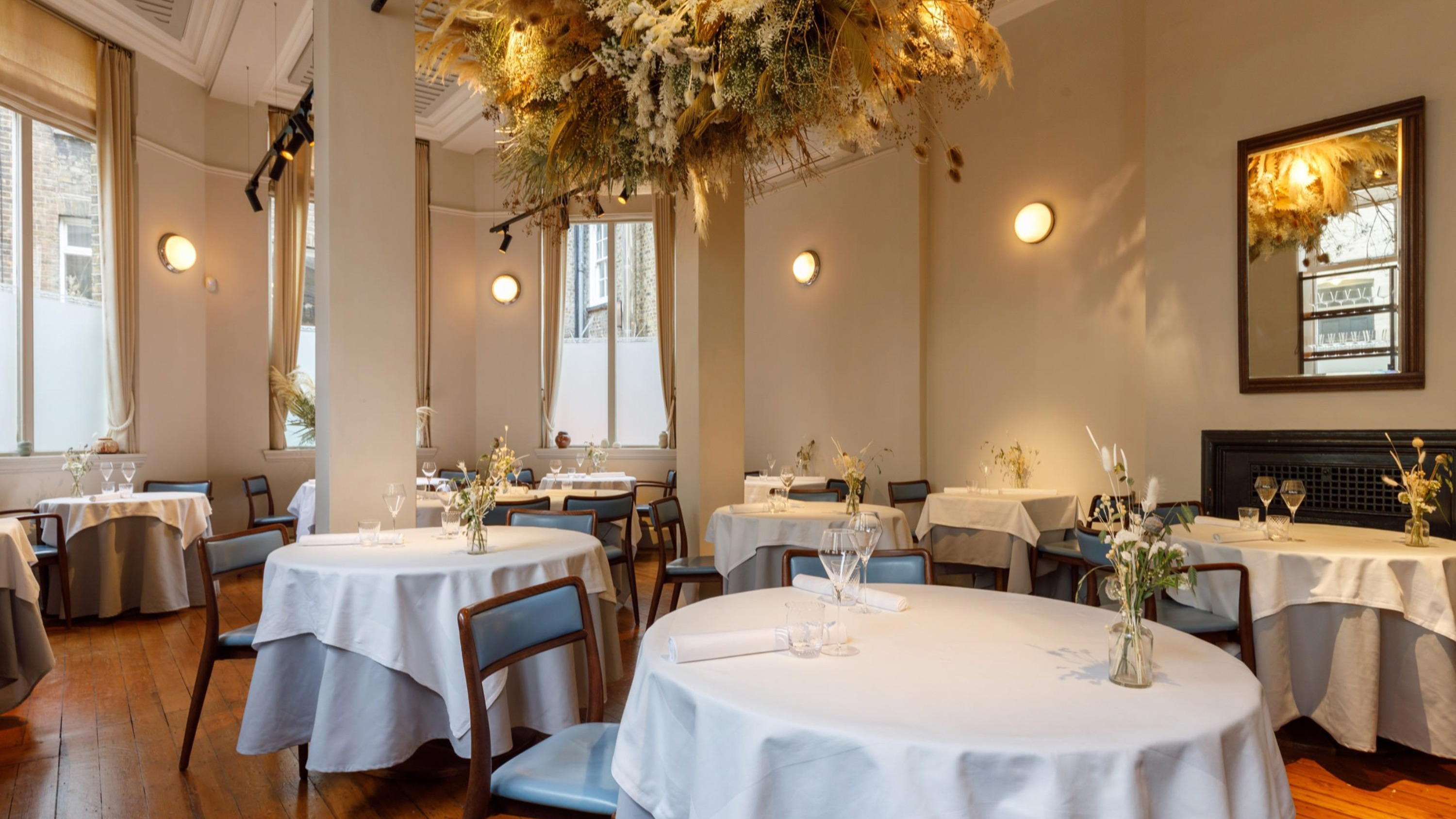
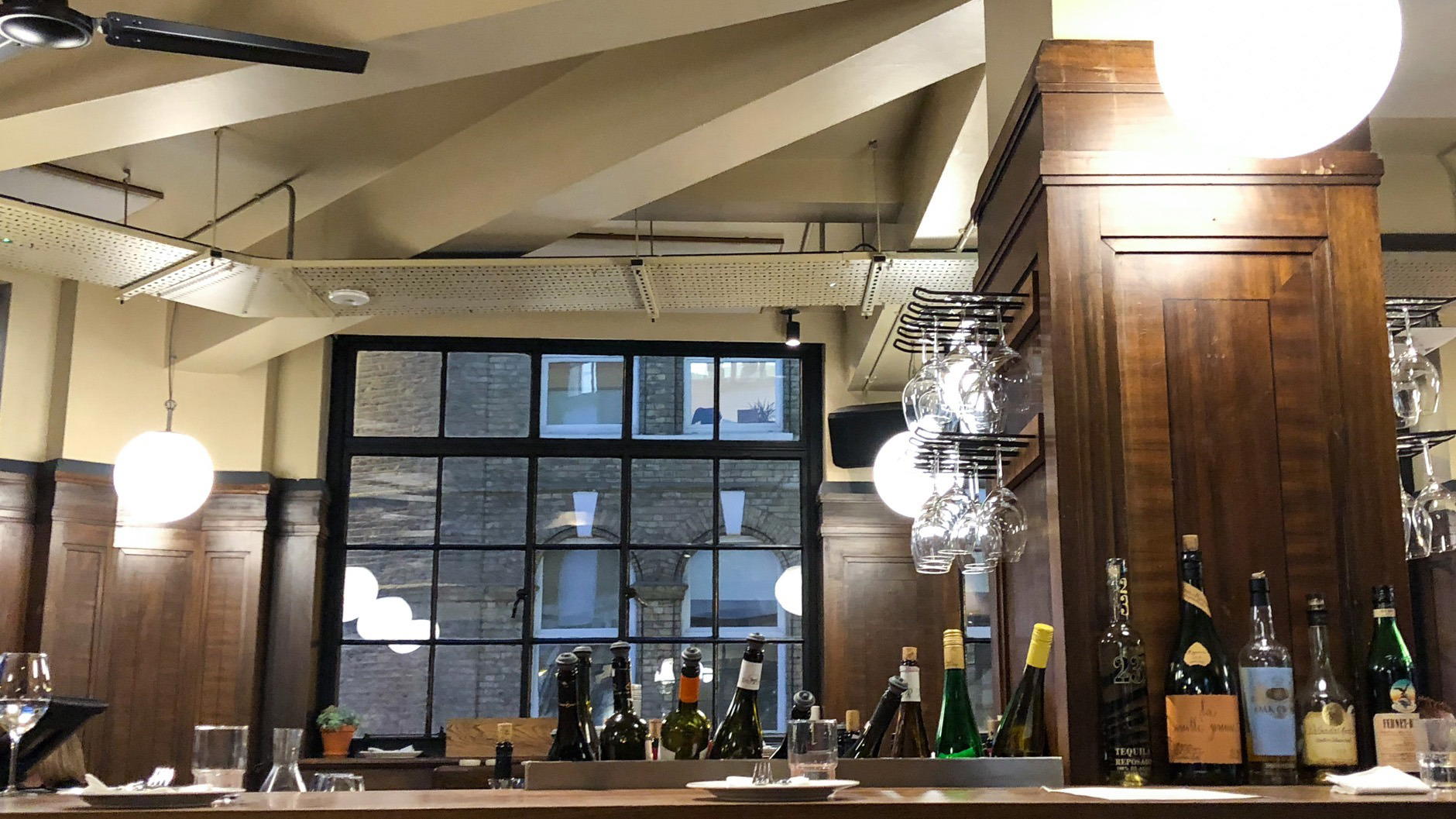
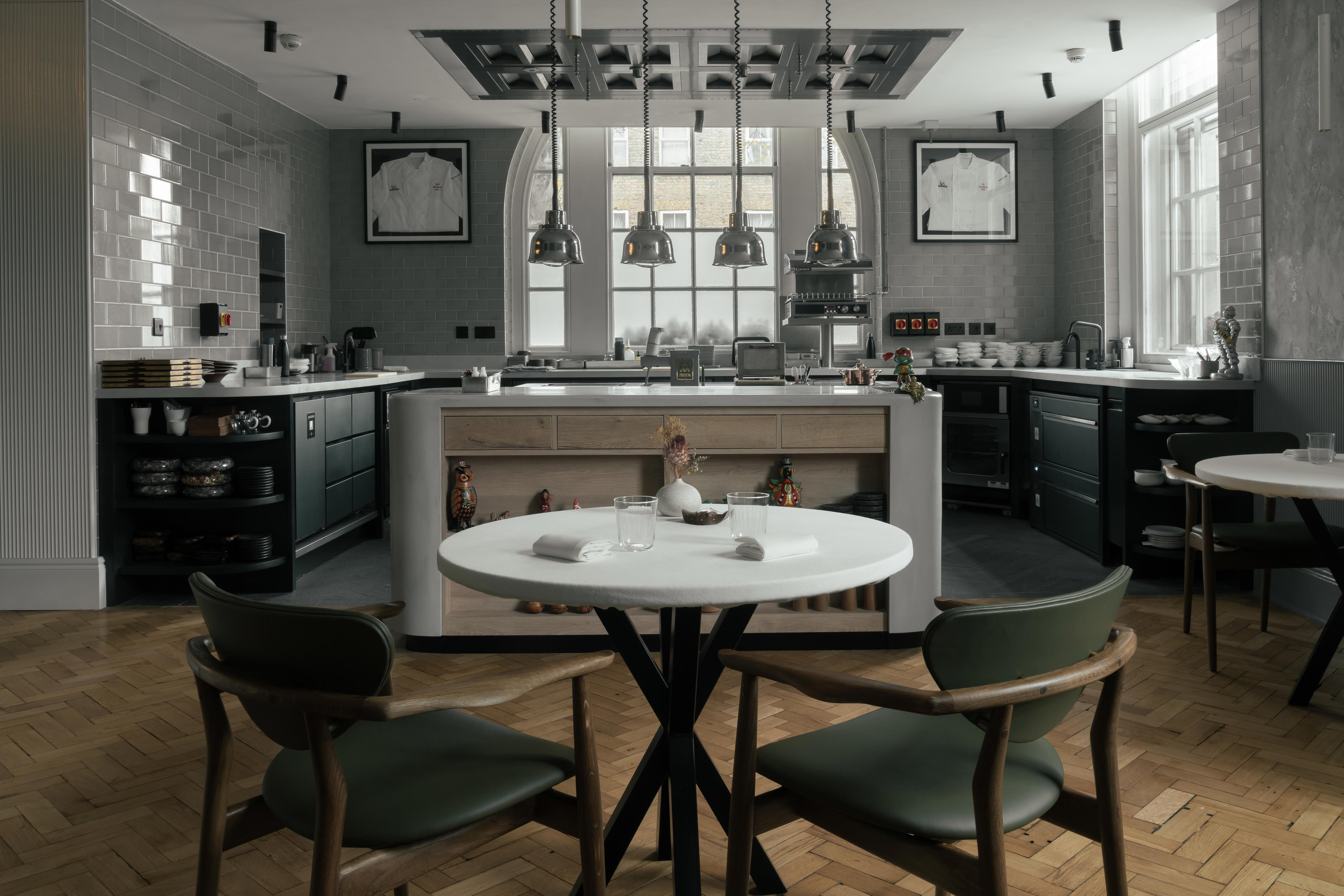
Bars in London
Browse all →
Hotels in London
Browse all →




At a Glance
- Trendy
- Modern
- Intimate
- Whimsical
- Date Night
- Special Occasion
- Celebration
- Open Kitchen
- Private Dining
- Craft Cocktails
- Sommelier Led
- Sustainable Seafood
- Farm To Table
- Organic
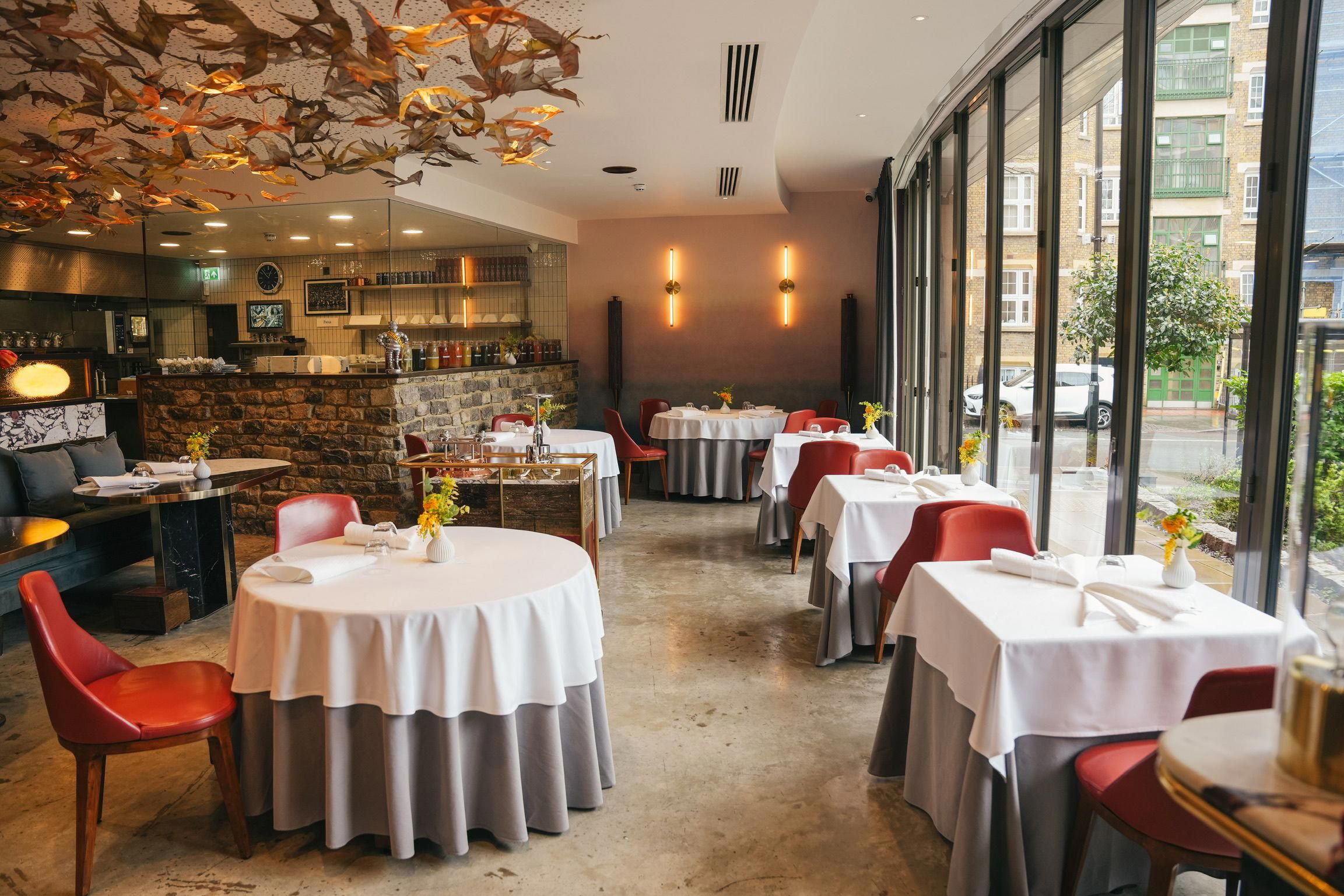
Relaxed and laid-back with a focus on sustainability; small, quirky space with informal service that maintains high-quality presentation; described as earthy and foodie-focused.